Harmonic Horizons: Sound Wellness for Chronic Low Mood
Key Insights
Explore how long-term sound therapy offers a unique, complementary approach to managing persistent low mood and fostering holistic well-being.
Have you ever felt a persistent, subtle hum of sadness beneath the surface of daily life, a low mood that lingers not as a storm, but as a perpetual overcast sky? This is the experience for many living with what is now known as Persistent Depressive Disorder (PDD), previously termed dysthymia – a chronic condition far more profound than simply feeling "mildly depressed." It's an enduring state that can dull the vibrancy of life, sometimes for years or even decades.
Far from a fleeting moment of sadness, PDD is recognized as a high-burden illness, often beginning in adolescence or childhood and significantly impacting one’s overall well-being. While traditional therapies offer invaluable support, there's a growing exploration into complementary practices that can address the nuanced, long-term nature of chronic low mood. This article delves into how long-term sound wellness, offered at Soul Art Dubai under the guidance of Larissa Steinbach, may support individuals in navigating and transforming this persistent emotional landscape. We will explore the scientific underpinnings and practical applications of sound as a powerful, non-invasive tool for holistic well-being, focusing on its potential to re-engage the nervous system and foster a renewed sense of emotional vitality.
The Science Explained: Resonating with Resilience
Understanding persistent low mood requires delving into its complex origins and manifestations. Persistent Depressive Disorder (PDD) is not merely a milder form of depression; it is a chronic condition characterized by long-lasting symptoms that can profoundly affect an individual's life. Research over the past decades, notably sponsored by the NIMH, highlights PDD as a high-burden illness, often starting early in life and potentially lasting for many years without adequate management.
The Neurological Landscape of Persistent Low Mood
Biologically, individuals experiencing PDD exhibit distinct neurological patterns. Studies comparing healthy individuals to those with dysthymia have shown a noticeable difference in emotional anticipation. Healthy individuals tend to expect fewer negative adjectives to apply to them and display greater neurological anticipation for all types of events – positive, neutral, or negative. Conversely, those with PDD often expect fewer positive adjectives and show a reduced neurological anticipation across the board. This points to a "dulling of emotion," a protective mechanism some individuals with PDD may develop to shield themselves from overly strong negative feelings.
This emotional blunting can manifest as a persistent lack of pleasure, diminished interest in activities, and an overall sense of apathy. Traditional treatments like Cognitive Behavioral Therapy (CBT) are effective for non-chronic depression, and specialized approaches like Cognitive Behavioral Analysis System of Psychotherapy (CBASP) have been developed specifically for PDD, though results can vary. Interpersonal Therapy (IPT) and Radically Open Dialectical Behavior Therapy (RO-DBT) also show promise by focusing on social, relational, and emotional regulation challenges.
Sound's Impact on the Psycho-Emotional and Physiological Self
In parallel to understanding PDD, extensive research continues to illuminate the profound effects of sound on human physiology and psychology. Sound interventions, including music therapy and other forms of sound stimulation, have been increasingly recognized for their integrative impact on psycho-emotional and physiological outcomes. This makes them a compelling complementary approach for stress-related conditions, including elements often associated with persistent low mood.
Scientific investigations, including randomized controlled trials and laboratory experiments, have documented that sound therapy may help manage stress, anxiety, and even some aspects of depression. For instance, listening to specific types of sound, such as binaural beats or certain musical compositions, has been shown to reduce anxiety scores and influence physiological markers like blood pressure. Tibetan singing bowl sound meditations, an ancient healing method, have been observed to lead to significant reductions in tension, anxiety, and a depressed mood, alongside improvements in physical pain scores.
The mechanisms underlying these positive effects are thought to involve the modulation of the nervous system. Sound, particularly vibrations and specific frequencies, can influence brainwave activity, shifting the brain from a state of heightened arousal (associated with stress and anxiety) to more relaxed states (alpha and theta waves). This process may support the regulation of stress hormones like cortisol and promote the release of feel-good neurotransmitters, potentially counteracting the "dulling of emotion" often experienced with PDD. By engaging the auditory system and the body's subtle energetic fields, sound wellness offers a pathway to re-establish a sense of presence, emotional resonance, and a healthier stress response.
How It Works in Practice: The Vibrational Journey to Inner Harmony
Translating the scientific understanding of sound’s impact into a tangible wellness experience involves a profound connection between theory and practice. When clients engage in long-term sound wellness sessions, particularly for managing chronic low mood, they embark on a journey that engages both their auditory and somatic senses. This immersive experience is designed to gently guide the body and mind towards states of deep relaxation and emotional re-engagement.
The Sensory Experience of Sound
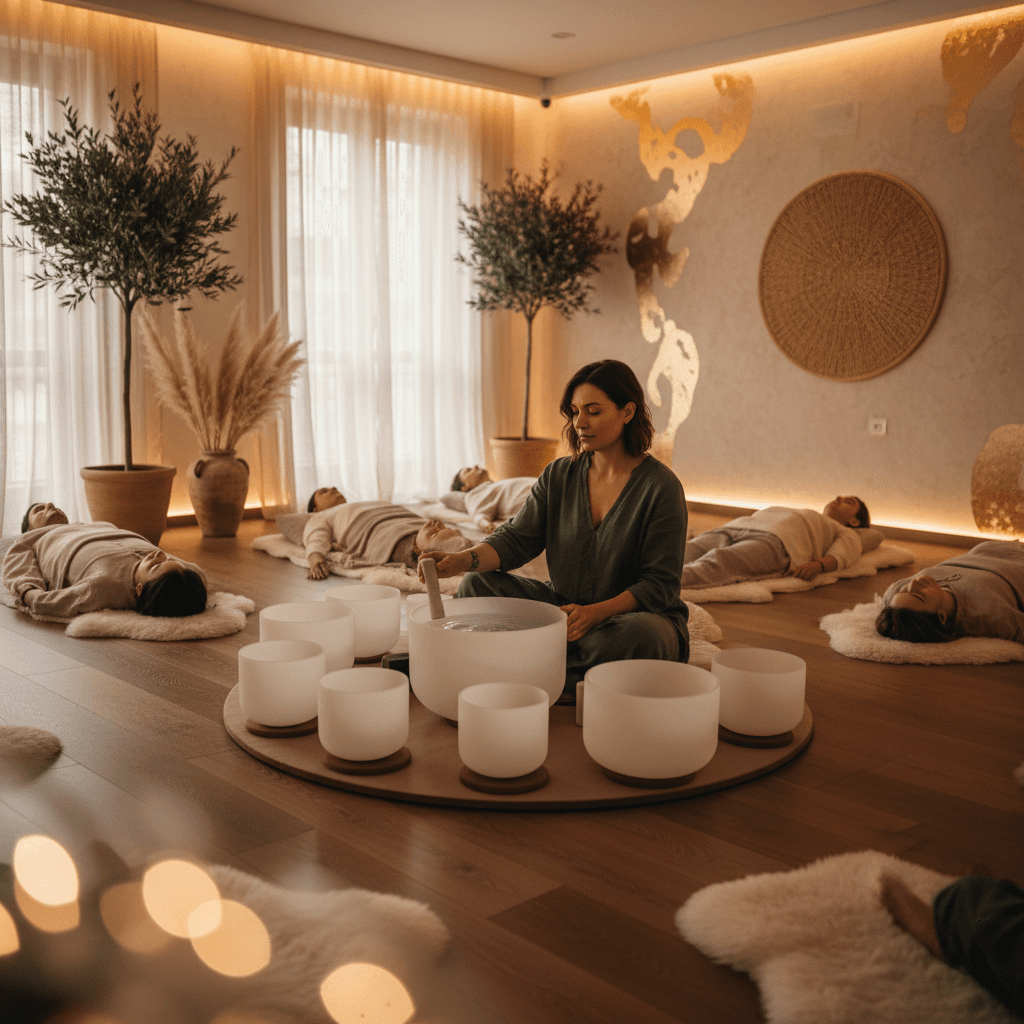
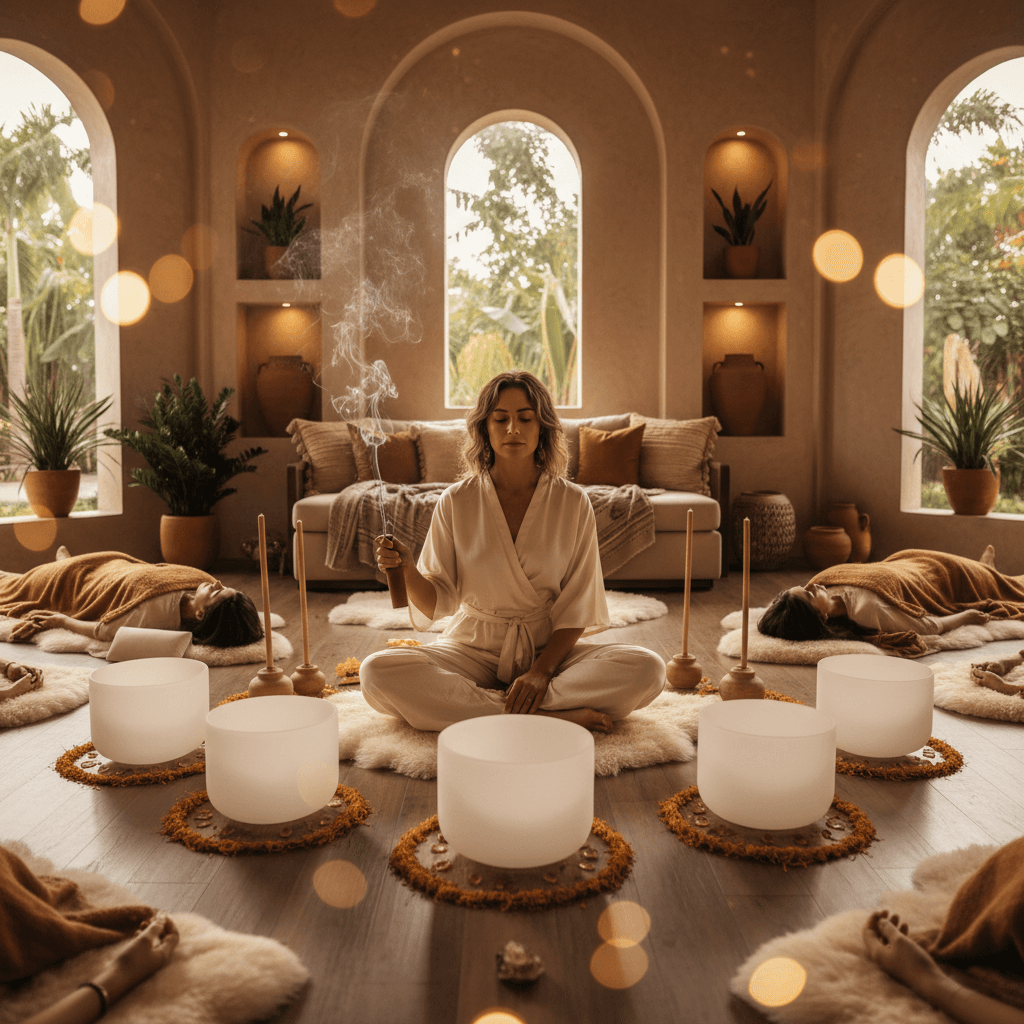
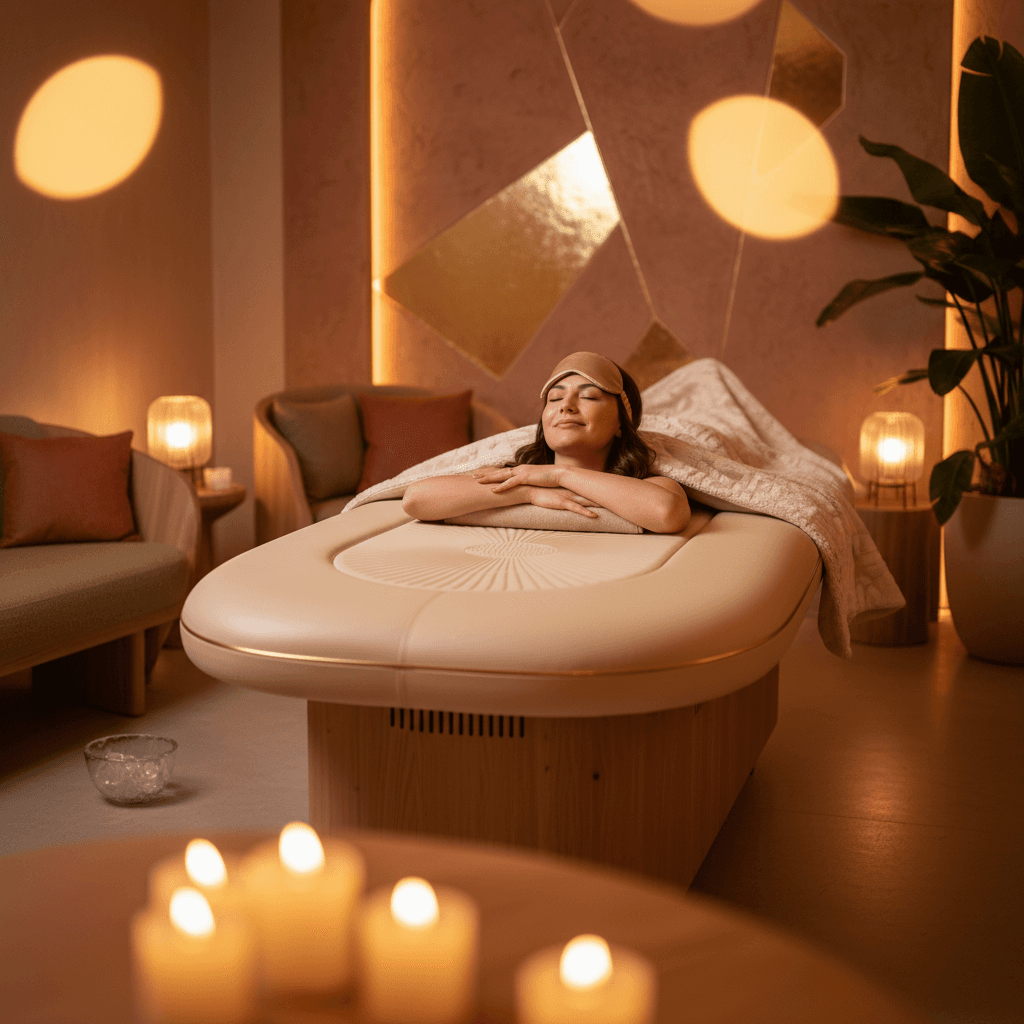
During a sound wellness session, clients typically lie comfortably, often surrounded by a curated array of instruments. These might include crystal singing bowls, Himalayan singing bowls, gongs, chimes, and other resonant tools. The practitioner, like Larissa Steinbach at Soul Art, then skillfully plays these instruments, creating a rich tapestry of sounds and vibrations. The sounds are not just heard; they are felt deeply within the body.
The low frequencies and sustained tones produced by instruments like gongs and singing bowls create palpable vibrations that resonate through tissues, organs, and even bones. Many people report a sensation of gentle internal massage, as if the sound waves are delicately untangling knots of tension. This somatic experience is crucial, as chronic low mood often manifests with physical symptoms such as fatigue, muscle tension, and a general feeling of being "heavy" or sluggish. The vibrational input may help to release this physical stagnation, inviting a sense of lightness and fluidity.
Fostering Emotional Re-engagement and Nervous System Regulation
Beyond the immediate sensory experience, the consistent practice of sound wellness aims to foster long-term shifts in emotional regulation and nervous system health. For individuals with persistent low mood, the goal is not to "fix" emotions, but to gently encourage a broader spectrum of feeling and a more balanced emotional response. The gentle, rhythmic nature of many sound interventions can help to downregulate the sympathetic "fight or flight" nervous system, promoting the dominance of the parasympathetic "rest and digest" system.
This shift creates an internal environment conducive to healing and self-reflection. When the nervous system is calm, the mind can often quiet down, allowing for a deeper connection with one's inner state. This may gradually counteract the "dulling of emotion" by creating a safe space for emotions to arise and be processed without judgment. Over time, individuals may find themselves more attuned to subtle internal shifts, experiencing a greater capacity for joy, peace, and even a more constructive engagement with challenging feelings. Sound becomes a gentle guide, inviting the system to remember its inherent capacity for balance and vitality.
"The subtle art of sound wellness lies in its ability to meet us where we are, offering a resonant space for the nervous system to recalibrate and for the quiet whispers of joy to re-emerge."
The Soul Art Approach: Larissa Steinbach's Philosophy of Harmonic Healing
At Soul Art Dubai, Larissa Steinbach has cultivated a unique and deeply personalized approach to sound wellness, specifically designed to support individuals navigating the complexities of persistent low mood. Her philosophy is rooted in the belief that true well-being arises from a harmonious balance of mind, body, and spirit, and that sound can be a powerful catalyst for achieving this equilibrium. The Soul Art method is distinguished by its blend of scientific understanding, intuitive practice, and a commitment to creating a safe, nurturing environment.
A Curated Journey with Bespoke Frequencies
Larissa Steinbach’s expertise lies not just in playing instruments, but in curating a sonic experience that responds to the individual needs of each client. She understands that chronic low mood requires a gentle yet consistent approach. Soul Art sessions are far from generic; they are carefully crafted, taking into account the client's current emotional state, their energy levels, and their personal intentions for wellness. This bespoke approach ensures that each sound journey is relevant and impactful.
The studio utilizes a rich array of high-quality, resonant instruments selected for their specific vibrational properties. These include:
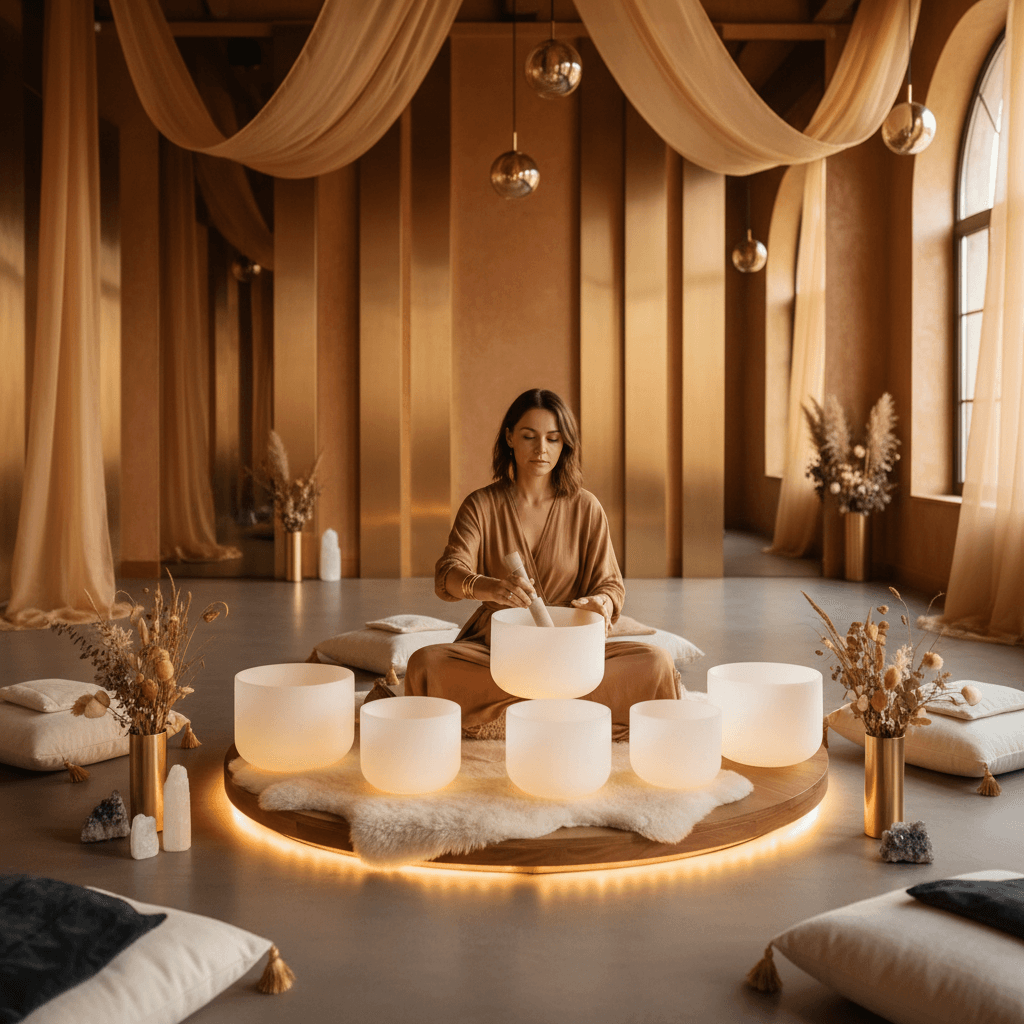
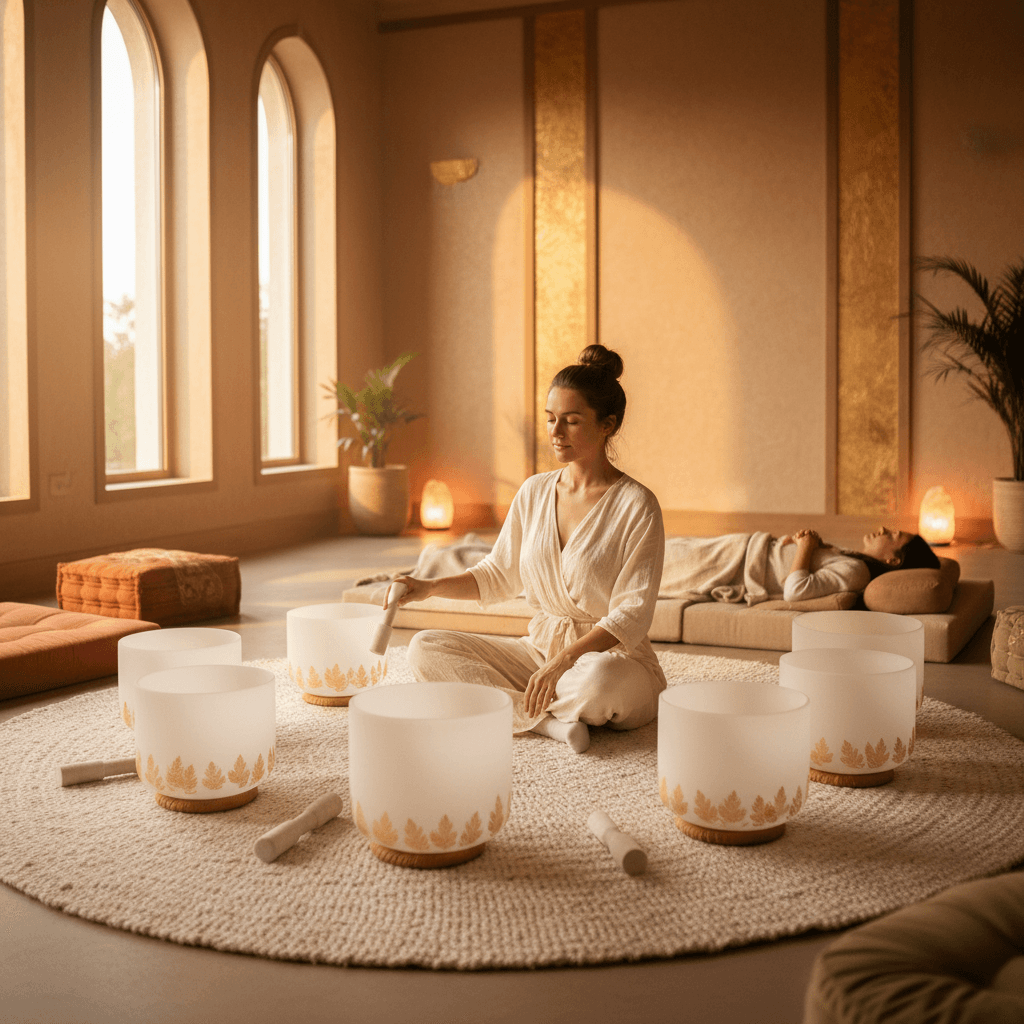
- Crystal Singing Bowls: Known for their pure tones and ability to resonate with the body's energetic centers, promoting clarity and emotional release.
- Himalayan Singing Bowls: These ancient bowls produce complex overtones and deep vibrations that are particularly effective for grounding, relaxation, and reducing tension.
- Gongs: The powerful, immersive sounds of gongs create a "sound bath" effect, capable of shifting brainwave states and facilitating deep meditative experiences, which can be profoundly restorative for those experiencing persistent low mood.
- Chimes and Percussion: Used to add layers of delicate texture and evoke a sense of spaciousness and peace.
Larissa's skillful combination of these instruments, alongside her empathetic presence, creates an environment where clients feel truly held and supported. This intentional use of specific frequencies and vibrations aims to gently encourage the nervous system to move out of chronic stress responses and into states of calm and receptivity, which are vital for supporting long-term emotional well-being.
Beyond the Session: Integrating Sound into Life
The Soul Art approach, guided by Larissa Steinbach, extends beyond the single session. It is designed to be a complementary practice that integrates into a holistic wellness strategy. Understanding that persistent low mood requires ongoing management, Larissa often offers guidance on how clients can incorporate elements of sound and mindful presence into their daily lives. This might include simple breathing exercises, listening to specific calming frequencies at home, or developing a greater awareness of their body's responses to sound.
The aim is to empower individuals to become active participants in their own journey toward emotional balance. By fostering a deeper connection with the internal landscape through sound, Soul Art helps clients to gradually re-tune their inner rhythm, making it a sustainable practice for navigating chronic low mood and cultivating a life filled with greater peace and presence. This commitment to continuous, gentle support is what makes Soul Art a sanctuary for those seeking long-term well-being.
Your Next Steps: Cultivating Serenity in Your Daily Life
Embarking on a journey to support chronic low mood with complementary practices like sound wellness is a powerful act of self-care. While professional guidance is invaluable, there are several practical steps you can integrate into your daily routine to enhance your well-being and prepare for deeper transformative experiences. These actions are designed to gently nourish your nervous system and foster a sense of presence.
- Mindful Listening Moments: Dedicate a few minutes each day to simply listen to soothing sounds. This could be nature sounds, calming instrumental music, or even carefully selected ambient frequencies. Pay attention to how these sounds make your body feel and how your breath responds.
- Gentle Movement & Nature Connection: Incorporate short, mindful walks in nature. The combination of gentle exercise, fresh air, and natural sounds can be incredibly grounding and help release feel-good hormones, supporting a more positive mood.
- Prioritize Restful Sleep: Establish a consistent sleep schedule and create a calming bedtime routine. Avoiding screens before bed and incorporating quiet activities like reading or a warm bath can significantly improve sleep quality, which is crucial for emotional regulation.
- Nourish Your Body: Focus on adding healthier, whole foods into your diet slowly and sustainably. A balanced diet can influence gut health and neurotransmitter function, both of which are linked to mood. Avoid strict diets and instead embrace nourishing choices that are accessible and enjoyable.
- Explore Sound Wellness: Consider booking an introductory sound wellness session at Soul Art Dubai. This provides an opportunity to experience the profound effects of vibrational sound in a professionally guided and supportive environment, helping you determine if it resonates with your wellness journey.
In Summary: Reclaiming Emotional Vitality with Sound
Persistent Depressive Disorder, or chronic low mood, is a significant challenge characterized by a long-term dulling of emotion and reduced anticipation for life’s experiences. Traditional therapies provide essential support, yet complementary practices like sound wellness offer a unique pathway to holistic well-being. Scientifically, sound interventions may support nervous system regulation, reduce stress, and foster emotional re-engagement by influencing brainwave activity and physiological responses.
Larissa Steinbach's Soul Art in Dubai provides a sophisticated and empathetic approach, utilizing bespoke frequency combinations from crystal bowls, gongs, and more to create deeply restorative experiences. These sessions are designed to gently counter the effects of chronic low mood, promoting relaxation and facilitating a greater connection to one's inner landscape. By integrating long-term sound wellness into a holistic self-care routine, individuals may support their journey toward reclaiming emotional vitality and cultivating a more harmonious life.
Bookings Coming Soon
Soul Art is still in preparation. Session details and booking will be published here after launch.
Coming Soon
Wellness Disclaimer: This article is for educational and informational purposes only. It does not constitute medical advice, diagnosis, or treatment. Soul Art Dubai provides non-medical wellness experiences focused on relaxation, stress management, and general wellbeing. Sound wellness is a complementary practice and should not replace professional medical care.