Dopamine Deficiency: Sound Approaches for Pleasure Restoration
Key Insights
Discover how sound wellness and balanced dopamine can restore pleasure, motivation, and wellbeing. Larissa Steinbach at Soul Art Dubai offers unique approaches.
Compelling Introduction: The Silent Drain on Our Joy
Have you ever found yourself feeling perpetually unmotivated, struggling to find joy in activities you once loved, or lacking the drive to pursue new goals? You're not alone. In our modern, fast-paced world, many individuals report experiencing a subtle yet persistent "down mood," often accompanied by a distinct lack of concentration and enthusiasm. This pervasive feeling may hint at an imbalance within one of our brain's most crucial chemical messengers: dopamine.
Often dubbed the "pleasure molecule," dopamine plays a far more complex role, fundamentally influencing our motivation, reward-seeking behavior, and overall capacity for enjoyment. When its levels dip, the vibrancy of life can fade, leaving us in a state of quiet deficiency. However, groundbreaking research is shedding light on innovative, complementary approaches to gently restore this vital neurotransmitter.
This article delves into the intricate science of dopamine and explores how the profound practice of sound wellness, championed by Larissa Steinbach at Soul Art in Dubai, may offer a sophisticated pathway to natural pleasure restoration and enhanced motivation. We will uncover how intentional sound can re-tune our brain's reward circuitry, fostering a renewed sense of purpose and joy.
The Science Behind Dopamine and Pleasure
Dopamine is more than just a fleeting chemical associated with pleasure; it is a fundamental neurotransmitter essential for a wide array of brain functions, impacting everything from movement and memory to motivation and mood regulation. Its intricate pathways weave through our central nervous system, dictating our drive and our ability to anticipate and experience reward.
When dopamine pathways function optimally, we feel motivated to pursue goals, capable of concentrating, and able to derive satisfaction from our efforts. Conversely, a deficiency in dopamine can manifest in various challenging ways, extending beyond mere sadness. Understanding its core functions is key to appreciating how sound can play a role in its balanced restoration.
What is Dopamine? A Neurochemical Orchestrator
Dopamine is a neurotransmitter, a chemical messenger that carries signals between nerve cells (neurons) in the brain. It's a critical component of the brain's reward system, which is activated by natural rewards like food, water, and social interaction, as well as by activities that provide a sense of achievement or enjoyment. This system reinforces behaviors that are essential for survival and well-being.
Too little dopamine, as research from Harvard Health highlights, is notably linked to the stiff movements characteristic of Parkinson's disease. Beyond motor function, its influence extends deeply into our psychological landscape, profoundly affecting our emotional state and cognitive abilities. It's a primary driver behind our pursuit of goals and our capacity for mental vigor.
The Link to Motivation and Mood
While serotonin is often associated with depression, studies increasingly suggest that a dopamine deficiency also contributes significantly to a "down mood." Individuals experiencing a lack of dopamine frequently struggle with a distinct lack of motivation, finding it difficult to initiate or sustain tasks, and often report impaired concentration. This isn't just about feeling sad; it’s about a diminished capacity to engage with life’s demands and pleasures.
The Harvard Health article further points out that dopamine is synthesized from the amino acid tyrosine. This suggests that a diet rich in tyrosine—found in foods like almonds, avocados, bananas, dairy, and lean meats—may potentially support dopamine levels in the brain. Some research even indicates that such a diet may improve memory and mental performance, offering a foundational, complementary approach to wellness.
Beyond diet, lifestyle factors such as meditation have also been associated with increased dopamine release. The shift in consciousness achieved during meditative practices may gently trigger its natural secretion, contributing to a sense of calm and well-being. This demonstrates the brain's remarkable capacity to respond to intentional practices that influence its chemical balance.
Dopamine, Music, and Reward: A Profound Connection
One of the most compelling insights into dopamine's role in pleasure comes from its interaction with music. A study published in News-Medical.net revealed, for the first time, a causal link between dopamine and musical pleasure and motivation. Researchers pharmacologically manipulated participants' dopaminergic transmission while they listened to music, observing profound effects.
The study found that a dopamine precursor, levodopa, enhanced the hedonic experience and motivational responses to music, such as a willingness to purchase a song. Conversely, a dopamine antagonist, risperidone, led to a reduction in both pleasure and motivation. As Antoni Rodríguez Fornells, ICREA researcher and head of the UB-IDIBELL group, noted, "enjoying a piece of music, deriving pleasure from it, wanting to listen to it again and be willing to spend money for it... it all depends on the released dopamine." This research critically illuminates how sound profoundly impacts our reward systems.
The Dopamine Paradox: Balancing Immediate Gratification
While dopamine drives pleasure, a concept explored in The Dopamine Paradox, constant exposure to easy, immediate gratification can paradoxically undermine long-term motivation. The brain adapts, requiring ever-stronger stimuli to achieve the same dopamine rush, leading to a diminished capacity for sustained pleasure from effortful activities. This "age of indulgence," as discussed in "Dopamine Nation," highlights the challenge of maintaining balance.
Effective approaches to pleasure restoration often involve emphasizing effortful activities and appropriate reward timing, rather than simply seeking passive highs. This aligns with findings suggesting that the brain releases dopamine not just during pleasure, but also in anticipation of rewards, especially those that require engagement. The goal is to support natural dopamine function, which encourages sustained, meaningful engagement rather than fleeting, overwhelming stimulation.
Furthermore, research into acoustic interventions shows promising links. A PET study by Koshimori et al. (2019) explored Rhythmic Auditory Stimulation (RAS) and found it could decrease dopamine response variability in the basal ganglia, suggesting less motivational and attentional requirements for tasks. While this might seem counterintuitive, for dopamine-deficient patients, it implies that certain sounds can reduce the effort needed to engage, making participation more accessible and potentially beneficial. This intricate modulation of dopamine by sound presents exciting possibilities for wellness.
Harnessing Sound for Dopamine Balance
Given the deep scientific links between dopamine, motivation, and musical experience, it becomes clear why sound wellness practices hold such potent promise for restoring a healthy dopamine balance. These practices move beyond mere background noise, engaging the brain and body in a way that encourages intrinsic reward and mindful engagement. It's about consciously creating an environment that supports the brain's natural ability to produce and regulate dopamine.
Sound wellness is a complementary approach that leverages carefully curated sonic landscapes to gently guide the nervous system into states conducive to relaxation and restoration. This is not about passive consumption, but rather an active, albeit effortless, engagement with vibrational frequencies that resonate with our inner being. The experience taps into ancient human connections to sound, reminding our bodies how to find balance.
The Auditory-Reward Connection in Practice
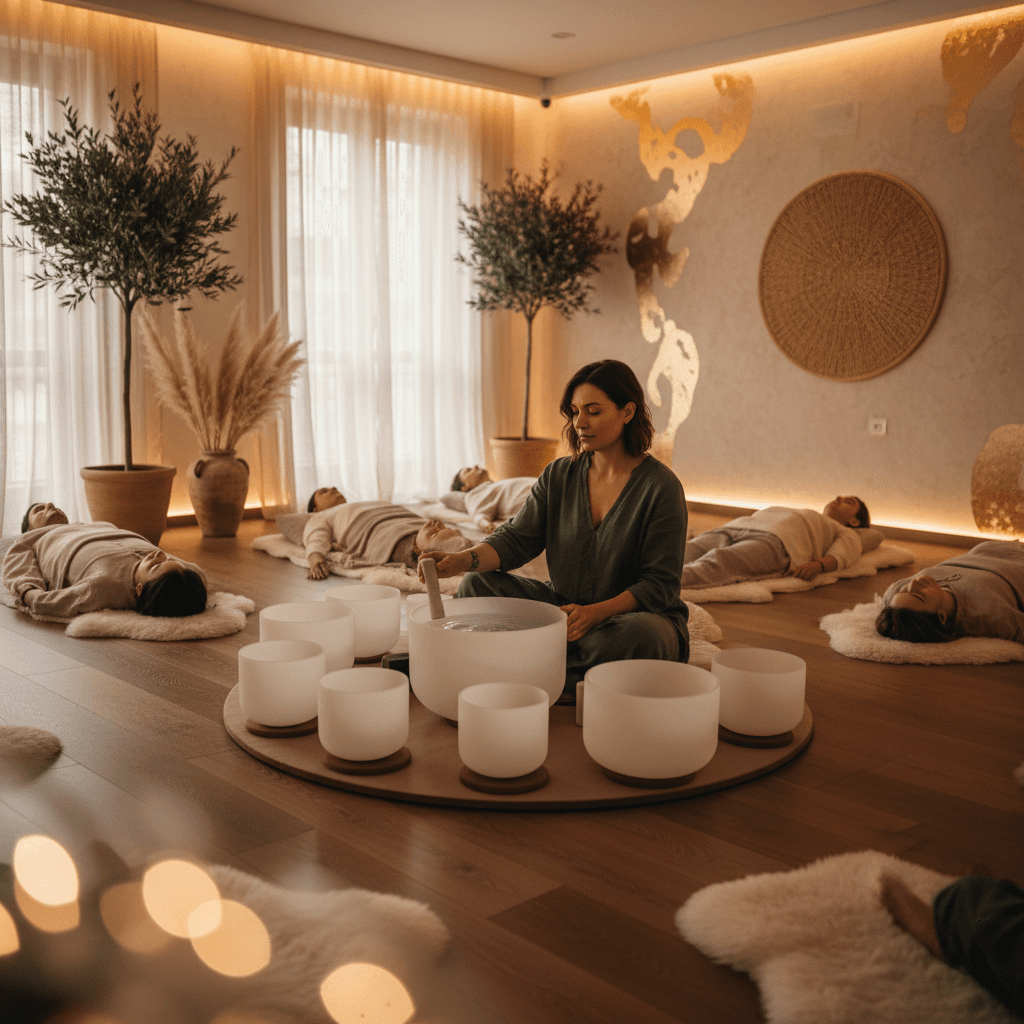
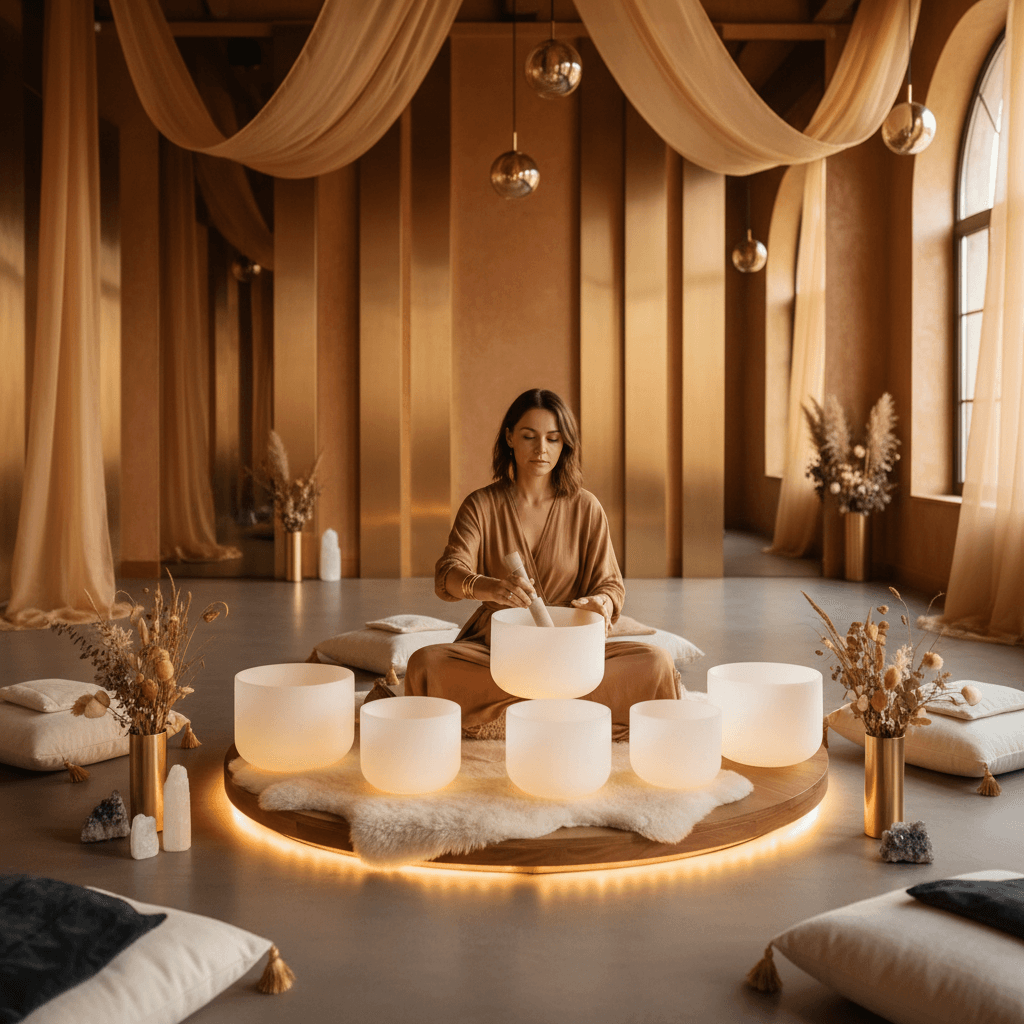
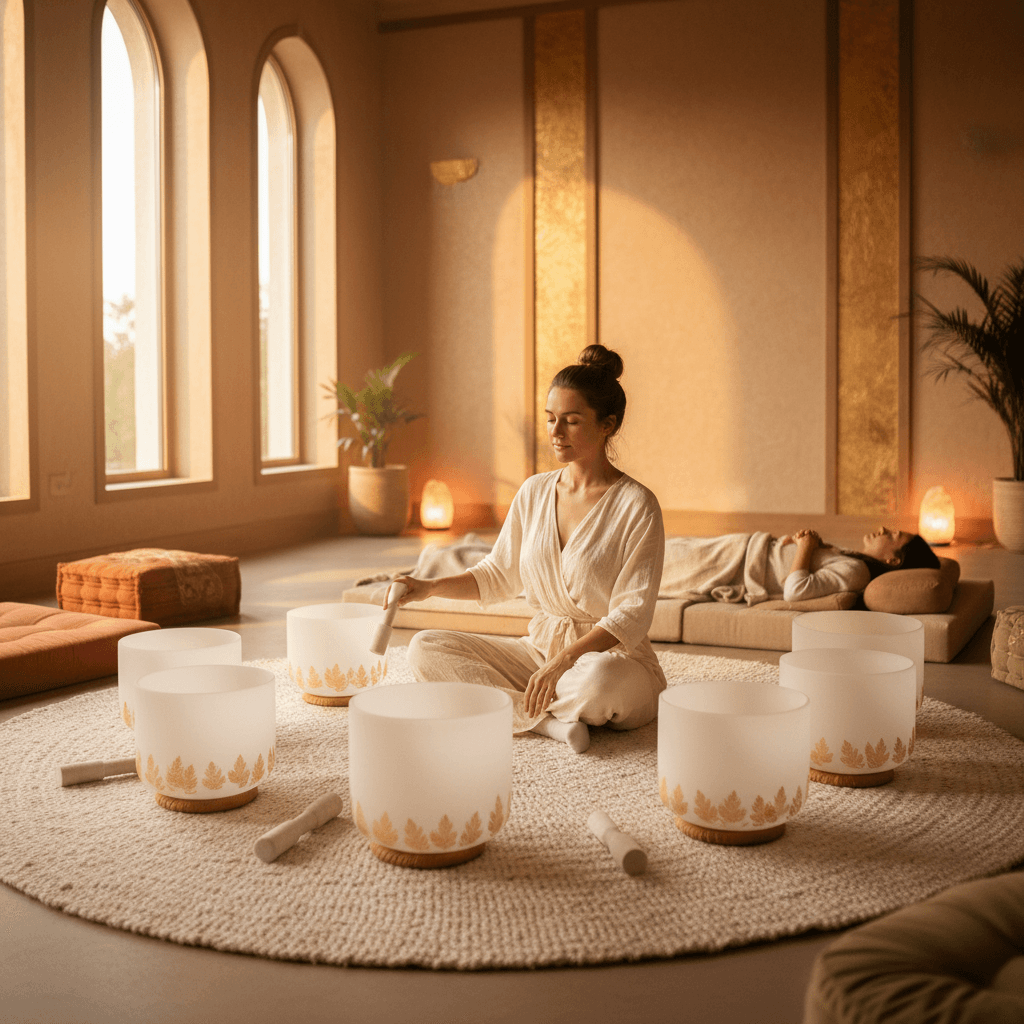
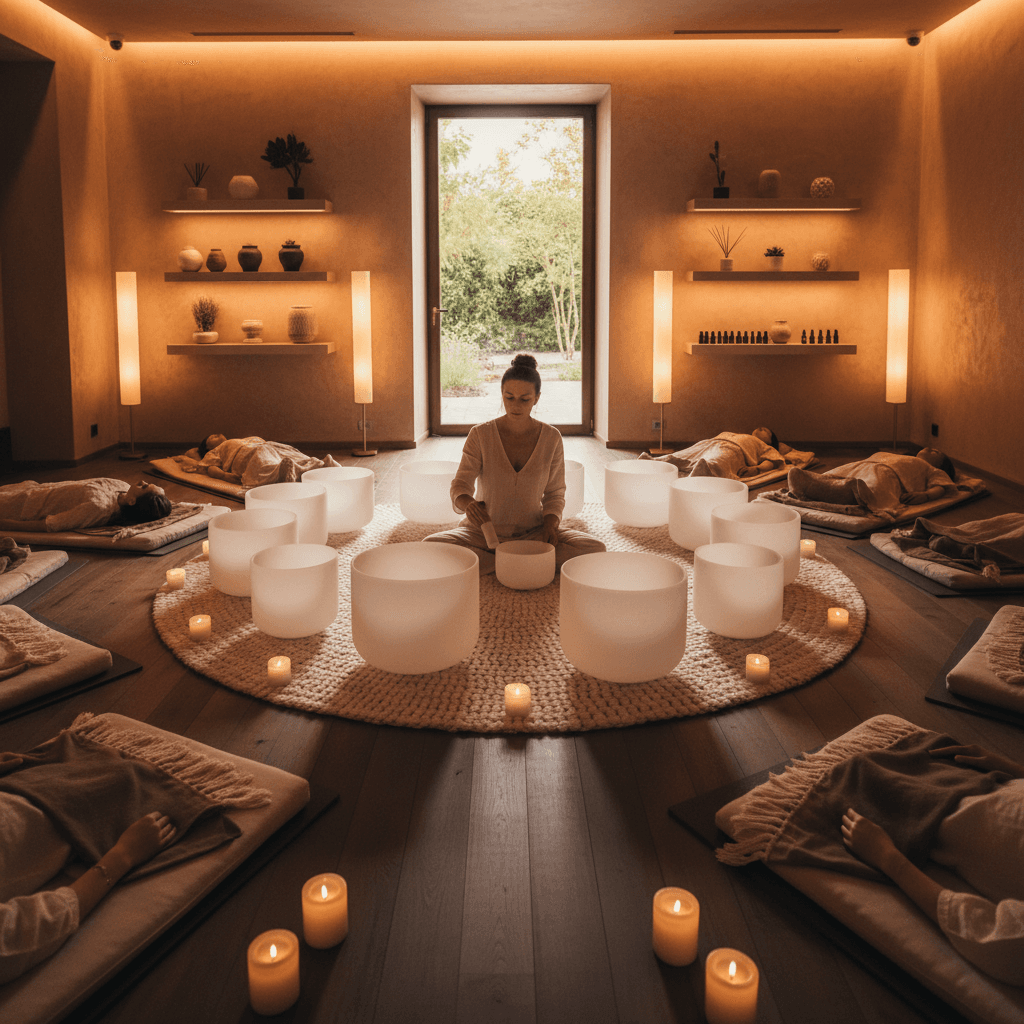
When clients at Soul Art immerse themselves in a sound wellness session, they are not merely listening; they are experiencing. The carefully selected frequencies and harmonics from instruments like Himalayan singing bowls, gongs, and chimes create a vibrational field that the body can physically sense. These subtle sensations can activate the auditory-reward pathways in the brain.
Many people report a profound sense of calm and well-being during and after sessions, which aligns with the understanding that such experiences may trigger the release of beneficial neurochemicals. The deep resonance of the gongs, for instance, can lead to a meditative state where brainwave patterns shift, creating an ideal environment for the brain to re-regulate its dopamine production. This form of "effortful relaxation" can be more effective than simply seeking immediate gratification from external sources.
The therapeutic application of sound can help individuals recalibrate their reward systems. Instead of seeking the fleeting highs from overstimulation, they learn to derive sustained pleasure from internal states of peace and connection. This process encourages the brain to associate deeper, more mindful experiences with natural dopamine release, fostering a more resilient and balanced emotional state. The engagement required to truly listen and feel the sound, while gentle, represents an active step towards self-care.
Beyond Passive Listening: Engaging the Self
One of the strengths of sound wellness lies in its ability to encourage engagement rather than passive consumption. While listening to favorite music can boost dopamine, the structured and immersive nature of a sound journey can promote a deeper level of focus and internal exploration. This focused attention can be seen as a gentle form of "effortful activity" that, according to the dopamine paradox research, can foster more sustainable motivation and pleasure.
The rich tapestry of sounds, from sustained tones to intricate patterns, encourages the brain to actively process and respond. This active engagement may stimulate the release of dopamine in a more balanced and sustained manner, promoting a sense of intrinsic reward rather than an external, fleeting high. It's a powerful self-care practice that supports the individual in re-tuning their internal world.
Even the simple act of vocal toning or humming, often incorporated into sound practices, has been linked to dopamine's influence on vocal acoustics and vigor, as seen in studies on vocal pitch and dopamine. This suggests that actively participating in sound, even subtly, can further enhance its potential benefits. The entire experience is designed to be restorative, helping to alleviate the "down mood" associated with dopamine deficiency by re-engaging the brain's natural pathways to joy and motivation.
The Soul Art Signature: Larissa Steinbach's Method
At Soul Art, Dubai's premier sound wellness studio, Larissa Steinbach has meticulously crafted a unique approach to harnessing the power of sound for holistic well-being. Her method is grounded in a deep understanding of neurobiology and the ancient wisdom of vibrational healing, creating a sophisticated yet accessible experience for pleasure restoration. It's an intentional journey designed to harmonize the mind, body, and spirit.
Larissa's philosophy centers on creating a sanctuary where individuals can disconnect from external pressures and reconnect with their inner landscape. This environment is crucial for allowing the nervous system to shift into states where natural dopamine regulation can flourish, moving beyond the constant demands of the modern world. Her sessions are more than just sound baths; they are carefully guided sonic immersions.
Curated Sonic Journeys for Deeper Connection
What makes the Soul Art method unique is Larissa Steinbach's expertise in curating specific sonic journeys. Each session is mindfully designed, incorporating a diverse array of instruments renowned for their pure frequencies and resonant vibrations. These often include:
- Himalayan Singing Bowls: Producing rich, sustained tones that resonate deeply within the body.
- Gongs: Generating powerful, enveloping waves of sound that can induce profound states of relaxation and altered consciousness.
- Chimes and Percussion: Adding layers of texture and intricate harmonics that stimulate auditory processing.
These instruments are not simply played; they are orchestrated to create a narrative of sound that supports brainwave entrainment, gently guiding participants into delta and theta states—brainwave frequencies associated with deep relaxation, meditation, and restorative sleep. This intentional structure helps facilitate the optimal environment for dopamine balance.
The Science of Resonance and Inner Harmony
Larissa's approach leverages the principle of sympathetic resonance, where the body's cells and energy centers respond to external vibrations. By introducing specific frequencies, the aim is to encourage the body to re-align with its natural, harmonious state. Preliminary studies indicate that such resonant experiences may positively influence brain chemistry, including dopamine pathways.
The meticulous choice of instruments and the expertly guided sequence of sounds are designed to provide a complementary pathway for the brain to release dopamine in a balanced, sustained manner. This focus on gentle, consistent stimulation, rather than abrupt spikes, supports a long-term recalibration of the reward system, fostering genuine pleasure and motivation. It's about teaching the brain to find joy in subtle, internal shifts.
Personalized Pathways to Wellbeing
Larissa Steinbach and the Soul Art team recognize that each individual's journey to pleasure restoration is unique. While group sessions offer a powerful collective experience, personalized guidance and tailored sound recommendations are also available to address specific needs. This bespoke approach ensures that clients receive the most effective support for their unique physiological and emotional landscape.
"True pleasure isn't found in constant stimulation, but in the harmonious balance of our inner world. Sound offers a profound pathway to rediscover that equilibrium, naturally restoring our innate capacity for joy and motivation." – Larissa Steinbach
Through her expert facilitation, Larissa creates an environment of quiet luxury and profound healing, allowing clients to tap into their innate self-regulation capacities. The Soul Art method is a testament to the power of intentional sound as a sophisticated wellness practice.
Cultivating Lasting Pleasure: Your Next Steps
Restoring a healthy dopamine balance and reclaiming your innate capacity for pleasure and motivation is a journey, not a destination. While sound wellness offers a powerful complementary approach, integrating holistic practices into your daily life can amplify its benefits. Here are some actionable steps you can implement today to support your brain's natural reward system:
- Mindful Nutrition: Incorporate foods rich in tyrosine, such as lean proteins (chicken, fish), dairy products, nuts, seeds, and certain fruits like bananas and avocados. These provide the building blocks for dopamine production.
- Embrace Mindful Movement: Engage in physical activity you genuinely enjoy. Exercise has been associated with increased dopamine levels and can provide a healthy, effortful reward. Even gentle walking or yoga can make a difference.
- Practice Intentional Relaxation: Dedicate time each day for activities that bring calm, such as meditation, deep breathing exercises, or simply quiet contemplation. Remember, meditation may support dopamine release by shifting consciousness.
- Seek Meaningful Engagement: Actively pursue hobbies or activities that challenge you gently and provide a sense of accomplishment, even small ones. This encourages the brain to release dopamine through effortful reward, combating the "dopamine paradox."
- Experience Sound Wellness: Explore the transformative power of sound with a dedicated session at Soul Art. Allow yourself to be immersed in a carefully curated sonic journey designed to harmonize your nervous system and support your natural dopamine balance.
In Summary: Reclaiming Your Joy
Dopamine is a critical neurotransmitter, profoundly influencing our motivation, pleasure, and overall mood. A deficiency can lead to a pervasive lack of drive and concentration, impacting our quality of life. Scientific research strongly links music and sound to dopamine release and the brain's reward system, highlighting its potential for restoration.
The Soul Art approach, meticulously developed by Larissa Steinbach, leverages this science through expertly curated sound wellness sessions. By engaging with vibrational frequencies, individuals may support their brain's natural ability to balance dopamine, fostering sustained pleasure and renewed motivation. This sophisticated, complementary practice offers a unique pathway to holistic well-being. Reclaim your inner vibrancy and rediscover the joy of living by exploring the transformative power of sound.
Bookings Coming Soon
Soul Art is still in preparation. Session details and booking will be published here after launch.
Coming Soon
Wellness Disclaimer: This article is for educational and informational purposes only. It does not constitute medical advice, diagnosis, or treatment. Soul Art Dubai provides non-medical wellness experiences focused on relaxation, stress management, and general wellbeing. Sound wellness is a complementary practice and should not replace professional medical care.