Digital Burnout: Sound Detox for the Overwhelmed Mind
Key Insights
Combat digital burnout with sound detox. Discover how Soul Art in Dubai, founded by Larissa Steinbach, uses sound wellness to restore mental clarity and peace.
Digital Burnout: Sound Detox for the Overwhelmed Mind
In our hyper-connected world, the constant ping of notifications, endless scrolling, and the relentless demand for digital engagement have become an inescapable part of daily life. While technology offers unparalleled convenience, it often comes with a hidden cost: digital burnout. This pervasive modern condition leaves minds feeling fatigued, focus fragmented, and spirits depleted.
Are you constantly battling a foggy mind, struggling with restless sleep, or feeling an unexplained emotional heaviness? You are not alone. This article will delve into the profound impact of excessive digital engagement on our cognitive and emotional well-being, unveiling the science behind digital burnout.
We will then explore how a mindful approach to digital breaks, complemented by the ancient yet scientifically-supported practice of sound wellness, can offer a powerful detox for your overwhelmed mind. Join us as we journey into the restorative potential of sound at Soul Art, Dubai's premier studio founded by Larissa Steinbach.
The Science Explained: Unpacking Digital Overload
Our brains are not designed for the perpetual state of alertness demanded by constant screen exposure. From the moment we wake to the late hours of the night, digital devices keep our minds wired, processing information, and responding to stimuli. This relentless digital barrage creates a unique form of cognitive and emotional strain that researchers are now actively studying.
The Rise of Digital Dementia and Cognitive Overload
The concept of "digital dementia" highlights how excessive reliance on digital devices, particularly smartphones, may contribute to significant cognitive challenges. Preliminary studies indicate that this over-reliance can manifest as attention deficits, memory loss, and a pervasive sense of cognitive overload. Your brain, much like a computer with too many tabs open, struggles to process and retain information effectively.
Research, including systematic reviews, suggests that prolonged digital use can significantly hamper cognitive functioning, particularly affecting memory retention and the ability to maintain focus. The constant switching between tasks, common in digital environments, prevents deep concentration and can lead to a state of perpetual distraction. This sustained cognitive demand often impairs sleep quality, hinders emotional regulation, and may even diminish performance at work or school.
Emotional Fatigue and the Strain of Comparison
Beyond cognitive impacts, the digital realm exacts a heavy emotional toll. Survey-based studies have found a strong link between excessive exposure to social media and increased emotional exhaustion, fatigue, and mood swings. The curated, often idealized, lives presented online frequently encourage social comparison, leading to feelings of inadequacy and reduced self-esteem, even when individuals acknowledge the filtered nature of these digital personas.
This continuous cycle of information consumption and social comparison can lead to a decrease in productivity and a significant increase in stress levels. Participants in studies exploring digital detox often report being driven by a desire to resolve this mental exhaustion, psychological burnout, and emotional fatigue, alongside a yearning for increased personal productivity and genuine reconnection.
The Promise of Digital Detox: A Targeted Break
Given these challenges, digital detox – defined as a voluntary break or reduced and mindful usage of digital devices – has gained significant attention as a potential strategy to improve mental health. A robust systematic review and meta-analysis by Ramadhan et al. (2024), synthesizing evidence from 12 studies, revealed the potential benefits and complexities of these interventions. While the effect on broader outcomes like stress, life satisfaction, and general mental well-being can be inconclusive due to heterogeneous intervention durations, the review found a significant reduction in depressive symptoms following digital detox.
This reduction in depressive symptoms may be attributed to mitigating factors such as exposure to negative social comparisons, cyberbullying, or information overload inherent in digital interactions. By deliberately reducing digital use and applying mindful approaches to technology, individuals may aim to restore a healthier "tech-life" balance, which can prevent or mitigate these adverse effects. The initial stages of a detox, however, can be marked by discomfort, habitual digital cravings, and irritability, underscoring the ingrained nature of our digital habits.
How Sound Wellness Works in Practice: A Path to Restoration
While digital detox is crucial for creating space, sound wellness offers a powerful, complementary approach to actively heal and restore the mind and body from the effects of digital burnout. It is not just about unplugging; it is about actively re-tuning your internal state. At Soul Art, we bridge the gap between disconnecting from technology and reconnecting with your inner self through immersive sound experiences.
The Neuroscience of Healing Frequencies
Sound healing doesn’t just enter your ears; it engages your entire physiological system. Researchers suggest that even the tiny antenna-like structures on cells, known as primary cilia, may respond to sound, influencing cellular function and communication. This deep cellular interaction is foundational to how sound can profoundly impact well-being.
One of the key mechanisms is brainwave entrainment. Your brain operates through rhythmic electrical patterns, and each frequency is linked to a different state of consciousness. Sound frequencies can gently guide your brain's rhythms to synchronize with external sound, making it easier to enter restorative states. For example:
- Beta (12–30 Hz): Associated with active thinking, problem-solving, and often overactive in anxiety and digital overload.
- Alpha (8–12 Hz): A state of relaxed alertness, reducing stress and promoting calm.
- Theta (4–8 Hz): Linked to dreamlike, meditative states, fostering creativity and emotional processing.
- Delta (0.5–4 Hz): The frequency of deep sleep and physical repair, crucial for overcoming fatigue.
Through specific sound frequencies, individuals may be guided from the heightened Beta states of digital overload into the more serene Alpha and Theta states, promoting deep relaxation and mental clarity.
Activating the Body's Natural Healing Systems
Sound healing directly engages the body’s regulation systems, encouraging rest and repair. When exposed to external sounds like the deep hum of a gong or the shimmering tones of a crystal bowl, your body may "absorb" those frequencies and begin to mirror them, a principle known as resonance. Just as one tuning fork can cause another to vibrate, sound can help the body reset into harmony.
Research shows that frequencies between 40–150 Hz, often present in sound baths, may stimulate the Vagus Nerve. This nerve is a key regulator of stress, digestion, and emotional balance. By toning this vital nerve, sound can reduce anxiety and may even strengthen immune functioning.
Furthermore, sound interventions can activate the parasympathetic nervous system, responsible for the "rest and digest" response, effectively countering the "fight or flight" response often triggered by constant digital vigilance. This activation may reduce cortisol, the body’s primary stress hormone, while boosting neurotransmitters like serotonin, dopamine, and endorphins, which are associated with enhanced well-being and a greater sense of connection. Many people report feeling a profound sense of calm, less tension, and an improved mood after just one sound meditation session.
"Sound doesn't just enter your ears; it rewires your nervous system, offering a gentle yet powerful pathway back to inner harmony."
The Experiential Journey: From Overload to Inner Peace
Clients at Soul Art often describe the experience as a profound journey inward, a much-needed sanctuary from the external digital noise. As the resonant frequencies wash over them, the mind, which has been constantly tasked with processing digital information, is given a different kind of "task": simply listening and receiving. This gentle focus can quiet intrusive thoughts and the incessant mental chatter often exacerbated by information overload.
The multi-sensory nature of sound wellness means that vibrations are felt not just heard. These subtle bodily sensations contribute to a deeper state of relaxation, potentially lowering heart rate and blood pressure. The immersive environment, carefully curated by Larissa Steinbach at Soul Art, invites participants to fully surrender to the moment, detaching from habitual digital cravings and engaging with their present experience. This offline engagement is a powerful antidote to the psychological burnout and social-emotional disconnection that excessive digital use can foster.
Over time, and even after a single session, many people report clearer thinking, better concentration, and improved sleep. These immediate benefits are crucial steps in rebuilding mental resilience and fostering a healthier, more mindful relationship with technology.
The Soul Art Approach: Larissa Steinbach's Unique Vision
At Soul Art, Larissa Steinbach has meticulously crafted a unique sanctuary designed to offer respite from the stresses of modern life, especially the pervasive digital burnout. Her approach is rooted in both ancient wisdom and contemporary scientific understanding of sound, vibration, and human physiology. Larissa's vision extends beyond simply playing instruments; it's about creating a deeply immersive, transformative experience.
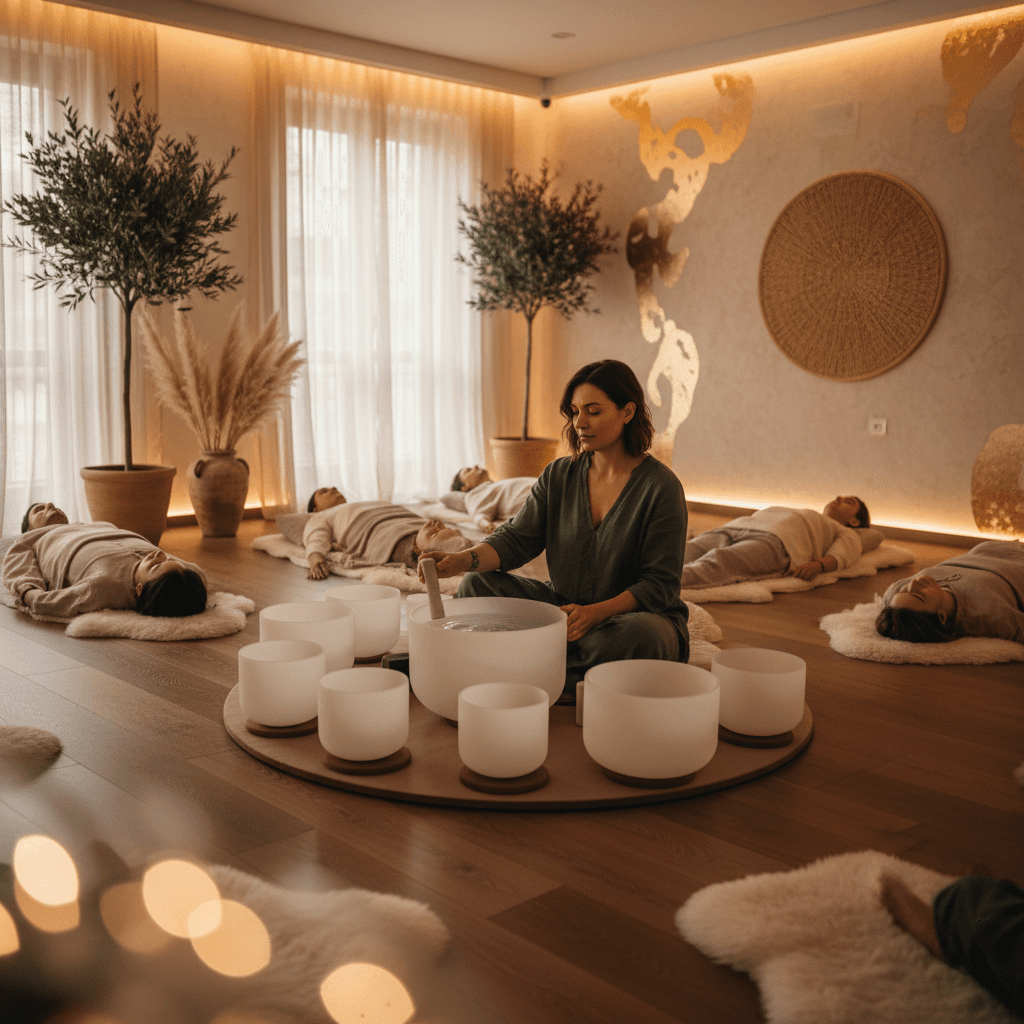
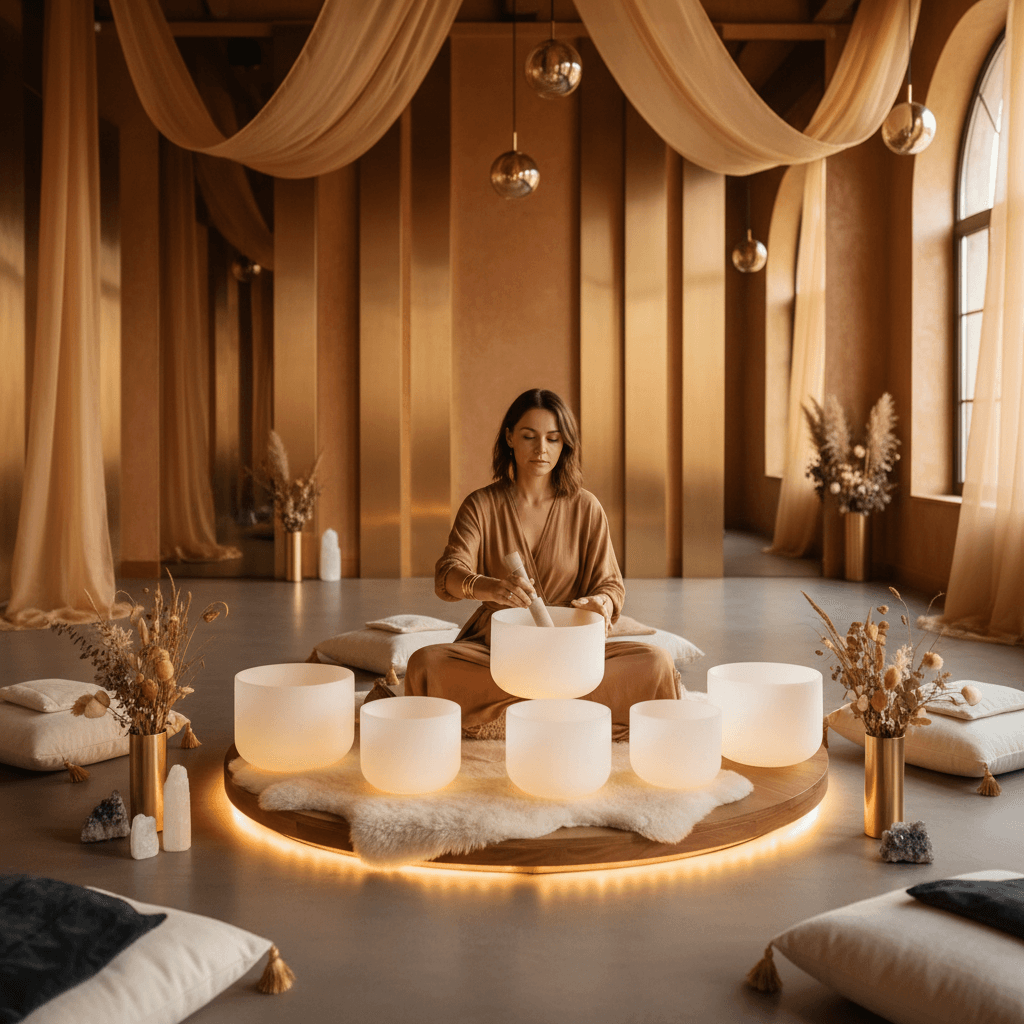
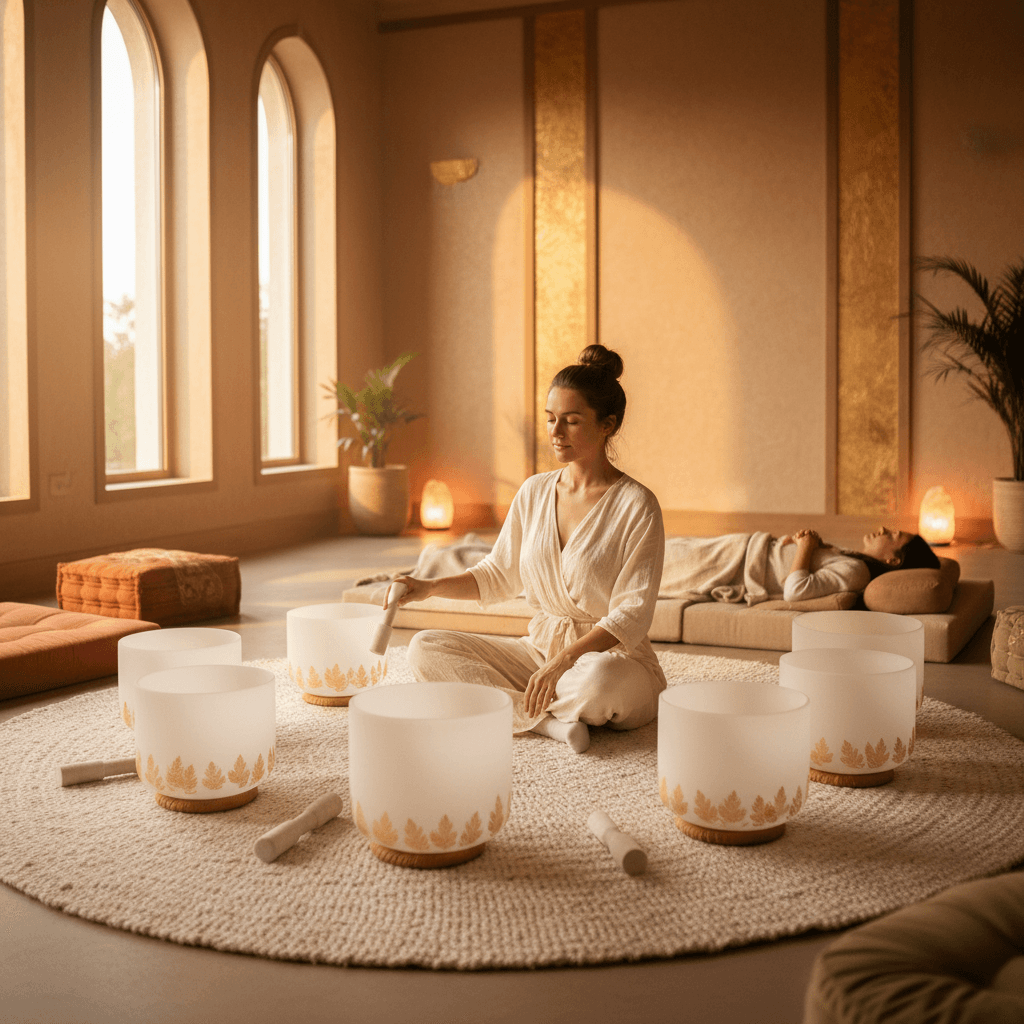
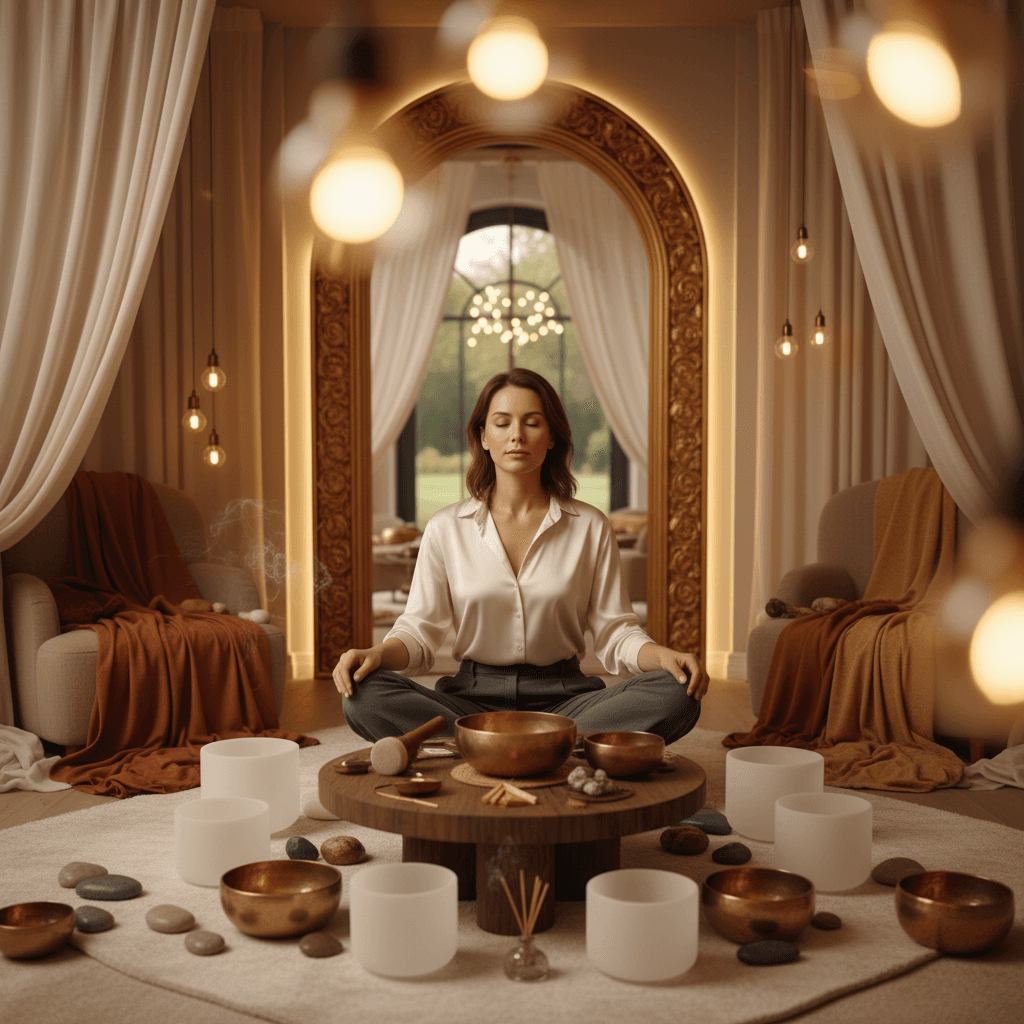
What makes the Soul Art method unique is its holistic integration of intention, curated soundscapes, and a deeply empathetic understanding of individual needs. Larissa often combines various instruments, each chosen for its specific frequency and resonant qualities. Clients might experience the profound vibrations of large planetary gongs, the clear, pure tones of crystal singing bowls, the earthy rhythms of shamanic drums, or the delicate chimes that invite stillness.
Larissa designs each session to address the nuanced aspects of digital overload and mental fatigue, aiming to guide participants into states of deep relaxation where the body’s natural healing mechanisms can be activated. Her sessions are not merely passive listening; they are an invitation to actively engage with the vibrations, allowing them to gently shift internal states and re-harmonize the nervous system. The studio itself is an integral part of the experience, offering a serene, visually soothing environment that complements the auditory journey. This carefully considered ambiance amplifies the potential for a genuine digital detox, fostering a sense of peace and rejuvenation that extends long after the session concludes.
Your Next Steps: Reclaiming Your Mind
Recognizing the signs of digital burnout is the first step toward creating a more mindful and balanced relationship with technology. Integrating sound wellness into your routine can be a powerful catalyst for restoring your mental equilibrium. Here are some actionable steps you can implement today:
- Schedule Intentional Digital Breaks: Start with small, manageable periods, even 15-30 minutes daily, where you completely disconnect from all screens. Use this time for offline activities like reading a physical book, taking a walk in nature, or simply enjoying quiet reflection.
- Practice Mindful Digital Usage: Before reaching for your device, pause and ask yourself if it's truly necessary or just a habit. Prioritize intentional engagement over mindless scrolling. Consider turning off non-essential notifications to reduce constant alerts.
- Integrate Sensory Detox: Beyond sight, limit auditory and information overload. Choose quiet environments when possible, listen to calming music, or engage in practices that ground your senses, like aromatherapy.
- Prioritize Sleep Hygiene: Blue light from screens can disrupt melatonin production. Implement a "digital curfew" at least an hour before bedtime, allowing your brain to wind down naturally. Many people report improved sleep after reducing screen time and incorporating relaxation practices.
- Explore Sound Wellness: Experience firsthand how sound can support your mind’s restoration. A sound bath or sound meditation session may offer a unique pathway to deep relaxation, helping to mitigate stress, improve focus, and enhance overall emotional well-being.
In Summary: A Harmonic Path to Well-being
Digital burnout is a real and growing challenge, impacting our cognitive function, emotional stability, and overall quality of life. The constant demands of our interconnected world can lead to mental exhaustion, attention deficits, and increased stress. While a conscious digital detox offers a vital first step in reducing these stressors, the powerful, scientifically-backed practice of sound wellness provides an active pathway to profound restoration.
Through mechanisms like brainwave entrainment, vagal nerve stimulation, and hormonal regulation, sound can gently guide your nervous system back to a state of balance and calm. It is a complementary approach that actively re-tunes the mind and body, fostering improved focus, enhanced mood, and deeper sleep. At Soul Art, Larissa Steinbach offers a unique and luxurious experience, helping individuals in Dubai and beyond discover a harmonious escape from the digital noise. Embrace this journey toward a more balanced and vibrant you.
Bookings Coming Soon
Soul Art is still in preparation. Session details and booking will be published here after launch.
Coming Soon
Wellness Disclaimer: This article is for educational and informational purposes only. It does not constitute medical advice, diagnosis, or treatment. Soul Art Dubai provides non-medical wellness experiences focused on relaxation, stress management, and general wellbeing. Sound wellness is a complementary practice and should not replace professional medical care.