Depression & Sound Healing: Lifting the Heavy Veil with Soul Art
Key Insights
Explore how sound healing, a complementary wellness practice at Soul Art Dubai, may support mood and alleviate symptoms of depression. Discover Larissa Steinbach's approach.
The statistics on depression are staggering, affecting millions globally and often casting a heavy veil over daily life. But what if a gentle, non-invasive practice could offer a unique pathway to support emotional balance and alleviate some of these profound symptoms? This isn't a speculative query; it's a growing area of scientific inquiry.
Sound healing, an ancient practice gaining modern recognition, has emerged as a promising complementary approach in the landscape of holistic wellness. At Soul Art, Dubai's premier sound wellness studio, we're dedicated to exploring and harnessing the profound power of sound. We aim to provide experiences that may support individuals in navigating the complexities of their mental and emotional well-being.
Join us as we delve into the science behind sound healing and its potential role in lifting the heavy veil of depression. We will explore how specific frequencies and vibrations may offer a unique form of self-care and relaxation. This article will explain why this matters for your well-being, offering insights into practices that may bring profound relief and foster a deeper sense of inner peace.
The Science Explained
The human body is a symphony of vibrations, and emerging research suggests that external sound frequencies can profoundly influence our internal state. Our brains and bodies are highly receptive to auditory stimuli, making sound a powerful tool for modulating mood and stress responses. Understanding these mechanisms is key to appreciating the potential benefits of sound healing.
The Brain's Response to Sound
Our brains react to sound by producing different brainwave states, each associated with distinct levels of consciousness and emotional experience. For instance, alpha and theta brainwave states, often associated with deep relaxation and meditation, are frequently induced during sound healing sessions. This shift from more agitated beta states can be instrumental in calming an overactive nervous system.
Preliminary studies indicate that sound interventions, particularly those involving low-frequency sounds, can directly impact brain activity. Pioneering research from Dell Medical School at The University of Texas at Austin highlights a promising alternative to traditional psychiatric interventions. Their study, published in Molecular Psychiatry, demonstrated that low-intensity focused ultrasound could safely and precisely target the amygdala. This brain structure is often overactive in mood and anxiety disorders, without the need for surgery or medication. While Soul Art's practices differ from medical ultrasound, this research underscores the profound potential of sound wave therapy to modulate brain regions associated with emotional distress.
Within weeks of daily non-invasive ultrasound treatments, participants reported clinically meaningful improvements in depression, anxiety, and PTSD symptoms. This suggests a bold new frontier for psychiatric care. Although focused ultrasound is a medical intervention, it illuminates the broader scientific interest in how sound can influence the brain’s emotional control centers. These findings lend credence to the idea that complementary sound practices may also contribute to psychological well-being.
Vibrational Healing and Mood Regulation
Beyond brainwave states, the physical vibrations of sound instruments are thought to impact cellular and energetic levels within the body. When instruments like Tibetan singing bowls, gongs, and crystal singing bowls are played, they produce complex harmonic frequencies that resonate through the body. This phenomenon is often referred to as "vibrational healing."
Several observational studies support the potential of these vibrational instruments to reduce negative mood states. For example, research by Goldsby et al. (2016, 2022) found that sound baths featuring singing bowls, gongs, and other vibrational instruments significantly reduced tension, depression, and anger in participants. This suggests a direct physiological and psychological calming effect.
- Reduced Tension: Participants in these studies experienced substantial reductions in feelings of tension. This effect was notably strong for individuals new to sound baths, indicating a positive initial response for "newbies."
- Decreased Depression and Anger: The studies also revealed significant reductions in states of depression and anger following sound bath experiences. This points to sound healing’s capacity to support emotional regulation beyond simple relaxation.
- Physical Pain Alleviation: Interestingly, sound healing was also associated with a reduction in physical pain, highlighting its holistic impact on the body.
Another randomized controlled trial by Rio-Alamos et al. (2023) specifically examined Tibetan Singing Bowl sounds, confirming their ability to induce an acute relaxation response. This scientific exploration underscores the tangible effects that specific sound frequencies can have on our physiological and psychological states, moving beyond anecdotal evidence to concrete findings.
Spiritual Well-being and Depression
The connection between spiritual well-being and mental health is increasingly recognized in holistic wellness circles. Depression often brings with it a sense of disconnection and a loss of meaning, impacting one’s spiritual outlook. Sound healing may offer a unique avenue to foster a sense of spiritual connection.
The research by Goldsby et al. (2022) specifically highlighted significant correlations between improvements in spiritual well-being and reductions in scores of tension and depression post-sound healing. This suggests that the benefits of sound healing extend beyond mere physical relaxation, tapping into deeper existential aspects of well-being. The study further observed that these effects varied by age:
- The association between spiritual well-being improvement and depression improvement was strongest for ages 31–40.
- The link between spiritual well-being improvement and tension improvement was strongest for ages 51–60.
This indicates that sound healing's impact may be nuanced and cater to different needs across various life stages. The ability of sound healing to potentially increase spiritual and emotional well-being positions it as a useful complementary technique for combating chronic psychosocial stress, depression, and excessive tension, especially given its potential as a low-cost, low-technology therapeutic option. Many people report a feeling of deep peace or spiritual connection during and after sound bath sessions. This may contribute to a renewed sense of purpose and resilience, important factors in navigating depressive moods.
How It Works in Practice
Translating the scientific understanding of sound into practical, impactful experiences is the core of what we do at Soul Art. Sound healing sessions are not merely passive listening; they are immersive journeys designed to engage the senses and soothe the nervous system.
The Sound Bath Experience
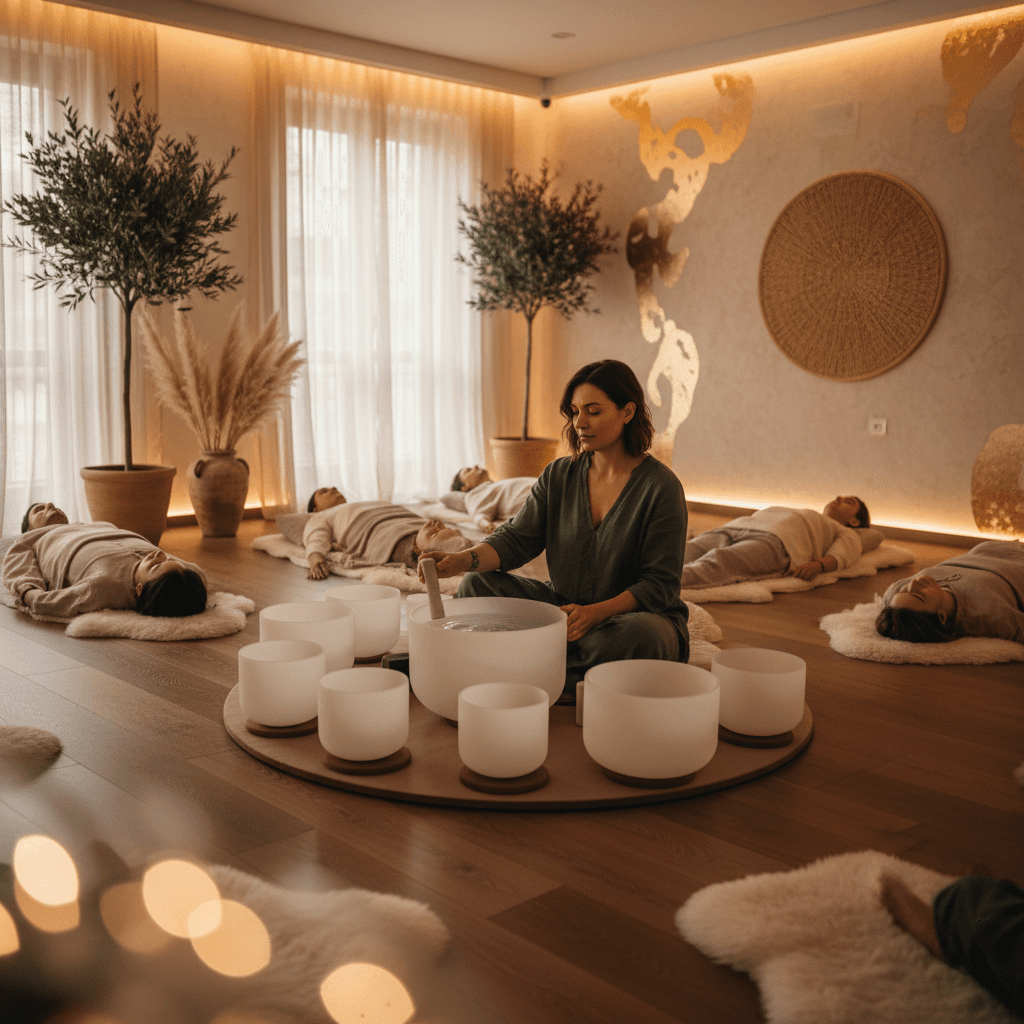
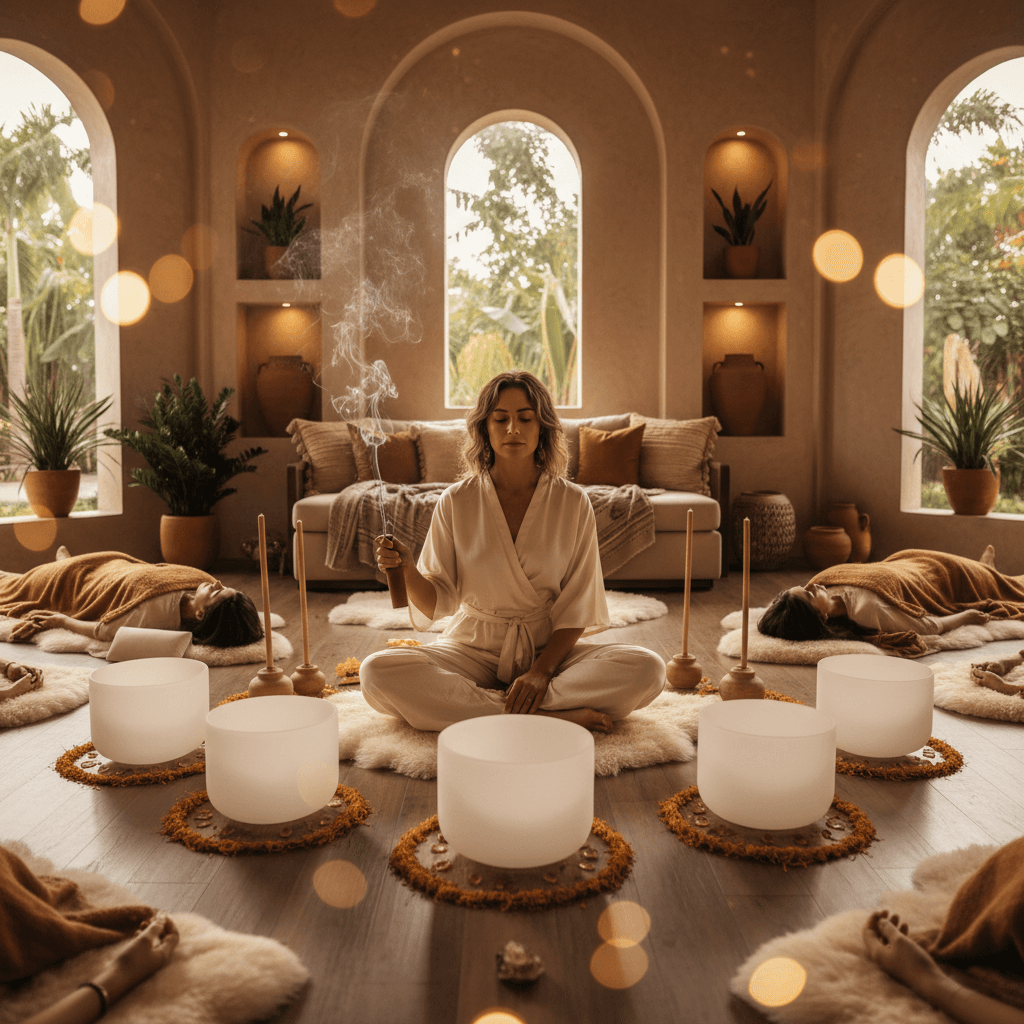
During a typical sound bath at Soul Art, clients lie comfortably, often on mats with blankets and cushions, and allow themselves to be enveloped by a tapestry of sound. Larissa Steinbach, the founder of Soul Art, skillfully plays a range of vibrational instruments. These include large gongs, Himalayan singing bowls, crystal singing bowls, chimes, and other percussive instruments.
The sounds produced are rich in overtones and harmonics, creating a complex sonic environment that encourages deep relaxation. These sounds are not just heard through the ears; their vibrations are felt throughout the body, resonating through tissues and bones. This somatic experience is a critical component of the practice, allowing the body to release tension stored within.
The intention is to guide participants into a state akin to meditation, where the mind is quieted, and the body can enter a state of deep rest. This deep relaxation response, as noted by studies on Tibetan singing bowls, can be acutely effective. The frequencies encourage the brain to shift into slower brainwave states, such as alpha and theta, which are conducive to healing and stress reduction.
Beyond the Physical Sensation
The experience of sound healing extends far beyond the immediate physical sensations. It’s a holistic practice that may promote mental clarity, emotional release, and spiritual connection. For individuals grappling with depression, the structured environment and intentional soundscapes can provide a much-needed respite from internal turmoil.
Anecdotal evidence suggests that the consistent practice of sound healing may help to regulate the nervous system over time. This can lead to improved sleep quality, reduced perceived stress, and a greater sense of calm in daily life. Research on sound-based relaxation techniques has shown a reduction in cortisol levels, the primary stress hormone, further supporting its physiological benefits. For example, some professional athletes incorporate sound therapy post-training to improve sleep quality and reduce muscle tension, demonstrating its efficacy in fostering recovery and mental well-being.
Moreover, the non-verbal nature of sound healing allows for a different kind of processing than talk therapy. It bypasses the analytical mind, reaching deeper levels of consciousness where profound shifts can occur without the need for conscious effort or verbal articulation. This can be particularly supportive for those who find it challenging to verbalize their struggles.
"The symphony of sound can be a gentle balm for the weary soul, guiding us back to a state of inner harmony where healing truly begins."
The Soul Art Approach
At Soul Art, we believe in a meticulously crafted and deeply empathetic approach to sound wellness. Our methodology is rooted in ancient wisdom, yet always informed by contemporary scientific understanding. Larissa Steinbach, the visionary founder of Soul Art, brings her extensive expertise and profound intuition to every session, creating a truly unique and transformative experience.
Larissa Steinbach's Philosophy
Larissa Steinbach's philosophy centers on the understanding that true well-being is a harmonious interplay of mind, body, and spirit. She views sound as a universal language that can bypass mental barriers and connect directly with our innate capacity for self-healing. Her dedication to continuous learning and mindful practice ensures that Soul Art offers not just sessions, but journeys of discovery.
She emphasizes the creation of a safe, nurturing, and aesthetically pleasing environment where clients feel supported and completely at ease. This "quiet luxury" approach extends from the serene studio ambiance to the careful curation of instruments and the personalized attention given to each participant. Larissa believes that the effectiveness of sound healing is amplified when delivered with intention, presence, and a deep understanding of its therapeutic potential.
Soul Art's mission, under Larissa's guidance, is to empower individuals to find their inner calm and resilience amidst the demands of modern life. She focuses on providing tools and experiences that may support relaxation, stress reduction, and emotional balance, without making any medical claims. This holistic perspective resonates deeply with individuals seeking complementary paths to enhance their overall wellness.
Signature Soundscapes
What makes the Soul Art method unique is the artful composition of "signature soundscapes." Larissa Steinbach carefully selects and combines a diverse range of instruments to create a multi-layered sonic experience. This goes beyond just playing instruments; it involves an intuitive understanding of how different frequencies interact to create specific emotional and physiological responses.
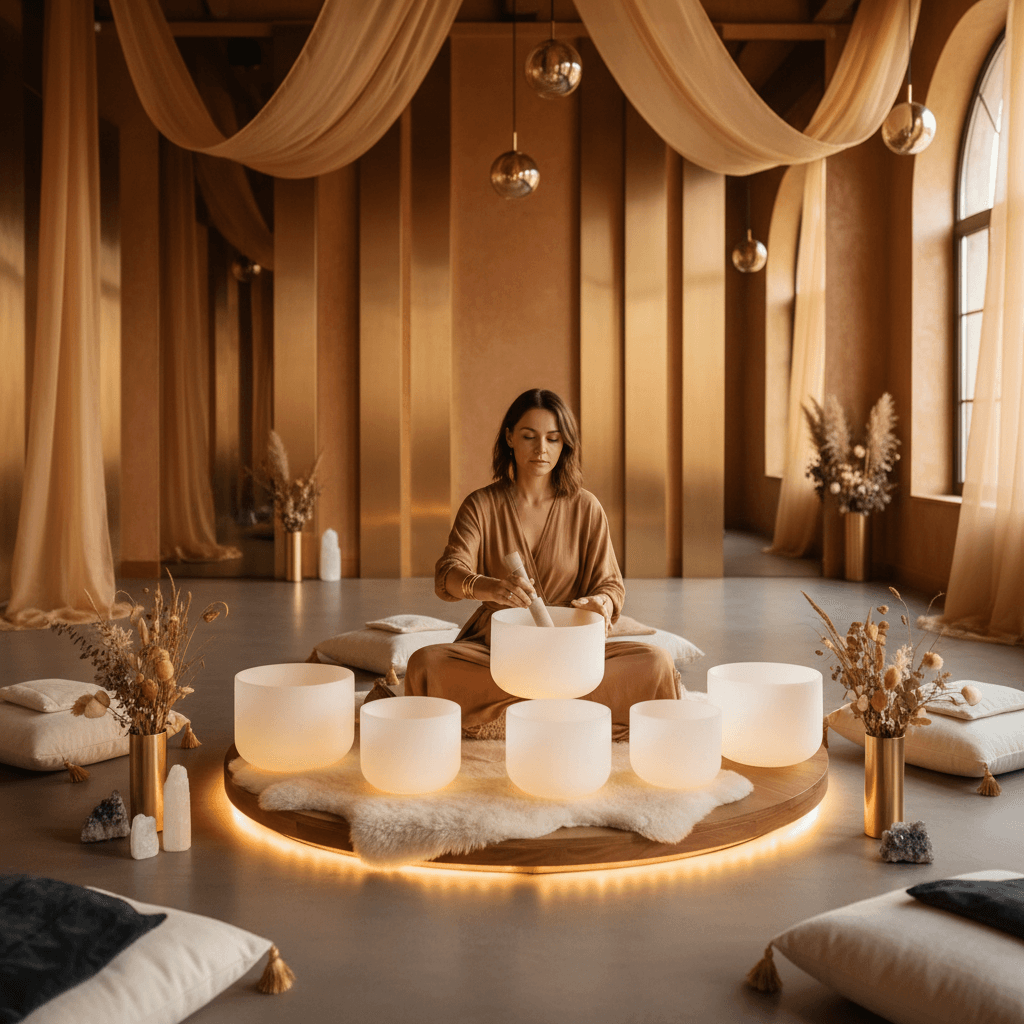
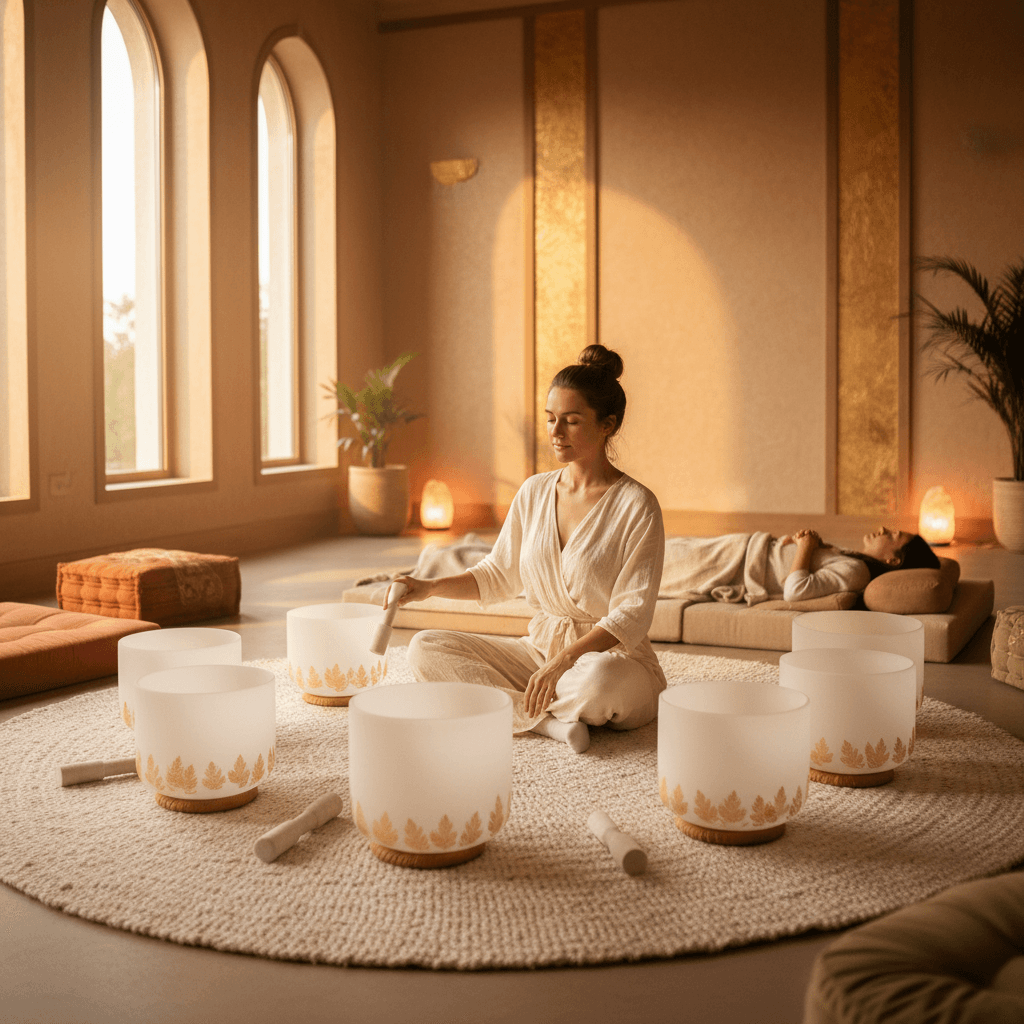
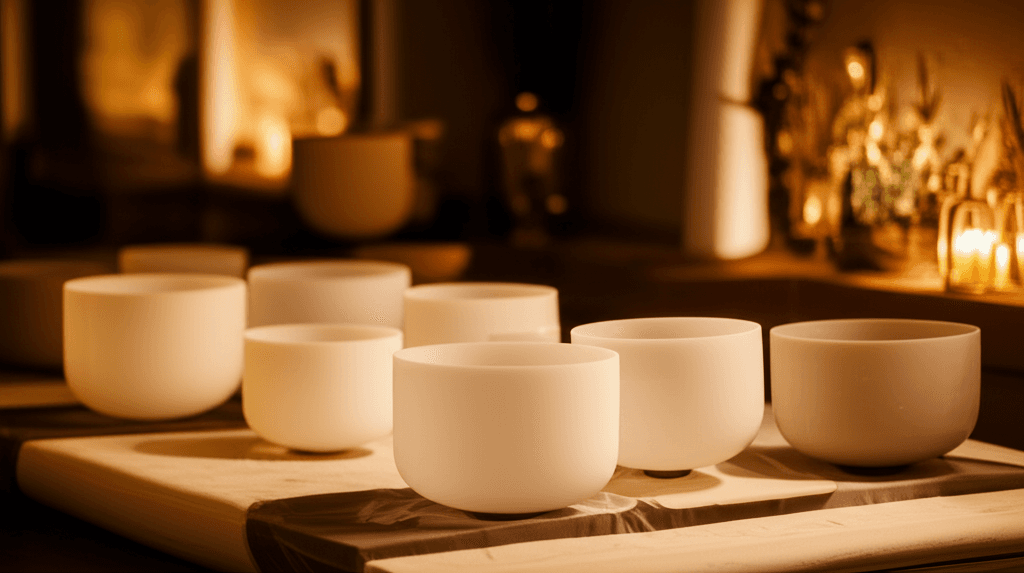
Our sessions often feature the resonant depths of large Nepalese gongs, whose powerful vibrations are known to clear stagnant energy and induce deep meditative states. These are harmonized with the soothing, pure tones of crystal singing bowls, which are said to resonate with the body's energy centers. Complementing these are the rich, earthy vibrations of Himalayan (Tibetan) singing bowls, known for their grounding qualities and capacity to reduce tension and depression, as highlighted in the Goldsby et al. studies.
Larissa also incorporates other vibrational instruments such as chimes, rain sticks, and tuning forks. These are chosen for their specific frequencies and their ability to create an immersive, therapeutic sound field. Each instrument contributes to a tapestry of sound designed to guide the listener into a profound state of relaxation, where the heavy veil of everyday worries and emotional burdens may begin to lift. The cumulative effect of these meticulously crafted soundscapes is a journey into deep inner peace and restoration, fostering an environment where emotional resilience can flourish.
Your Next Steps
Embracing sound healing as a complementary practice can be a profound step towards enhancing your well-being, especially when navigating feelings of depression or chronic stress. It’s an accessible, gentle, and deeply restorative practice that offers a unique pathway to self-care. If you feel drawn to explore the potential of sound, here are some practical steps you can take today.
- Educate Yourself Further: Continue to explore reputable resources and scientific studies on sound healing and its benefits. Understanding the "why" behind the practice can deepen your experience and commitment. Look for information from established wellness practitioners and academic institutions.
- Start with Gentle Exposure: Begin by listening to high-quality sound baths or meditative music online. Many guided meditations incorporate healing frequencies or binaural beats, which some studies suggest may help reduce anxiety and depression levels over time. Even short, consistent exposure can be beneficial.
- Consider a Professional Session: For a truly immersive and guided experience, consider booking a session at a reputable sound wellness studio. A skilled practitioner, like Larissa Steinbach at Soul Art, can create a safe and effective environment tailored to your needs. This allows you to fully surrender to the experience.
- Integrate into Your Routine: Just like any wellness practice, consistency is key. Whether through regular studio sessions, home listening, or incorporating mindful sound into your daily routine, make space for these experiences. Even 10-15 minutes of intentional listening can make a difference.
- Practice Self-Observation: Pay attention to how you feel before and after sound experiences. Journaling about your mood, tension levels, and overall sense of well-being can help you track the subtle yet significant shifts that may occur over time.
In Summary
The journey through depression can feel isolating, but complementary wellness practices like sound healing offer a path towards greater ease and emotional support. Scientific research, while still evolving, provides promising insights into how specific frequencies and vibrations may help reduce tension, alleviate symptoms of depression and anxiety, and even enhance spiritual well-being. This is not about a quick fix but about cultivating a deeper connection to your inner resources.
At Soul Art, Larissa Steinbach and her team are dedicated to providing exquisite sound wellness experiences. These sessions are designed to gently guide you into profound states of relaxation and restoration. By engaging with the transformative power of sound, you may begin to lift the heavy veil, fostering a sense of peace, clarity, and renewed vitality. Discover this profound complementary approach to well-being.
Bookings Coming Soon
Soul Art is still in preparation. Session details and booking will be published here after launch.
Coming Soon
Wellness Disclaimer: This article is for educational and informational purposes only. It does not constitute medical advice, diagnosis, or treatment. Soul Art Dubai provides non-medical wellness experiences focused on relaxation, stress management, and general wellbeing. Sound wellness is a complementary practice and should not replace professional medical care.