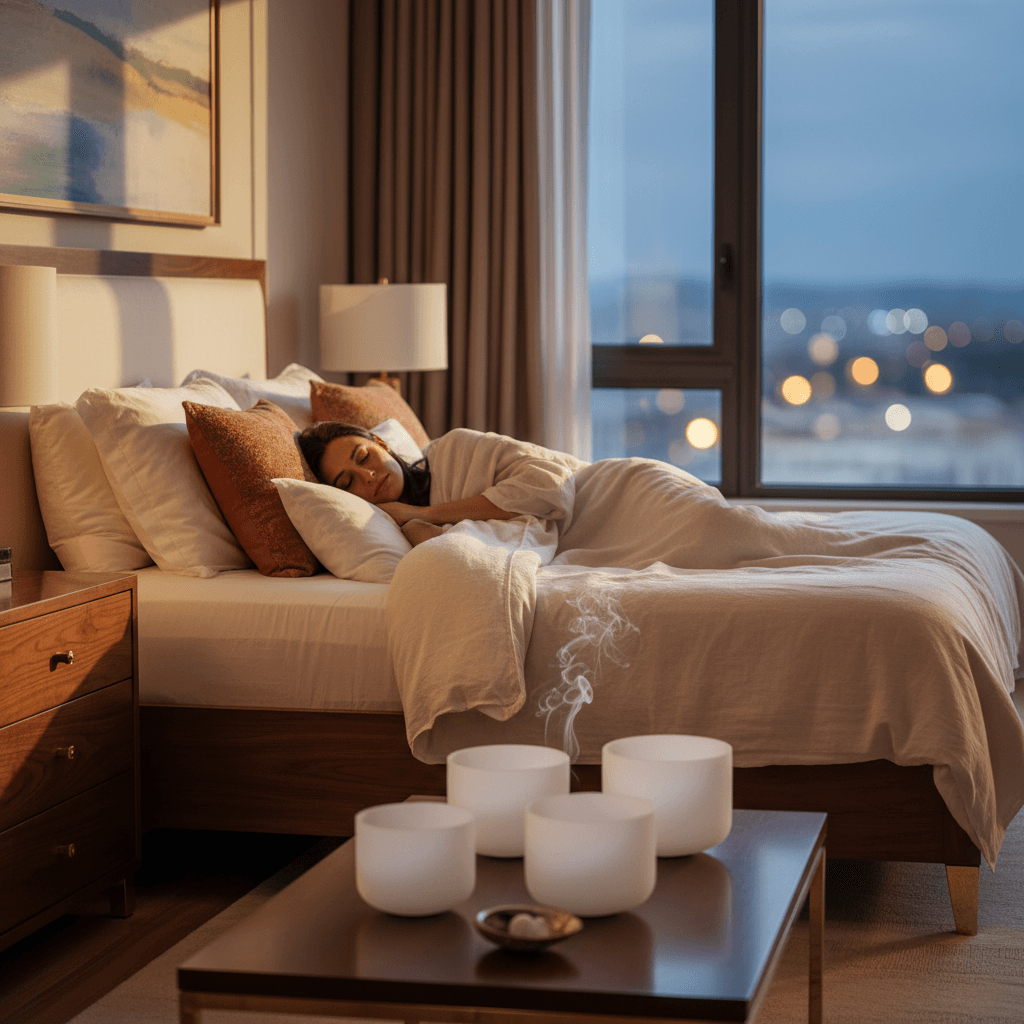
Depression & Hypersomnia: Balancing Sleep Duration for Well-being
Key Insights
Explore the complex link between depression, hypersomnia, and sleep duration. Discover holistic wellness strategies for restorative rest with Soul Art Dubai.
The Paradox of Persistent Fatigue: When More Sleep Isn't Enough
Imagine sleeping for nine, ten, or even twelve hours, yet waking up feeling utterly exhausted. This perplexing scenario is a daily reality for many individuals experiencing hypersomnia, especially when it co-occurs with depression. While society often champions the benefits of a full night's rest, the truth about sleep's relationship with mood is far more intricate than simply logging more hours.
This article delves into the nuanced connection between excessive sleep duration and depressive symptoms, exploring the scientific insights that challenge conventional wisdom. We will uncover why merely extending sleep time may not resolve underlying fatigue, and how focusing on sleep quality offers a more promising path to mental and physical rejuvenation. Join us as we explore how holistic practices, like the unique sound wellness experiences at Soul Art Dubai, may support the journey towards balanced sleep and enhanced overall well-being. Understanding this dynamic is crucial for anyone seeking to reclaim their energy and clarity.
The Intricate Dance Between Sleep and Mood
The relationship between sleep patterns and mood disorders, particularly depression, is a complex and often bidirectional one. While insomnia (difficulty sleeping) is widely recognized as a hallmark symptom of depression, its less-discussed counterpart, hypersomnia, presents an equally significant challenge. Understanding these connections is the first step towards finding effective wellness strategies.
Defining Hypersomnia and Its Connection to Depression
Hypersomnia is characterized by excessive sleepiness, meaning individuals struggle to stay alert during the day, even after getting what seems to be plenty of sleep at night. This can manifest as sleeping for longer than typical durations, taking frequent naps, or experiencing persistent grogginess known as "sleep inertia." For those experiencing hypersomnia, the feeling is often one of profound, unshakeable fatigue, rather than just mild tiredness.
Research consistently highlights a strong association between hypersomnia and depressive symptoms. Up to 25% of patients with a major depressive disorder (MDD) experience hypersomnolence, making it a significant, yet often overlooked, symptom. This persistent fatigue can severely interfere with daily life, hindering motivation and social engagement, and potentially delaying remission of the mood disorder itself. Studies have indicated that sleep problems, including hypersomnia, can even serve as an early warning sign of developing depression, underscoring their deep interconnectedness.
The Debate Around Sleep Duration: Quantity vs. Quality
For decades, the focus in sleep health has often been on achieving a specific number of hours. However, scientific understanding has evolved, revealing a more complex picture, especially when it comes to hypersomnia and depression. Early studies, such as one by Ford and Kamerow in 1989, reported a significant longitudinal association between excessive sleep duration (e.g., nine hours or more) and major depressive disorder. Similar findings emerged in subsequent research by Breslau et al., although the associations became non-significant when prior depressive symptom severity was accounted for.
The scientific literature surrounding sleep duration and depression remains somewhat controversial. Some investigations suggest a "U-shaped" association, implying that both sleep deprivation (typically less than six hours) and excessive sleep (often more than nine hours) may increase the risk of depression. For instance, a meta-analysis found a 163% increased risk of major depressive disorder for those sleeping 10 hours compared to a median of 6.8 hours. This suggests that there might be an optimal range for sleep, and deviating too far in either direction could be problematic.
However, other studies have presented contradictory findings. For example, a longitudinal study by Paudel et al. (2013) found no association between long sleep duration (objectively measured as more than eight hours per day) and an increased risk of depression over a mean 3.4-year follow-up. A more recent investigation utilizing self-reported data among medical graduate students also highlighted that while both longer sleep duration and high sleep quality were associated with a reduction in depressive symptoms, sleep quality emerged as a key independent factor.
This nuanced perspective suggests that simply counting hours might be insufficient. The subjective experience of hypersomnia, often described as a lack of interest and decreased energy due to depression, may not always correlate with objectively measured sleep parameters like total sleep time or sleep latency. Many individuals with hypersomnia linked to mood disorders might exhibit normal sleep latencies and total sleep times on objective tests like polysomnography (PSG). This indicates that hypersomnia in the context of depression may be more of a subjective complaint related to the underlying mood disorder rather than a purely medical sleep condition in all cases.
The critical insight from this ongoing research is the growing emphasis on sleep quality over mere duration. High-quality sleep, regardless of its exact length, has been shown to potentially reduce cortisol levels by inhibiting HPA axis overactivation. This axis, the hypothalamic-pituitary-adrenal axis, plays a central role in the body's stress response. When overactive, it can perpetuate both sleep disturbances and depressive symptoms. Therefore, improving the restorative nature of sleep may be more impactful than simply trying to extend it.
Neurological Underpinnings and Hormonal Influences
The brain's intricate network plays a crucial role in regulating both mood and sleep. In individuals with MDD, sleep alterations extend beyond just duration to include significant changes in sleep architecture. These can involve:
- Reduced latency to and prolonged duration of the first rapid eye movement (REM) episode: This means individuals enter the dream stage of sleep more quickly and stay there longer, potentially disrupting the restorative cycle.
- Decreased slow-wave sleep (SWS): Also known as deep sleep, SWS is vital for physical restoration and memory consolidation. Its reduction can contribute to feelings of unrefreshing sleep.
- Disturbed sleep continuity: Frequent awakenings or restless sleep can fragment the sleep cycle, preventing truly deep rest.
- Dysfunctional autonomic cardiac activity: This is reflected by decreased heart rate variability, indicating a nervous system that remains in a state of heightened stress even during sleep.
Hormonal imbalances, particularly those involving cortisol, are also implicated. The chronic stress associated with depression and disturbed sleep can lead to sustained activation of the HPA axis, resulting in elevated cortisol levels. While research among adolescents suggests that longer sleep duration and more sleep problems predict higher cortisol reactivity to stressors, improving sleep quality may offer a pathway to regulate this crucial stress hormone. The precise mechanisms underpinning the complex interplay between sleep alterations and MDD neuropathology are still being elucidated, yet they underscore the profound physiological impact of these conditions.
How It Works in Practice: The Lived Experience
For someone experiencing hypersomnia alongside depression, the theoretical science translates into a challenging daily reality. The persistent tiredness isn't just a minor inconvenience; it pervades every aspect of life, creating a heavy cloud that is difficult to shake. It's a profound feeling of being tethered to an invisible weight.
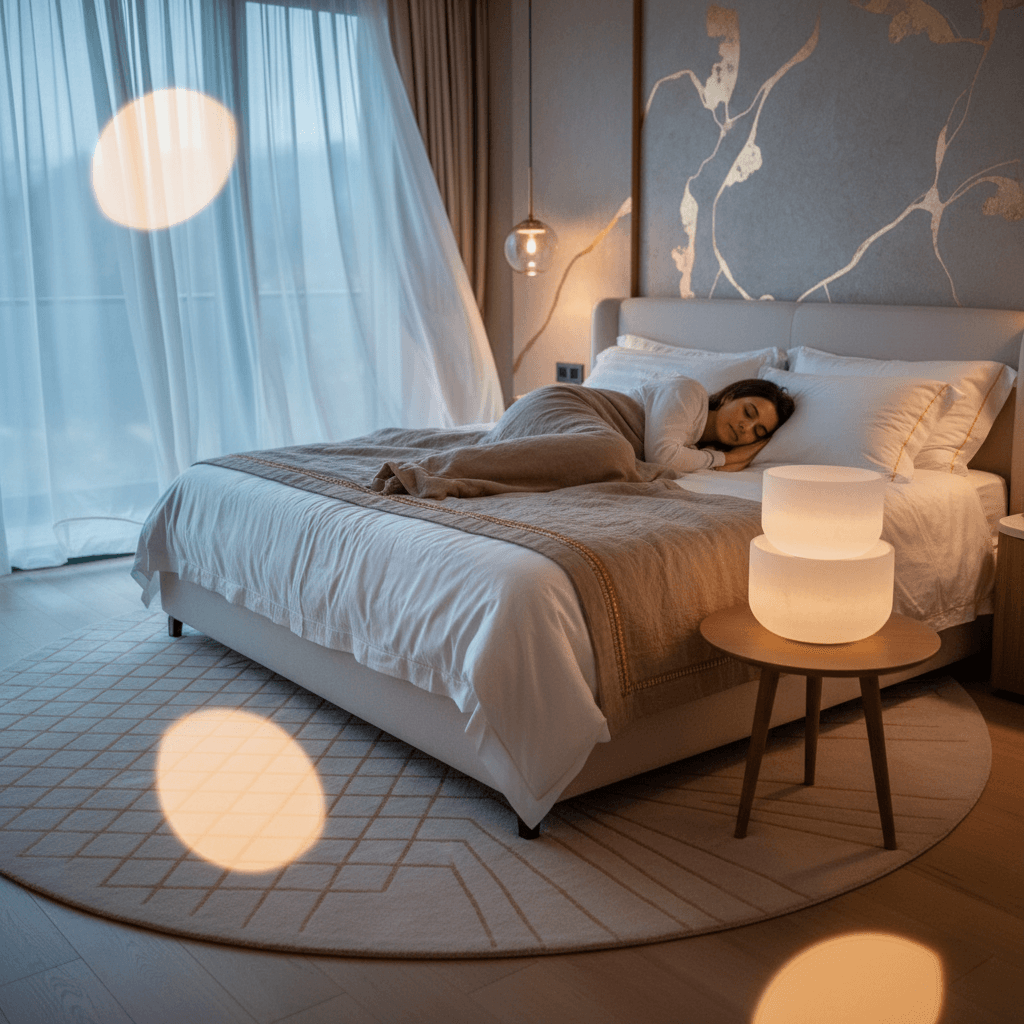
Clients often describe an overwhelming urge to sleep, even after what appears to be a full night's rest. They may spend extended hours in bed, perhaps 10 to 12 hours, only to wake up feeling unrefreshed, groggy, and mentally sluggish. This isn't the revitalizing sleep one typically associates with prolonged rest; instead, it often feels like a deeper immersion into fatigue. The bed can become a sanctuary and a prison, offering temporary escape but no true escape from the underlying weariness.
The practical impact of this state is significant:
- Lack of Energy: Everyday tasks become monumental efforts. Simple activities like getting dressed, preparing a meal, or even engaging in conversation can feel draining.
- Reduced Interest (Anhedonia): A core symptom of depression, this is often exacerbated by hypersomnia. The lack of energy makes it even harder to find joy or motivation in activities that were once pleasurable, leading to further withdrawal and isolation.
- Difficulty Concentrating: Mental fog is a common complaint. Focus dwindles, decision-making becomes harder, and memory can feel impaired, affecting work, studies, and social interactions.
- Disrupted Routines: The need for excessive sleep or frequent naps can throw daily schedules into disarray. This irregularity can further disrupt the body's natural circadian rhythms, creating a vicious cycle that perpetuates both sleep issues and depressive symptoms.
- Social and Occupational Challenges: Missed appointments, declining productivity, and cancelled plans become frequent. This can lead to feelings of guilt, shame, and a deepening sense of inadequacy.
This experience highlights that the problem isn't always the quantity of sleep, but its restorative quality. When sleep doesn't provide true rest, the body and mind remain in a state of exhaustion, making it incredibly difficult to engage with life. The challenge is not to simply sleep more, but to sleep better – to find ways to make those hours genuinely rejuvenating, helping to break the cycle of fatigue and low mood. It's about shifting from a passive state of prolonged unconsciousness to an active state of deep, healing restoration.
The Soul Art Approach: Harmonizing Your Inner Landscape
At Soul Art, Larissa Steinbach and her team understand that true well-being stems from a balanced nervous system and a harmonious inner state. When dealing with complex issues like hypersomnia and depression, our approach is centered on creating an environment where the body and mind can gently release tension, regulate stress responses, and rediscover their natural equilibrium. We offer a complementary path to support your wellness journey, focusing on deep relaxation and nervous system regulation rather than medical treatment.
Larissa Steinbach's Philosophy
Larissa Steinbach believes that while professional medical guidance is essential for managing depression and severe sleep disorders, holistic practices can play a powerful supporting role. Her philosophy at Soul Art is rooted in the conviction that our bodies possess an innate capacity for healing and balance. By carefully curated sound experiences, we aim to soothe the nervous system, which in turn may help alleviate the physical manifestations of stress and fatigue that often accompany hypersomnia and depression. Our focus is on fostering a deeper connection to oneself, enabling individuals to cultivate inner peace and resilience.
What Makes the Soul Art Method Unique
Soul Art’s method stands apart through its unique integration of ancient wisdom and modern understanding of vibrational frequencies. We don't diagnose or treat medical conditions, but instead provide a sanctuary for profound relaxation and self-discovery. Our sound wellness sessions are designed to gently guide participants into states of deep rest, fostering an environment conducive to improving sleep quality and managing the physiological impacts of stress.
Here’s how our approach may support your journey:
- Nervous System Regulation: The gentle, sustained vibrations from our instruments are believed to encourage the body's shift from the sympathetic "fight or flight" response to the parasympathetic "rest and digest" state. This regulation of the autonomic nervous system is crucial for reducing chronic stress, which can positively impact the HPA axis and cortisol levels, potentially supporting better sleep.
- Deep Relaxation: Our sound baths induce a state akin to meditation, where the mind can quiet, and the body can release deep-seated tension. Many people report feeling profoundly relaxed, a state that is often elusive for those struggling with persistent fatigue and anxiety. This deep relaxation may contribute to a more restorative sleep experience when practiced regularly.
- Mind-Body Connection: Soul Art sessions offer a space for introspection and gentle processing. By allowing the mind to calm, individuals may become more attuned to their internal states, fostering self-awareness that can be beneficial in understanding the interplay between their emotions and physical sensations.
- Enhanced Well-being: While not a cure, engaging in regular sound wellness sessions may contribute to an overall sense of enhanced well-being, increased emotional resilience, and a greater capacity to cope with daily stressors. This holistic support can be a vital component in managing the broader impacts of mood and sleep disturbances.
"True rest isn't just about closing your eyes; it's about quieting the internal chatter and allowing your entire being to surrender to a state of profound peace. This is the space we cultivate at Soul Art." - Larissa Steinbach
Specific Instruments and Techniques Used
At Soul Art, we utilize a carefully selected array of instruments, each chosen for its unique vibrational properties and ability to create an immersive soundscape:
- Himalayan Singing Bowls: Crafted from multiple metals, these bowls produce rich, resonant tones and sustained vibrations that are felt deeply within the body. Their frequencies are thought to help balance energy centers and induce a meditative state.
- Gongs: Large and powerful, gongs create expansive sound waves that envelop participants. The complex harmonics of gongs are known for their ability to promote deep relaxation and facilitate a sense of release.
- Tuning Forks: Used for more targeted applications, tuning forks produce precise frequencies that can be applied to specific areas of the body or energy fields, potentially supporting cellular relaxation and energetic balance.
- Crystal Singing Bowls: Made from pure quartz, these bowls produce pure, ethereal tones that are often associated with clarity and spiritual connection, contributing to a deeply immersive and calming experience.
These instruments are often complemented by guided meditation and conscious breathwork, led by experienced facilitators, to further enhance the journey into relaxation. Each session is a unique invitation to explore the subtle energies within and without, fostering an environment where deep rest and rejuvenation may unfold naturally. Larissa Steinbach's vision for Soul Art is to provide a sanctuary where individuals can reconnect with their inner stillness, a vital step in balancing their sleep architecture and nurturing their overall well-being.
Your Next Steps: Cultivating Restorative Sleep
Navigating the complexities of hypersomnia and depression requires a thoughtful, multi-faceted approach. While sound wellness at Soul Art offers a powerful complementary path for relaxation and nervous system regulation, there are many practical steps you can implement in your daily life to cultivate more restorative sleep and support your overall well-being. Remember, these are wellness practices and not substitutes for professional medical advice or treatment.
Here are some actionable steps you can consider today:
- Establish a Consistent Sleep Schedule: Aim to go to bed and wake up at roughly the same time each day, even on weekends. This helps regulate your body's natural circadian rhythm, which plays a crucial role in sleep-wake cycles. Consistency is key for teaching your body when it's time to rest.
- Create a Calming Bedtime Routine: Dedicate the hour before bed to winding down. This could include dimming lights, taking a warm bath, reading a book, or listening to calming music. Avoid screens (phones, tablets, TVs) at least an hour before sleep, as the blue light can interfere with melatonin production.
- Optimize Your Sleep Environment: Ensure your bedroom is a sanctuary for sleep. Keep it dark, cool (between 18-22 degrees Celsius), and quiet. Consider blackout curtains, an eye mask, earplugs, or a white noise machine if needed. A comfortable mattress and pillows are also essential.
- Prioritize Gentle Daily Movement: Regular physical activity can significantly improve sleep quality, but timing is important. Aim for moderate exercise earlier in the day and avoid vigorous workouts close to bedtime. Gentle activities like walking or stretching can be beneficial without overstimulating your system.
- Focus on Sleep Quality Over Just Duration: Pay attention to how you feel upon waking. Are you refreshed, or still groggy? If you are consistently feeling unrefreshed despite long hours of sleep, consider other lifestyle factors or consult a medical professional for advice. Journaling about your sleep patterns can help you identify trends and potential triggers.
- Seek Professional Guidance: If you consistently struggle with excessive sleepiness or depressive symptoms, it is vital to consult a healthcare professional. They can provide an accurate diagnosis, rule out underlying medical conditions, and discuss appropriate treatment options, which may include therapy or medication. Sound wellness is a complementary approach that can be integrated into your holistic self-care plan.
When you're ready to explore a deeper path to relaxation and nervous system balance, the unique experiences at Soul Art Dubai offer a sanctuary. By incorporating these practical steps and exploring complementary wellness practices, you can gently guide your body and mind towards more restorative sleep and a greater sense of overall well-being.
In Summary: Reclaiming Your Restorative Sleep
The journey through depression and hypersomnia is a testament to the intricate connection between our mental state and sleep architecture. We've explored how simply accumulating more hours of sleep often falls short, with sleep quality emerging as a more consistent and critical indicator of well-being. While scientific debates continue, the emphasis is increasingly on the restorative power of sleep, its impact on the HPA axis, and the importance of a regulated nervous system. Understanding that hypersomnia can be a complex subjective complaint intertwined with mood challenges, rather than solely a quantity issue, opens new avenues for support.
At Soul Art Dubai, under the guidance of Larissa Steinbach, we offer a profound complementary pathway to address these challenges through sound wellness. Our meticulously crafted sessions provide a sanctuary for deep relaxation, nervous system regulation, and the cultivation of inner harmony. By gently shifting your physiological state and fostering self-awareness, our experiences may support your journey towards reclaiming genuinely restorative sleep and enhancing your overall resilience. We invite you to explore the unique frequencies of well-being and discover how a balanced nervous system can transform your relationship with rest.
Bookings Coming Soon
Soul Art is still in preparation. Session details and booking will be published here after launch.
Coming Soon
Wellness Disclaimer: This article is for educational and informational purposes only. It does not constitute medical advice, diagnosis, or treatment. Soul Art Dubai provides non-medical wellness experiences focused on relaxation, stress management, and general wellbeing. Sound wellness is a complementary practice and should not replace professional medical care.
Related Articles
Fan Noise and Sleep: Unmasking the Science Behind White Noise Machines for Deeper Rest
Polyphasic Sleep & Sound Healing: Navigating Restorative Rhythms
REM Rebound: Mastering the Art of Recovering Lost Dream Sleep