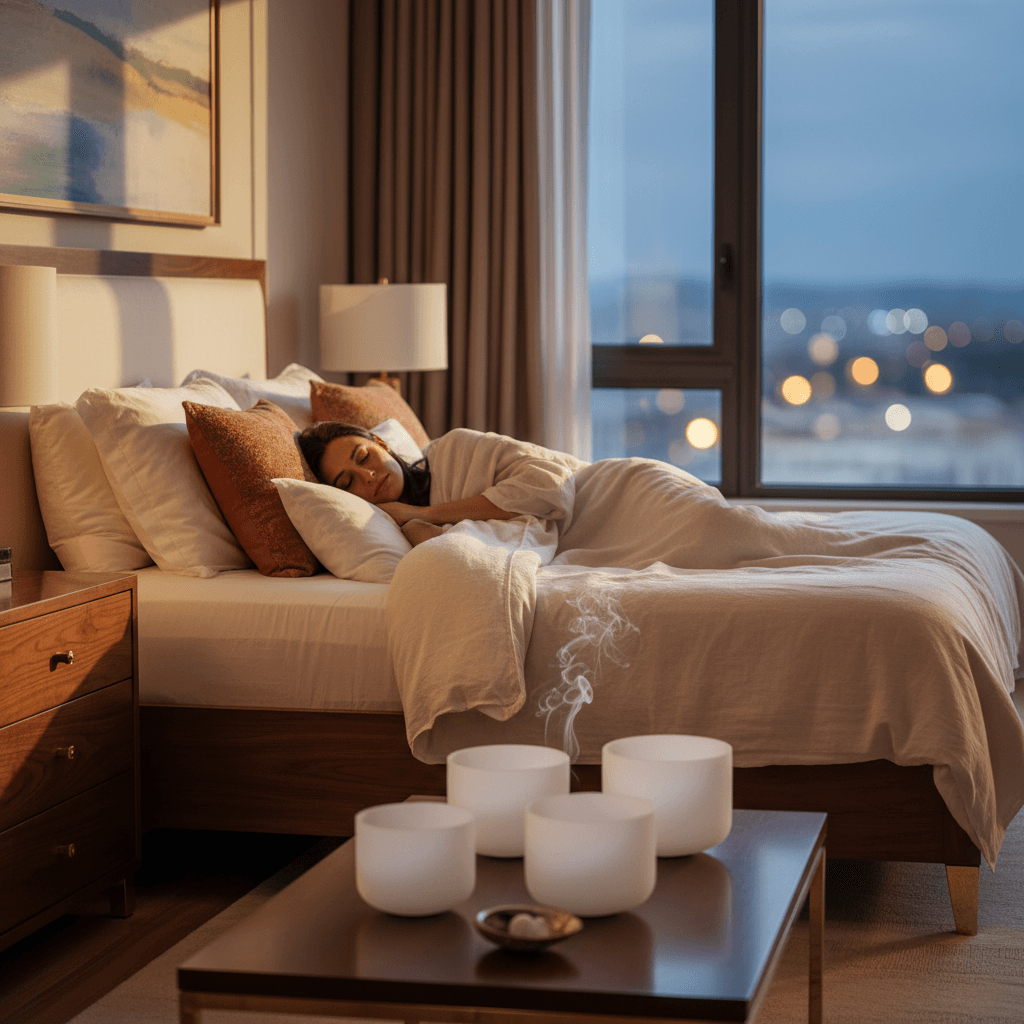
Unlock Deeper Rest: Crafting Your Optimal Sound Environment for Sleep
Key Insights
Discover how intentional sound design can transform your sleep quality. Learn the science behind white, pink, and pleasant noises for deep rest, memory, and relaxation with Soul Art Dubai and Larissa Steinbach.
Compelling Introduction
What if silence isn't always golden when it comes to sleep? In an increasingly vibrant city like Dubai, where ambient noise is often a constant companion, the pursuit of truly restorative rest has become more vital than ever. While conventional wisdom frequently suggests that a completely quiet room is ideal for slumber, emerging scientific evidence paints a more nuanced and fascinating picture.
This article will delve into the profound impact of sound on our sleep architecture, exploring how carefully chosen auditory environments can not only mask disruptive noises but also actively synchronize our brain waves for deeper, more stable rest. We will uncover the latest research on different "colors" of noise and pleasant soundscapes, offering practical insights into creating an optimal sleep sanctuary. Discover how Soul Art, under the visionary guidance of Larissa Steinbach, harnesses these principles to elevate your sleep wellness.
The Science Explained
Our auditory system remains active even when we are asleep, continuously evaluating sounds in our environment. This means that external noises, from distant traffic to a neighbour's late-night activities, can subtly (or overtly) disturb our sleep, altering brain wave patterns and impacting the crucial stages of rest. The strategic introduction of specific sounds, however, may offer a powerful counterbalance to this challenge.
The Auditory System and Sleep
During sleep, the brain cycles through distinct stages, including light sleep, deep non-rapid eye movement (NREM) sleep, and rapid eye movement (REM) sleep. Each stage plays a unique role in physical and mental restoration, memory consolidation, and emotional regulation. Disruptions, even minor ones, can fragment these cycles, leading to reduced sleep quality and next-day fatigue.
Certain sounds have been observed to influence these sleep stages by either masking disruptive ambient noises or, more intriguingly, by actively promoting specific brain wave activities. The goal is to create an acoustic environment that supports the brain's natural progression through these vital sleep stages. While research in this evolving field is still developing, the potential for sound to enhance sleep wellness is widely acknowledged.
Exploring the "Colors" of Noise
The concept of "colored noise" refers to various types of ambient sound characterized by different energy distributions across their frequency spectrum. While silence may seem intuitively ideal, some research suggests that these consistent, non-patterned sounds can be remarkably effective in improving sleep quality for many individuals.
-
White Noise: The Masking Master White noise is a consistent sound that contains all audible frequencies played at a random amplitude. It sounds like a gentle hiss, the static from an untuned radio, or the consistent hum of a fan. Its primary benefit lies in its ability to effectively "mask" sudden, inconsistent, and potentially disruptive environmental noises. By creating a continuous, broadband sound floor, white noise can raise the threshold for hearing other sounds, making sudden disturbances less jarring and thus potentially promoting a more stable sleep environment. Some preliminary studies, particularly with infants and children, have suggested that white noise may support reductions in heart rate and respiratory rate, potentially lulling an individual into sleep. However, it's also important to note that studies on the benefits of white noise for sleep have yielded mixed results, and there is some discussion within the scientific community regarding potential long-term effects, with some animal studies indicating it may perturb slow-wave and REM sleep, and a need for caution regarding volume to prevent hearing issues.
-
Pink Noise: The Deep Sleep Alchemist? Pink noise is characterized by lower frequencies being more intense, giving it a "deeper" or "softer" sound than white noise. It often evokes natural sounds like falling rain, rustling leaves, or ocean waves. This particular sound profile has garnered significant attention for its potential influence on deep sleep. Northwestern University's pioneering research, led by Dr. Phyllis Zee and Dr. Roneil Malkani, represents a significant advancement in this area. Their studies demonstrated that precisely timed pink noise pulses during deep sleep were associated with a significant boost in slow-wave activity, crucial for memory consolidation. Participants in these specific experimental conditions showed notable improvements in memory performance. However, other studies, such as one from the University of Pennsylvania, have presented conflicting findings, suggesting that pink noise could reduce time spent in REM sleep, a stage important for mood regulation and mental focus. These varied results underscore the complexity of sleep science and the importance of individual physiological responses and controlled experimental conditions.
-
Brown Noise: The Rhythmic Rumble Brown noise is even deeper than pink noise, with a higher intensity at lower frequencies, often described as a powerful roar, a strong waterfall, or deep rumbling. While less studied than white or pink noise for sleep specifically, anecdotal reports suggest its deep, consistent hum can be incredibly soothing for some, particularly those who find higher frequencies distracting. It may help to block out low-frequency background noises that might otherwise penetrate the sleep environment.
The Power of Pleasant Sounds and Music
Beyond the "colors" of noise, certain "pleasant" sounds and carefully curated music have shown strong potential in enhancing sleep quality. Unlike the broadband nature of white or pink noise, these sounds often feature distinct patterns and emotional resonance.
Research has indicated that listening to calming music before bedtime is associated with improved sleep quality across various populations and settings. The systematic review published in Sleep Medicine Reviews highlighted music-based sleep aids as having the strongest and most consistent evidence for efficacy. Furthermore, studies on specific "pleasant sounds," such as the Yamaha Corporation's "Kaiminon," which oscillates like an ocean wave at a tempo slightly slower than breathing, have indicated a potential to increase sleep spindles (brief bursts of brain activity associated with memory consolidation and sensory gating) and reduce sleep onset latency (SOL), particularly in individuals experiencing sleep maintenance difficulties. These findings suggest that the rhythmic and emotionally resonant qualities of specific sounds and music can play a significant role in preparing the mind and body for restorative sleep.
How It Works in Practice
Translating the science of sound into a practical strategy for better sleep involves more than just pressing play on a sound machine. It requires an intentional approach to your entire sleep environment, considering how sound interacts with your body and mind. The goal is to create a seamless acoustic cocoon that supports your unique sleep needs.
When integrating sound into your sleep routine, the experience should feel like a natural extension of your efforts to unwind and prepare for rest. It’s about more than just masking; it’s about inviting a sense of calm and predictability. Many individuals report that a consistent sound environment helps them transition more smoothly from wakefulness to sleep, creating a reliable cue for their brain.
Setting Up Your Optimal Sound Environment
- Placement is Key: Whether you're using a dedicated white noise machine, a sound machine with multiple options, or streaming sleep noise through speakers, where you place the device matters. Position it strategically to create an enveloping sound field without being directly next to your ear. Placing it a few feet away, perhaps in a corner, can help the sound disperse more evenly throughout the room.
- Volume Control for Comfort: The aim is to create a gentle, consistent background presence, not a loud distraction. The sound should be no louder than a soft background conversation, allowing it to mask disturbances without becoming a new one. Experiment to find a volume that feels soothing and doesn't strain your auditory system.
- Mindful Duration: Not everyone needs sound playing all night. Some prefer to use a timer, allowing the sound to play for the first hour or two as they fall asleep. This can be particularly useful for those concerned about potential long-term exposure or simply wanting to see if a shorter duration is sufficient for their sleep initiation. Others find continuous sound more beneficial for maintaining sleep stability throughout the night.
- Integrate with Your Routine: The most effective sound environment becomes a consistent part of your pre-sleep ritual. Dim the lights, put away screens, and then gently introduce your chosen sound. This signals to your brain that it's time to unwind, reinforcing a healthy sleep-wake cycle. The sensory details become part of a larger, calming sequence.
Personalizing Your Sound Experience
The "optimal" sound environment is deeply personal. What one person finds calming, another might find irritating. This underscores the importance of experimentation and self-awareness.
"The need for sleep is biological, but the way we sleep is learned. We can adjust to many conditions, and finding the right sound is often a journey of discovery."
Consider how different sound machines integrate with your existing sleep routine. Some prefer the simplicity and consistency of a dedicated white noise machine. Others find that sound machines with a broader range of options – including white noise, pink noise, brown noise, and nature sounds – offer more flexibility to adapt to varying needs and moods from night to night. The subtle hum of brown noise, for instance, might be profoundly grounding for some, while the gentle lapping of ocean waves (a form of pink noise) might transport another to a state of profound calm.
Ultimately, the practical application of sound for sleep wellness is about cultivating a personal sanctuary. It’s a holistic approach where the sound acts as a guide, gently ushering you into the restorative depths of sleep, complementing a broader commitment to sleep hygiene.
The Soul Art Approach
At Soul Art Dubai, we believe that true well-being stems from a harmonious balance within. Our approach to creating optimal sound environments for sleep transcends simple noise machines, focusing instead on intentionally designed soundscapes that resonate deeply with the individual's energetic and physiological needs. Larissa Steinbach, our visionary founder, has meticulously crafted experiences that leverage the nuanced power of sound to guide the body and mind into profound states of relaxation, ideal for preparing for restorative sleep.
Our method is rooted in the understanding that not all sounds are created equal, and the way sound is delivered can dramatically alter its impact. While the "colored noises" provide a scientific baseline for masking and brainwave entrainment, Soul Art elevates this by using specific instruments and frequencies known for their therapeutic properties. This involves more than just playing a recording; it's about a live, immersive experience where the vibrations interact directly with your body.
Larissa Steinbach's Philosophy
Larissa's philosophy centers on the idea of "frequency medicine" – using precisely chosen sound vibrations to rebalance the nervous system. She understands that stress and mental clutter are often the biggest barriers to quality sleep. By curating sound environments that promote delta and theta brainwave states, similar to those experienced in deep sleep and meditative states, she aims to facilitate a natural transition into rest.
Larissa emphasizes listening to the body and mind, tailoring the sound journey to individual sensitivities and goals. This personalized attention ensures that each experience at Soul Art is not merely a passive listening session but an active co-creation of tranquility designed to support deeper sleep.
The Unique Soul Art Method
What sets the Soul Art method apart is its holistic integration of ancient wisdom with modern scientific understanding. Instead of relying solely on recorded ambient sounds, we often incorporate the rich, organic tones of:
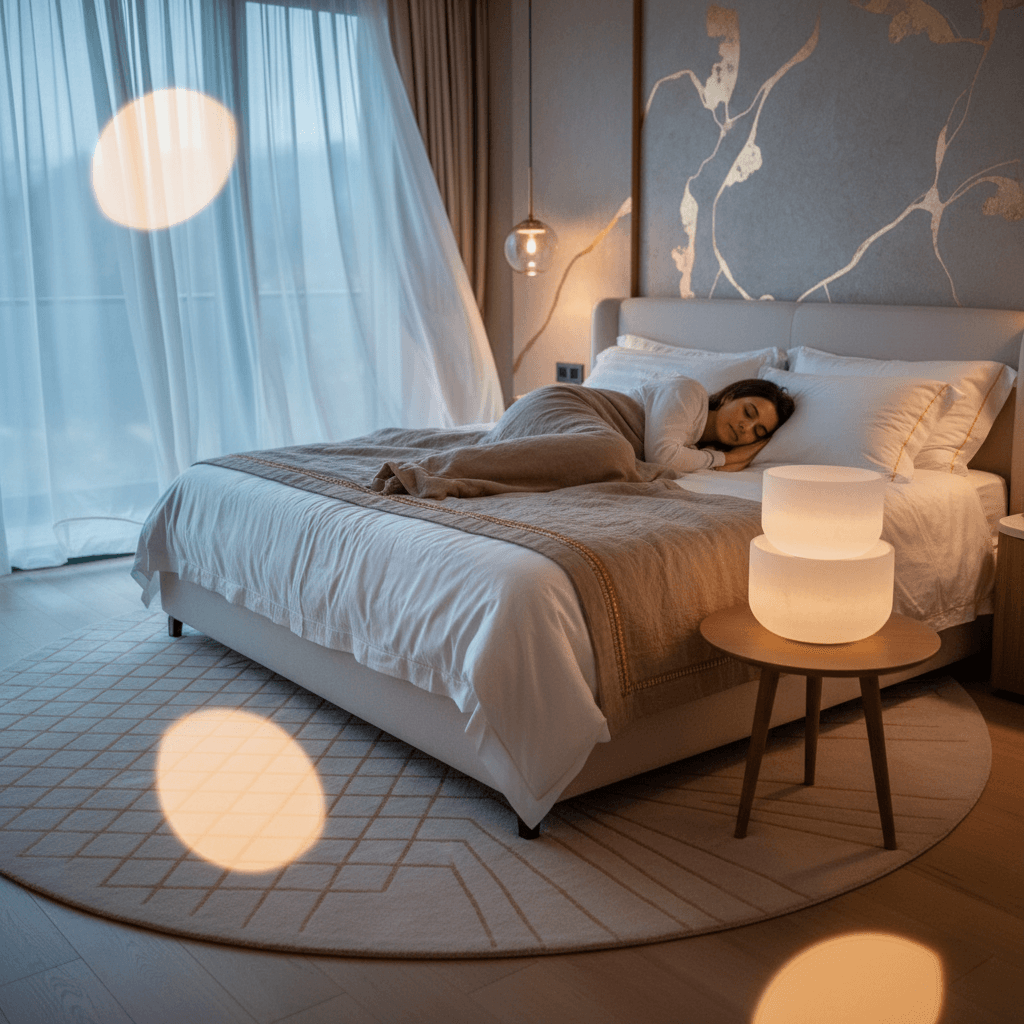
- Crystal Singing Bowls: These resonant bowls produce pure, sustained tones and powerful vibrations that are believed to synchronize brainwaves, promoting deep relaxation and potentially guiding the brain into states conducive to sleep. The specific frequencies of the bowls can correspond to different energy centers in the body, fostering a sense of overall balance.
- Gongs: The deep, expansive sounds of gongs create an immersive sonic bath, often described as a full-body experience. Their complex harmonics can facilitate a profound release of tension, helping to quiet the overactive mind and prepare the nervous system for rest.
- Chimes and Other Overtone Instruments: These instruments introduce delicate, shimmering sounds that add layers of intricate texture to the soundscape. They can create a sense of ethereal calm, gently dissolving mental chatter and inviting a peaceful presence that supports sleep onset.
These instruments are played with intention, allowing their natural acoustic properties to interact with the listener's biofield. The subtle shifts in frequency and volume are carefully managed to create a continuous, flowing sound environment that gently coaxes the body into a state of deep repose. The aim is not just to mask external noise, but to actively entrain the brain into states associated with restorative sleep. This intentional sound design is a complementary approach that may enhance overall sleep hygiene and promote a sense of well-being.
Your Next Steps
Embarking on a journey to optimize your sleep environment through sound is a powerful act of self-care. While the concept may seem complex, implementing changes can be surprisingly simple and profoundly rewarding. Begin by listening to your body and mind, noticing what truly brings you a sense of calm.
Here are some actionable steps you can take today to begin crafting your ideal sound environment for sleep:
- Experiment with Different Sound "Colors": Start by trying white noise, then pink noise, and even brown noise. Notice how each affects your ability to relax and fall asleep. You might find that one resonates more deeply with you than others, or that different sounds suit different nights.
- Pay Attention to Volume and Placement: Begin with the sound machine or speaker placed a few feet from your bed at a very low volume. Gradually adjust the volume until it’s a comfortable background hum, just enough to mask minor disruptions without being noticeable itself. Experiment with different placements in your room for optimal dispersion.
- Integrate Sound into a Bedtime Routine: Consistency is key. Make listening to your chosen sleep sound a non-negotiable part of your wind-down routine. Pair it with other relaxing activities like reading, gentle stretching, or a warm bath to create a powerful sleep cue.
- Explore Pleasant Soundscapes and Music: Don't limit yourself to just noise colors. Explore nature sounds like gentle rain or ocean waves, or calming instrumental music. Many streaming platforms offer dedicated sleep playlists designed with specific frequencies and tempos to support relaxation.
- Consider a Professional Sound Wellness Session: To experience the deeply restorative benefits of expertly curated sound, consider booking a session at Soul Art Dubai. Under the guidance of Larissa Steinbach, you can discover a personalized sound journey designed to harmonize your system and prepare you for unparalleled rest.
Bookings Coming Soon
Soul Art is still in preparation. Session details and booking will be published here after launch.
Coming Soon
In Summary
The quest for optimal sleep is a journey many undertake, and surprisingly, the solution may not always lie in absolute silence. Scientific inquiry reveals that a thoughtfully designed sound environment, incorporating "colored" noises, pleasant soundscapes, and intentional sonic experiences, holds significant potential to enhance sleep quality. By masking disruptive sounds and subtly influencing brainwave patterns, specific auditory inputs can support deeper, more restorative rest and even aid cognitive functions like memory.
From the masking efficacy of white noise to the deep sleep potential of pink noise, and the profound relaxation offered by music and instruments like crystal bowls, the possibilities are vast. Soul Art Dubai, guided by Larissa Steinbach's expertise, offers a unique, holistic approach to sound wellness. We invite you to explore how an intentionally crafted acoustic environment can transform your nightly rest, leading to a more vibrant and well-rested life.
Wellness Disclaimer: This article is for educational and informational purposes only. It does not constitute medical advice, diagnosis, or treatment. Soul Art Dubai provides non-medical wellness experiences focused on relaxation, stress management, and general wellbeing. Sound wellness is a complementary practice and should not replace professional medical care.
Related Articles
Fan Noise and Sleep: Unmasking the Science Behind White Noise Machines for Deeper Rest
Polyphasic Sleep & Sound Healing: Navigating Restorative Rhythms
REM Rebound: Mastering the Art of Recovering Lost Dream Sleep