Cortisol & Anxiety: Breaking the Stress Hormone Cycle for Inner Calm
Key Insights
Unpack the science of cortisol's link to anxiety and discover how sound wellness at Soul Art Dubai helps regulate your stress response for lasting tranquility.
Cortisol & Anxiety: Breaking the Stress Hormone Cycle for Inner Calm
Imagine a hormone that, while essential for survival, can subtly yet profoundly fuel your daily anxieties. This is cortisol, often dubbed the "stress hormone," a critical player in our body's response to perceived threats. While its acute surge empowers us to navigate challenges, a chronically elevated or dysregulated cortisol cycle can lead to persistent feelings of unease and heightened anxiety.
Recent scientific advancements have brought forth a surprising insight: cortisol may not just be a marker of stress, but a causal factor in the experience of anxiety. Understanding this intricate relationship is the first step toward reclaiming your serenity. This article delves into the science behind cortisol and anxiety, and explores how sophisticated wellness practices, like those offered at Soul Art Dubai by Larissa Steinbach, can support the body in breaking this powerful cycle. Join us as we uncover pathways to soothe your nervous system and cultivate a profound sense of inner calm.
The Science Explained: Unpacking the Cortisol-Anxiety Connection
Our bodies possess an intricate system for managing stress, known as the Hypothalamic-Pituitary-Adrenal (HPA) axis. When faced with a stressor, the hypothalamus signals the pituitary gland, which in turn prompts the adrenal glands to release cortisol. This cascade is vital, preparing us for "fight or flight" by increasing energy, enhancing sensory perception, and temporarily dampening systems not immediately essential for survival.
The Causal Link Between Cortisol and Anxiety
For decades, researchers observed a correlation between high cortisol levels and anxiety, but the exact nature of this relationship remained elusive. Groundbreaking research, particularly studies utilizing Mendelian randomization, has provided compelling evidence. These studies leverage genetic variants affecting cortisol levels to demonstrate a unidirectional causal relationship between morning plasma cortisol and anxiety.
This means that elevated cortisol isn't just a symptom of anxiety; it can actively contribute to its development and persistence. It’s important to note that this specific causal link appears most robust for anxiety, rather than major depression or neuroticism. This insight positions cortisol as an attractive target for wellness interventions aimed at alleviating anxiety-related discomforts.
The Cortisol Awakening Response (CAR) and Mood Regulation
One of the most telling indicators of cortisol function is the Cortisol Awakening Response (CAR), a natural surge in cortisol within the first hour after waking. The CAR prepares the body and brain for the day's upcoming stressors and plays a crucial role in regulating emotional states. A healthy CAR helps us feel alert and ready to face the day.
However, research has shown that a blunted or altered CAR can be linked to mood disturbances. For instance, studies on women with Premenstrual Dysphoric Disorder (PMDD) revealed that reduced cortisol peaks in the premenstrual phase were associated with more depressive symptoms. This suggests that a well-functioning CAR is fundamental for mood stability and resilience. Deviations from this pattern, whether blunted or excessively high, can signal an imbalance in the stress response system.
Hormonal Shifts and Stress Perception
The intricate dance of hormones throughout the menstrual cycle also significantly impacts cortisol levels and, consequently, stress perception. Research indicates that circulating cortisol levels can be notably higher during the follicular phase (the first half of the cycle) compared to the luteal phase (the second half). These physiological shifts are normal, but for individuals whose brains are more sensitive to hormonal fluctuations, they can intensify feelings of stress and emotional strain.
This understanding underscores the importance of recognizing whether stress patterns are event-driven or if they follow a predictable, cycle-linked rhythm. In our high-demand world, where women often feel pressured to perform consistently regardless of their physiological phase, comprehending these hormonal influences becomes even more critical for holistic well-being. By observing and tracking these patterns, individuals can begin to tailor self-care practices to support their body’s natural rhythms.
Chronic Stress and Physiological Markers
Beyond daily fluctuations, chronic stress leaves a deeper physiological imprint. Modern research has highlighted the utility of Hair Cortisol Concentration (HCC) measurements as a tangible marker of sustained stress exposure. Elevated HCC has been compellingly linked to stressful life events, providing measurable evidence of the body's prolonged engagement with stress. This holistic perspective recognizes that stress isn't just a mental state; it profoundly impacts our biology and can be tracked through these physiological indicators.
The HPA axis, while designed for acute stress, can become dysregulated under chronic pressure. This constant activation can lead to a host of issues, including an altered emotional landscape. Understanding these mechanisms forms the bedrock of effective stress management and emotional regulation practices.
"Our nervous system is not just a reactive instrument; it's a profound feedback loop. By understanding its language – the language of hormones like cortisol – we gain the power to gently guide it back to balance."
How It Works in Practice: Navigating the Stress Hormone Cycle
Understanding the scientific connection between cortisol and anxiety is powerful, but translating this knowledge into tangible improvements in daily life is where true transformation begins. Many individuals experiencing chronic anxiety often feel trapped in a relentless cycle of worry, physical tension, and mental fog. This persistent state is often a direct manifestation of an overactive HPA axis and consistently elevated cortisol.
In practical terms, an imbalanced stress hormone cycle can manifest as: difficulty falling or staying asleep, waking up feeling unrefreshed, constant feelings of unease or dread, heightened irritability, and even physical symptoms like digestive upset or muscle tension. The body remains in a perpetual state of alert, interpreting everyday situations as potential threats. This can make simple tasks feel overwhelming and lead to a diminished capacity for joy and relaxation.
When your cortisol levels are consistently high, your body is essentially on high alert, consuming vital energy reserves. This can lead to exhaustion, even when you haven't exerted much physical effort. The brain, flooded with stress hormones, struggles to engage in higher-order functions like problem-solving, creativity, or emotional regulation, making it harder to break free from anxious thought patterns.
The journey towards rebalancing this cycle involves consciously engaging practices that signal safety and calm to your nervous system. This means shifting from the sympathetic "fight or flight" mode to the parasympathetic "rest and digest" state. When this shift occurs, the HPA axis can begin to downregulate, and cortisol production can normalize. Many people report that engaging in relaxation techniques consistently helps to create a cumulative effect, gradually lowering their baseline stress levels and increasing their resilience to daily stressors. The experience is one of gradual unwinding, where the body learns to relax again, and the mind finds more space for peace and clarity.
The Soul Art Approach: Harmonizing Your Stress Response
At Soul Art, Larissa Steinbach and her team understand that true well-being stems from a harmonious relationship between mind, body, and spirit. Drawing upon a deep understanding of the nervous system and the body's innate capacity for self-regulation, Soul Art offers a unique and deeply immersive approach to breaking the stress hormone cycle: sound wellness.
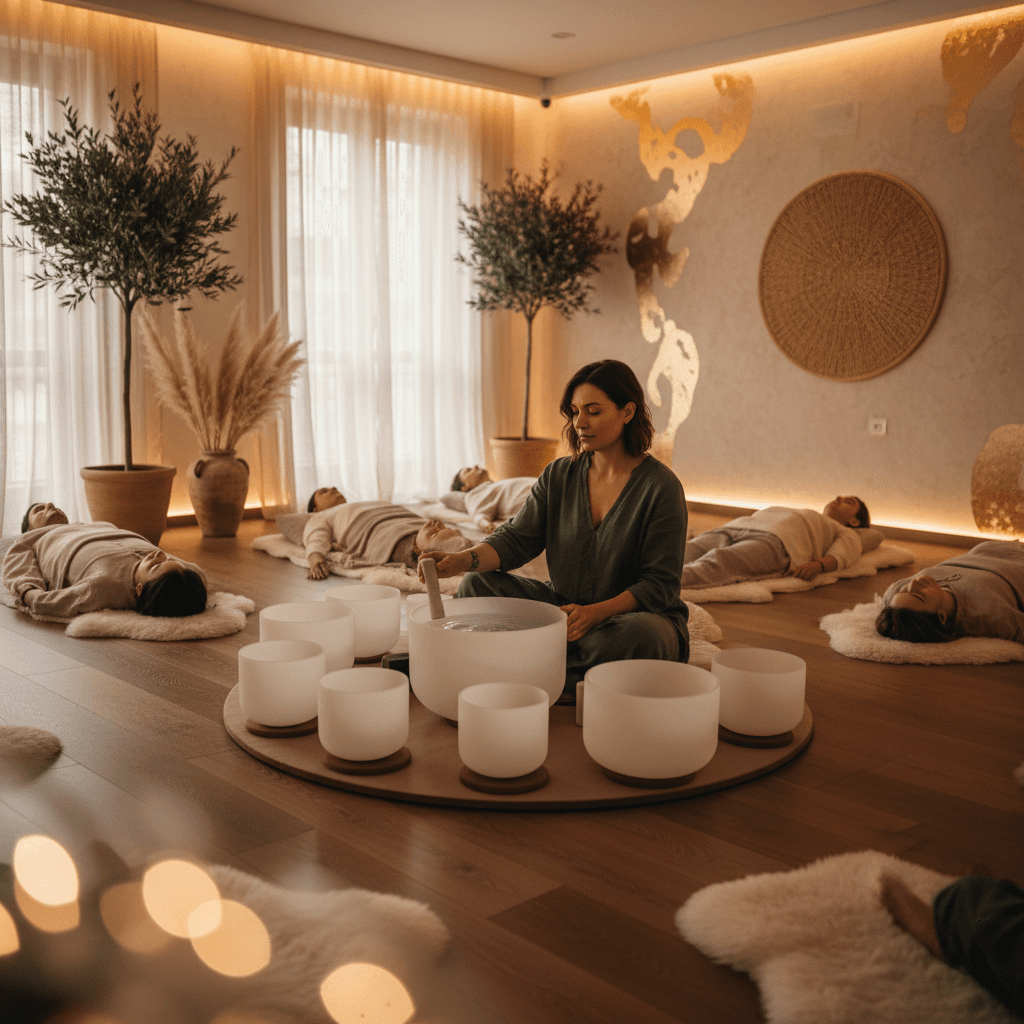
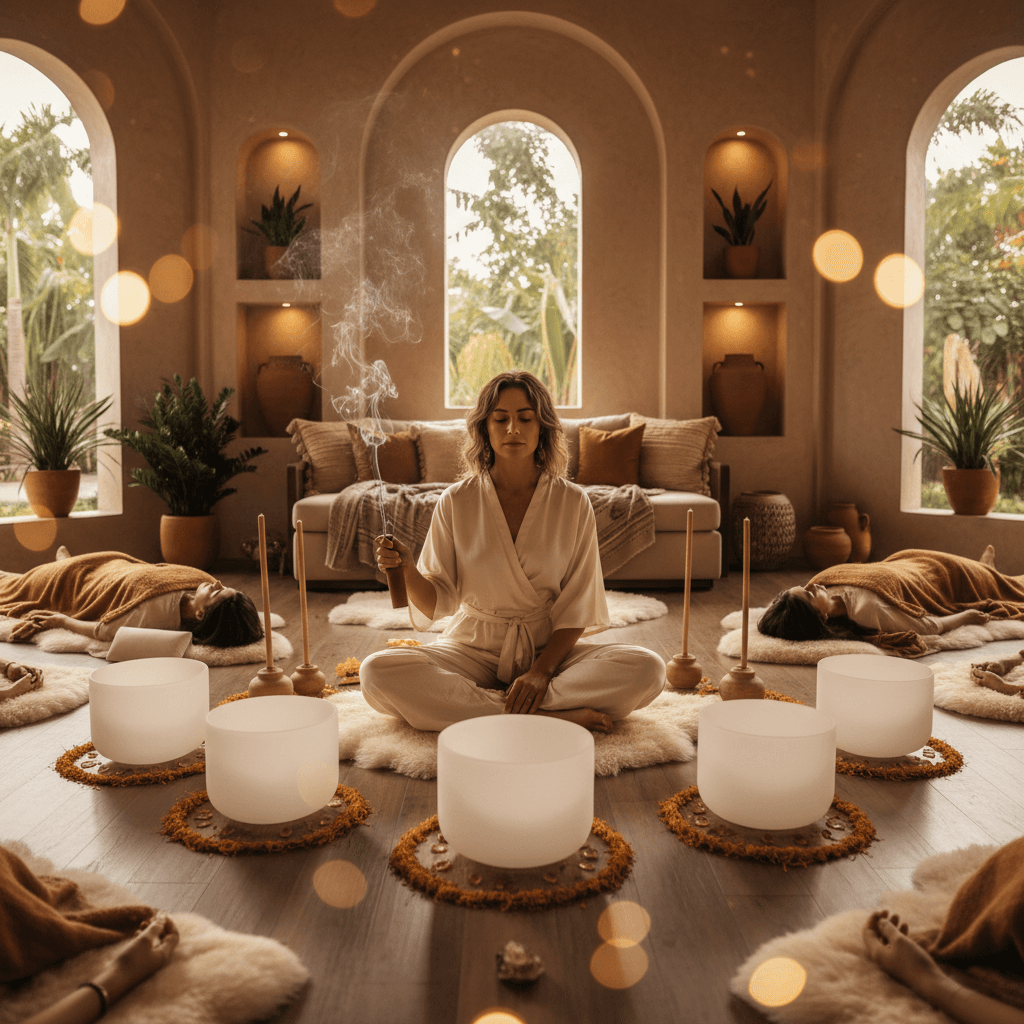
Larissa Steinbach's philosophy centres on the belief that carefully curated sound frequencies and vibrations can gently guide the brain and body into states of profound relaxation, supporting the rebalancing of the HPA axis. The studio is designed as a sanctuary, where every element contributes to an environment of restorative calm. Through guided sound experiences, clients are invited to surrender to the subtle power of vibrational energy.
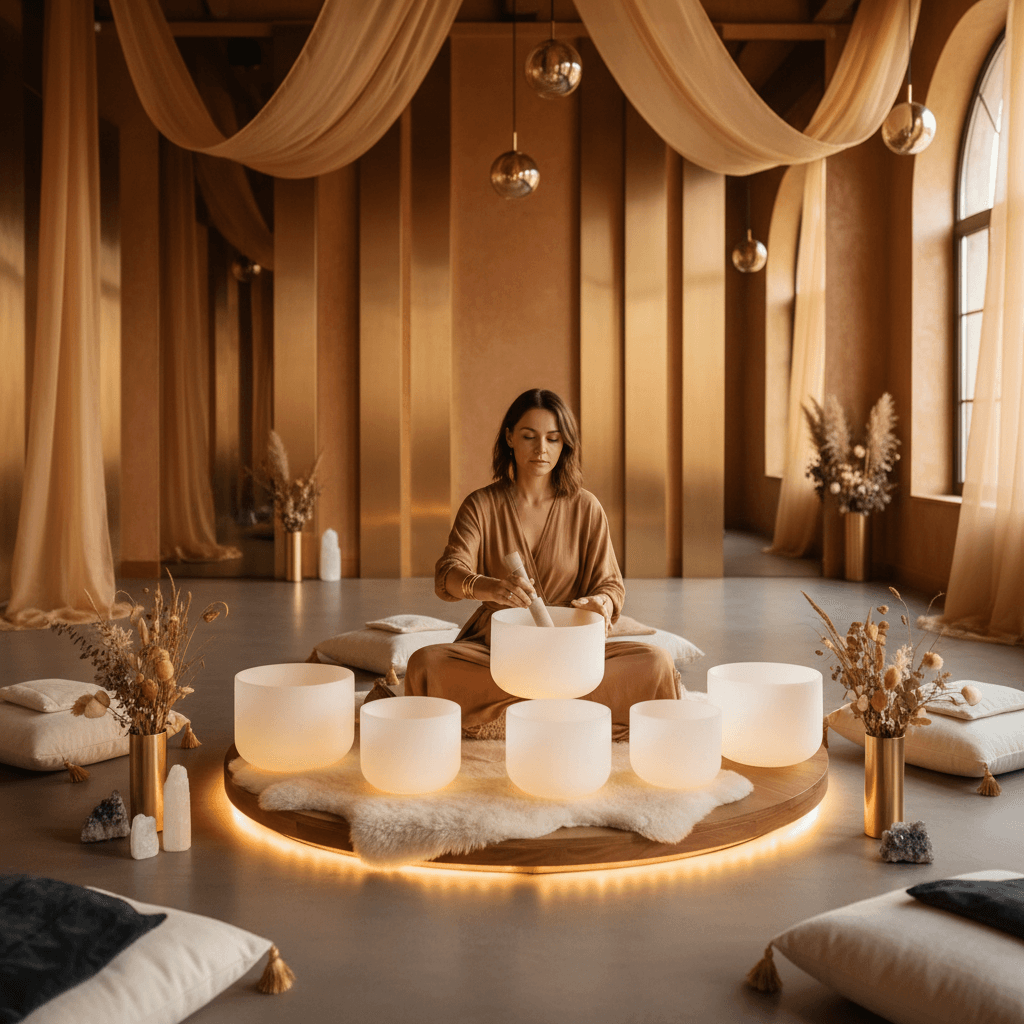
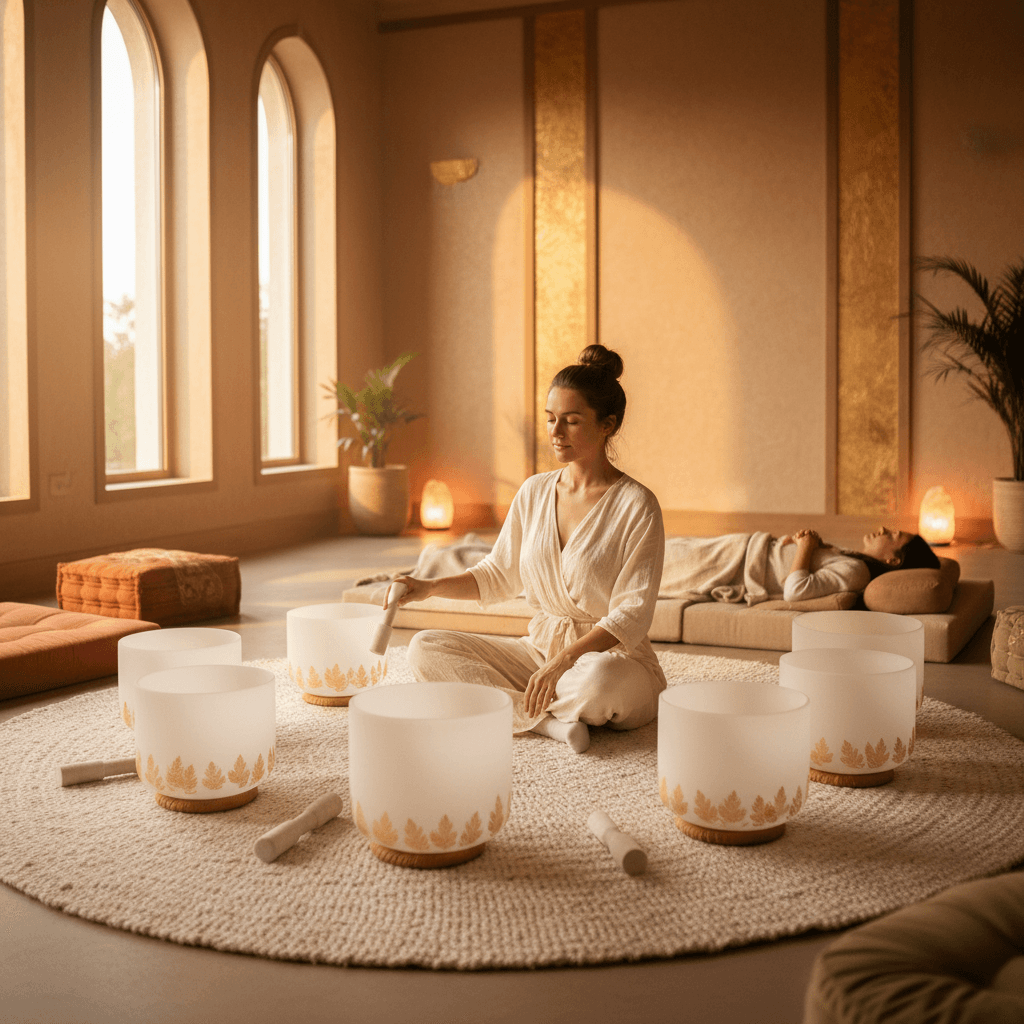
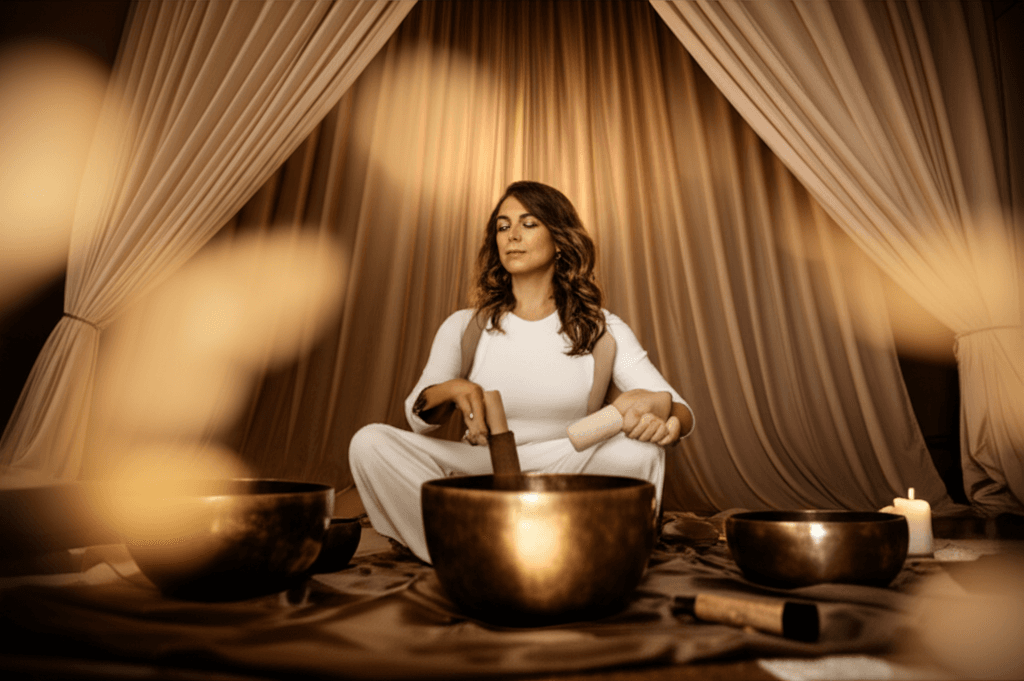
The Soul Art method utilizes a rich tapestry of instruments, each chosen for its specific resonant qualities. Hand-hammered Tibetan singing bowls, with their complex overtones, create a palpable vibration that can deeply penetrate tissues, releasing tension. Powerful gongs, generating rich and expansive sound waves, can induce altered states of consciousness, promoting a sense of detachment from daily stressors. Crystal singing bowls, tuned to specific energetic frequencies, are renowned for their pure, sustained tones that can entrain brainwaves, shifting them from beta (awake, alert) to alpha (relaxed, creative) and even theta (deep relaxation, meditation).
During a Soul Art session, the meticulously crafted soundscapes act as a sophisticated tuning fork for your entire being. The immersive vibrations bypass the analytical mind, directly engaging the autonomic nervous system. This intentional sensory experience helps to downregulate the sympathetic nervous system, reduce the production of stress hormones like cortisol, and activate the parasympathetic "rest and digest" response. This complementary approach supports the body's natural healing mechanisms, helping to restore equilibrium and foster emotional resilience.
The gentle yet powerful energy of sound wellness cultivates an environment where the body can release stored tension and the mind can find stillness. Many people report leaving Soul Art sessions feeling not just relaxed, but profoundly re-calibrated, with a renewed sense of clarity and inner peace, ready to navigate life's demands with greater ease.
Your Next Steps: Cultivating Calm Every Day
Breaking the stress hormone cycle is a journey of intentional self-care and conscious choices. While sound wellness offers a powerful reset, integrating daily practices can sustain and amplify its benefits, supporting a balanced cortisol response. Empower yourself by taking proactive steps towards greater serenity.
Here are a few actionable steps you can implement today to support your body's natural ability to regulate stress and reduce anxiety:
- Prioritize a Consistent Sleep Schedule: Aim to wake and sleep around the same time each day, even on weekends. This regularity helps to stabilize your circadian rhythm, which in turn supports a healthier Cortisol Awakening Response and overall hormonal balance.
- Embrace Mindful Movement: Incorporate gentle activities like walking in nature, yoga, or tai chi into your routine. These practices can help release physical tension and promote mental clarity without over-stimulating the body, supporting a calmer nervous system.
- Practice Intentional Breathwork: Just a few minutes of deep, diaphragmatic breathing daily can significantly impact your nervous system. Techniques like box breathing (inhale for four, hold for four, exhale for four, hold for four) can signal safety to your brain and help to reduce immediate cortisol surges.
- Limit Stimulant Intake, Especially Later in the Day: Be mindful of your consumption of caffeine and excessive sugar. These can temporarily elevate cortisol and disrupt sleep patterns, perpetuating the cycle of stress and anxiety.
- Explore Sound Wellness: Consider experiencing an immersive sound journey. Soul Art Dubai offers a unique opportunity to directly engage your nervous system through expertly guided vibrational therapy.
By integrating these holistic wellness practices into your life, you are actively participating in your own journey towards reducing anxiety and fostering a more harmonious relationship with your body's stress response. Ready to take a significant step towards profound relaxation and emotional balance?
Bookings Coming Soon
Soul Art is still in preparation. Session details and booking will be published here after launch.
Coming Soon
In Summary
The intricate relationship between cortisol and anxiety is now clearer than ever, with scientific evidence pointing to cortisol's direct role in perpetuating anxious states. Understanding this "stress hormone cycle" empowers us to seek effective, complementary wellness solutions. By consciously engaging practices that regulate the nervous system, we can support a healthier cortisol response and alleviate persistent anxiety. Soul Art, founded by Larissa Steinbach in Dubai, offers a sophisticated sound wellness approach, providing a sanctuary for deep relaxation and emotional re-calibration. Embrace these profound experiences and take the first step towards a life of greater calm and balanced well-being.
Wellness Disclaimer: This article is for educational and informational purposes only. It does not constitute medical advice, diagnosis, or treatment. Soul Art Dubai provides non-medical wellness experiences focused on relaxation, stress management, and general wellbeing. Sound wellness is a complementary practice and should not replace professional medical care.