Sound Waves to Inner Calm: Coping Skills for Challenging Times
Key Insights
Discover how Soul Art's sound practices, guided by Larissa Steinbach, can enhance your coping skills and foster resilience amidst life's challenges. Scientifically grounded techniques for holistic wellbeing.
In our fast-paced world, where the demands of modern life can often feel overwhelming, have you ever paused to consider the profound impact of stress on your inner landscape? From the subtle hum of daily worries to the sharp pang of unexpected crises, challenging times are an inevitable part of the human experience. Learning to navigate these moments with grace and strength is not merely an aspiration, but a vital skill for holistic wellbeing.
At Soul Art, Dubai's premier sound wellness studio, founded by the visionary Larissa Steinbach, we explore powerful, scientifically-grounded practices that empower you to cultivate resilience and enhance your coping skills. This article delves into how sound, an often-underestimated tool, can become your ally in transforming stress into serenity. We will uncover the research behind effective coping strategies and reveal how sound practices offer a unique pathway to a more balanced and centered life, even amidst adversity.
The Science Explained: Building a Foundation for Resilience
For decades, researchers have sought to understand how individuals not only endure but thrive during difficult periods. A significant body of work, spearheaded by experts like Judith Moskowitz, a research psychologist at Northwestern’s Feinberg School of Medicine, highlights that positive emotions can be actively cultivated, even when circumstances seem bleak. Moskowitz's extensive research, including studies on individuals facing severe health challenges, suggests that specific practices can significantly decrease anxiety and boost positive emotions.
Her work demonstrates that even amidst hardship, people inherently seek and benefit from noticing "bright spots" – positive events like a beautiful sunset or a shared meal. This focus on positive experiences is not about ignoring reality, but rather about enhancing the capacity for joy and contentment, which has been associated with better coping mechanisms. Jeff Huffman, an associate professor of psychiatry at Harvard Medical School and collaborator with Moskowitz, affirms that "There’s good data that feeling positive emotions makes people happier," although he emphasizes the need for more long-term research on the durability of these effects on health.
Neuroplasticity and Emotional Regulation
Emerging research in neuroscience further supports the idea that the brain is remarkably adaptable. Repeated practice of certain positive emotions and coping skills may even physically change our brains, a phenomenon known as neuroplasticity. This suggests that the brain can be rewired to better manage stress and foster resilience through consistent practice. The act of noticing and savoring positive events, for instance, can strengthen neural pathways associated with wellbeing.
Moskowitz’s research, now expanding to encompass everyday stress in a large-scale study, underscores the practical applicability of these skills for a broader population. This aligns with calls from experts like Kazdin and Blase (2011) for brief, effective interventions grounded in evidence-based principles that can be widely disseminated. Coping skills training, central to many cognitive behavioral therapies (CBTs), focuses on practical strategies to enhance self-regulation.
Foundations of Resilience: Beyond Emotion
Beyond emotional regulation, building resilience involves a multifaceted approach. The American Psychological Association highlights the importance of finding purpose and being proactive. Engaging in altruistic acts, like volunteering or supporting a friend, can foster self-worth and a sense of connection, both vital for resilience. Breaking down overwhelming problems into smaller, manageable pieces also empowers individuals to take initiative, reminding them of their capacity for motivation even during stressful periods.
Furthermore, cultivating healthy thought patterns is crucial. Keeping things in perspective and identifying irrational thinking patterns, such as catastrophizing, can significantly influence emotional responses to adversity. The ability to reframe challenges and focus on what can be changed, rather than what cannot, is a hallmark of resilient individuals. While some elements of a stressful event may be unalterable, our interpretation and response to it can always be shifted, enhancing our internal locus of control.
How It Works in Practice: Connecting Science to Sensory Experience
Translating scientific theory into lived experience involves conscious effort and consistent practice. Whether it's the intentional act of noticing positive events or engaging in regular physical activity, these strategies build a robust internal framework for navigating challenges. Regular exercise, for example, is a well-documented stress reliever. It releases endorphins that naturally improve mood and energy levels, with studies indicating that even light to moderate activity can reduce symptoms of anxiety and depression.
Effective time management, through techniques like planning and time-blocking, can also significantly reduce academic or professional stress, by transforming overwhelming tasks into manageable steps. These seemingly simple actions, when regularly practiced, contribute to a greater sense of control and accomplishment, directly addressing sources of daily stress.
The Power of Sensory Engagement: Sound as a Catalyst
Where do sound practices fit into this landscape of coping skills? They serve as a powerful catalyst, enhancing the effectiveness of many scientifically-backed strategies by engaging the nervous system directly. Imagine a sound session where resonant frequencies gently guide your brain into a state of deep relaxation. This isn't just a pleasant experience; it's an opportunity for your body and mind to rehearse adaptive coping skills in a supportive, low-stress environment. The induced affective arousal, or controlled emotional experience, within a sound session can act as a vehicle for coping skills rehearsal, as suggested by research on induced affect interventions.
The immersive nature of sound, with its ability to quiet the mental chatter, creates an optimal state for introspection and emotional processing. Many people report that during a sound session, it becomes easier to distance themselves from overwhelming thoughts, allowing for a clearer perspective on challenges. This relaxed state may support the brain's capacity for neuroplastic change, making it more receptive to integrating positive emotional experiences and cultivating new, resilient thought patterns. Clients often experience a tangible decrease in perceived stress levels and, for some, a significant increase in life satisfaction, highlighting the highly individual yet profound impact of these practices.
The Soul Art Approach: Larissa Steinbach's Vision for Wellness
At Soul Art, Larissa Steinbach has meticulously crafted a unique approach to sound wellness, specifically designed to cultivate resilience and enhance coping skills. Her methodology is not merely about playing instruments; it's about creating an expertly guided journey into deep relaxation and self-discovery. Larissa understands that true wellbeing emerges from a harmonious balance of mind, body, and spirit, and her sessions reflect this holistic philosophy with a touch of quiet luxury.
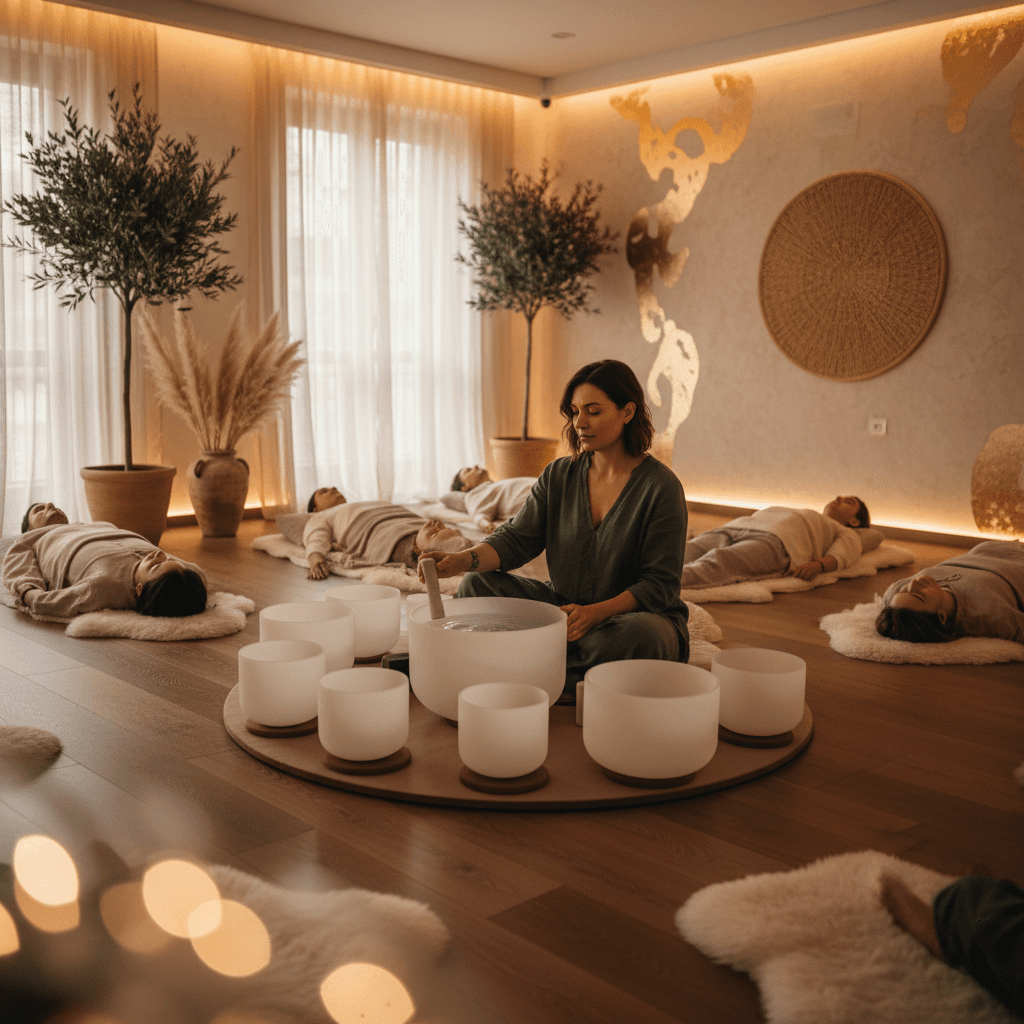
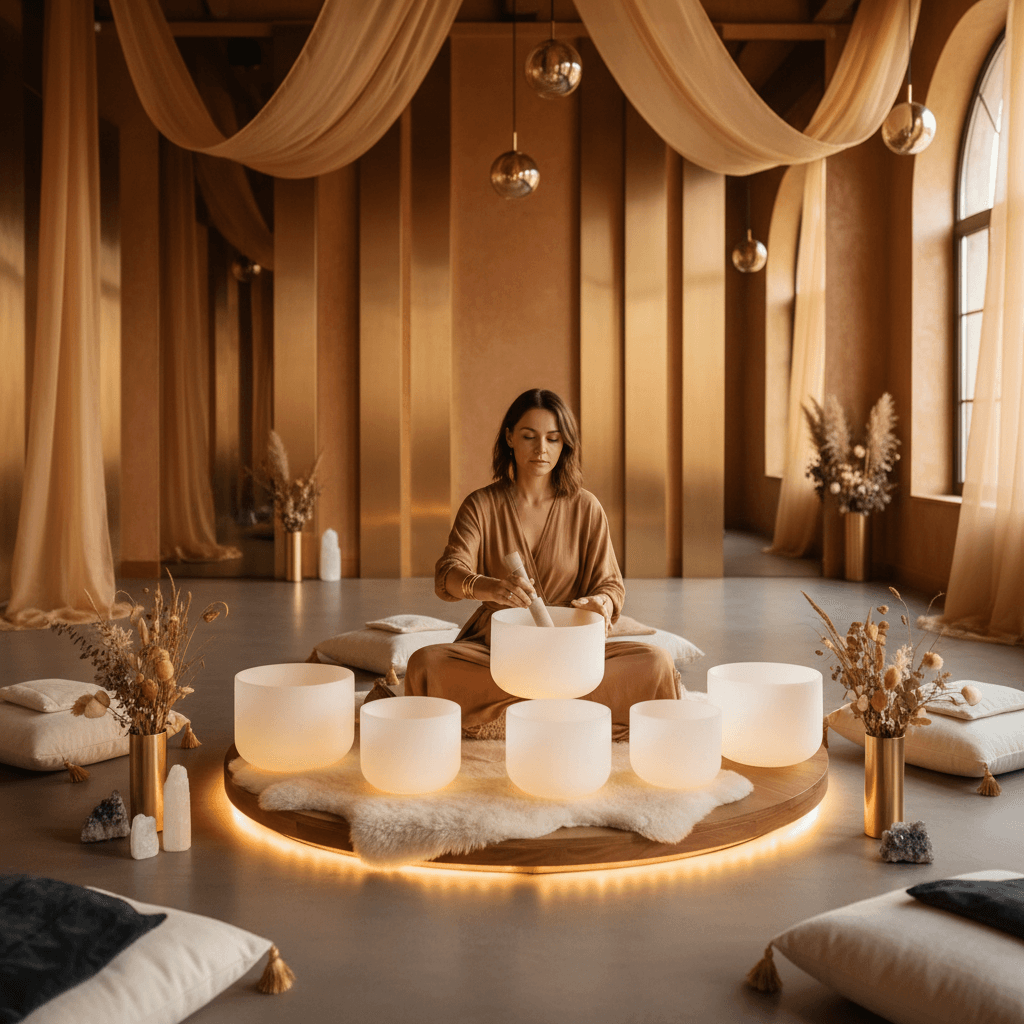
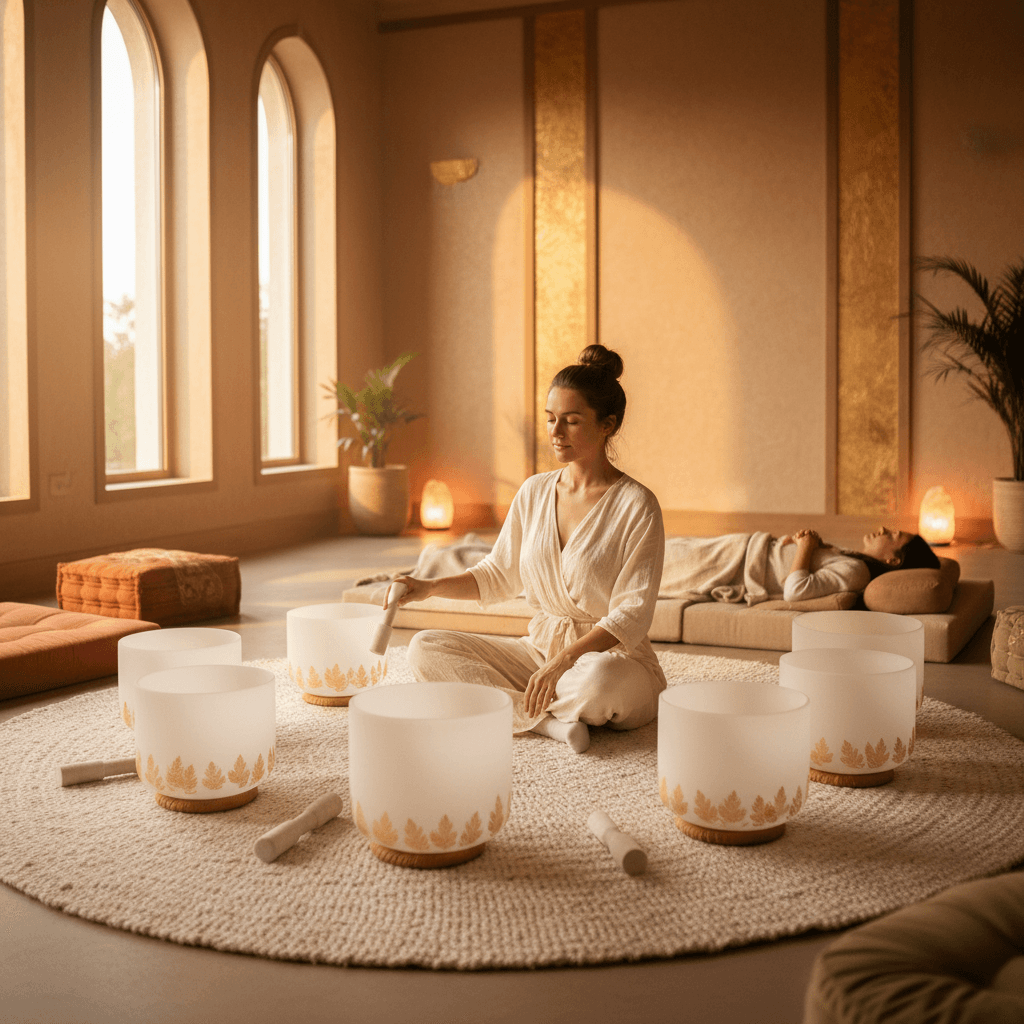
Larissa's expertise lies in her intuitive selection and masterful application of specific instruments, each chosen for its unique vibrational qualities. This includes the resonant depths of Himalayan singing bowls, the expansive tones of gongs, the soothing vibrations of tuning forks, and the gentle melodies of various chimes. These instruments are not just sound-makers; they are tools for precise frequency delivery, designed to guide the body's energy systems back into equilibrium. The carefully curated soundscapes at Soul Art provide a sanctuary where the external world fades, and the inner journey begins.
What makes the Soul Art method unique is its intentionality. Larissa Steinbach designs each session to gently invite the nervous system into a parasympathetic state – the 'rest and digest' mode – which is crucial for stress reduction and emotional processing. This deep relaxation supports the brain's ability to integrate positive experiences and strengthen new neural pathways for coping, aligning perfectly with scientific findings on emotional regulation and neuroplasticity. It's an invitation to experience inner peace, resilience, and a renewed sense of purpose.
Your Next Steps: Empowering Your Journey
Cultivating resilience and refining your coping skills is an ongoing journey, but one that yields profound benefits for your overall wellbeing. Even small, consistent steps can make a significant difference. Here are actionable practices you can begin integrating into your life today:
- Mindfully Notice Positive Events: Take a few moments each day to consciously acknowledge and savor small joys – a beautiful cloud formation, a kind word, the taste of a delicious meal. This practice, championed by Moskowitz's research, can help train your brain to seek out and appreciate positive emotions.
- Prioritize Movement: Engage in regular physical activity, even if it's a brisk walk. Exercise is a potent mood booster and stress reducer, releasing endorphins that naturally improve your outlook and energy.
- Practice Perspective-Taking: When faced with a challenge, pause and ask yourself: "What aspects of this can I control?" or "Is there a more balanced way to view this situation?" Shifting your perspective can alleviate feelings of overwhelm.
- Connect with Your Community: Seek out social support. Meaningful connections and supportive communication are powerful antidotes to loneliness and isolation, enhancing your sense of belonging and providing emotional validation during challenging times.
- Explore Sound Wellness: Consider incorporating sound practices into your self-care routine. The immersive experience of sound can provide a unique pathway to deep relaxation, helping to regulate your nervous system and enhance your capacity for emotional processing.
To truly deepen your coping skills and experience profound relaxation, we invite you to explore the transformative power of sound wellness at Soul Art. Discover how Larissa Steinbach's guided sessions can help you cultivate a resilient spirit and a serene mind.
In Summary: Harmonic Resilience with Soul Art
In a world brimming with challenges, developing robust coping skills is paramount for sustained wellbeing and inner peace. Scientifically-backed research, from cultivating positive emotions to embracing proactive thought patterns and fostering social connections, illuminates the path to greater resilience. These strategies, when consistently applied, can profoundly alter our ability to navigate adversity.
At Soul Art, under the expert guidance of Larissa Steinbach, these principles are beautifully interwoven with the transformative power of sound. Our unique sound practices offer a sanctuary for deep relaxation and emotional regulation, helping to reharmonize your nervous system and strengthen your internal coping mechanisms. Embrace the journey towards a more resilient, calm, and purposeful you. We welcome you to experience the profound benefits of sound wellness.
Bookings Coming Soon
Soul Art is still in preparation. Session details and booking will be published here after launch.
Coming Soon
Wellness Disclaimer: This article is for educational and informational purposes only. It does not constitute medical advice, diagnosis, or treatment. Soul Art Dubai provides non-medical wellness experiences focused on relaxation, stress management, and general wellbeing. Sound wellness is a complementary practice and should not replace professional medical care.