Navigating Complex PTSD: Sound Healing Journeys for Deep Wellness
Key Insights
Explore how long-term sound healing journeys at Soul Art Dubai, founded by Larissa Steinbach, may support individuals navigating Complex PTSD and foster emotional regulation.
Have you ever considered the profound impact of sound on your nervous system, particularly when navigating the intricate landscape of long-term trauma? For those experiencing Complex Post-Traumatic Stress Disorder (CPTSD), the journey towards inner peace can feel overwhelming, marked by persistent emotional dysregulation and a fragmented sense of self.
CPTSD, distinct from traditional PTSD, often arises from prolonged, repeated trauma, profoundly shaping an individual's emotional and relational architecture. At Soul Art, Dubai's premier sound wellness studio, we explore how long-term sound healing journeys may offer a unique pathway to restore balance and foster resilience. This article delves into the science behind sound's therapeutic potential, offering insights into how it can complement established practices for sustained wellbeing.
Join us as we uncover how carefully curated soundscapes, championed by our founder Larissa Steinbach, can support the nervous system, encourage emotional processing, and help individuals cultivate a deeper sense of safety and calm. Understanding these mechanisms is the first step towards embracing a holistic approach to healing and reclaiming your inner harmony.
The Science Explained: Unpacking CPTSD and Sound's Potential
Complex Post-Traumatic Stress Disorder (CPTSD) is a profound mental health condition resulting from prolonged or repeated exposure to traumatic events, often interpersonal and relational in nature. Unlike PTSD, which can stem from a single, acute event, CPTSD typically involves enduring challenges with emotion regulation, identity, self-perception, and relationships. This distinction, recognized by the World Health Organization's ICD-11, highlights the extensive impact of sustained trauma on an individual's developmental trajectory and coping mechanisms.
Dr. Judith Herman, who coined the term in 1988, emphasized that CPTSD encompasses core PTSD symptoms like re-experiencing trauma, hypervigilance, and avoidance, alongside additional "disturbances in self-organization." These disturbances manifest as difficulties with emotional control, a disrupted sense of self, and challenges in forming stable relationships. Individuals often experience emotional flashbacks, where the painful or scary feelings of the past intrude into the present, alongside physical symptoms such as pain, sweating, or shaking.
The Nervous System and Trauma Response
At a neurophysiological level, long-term trauma can fundamentally alter the brain's stress response system, leaving individuals in a persistent state of hyperarousal. The amygdala, responsible for fear processing, may become overactive, while the prefrontal cortex, vital for emotional regulation and decision-making, might show reduced activity. This imbalance can lead to a constant sense of threat, making it difficult to feel safe, relax, or engage meaningfully with the present moment. The autonomic nervous system, responsible for unconscious bodily functions, can become dysregulated, cycling between states of hyperarousal (fight/flight) and hypoarousal (freeze/numbness).
How Sound May Influence Neurophysiology
Sound, particularly specific frequencies and rhythms, has a well-documented ability to influence brainwave states and nervous system activity. Preliminary studies and anecdotal evidence suggest that sound wellness practices, such as those employing Tibetan singing bowls, gongs, and other resonant instruments, can encourage a shift from stressed beta brainwave states towards calmer alpha and theta states. This transition is associated with deep relaxation, reduced mental chatter, and enhanced receptivity.
The therapeutic potential of sound lies in its non-invasive nature and its capacity to bypass cognitive defenses often erected by trauma survivors. Sound vibrations can stimulate the vagus nerve, a key component of the parasympathetic nervous system, which is responsible for the body's "rest and digest" response. Activating this pathway may help to modulate the body's stress response, decrease hyperarousal, and promote a sense of safety and calm.
"The subtle vibrations of sound can touch parts of us that words alone cannot reach, offering a gentle invitation for the nervous system to return to a state of equilibrium."
Research on music interventions for PTSD, while still evolving, indicates promising results, particularly in addressing negative affect and mood alterations. While more rigorous studies are needed to understand its full impact on all CPTSD symptom clusters, the emerging evidence highlights sound's potential as a complementary approach for stress reduction, emotional release, and promoting overall wellbeing. These practices provide a gentle yet powerful tool to support the body's innate capacity for self-regulation and healing.
How It Works in Practice: A Journey Through Sound
Translating the science of sound into a tangible wellness experience involves a carefully crafted approach that prioritizes safety, gentle engagement, and sustained support. For individuals navigating CPTSD, the practical application of sound healing focuses on creating an environment where the nervous system can gradually learn to regulate itself and find moments of peace. This is a journey of re-patterning, where the consistency of sound can foster new neural pathways associated with calm.
The Sensory Experience
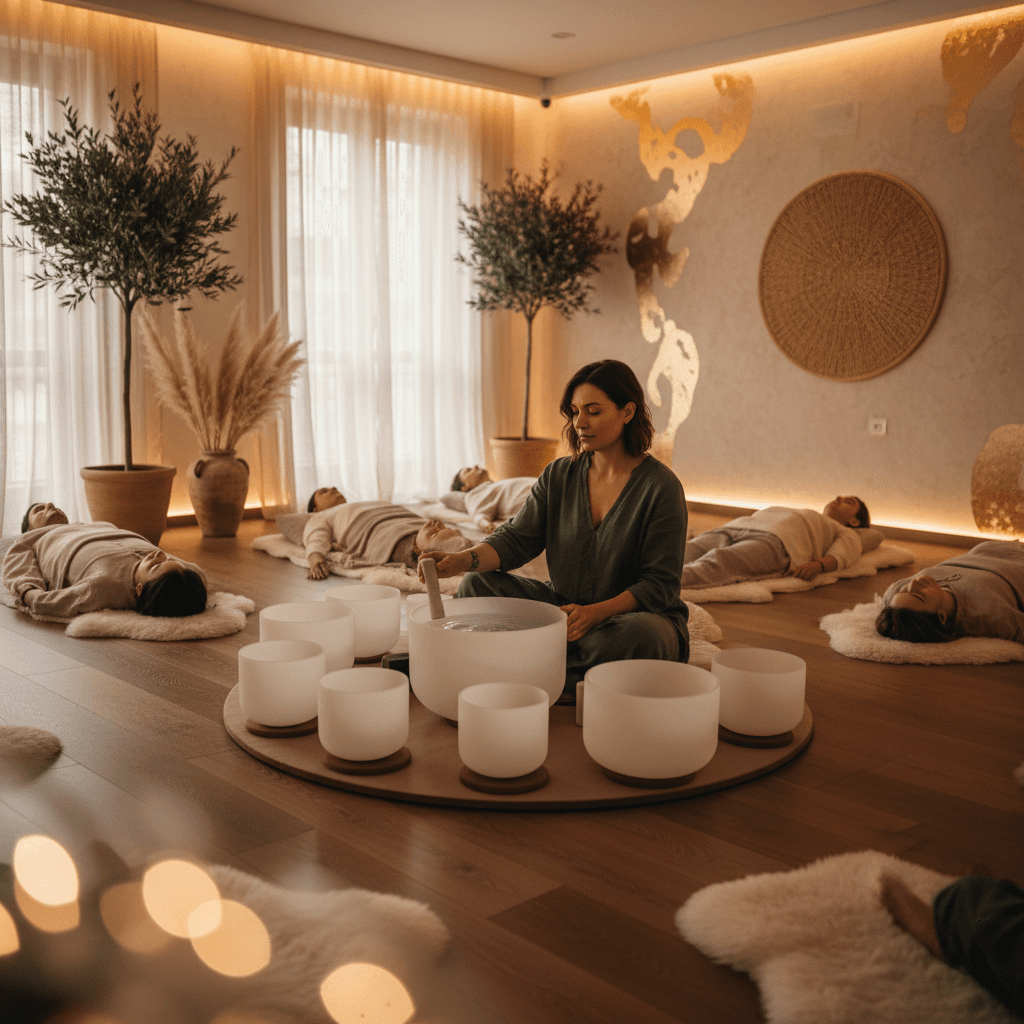
During a sound healing session, clients are invited to relax in a comfortable position, often lying down, as a practitioner introduces various resonant instruments. These may include:
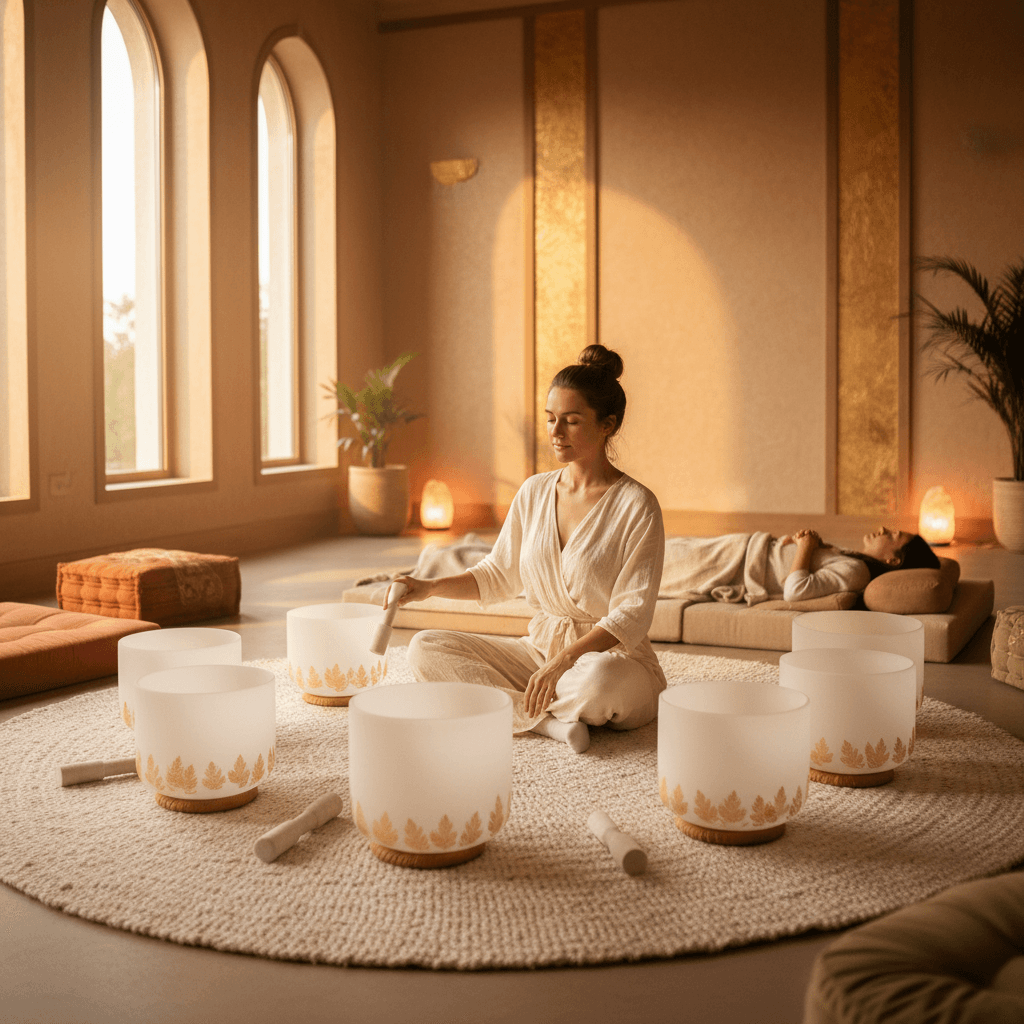
- Tibetan Singing Bowls: Placed on or around the body, their rich, sustained tones and vibrations are thought to resonate with the body's energy centers, promoting deep relaxation.
- Gongs: Their expansive, immersive sounds create a "sound bath" that can shift brainwave states, facilitating a meditative or trance-like experience.
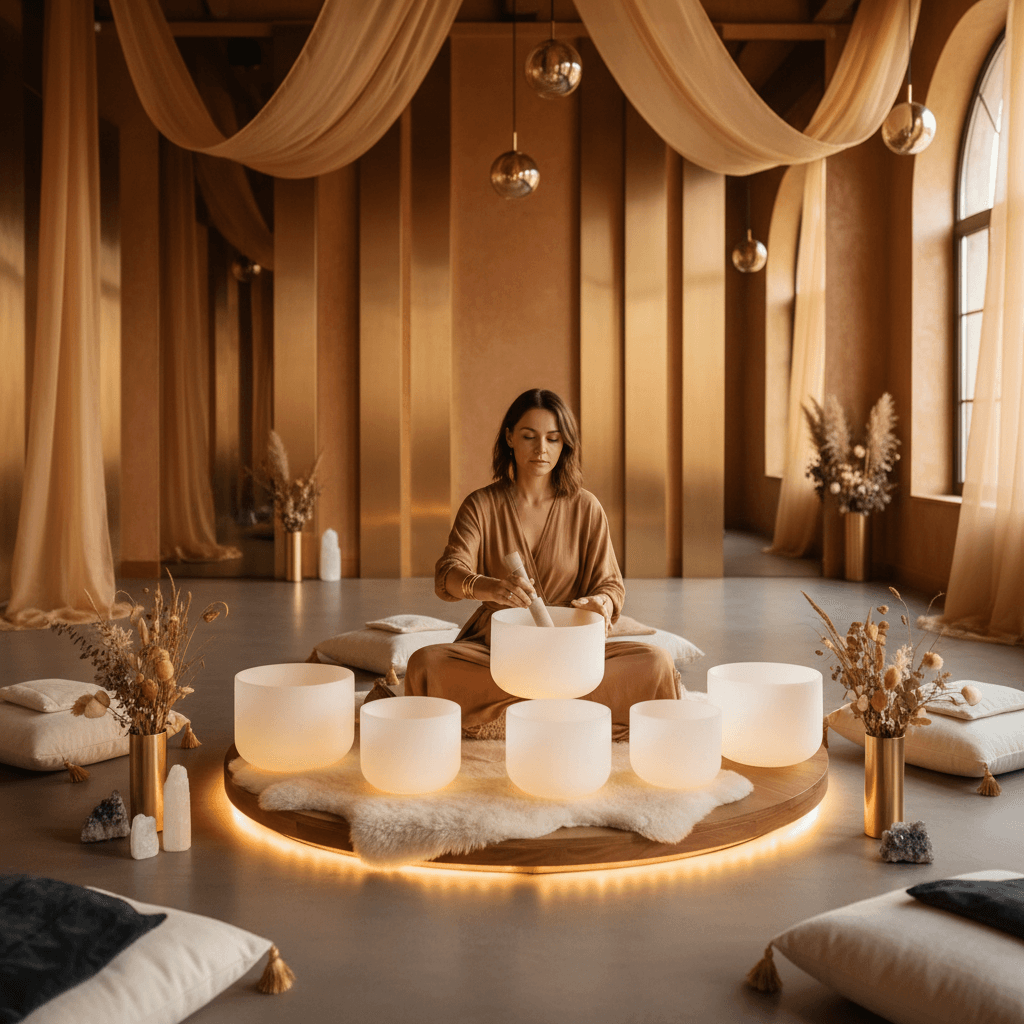
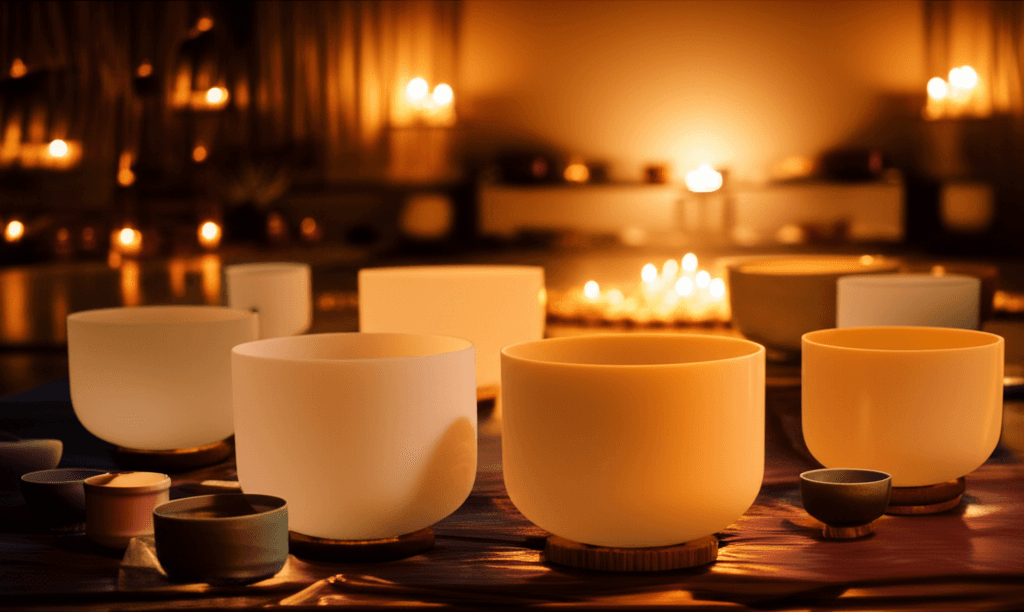
- Crystal Bowls: Producing pure, clear tones, these instruments are often used for their perceived ability to clear energy blockages and promote mental clarity.
- Chimes and Other Percussion: Used to introduce subtle textures and guide the experience, offering gentle transitions within the soundscape.
The experience is deeply personal; some may feel tingling sensations, others a profound sense of calm, or even emotional release. The key is to allow the body to respond naturally, without judgment or expectation. The gentle, consistent rhythm and vibration can provide a grounding anchor, especially for those who struggle with feeling disembodied due to trauma.
Connecting to CPTSD Symptoms
For individuals with CPTSD, sound healing journeys offer several practical benefits that complement traditional therapies:
- Emotional Regulation: The immersive nature of sound helps to soothe an overactive nervous system, potentially reducing hyperarousal and making emotional regulation more accessible. Many people report an enhanced ability to manage their emotional responses after consistent engagement with sound.
- Reducing Hypervigilance: The sustained, predictable nature of soundscapes can create a sense of safety, gently inviting the mind to let go of constant scanning for threats. This can be a vital step in learning to trust present moment experiences.
- Processing Traumatic Memories (Indirectly): While not a direct trauma processing therapy like CBT or EMDR, sound can create a safe internal space where individuals may feel more able to acknowledge and gently move through intense feelings or thoughts that arise. It helps in creating a container for emotional expression without overwhelming the system.
- Improved Sleep: By promoting deep relaxation, sound healing may support better sleep quality, which is often severely disrupted in individuals with CPTSD. Consistent sleep patterns are fundamental to overall mental and physical health.
- Enhanced Self-Awareness: The introspective nature of sound journeys can foster a deeper connection to one's inner landscape, supporting the development of a more coherent sense of self – a crucial aspect of CPTSD recovery.
Through repeated exposure to these calming frequencies, the brain may begin to form new, positive associations, gradually reducing the intensity of trauma-related responses. This long-term engagement becomes a powerful self-care practice, helping to rebuild a foundation of inner stability.
The Soul Art Approach: Larissa Steinbach's Vision
At Soul Art, Larissa Steinbach has meticulously cultivated an environment where the ancient wisdom of sound healing meets modern understanding of psychological wellness. Her approach is rooted in the belief that true healing is a holistic journey, encompassing mind, body, and spirit, particularly for those navigating the profound complexities of CPTSD. Larissa's vision for Soul Art is not merely to offer sessions, but to create a sanctuary where individuals feel deeply supported and understood on their path to recovery.
What Makes the Soul Art Method Unique
The Soul Art method, under Larissa's guidance, is distinguished by several key elements:
- Tailored Journeys: Recognizing that each individual's experience with CPTSD is unique, Larissa and her team emphasize personalized care. While group sessions offer a communal experience, private sessions allow for a bespoke approach, addressing specific sensitivities and intentions.
- Integrative Framework: Soul Art positions sound wellness as a powerful complementary approach, designed to work synergistically with other professional modalities such as trauma-informed therapy. It aims to support, not replace, traditional mental health care, enhancing the overall healing process.
- Intentional Space Creation: Every aspect of the Soul Art studio is designed to evoke a sense of safety, tranquility, and grounding. From the serene aesthetics to the curated sensory experiences, the environment itself is a therapeutic tool, fostering an atmosphere conducive to deep relaxation and introspection.
- Emphasis on Long-Term Engagement: Understanding that CPTSD requires sustained effort, Larissa encourages clients to view sound healing as a long-term wellness practice. Consistent engagement helps to reinforce positive neural pathways and build lasting resilience, supporting the nervous system in its journey towards sustained balance.
Specific Instruments and Techniques
Larissa Steinbach carefully selects instruments and applies techniques that maximize therapeutic potential:
- Authentic Himalayan Singing Bowls: Sourced for their purity of tone and vibrational quality, these bowls are used to create deeply immersive soundscapes that may facilitate a meditative state and release tension.
- Alchemy Crystal Bowls: Known for their clear, resonant frequencies, these bowls are often incorporated to promote mental clarity and harmonize the subtle energy bodies.
- Large Symphonic Gongs: The powerful, complex overtones of gongs are utilized to create a full-body sound immersion, which can be profoundly effective in shifting brainwave patterns and encouraging deep relaxation.
- Guided Meditations and Breathwork: Sessions often begin or end with gentle guided meditation and breathwork exercises. These techniques help clients anchor into the present moment and integrate the experience, enhancing the efficacy of the sound vibrations.
Larissa's expertise lies in intuitively blending these elements to create deeply nurturing and transformative sound journeys. Her approach is empathetic and trauma-informed, ensuring that clients feel held and respected throughout their wellness experience. Soul Art is a testament to Larissa Steinbach's dedication to offering profound support for those seeking peace and regulation amidst the challenges of CPTSD.
Your Next Steps: Embracing a Path to Deeper Calm
For those living with Complex PTSD, the concept of long-term healing can feel daunting, yet empowering. Integrating sound wellness into your life may provide a gentle yet powerful avenue for fostering self-regulation and inner peace. Taking the first step is often the hardest, but it's a profound commitment to your own well-being.
Here are some actionable steps you can consider today to begin or deepen your sound healing journey:
- Explore Local Offerings: Seek out reputable sound wellness studios or practitioners in your area, like Soul Art in Dubai, who offer group sound baths or private sessions. Look for practitioners who demonstrate a trauma-informed approach.
- Start with Passive Listening: Even at home, engage with calming music or ambient soundscapes. Many people find listening to specific frequencies, such as those found in binaural beats (always listen with headphones), can promote relaxation and focus.
- Incorporate Mindful Breathwork: Pair sound with simple breathing exercises. Deep, rhythmic breathing helps to activate the vagus nerve, enhancing the calming effects of sound and supporting nervous system regulation.
- Maintain Consistency: For long-term conditions like CPTSD, consistency is key. Regular engagement with sound wellness practices, whether weekly sessions or daily at-home listening, may gradually help to re-pattern your stress response.
- Communicate with Your Mental Health Professional: Discuss your interest in sound healing with your therapist or psychiatrist. They can offer guidance on how to best integrate it as a complementary practice within your existing treatment plan.
Remember, this is a journey, not a destination. Each step you take towards self-care and holistic wellness is a testament to your resilience. Soul Art is here to support you in exploring these pathways to deeper calm and greater emotional freedom.
In Summary: Harmonizing Life's Complexities
Complex PTSD presents significant challenges, deeply impacting emotional regulation, identity, and relational patterns due to prolonged traumatic experiences. Traditional therapies offer crucial support, and complementary practices like sound healing are emerging as valuable additions to a holistic wellness plan. Soul Art, founded by Larissa Steinbach, provides a nurturing space in Dubai where individuals can embark on long-term sound healing journeys.
These journeys leverage the profound capacity of sound to influence brainwave states and the nervous system, potentially reducing hyperarousal and fostering a sense of safety. While not a cure, consistent engagement with resonant instruments like singing bowls and gongs may support emotional processing, enhance relaxation, and cultivate greater self-awareness. By integrating sound wellness, individuals may find a powerful tool to navigate CPTSD symptoms, promoting sustained peace and a deeper connection to their inner resources.
Bookings Coming Soon
Soul Art is still in preparation. Session details and booking will be published here after launch.
Coming Soon
Wellness Disclaimer: This article is for educational and informational purposes only. It does not constitute medical advice, diagnosis, or treatment. Soul Art Dubai provides non-medical wellness experiences focused on relaxation, stress management, and general wellbeing. Sound wellness is a complementary practice and should not replace professional medical care.