Beyond Burnout: Restoring Empathy & Resilience with Sound Wellness

Key Insights
Explore compassion fatigue, its scientific roots, and how sound wellness at Soul Art Dubai, led by Larissa Steinbach, offers a pathway to emotional restoration.
Reclaiming Your Empathy: A Journey Beyond Compassion Fatigue with Sound
Have you ever felt emotionally depleted after deeply caring for others, finding your capacity for empathy waning despite your innate desire to help? This isn't a sign of weakness; it’s a widely recognized phenomenon known as compassion fatigue, a profound cost of caring that can affect anyone in a caregiving role, professional or personal. It's a silent epidemic impacting not just healthcare workers but also teachers, parents, and anyone consistently exposed to the suffering of others.
At Soul Art, Dubai's premier sound wellness studio, we understand the delicate balance of empathy and self-preservation. This comprehensive article delves into the scientific underpinnings of compassion fatigue, exploring how it manifests and, crucially, how the transformative power of sound wellness, guided by our founder Larissa Steinbach, may support the restoration of your emotional well-being and rekindle your natural capacity for compassion. We'll explore how these profound practices offer a unique pathway to not only mitigate the effects of emotional exhaustion but also to cultivate a sustainable, empathetic presence in your life.
The Science Explained: Understanding Compassion Fatigue
Compassion fatigue, often described as the "cost of caring," is a state of emotional and physical exhaustion that can result from prolonged exposure to the suffering and trauma of others. It’s a nuanced concept, distinct from general burnout, as it directly stems from the empathetic engagement with those in distress. While empathy is a cornerstone of human connection and essential for helping others, it simultaneously makes caregivers vulnerable to absorbing the pain they witness.
Empathy: The Double-Edged Sword
Empathy, the ability to understand and share the feelings of another, is a prerequisite for compassion fatigue. Studies show that higher levels of empathy, while vital for compassionate care, can also increase susceptibility to this debilitating condition. For professionals like nurses, who constantly immerse themselves in patients’ experiences, perceiving their emotions and comprehending their situations, empathy is a daily requirement that places them at higher risk.
Research indicates that specific populations, such as nurses in psychiatric, oncology, acute, critical, and intensive care departments, exhibit heightened levels of compassion fatigue. The recent COVID-19 pandemic further exacerbated these rates, pushing many healthcare professionals from medium to high levels of fatigue due to immense challenges like staffing shortages and inadequate resources. This highlights the pervasive nature of the condition and its profound impact on those at the frontlines of care.
The Neurobiology of Exhaustion and Its Manifestations
Compassion fatigue isn't merely a feeling; it’s a complex physiological and psychological response that can shift an individual’s worldview over time. Its onset can be slow, making it difficult to detect until symptoms become pronounced. The condition manifests in both mental and physical signs, impacting various aspects of well-being:
- Emotional & Mental Signs: This includes decreased cognitive performance, increased anxiety and anger, feelings of detachment, a sense of hopelessness, and difficulty managing intrusive thoughts related to traumatic experiences. The constant emotional burden can lead to a state where an individual's interest or energy for themselves is significantly reduced.
- Physical Signs: Chronic stress associated with compassion fatigue can impact general well-being, manifesting as sleep disturbances, changes in appetite, and persistent fatigue. Sleep deprivation, in particular, is directly linked to decreased cognitive performance and an increased risk of low mood.
The underlying mechanisms involve dysregulation of the nervous system, where the sustained activation of the sympathetic "fight or flight" response leaves the body in a state of chronic alert. This prevents the parasympathetic "rest and digest" system from adequately restoring the body’s equilibrium, leading to exhaustion. Studies have linked self-reported traits like emotional intelligence, ability-based emotion management, and adaptive coping to being inversely associated with compassion fatigue. These findings underscore the critical role of emotional factors and self-regulation in mitigating its impact.
Protective Factors and Interventions
While the risks are significant, numerous strategies and interventions may support reducing the risk and symptoms of compassion fatigue:
- General Well-being: Maintaining a healthy diet, engaging in regular physical exercise, and ensuring consistent sleep patterns are fundamental. These practices help regulate mood, reduce anxiety, and improve cognitive performance.
- Emotional Regulation & Coping: Developing strong emotional intelligence, enhancing emotion management skills, and utilizing adaptive, problem-focused coping strategies are crucial. These abilities empower individuals to process difficult emotions and manage perceived threats more effectively.
- Social Support: A strong network of social support from family and friends has been shown to be significantly negatively correlated with compassion fatigue. Social connections act as a buffer, mediating psychological resilience against the condition.
- Mindfulness & Self-Efficacy: Mindfulness practices, while showing inconsistent direct links to reducing compassion fatigue alone, play a significant mediating role alongside self-efficacy. Training to increase a caregiver’s self-efficacy—their belief in their ability to cope and perform—can enhance the effectiveness of mindfulness-based interventions.
- Professional Development & Self-Care: Higher levels of expertise in caregiving roles imply stronger empathic abilities, a wider repertoire of conflict resolution strategies, and enhanced stress coping techniques. Furthermore, fostering "compassion satisfaction"—the pleasure derived from helping others—is strongly associated with lower levels of compassion fatigue. Self-care beliefs are also critical; feeling selfish or guilty about taking time for oneself can predict higher levels of secondary traumatic stress, a component of compassion fatigue.
Psychological interventions (PIs), particularly those delivered online, have been shown to be highly effective in reducing compassion fatigue among helping professionals. These interventions often focus on developing coping skills, improving self-regulation, and enhancing overall mental health.
"True empathy asks us to step into another's shoes, but compassion reminds us to never forget our own."
How It Works in Practice: Restoring Your Inner Resonance
Connecting the scientific understanding of compassion fatigue to practical solutions requires recognizing the body’s innate capacity for self-regulation and healing. Sound wellness practices, particularly those offered at Soul Art, provide a unique and accessible avenue for this restoration. They work by gently guiding the nervous system back into a state of balance, directly addressing the dysregulation that underpins many symptoms of compassion fatigue.
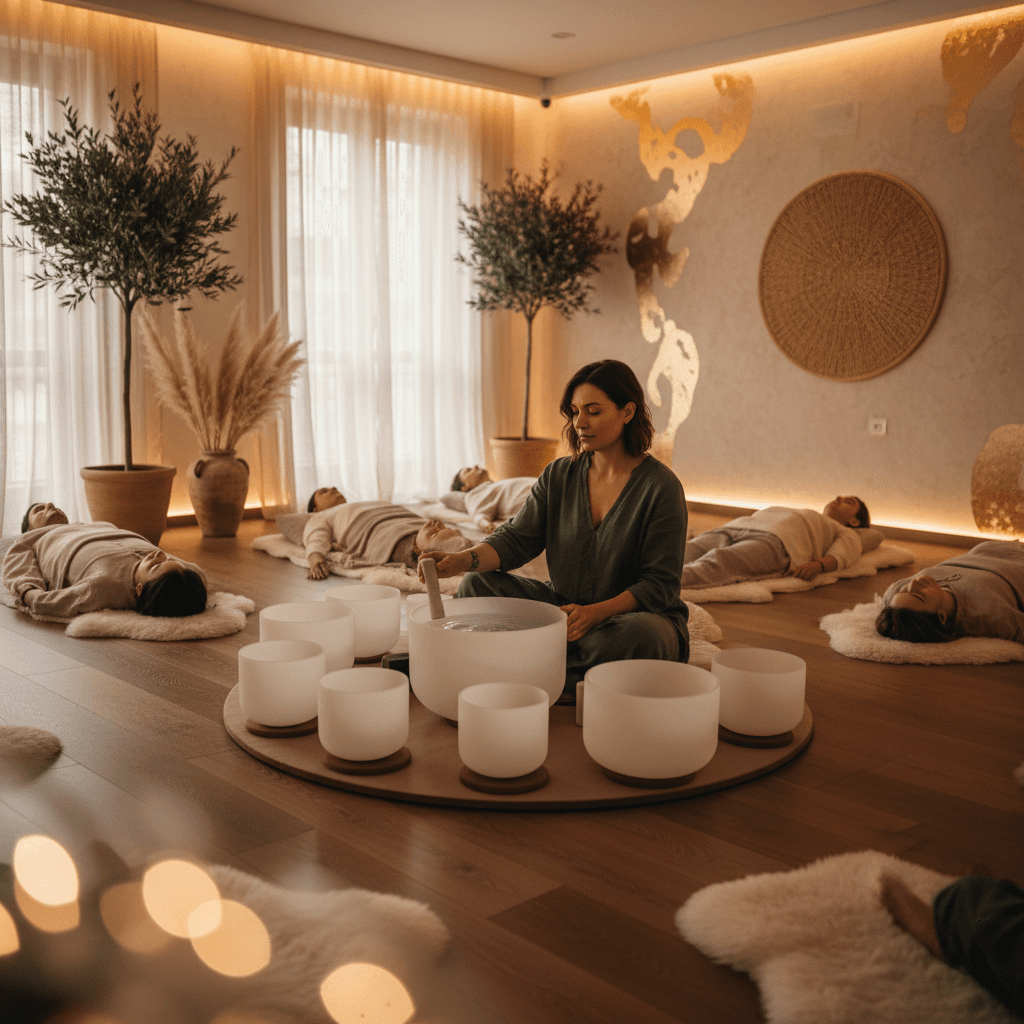
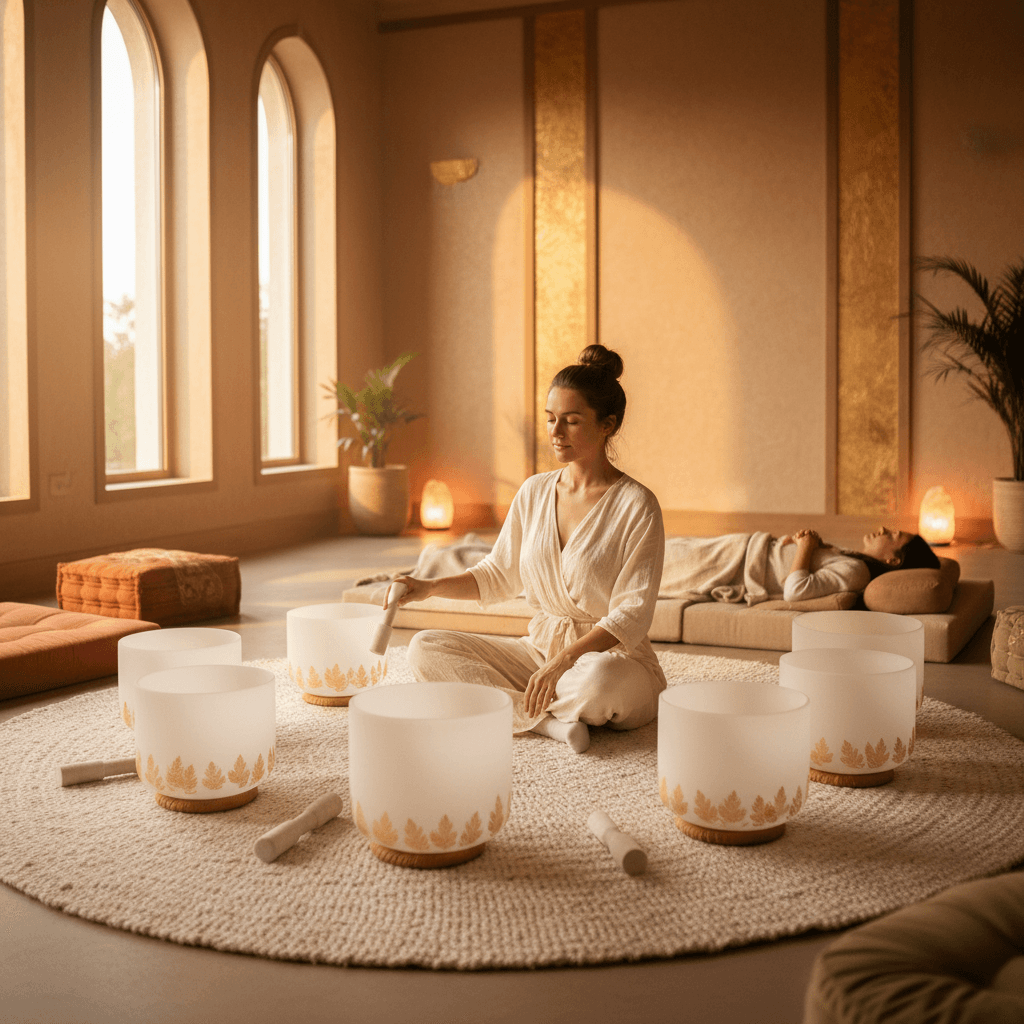
When we experience chronic stress or trauma, our nervous system can become stuck in a heightened state of alert. The deep, resonant vibrations of sound instruments, such as crystal singing bowls, gongs, and chimes, act as a powerful tool to interrupt this pattern. These frequencies interact with the body’s cells and energy fields, encouraging a shift from the sympathetic (fight-or-flight) to the parasympathetic (rest-and-digest) nervous system. This physiological shift is crucial for de-escalating the stress response.
Clients often describe their experience during a sound session as profoundly relaxing, a sensation of being "bathed" in sound. As the sound waves wash over them, they may feel a gentle tingling, a deep sense of peace, or even the release of pent-up emotions. The immersive nature of the soundscape provides an anchor for the mind, helping to quiet the incessant chatter and intrusive thoughts often associated with compassion fatigue. This focused auditory experience may support managing the kind of intrusive thoughts mentioned in research regarding programs aiding greater relaxation and self-regulation.
The practice encourages a meditative state without requiring previous meditation experience. The sounds themselves provide a focal point, making it easier for individuals to enter a state of deep rest and mindfulness. In this state, the body’s natural healing processes are enhanced. Blood pressure may decrease, heart rate may slow, and muscle tension can release, creating an environment conducive to emotional and physical replenishment. This resonates with the research findings that highlight the importance of regulating mood and reducing anxiety through various wellness practices.
Moreover, engaging in sound wellness is a powerful act of self-care. It provides a dedicated space and time for individuals to prioritize their own well-being, challenging the notion of feeling "selfish" for taking personal time. This intentional self-care may foster improved self-perceptions and self-worth, which are crucial protective factors against compassion fatigue, as suggested by the concept of Core Self-Evaluation (CSE) in psychological research. By consistently carving out moments for profound relaxation and inner recalibration, clients can begin to rebuild their energetic reserves, fostering compassion satisfaction and preventing further emotional depletion. The sensory details of the rich, enveloping sounds create an environment where the mind can let go, and the body can simply be, allowing for a deep emotional and physiological reset.
The Soul Art Approach: A Sanctuary for Your Soul
At Soul Art, Larissa Steinbach and her team are dedicated to providing a transformative journey through sound, specifically tailored to address the nuances of modern emotional well-being, including the insidious creep of compassion fatigue. Larissa's approach is rooted in a deep understanding of ancient wisdom combined with contemporary scientific insights, creating a unique and highly effective methodology. She emphasizes not just temporary relief but sustainable emotional resilience.
Larissa Steinbach believes that true healing begins within, and sound is the vibrational key to unlocking that inner sanctuary. Her method is distinctive because it integrates a carefully curated selection of instruments with an intuitive understanding of energetic flow and individual needs. She doesn't just play instruments; she orchestrates a symphony of frequencies designed to resonate with and rebalance the human energy system.
The instruments used at Soul Art are meticulously chosen for their purity of tone and therapeutic potential:
- Crystal Singing Bowls: These bowls, made from pure quartz, produce ethereal, sustained tones that are believed to synchronize with the body's natural frequencies, promoting deep relaxation and mental clarity. Their vibrations are often described as purifying and deeply restorative.
- Himalayan Singing Bowls: Crafted from various metals, these bowls offer rich, complex overtones that provide a grounding and centering experience. Their ancient lineage brings a sense of timeless peace and profound introspection.
- Gongs: The powerful, enveloping resonance of gongs creates a full-body sensory experience. Gongs are particularly effective at breaking up stagnant energy and facilitating deep meditative states, helping to release tension and emotional blockages.
- Chimes and Other Percussion: Delicate chimes, rain sticks, and other gentle percussion instruments are used to add layers of subtle texture, guiding the mind into a state of serene presence and enhancing the overall immersive journey.
Larissa's expertise lies in her ability to intuitively guide these soundscapes, responding to the energetic needs of the group or individual. Her sessions are not merely passive listening experiences; they are active engagements with vibrational energy that may support emotional release, mental clarity, and profound relaxation. This approach directly aligns with research highlighting the role of self-regulation and emotion management in combating compassion fatigue. By creating an environment where the nervous system can reset, Soul Art sessions may foster improved mood regulation, reduced anxiety, and enhanced cognitive performance, mirroring the benefits of adequate sleep and adaptive coping strategies.
Through consistent engagement with the Soul Art method, clients may experience a renewed sense of energy, an increased capacity for self-care, and a gentle restoration of their empathetic reserves. Larissa Steinbach’s vision is to empower individuals to build their inner resilience, allowing them to continue their caring roles with sustainable compassion, rather than succumbing to fatigue. This proactive approach to well-being nurtures compassion satisfaction, cultivating a protective shield against the emotional toll of empathetic engagement.
Your Next Steps: Cultivating Sustainable Empathy
Recognizing the signs of compassion fatigue is the first courageous step towards reclaiming your well-being. Integrating proactive self-care practices into your routine is not a luxury, but a necessity for anyone in a caregiving role or experiencing emotional depletion. Soul Art offers a gentle yet powerful pathway to restore your inner balance and cultivate sustainable empathy.
Here are practical steps you can implement today to begin your journey of restoration:
- Prioritize Conscious Rest: Make sleep a non-negotiable part of your routine. Aim for 7-9 hours of quality sleep nightly to support mood regulation and cognitive function, directly combating sleep deprivation's negative effects.
- Engage in Mindful Movement: Incorporate gentle physical activity, such as walking, yoga, or stretching, into your day. Movement may help to release accumulated stress and improve overall mood, contributing to a healthier emotional state.
- Practice Intentional Disconnection: Set clear boundaries between your caregiving responsibilities and personal time. Dedicate specific periods each day to truly disconnect from work or demanding situations, allowing your mind and body to fully rest and recharge.
- Seek Social Connection: Actively nurture your relationships with supportive friends and family. Social support is a proven buffer against compassion fatigue and secondary traumatic stress, providing a vital outlet for shared experiences and emotional validation.
- Explore Sound Wellness: Consider booking a sound wellness session at Soul Art. Our unique approach, guided by Larissa Steinbach, may support deep relaxation, nervous system rebalancing, and emotional replenishment. It’s a dedicated space for profound self-care, designed to help you reconnect with your inner reserves of compassion and peace.
By taking these actionable steps, you are not only protecting yourself but also enhancing your capacity to continue making a positive impact on the world around you. Investing in your well-being is the most profound act of compassion you can offer, both to yourself and to those you care for.
Bookings Coming Soon
Soul Art is still in preparation. Session details and booking will be published here after launch.
Coming Soon
In Summary: Rekindling Your Inner Light
Compassion fatigue is a significant challenge for empathetic individuals, stemming from the profound emotional toll of caring for others. It impacts well-being through emotional exhaustion, diminished cognitive function, and chronic stress, highlighting the delicate balance required to maintain empathy sustainably. Scientific evidence underscores the importance of self-care, emotional intelligence, social support, and mindfulness-based practices in mitigating its effects.
At Soul Art, Larissa Steinbach offers a powerful, complementary approach through sound wellness. Our meticulously crafted sound experiences, utilizing instruments like crystal bowls and gongs, are designed to support nervous system regulation, reduce stress, and may foster a deeper state of relaxation and self-awareness. By creating a sanctuary for profound self-care, Soul Art empowers you to replenish your emotional reserves, nurture compassion satisfaction, and rekindle your innate capacity for empathy and resilience. Step into the healing vibrations and rediscover your vibrant, compassionate self.