Harmonic Healing: Sound Wellness for Codependency Recovery & Boundary Building

Key Insights
Explore how sound wellness supports codependency recovery by fostering emotional awareness and establishing healthy boundaries with Soul Art.
Have you ever felt an insistent pull to constantly prioritize others' needs, even at the expense of your own well-being? This pervasive pattern, often known as codependency, can subtly diminish your sense of self and blur the vital lines of personal space. It's a dynamic rooted in early experiences and can manifest as a chronic people-pleasing tendency, difficulty setting boundaries, and an often-unacknowledged fear of abandonment.
At Soul Art, Dubai’s premier sound wellness studio, founded by Larissa Steinbach, we understand that true freedom blossoms from within. This comprehensive article delves into the intricate nature of codependency, exploring its scientific underpinnings and highlighting how the profound power of sound wellness may support the journey toward healthy boundaries and secure attachments. Prepare to discover how carefully curated sound experiences can offer a unique path to reclaiming your authentic self and nurturing truly fulfilling relationships.
The Science Explained
Codependency is a complex behavioral pattern, not a formal diagnosis, yet its impact on mental health and relationships is widely recognized by practitioners. It's characterized by an excessive emotional or psychological reliance on others, often stemming from early life experiences and attachment styles. Understanding its roots and neurological connections is the first step toward effective recovery.
Understanding Codependency: A Learned Pattern
Research indicates that codependency often develops in stressful family environments, particularly those marked by parental mental illness, substance abuse, or chronic physical illness. Children in such settings may learn to suppress their own emotions and needs, becoming hyper-attuned to the emotional states of others to maintain perceived stability. This formative experience can lead to people-pleasing tendencies and a chronic prioritization of external validation in adulthood.
As noted by scholars, codependency is characterized by difficulties in expressing feelings, an inability to discuss personal needs directly, and a pervasive sense of responsibility for others' emotions and decisions. It is not simply about being caring or empathetic; it represents a chronic pattern where one's self-worth becomes intertwined with being needed by others. This can manifest as low self-esteem, a fear of abandonment, and blurred emotional boundaries, significantly affecting the quality of life.
The Neuroscience of Attachment and Emotional Regulation
Our early experiences profoundly shape the brain's capacity to form connections, influencing how we regulate emotions and establish boundaries. Attachment theory research reveals that inconsistent or neglectful care in childhood can lead to insecure attachment styles, which are frequently linked to codependent behaviors. These styles can predispose individuals to a fear of abandonment and a tendency to measure self-worth by how much they are needed by others.
The brain, particularly the limbic system and prefrontal cortex, plays a crucial role in emotional processing and boundary setting. Trauma and early relational difficulties can disrupt the healthy development of these neural pathways, making it challenging to identify and assert personal needs without guilt or fear. However, neuroscience confirms the brain's remarkable ability to change throughout life—its neural pathways remain flexible, ready to forge healthier patterns. This neuroplasticity offers a profound message of hope for recovery.
The Power of Sound on the Nervous System
Sound wellness, particularly through practices like sound baths and vibrational therapy, offers a unique pathway to influence the nervous system and promote deep relaxation. The human nervous system constantly monitors for safety, and chronic stress or unresolved trauma, often underlying codependency, can keep it in a state of hyper-arousal. Specific frequencies and harmonic vibrations, delivered through instruments like singing bowls, gongs, and chimes, may help to gently shift the nervous system from a sympathetic ("fight-or-flight") to a parasympathetic ("rest-and-digest") state.
This shift can reduce the physiological symptoms of stress, such as elevated heart rate and muscle tension, creating an internal environment conducive to healing. Research suggests that certain sound frequencies can influence brainwave states, encouraging the brain to move into alpha (relaxed awareness) and theta (deep relaxation, meditation) waves. This deeper state of relaxation may facilitate a greater sense of inner peace and safety, allowing individuals to gently explore their emotional landscape without immediate overwhelm.
How Sound Wellness Works in Practice
Connecting the scientific understanding of codependency and nervous system regulation to the tangible experience of sound wellness reveals a powerful synergy. At Soul Art, we bridge this gap, offering a practical, embodied approach to fostering healthy boundaries and secure attachments. These experiences are designed not just for relaxation, but as a deliberate practice in self-attunement and emotional recalibration.
Cultivating Emotional Awareness
Sound wellness sessions provide a unique opportunity to develop profound emotional awareness. As the gentle vibrations envelop you, the external world fades, creating a safe internal space for introspection. This practice of "self-attunement," validated by science, encourages you to turn inward and listen to your heart's wisdom, helping you understand your emotional landscape without judgment.
Many people report that the immersive sound environment at Soul Art makes it easier to recognize subtle emotional stories as they unfold within them. It offers a gentle pause, allowing you to observe feelings rather than immediately react to them or suppress them. This improved ability to connect with your inner compass strengthens your capacity to make choices that truly honor your deepest needs, a crucial step away from people-pleasing.
Reinforcing Healthy Boundaries
The journey of sound wellness may support the often challenging process of creating and maintaining healthy boundaries. Within the serene space of a sound bath, clients can experience a sense of self-containment and inner strength, which is vital for asserting limits in external relationships. The very act of dedicating time to oneself in this way is a powerful, embodied boundary.
Research reveals that clear limits nurture growth, much like a protective garden fence allows delicate plants to flourish. By consistently engaging in self-care practices like sound wellness, you are building an internal blueprint for prioritizing your needs. This consistent tending lays the foundation for fulfilling relationships where your boundaries are naturally respected and where your authentic self can truly flourish.
Rewiring for Secure Attachment
Change blooms through gentle persistence, and sound wellness can be a powerful catalyst for creating new emotional patterns. Science shows that therapeutic interventions, including mindful practices, can create visible shifts in brain architecture, allowing for the development of healthier neural pathways. The relaxed, meditative states induced by sound can make the brain more receptive to forming these new connections.
By regularly engaging in sound sessions, you are building awareness through mindful moments, allowing you to choose new responses when old, codependent patterns call. This consistent practice helps to gradually rewire your brain for healthier, more fulfilling relationships, shifting from external reliance to internal security. It moves beyond simply managing symptoms; it's about actively cultivating an inner sense of safety and self-worth that underpins secure attachment.
The Soul Art Approach to Codependency Recovery
Larissa Steinbach, founder of Soul Art, has meticulously crafted a unique methodology that integrates the scientific understanding of codependency and nervous system regulation with the profound benefits of sound. Her approach is rooted in creating a deeply nurturing and non-judgmental environment where true healing and self-discovery can unfold. This is not about 'fixing' but about guiding individuals back to their innate wholeness.
Larissa Steinbach's Holistic Framework
Larissa Steinbach believes that recovery from codependency is a journey of reclaiming one's agency and authentic voice. At Soul Art, her framework emphasizes holistic wellness, recognizing that emotional patterns are intertwined with physical, mental, and spiritual well-being. She designs sessions that facilitate deep relaxation, allowing the nervous system to recalibrate and release accumulated stress and tension. This restoration of the nervous system is a critical first step in interrupting the cycles of codependency.
Under Larissa's gentle guidance, clients are encouraged to cultivate self-compassion and develop a stronger connection to their inner wisdom. The intention behind each Soul Art session is to empower individuals to prioritize their own needs without guilt, gently guiding them towards a place where self-care becomes a necessity, not a luxury. Her personalized approach ensures that each participant's unique journey is honored and supported.
Unique Modalities for Deep Transformation
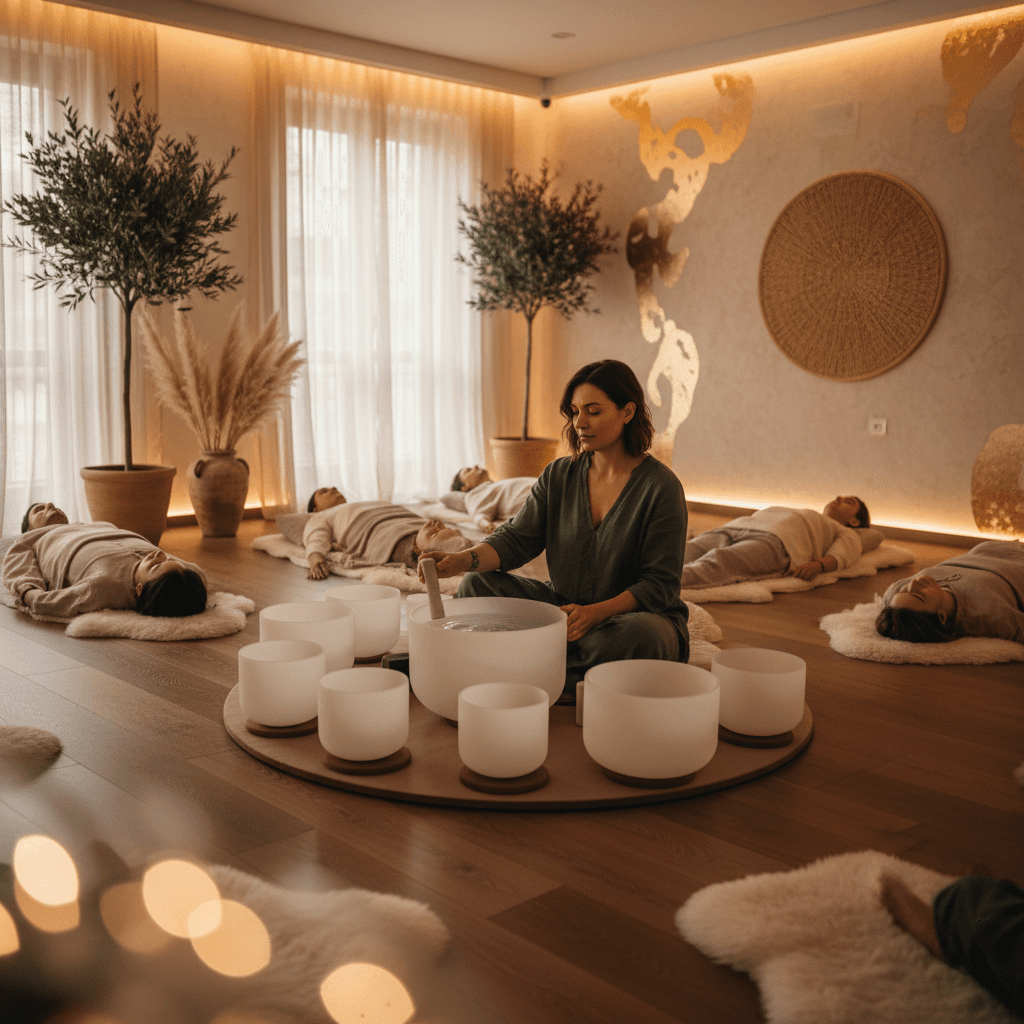
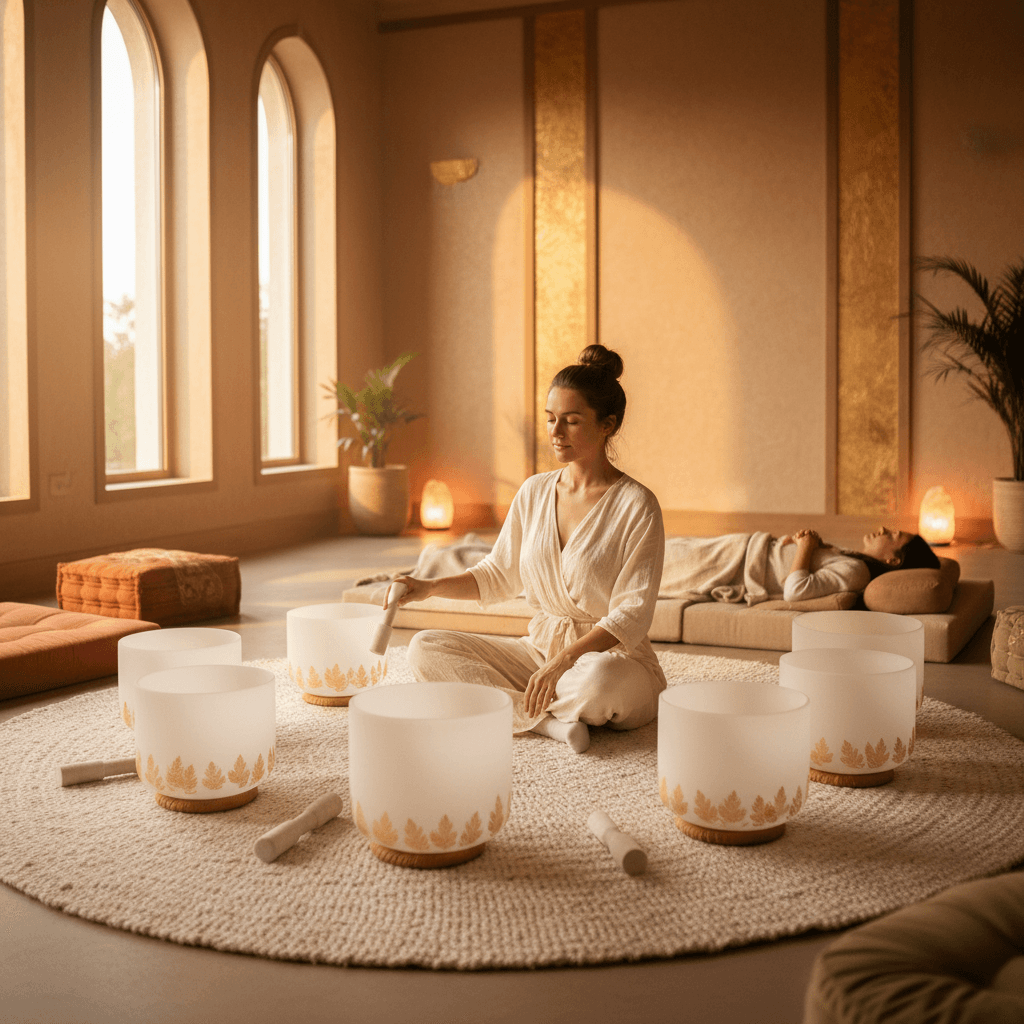
The Soul Art studio is a sanctuary where specific instruments and carefully chosen soundscapes are employed to facilitate deep transformation. Larissa utilizes a variety of resonant instruments, including Himalayan singing bowls, crystal alchemy bowls, gongs, chimes, and other therapeutic percussion instruments. Each instrument is selected for its unique vibrational quality and its potential to induce specific brainwave states and bodily sensations.
During a Soul Art session, the rich tapestry of harmonics and frequencies creates an immersive, sensory experience. The vibrations are not just heard but felt throughout the body, providing a gentle internal massage that may release energetic blockages and promote cellular relaxation. This unique combination of auditory and somatic experience may help individuals to connect with deeply held emotions, process them safely, and build a stronger, more resilient sense of self, essential for building healthy boundaries.
Your Next Steps Towards Freedom
Understanding codependency and the potential benefits of sound wellness is a powerful start, but true change happens through consistent action. Integrating practical strategies into your daily life can significantly support your journey toward healthier boundaries and authentic self-expression. Remember, cultivating secure attachments is like tending a garden – patient effort brings lasting bloom.
Here are some actionable steps you can implement today to complement your journey:
- Mindful Self-Reflection: Begin a daily journaling practice. This provides a safe space to be honest about your feelings, helping you recognize emotional stories as they unfold and choose new responses when old patterns call. As one source aptly puts it, journaling helps you "examine your feelings and express them, rather than the performative ways you might have been seeking approval."
- Practice Micro-Boundaries: Start with small, consistent acts of self-care and boundary setting. This could be dedicating 15 minutes each day solely to an activity you enjoy, saying "no" to a non-essential request, or taking a moment to check in with your own feelings before automatically agreeing to something.
- Engage with Sound Intentionally: Dedicate time each week to listen to calming, resonant sounds. This could be a guided sound meditation or simply listening to nature sounds. This intentional practice helps to regulate your nervous system, creating an internal environment conducive to self-awareness and emotional resilience.
- Prioritize Physical Well-being: Research supports the many benefits of even modest exercise for physical and mental health. Engaging in meaningful and structured activities like regular exercise can improve mental health by reducing stress, anxiety, and depression, further supporting your overall recovery journey.
- Seek Supportive Communities: Surround yourself with individuals who respect your boundaries and encourage your growth. Building strong, supportive relationships is a vital part of creating a secure attachment network.
In Summary
Codependency, a learned pattern rooted in early experiences, can significantly impact one's sense of self and ability to form healthy relationships. It often manifests as chronic people-pleasing, difficulty with boundaries, and low self-worth. However, the brain's remarkable neuroplasticity offers a hopeful path toward change, allowing individuals to forge healthier patterns and cultivate secure attachments.
Sound wellness, through its ability to gently shift the nervous system into states of deep relaxation, creates a safe internal space for emotional exploration and regulation. By fostering self-attunement and reinforcing healthy boundaries, practices like those offered by Larissa Steinbach at Soul Art may support the rewiring of old emotional patterns. This complementary approach to wellness empowers individuals to reclaim their authentic self, nurture fulfilling connections, and discover profound inner freedom.
Bookings Coming Soon
Soul Art is still in preparation. Session details and booking will be published here after launch.
Coming Soon
Wellness Disclaimer: This article is for educational and informational purposes only. It does not constitute medical advice, diagnosis, or treatment. Soul Art Dubai provides non-medical wellness experiences focused on relaxation, stress management, and general wellbeing. Sound wellness is a complementary practice and should not replace professional medical care.