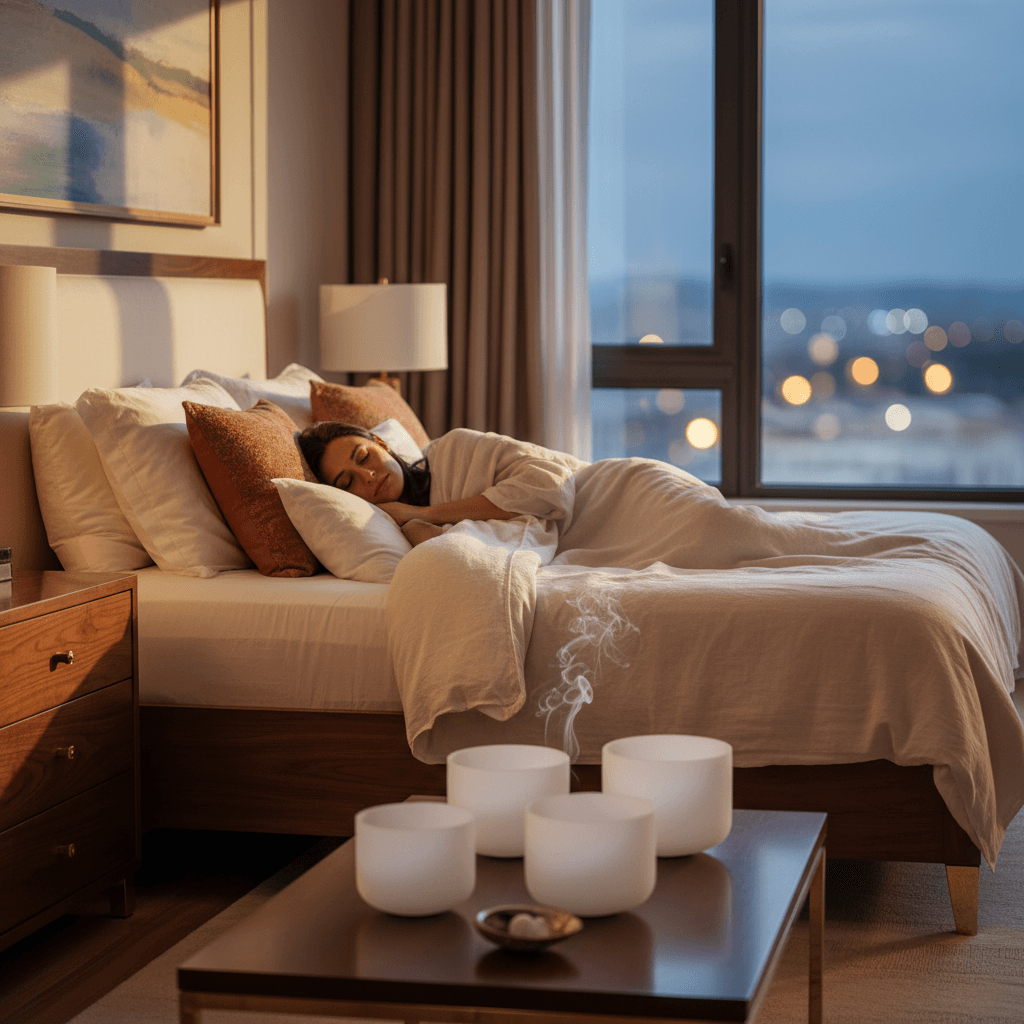
Harmonizing Your Internal Clock: Circadian Rhythm Reset with Soundscapes
Key Insights
Discover how carefully curated soundscapes, guided by Larissa Steinbach at Soul Art Dubai, can naturally reset your circadian rhythm for improved sleep, energy, and overall wellbeing.
The Invisible Orchestrator: Resetting Your Circadian Rhythm with Sound
Have you ever stopped to consider the intricate, invisible symphony orchestrating your daily life? From the moment you awaken to the deep rest of sleep, your body is guided by an internal clock, a profound biological rhythm known as your circadian rhythm. This 24-hour cycle influences everything from hormone release and metabolism to mood and cognitive function, yet it is profoundly vulnerable to the demands of modern living.
In a world increasingly disconnected from natural light-dark cycles, disruptions to our circadian rhythm are commonplace, leading to widespread issues like poor sleep, fatigue, and even compromised mental health. The good news is that emerging science is revealing powerful, accessible tools to help us realign with our innate biological timing. Among the most elegant and effective of these tools are carefully curated soundscapes, particularly when applied at the pivotal junctures of morning and evening.
This article delves into the fascinating science behind sound's capacity to recalibrate our internal clocks. We will explore how dynamic soundscapes, attuned to specific times of day, can help us optimize our energy, enhance focus, and achieve more restorative sleep. Join us as we uncover how Soul Art, under the expert guidance of founder Larissa Steinbach, is harnessing this ancient wisdom and modern science to bring profound wellbeing to Dubai's vibrant community.
The Science Explained: How Sound Reshapes Your Internal Clock
Our circadian rhythm, an endogenous pacemaker, primarily responds to light exposure, especially the blue wavelengths, which interact with specialized photoreceptors (melanopsin) in our eyes to signal the brain. This signaling pathway is critical for suppressing melatonin, the sleep-promoting hormone, in the morning and allowing its natural release in the evening. However, the influence on our internal clock is not limited to light alone; the entire sensory environment, including sound, plays a significant, though often underestimated, role in this intricate biological dance.
The Dynamics of Biological Dawn and Dusk
Research highlights the existence of a "biological dawn and dusk" within the human circadian system, suggesting that different clock gene expressions may be differentially entrained to these distinct phases (Sumova et al., 1995; Illnerova et al., 1999; Messager et al., 2000; Daan et al., 2001). This indicates that the body’s preparation for activity in the morning and recovery in the evening are distinct physiological processes, each responsive to specific environmental cues. Just as natural light cycles reset our internal clocks, dynamic soundscapes designed to mimic these transitions may offer a complementary pathway for circadian activation and nervous system regulation.
"Our internal clock tells us how our body's supposed to act during different times of day, but the clock has to be set, and if our brain is not synced to the time of day, then it's not going to work right." – Jay Neitz, Professor of Ophthalmology, UW School of Medicine.
Disruptions to this finely tuned system, whether from travel across time zones, late-night screen exposure, or irregular sleep-wake patterns, can lead to a cascade of health issues. These can range from mood problems like seasonal affective disorder (SAD) to metabolic disturbances and even a higher incidence of mental health disorders, as indicated by studies on "night owls" misaligned with social schedules (Stanford Medicine, 2024).
Sound as a Circadian Cue
The evidence for sound's impact on circadian rhythm is compelling. Dynamic soundscapes, specifically those aligned with circadian phases – energizing in the morning and restorative in the evening – have been associated with improved sleep onset, a reduction in night-time wakefulness, and more regulated stress responses (hmn24.com). This suggests that the right sound at the right time can indeed help reset the body clock.
Here's how soundscapes contribute to circadian health:
- Morning Activation: Just as the rising sun signals wakefulness, specific sound frequencies and compositions can mimic the natural cues of dawn. These "energizing" soundscapes, often incorporating higher frequencies or brisk, uplifting rhythms, may help to gently elevate cortisol levels, supporting a healthy cortisol awakening response. This promotes alertness and signals to the body that the active phase is beginning, aiding in a smoother transition from sleep to wakefulness.
- Evening Restoration: Conversely, "restorative" sound environments, characterized by lower frequencies, slower tempos, and biophilic elements (e.g., gentle rain, ocean waves, soft breezes), can signal to the nervous system that it's time to downregulate. These soundscapes may support the natural rise of melatonin, facilitating sleep onset and enhancing the quality of both REM and NREM sleep. They create an auditory cocoon, preparing the body for deep rest and recovery.
- Dopamine Tone and Focus: Midday sound environments, often designed for focus and flow, can utilize specific auditory cues, such as certain binaural beats or nature sounds, to maintain a stable dopamine tone. This helps sustain concentration, reduce mental fatigue, and prevent the mid-afternoon slump that can further disrupt circadian alignment.
- Auditory Masking: Beyond their direct entrainment effects, certain curated nature sounds can serve as auditory masking, effectively blocking out disruptive environmental noises that interfere with sleep. Products like BOSE Sleepbuds II and Ozlo Sleepbuds leverage this principle, providing a consistent, soothing sound environment to promote uninterrupted rest.
The Power of Integration
It is crucial to understand that sound is most powerful when layered with other biologically intelligent interventions. While beneficial on its own, its full potential is realized when integrated with other key lifestyle factors. This includes mindful light exposure (maximizing natural light in the morning, minimizing artificial blue light in the evening), hydration, nutrition, and conscious nervous system regulation practices. Holistic integration amplifies sound's ability to create a resilient and balanced circadian rhythm.
How It Works in Practice: Crafting Your Sonic Day
Translating the science of circadian rhythms and sound into daily practice involves intentionally designing your auditory environment to support your body's natural clock. It moves beyond merely playing "ocean sounds" at night and embraces a more sophisticated understanding of sonic cues that actively shape your physiological state throughout the day. At Soul Art, we guide clients through these transitions, offering distinct soundscape experiences tailored for different times.
Embracing the Morning Reset
Imagine awakening not to an abrupt alarm, but to a gentle, rising tide of sound, mimicking the sun's ascent. A morning soundscape, designed to amplify circadian activation, acts as a sonic sunrise for your internal system. These soundscapes often incorporate:
- Gradual Crescendos: Starting with very subtle, ambient tones and slowly building in complexity and volume, much like a natural dawn chorus.
- Higher Frequencies and Clear Tones: Sounds like the delicate chime of wind bells, the clear notes of a singing bowl, or the bright, chirping melodies of birds can stimulate alertness and energy.
- Uplifting Biophilic Sounds: Sounds of a gentle stream, rustling leaves in a morning breeze, or distant forest ambiance can evoke a sense of natural awakening and vitality.
The purpose of these sounds is to gently nudge your body towards a state of wakefulness, supporting the natural surge of cortisol that occurs upon waking. This mindful approach to your morning can set a positive tone for the entire day, promoting sustained energy and mental clarity, rather than the jolt and subsequent crash often associated with conventional alarms. Many people report feeling more grounded and less stressed when starting their day with such intentional sonic guidance.
Navigating Midday with Sonic Flow
Maintaining focus and a stable mood throughout the day can be challenging, especially amidst the constant demands and distractions of modern life. Midday sound environments are designed to support sustained concentration and a healthy dopamine tone, preventing dips in energy and mood. At Soul Art, we understand that soundscapes can be powerful tools for maintaining productivity without overstimulation.
These soundscapes often feature:
- Consistent, Gentle Rhythms: Sounds that provide a steady background presence without being intrusive, such as soft, continuous white noise or the gentle hum of nature.
- Subtle Binaural Beats: Specific frequencies delivered to each ear can encourage brainwave entrainment, promoting states conducive to focus (e.g., alpha waves for relaxation and attention, beta waves for active concentration).
- Non-distracting Biophilic Cues: The continuous sound of a gentle waterfall, distant, soft rainfall, or a calming forest hum can create an auditory cocoon that minimizes external distractions and fosters a sense of tranquility, conducive to deep work.
Engaging with a FLOW soundscape during periods of work or study can help maintain mental stamina, reduce stress-induced fatigue, and keep your internal clock ticking smoothly by supporting consistent energy levels.
Preparing for Profound Evening Recovery
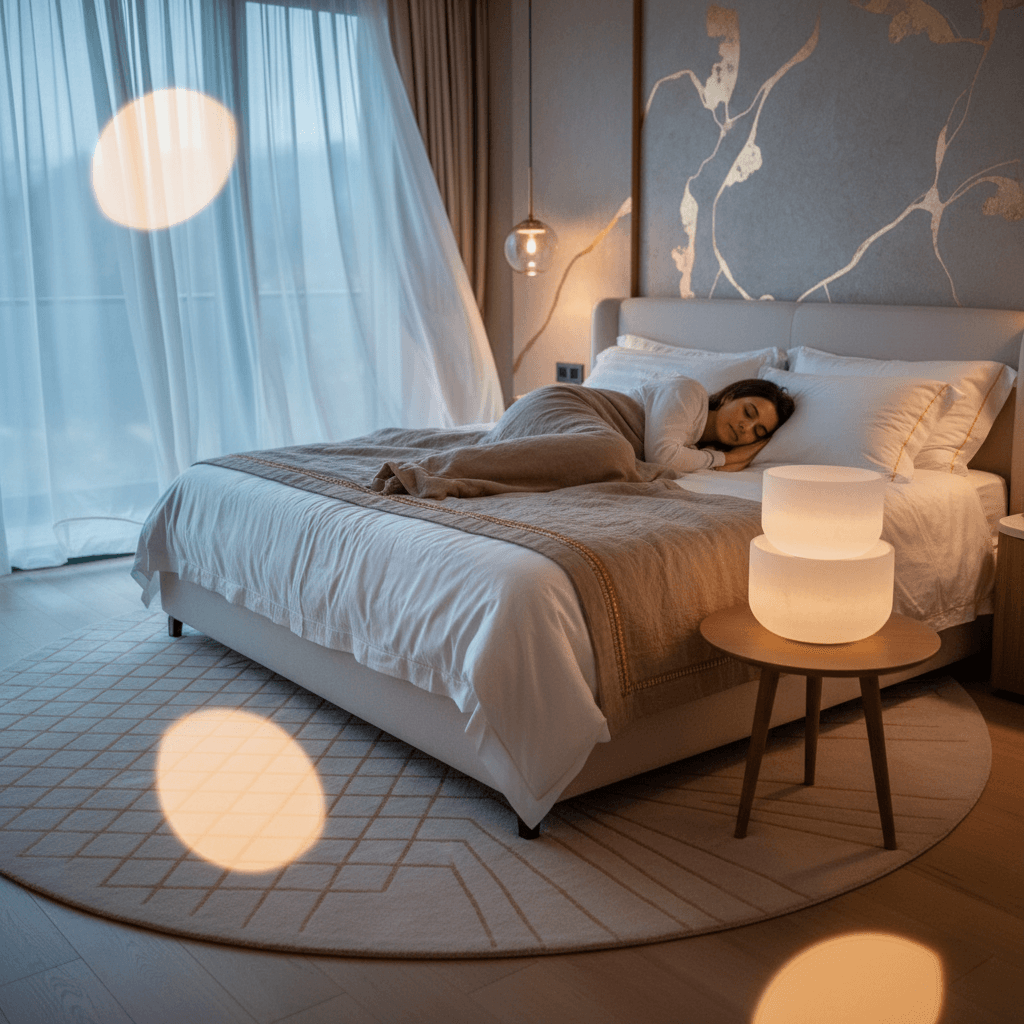
As the day winds down, the goal shifts to nervous system regulation and preparation for restorative sleep. Evening sound environments are crucial for signaling to your body that it's time to slow down, encouraging melatonin production and facilitating a seamless transition into sleep. These PRE-SLEEP soundscapes are meticulously crafted to induce deep relaxation and support the architecture of your sleep cycle.
Evening soundscapes typically include:
- Low Frequencies and Resonant Tones: The deep vibrations of gongs, the sustained hum of crystal singing bowls, or the resonant tones of chimes can have a profound calming effect on the nervous system.
- Slow, Descending Melodies: Music or sound sequences that gradually reduce in tempo and pitch, mirroring the body's natural deceleration towards rest.
- Soothing Biophilic Elements: The gentle lapping of ocean waves, the consistent pitter-patter of soft rain, or the subtle sounds of night crickets can be deeply comforting and help mask disruptive noises.
The sensation of these evening soundscapes is often described as enveloping and grounding, helping to quiet the "monkey mind" and release accumulated tension. By creating an auditory environment conducive to deep relaxation, these practices may enhance sleep onset, reduce night-time awakenings, and improve the overall quality of REM and NREM sleep, which are vital for physical and mental recovery. For travelers, combining these evening sound practices with other hydration and circadian tools can offer a more complete strategy for mitigating jet lag.
The Soul Art Approach: Larissa Steinbach's Vision for Sonic Wellness
At Soul Art, Dubai's premier sound wellness studio, we believe that true wellbeing is cultivated through a harmonious connection with our deepest rhythms. Under the visionary leadership of founder Larissa Steinbach, Soul Art has pioneered an approach that meticulously integrates the science of sound with intuitive understanding, creating experiences that are both deeply transformative and exquisitely luxurious.
Larissa Steinbach’s philosophy centers on the understanding that sound is not just an auditory experience, but a vibrational force that can profoundly influence our cellular and energetic states. Her method goes beyond generic playlists, offering bespoke soundscapes and immersive sound bath experiences that are finely tuned to the individual's needs and current circadian phase. This personalized approach ensures that each client receives the precise sonic input required to support their unique journey towards balance and rejuvenation.
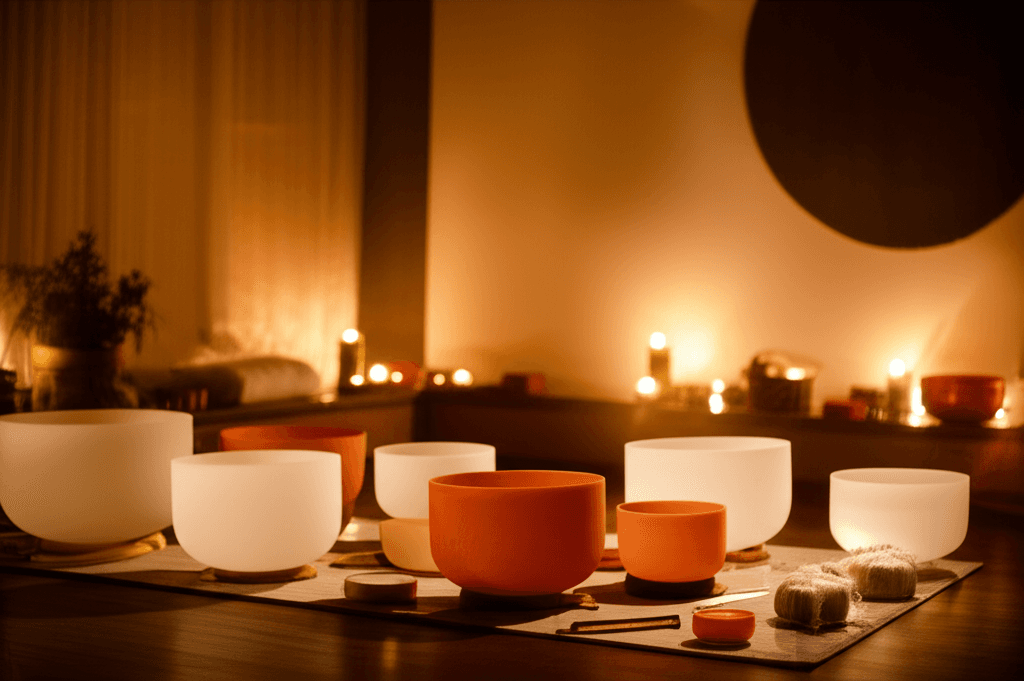
What makes the Soul Art method truly unique is its holistic integration and expert curation. We combine cutting-edge scientific knowledge with the ancient art of sound healing, utilizing a diverse array of instruments and techniques. These include:
- Precision-Tuned Crystal Singing Bowls: Their pure, resonant tones are selected for specific frequencies known to promote relaxation and balance.
- Therapeutic Gongs: The powerful, enveloping vibrations of gongs are skillfully played to induce deep meditative states and release tension.
- Chimes and Other Percussion: Used to create delicate textures and evoke specific natural sound environments, guiding the listener through a sonic journey.
- Biophilic and Isochronic Tones: Expertly woven into sessions to stimulate specific brainwave states, promoting everything from alert focus to profound sleep.
Our studio environment is meticulously designed to amplify the efficacy of these sound experiences. We cultivate a space free from external distractions, optimized with ambient lighting and comfortable furnishings, allowing for complete immersion. This dedicated setting ensures that the body and mind can fully surrender to the healing vibrations, facilitating deeper nervous system regulation and more effective circadian resetting. Larissa Steinbach and her team guide each session with empathetic precision, creating an atmosphere of safety and profound tranquility where clients can truly reconnect with their inner harmony.
The Soul Art approach is not just about listening; it's about feeling and experiencing sound as a catalyst for inner transformation. It's a journey from discord to harmony, guided by the nuanced artistry and scientific insight that define every session at Soul Art. Many people report leaving our studio feeling a profound sense of calm, mental clarity, and a renewed connection to their body's innate rhythms, setting the stage for lasting wellbeing.
Your Next Steps: Integrating Sound for Circadian Harmony
Empowering yourself with the knowledge of how sound influences your circadian rhythm is the first step towards a more balanced and vibrant life. The beauty of sound wellness is its accessibility and its potential to be integrated into your daily routine with mindful intention. Here are some actionable steps you can take today to begin harmonizing your internal clock:
- Start Your Day with Intentional Sound: Replace jarring alarms with a gentle, gradually increasing soundscape. Experiment with uplifting nature sounds or soft, clear tones that ease you into wakefulness rather than shocking your system. Consider setting aside 5-10 minutes post-wake for a brief "morning activation" sound experience.
- Create a Midday Focus Zone: During periods of work or concentration, introduce subtle background soundscapes designed for focus. Explore instrumental music without lyrics, ambient biophilic sounds like gentle rain, or even specialized binaural beats to maintain a stable dopamine tone and enhance productivity.
- Build an Evening Wind-Down Ritual: Prioritize a consistent evening routine that incorporates calming soundscapes. This could involve listening to resonant gong tones, soothing ocean waves, or tranquil meditation music for 20-30 minutes before bed, signaling to your body that it's time to transition into rest.
- Mind Your Light and Hydration: Remember that sound works best when layered with other healthy practices. Maximize natural light exposure in the morning, and consciously dim artificial lights and reduce screen time in the evening. Ensure adequate hydration throughout the day to support overall cellular function and nervous system health.
- Explore Professional Guidance: For a truly immersive and personalized experience, consider visiting a dedicated sound wellness studio like Soul Art. Expert guidance from practitioners like Larissa Steinbach can help you identify the specific sound frequencies and techniques that will most effectively support your unique circadian needs and guide you towards deeper states of relaxation and balance.
In Summary: Reclaiming Your Rhythm with Sound
Our circadian rhythm is a fundamental aspect of our health, governing countless physiological processes that dictate our energy, mood, and sleep quality. In a modern world prone to disruption, actively supporting this internal clock has become essential for holistic wellbeing. Sound, often overlooked, emerges as a powerful, scientifically-backed tool for circadian rhythm reset, offering a gentle yet profound pathway to re-synchronization.
By consciously integrating dynamic morning and evening soundscapes, we can mimic nature's cues, optimize hormone regulation, and cultivate states of sustained energy and deep rest. Larissa Steinbach and the team at Soul Art are at the forefront of this wellness revolution in Dubai, offering expertly curated experiences that blend scientific insight with ancient wisdom. Embrace the power of sound to restore your natural rhythm, unlock profound tranquility, and experience a life attuned to your highest potential.
Bookings Coming Soon
Soul Art is still in preparation. Session details and booking will be published here after launch.
Coming Soon
Wellness Disclaimer: This article is for educational and informational purposes only. It does not constitute medical advice, diagnosis, or treatment. Soul Art Dubai provides non-medical wellness experiences focused on relaxation, stress management, and general wellbeing. Sound wellness is a complementary practice and should not replace professional medical care.
Related Articles
Fan Noise and Sleep: Unmasking the Science Behind White Noise Machines for Deeper Rest
Polyphasic Sleep & Sound Healing: Navigating Restorative Rhythms
REM Rebound: Mastering the Art of Recovering Lost Dream Sleep