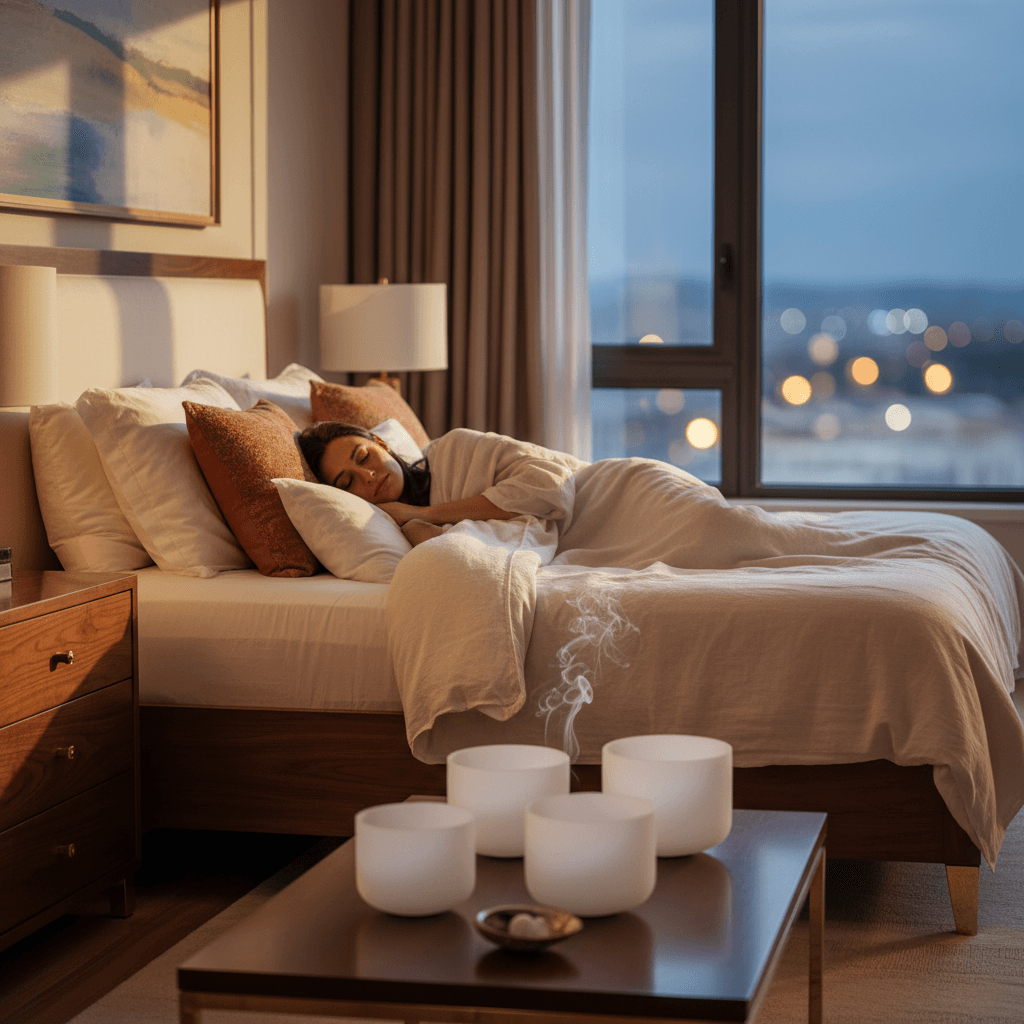
Chronic Pain & Sleep: Breaking the Vicious Cycle with Sound Wellness

Key Insights
Explore the science behind the sleep-pain cycle and discover how sound wellness at Soul Art Dubai, founded by Larissa Steinbach, may support breaking it.
Chronic Pain and Sleep: Breaking the Vicious Cycle with Sound Wellness
Imagine a quiet whisper that turns into a persistent roar, subtly eroding your sense of well-being, day and night. This is often the reality for individuals navigating chronic pain, a condition that profoundly impacts not just physical comfort but also the fundamental need for restorative sleep. Did you know that between 67% and 88% of people experiencing chronic pain also report significant sleep disturbances?
This intricate connection between sleep and pain forms a challenging, self-perpetuating cycle. Poor sleep can intensify pain, and conversely, chronic pain frequently disrupts the very sleep needed for recovery, creating a feedback loop that can feel impossible to escape. However, understanding this cycle is the first step towards empowerment and discovering complementary wellness strategies.
At Soul Art Dubai, we believe in shedding light on these complex interactions, offering insights and practices that may support breaking this cycle. This article will delve into the scientific underpinnings of the sleep-pain connection, illustrate how sound wellness can be a valuable complementary tool, and guide you towards a path of greater comfort and rest. Prepare to explore how the gentle power of sound, as championed by Soul Art's founder Larissa Steinbach, might unlock a deeper sense of peace and restorative sleep.
The Intertwined World of Chronic Pain and Sleep
The relationship between chronic pain and sleep is far from simple; it is a sophisticated, bidirectional interplay that significantly influences overall well-being. Scientific research increasingly confirms that these two vital physiological processes are deeply interconnected, creating a cycle that can be challenging yet not impossible to interrupt. Understanding this scientific foundation is crucial for developing effective wellness strategies.
Understanding the Vicious Cycle
The core of the sleep-pain relationship lies in a vicious cycle: pain disrupts sleep, and disrupted sleep exacerbates pain. When chronic pain keeps you tossing and turning, your nervous system often remains in a heightened state of alertness, making it difficult to achieve the deep, restorative sleep necessary for physical and mental repair. This lack of deep sleep can then lead to increased pain sensitivity the following day, intensifying the discomfort and further hindering sleep.
Studies show that sleep complaints are present in a significant majority of chronic pain disorders. Furthermore, individuals with insomnia, the most commonly diagnosed sleep impairment, often also suffer from chronic pain, highlighting a profound overlap between these conditions. This continuous loop can deplete energy, worsen mood, and diminish cognitive function, impacting daily life profoundly.
The Biological Mechanisms at Play
Several intricate biological mechanisms underpin this complex sleep-pain dynamic. One critical aspect involves the body's natural pain regulation systems and how they are compromised by sleep deprivation. When sleep is insufficient, the body’s natural resilience decreases, and inflammation may increase, making individuals more reactive to discomfort.
Researchers at the University of Arizona Health Sciences, for instance, have uncovered a potential biological mechanism involving brain circuits that express kappa opioid receptors. This research suggests that treating sleep disruption could, in turn, positively impact pain management. As Frank Porreca, PhD, noted, "The therapeutic implication is that if you treat the sleep, you will also treat the pain." This highlights a fundamental interconnectedness at a neurobiological level.
Furthermore, recent studies, including one published in Nature Communications, have identified a specific metabolite, NADA (N-arachidonoyl dopamine), which may play a controlling role in the chronic pain and sleep disruption cycle. Sleep deprivation appears to reduce the brain’s NADA supplies, leading to a heightened perception of pain, even if the underlying pain intensity hasn't changed. This research offers new insights into how sleep loss can make existing pain feel more acute and prolonged.
The Impact of Sleep Deprivation on Pain Perception
Sleep deprivation does not just make you feel tired; it actively alters how your brain perceives pain. Research has consistently demonstrated that a lack of restorative sleep increases pain reactivity and sensitivity. Even in individuals without chronic pain, acute sleep deprivation can lead to a heightened response to painful stimuli. This means that when you are sleep-deprived, your body becomes less resilient and more prone to experiencing discomfort more intensely.
This compromised state further activates the sympathetic nervous system, often referred to as the "fight or flight" response. Instead of winding down into a parasympathetic "rest and digest" state conducive to deep sleep, the body remains on high alert. This constant activation prevents the profound physical and mental repair that occurs during adequate rest, perpetuating a cycle where diminished sleep quality leads to exacerbated pain, and heightened pain makes quality sleep elusive.
The Role of Mood and Anxiety
The sleep-pain cycle is often complicated by the addition of mood disturbances, creating a "sleep-pain-depression cycle." Depression and anxiety can significantly worsen both pain and sleep quality. Depression, for example, increases pain sensitivity, making chronic pain feel more intense, and it independently disrupts sleep, contributing to insomnia. Research from 2025 published in Nature and Science of Sleep found that addressing mood and anxiety symptoms alongside chronic pain improved sleep quality 60 percent more than pain-only interventions.
Mind-centered therapies are also gaining recognition for their effectiveness in breaking this complex cycle. Cognitive Behavioral Therapy for Insomnia (CBT-I) is considered a gold-standard treatment, showing improvements in both sleep efficiency and pain interference. Similarly, research indicates that hypnosis may be a promising treatment, demonstrating measurable results in reducing pain perception and extending deep sleep cycles. These approaches underscore the profound connection between our mental and emotional states, our sleep patterns, and our experience of pain.
Harnessing the Power of Sound for Restorative Sleep and Comfort
Understanding the intricate scientific links between chronic pain and sleep offers a foundation, but the crucial question remains: how can we practically address this cycle? This is where complementary wellness practices, particularly sound wellness, may offer a gentle yet powerful pathway to support the body's innate capacity for relaxation and self-regulation. Sound, through its unique vibrational properties, can connect with us on a profound level, influencing physiological states that are key to breaking the sleep-pain loop.
In practice, experiencing sound wellness is a deeply immersive and sensory journey. Clients often lie down in a comfortable position, enveloped by a carefully curated soundscape. The sounds are not just heard; they are felt as subtle vibrations resonating through the body. This experience is designed to gently guide the nervous system away from its activated, pain-sensitized state towards one of profound calm.
One of the primary ways sound wellness may support sleep and pain management is through its ability to facilitate brainwave entrainment. Our brains naturally cycle through different brainwave states, each associated with distinct levels of consciousness. During sound sessions, specific frequencies, such as those produced by singing bowls or gongs, may help shift brainwaves from the high-stress Beta state, characteristic of alertness and anxiety, to calmer Alpha or Theta states. Alpha waves are associated with relaxed wakefulness and creativity, while Theta waves are characteristic of deep meditation and the early stages of sleep. This shift can promote a sense of deep relaxation, making it easier to drift into restorative sleep and potentially reducing the intensity of pain signals.
Furthermore, sound vibrations can have a direct physical impact. These frequencies may influence how the brain perceives pain and can promote relaxation in tense muscles. As the body absorbs these gentle vibrations, it may encourage improved circulation and stimulate cellular activity, contributing to a sense of physical ease. This gentle resonance helps to soothe the nervous system, potentially reducing the body’s stress response and lowering levels of cortisol, the primary stress hormone. High cortisol levels are linked not only to anxiety and poor sleep but also to increased inflammation, which can exacerbate chronic pain.
The calming effects of sound extend beyond the physical, supporting mental and emotional well-being. For individuals grappling with chronic pain, emotional stressors often play a significant role. Sound offers a non-verbal, gentle pathway to process these stressors, fostering a sense of safety and trust. Many people report a profound sense of inner peace during and after sound sessions, finding a temporary respite from the constant demands of pain and anxiety. This renewed sense of calm can be instrumental in creating an internal environment more conducive to healing and restorative sleep, providing a precious opportunity to interrupt the vicious cycle.
Soul Art: Larissa Steinbach's Bespoke Approach to Sound Wellness
At Soul Art, Dubai's premier sound wellness studio, Larissa Steinbach has meticulously crafted an approach that integrates the scientific understanding of the sleep-pain cycle with the ancient wisdom of sound. Larissa's method is built on the philosophy that true well-being comes from addressing the mind, body, and spirit holistically, and that sound can be a powerful catalyst for this integration. Her expertise lies in creating deeply personalized experiences that resonate with each individual's unique needs, particularly those navigating the challenges of chronic pain and sleep disruption.
What makes the Soul Art method truly unique is Larissa's commitment to creating a sanctuary where clients can truly surrender to the healing potential of sound. She meticulously selects and plays a diverse array of instruments, each chosen for its specific vibrational qualities and frequencies. These include the resonant tones of Himalayan singing bowls, the deep, enveloping waves of gongs, the delicate tinkling of chimes, and the precise frequencies of tuning forks. Each instrument plays a role in constructing a rich tapestry of sound designed to guide the body and mind into profound states of relaxation.
Larissa's sessions are not merely passive listening experiences; they are carefully orchestrated journeys aimed at facilitating brainwave entrainment and somatic relaxation. She understands that the body holds tension and that chronic pain often creates a state of hypervigilance. Through her intuitive guidance and the intentional layering of sounds, she aims to gently coax the nervous system out of its "fight or flight" response. This allows the body to release stored tension, settle into a parasympathetic state, and potentially activate its natural healing mechanisms.
The Soul Art experience focuses on creating an environment where the body feels safe enough to unwind. Larissa Steinbach emphasizes the importance of a mindful approach, fostering self-compassion and gentle awareness during each session. This intentional space, combined with the therapeutic frequencies, provides a powerful complementary tool for individuals seeking to alleviate discomfort, reduce stress hormones like cortisol, and cultivate the inner peace necessary for restorative sleep. It is an invitation to explore a non-pharmacological pathway to greater comfort and improved sleep quality, gently assisting the body in recalibrating its internal rhythm.
"The therapeutic implication is that if you treat the sleep, you will also treat the pain." — Frank Porreca, PhD, UArizona College of Medicine
Cultivating a Sanctuary for Sleep and Easing Discomfort
Breaking the chronic pain and sleep cycle is a journey that requires intention, patience, and a willingness to explore complementary wellness strategies. While sound wellness at Soul Art offers a profound opportunity for relaxation and nervous system regulation, there are several practical steps you can integrate into your daily life to further support your well-being. These habits are designed to nourish your body and soothe your mind, creating a more conducive environment for restorative sleep and reduced discomfort.
Here are some actionable steps you can implement today:
- Establish a Mindful Evening Routine: Create a consistent, gentle winding-down ritual about an hour before bed. This might include dimming lights, taking a warm bath, practicing gentle stretches, or engaging in light reading. The goal is to signal to your body that it's time to transition from activity to rest, reducing stimulation and preparing for sleep.
- Integrate Gentle Movement: Regular, low-impact physical activity, such as walking, swimming, or gentle yoga, can support blood flow and muscle relaxation. Movement can help improve sleep quality and reduce pain by supporting the body's natural processes. Remember to listen to your body and choose activities that feel comfortable and nourishing.
- Prioritize Sleep Hygiene: Optimize your sleep environment by ensuring your bedroom is dark, quiet, and cool. Aim for a consistent sleep schedule, even on weekends, to regulate your body's natural circadian rhythm. Avoid caffeine and heavy meals close to bedtime, and limit screen time from electronic devices, as their blue light can interfere with melatonin production.
- Explore Sound Wellness as a Complementary Practice: Consider how the unique vibrations and frequencies of sound sessions may support your nervous system. Experiencing a guided sound bath with Larissa Steinbach at Soul Art can be a powerful way to promote deep relaxation, shift brainwave states, and potentially reduce pain perception. It offers a dedicated space for your body and mind to unwind and recalibrate.
- Cultivate Self-Compassion: Navigating chronic pain and sleep challenges can be emotionally taxing. Practice self-kindness and patience with yourself. Recognize that no two bodies experience pain or respond to interventions in the same way, and that discovering what works best for you is a personal journey.
Remember, these practices are intended as complementary approaches to support your overall wellness. If you are experiencing chronic pain or persistent sleep difficulties, always consult with a healthcare professional for diagnosis and treatment. Once you have a clear medical understanding, incorporating holistic practices like sound wellness can be a valuable addition to your self-care regimen.
In Summary: A Path Towards Greater Well-being
The complex, bidirectional relationship between chronic pain and sleep presents a significant challenge for many, but it is a cycle that can be interrupted and transformed. By understanding the intricate scientific mechanisms—from nervous system activation and inflammation to specific brain metabolites—we can appreciate why holistic approaches are so vital. Sleep deprivation heightens pain, while pain disrupts restorative sleep, creating a draining feedback loop.
Yet, there is hope and empowerment in knowledge. Complementary wellness practices, such as the profound experience of sound wellness, offer a gentle yet powerful pathway to support the body's natural capacity for self-regulation and healing. Through brainwave entrainment, reduction of stress hormones, and deep physical relaxation, sound may help guide the nervous system towards states conducive to rest and reduced discomfort. Larissa Steinbach's bespoke approach at Soul Art Dubai provides a nurturing sanctuary, leveraging the therapeutic frequencies of various instruments to help you cultivate inner peace and potentially break free from this challenging cycle. We invite you to explore the transformative potential of sound and embark on a journey towards greater comfort and restorative sleep.
Bookings Coming Soon
Soul Art is still in preparation. Session details and booking will be published here after launch.
Coming Soon
Wellness Disclaimer: This article is for educational and informational purposes only. It does not constitute medical advice, diagnosis, or treatment. Soul Art Dubai provides non-medical wellness experiences focused on relaxation, stress management, and general wellbeing. Sound wellness is a complementary practice and should not replace professional medical care.
Related Articles
Fan Noise and Sleep: Unmasking the Science Behind White Noise Machines for Deeper Rest
Polyphasic Sleep & Sound Healing: Navigating Restorative Rhythms
REM Rebound: Mastering the Art of Recovering Lost Dream Sleep