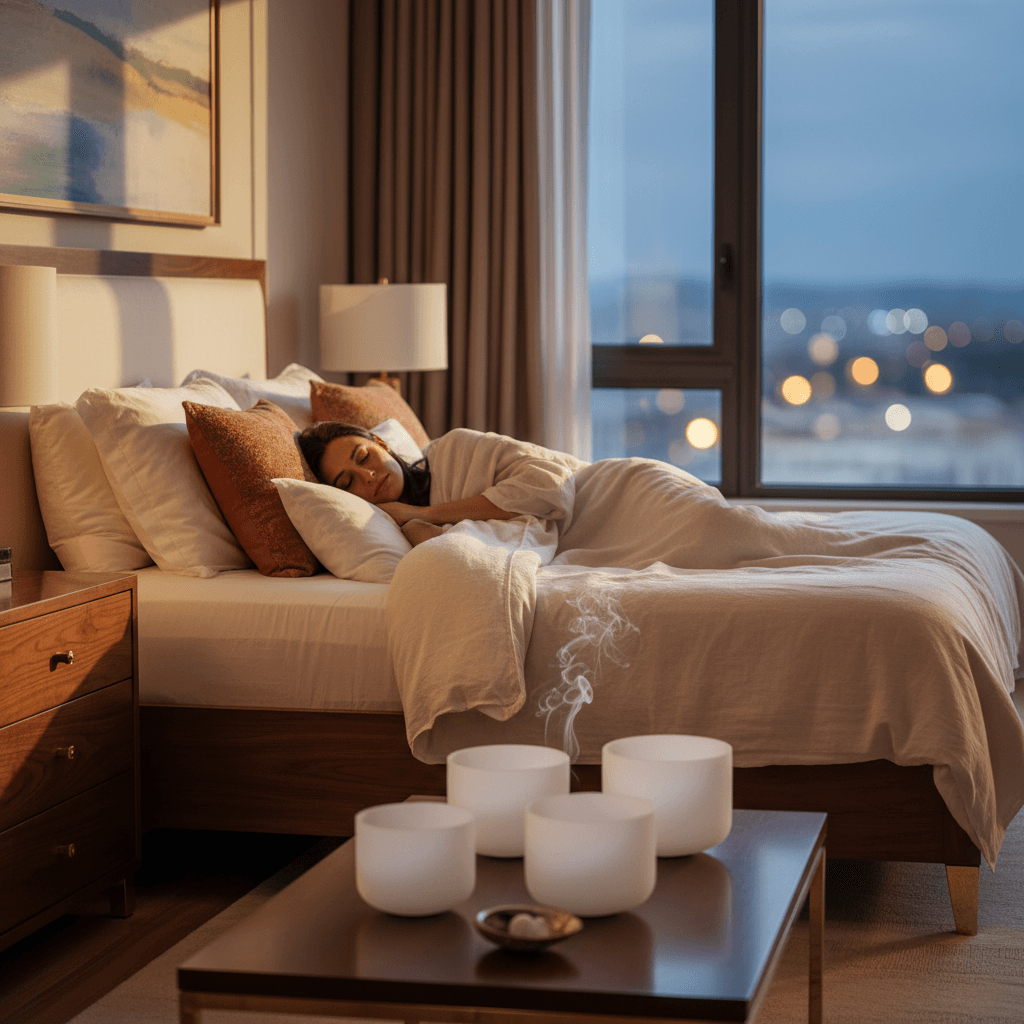
Harmonizing Children's Sleep: Age-Appropriate Sound Healing Approaches
Key Insights
Explore scientifically-grounded, age-appropriate sound healing to enhance children's sleep. Discover Soul Art's unique methods with Larissa Steinbach for better rest and wellbeing.
Harmonizing Children's Sleep: Age-Appropriate Sound Healing Approaches
Did you know that adequate sleep is as crucial for a child's development as nutrition and exercise? Yet, many parents grapple with the persistent challenge of getting their children to fall asleep, and more importantly, stay asleep. From toddlers resisting bedtime to adolescents struggling with irregular patterns, sleep disturbances can profoundly impact a child’s mood, concentration, and overall well-being.
At Soul Art, Dubai’s premier sound wellness studio, we understand the intricate connection between sound, the nervous system, and restorative rest. Under the expert guidance of our founder, Larissa Steinbach, we explore how age-appropriate sound healing approaches may offer a gentle yet powerful complementary pathway to cultivating peaceful sleep in children. This article delves into the science behind sound's impact on sleep, practical applications, and Soul Art's unique methodology to help your child embrace the profound benefits of deep slumber.
The Science Explained: How Sound Shapes Sleep
The human brain is remarkably responsive to auditory stimuli, and children's developing brains are particularly susceptible to these influences. Sound healing, as a wellness practice, leverages specific frequencies and vibrations to guide the brain into states conducive to relaxation and sleep. Understanding the underlying neuroscience illuminates why these ancient practices are gaining contemporary scientific recognition as valuable complementary approaches.
Neurobiological Foundations of Sleep and Sound
Our sleep cycles are orchestrated by intricate brainwave activity, measured in Hertz (Hz). When we are awake and alert, our brains primarily emit beta waves. As we relax, alpha waves emerge, followed by theta waves during light sleep, and finally, delta waves, which characterize the deepest, most restorative stages of sleep. Sound interventions aim to encourage this natural progression.
Some research suggests that specific acoustic modulations can influence these brainwave patterns. For instance, studies have shown that listening to delta-embedded 2 Hz binaural beats may enhance deep sleep in healthy subjects (PMC8318210). These subtle auditory illusions, perceived when two slightly different frequencies are presented to each ear, encourage the brain to synchronize with the difference frequency, potentially guiding it towards a delta state.
The Power of Soothing Frequencies and Storytelling
The type of sound significantly impacts its efficacy. Soft, soothing music, encompassing various genres, has been associated with reduced subjective sleep disturbances, even in hospitalized children (PMC8318210). Specialized programs like "Wholetones® 2Sleep" are designed with particular frequencies layered to lull listeners into deeper sleep states. These carefully curated soundscapes work by providing a consistent, non-disruptive auditory environment that can signal safety and relaxation to the nervous system.
Beyond pure tones, the narrative power of storytelling also plays a crucial role. Research indicates that a hypnotic story, delivered in a slow, calming voice and incorporating metaphors (such as a fish swimming deeper into the sea), effectively increased the amount of deep sleep in both young and older adults (PMC8318210). This highlights how a combination of gentle sound and imaginative narrative can create a powerful induction into a tranquil state, helping the mind "let go" before sleep.
Behavioral Interventions and Sustained Sleep Improvements
While direct acoustic modulation is one aspect, sound can also be integrated into broader behavioral sleep interventions. These holistic approaches focus on establishing healthy sleep hygiene and routines. Notably, interventions like "Sleeping Sound," a brief behavioral sleep program, have demonstrated significant, sustained improvements in sleep problems for children, particularly those with neurodevelopmental disorders like Attention-Deficit Hyperactivity Disorder (ADHD) and Autism Spectrum Disorder (ASD).
- Children with ADHD: A large Randomized Controlled Trial (RCT) involving 244 children with ADHD showed that the "Sleeping Sound" intervention led to greater improvements in sleep problems, ADHD severity, quality of life, daily functioning, and behavior up to 12 months post-randomisation (Sciberras et al., 2020; Hiscock et al., 2015). Importantly, parents often prioritize improved sleep onset delay as a key indicator of progress for these children.
- Children with ASD: A more recent RCT with 245 autistic children aged 5-13 years further confirmed the benefits of "Sleeping Sound," showing sustained reductions in sleep latency (Papadopoulos et al., 2022). Difficulty falling asleep is a common concern among parents of autistic children, making such interventions highly valuable.
These studies underscore the durability and positive impact of structured, parent-mediated behavioral sleep interventions. While these trials primarily focused on behavioral strategies, they demonstrate the profound value of creating consistent, calming pre-sleep environments – an area where sound wellness practices can act as a powerful complementary approach to enhance the journey towards restful sleep. The small to moderate effect sizes observed in these studies are consistent with other successful behavioral sleep interventions.
How It Works in Practice: Tailoring Sound for Tiny Dreamers
Bringing the science of sound into a child's bedtime routine involves thoughtful consideration of their developmental stage and individual sensitivities. At Soul Art, we believe that effective sound healing for children is not a one-size-fits-all solution but a holistic wellness journey tailored to each unique individual. The goal is to create a nurturing sonic environment that signals safety and encourages the natural transition into sleep.
When a child experiences a sound healing session, whether in the studio or at home, the aim is to gently engage their auditory system without overwhelming it. Unlike adult sessions which might involve powerful, immersive sound baths, children's approaches are typically softer, more playful, and shorter in duration. The sensory experience is key: gentle vibrations from instruments like crystal singing bowls or chimes are introduced subtly, allowing the child to feel the resonance in a soothing, non-intrusive way.
Many people report that the consistent, rhythmic nature of certain sounds can act as an anchor for the mind. This helps to quiet the "busy brain" often associated with resistance to sleep or anxiety before bedtime. For younger children, this might manifest as a lullaby-like simplicity, while older children might engage with more complex soundscapes or guided visualizations.
"A child's world is full of wonders and sometimes worries. Sound offers a universal language of comfort, a gentle lullaby that can guide even the most restless spirits into a peaceful slumber, reminding them of the inherent calm within."
The practical application also extends to integrating sound into a consistent bedtime ritual. This could involve playing calming music or a specialized sound recording as part of the wind-down routine, signaling to the child’s brain that it's time to prepare for rest. The predictability of such a ritual, combined with the relaxing qualities of sound, can significantly reduce sleep onset delay, a common challenge for parents. Through gentle acoustic modulation, the brain may be encouraged to shift from active beta waves to the slower alpha and theta states, paving the way for deep delta sleep. This creates a serene soundscape that helps to dissolve daily stresses and anxieties, allowing the child’s body and mind to relax deeply before sleep.
The Soul Art Approach: Larissa Steinbach's Gentle Guidance
At Soul Art, Larissa Steinbach brings a deep understanding of both the science of sound and the unique developmental needs of children. Her approach to children's sleep wellness is rooted in empathy, careful observation, and a commitment to creating personalized experiences that foster lasting peace and restorative rest. The Soul Art method for children's sleep is unique in its gentle, age-appropriate adaptation of sound healing principles, ensuring both efficacy and comfort.
Larissa emphasizes that children are not merely smaller adults; their nervous systems are still developing, and their responses to stimuli can differ significantly. Therefore, every sound healing session for children is meticulously designed, considering factors such as age, temperament, specific sleep challenges, and any sensory sensitivities the child may have. This bespoke customization is a hallmark of the Soul Art experience.
Tailored Techniques and Instruments
Larissa Steinbach carefully selects instruments and soundscapes that resonate harmoniously with a child's delicate system. Instead of loud, overwhelming tones, she opts for:
- Gentle Frequencies: Utilizing smaller crystal singing bowls, tuned chimes, and soft percussion instruments that produce clear, pure tones and subtle vibrations. These instruments create frequencies that are known to promote relaxation without causing overstimulation.
- Guided Meditations and Visualizations: For slightly older children, Larissa often integrates age-appropriate guided meditations or imaginative stories. These narratives are interwoven with gentle sounds, akin to the hypnotic stories shown to increase deep sleep, helping children visualize peaceful scenarios and consciously relax their bodies and minds.
- Nature-Inspired Soundscapes: Incorporating calming sounds from nature, such as soft ocean waves or gentle rain, which can be universally soothing and help mask disruptive environmental noises.
- Parent-Child Sessions: Recognizing the vital role of parental presence, Soul Art offers sessions where parents can participate alongside their children. This not only strengthens the parent-child bond but also empowers parents with tools and techniques to continue these self-care practices at home, creating a shared space for tranquility.
Larissa's expertise lies in her ability to intuitively understand a child's needs and respond with tailored sound experiences. The focus is always on creating a safe, nurturing, and enjoyable environment where children can learn to associate specific sounds with relaxation and the approach of peaceful sleep. This cultivation of positive associations is a powerful tool in improving long-term sleep hygiene and promoting a sense of calm.
Your Next Steps: Cultivating Peaceful Nights
Integrating sound healing into your child's routine can be a beautiful journey towards more restful nights for the entire family. While professional guidance is invaluable, there are several practical steps you can take today to begin fostering a sleep-conducive environment using sound as a stress management tool. These actionable bullet points are designed to empower parents in their pursuit of better sleep wellness for their children.
Here are some ways to get started:
- Establish a Consistent Bedtime Routine: Consistency is paramount for children. Incorporate a sound element into this routine, perhaps by playing gentle, calming music or a specially curated sound healing track as they brush their teeth, read a book, or snuggle into bed. This helps signal to their bodies and minds that it's time to wind down.
- Explore Age-Appropriate Soundscapes: For infants and toddlers, consider white noise or nature sounds at a very low volume to mask household distractions. For preschoolers, simple lullabies or instrumental tracks without lyrics can be effective. Older children might benefit from guided relaxation audios or binaural beats designed for sleep. Remember to keep the volume low and the sounds non-stimulating.
- Introduce Gentle Instruments: If you have access to simple, high-quality instruments like small chimes or a gentle drum, use them briefly as part of the bedtime ritual. A few soft taps on a chime, for example, can create a moment of focused calm before lights out. Always supervise and ensure the sounds are never overwhelming.
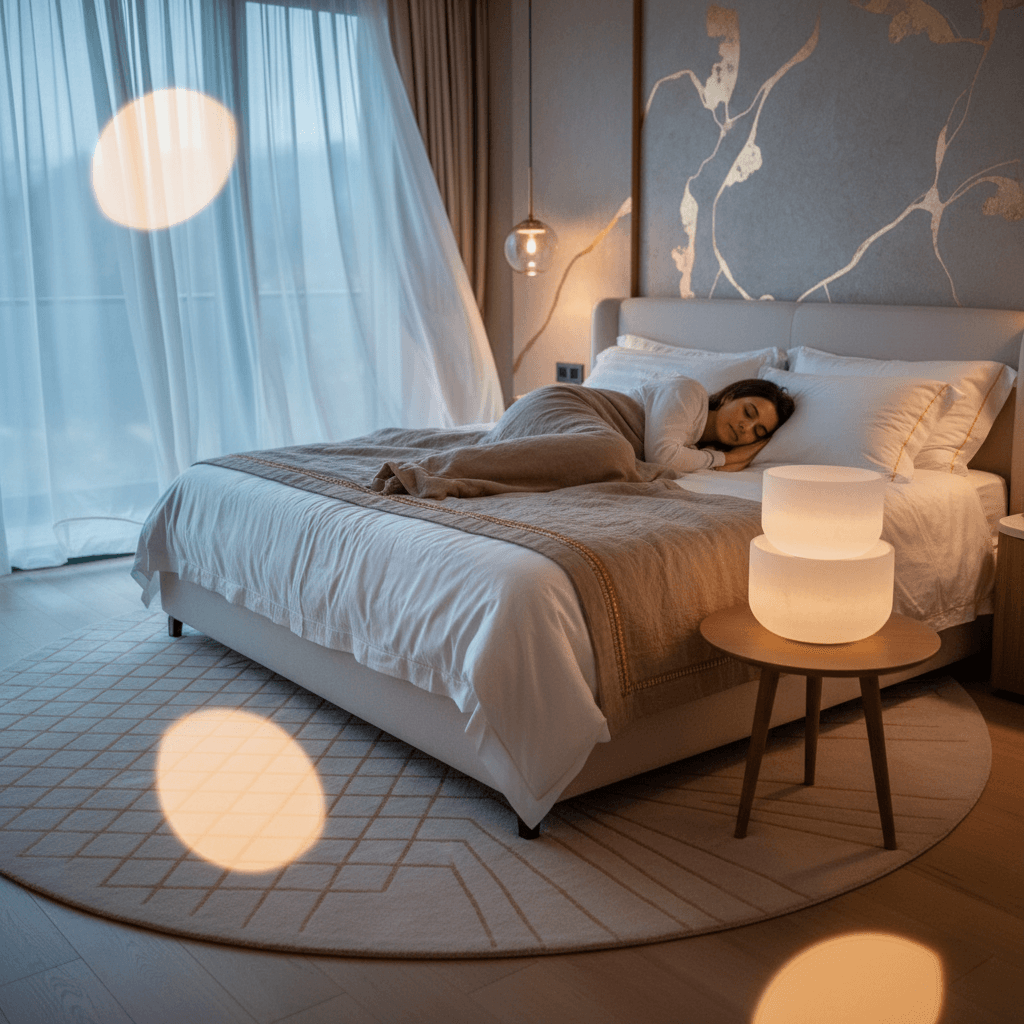
- Create a "Sound Sanctuary": Minimize jarring noises in your child's bedroom. Blackout curtains can help block light, and a consistent, soft background sound can create a cocoon of calm that promotes relaxation and reduces nighttime awakenings.
- Observe and Adjust: Every child is unique. Pay close attention to your child's responses to different sounds and adjust accordingly. What works for one may not work for another. The key is finding what brings them peace and gently guides them towards sleep.
If you find that sleep challenges persist, or if you wish to explore a more personalized and in-depth approach, connecting with a professional sound wellness practitioner can be incredibly beneficial. Larissa Steinbach and the team at Soul Art are dedicated to guiding families towards harmonious sleep patterns through tailored sound experiences.
Bookings Coming Soon
Soul Art is still in preparation. Session details and booking will be published here after launch.
Coming Soon
In Summary: The Path to Peaceful Children's Sleep
Achieving restorative sleep for children is a cornerstone of their development and family well-being. This article has highlighted how age-appropriate sound healing, supported by preliminary scientific understanding, may serve as a gentle yet effective complementary approach to enhance children's sleep. From understanding the brain's response to soothing frequencies and storytelling to recognizing the benefits of behavioral interventions, sound offers a versatile tool for holistic wellness.
Larissa Steinbach and Soul Art are dedicated to guiding families through this journey with personalized, empathetic care. By integrating gentle sound practices into bedtime routines, parents can help create a sanctuary of calm, fostering deeper relaxation and more consistent sleep for their children. Embrace the potential of sound to transform your child's nights, paving the way for brighter, more balanced days. We invite you to explore the serene possibilities at Soul Art.
Related Articles
Fan Noise and Sleep: Unmasking the Science Behind White Noise Machines for Deeper Rest
Polyphasic Sleep & Sound Healing: Navigating Restorative Rhythms
REM Rebound: Mastering the Art of Recovering Lost Dream Sleep