Caregiver Burnout: Reclaiming Self-Care Through Sound Wellness
Key Insights
Discover how sound wellness can combat caregiver burnout, offering a scientifically-backed path to relaxation and renewed energy for selfless individuals.
Imagine a life where every ounce of your energy is dedicated to nurturing another, often at the cost of your own well-being. This is the reality for millions of caregivers worldwide, a demanding role that, while deeply rewarding, can lead to a silent epidemic: caregiver burnout. With nearly half of all family caregivers struggling with sleep and rest, and over a third finding it difficult to even perform basic self-care activities, the need for effective, accessible wellness practices has never been more critical.
At Soul Art, Dubai's premier sound wellness studio, founded by Larissa Steinbach, we understand this profound challenge. This article delves into the scientifically-backed power of sound as a transformative tool for self-care, offering a sanctuary for those who give so much. We will explore how specific frequencies and resonant vibrations can gently guide the mind and body away from the brink of exhaustion, fostering deep relaxation, emotional replenishment, and a renewed sense of purpose. Join us as we uncover the intricate dance between science and serenity, providing caregivers a pathway to replenish their own inner wellspring.
The Science Explained
Caregiving, whether for family members or in professional capacities, is inherently stressful. The constant demands, emotional labor, and often insufficient support can profoundly impact an individual's physical and mental health. Understanding the physiological and psychological mechanisms at play is the first step toward effective self-care.
Understanding Caregiver Burnout
Caregiver burnout is more than just feeling tired; it is a state of physical, emotional, and mental exhaustion. Research highlights that a significant percentage of caregivers experience difficulties in all activities related to self-care, including adequate sleep, health-related treatments, and physical exercise. This constant state of vigilance and self-neglect can lead to a deterioration in overall quality of life, exacerbating stress, anxiety, and even depressive symptoms. Women and younger caregivers often show greater impairment in their self-care routines, underscoring the widespread nature of this challenge.
The long-term effects of unaddressed burnout can be severe, impacting not only the caregiver's health but also their ability to provide compassionate care. Studies have shown that frontline workers and administrative directors in caregiving roles frequently report feeling burned out, emphasizing the universal need for time to relax and recharge. Providing caregivers a dedicated space for relaxation is not merely a luxury; it is a vital component for sustaining their capacity to provide care and maintain their own well-being.
The Body's Response to Sound and Vibration
The human body is an intricate symphony of cells, tissues, and systems, all responding to external stimuli, including sound. Sound therapy operates on fundamental principles of physics and biology, leveraging the body's natural capacity to resonate with specific frequencies. When sound waves travel through the air, they are not only perceived by the ears but also felt throughout the entire body as vibrations.
Mechanoreceptors, particularly specialized cells called Pacinian corpuscles, can detect these vibrations, transmitting signals that influence various physiological responses. Research in vibroacoustic therapy (VAT), which uses low-frequency sine wave vibrations, typically between 30-120 Hz, demonstrates how targeted acoustic stimulation can promote distinct bodily reactions. For instance, specific frequency ranges, such as 40 Hz, have been associated with activating gamma brain waves, which are crucial for cognitive processing, memory consolidation, and neural synchronization. This unique interaction allows sound to bypass the conscious mind, working directly on the nervous system to elicit profound states of relaxation and balance.
Sound as a Powerful Stress Reducer
The therapeutic potential of sound lies in its ability to directly influence our mental and emotional states. When exposed to certain sounds, specific centers in the left brain are stimulated, which can elicit feelings of peace, serenity, and optimism. This isn't just anecdotal; scientific studies have consistently shown physiological markers of stress reduction in response to sound interventions.
For example, listening to classical music after a stressful activity has been shown to reduce heart rates and improve the body's rest and relaxation response. More broadly, sound interventions can have a significant integrative impact on psycho-emotional and physiological outcomes, making them a valuable tool for managing stress-related conditions. A recent study found that participants experienced significantly less tension and anxiety, alongside increased feelings of spiritual well-being, after engaging in sound baths and meditation. Critically, these results "provide promise, for a form of stress reduction that does not require the individual to learn a disciplined form of meditation," making it accessible to those who may struggle with traditional meditation techniques due to time constraints or mental fatigue.
Moreover, rigorous scientific inquiries, including randomized controlled trials and laboratory experiments, utilize physiological measures such as heart rate variability (HRV), salivary cortisol levels, and electrodermal activity to objectively quantify the stress-relieving effects of sound. These studies often combine such objective data with self-reported stress levels, providing a comprehensive view of sound's profound impact on mental well-being.
How It Works in Practice
Transitioning from the scientific understanding to the lived experience of sound wellness reveals a holistic approach to self-care. It’s about creating an environment where the body and mind can naturally recalibrate, allowing caregivers to release accumulated stress and restore their inner reserves.
Creating a Sanctuary Through Sound
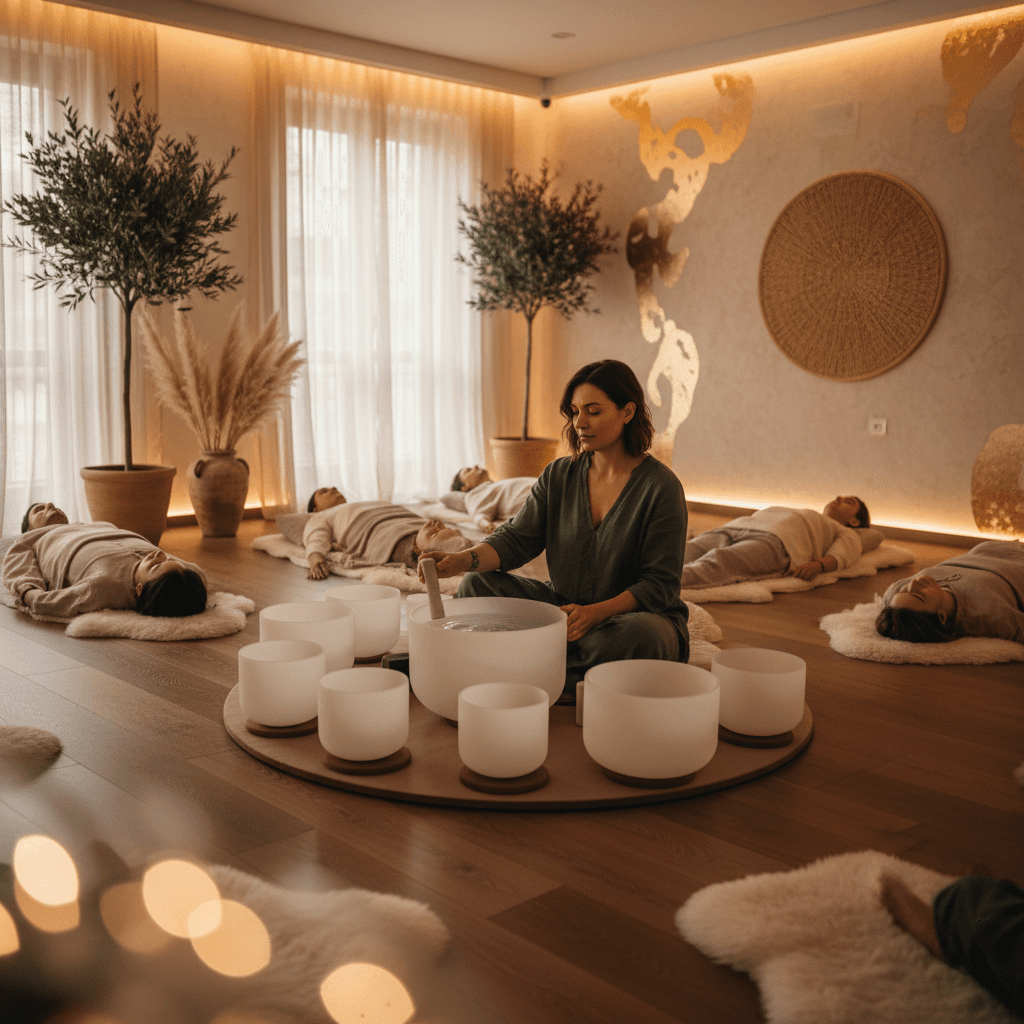
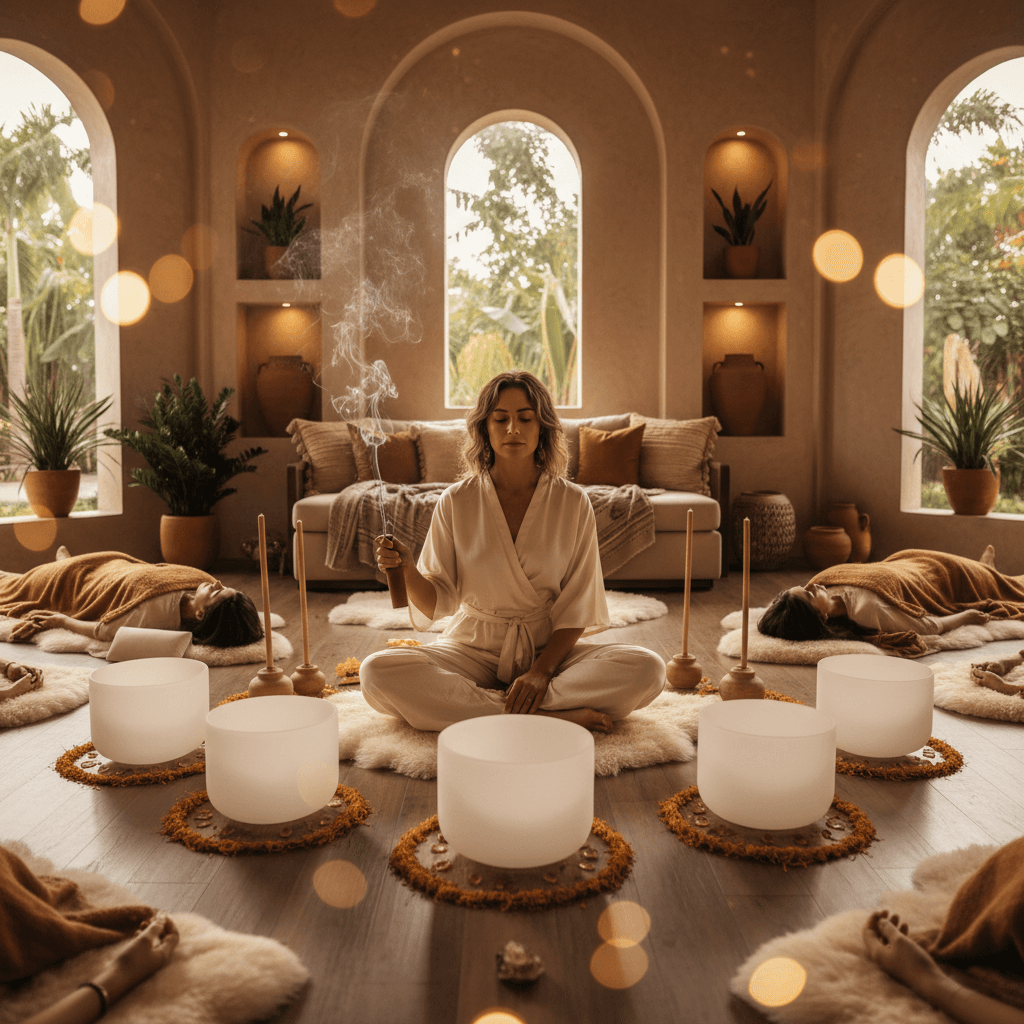
At Soul Art, the practical application of sound wellness begins with cultivating a nurturing and immersive environment. This is more than just playing music; it's about carefully selected frequencies and vibrations designed to guide the body into a state of deep relaxation. The intention is to create a sanctuary where the usual demands of caregiving can recede, if only for a dedicated period. For caregivers, who rarely find moments for themselves, this dedicated space becomes a crucial component of stress management.
The journey often starts with soft tones and resonant instruments, encouraging slow, focused, rhythmic breathing. This gentle introduction helps individuals, particularly those who are initially shy or overwhelmed, gradually feel safer and more grounded in their bodies. The gradual progression allows for comfort to build, enabling a deeper engagement with the therapeutic sounds. This approach makes sound wellness an accessible and inclusive practice, even for those who might typically resist traditional relaxation methods.
The Embodied Experience of Vibration
The true power of sound therapy often lies in its vibroacoustic nature. As Washington University assistant professor Diana Parra Perez notes, sound is not only perceived through the ear but also by the body through vibrations. When instruments like Tibetan singing bowls, gongs, or tuning forks are played, their vibrations travel through the air and directly into the body, resonating with our internal cellular structures. This physical sensation can be profoundly calming and grounding.
Many people report a feeling of internal massage as the low-frequency vibrations penetrate tissues, helping to release muscular tension and promote circulation. This embodied experience can be particularly effective for chronic pain management, where studies have shown that targeted frequencies, often around 40 Hz, can reduce pain perception within sessions lasting 20-45 minutes. The physical sensation of sound bypasses mental chatter, providing a direct pathway to the rest and relaxation response. This holistic engagement — stimulating both auditory and somatosensory systems — enhances the overall therapeutic effect, allowing for deeper stress reduction and emotional release.
Tailored Frequencies for Wellbeing
The efficacy of sound wellness is often amplified by the use of targeted frequencies, each associated with distinct physiological and psychological benefits. For instance, the activation of gamma brain waves through 40 Hz stimulation has been linked to improved cognitive function and reduced neuroinflammation, as explored by studies from MIT’s Picower Institute. This particular frequency may support memory consolidation and enhanced neural synchronization, offering potential benefits for mental clarity often compromised by chronic stress.
Beyond cognitive support, specific frequencies can contribute to promoting healing at the cellular level and reducing chronic pain. This targeted approach allows sound wellness practitioners to craft sessions that address specific needs, from deep relaxation and anxiety reduction to subtle cognitive enhancement and physical comfort. The precision with which these frequencies are applied moves sound therapy beyond ancient traditions alone, integrating it into comprehensive wellness protocols based on peer-reviewed research.
"There’s music everywhere, all around us. And it just takes that moment of mindfulness." — Diana Parra Perez, PhD
The Soul Art Approach
At Soul Art, Larissa Steinbach has meticulously crafted a unique sound wellness experience designed to meet the profound needs of individuals seeking solace and renewal, especially those battling caregiver burnout. Her approach synthesizes ancient wisdom with contemporary scientific understanding, creating a deeply immersive and effective pathway to self-care.
Larissa Steinbach’s philosophy centers on the belief that true well-being stems from a harmonious balance between the inner self and the external environment. She leverages the profound impact of sound and vibration to guide clients into states of deep relaxation, where healing and rejuvenation can naturally occur. The Soul Art method is distinctive in its commitment to personalized experiences within a community setting, recognizing that while individual needs vary, the shared space of intentional sound can amplify collective healing.
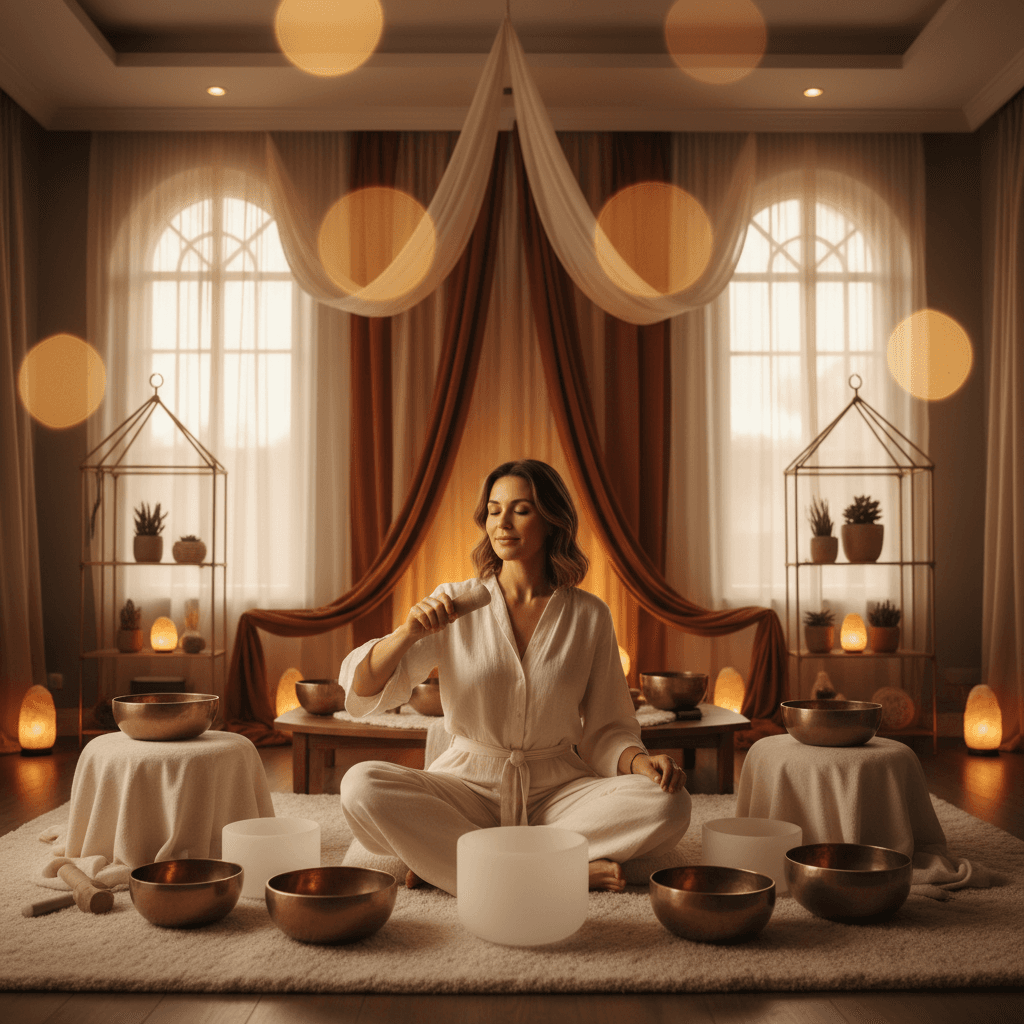
Soul Art utilizes a carefully curated array of instruments, each selected for its unique vibrational qualities and capacity to resonate with the human body. Tibetan singing bowls, known for their rich overtones and sustained vibrations, are central to many sessions, alongside resonant gongs, chimes, and other therapeutic instruments. These instruments are not merely played; they are orchestrated to create a symphony of frequencies that envelop participants, helping to downregulate the nervous system and promote a profound sense of peace. Larissa Steinbach ensures that each session is a bespoke journey, whether in intimate group settings or personalized one-on-one experiences. The focus remains on creating an environment where caregivers can safely release their burdens and reconnect with their inner strength, fostering a sustainable practice of self-compassion and replenishment.
Your Next Steps
Taking the first step towards self-care can feel daunting, especially when you are accustomed to prioritizing others. However, nurturing your own well-being is not selfish; it is essential for both your health and your capacity to continue caring effectively. Here are practical ways you can begin integrating sound into your self-care routine:
- Listen Actively: Start by simply being mindful of the sounds around you. Even everyday sounds can become a focal point for mindfulness, grounding you in the present moment. Pay attention to how different sounds make you feel.
- Explore Guided Sound Meditations: Numerous online resources offer guided sound meditations or sound baths that you can experience from the comfort of your home. These can be a gentle introduction to the practice, helping you discover the immediate calming effects.
- Prioritize Relaxation Time: Schedule dedicated, uninterrupted time for relaxation, even if it's just 15-20 minutes. Use this time to engage with calming music or ambient sounds, allowing your body and mind to truly decompress. Remember, studies show music therapy can significantly reduce caregiver burden and improve subjective quality of life.
- Integrate Rhythmic Breathing: Pair soft tones or relaxing music with slow, focused, rhythmic breathing. This combination can help regulate your nervous system and gradually foster a greater sense of safety and calm in your body.
- Consider a Professional Sound Wellness Session: For a deeper, more immersive experience, explore a session at a reputable studio like Soul Art. Under the guidance of experienced practitioners like Larissa Steinbach, you can experience the full spectrum of sound wellness, tailored to your specific needs.
In Summary
Caregiver burnout is a pervasive and debilitating challenge, quietly eroding the well-being of those who dedicate their lives to others. However, the emerging science of sound wellness offers a powerful, accessible, and non-invasive path to recovery and resilience. From activating calming brain waves and reducing heart rates to alleviating anxiety and supporting cognitive function, sound provides a unique mechanism for deep relaxation and emotional replenishment.
By engaging the body's natural response to vibration and frequency, practices like those offered by Larissa Steinbach at Soul Art create a vital sanctuary for caregivers. This approach fosters not only immediate stress reduction but also cultivates a sustainable practice of self-care, allowing individuals to reclaim their energy, enhance their mood, and ultimately, provide care from a place of renewed strength and serenity. Investing in your own well-being through sound is an investment in your capacity to thrive.
Bookings Coming Soon
Soul Art is still in preparation. Session details and booking will be published here after launch.
Coming Soon
Wellness Disclaimer: This article is for educational and informational purposes only. It does not constitute medical advice, diagnosis, or treatment. Soul Art Dubai provides non-medical wellness experiences focused on relaxation, stress management, and general wellbeing. Sound wellness is a complementary practice and should not replace professional medical care.