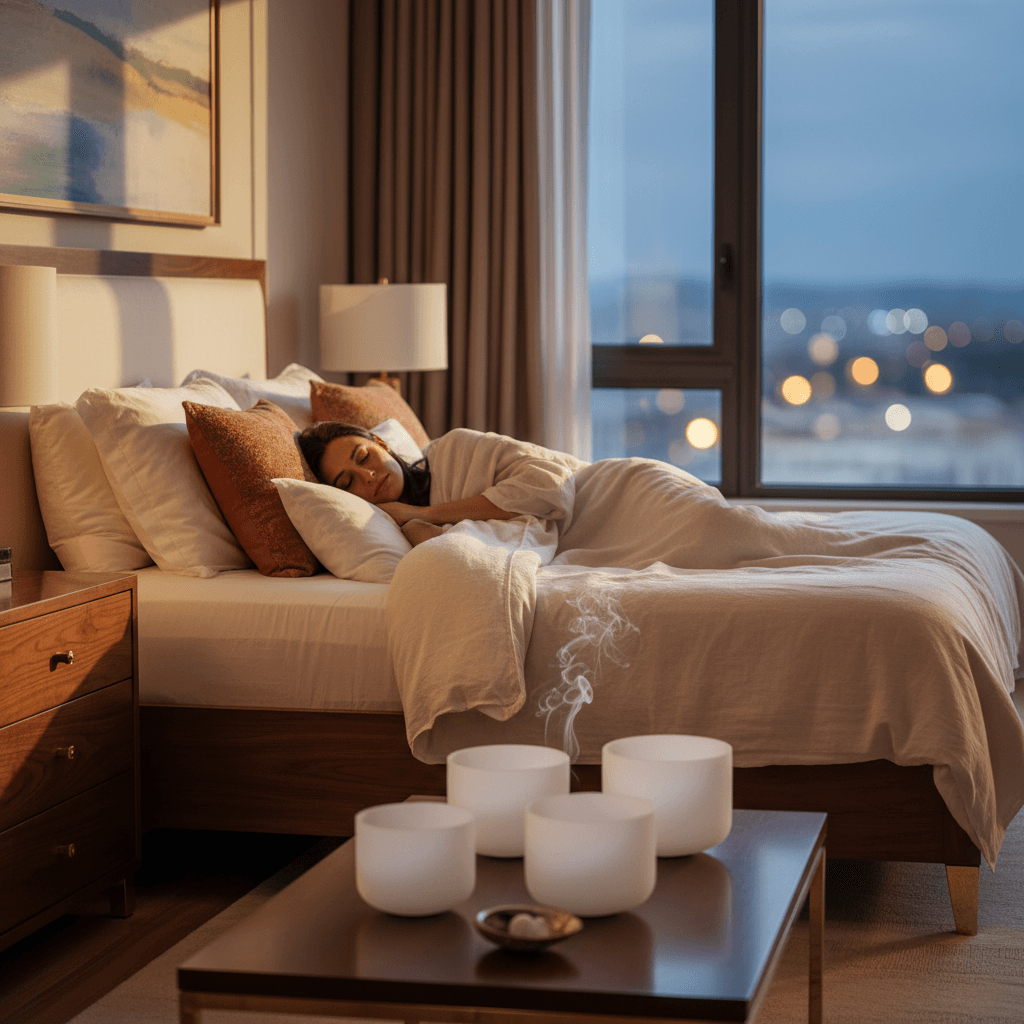
Bedroom Acoustics: Engineering Your Sanctuary for Deeper Sleep
Key Insights
Discover how optimizing bedroom acoustics transforms your space into a true sleep sanctuary, enhancing sleep quality and overall well-being with Soul Art Dubai.
Compelling Introduction
Did you know that the seemingly silent hum of your bedroom could be subtly sabotaging your sleep? While we often focus on mattress comfort and room temperature, the invisible architecture of sound – or lack thereof – plays a profound role in how deeply and restoratively we sleep. This is where the concept of a "sleep sanctuary" truly comes alive, moving beyond mere aesthetics to embrace a holistic approach to your nocturnal environment.
A sleep sanctuary is an intentional space designed to lower cognitive load and signal safety to your nervous system. When your bedroom feels architecturally grounded and visually harmonious, your brain receives the psychological “permission” it needs to fully detach from the day’s stressors. Experts, health studies, and sleep specialists consistently show that optimizing your bedroom environment, particularly its acoustics, can significantly improve sleep quality and overall well-being.
In this comprehensive guide, we will delve into the science of bedroom acoustics, revealing how sound, or its thoughtful attenuation, can engineer a state of mind conducive to profound rest. We will explore practical strategies informed by research, bridging the gap between scientific understanding and the luxurious comfort you deserve. Join us as Soul Art, led by Larissa Steinbach, illuminates the path to transforming your bedroom into an oasis of calm and restorative sleep.
The Science Explained: The Auditory Pathway to Deeper Rest
The impact of sound on our sleep is far more intricate than simply identifying loud noises. Our auditory system remains active even during sleep, constantly processing external stimuli and sending signals to the brain. This continuous vigilance, even at subconscious levels, can prevent us from achieving the deep, restorative sleep stages essential for physical and mental recovery.
Noise, Reverberation, and Sleep Microstructure
Research consistently highlights noise as a significant factor disturbing sleep. Beyond just sound volume, the acoustic properties of a room, including reverberation (the persistence of sound after its source has stopped), directly influence the quality of our sleep. A study published in PubMed investigated the effect of systematic sound attenuation on nocturnal sleep in healthy sleepers.
The findings were remarkable: participants sleeping in an acoustically isolated room experienced a significant increase in deep sleep, ranging from 16 to 34 minutes, compared to those sleeping at home or in a standard sleep lab. This acoustically optimized environment also led to fewer arousal events and an increase in rapid eye movement (REM) latency. While healthy sleepers might not subjectively report feeling more rested, the objective improvements in sleep microstructure, particularly the increase in deep sleep, are crucial for recovery. For individuals experiencing poor sleep, these benefits become even more pronounced.
The Nervous System's Response to Sound
Our nervous system is exquisitely tuned to detect threats, and unexpected or prolonged sounds can trigger a "fight or flight" response, even during sleep. When the brain perceives a sound, it releases stress hormones like cortisol, elevating heart rate and blood pressure. Even if these sounds don't fully wake us, they can pull us out of deeper sleep stages, leading to fragmented sleep.
Acoustic stimulation, when carefully controlled and optimized, has shown promise as a non-pharmacological intervention for sleep challenges. A systematic review and meta-analysis published in Frontiers in Neuroscience demonstrated that targeted acoustic stimulation could significantly improve insomnia severity, shorten sleep onset latency, and enhance overall sleep efficiency. It achieves this by regulating the autonomic nervous system, reducing sympathetic activity (the "fight" response), and fostering conditions favorable for sleep. Furthermore, it influences neurochemical pathways by decreasing cortisol levels and promoting melatonin secretion, directly supporting the body’s natural sleep cycle.
Restorative Design for Mental and Acoustic Harmony
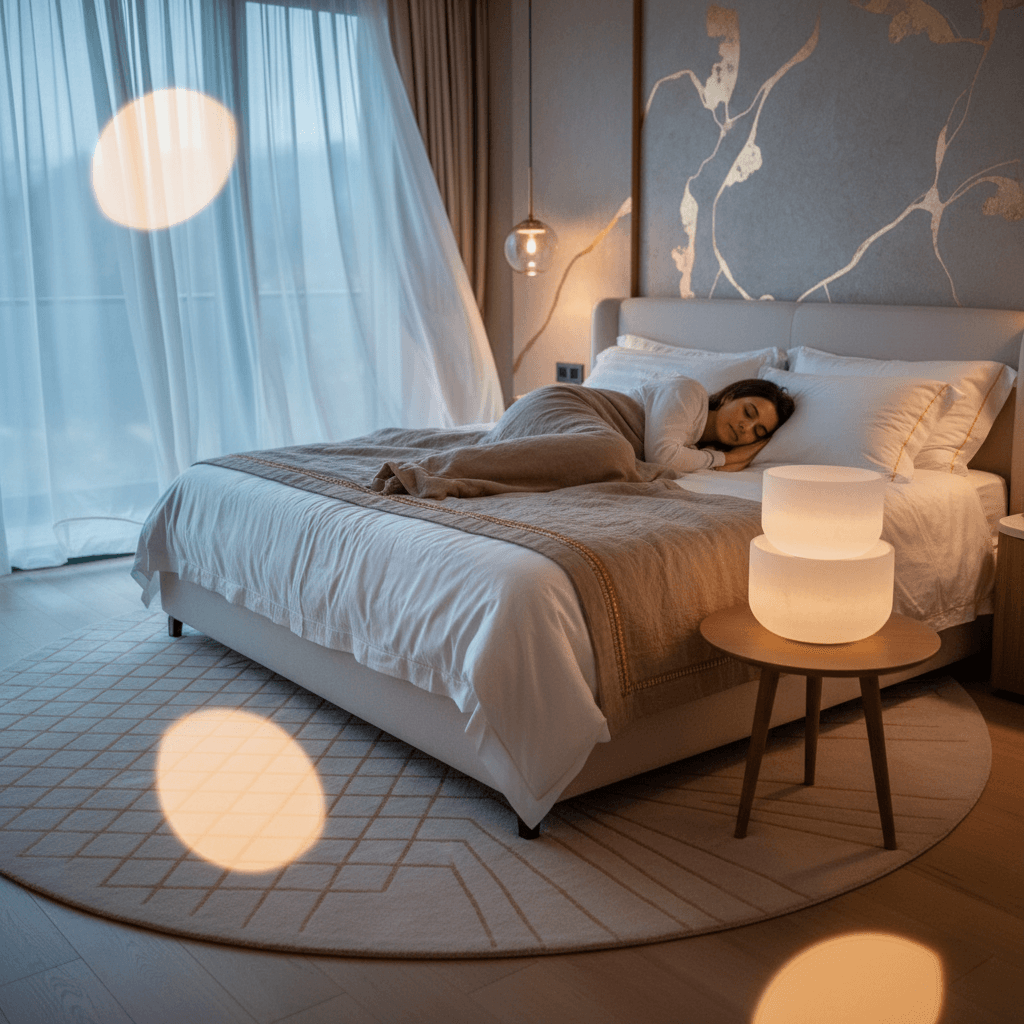
To transition a bedroom from a utilitarian sleeping area to a high-end sanctuary, restorative design principles are paramount. Aesthetic grounding, achieved through upholstered or solid wood bed frames, creates a focal point of stability. This visual anchor reduces cognitive load, allowing the mind to relax. Visual continuity, by choosing matching furniture pieces, further minimizes cognitive mapping, preventing the brain from expending energy on processing visual clutter.
Tactile luxury, incorporating soft, premium materials like thick rugs, heavy curtains, and plush bedding, serves a dual purpose. These materials not only invite touch and promote comfort but also absorb sound, reducing reverberation and creating a quieter acoustic environment. Minimalist proportions are equally important, as oversized or aggressive furniture can psychologically "crowd" the room, contributing to a sense of unease. Incorporating colors inspired by the natural world, such as muted greens and blues, can further promote tranquility and relaxation, completing the harmonious experience. Research confirms that better design methods can significantly improve quality of life and well-being, affecting both physical and mental health.
"A true sleep sanctuary is not merely decorated; it is engineered from the ground up to communicate safety and serenity to your deepest biological rhythms."
How It Works in Practice: Crafting Your Auditory Haven
Translating the science of bedroom acoustics into a tangible, deeply relaxing experience involves a multi-sensory approach. It's about consciously shaping the environment to support your body's natural inclination towards rest and rejuvenation. The goal is to create a space where external sounds are either minimized, absorbed, or transformed into a gentle, supportive hum.
Imagine stepping into a bedroom where the ambient sound feels muted, almost cushioned. The sharp edges of external noise are softened, allowing your mind to drift effortlessly. This is the practical outcome of effective acoustic design. When the room itself contributes to a feeling of calm, the psychological burden of daily stressors begins to lift even before you lie down.
One of the first practical steps involves addressing external noise sources. Soundproofing, often highlighted in home trends, is a significant component. This could mean investing in heavier curtains, which can absorb some external sounds and block light. Installing double-glazed windows is another effective measure, creating a barrier against street noise. For those seeking deeper attenuation, specialized sound-absorbing panels, similar to those used in recording studios or even hospitals, can be discreetly integrated into the room's design. Brigham & Women’s Hospital, for instance, significantly reduced noise complaints by 37% after installing sound-absorbing panels, demonstrating their efficacy even in demanding environments.
Within the room, controlling reverberation is key. Hard surfaces like bare walls, wooden floors, and glass reflect sound, making a room feel "loud" even when there's no active noise. Introducing soft furnishings is a simple yet effective strategy. Plush carpets or thick area rugs can dramatically absorb sound waves. Upholstered furniture, heavy drapes, and even wall tapestries or large pieces of art on canvas contribute to breaking up sound reflections. The goal is to create a textural landscape that actively dampens sound, making the space feel more intimate and quiet.
For some, particularly those living in unavoidably noisy environments, personal acoustic tools can be invaluable. High-quality earplugs, when comfortable, have been shown to reduce nocturnal awakenings and increase deep sleep. Noise-cancelling headphones offer an alternative, not only blocking unwanted sounds but also allowing for the introduction of calming sounds, such as specialized soundscapes or frequencies, that may support sleep. While the data on white noise is mixed, some individuals find a consistent, low-level background sound helps mask sudden disturbances and create a sonic "blanket" for sleep, helping them fall asleep more quickly. The key is to experiment and find what resonates most effectively with your individual physiology.
The Soul Art Approach: Harmonizing Frequencies for Tranquil Sleep
At Soul Art, Larissa Steinbach deeply understands that true wellness extends beyond the visible, reaching into the subtle realms of sound and vibration. Our methodology for fostering restorative sleep through bedroom acoustics is rooted in this understanding, blending scientific principles with a refined artistic sensibility. It’s not just about reducing noise; it's about curating an environment where every frequency contributes to your highest state of well-being.
Larissa Steinbach's approach to designing your sleep sanctuary emphasizes the creation of a deeply resonant space. This involves a careful assessment of a room's existing acoustic properties and then strategically introducing elements that harmonize with the body's natural sleep cycles. We consider the quality of the ambient soundscape as critically important as the visual aesthetics or comfort of the bed itself.
Our unique method at Soul Art often incorporates bespoke sound-absorbing solutions that are both functional and aesthetically pleasing. Imagine custom-designed acoustic panels disguised as elegant wall art, or luxurious, sound-dampening textiles woven into the room's decor. These elements are chosen not just for their ability to reduce reverberation and absorb noise, but also for their visual and tactile contribution to the "quiet luxury" ethos we champion. We believe that integrating form and function elevates the entire sleep experience, signaling deep care and intention to the nervous system.
Beyond passive acoustic treatments, Soul Art introduces active sound wellness techniques. Larissa Steinbach utilizes a curated selection of instruments and technologies designed to produce specific frequencies known to induce relaxation and encourage brainwave states conducive to sleep. This might include:
- Custom-Designed Soundscapes: Utilizing low-frequency sound waves or binaural beats, delivered through discreet in-room systems, to guide the brain into delta or theta wave states, promoting deep sleep and mental tranquility.
- Vibrational Elements: Incorporating subtle vibrational devices into bedroom furniture or dedicated relaxation zones, offering a gentle, full-body auditory and tactile experience that eases tension.
- Natural Acoustic Resonance: Guiding clients on selecting natural materials and furniture arrangements that inherently create a more balanced and calming acoustic profile within their space.
Larissa Steinbach's expertise ensures that these applications are tailored to individual needs, recognizing that each person's nervous system responds uniquely to sound. The Soul Art method is about creating a personalized frequency blueprint for your sleep sanctuary, ensuring that your bedroom doesn't just look luxurious, but feels profoundly restorative. It’s a complementary approach that supports the body's innate capacity for self-healing and deep rest, cultivating a holistic wellness practice.
Your Next Steps: Building Your Sonic Sleep Haven
Transforming your bedroom into an acoustically optimized sleep sanctuary is an empowering journey that yields profound benefits for your health and well-being. Even small, incremental changes can make a significant difference in how you experience rest each night. Consider these actionable steps to begin curating your ideal sonic environment.
Here are a few practical ways to begin enhancing your bedroom's acoustics today:
- Introduce Soft Furnishings: Lay down a thick rug or carpet to cover bare floors. Hang heavy curtains or drapes over windows, which not only block light but also absorb sound. Consider upholstered furniture instead of hard surfaces.
- Strategic Furniture Placement: Arrange furniture to break up sound waves. A large bookcase filled with books, for instance, can act as a natural sound diffuser and absorber. Avoid leaving large, empty wall spaces which can contribute to echo.
- Seal Gaps and Cracks: Inspect doors and windows for gaps where noise can seep in. Use weatherstripping or door sweeps to create a tighter seal, blocking external disturbances more effectively.
- Incorporate White or Pink Noise (Experimentally): If external noises are unavoidable, try a white noise machine or app to create a consistent, low-level background sound. For some, this can mask sudden disturbances and create a more uniform sonic environment, though individual preference varies.
- Explore Sound Wellness: Consider booking an introductory session at Soul Art. Experience firsthand how expertly curated soundscapes and vibrational therapies, guided by Larissa Steinbach, can profoundly impact your state of relaxation and prepare your body for truly deep sleep.
By taking these steps, you are actively engineering a space that supports your nervous system in its journey to deep, restorative sleep. It's an investment in your daily energy, mood, and long-term health, offering a quiet luxury that truly nourishes the soul.
In Summary
The architecture of your sleep sanctuary extends far beyond visual appeal; it encompasses the invisible yet powerful realm of sound. Optimizing bedroom acoustics, through thoughtful design and strategic interventions, is a scientifically backed pathway to enhancing sleep quality and overall well-being. By reducing noise and reverberation, we can significantly increase deep sleep, minimize arousals, and signal profound safety to our nervous system.
At Soul Art, Larissa Steinbach integrates these principles to create truly restorative environments. Through bespoke acoustic solutions and curated sound wellness experiences, we transform bedrooms into havens where every frequency fosters tranquility and supports the body's natural inclination towards deep rest. Embrace the quiet luxury of an acoustically balanced space and discover the profound difference it makes to your nightly rejuvenation. We invite you to explore the Soul Art approach and unlock the full potential of your sleep.
Bookings Coming Soon
Soul Art is still in preparation. Session details and booking will be published here after launch.
Coming Soon
Wellness Disclaimer: This article is for educational and informational purposes only. It does not constitute medical advice, diagnosis, or treatment. Soul Art Dubai provides non-medical wellness experiences focused on relaxation, stress management, and general wellbeing. Sound wellness is a complementary practice and should not replace professional medical care.
Related Articles
Fan Noise and Sleep: Unmasking the Science Behind White Noise Machines for Deeper Rest
Polyphasic Sleep & Sound Healing: Navigating Restorative Rhythms
REM Rebound: Mastering the Art of Recovering Lost Dream Sleep