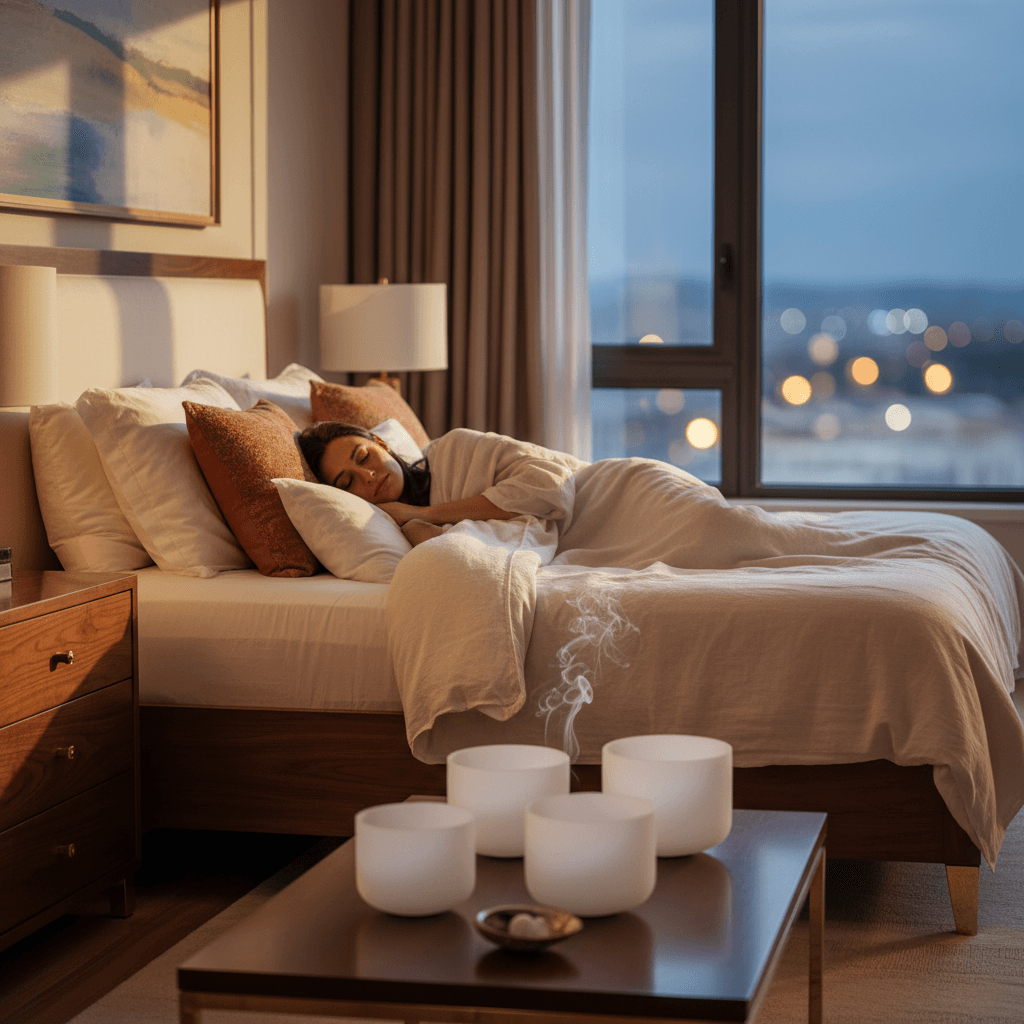
Athlete Recovery: Sound-Enhanced Sleep for Peak Performance in Dubai
Key Insights
Unlock superior athletic recovery and performance through sound-enhanced sleep. Soul Art Dubai, founded by Larissa Steinbach, offers a unique path to deeper rest.
Imagine pushing your body to its absolute limits, only to find your recovery lagging, your reaction times slowing, and your mental edge dulling. For athletes, whether elite or dedicated enthusiasts, the pursuit of peak performance is relentless, often focusing on training intensity and nutritional precision. Yet, one foundational pillar, sleep, remains frequently undervalued, despite its profound impact on physical and cognitive prowess. Some studies even suggest that insufficient sleep can negate the benefits of rigorous training, turning potential gains into accumulated fatigue.
In the high-stakes world of sports, where milliseconds and precise movements dictate success, optimising every aspect of recovery is paramount. This article delves into the critical role of sound-enhanced sleep as a sophisticated, complementary wellness practice for athletes. We will explore the scientific underpinnings of why deep, restorative sleep is non-negotiable for recovery and adaptation, and how targeted sound wellness techniques, such as those offered by Soul Art in Dubai under the guidance of Larissa Steinbach, may support athletes in achieving truly superior rest and, consequently, unparalleled performance. Discover how embracing sound can transform your nightly recovery into your most powerful competitive advantage.
The Science Explained: Sleep, Performance, and Hormonal Harmony
Sleep is far more than mere inactivity; it is an active, complex physiological process critical for virtually every bodily function, especially for the athlete. During sleep, the body undergoes essential repair, regeneration, and consolidation processes that directly influence physical output, cognitive function, and emotional resilience. Athletes, due to their intense training loads, require even more sleep than the average individual to facilitate these crucial recovery mechanisms.
Research indicates that standard sleep guidelines of seven to nine hours nightly are often insufficient for elite athletes, with recommendations extending to at least nine hours, and sometimes even ten hours, for optimal recovery and performance. This extended sleep duration is not a luxury, but a necessity that allows the body to fully process the stress of training and prepare for future demands. Without adequate sleep, the very foundations of athletic adaptation can be compromised, leading to increased injury risk and diminished gains.
Hormonal Orchestration and Muscle Repair
One of the most significant impacts of sleep on athletes is its influence on hormonal regulation. Deep sleep is a primary window for the release of Growth Hormone (GH), a powerful anabolic hormone essential for muscle repair, growth, and tissue regeneration. It plays a vital role in protein synthesis, enabling muscles to rebuild stronger after the micro-traumas of intense exercise. A robust GH response during sleep is critical for an athlete's physical adaptation and recovery.
Conversely, sleep deprivation has been associated with an increase in cortisol, often referred to as the "stress hormone." Elevated cortisol levels can promote a catabolic state, meaning the body begins to break down muscle tissue rather than building it up. This hormonal imbalance not only hinders muscle protein synthesis but also contributes to inflammation, slowing down recovery and increasing susceptibility to injury. Maintaining a healthy balance between anabolic and catabolic hormones is fundamental for an athlete's long-term health and performance.
Cognitive Acuity and Skill Acquisition
Beyond physical recovery, sleep profoundly affects cognitive function, including reaction time, decision-making, and motor skill learning. For athletes, these mental faculties are just as crucial as physical strength and endurance. A Stanford study involving men's basketball players who extended their sleep to 10 hours a night observed significant improvements in various performance metrics. These athletes ran faster, and their shooting accuracy for both free throws and three-point shots improved by at least 9%.
Further research reinforces these findings, demonstrating that sleep extension can enhance serving accuracy in tennis players and improve overall physical and cognitive performance, with notable benefits in reaction time and fatigue resistance. When sleep is insufficient, athletes may experience impaired technical gestures, slower processing speeds, and a reduced ability to learn and consolidate new skills. This can be particularly detrimental in sports requiring precision and rapid, complex movements.
The Role of Sound in Sleep Architecture
Sound wellness practices, like those integrating specific frequencies and vibrations, may support the body in transitioning into deeper, more restorative sleep cycles. Our brainwaves naturally shift through different states throughout the sleep process, moving from beta (waking) to alpha (relaxed), theta (light sleep), and ultimately delta (deep sleep). Sound, particularly rhythmic and resonant tones, has been associated with guiding the brain towards these slower alpha and theta brainwave states, which are precursors to profound delta sleep.
By providing a consistent, non-intrusive auditory environment, sound can help to quiet the sympathetic nervous system, responsible for the "fight or flight" response. Instead, it may encourage the activation of the parasympathetic nervous system, which governs "rest and digest" functions. This physiological shift creates an optimal internal environment for the body to relax deeply, reduce stress, and enter the regenerative phases of sleep more readily. The careful application of sound frequencies can therefore become a powerful tool in an athlete's recovery toolkit.
How It Works in Practice: The Somatic Experience of Sound
Stepping into a sound wellness session for athlete recovery is an immersive experience designed to gently guide the body and mind into profound relaxation. It's a journey where the external world fades, allowing your internal systems to re-calibrate and restore. The practice acknowledges that the rigors of athletic training extend beyond physical exertion, often impacting mental clarity, emotional balance, and sleep quality.
Clients typically recline comfortably in a serene environment, often enveloped by soft lighting and a calming ambiance. The session commences with carefully selected sound frequencies introduced through various instruments. These are not merely sounds; they are carefully chosen vibrations that interact with the body's energy fields and auditory system. The goal is to create a resonant field that encourages the brain to slow its activity and shift into deeper, more restorative states.
"For the dedicated athlete, recovery is not just a downtime; it's an active process of rebuilding and refining. Sound wellness provides a sophisticated avenue for this, transforming passive rest into purposeful regeneration."
As the frequencies wash over you, many people report a palpable sense of release. Tense muscles, which may hold residual stress from intense workouts, often begin to soften. The constant chatter of the mind, often buzzing with training schedules, performance analyses, or daily stresses, starts to quiet. This mental deceleration is crucial for athletes, who often struggle to "switch off" after high-intensity activities or before competitions.
The experience is deeply sensory. You might feel subtle vibrations resonating through your body, particularly if instruments like singing bowls are placed directly on or near you. The auditory input is not overwhelming but rather a gentle, persistent stream of harmonious tones that creates a sonic sanctuary. This sustained sensory input helps bypass the analytical mind, allowing the body's innate wisdom to take over and initiate the processes of deep relaxation and self-repair. The aim is to make the transition into sleep not just easier, but also qualitatively deeper, ensuring that the hours spent sleeping translate into optimal physical and mental restoration.
The Soul Art Approach: Larissa Steinbach's Vision for Athletic Vitality
At Soul Art in Dubai, Larissa Steinbach has meticulously crafted a unique approach to sound wellness, specifically addressing the multifaceted needs of modern athletes. Recognising that each athlete’s journey, sport, and stress profile are distinct, the Soul Art method is rooted in personalised care and a deep understanding of human physiology. It's an integration of ancient wisdom with contemporary scientific insights into recovery and performance.
Larissa's philosophy at Soul Art is that optimal recovery is not just about physical rest, but about harmonising the entire being – mind, body, and spirit. For athletes, this means addressing not only muscle fatigue but also mental anxiety, nervous system overstimulation, and the subtle energetic imbalances that can impede truly restorative sleep. Her sessions are designed to be a profound reset, specifically targeting the systems that govern sleep and recovery.
The studio features a curated collection of world-class instruments, each chosen for its specific frequency and resonant qualities. Guests experience the deeply immersive tones of Tibetan singing bowls, known for their grounding vibrations, alongside the expansive, complex overtones of large gongs. Crystal singing bowls contribute pure, sustained frequencies, while chimes and other percussive instruments add layers of texture, creating a rich tapestry of sound designed to entrain brainwaves into states conducive to deep rest.
What makes the Soul Art method unique is Larissa Steinbach's intuitive guidance and scientific understanding. She doesn't just play instruments; she orchestrates a therapeutic sound journey. Her sessions aim to gently guide the athlete’s nervous system from a state of heightened arousal, common after intense training or competition, into a deeply relaxed, parasympathetic state. This shift is critical for facilitating the release of growth hormones, reducing cortisol, and promoting the cellular repair that primarily occurs during deep sleep cycles. The intention is to create an optimal inner environment, allowing the athlete's own body to engage its profound capacity for healing and regeneration, translating directly into enhanced recovery and improved athletic vitality.
Your Next Steps: Integrating Sound for Superior Sleep
Optimising sleep for athletic performance is an ongoing commitment, and integrating sound wellness can be a powerful addition to your recovery strategy. Here are some actionable steps you can take today to harness the benefits of sound-enhanced sleep:
- Establish a Consistent Sleep Schedule: Aim to go to bed and wake up at the same time each day, even on weekends. This helps regulate your body’s natural circadian rhythm, making it easier to fall asleep and wake up feeling refreshed. For athletes, remember the goal is often closer to nine hours or more.
- Create a Pre-Sleep Ritual: Wind down for at least 30-60 minutes before bed. This could include dimming the lights, avoiding screens, reading a book, or taking a warm bath. Incorporate calming sounds, like gentle ambient music or specific sleep meditations, to signal to your body that it's time to rest.
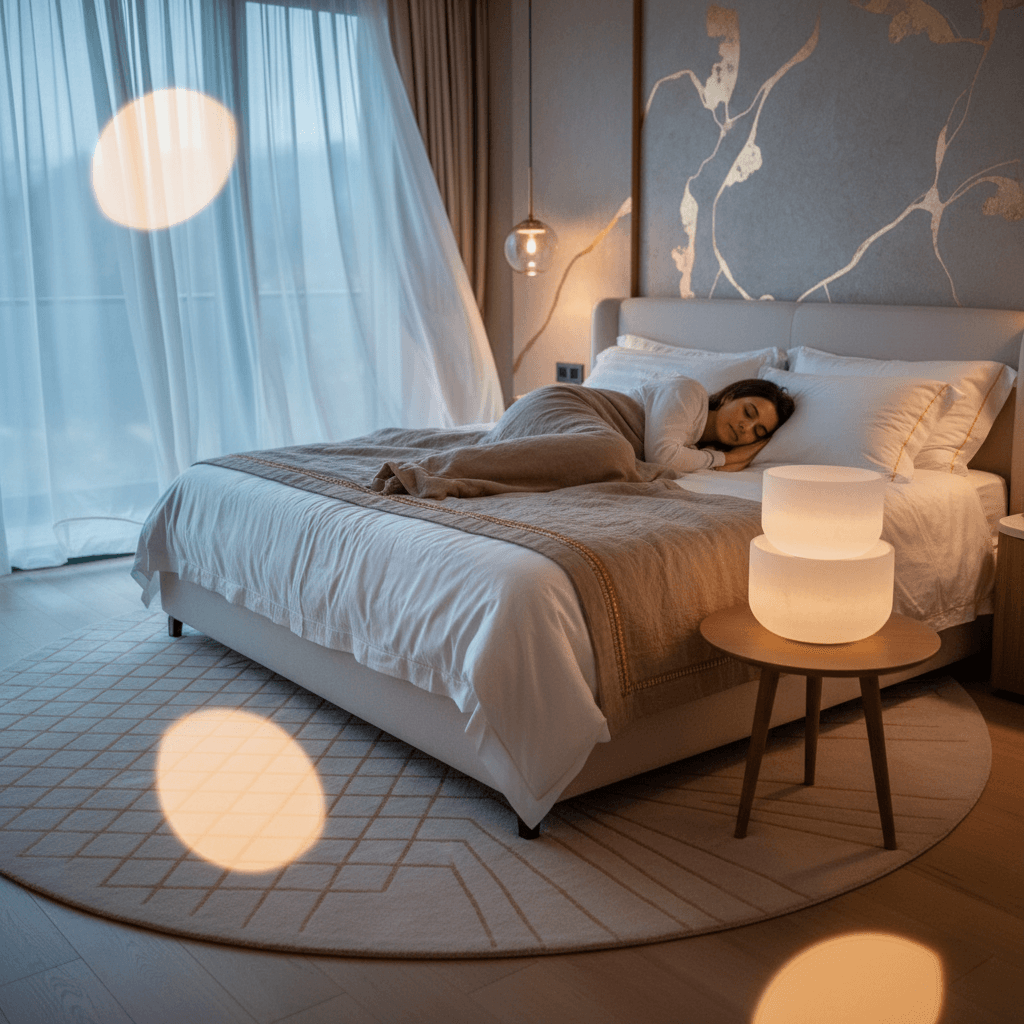
- Optimise Your Sleep Environment: Ensure your bedroom is dark, quiet, and cool. Consider blackout curtains, earplugs, or a white noise machine if external disturbances are an issue. A comfortable mattress and pillows are also essential for physical recovery.
- Explore Sound Wellness Sessions: Discover the profound benefits of professionally guided sound experiences. Sessions at Soul Art offer a unique opportunity to immerse yourself in frequencies specifically designed to promote deep relaxation and restorative sleep, providing a potent reset for your entire system. This complementary approach may significantly enhance your natural sleep capabilities.
- Mindful Movement and Hydration: Engage in regular, but not overly strenuous, physical activity throughout the day, and ensure adequate hydration. Both play crucial roles in overall bodily function and can indirectly support better sleep quality. However, avoid intense workouts too close to bedtime.
By consciously incorporating these practices, especially the unique potential of sound, you are investing in your holistic well-being and, crucially, in your sustained athletic performance. Ready to transform your recovery?
Bookings Coming Soon
Soul Art is still in preparation. Session details and booking will be published here after launch.
Coming Soon
In Summary: The Unseen Edge of Sound-Enhanced Sleep
For athletes striving for excellence, sleep is undeniably the most potent, yet often overlooked, recovery tool. It is the crucial period when the body repairs, hormones balance, and the mind consolidates skills, directly impacting physical output and cognitive edge. Insufficient sleep can derail training gains and increase injury risk, while extended, high-quality sleep has been strongly associated with improvements in speed, accuracy, and overall resilience.
Sound wellness, through practices like those at Soul Art led by Larissa Steinbach, offers a sophisticated and complementary pathway to achieving this deeper, more restorative sleep. By gently guiding the nervous system into states conducive to healing, sound may support profound relaxation, hormone regulation, and accelerated recovery. Embracing sound-enhanced sleep is not just about resting; it's about strategically optimising your body’s natural regenerative capabilities, giving you an unseen, yet powerful, advantage in your pursuit of peak performance. Elevate your recovery, elevate your game, with Soul Art.
Wellness Disclaimer: This article is for educational and informational purposes only. It does not constitute medical advice, diagnosis, or treatment. Soul Art Dubai provides non-medical wellness experiences focused on relaxation, stress management, and general wellbeing. Sound wellness is a complementary practice and should not replace professional medical care.
Related Articles
Fan Noise and Sleep: Unmasking the Science Behind White Noise Machines for Deeper Rest
Polyphasic Sleep & Sound Healing: Navigating Restorative Rhythms
REM Rebound: Mastering the Art of Recovering Lost Dream Sleep