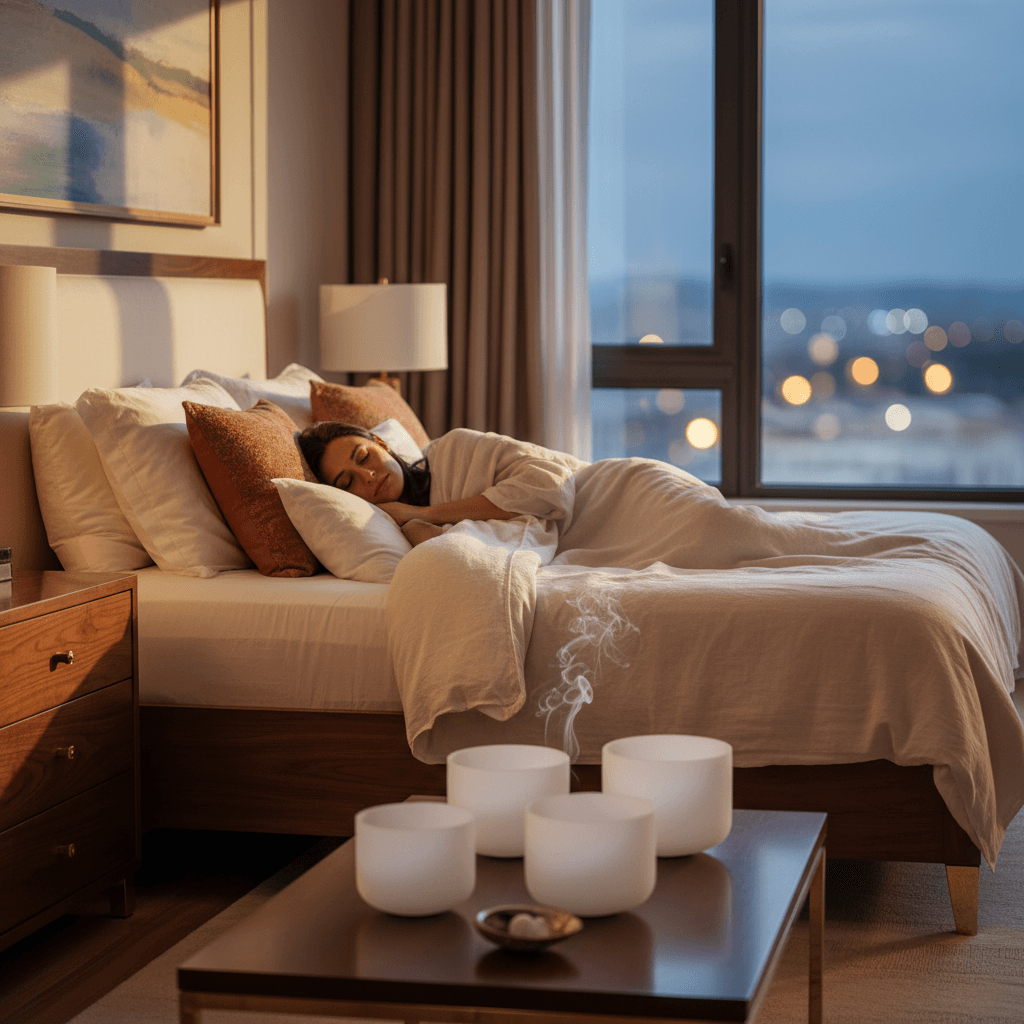
Calm Your Racing Mind: Soul Art's Path to Soothing Anxiety-Driven Insomnia
Key Insights
Explore the science behind anxiety-driven insomnia and how Soul Art, founded by Larissa Steinbach, offers sound wellness to calm racing minds.
Calming the Racing Mind: A Holistic Path to Soothing Anxiety-Driven Insomnia
Have you ever found yourself lying awake at 2 AM, mind buzzing with an endless loop of thoughts, despite feeling utterly exhausted? You're not alone. This pervasive experience, often described as a "racing mind," is a hallmark of anxiety-driven insomnia, affecting millions globally. It’s a frustrating cycle where the very act of trying to sleep becomes a source of anxiety, making restful slumber an elusive dream.
Understanding this intricate connection between a restless mind and sleep deprivation is the first step toward reclaiming your nights. This article delves into the fascinating science behind why our brains refuse to quiet down when we need them to most. We will explore practical, evidence-based strategies to soothe an overactive mind and introduce the unique, deeply calming approach offered by Soul Art, Dubai's premier sound wellness studio, founded by Larissa Steinbach.
Embark on a journey with us to uncover how profound relaxation and specific sound frequencies may support your mind's natural transition into peaceful sleep, profoundly impacting your overall wellbeing.
The Science Explained: Unpacking Anxiety's Grip on Sleep
The intimate dance between anxiety and insomnia is a complex biological and behavioral loop. When anxiety shows up at night, it’s often because the normal daytime distractions have faded, allowing the brain to shift from outward attention to inward processing. This internal focus, combined with physiological arousal, such as a fast heart rate, muscle tension, and shallow breathing, doesn't always switch off with the lights, making falling asleep harder and fragmenting sleep when it does arrive.
The Brain's Nocturnal Overdrive: Racing Thoughts vs. Rumination
While many people use terms like 'worry,' 'rumination,' and 'racing thoughts' interchangeably, scientific inquiry reveals important distinctions. Rumination often involves repetitive, negative thinking about past events, while worry typically centers on potential future threats. Racing thoughts, however, are characterized by a rapid, often uncontrollable succession of thoughts, ideas, or images that can jump from one topic to another without clear connection, as if the brain's processing speed has been dramatically accelerated.
Recent research, including a study published in Clinical Neurophysiology, has highlighted the specific role of racing thoughts in insomnia. This study, "Investigating racing thoughts in insomnia: A neglected piece of the puzzle," found that racing thoughts at bedtime, more so than rumination or worry, were significantly associated with insomnia severity, particularly in individuals with sleep-onset insomnia. The study concluded that racing thoughts might be a transdiagnostic symptom in mood and sleep disorders, contributing to the maintenance of sleep difficulties. They noted a specific increase in racing thoughts during the evening and at bedtime for those with sleep-onset insomnia.
Biological Pathways: Hyperarousal and Stress Hormones
Biologically, anxiety and insomnia share common pathways. The state of hyperarousal – an exaggerated response to perceived threats – is central to both. When you're anxious, your sympathetic nervous system, responsible for your "fight or flight" response, remains activated. This prolonged activation floods your system with stress hormones like cortisol and adrenaline, which are designed to keep you alert and ready for danger, making sleep incredibly difficult.
Moreover, these chronic elevations in stress hormones can disrupt the brain networks that regulate sleep, including the hypothalamic-pituitary-adrenal (HPA) axis, a key player in stress response. This disruption can lead to an imbalance in neurotransmitters critical for sleep, such as GABA (gamma-aminobutyric acid), which promotes relaxation, and serotonin, a precursor to the sleep hormone melatonin. The result is a biological environment that actively resists sleep.
The Vicious Loop: How Behavior Worsens the Cycle
Behaviorally, anxiety and the resulting sleep difficulties often encourage habits that further reduce sleep opportunity and worsen the problem. These can include:
- Late caffeine consumption: Trying to compensate for daytime fatigue.
- Doom-scrolling: Engaging with stimulating or distressing content on screens before bed.
- Irregular bedtimes: Disrupting the body's natural circadian rhythm.
- Avoiding sleep-related activities: Developing a negative association with bedtime, leading to avoidance.
These habits then exacerbate daytime mood and anxiety, creating a classic vicious loop. The fear of not sleeping becomes a self-fulfilling prophecy, strengthening the anxiety-insomnia connection. Recognizing and addressing these patterns is crucial for breaking free from this cycle.
How It Works in Practice: Shifting from Alert to Serene
Connecting theory to real-world application, the goal is to gently guide the brain and body away from the state of hyperarousal towards one of deep relaxation. This shift involves both cognitive and physiological recalibration. When clients experience the profound effects of sound wellness, they often describe a tangible "unclutching" of the mind and body.
Imagine the sensation of a thousand tiny vibrations gently coaxing your tense muscles to release, one by one. The shallow, rapid breaths often associated with anxiety begin to deepen and slow, becoming more rhythmic and expansive. The ceaseless chatter of racing thoughts, which previously felt like a cacophony, starts to dissipate, much like clouds dissolving in a clear sky. This isn't about forcefully emptying the mind, which can often intensify resistance. Instead, it's about providing a gentle, yet compelling, anchor for attention, drawing it away from internal dialogue.
Clients often report a significant reduction in the intensity and frequency of their intrusive thoughts during and after a session. The mind, instead of actively doing, begins to passively receive. This subtle yet powerful transition is where real change begins. The deep resonance and harmonious frequencies experienced in sound wellness may help to entrain brainwaves, guiding them from a heightened beta state (alertness, active thinking) to more relaxed alpha or even theta states (associated with deep relaxation, meditation, and pre-sleep). This physiological shift, combined with the calming sensory input, creates an environment where the body's natural sleep mechanisms can re-engage.
The experience is often described as a journey inward, where external sounds become a conduit for internal peace. The subtle interplay of tones and vibrations can create a feeling of spaciousness, allowing the mind to detach from its habitual patterns of worry and overthinking. This deep relaxation response can persist beyond the session, offering a sustained sense of calm that may extend into bedtime, making the transition to sleep smoother and more inviting.
The Soul Art Approach: Harmonizing Mind and Body with Sound
At Soul Art, Larissa Steinbach has meticulously crafted a unique approach that integrates scientific understanding with ancient wisdom to address anxiety-driven insomnia. The Soul Art method is built on the principle that the human body and mind are profoundly responsive to vibration and frequency. By immersing clients in a carefully curated soundscape, the aim is to gently guide the nervous system into a state of deep calm and receptivity, conducive to restful sleep.
Larissa Steinbach's expertise lies in her intuitive understanding of how different frequencies interact with our physiological and psychological states. She curates each session with a symphony of specific instruments, each chosen for its unique vibrational quality and potential to elicit a relaxation response. These instruments include:
- Himalayan Singing Bowls: Known for their rich, resonant overtones and sustained vibrations that may penetrate deep into the body's tissues, potentially releasing tension and promoting a sense of inner stillness.
- Crystal Singing Bowls: Produced from pure quartz, these bowls emit pure, clear tones that may create a profound sense of peace and mental clarity, often associated with promoting alpha and theta brainwave states.
- Gongs: The powerful, complex harmonics of gongs can create an immersive sonic experience, often described as a "sound bath," which may facilitate a release of emotional blockages and a deep sense of surrender.
- Chimes and other overtone-rich instruments: These are used to create delicate, shimmering textures that layer over the foundational sounds, further enriching the sonic tapestry and potentially enhancing the meditative experience.
What makes the Soul Art method truly unique is not just the instruments, but Larissa's artistry in weaving them together. She orchestrates a carefully modulated journey through sound, allowing the frequencies to wash over the body and mind, bypassing the analytical mind and engaging the parasympathetic nervous system – the body’s "rest and digest" system. This holistic approach focuses on restoring balance, not just alleviating symptoms. Many people report that these sessions offer a sanctuary where the racing thoughts finally subside, replaced by a profound sense of presence and tranquility. It’s a complementary approach designed to support your body's innate capacity for self-regulation and peace.
"In the quietude of sound, we find the answers our racing minds have been searching for, not in words, but in the deep resonance of calm."
The goal is to provide an immersive experience where the client can simply lie back, listen, and allow the therapeutic frequencies to do their work. This fosters a state of effortless relaxation, creating a positive association with evening rituals and the pursuit of sleep.
Your Next Steps: Cultivating a Quieter Mind Tonight
While Soul Art offers a profound path to deep relaxation, there are actionable steps you can begin implementing tonight to support a calmer mind and more restful sleep. These practices, when consistently applied, may significantly reduce the impact of anxiety-driven insomnia. Remember, consistency is key, and these are complementary approaches to your overall wellness strategy.
Here are 3-5 practical, evidence-based strategies you can try for a quieter mind:
- Establish a Consistent Wind-Down Routine: Signal to your body that bedtime is approaching by engaging in relaxing activities for at least 60-90 minutes before sleep. This could include reading a physical book, taking a warm bath, or listening to calming music. Avoid screens (phones, tablets, TVs) during this time, as the blue light emitted can disrupt melatonin production.
- Practice Mindful Breathing Techniques: When racing thoughts arise, shift your focus to your breath. Simple techniques like 4-7-8 breathing (inhale for 4 counts, hold for 7, exhale for 8) or diaphragmatic breathing can activate the parasympathetic nervous system, slowing your heart rate and calming your mind. This helps to ground your attention away from intrusive thoughts.
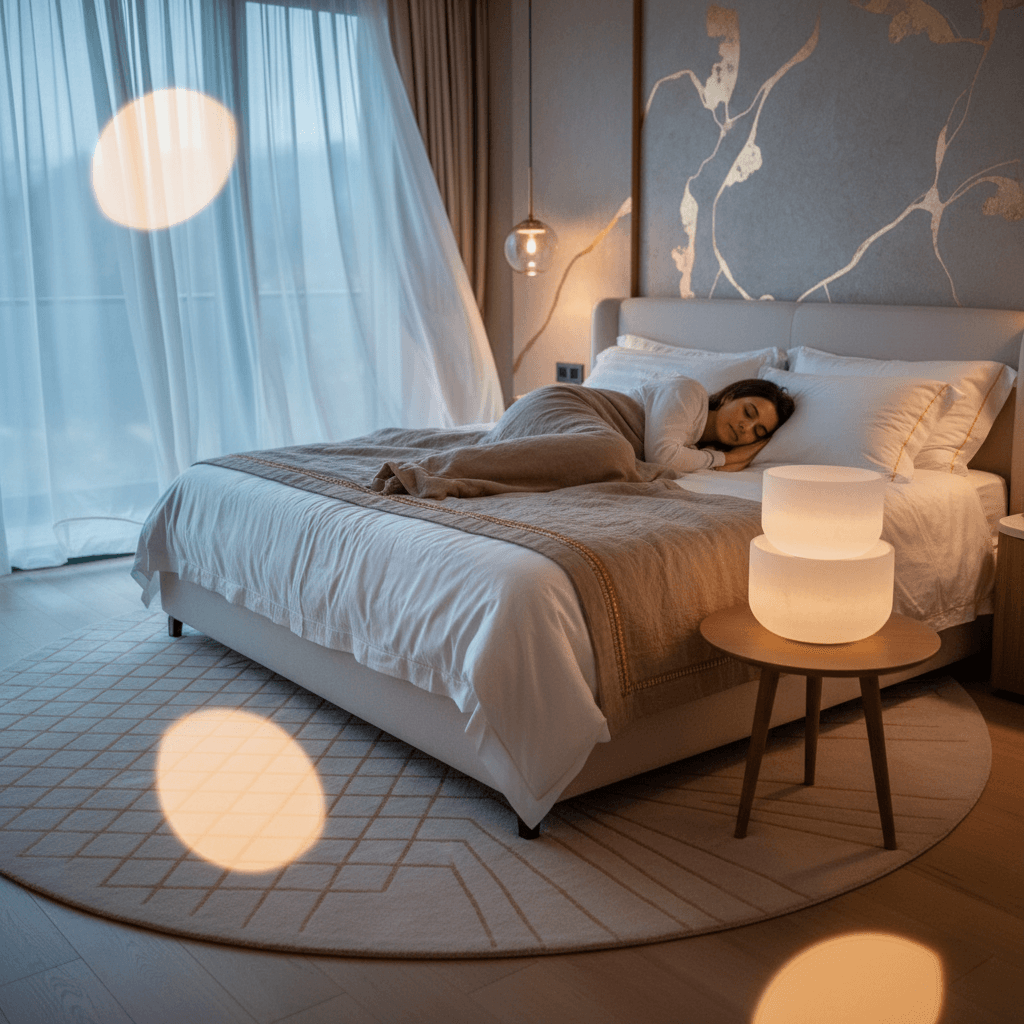
- Create a Conducive Sleep Environment: Ensure your bedroom is a sanctuary for sleep. Keep it dark, quiet, and cool. Blackout curtains, earplugs, or a white noise machine can be helpful. A comfortable mattress and pillows also play a crucial role in promoting uninterrupted rest.
- Journal Your Worries (Away from Bed): If your mind races with thoughts about tomorrow's to-do list or unresolved issues, try a "brain dump" earlier in the evening. Write down everything that's bothering you or that you need to remember. This externalizes the thoughts, allowing your mind to potentially let go of them when it's time to sleep.
- Incorporate Gentle Movement Daily: Regular, moderate physical activity can significantly improve sleep quality and reduce anxiety. Aim for at least 30 minutes most days, but be mindful of timing – intense exercise too close to bedtime can be stimulating. Gentle stretching or yoga in the evening can be a wonderful way to release physical tension.
By integrating these practices into your daily and nightly rituals, you are actively cultivating an environment for a more peaceful mind and body. For an even deeper journey into calm and to explore how specific sound frequencies may support your wellbeing, consider experiencing the unique offerings at Soul Art.
In Summary: Reclaiming Your Nights with Soul Art
Anxiety-driven insomnia, characterized by a relentlessly racing mind at bedtime, is a common and distressing challenge rooted in the complex interplay of physiological hyperarousal, stress hormones, and behavioral patterns. Scientific research highlights that racing thoughts, distinct from worry or rumination, play a significant role in perpetuating sleep difficulties. Addressing this requires a holistic approach that calms both the mind and the body.
The journey to restful sleep begins with understanding these mechanisms and implementing practical, evidence-based strategies to soothe the nervous system. At Soul Art, Larissa Steinbach offers a unique and deeply immersive sound wellness experience, utilizing instruments like Himalayan and crystal singing bowls, and gongs. These meticulously crafted soundscapes aim to gently guide your brain into states of profound relaxation, potentially reducing racing thoughts and fostering an environment conducive to natural sleep. Reclaim your nights and discover the transformative power of sound with Soul Art.
Bookings Coming Soon
Soul Art is still in preparation. Session details and booking will be published here after launch.
Coming Soon
Wellness Disclaimer: This article is for educational and informational purposes only. It does not constitute medical advice, diagnosis, or treatment. Soul Art Dubai provides non-medical wellness experiences focused on relaxation, stress management, and general wellbeing. Sound wellness is a complementary practice and should not replace professional medical care.
Related Articles
Fan Noise and Sleep: Unmasking the Science Behind White Noise Machines for Deeper Rest
Polyphasic Sleep & Sound Healing: Navigating Restorative Rhythms
REM Rebound: Mastering the Art of Recovering Lost Dream Sleep