Anticipatory Anxiety: Quieting the What-If Mind for Inner Peace
Key Insights
Explore the neuroscience of anticipatory anxiety and discover science-backed strategies, including Soul Art's unique approach with Larissa Steinbach, to find calm.
Compelling Introduction
Imagine your brain reacting to a threat that hasn't even happened yet, generating the same physiological responses as if the danger were real. This is the essence of anticipatory anxiety, a pervasive mental state where our "what-if" thoughts take center stage, often leaving us feeling overwhelmed and exhausted. It's a natural, adaptive function designed to help us prepare, yet its unregulated form can profoundly diminish our quality of life.
This deep dive will unravel the complex neuroscience behind anticipatory anxiety, revealing how our brains process potential future threats. We will explore scientifically-grounded strategies that may support a calmer mind, from sleep hygiene to cognitive reappraisal. Ultimately, we’ll discover how the unique sound wellness practices at Soul Art, founded by Larissa Steinbach, offer a complementary path to profound relaxation and inner peace.
Understanding this often-unseen battle our minds wage is the first step towards reclaiming a sense of tranquility. It's about learning to gently guide the "what-if" mind back to the present moment, fostering resilience against the tides of future uncertainty.
The Science Explained
Understanding the 'What-If' Brain: The Neuroscience of Anticipatory Anxiety
Anticipatory anxiety is not just a feeling; it's a complex interplay of neural pathways and biochemical responses. It is a psychological and physiological state associated with the anticipation of threatening stimuli, whether those threats are real or merely perceived. While initially an adaptive function to mobilize us for danger, its dysregulation can lead to significant distress.
Research highlights that regions of the brain, including the amygdala (our brain's alarm center) and the hippocampus (involved in memory and emotion), are similarly activated whether a potentially bad outcome has occurred or is merely being anticipated. As explained by Nitschke, "You’re preparing in the event that something bad is either going to happen or potentially is going to happen, so the brain wants to get involved and ready for that." This means our bodies can experience the full physiological impact of stress without any actual external trigger.
The Role of Uncertainty and Cognitive Control
A central and disruptive factor in anxiety is uncertainty about potential threats, forming what researchers call the Uncertainty and Anticipation Model of Anxiety (UAMA). Maladaptive responses to future uncertainty are often rooted in deficits within the neurobiological and psychological processes that typically manage anticipatory responding. When uncertainty prevails, the brain's anterior cingulate cortex (aMCC), known to be altered in clinical anxiety, can become overactive, contributing to sustained anxious responses.
However, our brains also possess remarkable capacities for cognitive control. Studies investigating cognitive regulation of anticipatory anxiety have shown that engaging the medial and dorsolateral prefrontal cortex can actively suppress amygdala activity. Techniques like thinking about a safe, relaxing place or performing "reality checking" can engage these prefrontal circuits, effectively working to down-regulate limbic activity and reduce anxiety. This demonstrates our innate ability to reshape our emotional responses.
The Sleep-Worry Connection
The quality and quantity of our sleep profoundly influence our mental resilience against anticipatory anxiety. One study involving adults aged 65 to 89 found a direct correlation between sleep and perseverative thinking, including worry and rumination. Zexi Zhou, the study’s lead author, noted that researchers were essentially tracking anticipatory anxiety in participants who rated their daily worry levels.
Crucially, when participants slept more hours than usual, this "played a buffering role in the link between the prior night’s and the next morning’s worry." This suggests that adequate rest may act as a protective factor, helping to quiet the "what-if" mind and reduce the tendency towards excessive rumination about future events. Prioritizing restorative sleep is therefore a foundational practice for managing anticipatory anxiety.
Emerging Research and Neuroplasticity
While specific treatments are beyond the scope of wellness practices, it's insightful to note broader scientific advancements. Scientists are exploring novel approaches that promote neuroplasticity, the brain's ability to reorganize itself by forming new neural connections. For instance, research at UCSF on pharmaceutical forms of substances like MM120 (a derivative of LSD) has shown striking results in clinical trials for generalized anxiety disorder.
These studies suggest that by promoting neuroplasticity, it may be possible to alter negative thought patterns and increase communication between brain regions, thereby addressing the rigid thinking that often underlies anxiety. While these are clinical research avenues, they highlight the brain's incredible capacity for change and adaptation, offering a hopeful perspective on the potential for new ways to support mental well-being.
How It Works in Practice
From Theory to Tranquility: Practical Strategies for the Anxious Mind
Translating scientific understanding into actionable steps is key to managing anticipatory anxiety. The goal is to gently guide the nervous system away from a constant state of alert, back into a more grounded and peaceful equilibrium. These practices are designed to complement professional medical advice and support overall wellness.
Reconnecting with the Present through Sensory Grounding
When the mind races with future worries, it disconnects from the present moment. Allen recommends leveraging our five senses to ground the body and dampen overactivation in the brain, including the amygdala. This can be as simple as naming five things you can see, four things you can feel, three things you can hear, two things you can smell, and one thing you can taste. This intentional focus redirects neural resources from anxious thought loops to immediate sensory input, fostering a sense of safety and presence.
The Therapeutic Power of Movement
Physical exertion plays a key role in settling anxious minds, offering a potent countermeasure to the physiological arousal of anticipatory anxiety. Research cited by Sarkis indicates that more intense exercise may be more effective in easing anxiety. However, it’s important to find an activity level that is sustainable, as high-intensity groups have shown higher dropout rates. Whether it's a vigorous workout, a brisk walk, or gentle yoga, movement helps to process stress hormones, release tension, and restore balance to the nervous system.
Cognitive Reappraisal and Reality Checking
Our thoughts significantly shape our anxiety experience. Cognitive reappraisal involves consciously re-evaluating the perceived threat of an upcoming event. Instead of catastrophizing, one might ask: "What is the most likely outcome?" or "What resources do I have to cope?" Studies have shown that strategies like "reality checking" during anticipation of unpleasant stimuli can increase activity in the prefrontal cortex, which in turn suppresses amygdala activity, reducing the emotional intensity of anxiety. This deliberate shift in perspective empowers us to regain a sense of control over our internal landscape.
Cultivating Conscious and Unconscious Regulation
While conscious emotion regulation strategies are invaluable, some research suggests that priming unconscious emotion control goals can also reduce anticipatory anxiety. This underscores the potential for practices that gently guide the mind towards a calmer state without requiring intense cognitive effort. These methods often involve cultivating a mindful awareness, allowing the body's innate capacity for self-regulation to emerge more easily. By integrating these science-backed techniques, individuals may support their nervous system in finding a greater sense of calm and resilience.
"The brain prepares for what it anticipates, regardless of reality. Our power lies in teaching it to anticipate peace, not just peril."
The Soul Art Approach
Harmonizing the Self: Larissa Steinbach's Soul Art Method
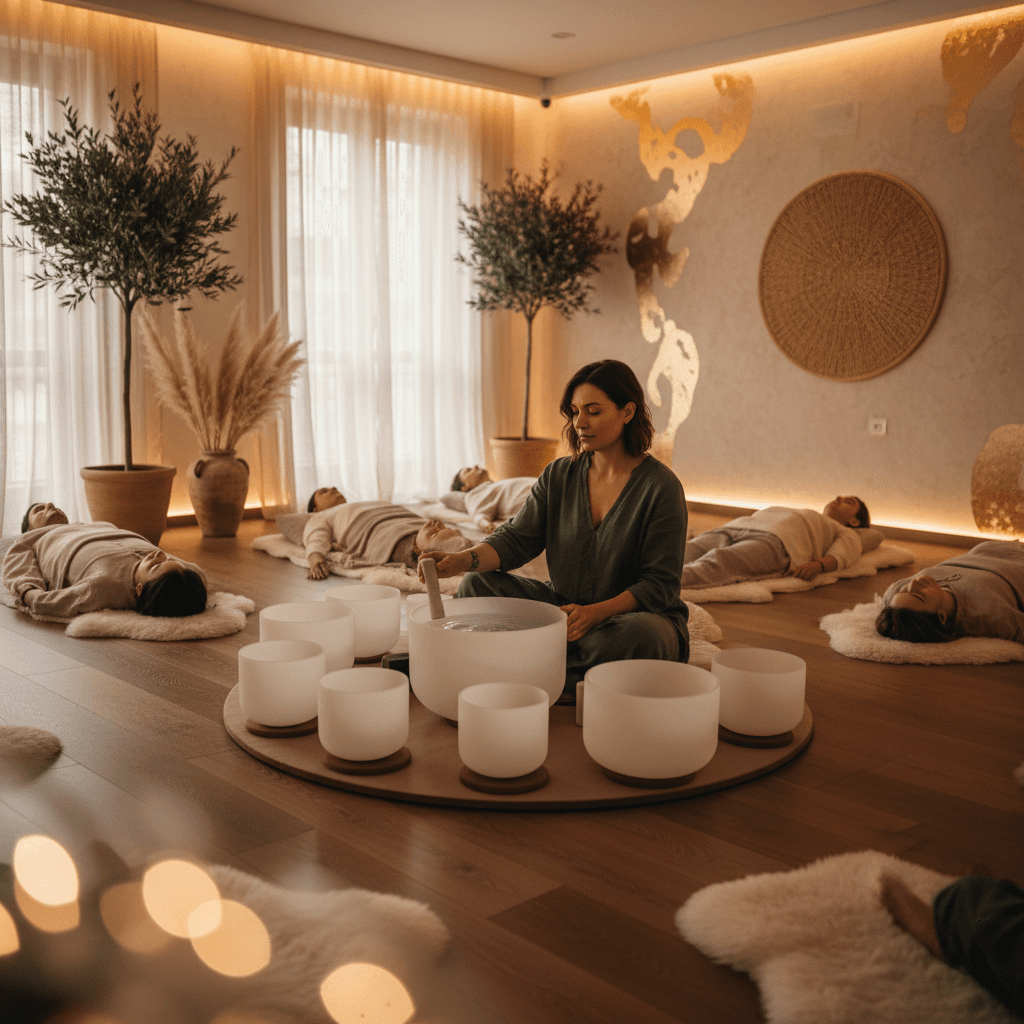
At Soul Art, Dubai's premier sound wellness studio, Larissa Steinbach intuitively weaves scientific understanding with ancient wisdom to create a sanctuary for the "what-if" mind. Recognizing the profound impact of sound on the nervous system, Soul Art sessions are meticulously crafted to guide participants into deep states of relaxation, directly addressing the physiological manifestations of anticipatory anxiety. This holistic wellness practice is designed to complement existing self-care routines.
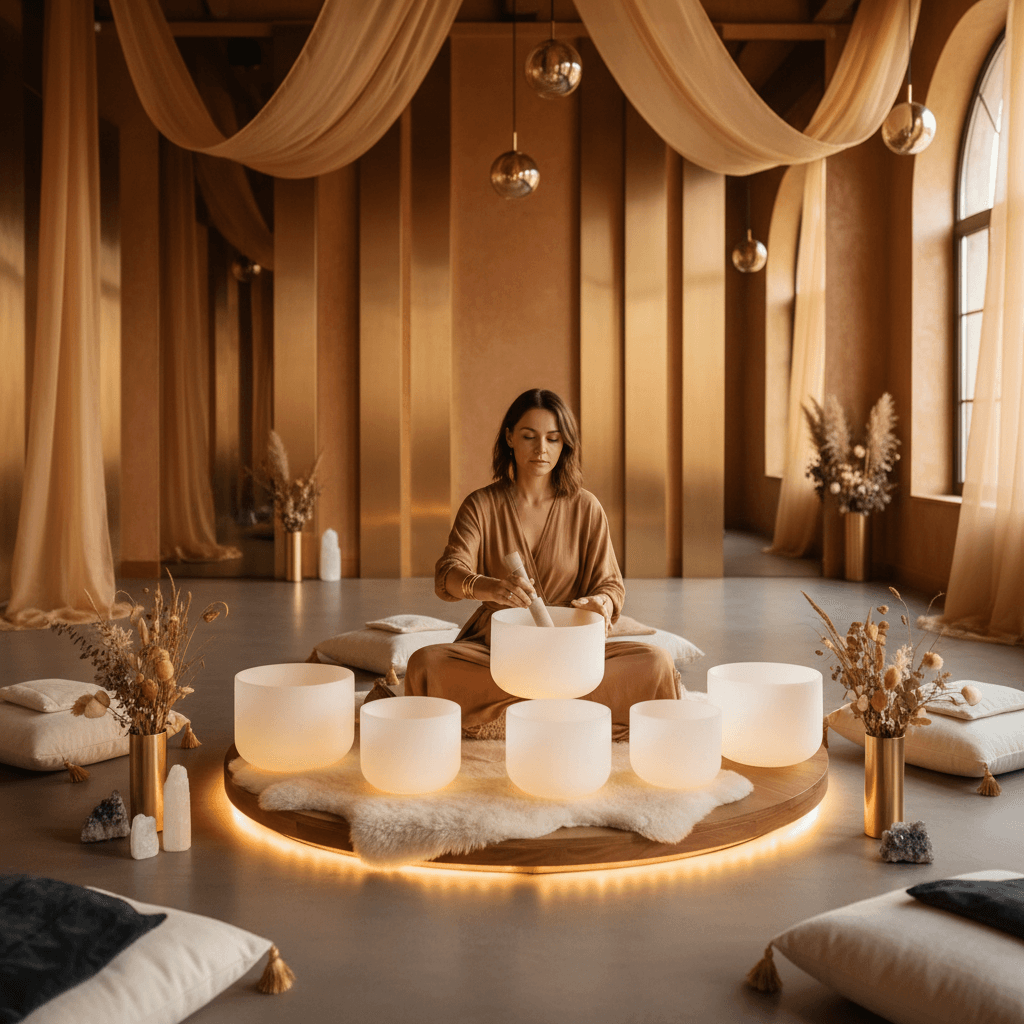
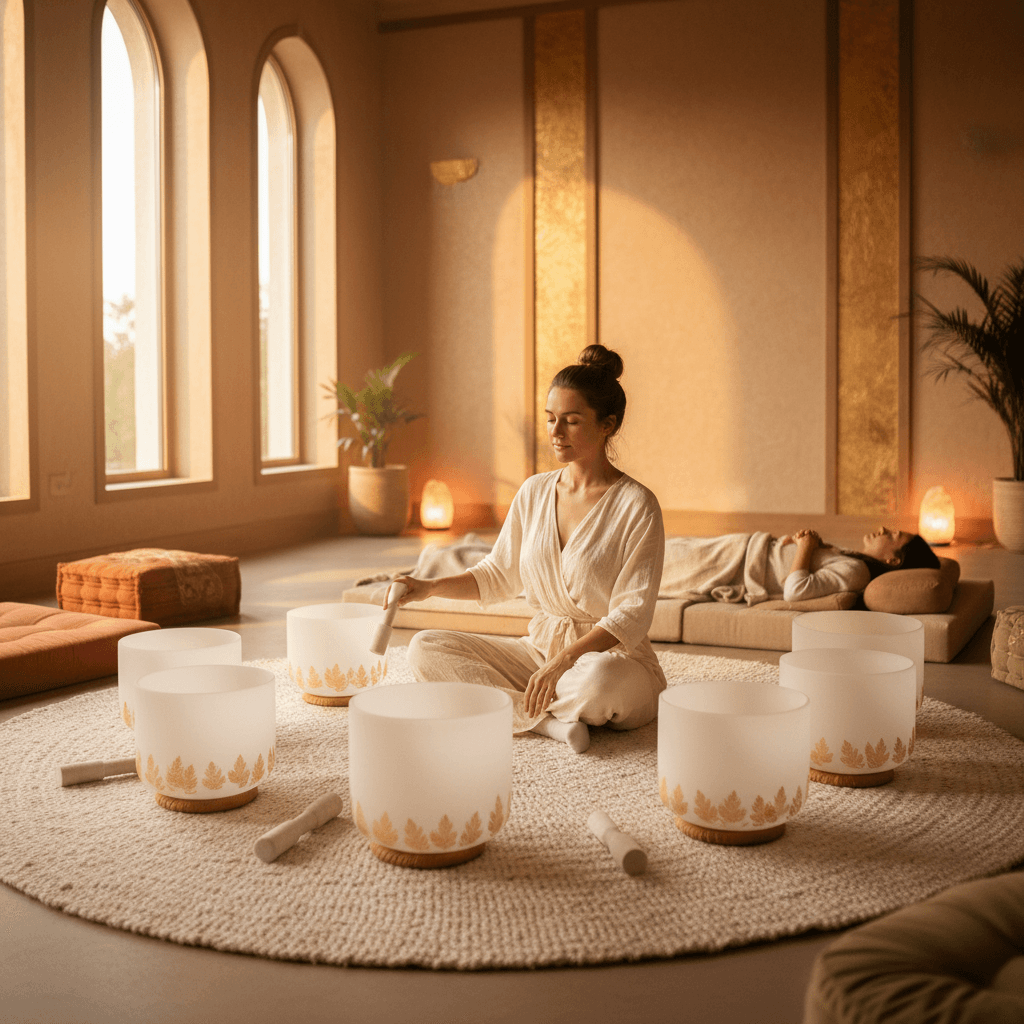
Larissa's unique method leverages the power of specific sound frequencies to gently soothe the overactive brain. Gongs, Tibetan singing bowls, crystal singing bowls, and chimes are expertly played to create a rich tapestry of vibrations. These sounds may support the brain in shifting from the alert beta wave state, often associated with anxious thinking, to more relaxed alpha and theta wave states. This allows for a deeper connection to the present moment, effectively quieting the mental chatter that fuels anticipatory anxiety.
The Soul Art experience fosters a sense of safety and surrender, which is crucial for down-regulating the amygdala and promoting parasympathetic nervous system activity. By immersing oneself in these harmonious frequencies, many people report a profound sense of release from persistent worry. It's an opportunity for the body to experience a state of profound relaxation, often unattainable through cognitive efforts alone, which may promote neuroplasticity and more flexible thought patterns over time.
Larissa Steinbach's approach is not about "fixing" anxiety, but rather offering a complementary path to manage its intensity. It focuses on restoring balance, enhancing self-awareness, and equipping individuals with a powerful self-care practice to navigate life's uncertainties with greater serenity. The unique vibrational experiences at Soul Art provide a tangible way to ground the body and mind, re-establishing a connection with the external world through immersive sensory engagement.
Your Next Steps
Cultivating Calm: Your Path to a Quieter Mind
Managing anticipatory anxiety is an ongoing journey of self-awareness and intentional practice. Incorporating simple, science-backed strategies into your daily routine may profoundly shift your experience of future uncertainty. Remember, these are wellness practices designed to support your overall well-being.
Here are actionable steps you can implement today:
- Prioritize Restorative Sleep: Aim for consistent, quality sleep to buffer against daily worry and rumination. Creating a relaxing bedtime routine can significantly enhance sleep hygiene.
- Practice Sensory Grounding: Whenever your mind starts to spiral, consciously engage your five senses. Name what you see, feel, hear, smell, and taste to anchor yourself firmly in the present moment.
- Incorporate Mindful Movement: Engage in physical activity that you enjoy. Whether it's a brisk walk, yoga, or an intense workout, movement can help release physical tension and rebalance your nervous system.
- Explore Mindful Reappraisal: Challenge your "what-if" thoughts. Ask yourself about the likelihood of an outcome and your resources for coping, shifting from catastrophic thinking to more realistic assessment.
- Consider Sound Wellness: Explore the potential benefits of sound wellness practices. Immersive sound experiences, like those offered at Soul Art, may support deep relaxation and help quiet the overactive mind, offering a unique avenue for stress management.
In Summary
Embracing Present Peace
Anticipatory anxiety, driven by our brain's natural response to potential threats, can be a relentless burden, hijacking our peace long before an event occurs. Understanding its neural underpinnings, from amygdala activation to the role of sleep and uncertainty, empowers us to approach it with informed strategies. Techniques like sensory grounding, physical activity, and cognitive reappraisal offer tangible ways to reclaim control.
Soul Art, under the guidance of Larissa Steinbach, provides a unique and powerful complementary approach. Through immersive sound journeys, it offers a sanctuary for the mind, supporting the nervous system in finding deep relaxation and promoting a return to present-moment awareness. Embracing these wellness practices allows us to gently quiet the "what-if" mind, fostering resilience and cultivating a profound sense of inner peace.
Bookings Coming Soon
Soul Art is still in preparation. Session details and booking will be published here after launch.
Coming Soon
Wellness Disclaimer: This article is for educational and informational purposes only. It does not constitute medical advice, diagnosis, or treatment. Soul Art Dubai provides non-medical wellness experiences focused on relaxation, stress management, and general wellbeing. Sound wellness is a complementary practice and should not replace professional medical care.