Anhedonia: Rediscover Joy's Resonance Through Frequency
Key Insights
Explore anhedonia, its neurological roots, and how sound wellness at Soul Art Dubai, founded by Larissa Steinbach, may help restore pleasure and well-being.
Have you ever found yourself going through the motions, unable to truly connect with the simple pleasures that once brought you joy? This profound detachment, known as anhedonia, impacts countless individuals globally, transforming vibrant experiences into mundane routines. It's more than just feeling down; it's a diminished capacity to experience pleasure, a core symptom often associated with depression and other conditions.
Anhedonia can manifest as an inability to anticipate pleasure (anticipatory anhedonia) or to experience pleasure in the moment (consummatory anhedonia). It can profoundly affect one's quality of life, leading to a lack of motivation, social withdrawal, and a pervasive sense of emptiness. Understanding its neurological underpinnings is the first step towards finding pathways back to joy.
At Soul Art, Dubai's premier sound wellness studio, we explore innovative, complementary approaches to support mental and emotional well-being. This article delves into the science of anhedonia and how specific frequencies and sound practices, as championed by our founder Larissa Steinbach, may offer a unique avenue for restoring a sense of pleasure and connection.
The Science Explained: Unlocking the Brain's Pleasure Pathways
Anhedonia is not merely a state of mind; it is deeply rooted in the brain's reward circuitry. Research consistently points to alterations in how the brain processes rewards, affecting regions crucial for motivation, desire, anticipation, and the actual experience of pleasure. These intricate networks involve various neurotransmitters and brain structures working in concert.
Neural Circuits and Neurotransmitters of Pleasure
The brain's reward system primarily relies on fronto-striatal circuits, which include the prefrontal cortex (PFC), dorsal striatum (caudate and putamen), nucleus accumbens (NAc), and amygdala. In individuals experiencing anhedonia, there is often reduced reactivity and connectivity within these vital pathways. This diminished activity can hinder the brain's ability to respond to pleasant stimuli.
While dopaminergic signaling in the mesolimbic circuit is widely recognized as crucial for reward processing, other neurotransmitters also play significant roles. Opioids, glutamate, gamma-aminobutyric acid (GABA), and serotonin all contribute to the complex symphony of pleasure and motivation. Dysregulation in any of these systems can contribute to the experience of anhedonia, making it a multifaceted challenge.
Non-Invasive Neuromodulation and Anhedonia
Emerging scientific evidence suggests that non-invasive neuromodulation techniques can positively impact anhedonia by influencing these very brain circuits. For instance, studies have explored repetitive transcranial magnetic stimulation (rTMS) targeting specific brain regions. Pettorruso et al. provided early evidence that high-frequency (15-Hz) rTMS to the left dorsolateral prefrontal cortex (DLPFC) can improve anhedonia. After a series of sessions, participants showed significant increases in both anticipatory and consummatory pleasure.
Further research by Light et al. focused on anticipatory anhedonia, using 10-Hz rTMS to target the DLPFC–nucleus accumbens network in depressed individuals. This active stimulation significantly improved anticipatory pleasure and enhanced electrophysiological markers of reward processing. These findings highlight a direct link between neural indices of reward anticipation and clinical gains, suggesting that direct brain stimulation can re-engage pleasure pathways. Similarly, transcranial direct current stimulation (tDCS) has also shown promise in studies involving depressed patients, confirming the potential of neuromodulation to influence anhedonia.
The Role of Frequency and Vibration
While direct brain stimulation methods like rTMS are specific medical interventions, the principles of influencing brain activity through external stimuli extend to complementary wellness practices. The concept of "brainwave entrainment" posits that rhythmic sensory input, such as sound frequencies or light pulses, can encourage brainwaves to synchronize with the frequency of the external stimulus.
A pilot study by Braun Janzen et al. (2019) investigated a music-based vibroacoustic intervention, using low-frequency sound vibrations, in individuals with depression. The study observed trends toward reduced depression and anhedonia scores post-intervention. The theory suggests that rhythmic whole-body stimulation can entrain not only brainwaves but also neural pathways involved in mood regulation. This may occur through the gentle muscle and vestibular stimulation leading to the release of endorphins and dopamine.
"The symphony of our inner world, our emotions and thoughts, is deeply intertwined with the frequencies we absorb. Tuning into harmonious vibrations can be a profound act of self-care, a gentle nudge back towards our innate capacity for joy."
Specific frequencies, such as those in the alpha range (8–12 Hz), have been associated with relaxation and mild trance states. Early research found that a 30-minute session of 10 Hz photic stimulation could increase alpha brainwave amplitude, subjectively linked to feelings of calm and well-being. This mechanism likely involves entraining the brain into an alpha-dominant state, similar to that experienced during mindfulness meditation. These preliminary findings suggest that external rhythmic stimulation, whether auditory or visual, can potentially influence brain states related to pleasure and relaxation.
How It Works in Practice: The Sensory Journey to Restoration
The scientific understanding of anhedonia and brain modulation lays the groundwork for practical, non-invasive wellness applications. At Soul Art, we translate these principles into an immersive sensory experience designed to support the restoration of well-being and a renewed capacity for joy. Our approach focuses on creating an environment where the brain and body can gently shift towards states conducive to pleasure and relaxation.
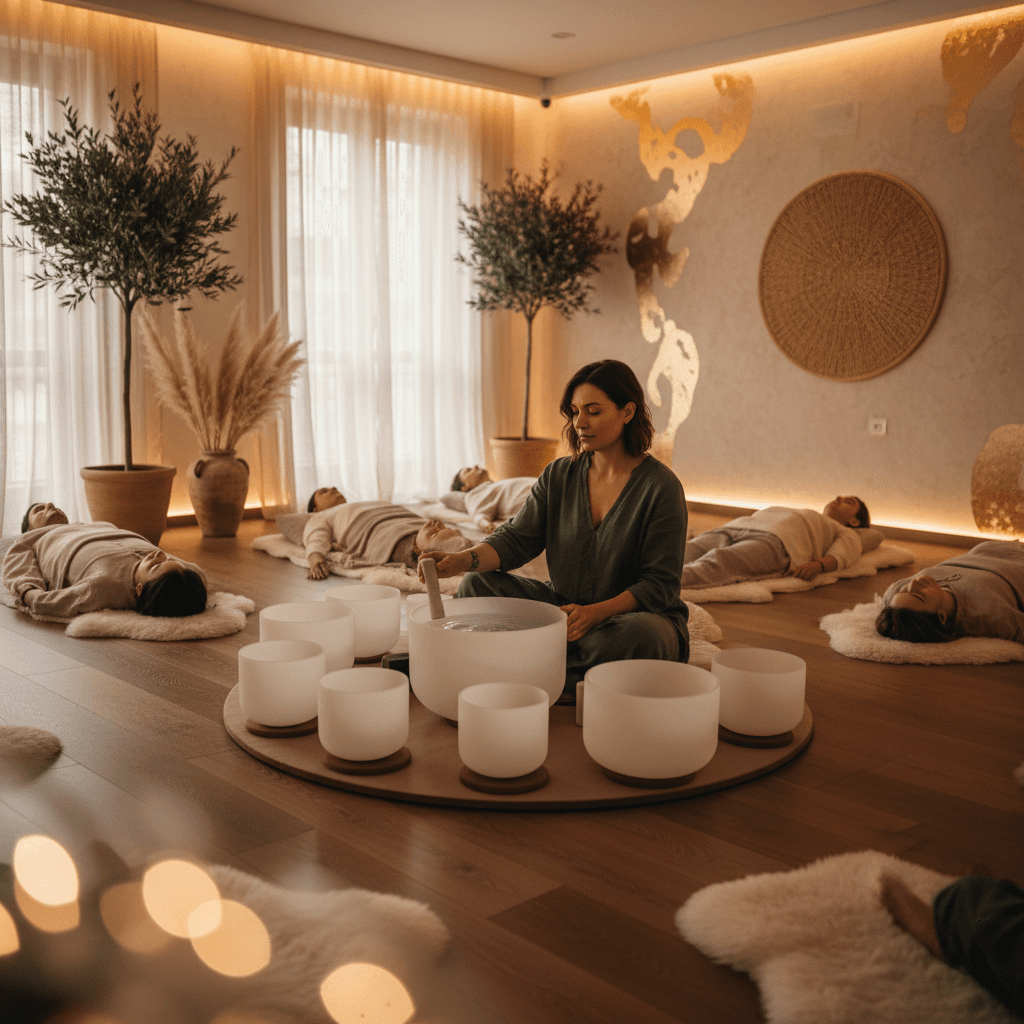
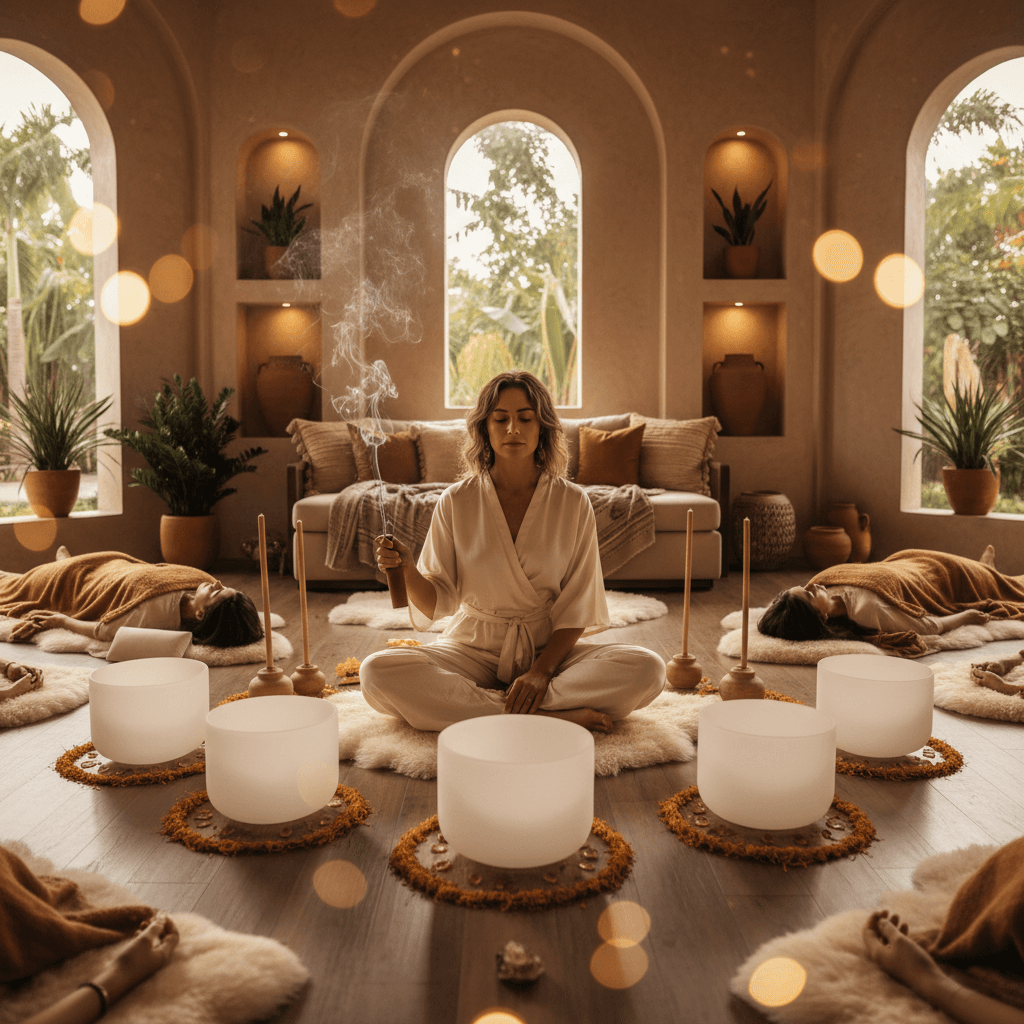
During a sound wellness session, clients lie comfortably, enveloped by specific frequencies and vibrations. These are not merely sounds; they are carefully chosen tones and rhythmic patterns that interact with the body's energy fields and the brain's electrical activity. The experience is deeply sensory, engaging multiple channels beyond just hearing.
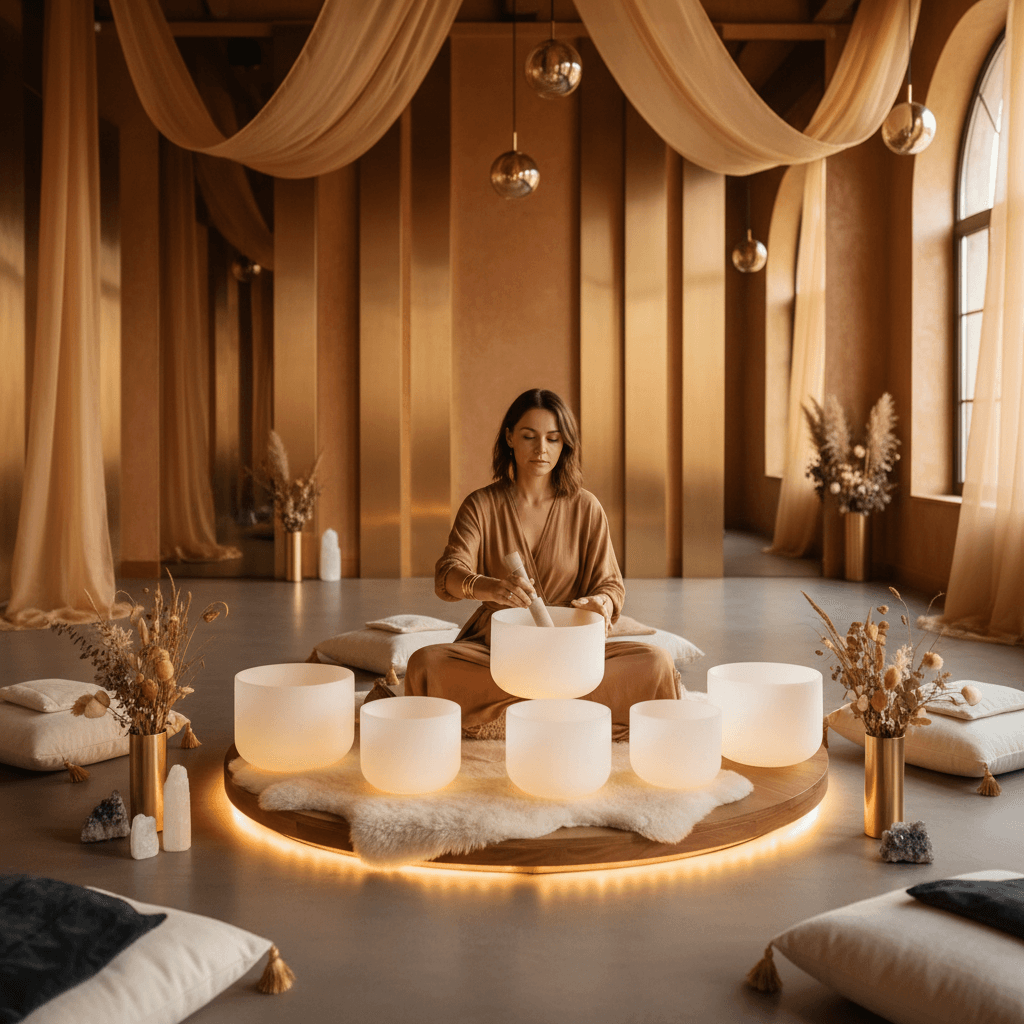
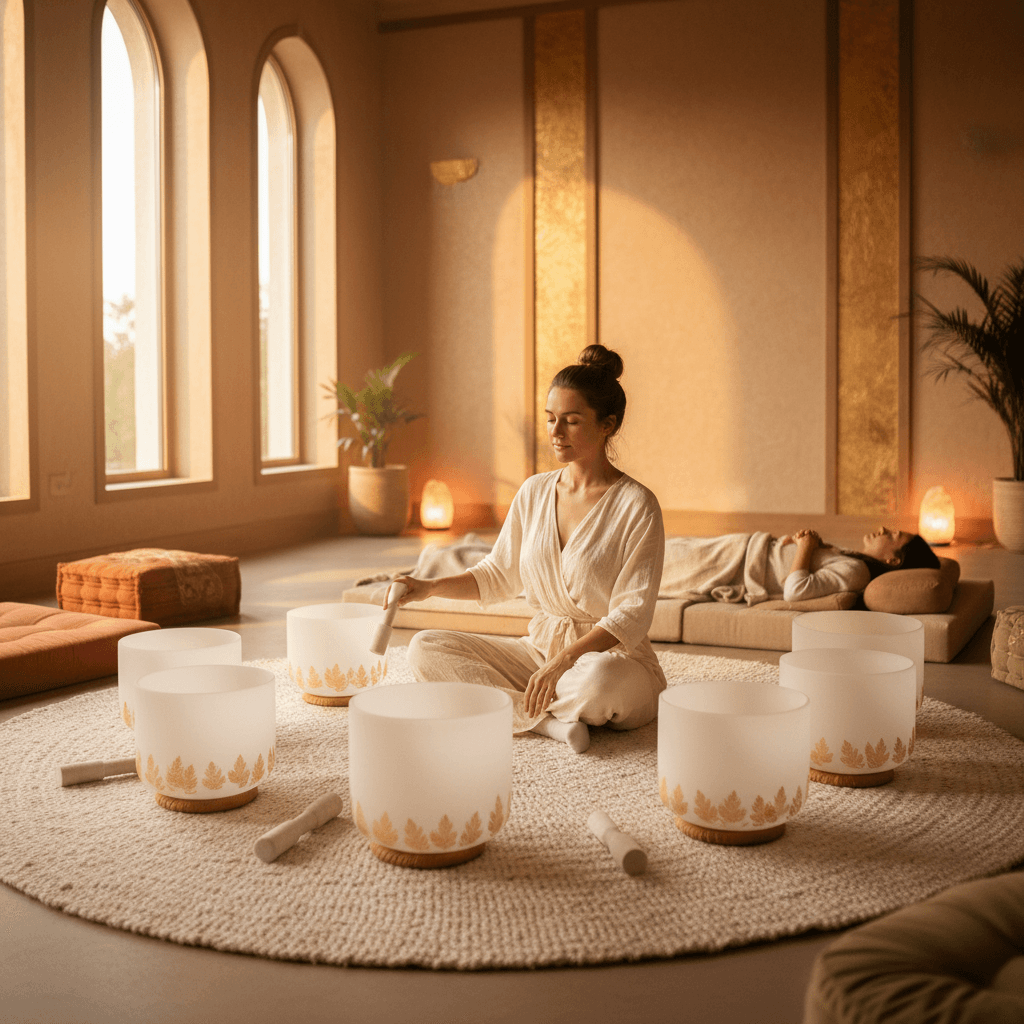
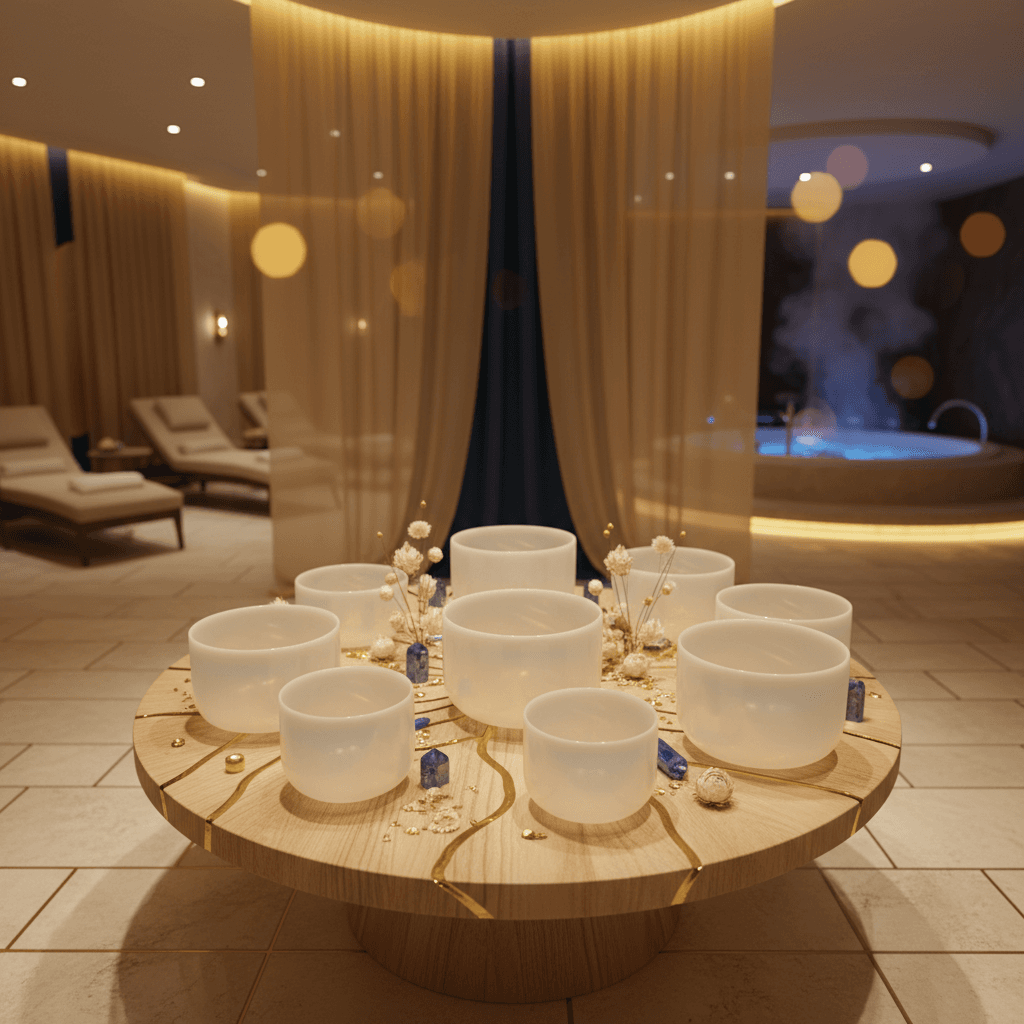
Imagine the gentle hum of crystal singing bowls resonating through the air, their pure tones washing over you. Simultaneously, the low-frequency vibrations from specialized instruments, such as gongs or even vibroacoustic beds, travel through the body. This rhythmic, whole-body stimulation aims to create a state of profound relaxation, encouraging the brain to entrain to alpha or theta brainwave states. These states are often associated with deep meditation, stress reduction, and an opening to internal experiences.
Many people report a feeling of deep calm and a sense of "reset" after a session. The gentle stimulation of the body and auditory system may influence the release of feel-good neurochemicals. This process, as suggested by preliminary studies on vibroacoustic interventions, could involve the activation of reward pathways. It is a subtle reawakening, a gentle invitation for the brain to rediscover its natural responsiveness to positive stimuli. The experience is highly individual, but common reports include reduced tension, enhanced mental clarity, and a quiet opening to subtle feelings of peace and contentment.
The Soul Art Approach: Larissa Steinbach's Vision for Well-being
Larissa Steinbach, the visionary founder of Soul Art, has meticulously crafted a unique sound wellness methodology rooted in both ancient wisdom and contemporary scientific understanding. Her approach transcends conventional relaxation by focusing on the precise application of frequency and vibration to support holistic well-being, including a renewed capacity for experiencing joy.
What makes the Soul Art method unique is its curated blend of powerful instruments and intuitive guidance. Larissa Steinbach combines the ethereal tones of crystal singing bowls, the deep resonance of Himalayan singing bowls, and the expansive vibrations of gongs with other therapeutic sound tools. These instruments are not merely played; they are orchestrated to create a harmonic landscape designed to guide the listener into profound states of relaxation and inner exploration.
Larissa's expertise lies in her ability to select specific frequencies and rhythmic patterns that may interact beneficially with the body's systems. For instance, the use of low-frequency vibrations in the Soul Art studio draws inspiration from research suggesting its potential to influence mood regulation and pleasure pathways. Similarly, the creation of alpha-wave conducive soundscapes aligns with studies indicating their role in fostering calm and well-being.
The Soul Art experience is an immersive journey. Clients are invited to release tension and allow the carefully chosen frequencies to wash over them, promoting a profound sense of inner quiet and sensory receptivity. This mindful engagement with sound is designed to be a complementary approach, gently supporting the nervous system's return to balance and potentially enhancing the brain's natural ability to engage with pleasure. Larissa Steinbach’s dedication ensures each session is a bespoke experience, tailored to foster an environment of healing and restorative joy.
Your Next Steps: Cultivating Joy in Daily Life
Embarking on a journey to restore joy is a profound act of self-care. While professional support is always encouraged for persistent anhedonia, there are practical steps you can integrate into your daily life to cultivate well-being and gently re-engage your pleasure pathways. These steps, combined with complementary practices like sound wellness, may support a more vibrant experience of life.
Here are a few actionable suggestions:
- Mindful Engagement: Practice savoring small, everyday moments. Pay close attention to sensory details when eating, walking in nature, or listening to music. This mindful attention can help retrain your brain to register pleasure more acutely.
- Rhythmic Movement: Engage in activities that involve rhythmic movement, such as walking, dancing, or even gentle yoga. Rhythmic stimulation has been associated with improved mood and can be a simple way to activate your body's natural feel-good responses.
- Curated Soundscapes: Incorporate soothing, low-frequency soundscapes or alpha-wave inducing music into your daily routine. Many people report that listening to ambient or binaural beat music can help create a calming atmosphere, promoting relaxation and focus.
- Nature Immersion: Spend time in natural environments. The sounds, sights, and smells of nature can be incredibly grounding and have been associated with reduced stress and improved mood, offering gentle nudges towards pleasure.
- Connect & Share: While anhedonia can lead to social withdrawal, making an effort to connect with loved ones, even briefly, can be beneficial. Social interaction is a fundamental human need and can trigger positive emotional responses.
These steps are about gently re-introducing positive stimuli and fostering a receptive state of mind. They are complementary self-care practices, designed to work in harmony with other supportive measures. If you are ready to explore how expertly guided frequency and vibration can support your journey, Soul Art offers a sanctuary for profound restoration.
In Summary: Resonating with Renewed Pleasure
Anhedonia, the diminished capacity for joy, stems from complex alterations in the brain's reward circuitry. Scientific exploration continues to reveal how neurophysiological pathways, involving neurotransmitters like dopamine, contribute to our experience of pleasure. From advanced neuromodulation techniques to the subtle yet profound influence of sound and vibration, preliminary research suggests various avenues for supporting these pathways.
Sound wellness, through its ability to promote brainwave entrainment and gentle bodily stimulation, offers a complementary approach to enhancing well-being. At Soul Art, Larissa Steinbach's thoughtfully designed sessions harness the power of frequency to guide individuals towards deep relaxation and potentially rekindle their innate capacity for joy. By embracing holistic self-care and exploring the therapeutic potential of sound, we may begin to resonate once more with the vibrant symphony of life's pleasures. We invite you to discover this unique path to restoring your sense of joy and vitality.
Bookings Coming Soon
Soul Art is still in preparation. Session details and booking will be published here after launch.
Coming Soon
Wellness Disclaimer: This article is for educational and informational purposes only. It does not constitute medical advice, diagnosis, or treatment. Soul Art Dubai provides non-medical wellness experiences focused on relaxation, stress management, and general wellbeing. Sound wellness is a complementary practice and should not replace professional medical care.