Sound Therapy for Anger Management: Finding Calm with Soul Art Dubai
Key Insights
Discover how sound therapy, a complementary wellness practice, may support emotional regulation and foster lasting calm, especially for anger management. Explore the Soul Art approach by Larissa Steinbach.
Managing the Inner Fire: Sound Therapy for Emotional Regulation
Did you know that anger, a universally experienced emotion, can significantly impact not just your relationships and career, but also your long-term physical health? While frustration and irritation are normal parts of life, unmanaged or chronic anger has been linked to serious conditions like heart disease and hypertension, as highlighted by clinical trials funded by the NIH and research by the American Psychological Association.
Many people carry a sense of shame around their anger, yet it's a wired biological response to stress and perceived threats. The challenge lies not in eradicating anger, but in learning to regulate it effectively, transforming destructive outbursts into opportunities for emotional growth and understanding. This pursuit of balance is central to holistic well-being.
In this comprehensive exploration, we delve into the science of anger and emotional regulation, uncovering how sound therapy, particularly the unique approach pioneered by Larissa Steinbach at Soul Art Dubai, offers a profound pathway to inner calm. You will discover how specific frequencies and vibrations may support the nervous system in "turning down the heat" of intense emotions, fostering a greater sense of peace and control. Prepare to learn practical strategies and embrace a complementary wellness practice that can help you navigate life's frustrations with enhanced serenity and resilience.
The Neurobiology of Anger and the Power of Sound
Anger is far more than just a fleeting emotion; it's a complex psycho-physiological state with deep roots in our biology. Understanding its mechanisms is the first step toward effective regulation. Modern science provides crucial insights into how our bodies and minds react to this potent emotion, and how gentle, consistent interventions like sound therapy may offer a path to rebalancing.
Anger: A Universal Yet Potentially Destructive Emotion
Everyone experiences anger at some point. It’s a primal survival mechanism, a biological response designed to protect us from perceived threats, whether real or imagined. In its healthy form, anger can even serve as a signal, alerting us to boundaries being crossed or injustices occurring.
However, when anger becomes dysregulated, explosive, or chronic, its constructive potential diminishes, replaced by corrosive effects. Unmanaged anger can severely damage personal relationships, disrupt professional life, and compromise both mental and physical health. Studies indeed link chronic anger to an increased risk of serious health issues, underscoring the vital importance of effective emotional regulation.
Traditional therapeutic approaches like Cognitive Behavioral Therapy (CBT) and Dialectical Behavioral Therapy (DBT) are evidence-based methods that teach individuals to identify and change negative thought patterns, manage intense emotions, and improve emotional regulation skills. Mindfulness-based therapy also plays a critical role, encouraging non-judgmental awareness of emotions to help manage anger in the moment, thereby reducing physical aggression and hostility. These established therapies highlight the power of developing conscious awareness and adaptive coping strategies.
The Autonomic Nervous System and Emotional Arousal
At the core of our emotional responses lies the autonomic nervous system (ANS), a sophisticated control center that operates largely outside our conscious awareness. The ANS has two primary branches: the sympathetic nervous system (SNS), responsible for the "fight or flight" response, and the parasympathetic nervous system (PNS), which governs "rest and digest."
When anger flares, the SNS kicks into high gear. This triggers a cascade of physiological changes: increased heart rate, elevated blood pressure, muscle tension, and the release of stress hormones like cortisol. This state of heightened physiological arousal can amplify the emotional experience of anger, making it difficult to think clearly or respond constructively. The intensity of these reactions often reflects challenges in emotional regulation.
Research indicates that reducing physiological arousal is a highly effective strategy for managing anger. A meta-analytic review of 154 studies, published in ScienceDirect, found that "arousal-decreasing activities" significantly decreased anger and aggression. These activities include practices like deep breathing, mindfulness, and meditation, all of which directly engage the parasympathetic nervous system. Conversely, "arousal-increasing activities" such as venting or vigorous physical activity were found to be largely ineffective for anger management. This robust finding underscores the importance of calming the nervous system to effectively address anger.
The Neuroscience of Sound and Emotional Regulation
How does sound fit into this picture of physiological regulation? Sound, in its myriad forms, has a profound and measurable impact on our brain and body. Unlike simple noise, therapeutically applied sound utilizes specific frequencies, vibrations, and harmonies to elicit particular physiological and psychological responses. This is where sound wellness interventions become particularly potent.
Preliminary studies suggest that non-musical acoustic interventions, encompassing human voices, gongs, singing bowls, and environmental sounds, can influence the body's stress response. Research has begun to explore the effects of sound on the hypothalamic-pituitary-adrenal (HPA) axis and the autonomic nervous system – key indicators of stress and emotional regulation. By interacting with these systems, sound vibrations may help to shift the body from a sympathetic "fight or flight" state to a parasympathetic "rest and digest" state.
The vibrations from therapeutic instruments can be perceived not only audibly but also somatically, through the skin and bones. These sensory inputs travel through neural pathways, potentially modulating brainwave activity, reducing muscle tension, and slowing heart rate. This process may lead to a deeper state of relaxation, supporting the release of tension and fostering emotional calm. Essentially, sound can act as a powerful anchor, drawing the mind away from reactive thought patterns and into a state of present-moment awareness, much like mindfulness practices.
"The symphony of inner calm begins not by silencing anger, but by attuning our internal instruments to a more harmonious frequency, allowing resonance to guide us back to balance."
Furthermore, practices like gong meditation have been explored in the context of reducing burnout, demonstrating their potential as single-focused interventions for emotional regulation. The consistent application of calming frequencies creates an environment conducive to introspection and emotional processing, allowing individuals to observe anger without being overwhelmed by its intensity. This cultivation of non-judgmental awareness is a cornerstone of effective emotional regulation.
From Theory to Tranquility: Experiencing Sound Therapy for Emotional Balance
Translating the scientific understanding of anger and sound into a tangible wellness experience is where the transformative power of sound therapy truly shines. It moves beyond intellectual comprehension to an embodied sensation, offering a direct pathway to emotional rebalancing. This practice invites you to engage with your internal landscape through the gentle yet profound influence of vibration and tone.
Cultivating Non-Judgmental Awareness
One of the most significant benefits of sound therapy for emotional regulation is its ability to facilitate non-judgmental awareness, a core principle found in mindfulness-based therapies. During a sound session, the enveloping frequencies create a unique auditory and somatic anchor. This distinct sensory input can gently draw your attention away from the racing thoughts and physiological tension often associated with anger.
As you immerse yourself in the soundscape, you are encouraged to simply observe any emotions that arise, including anger, without judgment or immediate reaction. This practice of "watching" anger in the present moment, rather than being swept away by it, helps to tolerate the initial emotional surge. By creating this space between stimulus and response, you reduce the likelihood of escalation and gain agency over your emotional reactions. This shift from automatic reactivity to conscious observation is a powerful tool for emotional growth.
Many participants report that recognizing unhelpful coping strategies and enhancing skills for managing emotional responses to trigger sounds are key to improving their emotional regulation. Sound therapy provides a safe and supportive environment to practice these skills, cultivating a more adaptive response system.
The Embodied Experience of Sound
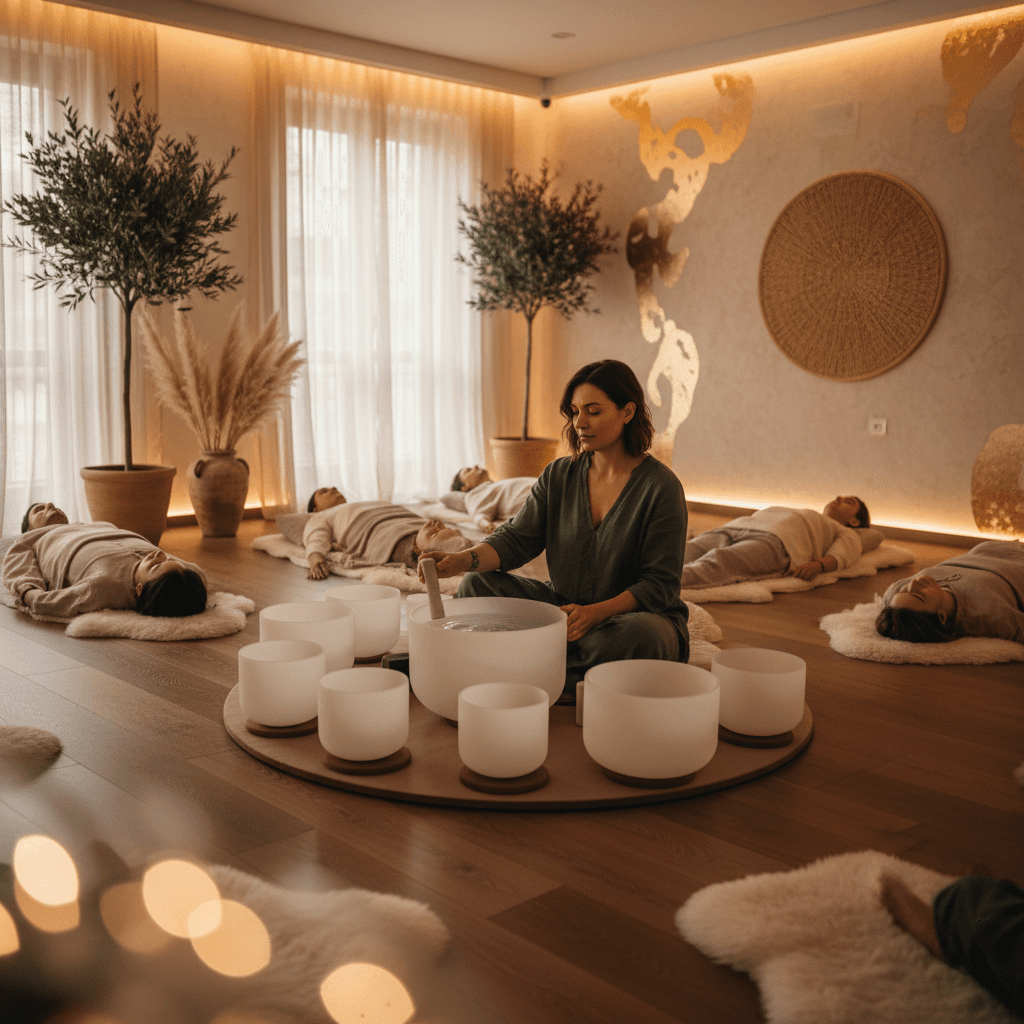
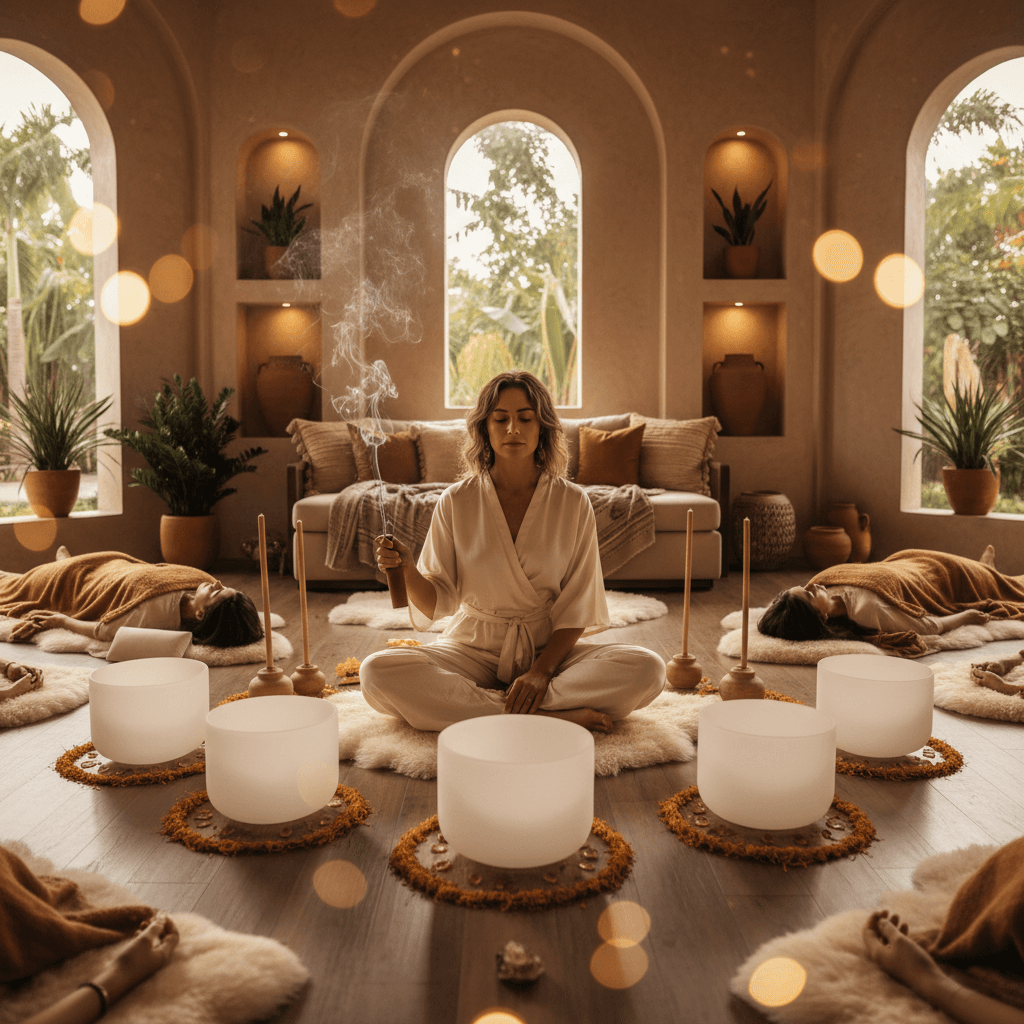
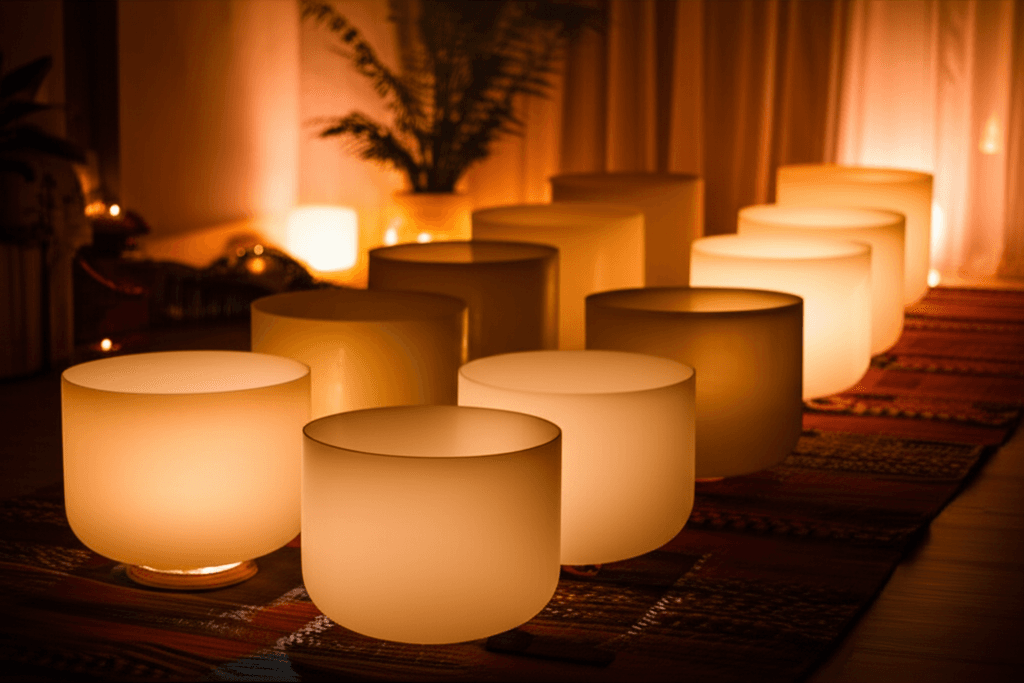
The practical application of sound therapy is a deeply sensory and immersive experience. Clients typically lie down in a comfortable, serene setting, enveloped by a carefully curated sound environment. Instruments such as Himalayan singing bowls, crystal bowls, gongs, tuning forks, and sometimes even the human voice, are played with intention and expertise.
The sounds are not merely heard; they are felt. The vibrations resonate through the body's tissues, cells, and fluid, creating a subtle internal massage. This somatic experience is crucial, as it directly impacts the nervous system, bypassing the cognitive filters that often perpetuate cycles of anger and stress. The gentle yet pervasive vibrations may help to release stored tension in muscles and fascia, contributing to a profound sense of physical relaxation.
As the body relaxes, the mind often follows suit. The brainwave patterns may shift from beta (alert, active thinking) to alpha (relaxed, aware) or even theta (deep relaxation, meditative state). This altered state of consciousness is highly conducive to emotional processing and rebalancing, allowing deeply held emotions to surface and dissipate gently. The experience is often described as "turning down the heat" of overwhelming emotions, creating a feeling of spaciousness and calm within.
Shifting from Reactivity to Responsiveness
Through consistent engagement with sound therapy, individuals may begin to develop a greater capacity for emotional regulation in their daily lives. The tools and internal resources cultivated during sessions can be integrated into how one navigates frustrating moments outside the studio. The practice fosters a shift from impulsive reactivity to thoughtful responsiveness.
This newfound ability to "stay calm, even in the most frustrating moments of your life," as emphasized by Headspace, is a testament to the power of consistent self-care practices. Sound therapy does not promise to eliminate anger, for anger is a natural human emotion. Instead, it offers a powerful complementary approach to manage anger more effectively, transforming a potentially destructive force into a manageable aspect of one's emotional landscape. It's about empowering individuals to take control of their anger, rather than letting anger control them.
The Soul Art Signature: Larissa Steinbach's Harmonious Path to Emotional Regulation
At Soul Art Dubai, the practice of sound wellness is elevated to an art form, meticulously designed to guide individuals toward profound emotional regulation and inner peace. Larissa Steinbach, the visionary founder, brings a unique blend of scientific understanding, intuitive artistry, and deep empathy to every session, creating an unparalleled experience.
A Personalized Journey with Larissa Steinbach
Larissa Steinbach's approach at Soul Art is rooted in the understanding that each individual's emotional landscape is unique. While the core principles of sound therapy remain consistent, the application is tailored to address specific needs and sensitivities. Larissa combines her extensive knowledge of sound frequencies and their physiological effects with a keen sensitivity to her clients' energetic states, creating a truly personalized wellness journey.
Her sessions are more than just an exposure to sound; they are an invitation to self-discovery and gentle transformation. Larissa guides clients through an immersive experience designed to unlock innate capacities for emotional resilience and calm. This personalized attention ensures that the experience resonates deeply, facilitating significant shifts in emotional well-being.
Curated Frequencies for Inner Harmony
The Soul Art method leverages a carefully selected array of instruments, each chosen for its distinct vibrational qualities and capacity to influence the human energy field. While many sound wellness studios focus solely on crystal or Himalayan bowls, Larissa Steinbach integrates a broader spectrum of non-musical acoustic interventions, drawing from a rich tapestry of sounds.
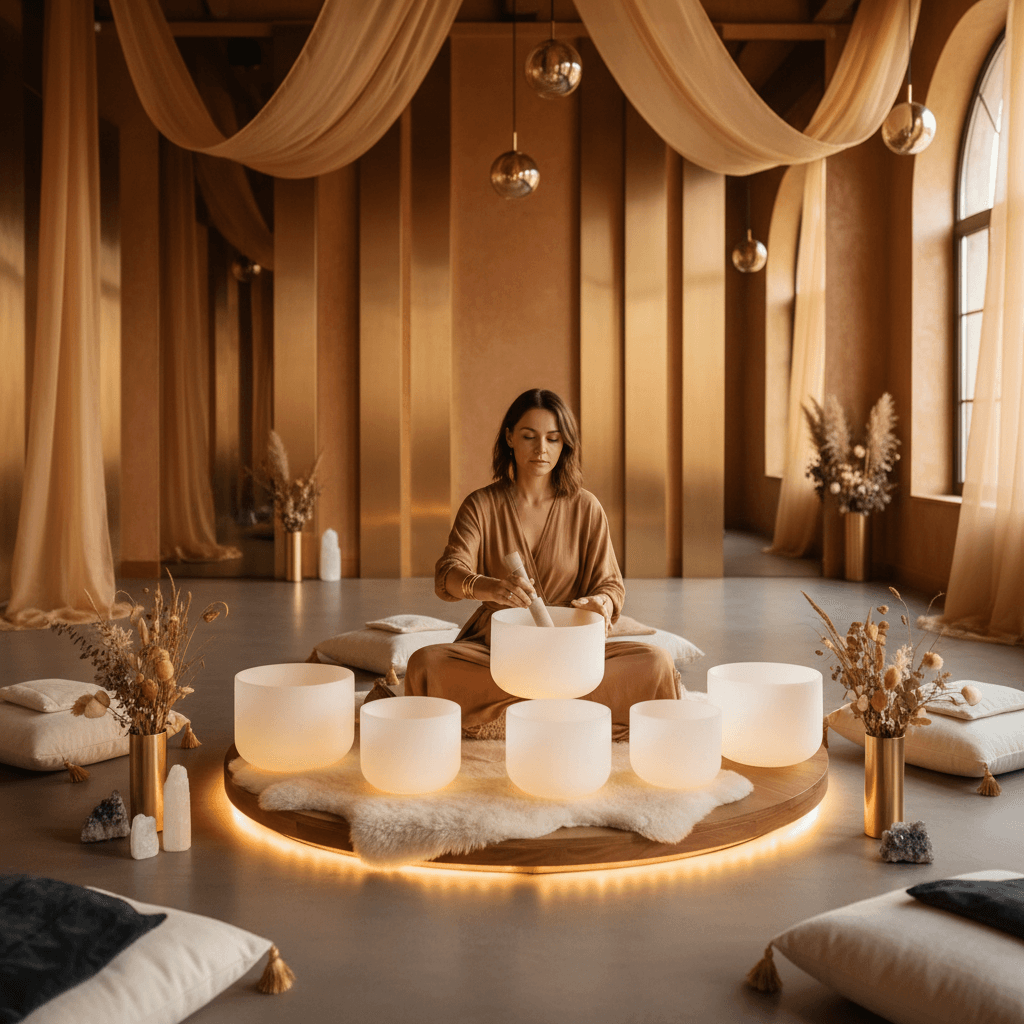
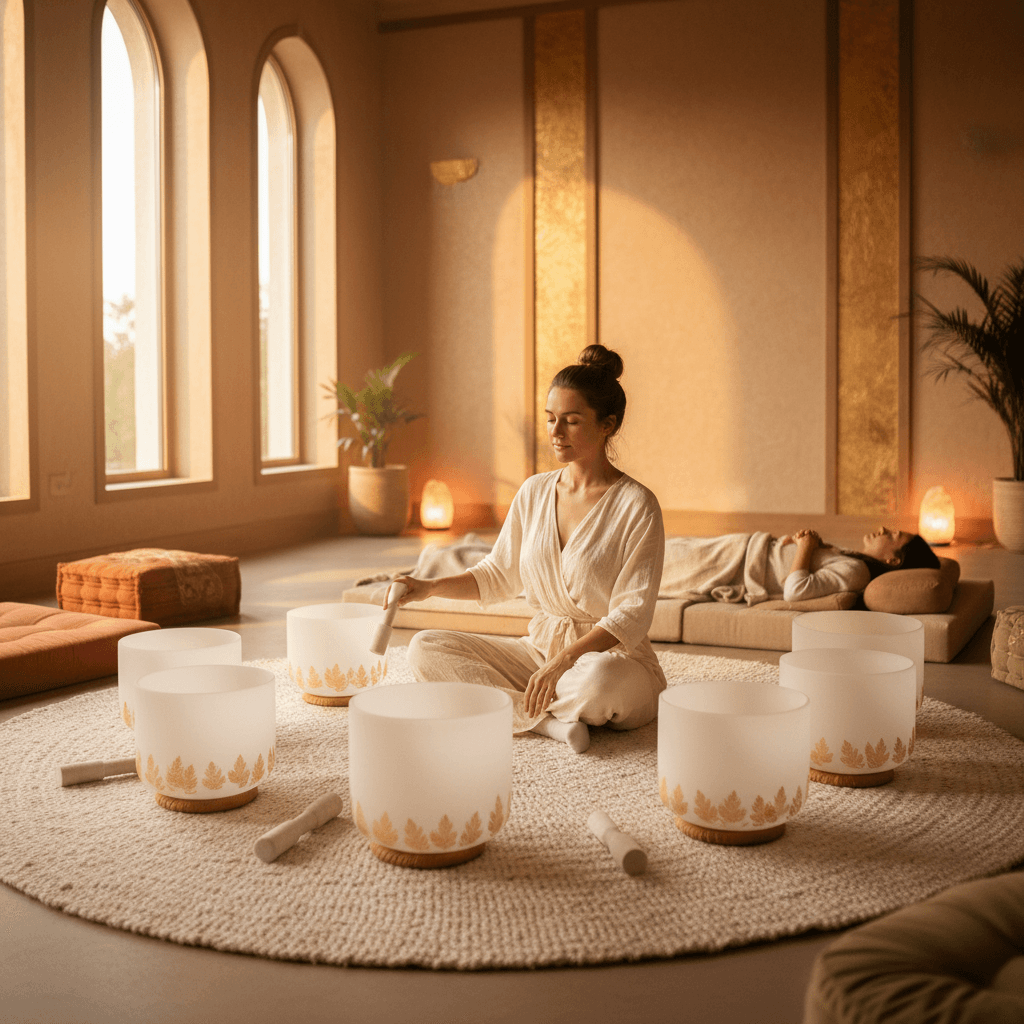
This includes the resonant depth of large gongs, the clear tones of quartz crystal singing bowls, the earthy grounding of Himalayan bowls, and the precise therapeutic application of tuning forks. Larissa also incorporates specific vocalizations and environmental soundscapes when appropriate, recognizing the "conceptual shift in research of sound therapeutic effects by moving beyond music-focused frameworks to consider nonmusical acoustic interventions using human voices or environmental sounds," as highlighted in a review on sound interventions for mental stress. This diverse sonic palette allows her to craft sessions that are profoundly effective in promoting emotional balance and physiological relaxation.
The intentional layering of these varied frequencies helps to create a comprehensive vibrational field that encourages the body's natural relaxation responses. This can lead to a reduction in stress hormones, a slowing of brainwaves, and a deep release of tension, supporting the regulation of dysregulated anger and fostering a state of sustained calm.
Beyond the Session: Integrating Wellness
Larissa Steinbach's vision for Soul Art extends beyond the session itself. She empowers clients with practical tools and insights to integrate the benefits of sound wellness into their daily lives. This might include simple breathing techniques, short mindfulness practices, or recommendations for creating calming auditory environments at home.
The goal is to cultivate a consistent practice of self-care and emotional awareness, supporting a lasting shift in how anger is perceived and managed. By fostering a deeper connection to one's inner state, Soul Art helps individuals build emotional resilience, enabling them to navigate life's challenges with greater grace and equanimity. It is a complementary approach that harmonizes beautifully with other forms of emotional regulation and personal growth.
Empowering Your Emotional Landscape: Actionable Steps for Lasting Calm
Taking control of your anger and cultivating emotional regulation is an empowering journey that you can begin today. While sound therapy offers a profound pathway, there are immediate, practical steps you can integrate into your daily routine to support a more harmonious emotional state. These actions complement the deeper work of sound wellness and reinforce its benefits.
Here are a few actionable steps to empower your emotional landscape:
- Practice Mindful Pauses: Throughout your day, take short breaks to simply notice your emotions without judgment. When you feel anger stirring, acknowledge it, breathe deeply, and resist the urge to react immediately. This creates a crucial space for self-regulation, as supported by mindfulness research.
- Integrate Arousal-Decreasing Activities: Engage in gentle practices that calm your nervous system. This could be slow, intentional breathing exercises, a few minutes of quiet meditation, or simply listening to calming ambient sounds. Remember, science suggests "turning down the heat" is more effective than venting.
- Cultivate Sensory Awareness: Pay attention to how different sounds, sights, and even scents impact your mood. Consciously choose environments and inputs that promote relaxation and peace. This builds your awareness of external triggers and internal responses.
- Journal Your Emotional Triggers: Spend a few minutes each day reflecting on what triggers your anger and how your body responds. Understanding these patterns is a vital step in gaining control and developing more adaptive coping strategies. This self-awareness is foundational to lasting emotional growth.
- Explore Complementary Wellness: Consider adding practices like sound therapy to your self-care regimen. The unique vibrational input can provide a powerful reset for the nervous system, enhancing your capacity for calm and emotional balance.
By incorporating these simple yet powerful habits, you can begin to shift your relationship with anger, moving towards a more regulated, peaceful, and responsive emotional life.
In Summary: Harmonizing Your Anger, Elevating Your Life
Anger, though a natural human emotion, demands skillful management to prevent it from disrupting our lives and health. Scientific evidence underscores that calming the nervous system through "arousal-decreasing activities" is key to effective emotional regulation. Sound therapy emerges as a powerful, complementary wellness practice that may support this essential rebalancing.
Through carefully curated frequencies and vibrations, sound therapy, especially Larissa Steinbach's unique approach at Soul Art Dubai, offers a pathway to cultivate non-judgmental awareness and shift from reactive to responsive emotional states. It's an immersive experience designed to harmonize your inner landscape, fostering deep relaxation and resilience. By embracing sound wellness, you can embark on a transformative journey towards greater emotional control, inner peace, and a more fulfilling life.
Bookings Coming Soon
Soul Art is still in preparation. Session details and booking will be published here after launch.
Coming Soon
Wellness Disclaimer: This article is for educational and informational purposes only. It does not constitute medical advice, diagnosis, or treatment. Soul Art Dubai provides non-medical wellness experiences focused on relaxation, stress management, and general wellbeing. Sound wellness is a complementary practice and should not replace professional medical care.