Sound Support for Exhaustion: Rebalancing Your Body's Stress Response
Key Insights
Explore chronic exhaustion and how sound wellness at Soul Art, led by Larissa Steinbach, can support your body's natural stress response.
Unraveling Exhaustion: Finding Harmony in a Stressed World
Do you ever feel perpetually drained, despite getting enough sleep? Are daily demands leaving you feeling utterly depleted, struggling with persistent brain fog, or an inexplicable need for excessive rest? You’re not alone; millions worldwide experience these very real symptoms of deep exhaustion.
Many individuals attribute these pervasive feelings to something commonly referred to as "adrenal fatigue." This concept describes a state where the adrenal glands, theorized to be overworked by chronic stress, can no longer produce adequate levels of stress hormones. While the term "adrenal fatigue" is widely discussed in wellness circles, it’s important to understand its scientific standing.
At Soul Art, Dubai's premier sound wellness studio founded by Larissa Steinbach, we approach these experiences with empathy and a commitment to scientifically-grounded complementary practices. We recognize that while "adrenal fatigue" is not a medically recognized diagnosis, the symptoms people experience – profound tiredness, difficulty coping with stress, and general malaise – are undeniably real. This article delves into the science of stress and explores how sound wellness may offer a profound pathway to rebalance and renewed vitality.
The Science Explained: Understanding Exhaustion and Stress Response
The journey to understanding pervasive exhaustion begins with a look at our body's intricate stress response system. While the concept of "adrenal fatigue" has gained popular traction, it's crucial to align our understanding with established medical science.
The Adrenal Glands and Hormonal Balance: A Medical Perspective
The adrenal glands, two small organs situated atop your kidneys, are vital endocrine glands. They play a pivotal role in your body's response to stress by producing a range of hormones, including cortisol, adrenaline, and noradrenaline. These hormones are essential for regulating various bodily functions, from managing blood sugar and metabolism to controlling your "fight or flight" response.
According to the theory of "adrenal fatigue," proponents suggest that prolonged exposure to stress can overwhelm these glands. The belief is that the adrenals eventually become "fatigued" and unable to meet the body's demand for stress hormones, leading to a cascade of debilitating symptoms. However, the Endocrine Society, a leading authority on hormone-related conditions, explicitly states that "no scientific proof exists to support adrenal fatigue as a true medical condition." Furthermore, recognized medical professionals express concern that focusing on this unsupported diagnosis may delay finding the true cause of a person’s symptoms.
Many times, a person may be told they have adrenal fatigue based on symptoms alone. While blood or saliva tests may be offered in some contexts, these tests for adrenal fatigue are not based on scientific facts or supported by rigorous studies, meaning their results and analysis may not be accurate. It is important to remember that expensive, unapproved treatments may be suggested, which are unlikely to be covered by insurance. The medical community does not recognize adrenal fatigue as a formal condition and emphasizes that proper diagnosis and treatment of underlying medical issues is paramount.
The Real Impact of Chronic Stress: HPA Axis Dysfunction and the Nervous System
Regardless of the label, the experience of persistent exhaustion and an inability to cope with stress is profoundly real for millions. The scientific community attributes these symptoms not to "fatigued" glands, but to the Hypothalamic-Pituitary-Adrenal (HPA) axis and Autonomic Nervous System (ANS) dysfunction. These are the body’s central stress response systems.
The HPA axis is a complex neuroendocrine system that governs our reactions to stress and regulates many body processes. When faced with stress, the hypothalamus signals the pituitary gland, which in turn signals the adrenal glands to release cortisol. This is a normal, adaptive response. However, chronic stress can lead to dysregulation of this axis, meaning it can become either overactive or underactive at inappropriate times, rather than responding optimally. This dysregulation is not adrenal "fatigue" but a systemic imbalance.
Similarly, the Autonomic Nervous System comprises two branches: the sympathetic nervous system (responsible for "fight or flight") and the parasympathetic nervous system (responsible for "rest and digest"). In individuals experiencing chronic stress, the sympathetic nervous system often remains in a heightened state of alert. This prolonged activation depletes the body’s resources and prevents the parasympathetic system from effectively initiating repair and restoration processes. Symptoms often attributed to "adrenal fatigue," such as persistent tiredness, difficulty sleeping, anxiety, and digestive issues, are consistent with chronic HPA axis dysregulation and sympathetic nervous system dominance.
The Link Between Sound and Stress Regulation
This is where sound wellness offers a powerful, complementary approach. Preliminary studies indicate that sound interventions can influence both the HPA axis and the ANS, facilitating a shift towards a more balanced physiological state.
- Vagal Nerve Stimulation: Specific frequencies and vibrations, particularly those produced by instruments like gongs and singing bowls, may stimulate the vagus nerve. The vagus nerve is a crucial component of the parasympathetic nervous system, and its activation is associated with reduced heart rate, decreased blood pressure, and a general state of relaxation.
- Brainwave Entrainment: Sound can help guide brainwave activity from alert beta states towards more relaxed alpha and theta states. These states are associated with deep relaxation, meditation, and restorative sleep, which are vital for recovery from chronic stress.
- Reduced Cortisol Levels: Some research suggests that sound baths and meditative sound practices may be associated with a reduction in cortisol, the primary stress hormone. By signaling to the body that it is safe to relax, sound helps to dial down the HPA axis’s stress response.
- Emotional Processing and Release: Sound, particularly therapeutic sound, can create a safe space for emotional release. This can help individuals process stored tension and trauma, which often contribute to chronic stress and its physical manifestations.
"While the body's symptoms of exhaustion are undeniably real, the focus shouldn't solely be on an unproven diagnosis. Instead, understanding and nurturing our natural stress response systems through practices like sound wellness offers a powerful, evidence-informed pathway to restore balance and vitality."
The effect of these interventions is not to "treat" a medical condition, but to support the body’s innate capacity for self-regulation and healing. By encouraging a state of deep relaxation, sound wellness can help the body recover from the sustained demands of chronic stress, potentially alleviating many of the symptoms that people associate with exhaustion.
How Sound Wellness Works in Practice: Rebalancing the Body's Rhythms
Stepping into a sound wellness session is an immersion into a world designed for deep relaxation and systemic rebalancing. It’s an experience that moves beyond mere listening, inviting the entire body to participate in a profound sensory journey. This is not about treating a specific medical condition, but about cultivating a state of profound rest and self-regulation.
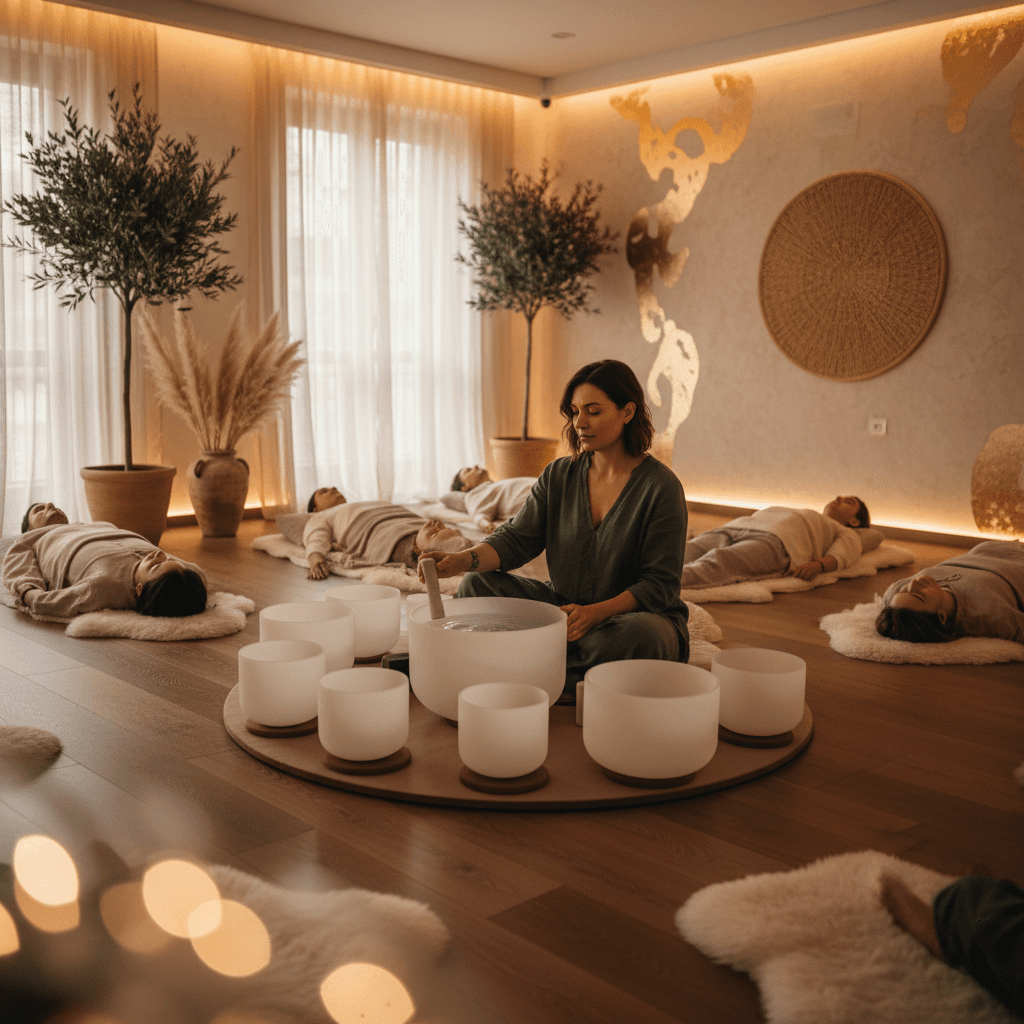
Upon entering the space, clients are typically invited to lie down comfortably, often on a yoga mat or blanket, sometimes with pillows and eye masks to enhance the sensory experience. The environment itself is crafted to be tranquil, free from distractions, allowing for complete surrender to the moment. This immediate shift in environment signals to the body that it is time to unwind.
The practitioner, in the case of Soul Art, Larissa Steinbach or one of her expert facilitators, then begins to play a curated selection of instruments. These often include Himalayan singing bowls, crystal bowls, gongs, chimes, and other resonant tools. The sounds are not just heard; they are felt. The vibrations produced by these instruments permeate the air and are transmitted through the body, often described as a gentle, internal massage. This tactile dimension is crucial.
As the session progresses, the brain naturally begins to shift its wave patterns. The dominant frequencies move from the alert, problem-solving beta waves typical of daily life, towards the calmer alpha waves associated with wakeful relaxation, and even deeper theta waves, which are characteristic of meditative states and light sleep. This process, known as brainwave entrainment, helps to quiet the incessant mental chatter and allows the nervous system to downregulate.
Clients often report a tangible shift in their physiological state. Heart rates may slow, breathing deepens, and muscular tension often melts away. It’s during this state that the body can access its parasympathetic nervous system – the "rest and digest" mode. This allows for crucial processes like digestion, cellular repair, and immune system strengthening to take place more effectively, which are often suppressed during prolonged sympathetic ("fight or flight") activation.
Many people report leaving a sound wellness session feeling profoundly rested, mentally clearer, and emotionally lighter. The persistent buzz of anxiety may diminish, and a sense of inner calm can take its place. While individual experiences vary, the consistent theme is one of restoration and a return to a more centered state, which can be incredibly supportive for those experiencing chronic exhaustion.
The Soul Art Approach: Larissa Steinbach's Philosophy of Harmonious Living
At Soul Art, Dubai's premier sound wellness studio, Larissa Steinbach has cultivated a unique philosophy that blends ancient wisdom with modern understanding of stress and well-being. Her approach is rooted in the belief that true healing begins when we attune ourselves to harmony, both internally and externally. Larissa understands that while "adrenal fatigue" may not be a recognized medical term, the experience of profound exhaustion is real, and demands a holistic, compassionate response.
Larissa Steinbach, with her extensive background and deep personal connection to the power of sound, meticulously curates each sound experience. She doesn't just play instruments; she crafts intentional soundscapes designed to guide clients into states of deep relaxation and nervous system regulation. Her method focuses on creating a sanctuary where the body and mind feel safe enough to release tension and surrender to restorative frequencies.
What makes the Soul Art method unique is its dedication to personalized, resonant experiences. Larissa and her team utilize a diverse array of high-quality instruments, each chosen for its specific vibrational qualities and ability to promote specific brainwave states or energetic shifts.
- Himalayan Singing Bowls: These ancient instruments produce rich, sustained tones and palpable vibrations that are believed to penetrate deeply into the body, encouraging cellular relaxation and energetic clearing.
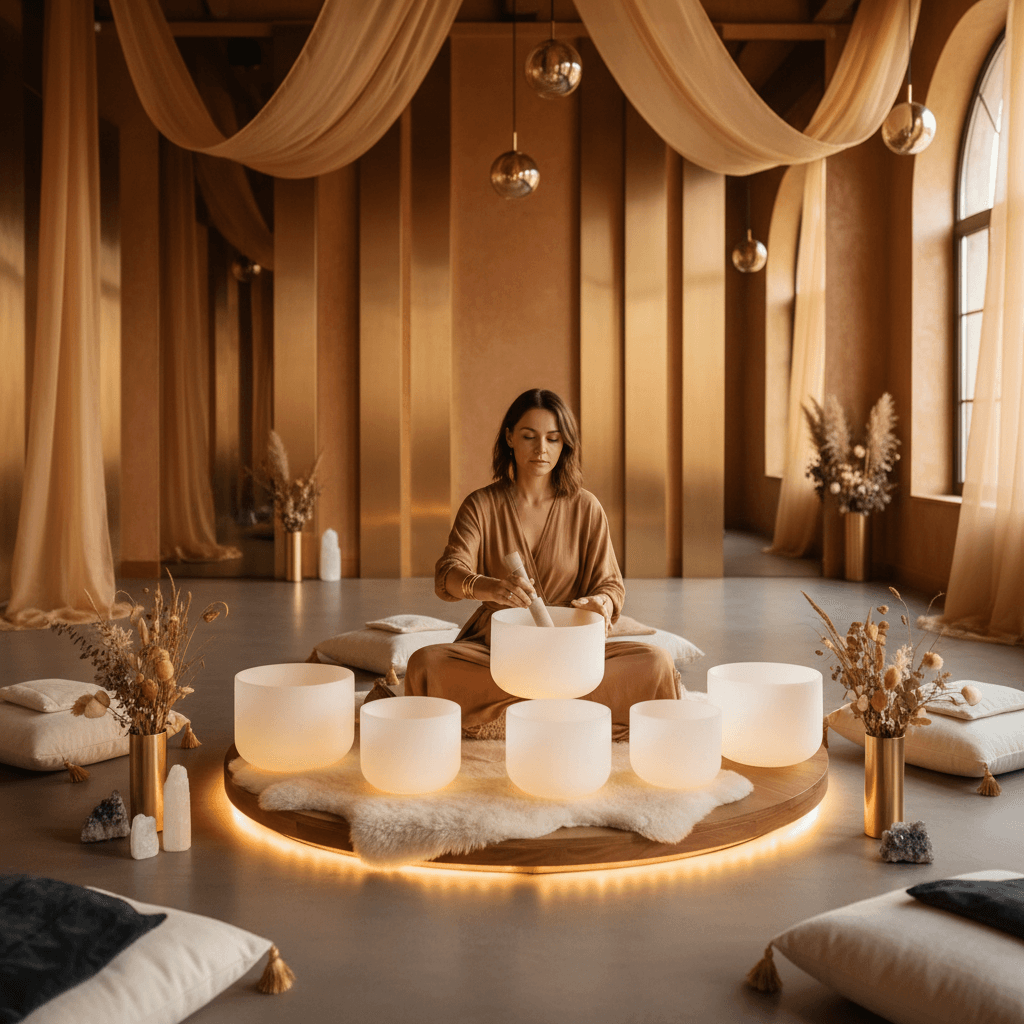
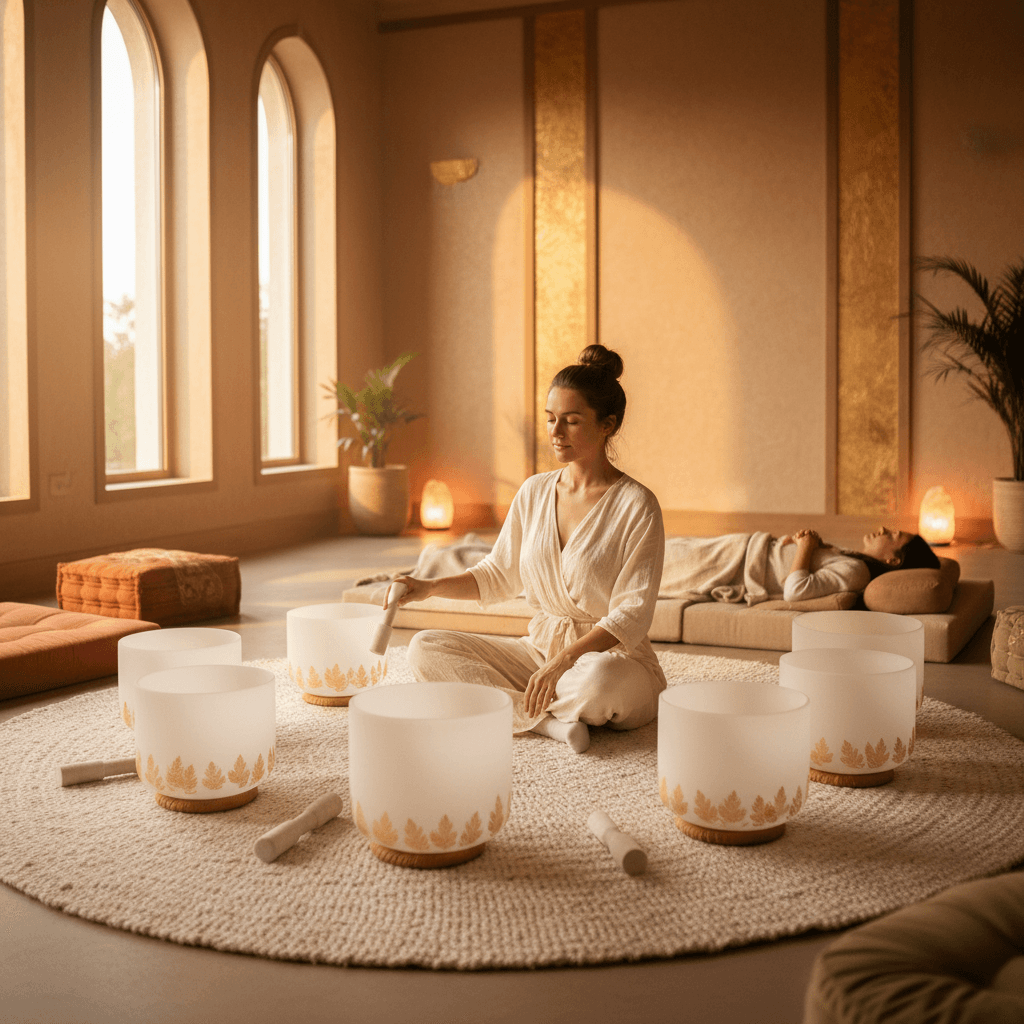
- Crystal Singing Bowls: Crafted from pure quartz, these bowls emit powerful, clear tones associated with different chakras and energy centers, promoting balance and clarity.
- Gongs: The majestic sounds of gongs create complex sound tapestries that can induce profound meditative states, often described as transporting the listener into a different realm of consciousness.
- Tuning Forks: These precise tools are used for targeted vibrational therapy, often applied directly to the body to encourage localized relaxation or energetic alignment.
Larissa Steinbach's vision for Soul Art is to provide a space where individuals can actively engage in their own well-being journey. Through carefully structured sessions, she facilitates an environment where the body's innate capacity for self-repair and stress resilience is gently awakened. The Soul Art approach is more than just relaxation; it's an invitation to rediscover inner harmony and cultivate lasting vitality, offering a supportive practice for those navigating the challenges of chronic exhaustion.
Your Next Steps Towards Restored Vitality
Experiencing persistent exhaustion can be overwhelming, but empowering yourself with supportive self-care practices can make a significant difference. While sound wellness is a powerful complementary tool, a holistic approach to managing your body's stress response involves several key areas.
Consider incorporating these actionable steps into your daily routine to support your overall well-being and aid in recovering from chronic exhaustion:
- Prioritize Restorative Sleep: Establish a consistent sleep schedule, create a dark and quiet sleep environment, and avoid screens an hour before bedtime. Quality sleep is foundational for nervous system recovery.
- Embrace Mindful Movement: Gentle exercises like yoga, walking in nature, or tai chi can help regulate your nervous system without over-stressing your body. Focus on movement that feels nourishing, not depleting.
- Nourish Your Body Mindfully: Focus on whole, unprocessed foods, ample hydration, and reduce stimulants like excessive caffeine and sugar. A balanced diet supports overall physiological function.
- Practice Stress Reduction Techniques: Incorporate daily mindfulness meditation, deep breathing exercises, or journaling to actively manage your stress levels and calm an overactive mind.
- Explore Complementary Wellness Practices: Consider integrating practices like sound wellness into your routine. The deep relaxation and nervous system regulation offered by sound baths may support your body’s ability to recover from chronic stress.
Remember, taking proactive steps towards self-care is a powerful act. If you're seeking a unique and deeply restorative experience, we invite you to explore the transformative world of sound at Soul Art. Our expertly guided sessions, led by Larissa Steinbach, are designed to support your journey back to balance and vitality.
In Summary: Embracing Sound for Stress Resilience
The widespread experience of chronic exhaustion, often discussed under the term "adrenal fatigue," highlights a critical need for effective stress management. While modern medicine does not recognize "adrenal fatigue" as a true medical condition, the profound symptoms of depletion, mental fog, and an inability to cope with daily pressures are undeniably real and often stem from chronic stress and nervous system dysregulation.
At Soul Art, Larissa Steinbach offers a powerful, complementary approach through sound wellness. By utilizing resonant frequencies and vibrations, our sessions aim to guide your body and mind into deep states of relaxation, promoting the activation of the parasympathetic nervous system and fostering overall balance. This practice does not treat medical conditions, but rather provides a supportive environment for your body to restore its natural equilibrium and build resilience against the demands of a busy life.
We invite you to experience the unique methodology of Soul Art and discover how the harmonious vibrations of sound can support your journey towards renewed energy and well-being.
Bookings Coming Soon
Soul Art is still in preparation. Session details and booking will be published here after launch.
Coming Soon
Wellness Disclaimer: This article is for educational and informational purposes only. It does not constitute medical advice, diagnosis, or treatment. Soul Art Dubai provides non-medical wellness experiences focused on relaxation, stress management, and general wellbeing. Sound wellness is a complementary practice and should not replace professional medical care.