Sound Support: Nurturing Addiction Recovery with Vibrational Wellness
Key Insights
Explore how sound wellness, guided by Larissa Steinbach at Soul Art, offers a complementary path for addiction recovery, promoting peace and resilience.
The journey of addiction recovery is profoundly personal, often marked by significant emotional and psychological challenges. While traditional therapies form its cornerstone, many individuals seek complementary avenues to support their healing, enhance well-being, and cultivate lasting resilience. What if a powerful, non-invasive method could help quiet the mind, stabilize emotions, and foster a deeper sense of peace during this transformative period?
At Soul Art, Dubai’s premier sound wellness studio, we explore the remarkable potential of sound to aid in this delicate process. Guided by founder Larissa Steinbach, our approach offers a sophisticated, scientifically-grounded pathway to emotional balance and inner calm. This article will delve into the profound science behind sound's influence on the brain and body, its practical applications in supporting recovery, and how Soul Art integrates these principles into a unique wellness experience designed for deep healing.
Join us as we uncover how the precise frequencies and vibrations of sound may offer a gentle yet potent support for those navigating the path to sustained well-being. This exploration highlights a complementary approach to fostering mental clarity, reducing stress, and nurturing the spirit, underscoring why sound wellness is gaining recognition as a valuable practice in holistic recovery journeys.
The Science Explained: How Sound Resonates with Recovery
The human body and mind are intricately responsive to sound and vibration, a phenomenon that forms the bedrock of sound wellness practices. Scientific research is increasingly illuminating how specific sound frequencies can profoundly influence our physiological and psychological states, offering a compelling complementary tool for addiction recovery. This intricate interplay primarily occurs through the modulation of brainwave activity, neurochemical balance, and autonomic nervous system regulation.
Brainwave Modulation for Calm and Clarity
Our brains operate on different frequencies, each corresponding to distinct states of consciousness. High-stress states, characterized by heightened anxiety and tension, typically align with beta brainwave activity, which ranges from approximately 14 to 30 Hz. During sound wellness sessions, the gentle, rhythmic vibrations from instruments like Tibetan singing bowls and gongs may guide the brain to shift from these activated beta waves to more relaxed alpha and theta states. Alpha waves, typically between 8 and 12 Hz, are associated with calm alertness and the onset of meditation, while theta waves, ranging from about 4 to 8 Hz, are linked to deep relaxation, creativity, and a meditative mind.
This deliberate shift helps to reduce mental tension and stabilize emotions, providing crucial support for individuals in addiction recovery who often grapple with intense stress and emotional volatility. A study by Goldsby, Goldsby, McWalters, and Mills (2017) observed that participants in a 60-minute sound healing session reported significant reductions in tension and anxiety, highlighting sound's calming effects on the body's stress response. Later research by the same team in 2023 further reported statistically significant reductions in stress and anxiety among participants receiving sound healing, even during challenging times.
Neurochemical Rebalancing and Reward Pathways
Beyond brainwave states, sound engagement has a direct impact on our neurochemistry. Listening to music or engaging in sound wellness may trigger the natural release of dopamine, a neurotransmitter associated with pleasure and reward, within the brain's reward centers. This natural neurochemical response can foster positive emotional states, reduce feelings of stress, and alleviate anxiety. For those in recovery, this mechanism is particularly valuable as it may offer a healthy and natural way to activate reward pathways, which can be disrupted by substance use.
Furthermore, low-frequency sound therapy, often falling within the alpha, theta, and delta brainwave ranges, has been associated with stimulating the production of serotonin, a neurotransmitter vital for mood regulation and feelings of well-being. These frequencies may also contribute to the reduction of cortisol, the body’s primary stress hormone, and the release of beta-endorphins, which are natural pain suppressors. Preliminary research suggests that these increases in beneficial neurochemicals may support emotional regulation and mental balance, potentially reducing cravings and stabilizing mood, as noted by Fachner (2021) regarding rhythmic sound therapy.
Autonomic Nervous System Regulation
The autonomic nervous system (ANS) controls involuntary bodily functions, including heart rate, blood pressure, and digestion. In states of chronic stress, often prevalent during addiction recovery, the sympathetic nervous system (our "fight or flight" response) can be overactive. Sound wellness practices, particularly those utilizing low-frequency tones, may help to regulate the ANS, promoting a shift towards parasympathetic dominance—the "rest and digest" state.
Research indicates that engaging with music and sound can lower heart rate, reduce blood pressure, and decrease cortisol levels. Crowe and Scovel (1996) highlighted how low-frequency tones can assist in regulating the autonomic nervous system, thereby promoting physical relaxation. This physiological recalibration contributes to overall well-being, reducing the physical manifestations of stress and creating a more stable internal environment conducive to healing and sustained sobriety. Moreover, neuroscientific research highlights that engaging with music promotes neuroplasticity, the brain’s ability to reorganize and form new neural connections. For those recovering from addiction, this capacity is critical in repairing neural pathways disrupted by substance use, as noted by The Grange Treatment Centre.
How It Works in Practice: The Transformative Sound Journey
Connecting the intricate science of sound to real-world application reveals a powerful, tangible experience for individuals seeking support in their recovery journeys. At Soul Art, we translate these scientific principles into immersive sound wellness sessions that clients often describe as deeply calming and profoundly transformative. The practice moves beyond mere listening, inviting the body and mind to actively engage with the vibrations.
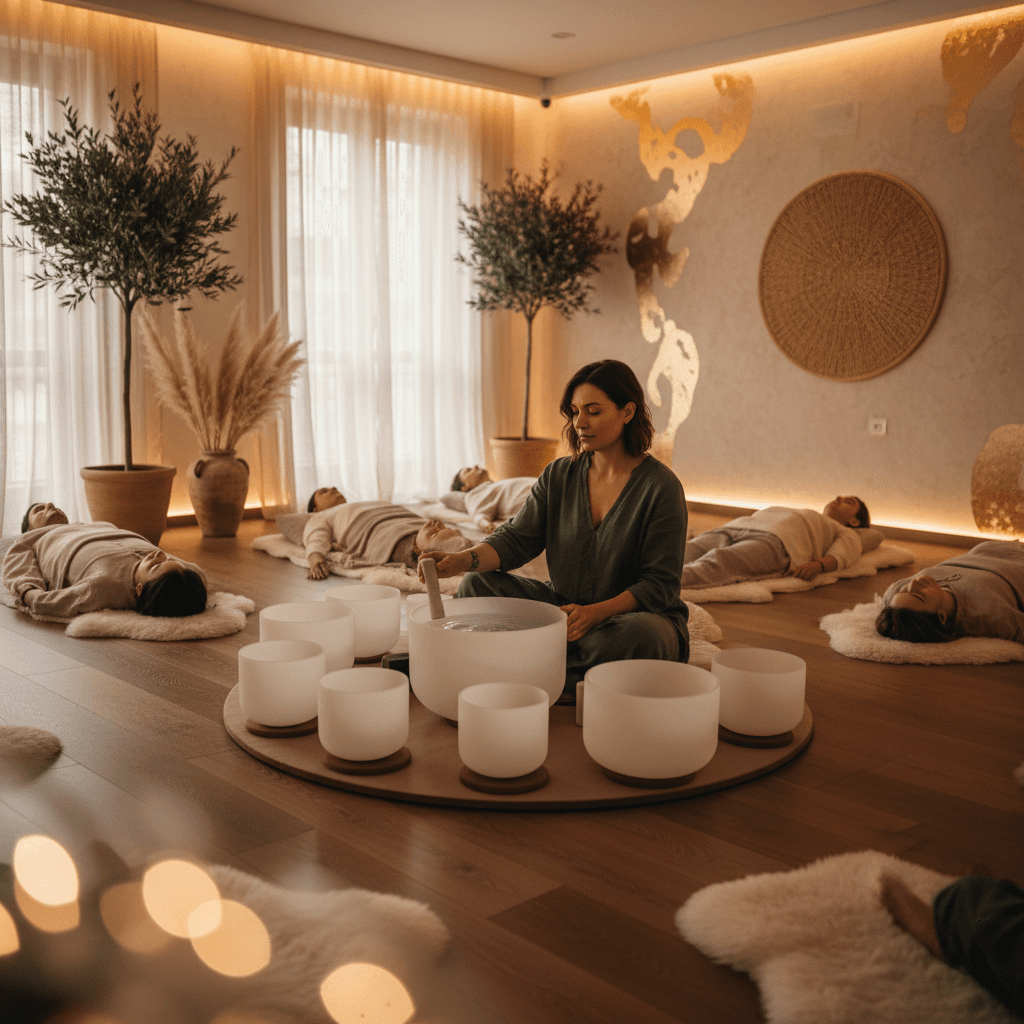
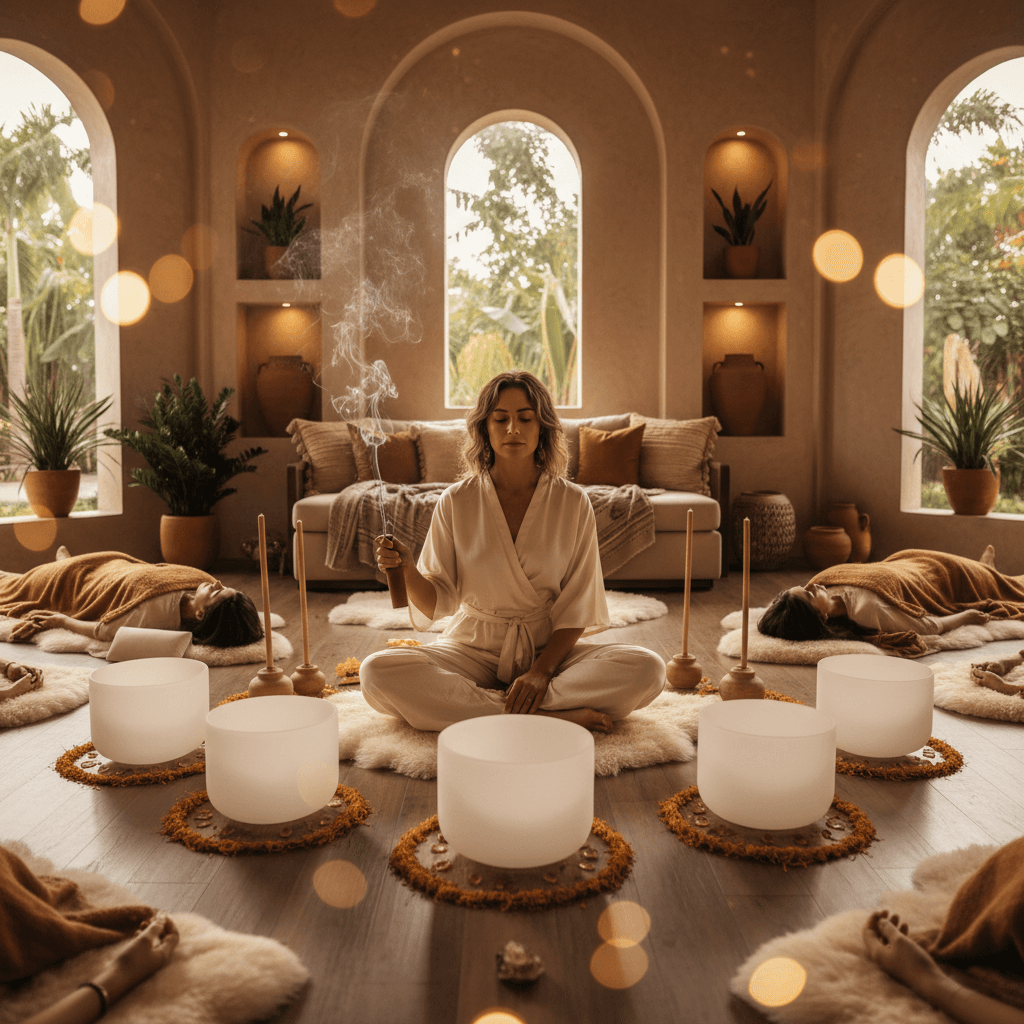
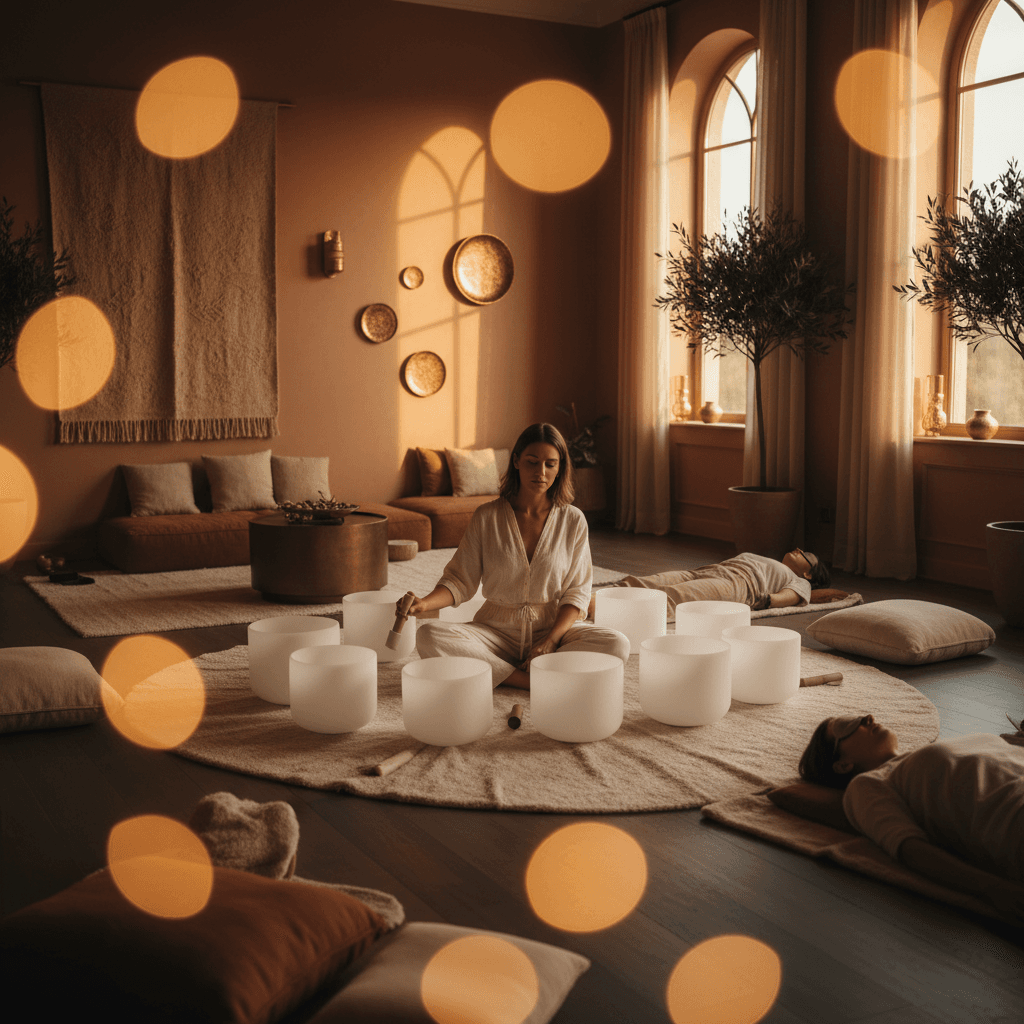
During a typical session, clients recline comfortably in a serene environment, enveloped by the rich tapestry of sounds produced by various instruments. These often include Tibetan singing bowls, crystal bowls, gongs, chimes, and other resonant tools, each chosen for its unique vibrational qualities. The practitioner skillfully plays these instruments, creating a symphony of frequencies and overtones that wash over the participants. The sounds are not just heard through the ears; their gentle vibrations are felt throughout the body, engaging mechanoreceptors in the skin and influencing cellular activity. This full-body sensory experience deepens the sense of relaxation and presence.
Many people report an immediate sense of peace, a quieting of the often-overactive mind, and a noticeable reduction in physical tension. The external focus on sound provides a gentle anchor, helping to redirect attention away from anxious thoughts or cravings, fostering a state of mindfulness. This state, where one is fully present without judgment, is a cornerstone of recovery and resilience building. Preliminary studies on sound baths suggest they tend to produce a state of relaxation that may reduce stress and anxiety, by giving the brain a task (listening) which can help quiet thoughts and lower heart rate and blood pressure (UCLA Health).
Clients often experience enhanced emotional awareness and processing, allowing for a safe space to acknowledge and release suppressed emotions without becoming overwhelmed. The gentle vibrations and soothing frequencies may support emotional regulation, helping individuals to navigate the complex feelings that often arise during recovery. This complementary approach nurtures self-regulation skills, providing coping mechanisms that can be invaluable in real-life situations that might otherwise trigger relapse. The physiological benefits, such as lower heart rate, reduced blood pressure, and decreased cortisol levels, further underscore the profound impact of these sessions on the body's healing process.
The Soul Art Approach: Larissa Steinbach's Vision for Vibrational Harmony
At Soul Art, Larissa Steinbach, our founder, has meticulously crafted a unique sound wellness experience rooted in both scientific understanding and intuitive artistry. Her vision is to provide a sanctuary where individuals can tap into the profound healing potential of sound, particularly those seeking supportive practices during their recovery journey. The Soul Art method is distinguished by its bespoke curation and empathetic delivery, ensuring a deeply personal and effective experience.
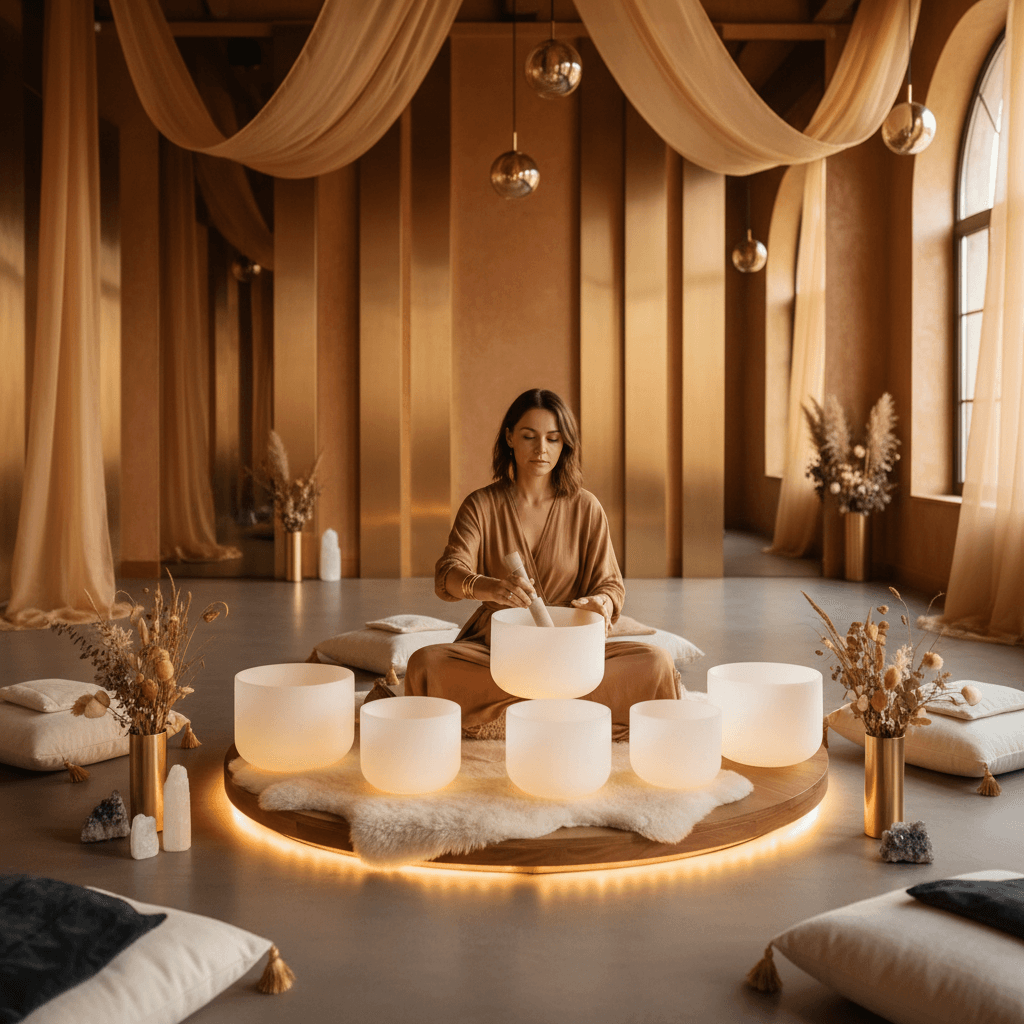
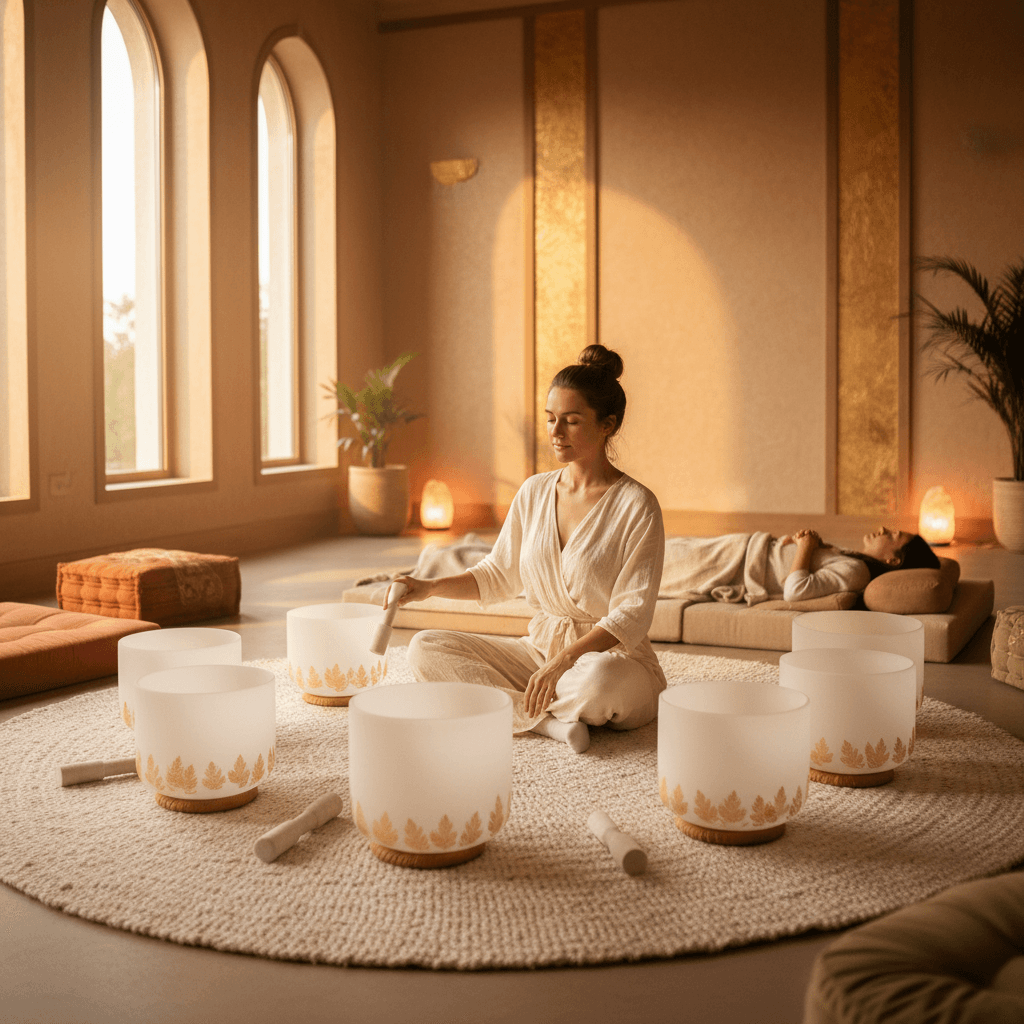
Larissa's approach centers on creating an environment of 'quiet luxury' – sophisticated, serene, and deeply comforting. She carefully selects and plays a diverse array of instruments, including large Paiste gongs, exquisitely tuned crystal singing bowls, and authentic Himalayan Tibetan singing bowls. Each instrument is chosen for its specific frequency range and vibrational quality, which may contribute to shifting brainwave states and promoting neurochemical balance. For instance, the deep resonant tones of the gongs are particularly effective in creating a deeply immersive experience, while the pure, sustained notes of crystal bowls may encourage mental clarity and emotional release.
What makes the Soul Art method unique is Larissa Steinbach's intuitive understanding of how to layer these sounds to create a harmonious soundscape that guides participants into deep meditative states. She integrates principles of vibroacoustic therapy, recognizing that the body responds to vibrational input through multiple pathways, not just auditory. The sessions are designed not merely as passive listening experiences but as active engagements with vibrational frequencies that may support the body's natural capacity for self-regulation and healing.
This holistic integration ensures that sound wellness at Soul Art is not a standalone activity but a vital component within a broader strategy for mental health recovery and sustained well-being. Larissa and her team focus on fostering mindfulness and stress reduction, empowering clients to cultivate self-regulation skills that extend far beyond the studio walls. It's about empowering individuals to find their inner calm and build resilience, supported by the transformative power of sound.
Your Next Steps: Integrating Sound into Your Healing Journey
The journey towards lasting recovery is continuous, and incorporating supportive wellness practices can significantly enhance resilience and well-being. Sound wellness, with its profound capacity to soothe the nervous system and foster inner peace, offers accessible ways to nurture your healing path. Whether you're actively in recovery or simply seeking tools for greater calm, integrating sound can be a gentle yet powerful step.
Here are some actionable steps you can take today to bring the benefits of sound into your life:
- Mindful Listening Practice: Dedicate 10-15 minutes daily to mindfully listen to calming music, nature sounds, or ambient soundscapes. Focus solely on the auditory experience, allowing it to ground your mind and soothe your body.
- Explore Sound Meditation Apps: Many applications offer guided sound meditations featuring instruments like singing bowls or binaural beats, designed to encourage relaxation and shift brainwave states. This can be a convenient way to experience structured sound sessions at home.
- Create a Peaceful Sound Environment: Use gentle chimes, a small tabletop fountain, or soft, instrumental music to create a calming atmosphere in your home or workspace. This can help to reduce background stress and promote a sense of tranquility throughout your day.
- Attend a Live Sound Session: Experience the full immersive power of sound wellness by joining a session at Soul Art. Feeling the vibrations directly can be a profoundly different and often more impactful experience than listening through speakers.
- Journal Your Experiences: After engaging with sound, take a few moments to journal about any shifts in mood, thoughts, or physical sensations. This practice can help you to recognize and reinforce the positive impacts of sound on your well-being.
Ready to experience this profound connection firsthand? We invite you to explore the transformative power of sound at Soul Art Dubai. Discover how Larissa Steinbach and her team can support your unique path to well-being through carefully curated sound wellness sessions.
In Summary: Harmonizing for Holistic Recovery
The journey of addiction recovery is a testament to immense strength and dedication, and complementary wellness practices can play a vital role in nurturing this path. Sound wellness, through its scientifically-backed influence on brainwave states, neurochemical balance, and autonomic nervous system regulation, offers a sophisticated and gentle support system. It provides a non-invasive method for reducing stress, stabilizing emotions, and fostering a deeper sense of peace and resilience.
By guiding the brain from high-stress beta states to relaxed alpha and theta waves, and by promoting the natural release of feel-good neurochemicals, sound helps to create an internal environment conducive to healing. At Soul Art, Larissa Steinbach's meticulously crafted sessions harness these principles, offering a unique blend of scientific insight and intuitive artistry. We believe that embracing sound as a complementary tool can significantly enhance the emotional, mental, and physiological well-being of those navigating the recovery journey. Discover the serene power of vibrational harmony and let Soul Art support your path to lasting inner peace.
Bookings Coming Soon
Soul Art is still in preparation. Session details and booking will be published here after launch.
Coming Soon
Wellness Disclaimer: This article is for educational and informational purposes only. It does not constitute medical advice, diagnosis, or treatment. Soul Art Dubai provides non-medical wellness experiences focused on relaxation, stress management, and general wellbeing. Sound wellness is a complementary practice and should not replace professional medical care.