Sound for Early Mortality: Nurturing Young Adult Wellbeing
Key Insights
Explore the rising trend of young adult deaths, understanding the multifaceted causes and how sound wellness can support resilience and wellbeing.
Young Adult Death: Sound for Early Mortality
In an era defined by rapid change and unprecedented connectivity, a deeply concerning trend is emerging: young adults are facing a disheartening rise in premature mortality. This isn't just about a single cause; it's a complex tapestry woven from various factors, intensifying an already worrying trajectory. The statistics are stark, demanding our attention and a reevaluation of how we support the wellbeing of our younger generations.
At Soul Art, Dubai's premier sound wellness studio, we believe in empowering individuals with tools for resilience, emotional balance, and profound relaxation. While sound wellness is not a medical treatment, it offers a powerful complementary approach to support the holistic wellbeing of young adults navigating these challenging times. Understanding the root causes of this crisis is the first step toward fostering environments where young adults can not only survive but truly thrive.
This article delves into the latest research on early adult mortality, exploring the contributing factors and shedding light on how practices like sound wellness, as offered by Larissa Steinbach and the team at Soul Art, may support mental and physical resilience in the face of modern stressors. It’s a call to proactive wellbeing, emphasizing that holistic self-care practices are more crucial than ever.
Unpacking the Alarming Rise in Early Adult Mortality
Recent research paints a stark picture of declining health outcomes for young adults, challenging long-held assumptions about this age group's vitality. The trajectory of early adult mortality, once steadily decreasing, has now reversed, presenting a significant public health concern. This shift underscores a broader societal challenge that demands our immediate and sustained attention.
Understanding this crisis requires looking beyond single causes, recognizing the intricate interplay of various social, environmental, and individual factors. The implications of this trend are profound, not only for individuals and families but for the collective future of society. Addressing it effectively calls for innovative, holistic approaches to health and wellbeing.
The Sobering Statistics: A Decade of Decline
A groundbreaking study published in JAMA Network Open, led by researchers at the School of Public Health and the University of Minnesota, revealed alarming insights into early adult death rates. Analyzing nearly 3.4 million deaths among adults aged 25-44 in the US between 1999 and 2023, the findings indicate a severe intensification of an already negative trend. The data highlights a sharp increase in mortality that began around 2010, long before the pandemic.
During the core pandemic years, between 2019 and 2021, the death rate for this age group saw a massive surge. It was nearly 35 percent higher than expected in 2019, escalating to nearly three times higher in 2021 compared to 2019 figures. Even by 2023, the death rate remained approximately 20 percent higher than in 2019, and a staggering 70 percent higher than it would have been if pre-2011 mortality trends had continued.
These statistics are not just numbers; they represent countless lives cut short and families impacted by unexpected loss. The sustained elevation in death rates post-pandemic signals a deeper, more systemic issue that requires urgent intervention. The fact that the trend began to worsen a decade before the pandemic suggests underlying vulnerabilities that have been exacerbated.
More Than Opioids: A Multifaceted Crisis
While the rise in opioid deaths has rightly garnered significant attention, the study indicates that the crisis of early adult mortality is far more complex. Elizabeth Wrigley-Field, a lead author of the study, emphasized this point, stating, “The rise in opiate deaths has been devastating for Americans in early and middle adulthood.” However, she added, “What we didn’t expect is how many different causes of death have really grown for these early adults. It’s drug and alcohol deaths, but it’s also car collisions, it’s circulatory and metabolic diseases—causes that are very different from each other. That tells us this isn’t one simple problem to fix, but something broader.”
This diversity of causes suggests a pervasive decline in overall health and resilience among young adults. The problem is not confined to a single public health challenge but reflects a convergence of factors impacting physical, mental, and social wellbeing. This complex interplay makes developing effective intervention strategies particularly challenging, requiring a multi-pronged approach.
Key contributing factors identified include:
- Drug and alcohol-related deaths: A significant and well-documented contributor.
- Car collisions: Indicating behavioral risks or potentially impaired driving.
- Circulatory and metabolic diseases: Conditions typically associated with older age, now appearing earlier in life, possibly linked to lifestyle, stress, and diet.
- Suicide and accidental deaths: The Brain and Mind Research Register study highlighted these as leading causes of premature mortality in young people accessing early intervention mental healthcare. Poisoning, whether intentional or accidental, was a significant primary cause.
- Cardiovascular disease: A one-year observational study in India found cardiovascular-related causes, particularly atherosclerotic coronary artery disease, to be the leading cause of sudden death in young individuals, emphasizing the growing burden of premature heart disease.
The NPR article further noted that about a third of deaths in young people (ages 10-24) were due to accidents, injuries, or conflicts and violence, another third from infections, poor nutrition, or pregnancy, and the rest from non-communicable diseases such as cancer or suicide. This comprehensive view reinforces the idea that this is not a singular epidemic but a broad deterioration across various health domains.
The Mind-Body Connection: Perceptions and Mental Health
Beyond the direct causes of death, psychological factors play a crucial, often underestimated, role in premature mortality. The "Add Health" study investigated whether adolescents' perceptions of survival predict premature mortality, controlling for various demographic, socioeconomic, health, and behavioral factors. The findings were compelling, indicating a profound link between mental outlook and life expectancy.
Adolescents who perceived a 50% chance or less of surviving to age 35 had a higher risk of mortality compared to those who were almost certain they would survive. This association was particularly strong among female adolescents, highlighting the importance of addressing girls' sense of risk and future prospects at a young age. While socioeconomic status, physical and mental health, risky behaviors, and exposure to violence did weaken this association, the initial correlation underscores the power of perception.
Mental health challenges are undeniably linked to these statistics. The Brain and Mind Research Register study, linking data from emergency departments, hospital admissions, and mortality to a cohort of young people accessing early intervention mental healthcare, found stark results. There were 60 deaths during the study period, with 42% due to suicide, 32% from accident or injury, and 13.3% where the cause was under investigation. The overall mortality rate was twice the expected, and for males, it was 5.3 times higher. Prior emergency department presentation for poisoning and psychiatric admission were strong predictors of mortality.
These studies underscore that a holistic approach to wellbeing must consider not only physical health but also mental resilience, emotional regulation, and a positive outlook on the future. The pressures of modern life, including social media, economic uncertainty, and global crises, contribute to a pervasive sense of anxiety and despair among young adults, which can manifest in various detrimental behaviors and health outcomes.
Underlying Stressors: The Silent Epidemic
The diverse and often interconnected causes of early adult mortality point to a common thread: an overwhelming burden of chronic stress and mental health challenges. Young adults today grapple with an array of pressures that previous generations may not have faced to the same extent. These include:
- Academic and career pressures: High expectations and intense competition can lead to burnout and anxiety.
- Financial instability: Student debt, rising cost of living, and precarious job markets contribute to significant stress.
- Social media impact: Constant comparison, cyberbullying, and the pressure to maintain an idealized online persona can severely impact self-esteem and mental health.
- Global uncertainties: Climate change anxiety, political instability, and global health crises create a pervasive sense of dread and helplessness.
- Lack of social connection: Despite digital connectivity, many young adults report feelings of loneliness and isolation, a significant risk factor for poor mental and physical health.
These stressors can lead to a state of chronic physiological arousal, known as the "fight or flight" response, which, when prolonged, can have detrimental effects on the body. It can impair immune function, disrupt sleep, contribute to cardiovascular issues, and exacerbate mental health conditions like anxiety and depression. Addressing this "silent epidemic" of stress and its physiological impact is critical in supporting young adult wellbeing.
Sound Wellness: A Complementary Path to Resilience
In the face of these complex and pervasive challenges, finding effective strategies to support the nervous system and promote deep relaxation is paramount. Sound wellness offers a unique, non-invasive approach that has been gaining recognition for its ability to foster mental, emotional, and physical balance. It is a complementary approach that works alongside other healthy lifestyle choices to cultivate a deeper sense of inner peace.
Sound has a profound ability to bypass the analytical mind and directly influence our physiological state. This is because our bodies are inherently resonant, constantly responding to the vibrational energy around us. Engaging with therapeutic sound can help to shift our internal landscape, moving us from states of stress and anxiety towards calm and restoration. Many people report feeling a profound sense of relief and mental clarity after sound wellness sessions.
The Science of Sonic Soothe
The efficacy of sound wellness lies in its ability to influence our brainwave states and activate the parasympathetic nervous system, responsible for rest and digestion. When we are stressed, our sympathetic nervous system (fight or flight) is overactive, leading to increased heart rate, shallow breathing, and muscle tension. Therapeutic sound, particularly specific frequencies and rhythms, may help to gently guide the brain into more relaxed states.
- Brainwave Entrainment: Sound frequencies can synchronize with our brainwave patterns, a phenomenon known as brainwave entrainment. This can help shift dominant brain activity from beta waves (alert, active thinking) to alpha waves (relaxed, meditative) and even theta waves (deep relaxation, creativity). Achieving these states has been associated with reduced stress, enhanced creativity, and improved emotional regulation.
- Vagus Nerve Activation: The vagus nerve is a crucial component of the parasympathetic nervous system. Gentle vibrations and resonant sounds, especially those experienced during sound baths, may stimulate the vagus nerve. This activation helps to slow heart rate, deepen breathing, and promote a sense of calm throughout the body, directly countering the effects of chronic stress.
- Cellular Vibration: Sound vibrations are not just heard; they are felt throughout the body. These gentle, resonant frequencies may penetrate tissues and cells, potentially promoting relaxation at a cellular level. Preliminary studies indicate that this cellular stimulation has been associated with reducing muscle tension and improving circulation, further contributing to overall wellbeing.
These physiological responses explain why many people report experiencing not only mental calmness but also a release of physical tension and a greater sense of overall balance after a sound wellness session. It’s a holistic experience that addresses both the mind and the body.
Connecting Theory to Practical Experience
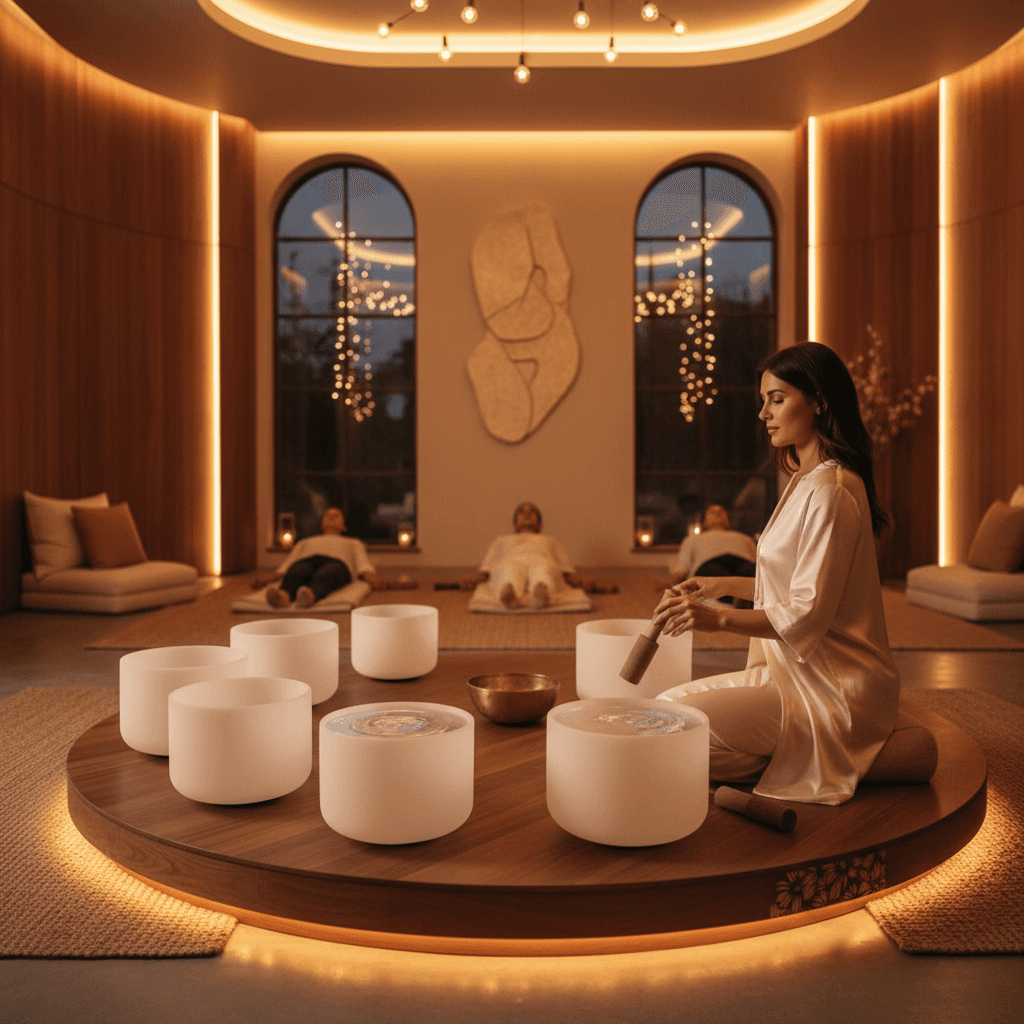
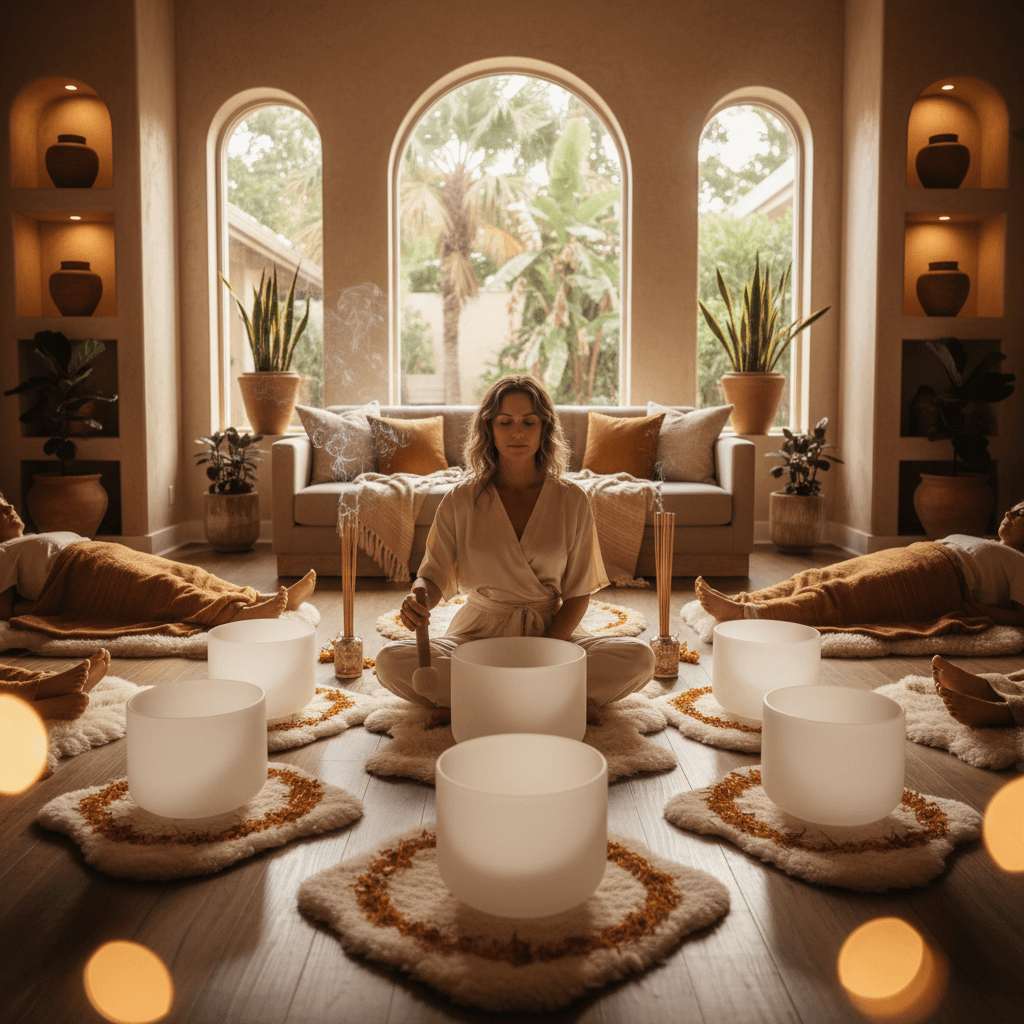
In a sound wellness session, clients are typically invited to lie down comfortably, often on a yoga mat with blankets and bolsters, and simply allow the sounds to wash over them. The experience is designed to be fully immersive, with minimal effort required from the participant. This passive reception of sound allows for deep relaxation without the need for active meditation techniques.
The practitioner uses a variety of instruments, such as:
- Tibetan singing bowls: Producing complex, sustained tones that resonate deeply.
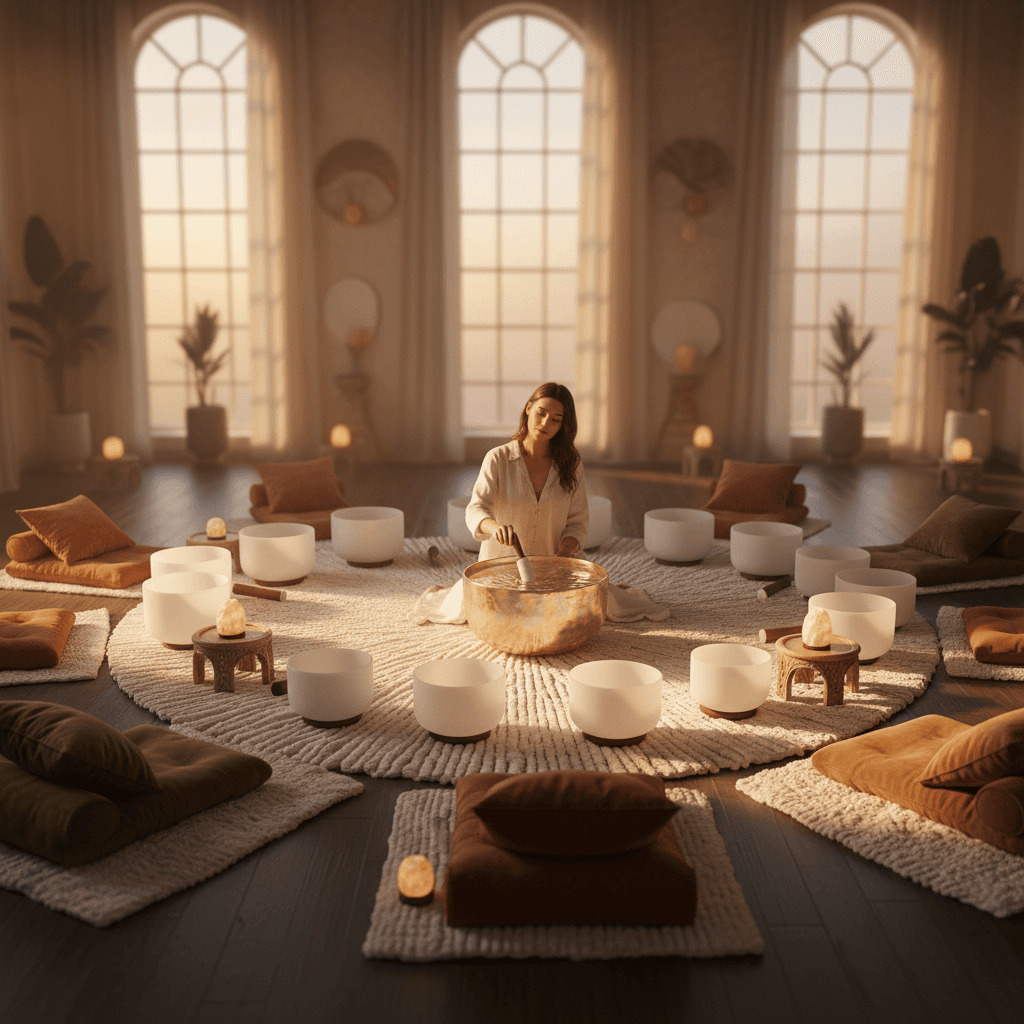
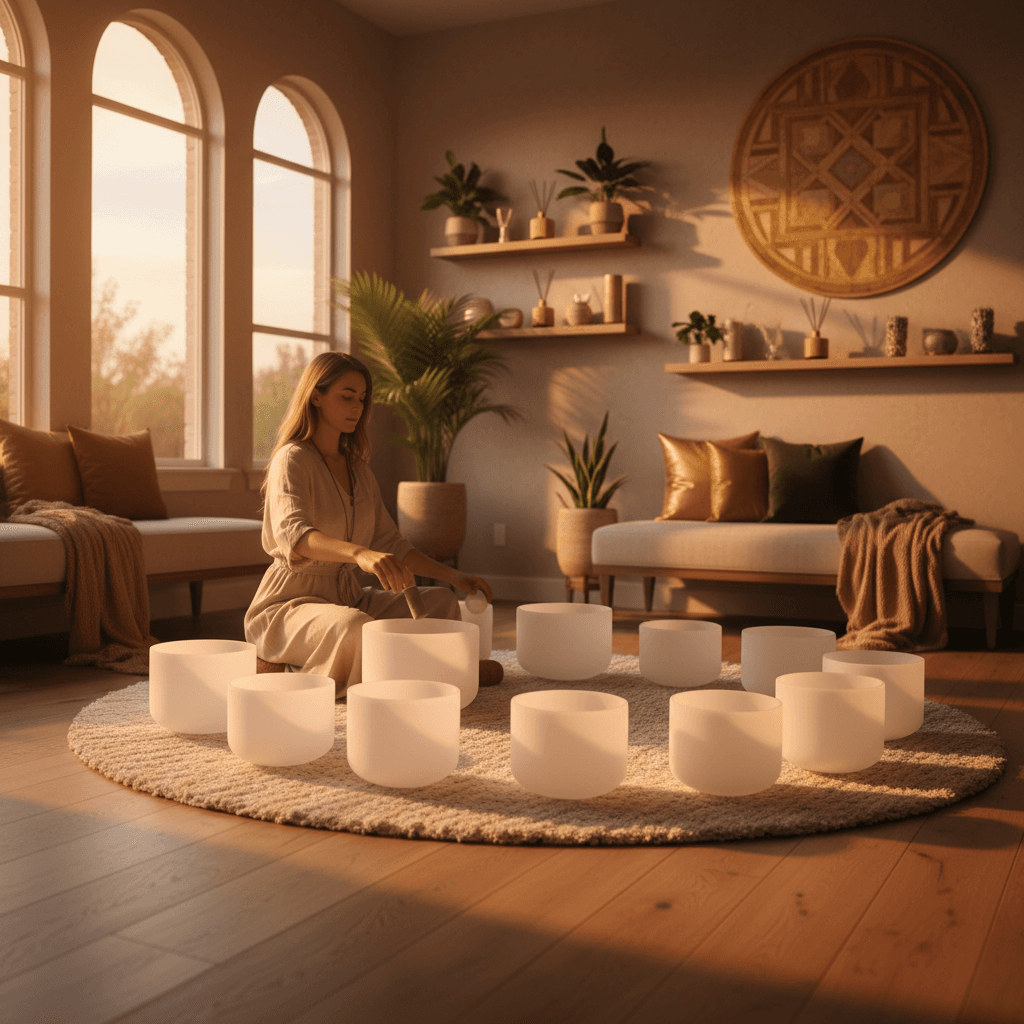
- Crystal singing bowls: Known for their pure, resonant frequencies and powerful vibrations.
- Gongs: Creating a broad spectrum of sounds and powerful vibrations that can be felt throughout the body, often leading to profound states of relaxation.
- Chimes, tuning forks, and other percussive instruments: Adding layers of texture and harmonic richness to the soundscape.
The combination of these instruments creates a rich tapestry of sound that envelops the listener. Clients often describe the experience as feeling like a gentle massage for the mind and body. The vibrations are palpable, moving through the body, helping to release tension and promote a sense of spaciousness. This allows individuals to enter a state where they can process emotions, release pent-up stress, and simply be in the present moment without judgment.
"The true magic of sound lies not just in what we hear, but in what we feel – a profound resonance that reminds our bodies and minds how to return to a state of peace and equilibrium."
This practice, while not a substitute for medical intervention, serves as a powerful stress management tool and self-care practice. It offers a sanctuary from the relentless pace of modern life, allowing young adults to recharge their nervous systems and cultivate greater emotional resilience. The benefits extend beyond the session itself, often leading to improved sleep, increased mental clarity, and a more positive outlook on life.
The Soul Art Approach: Cultivating Inner Harmony with Larissa Steinbach
At Soul Art, Dubai's premier sound wellness studio, we understand the profound impact that chronic stress and mental health challenges can have on young adults. Led by our visionary founder, Larissa Steinbach, Soul Art is dedicated to providing meticulously crafted sound experiences that foster deep relaxation, emotional balance, and holistic wellbeing. Our approach is rooted in both ancient wisdom and contemporary scientific understanding, designed to support individuals in navigating the complexities of modern life.
Larissa Steinbach has cultivated a unique methodology that goes beyond simply playing instruments. Each session is a thoughtfully curated journey, meticulously designed to guide participants into states of profound calm and introspection. This bespoke approach ensures that every individual can find solace and rejuvenation, whether seeking relief from anxiety, stress, or simply aiming to enhance their overall sense of peace. Larissa's expertise and compassionate guidance are central to the transformative experiences offered at Soul Art.
What Makes the Soul Art Method Unique
The Soul Art method is distinguished by several key elements that prioritize the client's holistic experience and wellbeing. We believe in creating a sanctuary where every detail contributes to an environment of healing and deep relaxation. This meticulous attention to detail is what sets Soul Art apart as a leader in sound wellness.
- Curated Sound Journeys: We don't just offer random sound baths. Larissa Steinbach designs each session as a thematic journey, often incorporating specific intentions for mental clarity, emotional release, or deep rest. These journeys are crafted to be coherent and progressive, guiding participants through various states of consciousness with intention and grace.
- Precision and Purity of Sound: Soul Art exclusively uses instruments of the highest quality, including hand-hammered Himalayan singing bowls, pure quartz crystal bowls, and sacred gongs. The purity of these instruments ensures a rich, resonant, and therapeutic sound experience. The specific frequencies chosen are intended to harmonize with the body's natural rhythms, facilitating profound energetic shifts.
- Emphasis on Embodiment and Integration: While the sounds are central, Soul Art's approach also encourages participants to become aware of the physical sensations and emotional responses elicited by the vibrations. Post-session, there's a gentle focus on integrating these insights and feelings into daily life, empowering individuals to carry the sense of calm and clarity forward.
- A Nurturing Environment: The Soul Art studio itself is a tranquil haven, designed to be aesthetically pleasing and conducive to deep relaxation. From the ambient lighting to the comfortable amenities, every aspect is considered to create a safe and supportive space where clients can fully surrender to the experience.
Through the unique blend of carefully selected instruments, Larissa Steinbach's expert guidance, and a deeply nurturing environment, Soul Art offers more than just a sound bath. It provides a profound opportunity for young adults to reconnect with their inner selves, release accumulated stress, and cultivate a robust foundation for long-term emotional and physical wellbeing. This commitment to holistic wellness positions Soul Art as a vital resource for proactive self-care in Dubai.
Empowering Your Journey: Practical Steps for Wellbeing
Understanding the rising trend of early adult mortality and the diverse factors contributing to it can be daunting. However, it also highlights the critical importance of proactive self-care and stress management strategies. While sound wellness is a powerful complementary approach, integrating a range of healthy practices into your daily life can significantly enhance your resilience and overall wellbeing. You have the power to influence your internal state and cultivate greater health.
Taking small, consistent steps can lead to significant improvements in your mental and physical health. These practices are not about perfection but about progress and creating a sustainable rhythm of self-nurturing. Empower yourself with choices that support your longevity and quality of life.
Here are some actionable steps you can implement today to foster greater wellbeing:
- Prioritize Rest and Sleep Hygiene: Adequate, quality sleep is foundational for physical and mental health. Aim for 7-9 hours of sleep per night. Establish a consistent sleep schedule, create a relaxing bedtime routine, and ensure your sleep environment is dark, quiet, and cool. Consider a sound wellness session to wind down before bed; many find it helps to quiet the mind for better sleep.
- Integrate Mindful Movement: Regular physical activity is a powerful antidote to stress and can significantly improve mood. This doesn't mean intense workouts every day. Engage in activities you enjoy, whether it's walking, yoga, dancing, or swimming. Mindful movement practices, like walking meditation, can further enhance the mind-body connection.
- Cultivate Conscious Connection: Combat feelings of isolation by actively nurturing meaningful relationships. Spend time with friends and family, engage in community activities, or volunteer for causes you care about. Authentic human connection is a vital buffer against stress and loneliness.
- Practice Mindful Breathing and Short Breaks: Even a few minutes of conscious breathing throughout the day can reset your nervous system. Try box breathing or deep belly breaths to calm your mind and reduce anxiety. Regular short breaks from screens and tasks can prevent burnout and improve focus.
- Explore Complementary Wellness Practices: Consider incorporating practices like sound wellness into your routine. Sessions at Soul Art Dubai offer a unique opportunity to experience profound relaxation and stress release. It's a non-invasive way to support your mental and emotional resilience and promote a deep sense of calm.
Remember, if you are struggling with persistent mental health challenges, please reach out to a qualified healthcare professional. Wellness practices are designed to complement, not replace, medical advice or treatment.
In Summary: Embracing Proactive Wellbeing
The alarming rise in early adult mortality, driven by a complex interplay of factors from drug and alcohol deaths to chronic diseases and profound mental health challenges, demands our attention and a proactive response. It highlights a pressing need for holistic strategies that support the wellbeing and resilience of young adults in our rapidly changing world. This trend underscores that nurturing our mental and emotional health is as vital as caring for our physical bodies.
Sound wellness offers a potent complementary approach to address the pervasive stress and anxiety contributing to these concerning trends. By gently guiding the nervous system into states of deep relaxation, practices like those offered at Soul Art by Larissa Steinbach may support emotional regulation, stress reduction, and overall mental clarity. It's about empowering individuals with tools to foster inner harmony and build resilience against the pressures of modern life.
We invite you to explore the transformative power of sound. Embrace the opportunity to prioritize your wellbeing and discover how deep relaxation can cultivate a stronger, more resilient self.
Bookings Coming Soon
Soul Art is still in preparation. Session details and booking will be published here after launch.
Coming Soon
Wellness Disclaimer: This article is for educational and informational purposes only. It does not constitute medical advice, diagnosis, or treatment. Soul Art Dubai provides non-medical wellness experiences focused on relaxation, stress management, and general wellbeing. Sound wellness is a complementary practice and should not replace professional medical care.
Related Articles
The Role of Sound in Cultural Death Practices
Death Doulas & Sound: Enhancing Peace in End-of-Life Journeys
Sound's Gentle Embrace: Supporting Late Alzheimer's with Sonic Wellness