Sound Wellness for Hospice Volunteers: Enhancing Compassion & Resilience
Key Insights
Discover how sound wellness training at Soul Art Dubai empowers hospice volunteers, fostering resilience, reducing burnout, and deepening compassionate care. Learn about Larissa Steinbach's unique approach.
The compassionate work of hospice volunteers is a profound act of service, offering solace and presence during life's most vulnerable moments. Yet, beneath the surface of unwavering dedication lies a significant challenge: the emotional toll this vital work can take. Research indicates that the unique stresses of accompanying individuals through the end-of-life journey can lead to burnout, compassion fatigue, and, consequently, volunteer attrition.
At Soul Art, Dubai's premier sound wellness studio, founded by Larissa Steinbach, we believe in nurturing the nurturers. This article explores how integrating scientifically-grounded sound wellness training can serve as a powerful, complementary tool, equipping hospice helpers with essential self-care strategies and enhancing their capacity for deep, sustained compassionate care. By understanding the intricate connection between sound, the nervous system, and emotional resilience, volunteers can cultivate a profound sense of purpose, mitigate stress, and ultimately extend their invaluable service with greater presence and inner peace.
The Neuroscience of Sound and Compassion
Sound is not merely perceived by the ears; it is felt throughout the entire body, influencing our physiological and psychological states profoundly. This ancient understanding is now corroborated by modern neuroscience, revealing how specific frequencies and vibrations can gently guide the nervous system into states of profound relaxation and receptivity. For hospice volunteers, this scientific understanding forms the bedrock of enhanced resilience and empathetic connection.
Calming the Nervous System: The Vagal Tone Connection
The vagus nerve, a major component of the parasympathetic nervous system, plays a critical role in regulating our "rest and digest" response. Gentle sound vibrations, particularly those from instruments like singing bowls and gongs, are thought to stimulate the vagus nerve. This stimulation may encourage the body to shift away from the "fight or flight" (sympathetic) response, promoting a state of calm.
This physiological shift can lead to a reduction in stress hormones like cortisol, a lowering of heart rate, and a more regulated breathing pattern. For hospice volunteers, who frequently encounter emotionally charged situations, cultivating a strong vagal tone through sound wellness may act as an intrinsic buffer against cumulative stress and anxiety. Preliminary studies indicate that music-based interventions can indeed reduce anxiety and positively influence vital signs such as heart rate and blood pressure (Krout, 2001; Lee et al., 2012; Herald Open Access).
Brainwave Entrainment and Enhanced Presence
Our brains operate at different brainwave frequencies, each associated with distinct states of consciousness. Beta waves characterize alert, active thinking, while alpha waves are linked to relaxed alertness, and theta waves to deep meditation and creativity. Sound wellness practices often utilize binaural beats or rhythmic pulses to encourage brainwave entrainment, guiding the brain towards these more restorative alpha and theta states.
When volunteers regularly engage in sound baths or guided sound meditations, they train their brains to access these calmer states more readily. This practice cultivates enhanced presence and mindfulness, which are invaluable assets in hospice care. A volunteer who is calm and present can offer a more grounded and reassuring presence to patients and their families, fostering deeper connection and trust.
Fostering Detached Concern and Empathy
Hospice training often emphasizes the concept of "detached concern" – the ability to be deeply empathetic and caring without becoming overly enmeshed in the patient's emotional experience. This delicate balance is crucial for longevity in service (Gale, 2018). Sound wellness may support the development of this skill by providing a safe, internal space for emotional processing.
By regularly engaging in self-care through sound, volunteers can process their own feelings of grief or sadness, rather than suppressing them. This allows them to approach patient interactions with renewed empathy, having tended to their own emotional well-being first. Research suggests that a lower level of death anxiety correlates with a greater sense of purpose and longer duration of service in hospice volunteers, highlighting the importance of preventative measures against burnout (Ellis Archive PDF). Experiential training, including simulated dying experiences, has shown an impressive 82.7% retention rate for volunteers after 18 months, suggesting the power of immersive preparatory techniques.
How It Works in Practice
Connecting the scientific principles to real-world application, sound wellness offers practical, tangible benefits for hospice volunteers, both in their personal self-care and in their interactions with patients. The experience is deeply sensory, engaging multiple facets of perception to foster profound inner peace.
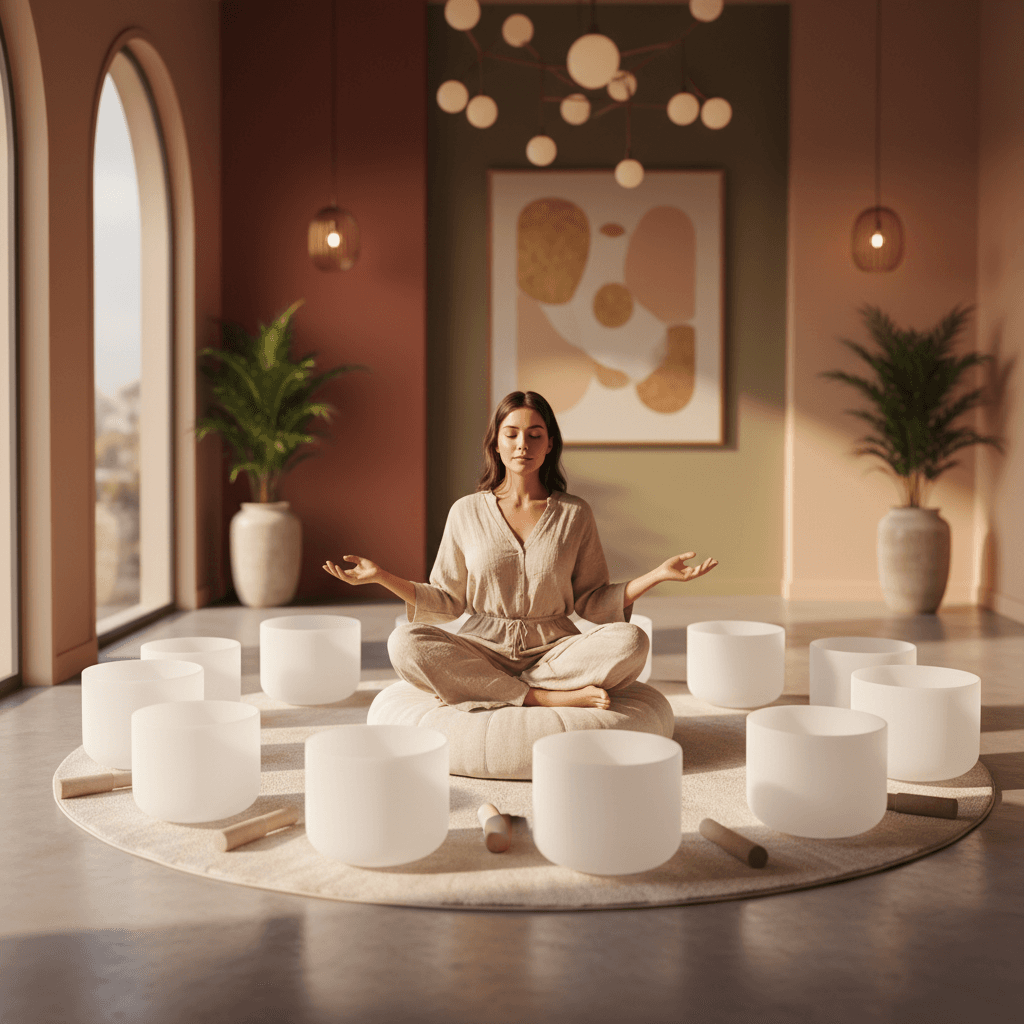
Imagine a sound wellness session designed for hospice helpers: volunteers lie comfortably, enveloped in a symphony of vibrations. The rich, resonant tones of Himalayan singing bowls are played directly on or around the body, their vibrations permeating soft tissues. The deep, expansive swells of gongs wash over the space, creating an immersive field of sound. Delicate chimes and crystal bowls add layers of ethereal harmony, inviting the mind to quieten.
The tactile sensation of the bowls, the auditory tapestry of the gongs, and the subtle shifts in atmosphere combine to create a deeply relaxing environment. Volunteers often report a profound sense of calm, a release of accumulated tension, and a mental clarity that was previously elusive. This direct experience of peace and self-regulation is invaluable training for their demanding roles.
These personal experiences then translate into their compassionate work. A volunteer who regularly practices sound wellness may naturally carry a calmer demeanor, a more centered presence, and an enhanced ability to create a peaceful atmosphere. They learn to harness the power of sound not just for their own wellbeing, but also as a subtle tool for patient comfort. As one hospice volunteer shared, they focused on playing "sweet, gentle melodies" on a flute, alongside other elements like crystals, to create a "sacred space" that greatly eased a patient’s transition (Sound Healing Academy blog).
Moreover, sound training can enhance active listening skills, which are paramount in end-of-life care. "Deep listening" is a key aspect of hospice volunteering (Kunisue, 2011), and sound practices train the brain to focus intently on subtle auditory cues, fostering a heightened sense of awareness and presence during patient conversations. This refined ability to listen, without interruption or judgment, allows volunteers to truly hear and acknowledge the needs and feelings of patients and their families, offering a more meaningful form of support. Volunteers prefer training that is diverse and uses interactive methods, drawing on real-life case examples, making experiential sound practices an ideal fit (Brighton et al., 2017).
The Soul Art Approach
At Soul Art, Larissa Steinbach and her team are dedicated to curating transformative wellness experiences that resonate with the profound needs of the human spirit. Our approach to "Volunteer Training: Sound for Hospice Helpers" is meticulously crafted to empower these incredible individuals with sustainable self-care practices and innovative tools for compassionate engagement. We understand that effective hospice support begins with well-supported volunteers.
Larissa Steinbach's philosophy centers on the belief that true well-being stems from inner harmony and a balanced nervous system. Our unique methodology for hospice helper training integrates ancient wisdom with contemporary scientific understanding. We emphasize hands-on, experiential learning, allowing volunteers to deeply internalize the benefits of sound wellness rather than simply intellectualizing them. This aligns with research indicating that volunteers prefer interactive teaching methods that draw on real-life case examples (Brighton et al., 2017).
Our specialized workshops for hospice volunteers focus on several key areas:
- Personal Resilience Building: Teaching techniques for self-regulation and stress reduction through guided sound meditations and immersive sound baths.
- Enhanced Presence Skills: Utilizing specific sound frequencies to cultivate mindfulness and deep listening, enabling volunteers to be more fully present with patients.
- Creating Soothing Environments: Guiding volunteers on how to use gentle, non-invasive sounds (e.g., small chimes, soft humming, or very gentle singing bowls) to create a peaceful ambiance in patient settings, always with utmost respect for individual preferences and boundaries.
- Emotional Processing & Self-Compassion: Providing a safe space for volunteers to process the emotional impact of their work, fostering self-compassion and preventing compassion fatigue.
We utilize a diverse array of instruments, including authentic Himalayan singing bowls, resonant crystal bowls, expansive gongs, and delicate chimes. Each instrument is chosen for its unique vibrational quality and its capacity to induce specific states of relaxation and balance. Larissa Steinbach ensures that all training includes stringent safety protocols and ethical considerations, particularly when discussing the potential application of sound in a sensitive end-of-life environment. This training complements existing hospice protocols, focusing on the volunteer's personal well-being as a foundation for their service, while ensuring sound practices are introduced with sensitivity and respect.
Bookings Coming Soon
Soul Art is still in preparation. Session details and booking will be published here after launch.
Coming Soon
Your Next Steps
The profound impact of sound wellness on resilience and compassionate care is a resource that every hospice helper deserves to explore. Whether you are a volunteer, a hospice coordinator, or someone contemplating this meaningful path, integrating sound into your life or program can yield significant rewards. It is a complementary wellness practice that can profoundly enhance the quality of both giving and receiving care.
Here are some actionable steps you can take today:
- Explore Local Sound Wellness: Seek out reputable sound bath practitioners or workshops in your area. Experiencing the practice firsthand is the best way to understand its benefits.
- Advocate for Training: If you are a hospice coordinator, consider discussing the integration of sound wellness workshops into your volunteer training curriculum. Bridging the gaps in end-of-life care training for hospital volunteers can maximize this valuable resource (Brighton et al., 2017).
- Prioritize Self-Care: For current volunteers, commit to a regular self-care routine that incorporates mindful practices like gentle sound meditation or listening to calming frequencies. Remember, you cannot pour from an empty cup (Crane & Ward, 2016).
- Connect with Soul Art Dubai: Reach out to Larissa Steinbach and the team at Soul Art to discuss bespoke workshops for your hospice volunteer group or to explore individual sound wellness sessions designed to support your personal resilience journey.
In Summary
The unwavering dedication of hospice volunteers forms the backbone of compassionate end-of-life care, yet their well-being often remains an overlooked priority. Sound wellness, as championed by Larissa Steinbach and Soul Art, offers a scientifically-grounded, complementary approach to nurturing these vital caregivers. By calming the nervous system, fostering deep presence, and enhancing resilience, sound practices can significantly reduce volunteer burnout and extend their invaluable service.
This profound integration supports volunteers in cultivating "detached concern," allowing them to offer empathetic care while safeguarding their own emotional health. Ultimately, investing in the well-being of hospice helpers through sound wellness not only empowers them with essential self-care tools but also elevates the quality of comfort and solace provided to patients and their families. Discover the transformative power of sound with Soul Art and experience a deeper frequency of well-being.
Related Articles
The Role of Sound in Cultural Death Practices
Death Doulas & Sound: Enhancing Peace in End-of-Life Journeys

Sound's Gentle Embrace: Supporting Late Alzheimer's with Sonic Wellness