Navigating Traumatic Loss: The Healing Frequencies of Sound
Key Insights
Explore how sound wellness offers a complementary path to healing and nervous system regulation for those experiencing traumatic loss after violent death.
Compelling Introduction
Imagine a life shattered in an instant, not by the natural ebb and flow of existence, but by the jarring shock of violent death. This profound form of loss, encompassing homicide, suicide, or fatal accidents, leaves an indelible mark far beyond conventional grief. It often triggers a complex tapestry of post-traumatic stress disorder (PTSD), depression, and prolonged grief reactions that can feel utterly overwhelming.
Survivors grapple not only with sorrow but also with the traumatic circumstances, questions of "why," and often intense feelings of guilt or blame. Traditional support mechanisms, while vital, sometimes struggle to address the deep-seated physiological impact of such trauma on the nervous system. At Soul Art, we understand this profound need for holistic support.
This article delves into the unique challenges of traumatic loss following violent death and explores how sound wellness, a complementary practice, offers a unique avenue for nervous system regulation and emotional integration. We will uncover the science behind trauma's impact and demonstrate how the gentle yet powerful frequencies of sound, under the guidance of experts like Larissa Steinbach, may support individuals in finding moments of solace and a path towards reclaiming equilibrium. Join us to understand how sound can become a silent, steadfast companion on the journey through profound grief.
The Science Explained: Trauma, Grief, and the Nervous System
The experience of losing a loved one to violent death is not merely grief; it is often a traumatic loss. Research consistently highlights that these circumstances — whether homicide, suicide, or fatal accident — are strongly associated with higher rates of mental health challenges. These include Post-Traumatic Stress Disorder (PTSD), Complicated Grief (CG) (also known as Prolonged Grief Disorder or Persistent Complex Bereavement Disorder), and severe depression.
Unlike grief from natural death, traumatic loss disrupts fundamental assumptions about safety and predictability, leaving survivors feeling violated and vulnerable. As noted by Bonanno and Kaltman, the violent death of a loved one often produces pronounced PTSD symptoms in those who are grieving. Dyregrov et al. (2004) reported alarmingly high prevalence rates of PTSD (51-52%) and CG (78%) among survivors of suicide and accident.
The Neurological Impact of Traumatic Loss
When confronted with actual or threatened death, the brain's alarm system, primarily the amygdala, goes into overdrive. In individuals with PTSD, studies have shown an exaggerated amygdala response to even masked facial stimuli, indicating a heightened state of alert. This hypervigilance is a hallmark of trauma, contributing to symptoms like flashbacks, intrusive thoughts, and emotional detachment.
The body's autonomic nervous system (ANS) plays a critical role in this response. Traumatic events can dysregulate the ANS, leading to a prolonged state of "fight, flight, or freeze." This physiological state means the body remains on high alert, even when no immediate threat is present, hindering the natural processes of grieving and healing. Studies have even shown neural correlates of exposure to traumatic pictures and sounds in combat veterans with PTSD, demonstrating the brain's persistent reactivity to triggers.
Understanding Complicated Grief
Complicated Grief (CG) is distinct from acute grief, characterized by persistent, debilitating longing for the deceased, intense sorrow, and preoccupation with the circumstances of the death, lasting for an extended period (typically longer than six to twelve months). It significantly impairs daily functioning, often beyond what is accounted for by comorbid depression or PTSD. Violent death is a significant risk factor for developing CG, with higher rates observed compared to sudden but natural deaths.
Research suggests that CG involves psychobiological dysfunction. A brain imaging study, for instance, showed activation of the nucleus accumbens upon exposure to cues of the deceased in complicated grievers, but not in normal grievers. This points to unique neural pathways involved in this persistent form of sorrow. Furthermore, CG has been associated with deficits in specific autobiographical memory functions, making it difficult for individuals to process and integrate memories of their loved one in a healthy way.
The Role of Intervention: Restorative Retelling
Preliminary research into structured group interventions like Restorative Retelling (RR) offers promising insights for adults impacted by violent loss. RR focuses on improving coping skills, integrating commemoration of the deceased, and carefully approaching traumatic memories. Clinical trials have suggested that RR is associated with decreased depression symptoms, diminished avoidance, and less prolonged grief reactions.
These findings are consistent with other structured coping skills and exposure-based treatments that help individuals process the traumatic experience and reconstruct a "nontraumatic" image of the deceased. While these interventions are primarily psychological, they highlight the critical need to address both the trauma and the grief components of violent loss. The goal is to move beyond avoidance and fear, allowing for meaningful ways to continue the bond with the loved one while reducing the overwhelming physical and emotional burden of trauma.
How It Works in Practice: Sound for Nervous System Support
While structured therapeutic interventions like Restorative Retelling provide cognitive and behavioral frameworks, sound wellness offers a deeply physiological and emotional pathway. It operates as a complementary approach, helping to prepare the body and mind for processing, or to simply offer respite, when the nervous system is overwhelmed. The core principle lies in the power of vibrational frequencies to influence the body’s natural rhythms and promote a state of profound relaxation.
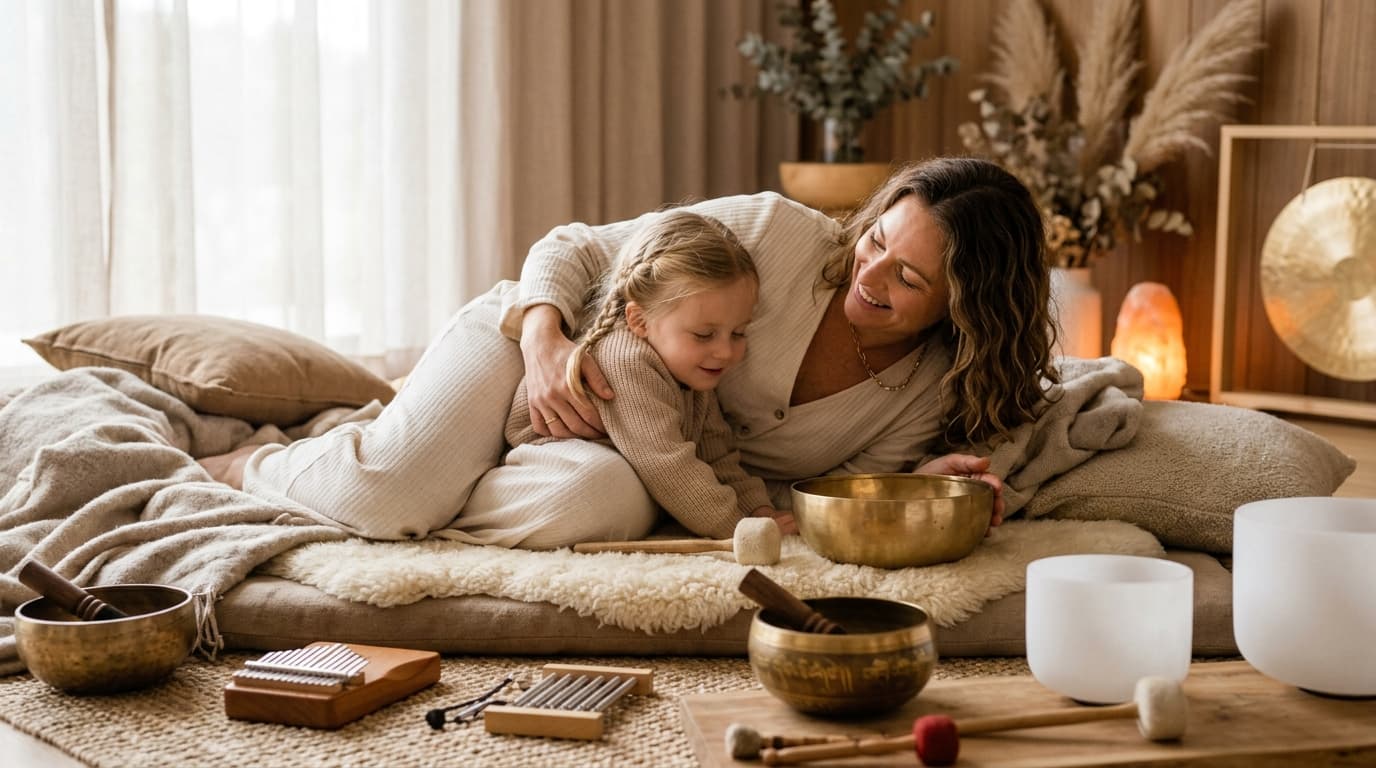
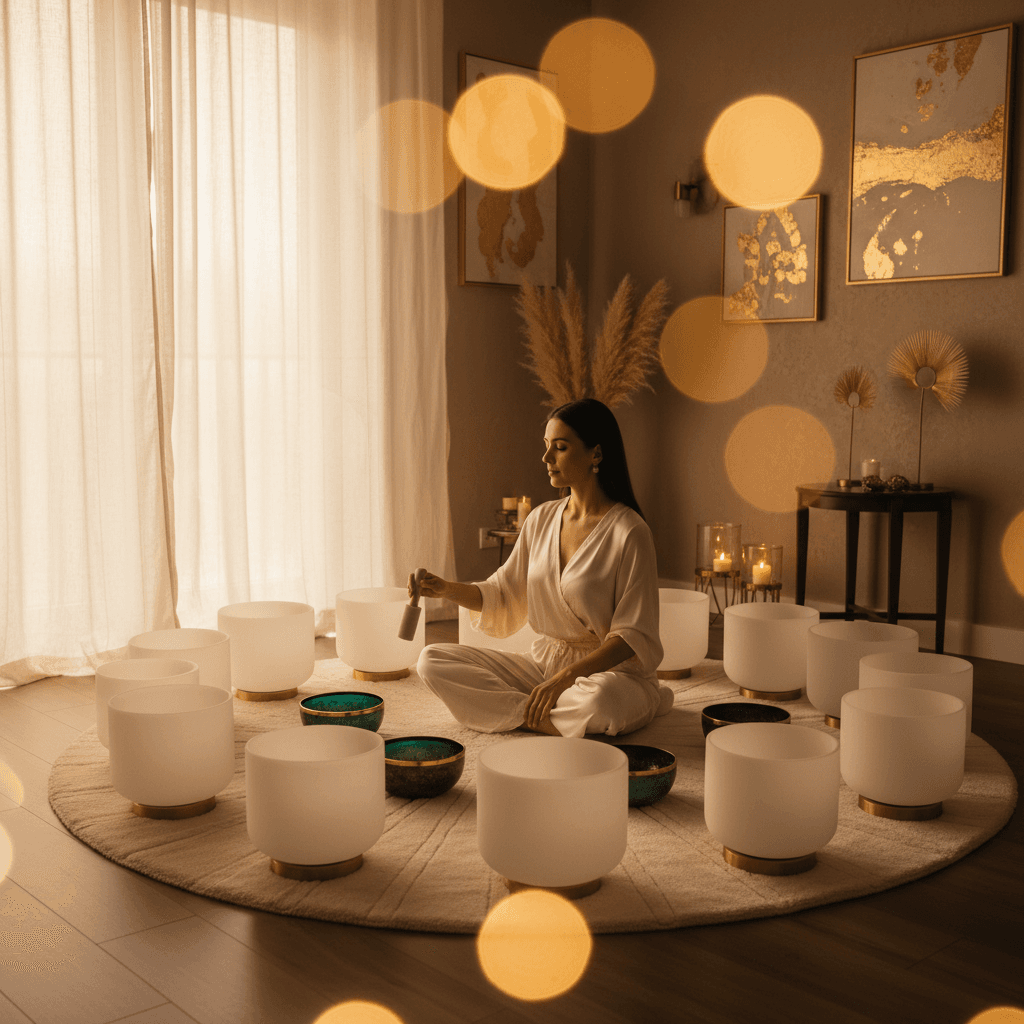
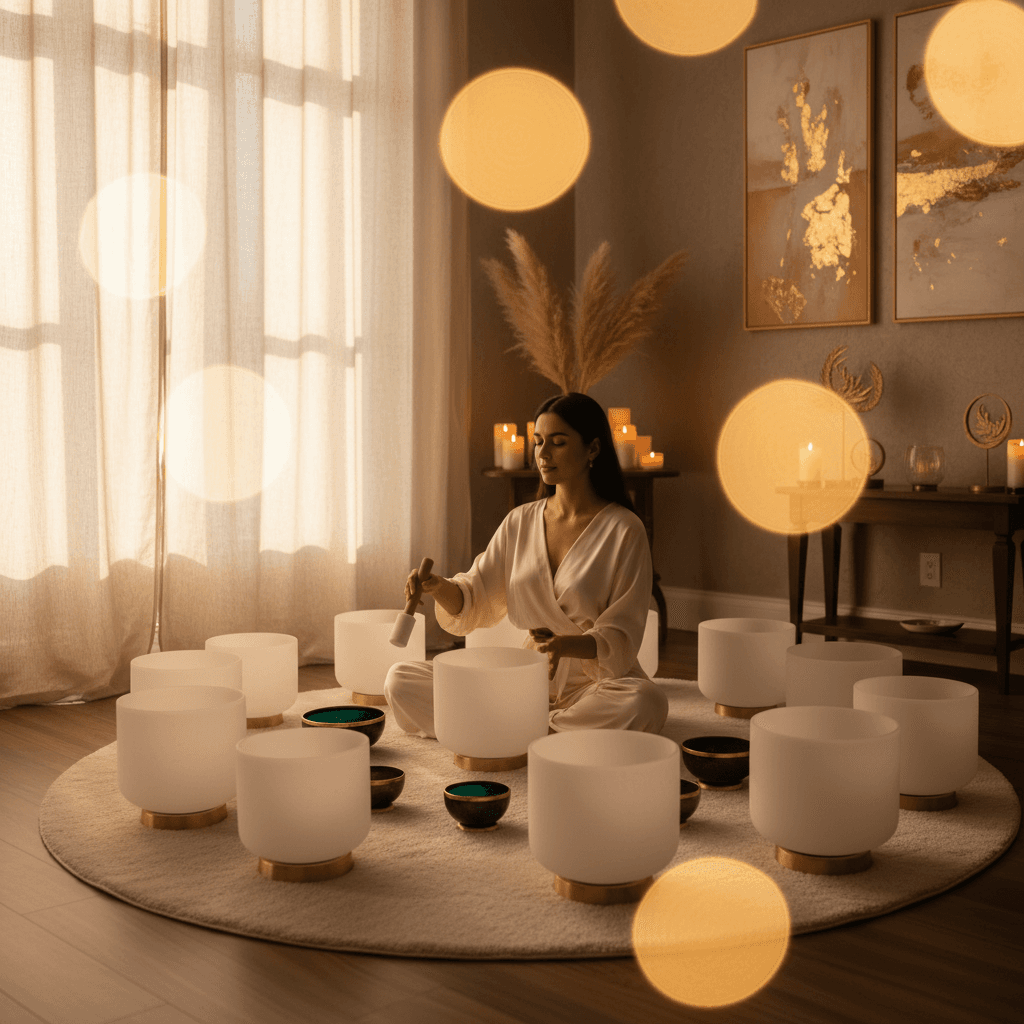
During a sound wellness session, a variety of instruments — such as Himalayan singing bowls, crystal bowls, gongs, chimes, and tuning forks — are expertly played. These instruments produce rich, resonant tones and vibrations that ripple through the air and are absorbed by the body. This sensory experience bypasses the analytical mind, which is often consumed by traumatic thoughts, and directly engages the autonomic nervous system.
Creating a Safe, Receptive State
The gentle, continuous sounds and vibrations work to gradually downregulate the sympathetic nervous system, responsible for the "fight or flight" response. As the body enters a parasympathetic, "rest and digest" state, tension held in the muscles begins to release, heart rate may slow, and breathing deepens. This shift creates a safe container where individuals may feel more supported to acknowledge their emotions, rather than avoid them. Many people report a sense of being held and comforted, which is crucial when navigating feelings of isolation and vulnerability common after traumatic loss.
Sound's non-verbal nature is particularly beneficial for those for whom verbalizing trauma is too difficult or overwhelming. It offers an alternative channel for emotional expression and release. The consistent, rhythmic sounds can help to anchor attention in the present moment, gently drawing focus away from intrusive thoughts and memories that often plague those with PTSD and complicated grief.
"In the quiet resonance of sound, we find a gentle invitation to release what weighs us down, allowing space for a new narrative of comfort and resilience to emerge."
Preliminary studies indicate that sound immersion may support the brain in shifting into theta and alpha brainwave states, associated with deep relaxation, meditation, and a heightened state of suggestibility for positive affirmations. This neurophysiological shift can potentially make individuals more receptive to integrating healthy coping mechanisms and fostering a more nontraumatic image of the deceased, as highlighted in therapeutic approaches for adolescents. It's a supportive environment where the harsh edges of grief may begin to soften.
The Soul Art Approach: Larissa Steinbach's Unique Method
At Soul Art, Larissa Steinbach meticulously crafts each sound wellness experience to address the profound and nuanced needs of individuals navigating traumatic loss. Her approach is rooted in a deep understanding of vibrational science combined with heartfelt empathy for the human experience of grief and trauma. Soul Art is not merely about playing instruments; it's about creating a sacred space for profound internal resonance and gentle transformation.
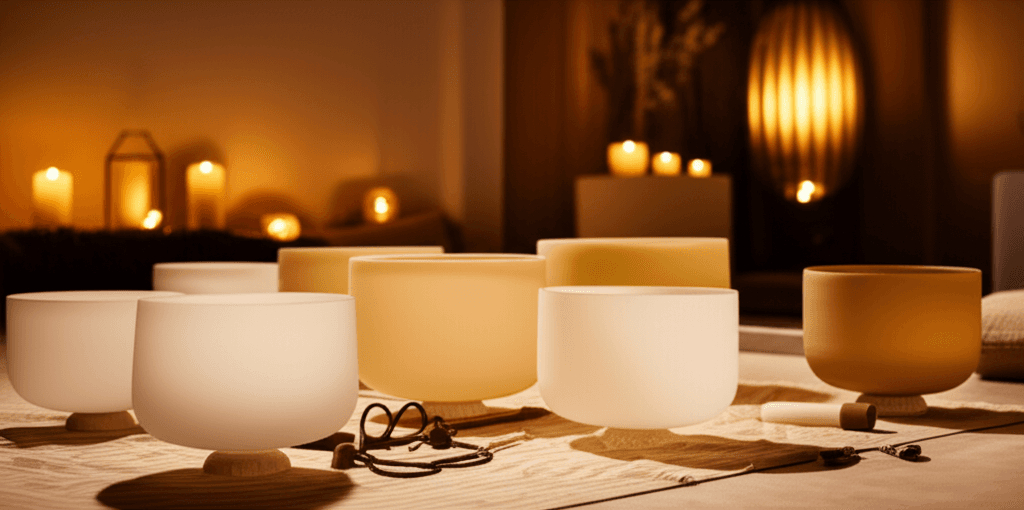
Larissa's method is unique because it integrates a careful selection of instruments and techniques specifically chosen for their ability to soothe a dysregulated nervous system and facilitate emotional release. She often incorporates Himalayan singing bowls placed directly on or around the body, allowing their resonant vibrations to penetrate deeply, releasing muscular tension and stimulating cellular relaxation. Crystal singing bowls, with their pure, sustained tones, are used to create an immersive auditory landscape that encourages mental quietude and emotional openness.
Furthermore, Larissa utilizes gongs for their powerful, enveloping sounds that can break through energetic blockages and foster a sense of surrender, and tuning forks for their precise frequencies that can target specific areas of the body or energy field. The entire session is orchestrated with intention, allowing for moments of profound stillness interspersed with gentle waves of sound. This holistic technique aims to not only calm the mind but to gently re-harmonize the body's internal systems.
The Soul Art method under Larissa Steinbach’s guidance emphasizes that healing is not about forgetting but about integrating the loss into one's life in a way that allows for continued growth and well-being. It is a complementary practice designed to work alongside other forms of support, providing a powerful tool for stress management and holistic wellness that may support individuals in managing the intense symptoms associated with traumatic loss. The ultimate goal is to gently guide clients towards a state of inner peace, helping them to cultivate resilience and find new ways to connect with their inner strength amidst their grief.
Your Next Steps: Embracing Sound for Support
Navigating the aftermath of violent loss is an intensely personal journey, and finding effective, compassionate support is paramount. While sound wellness is not a replacement for professional medical or psychological treatment, it can be a powerful complementary approach to help manage symptoms and foster emotional well-being. If you are experiencing the profound impact of traumatic grief, consider integrating sound into your self-care practice.
Here are some practical steps you can take today:
- Seek Professional Support: Prioritize engaging with qualified therapists or grief counselors who specialize in traumatic loss. Sound wellness can enhance the effectiveness of these core treatments by preparing your nervous system for processing.
- Explore Sound Immersion: Attend a guided sound bath or individual session led by a certified practitioner. Allow yourself to simply lie back and receive the vibrations, focusing on the sensations in your body without judgment.
- Create a Personal Sound Sanctuary: Curate a playlist of calming instrumental music, nature sounds, or guided meditations that resonate with you. Use headphones for an immersive experience, especially when feeling overwhelmed.
- Practice Mindful Listening: Take a few moments each day to consciously listen to the sounds around you, whether it's the hum of an appliance or birdsong. This can help anchor you in the present moment and gently shift your focus from intrusive thoughts.
- Connect with Community: While grief can feel isolating, connecting with others who understand your experience can be profoundly healing. Look for support groups or communities that integrate holistic wellness practices.
By consciously incorporating the therapeutic potential of sound, you may support your nervous system in finding regulation, reduce symptoms of stress, and gently create space for emotional processing. Many people report that engaging with sound wellness offers a profound sense of peace and helps to cultivate resilience during difficult times.
In Summary
The aftermath of violent death presents a unique and arduous path of grief, often compounded by post-traumatic stress and complicated grief reactions. This intense form of loss profoundly impacts the nervous system, requiring comprehensive and compassionate support. While structured psychological interventions are crucial, sound wellness emerges as a powerful complementary approach that focuses on physiological regulation and emotional integration.
Through the expertly guided sessions at Soul Art, Larissa Steinbach harnesses the therapeutic power of vibrational frequencies to calm the autonomic nervous system, reduce hyper-arousal, and create a safe space for processing complex emotions. This holistic wellness practice may support individuals in managing symptoms like avoidance and intrusive thoughts, fostering a greater sense of peace and resilience. By embracing sound, you can gently navigate the depths of traumatic loss, finding solace and a pathway towards renewed well-being.
Bookings Coming Soon
Soul Art is still in preparation. Session details and booking will be published here after launch.
Coming Soon
Wellness Disclaimer: This article is for educational and informational purposes only. It does not constitute medical advice, diagnosis, or treatment. Soul Art Dubai provides non-medical wellness experiences focused on relaxation, stress management, and general wellbeing. Sound wellness is a complementary practice and should not replace professional medical care.