Continuing Bonds: Sound for Profound & Enduring Connection

Key Insights
Explore the science of Continuing Bonds in grief and how sound wellness, pioneered by Larissa Steinbach at Soul Art Dubai, supports healthy, ongoing connections.
Have you ever been told that to truly heal from loss, you must "move on" or "find closure," completely detaching from those who have passed? This long-held belief, deeply ingrained in popular culture and psychology, is now being challenged by a profound and increasingly accepted theory: Continuing Bonds. This revolutionary perspective suggests that maintaining an enduring connection with a deceased loved one is not an obstacle to healing, but a natural and often beneficial part of the grieving process.
At Soul Art, Dubai's premier sound wellness studio, founded by Larissa Steinbach, we understand that love transcends physical presence. We recognize that grief is a deeply personal journey, one where the bonds we share with others can transform rather than dissolve entirely. This article delves into the scientific understanding of Continuing Bonds and explores how the immersive power of sound wellness may support individuals in fostering these healthy, ongoing connections.
We will uncover how ancient wisdom, combined with modern scientific insights, provides a unique pathway for processing loss and integrating the essence of those we cherish into our ongoing lives. Prepare to explore how sound can be a gentle guide in navigating the complex landscape of grief, fostering comfort, and affirming identity in transformative ways.
The Science Explained
For decades, the dominant model of grief mandated a severing of ties with the deceased, viewing ongoing connections as pathological. However, groundbreaking work by researchers like Dennis Klass, Phyllis Silverman, and Steven Nickman in the 1990s spearheaded a paradigm shift, culminating in their seminal work, Continuing Bonds: New Understandings of Grief (1996). This anthology challenged the "detachment" model, presenting extensive evidence that maintaining bonds is not only normal but can be profoundly positive.
The Continuing Bonds theory posits that our relationships do not end with death; they merely transform. It acknowledges that bereaved individuals naturally continue to interact with the dead, whether through memory, internal dialogue, or integrating their loved one's values into their own identity. This evolving understanding reframes grief from an endpoint of detachment to an ongoing process of integration and connection.
Neurobiology of Connection and Memory
Our capacity for connection and memory is intricately woven into the fabric of our brains. The limbic system, particularly the hippocampus and amygdala, plays a crucial role in processing emotions, forming new memories, and retrieving old ones. When we experience a significant loss, these neural pathways are deeply impacted.
Memories are not static archives; they are dynamic reconstructions influenced by our current emotional state and sensory input. Sensory experiences, especially sound, possess a unique ability to bypass the conscious mind, triggering deep-seated autobiographical memories and emotions. This is why a particular song or sound can instantly transport us back to a specific time, place, or person.
Sound’s ability to evoke vivid recollections is due to its direct pathway to the emotional centers of the brain. Unlike visual information, which is processed through multiple cortical layers, auditory signals can quickly reach the amygdala and hippocampus. This direct access can facilitate powerful memory recall and emotional processing, making it a potent tool for exploring and nurturing continuing bonds.
The Physiology of Sound on the Nervous System
Sound is not merely perceived by our ears; it is felt throughout our entire being. The vibrations generated by sound penetrate the body, interacting with our cells and nervous system. This physiological response forms the basis of sound wellness practices.
Specific frequencies and harmonic resonances have a well-documented impact on brainwave states. For instance, lower frequencies, characteristic of instruments like gongs and singing bowls, can induce alpha and theta brainwave states. Alpha waves are associated with relaxed awareness and meditative states, while theta waves are linked to deep relaxation, introspection, and vivid imagery.
Activating these brainwave states helps to calm the sympathetic nervous system, responsible for our "fight or flight" response, and stimulates the parasympathetic nervous system. This shift promotes a state of rest and digest, reducing stress hormones like cortisol and fostering a sense of peace. In this relaxed state, individuals may find it easier to access and process complex emotions related to grief, making space for a healthy internal dialogue and connection with their loved ones. The vagus nerve, a key player in the parasympathetic system, can also be gently stimulated by certain sound frequencies, further enhancing relaxation and emotional regulation.
Adaptive vs. Maladaptive Bonds
While continuing bonds are generally seen as a healthy aspect of grief, the nature of these bonds significantly influences their impact on wellbeing. Research distinguishes between adaptive and potentially maladaptive forms of connection.
Internalized bonds are often associated with resilience and positive adaptation. These involve keeping the deceased present in daily life through memories, values, or imagined guidance. For example, a bereaved individual might make decisions by considering what their loved one would have wanted, or feel their presence as a source of strength during challenging times. These bonds become integrated into one's identity and narrative, providing comfort and a secure emotional base.
Externalized bonds can manifest as sensory experiences, such as perceiving a loved one's voice or presence, or engaging in rituals like visiting a gravesite. While many find these comforting, intense externalized bonds, particularly when accompanied by persistent distress or an inability to engage in daily life, may indicate a need for additional support. For instance, a bond tied to unresolved guilt or anger can hinder healthy coping mechanisms.
The goal of healthy continuing bonds is not to deny the reality of the loss but to integrate the relationship into one's ongoing life in a way that promotes growth and meaning. Sound wellness may support the development of adaptive internalized bonds by creating a safe space for emotional processing and connection, gently guiding individuals towards a profound sense of inner presence and peace. It encourages a transformation of the relationship, allowing love to persist in new, meaningful forms.
How It Works in Practice
Imagine lying comfortably, enveloped in a cocoon of rich, resonant sound. This is the practical experience of sound wellness. As the vibrations wash over you, a profound sense of relaxation begins to settle in, often deeper than what can be achieved through meditation alone. The external world fades, and an internal landscape opens up, primed for introspection and connection.
During a sound session, the brain naturally shifts into states conducive to deeper self-awareness. The gentle yet powerful vibrations of instruments like gongs and crystal singing bowls help quiet the analytical mind, allowing underlying emotions and memories to surface without overwhelming resistance. This relaxed state provides a fertile ground for exploring the nuanced feelings associated with loss.
Many clients report a distinct sense of "presence" during these sessions. It's not about conjuring an apparition, but rather a profound feeling of connection to the essence, memories, and spirit of their loved one. The sound acts as a conduit, facilitating access to cherished memories, internal conversations, and the feeling of guidance from the deceased. This can be incredibly comforting, fostering a renewed sense of closeness.
"Sound has a unique way of touching the parts of us words often cannot reach, creating a bridge between memory and presence, between loss and enduring love."
The immersive soundscape helps to integrate these experiences, transforming grief from a raw, painful absence into a softened, internalized presence. Clients often describe feeling a release of tension, a reduction in the intensity of sorrow, and a newfound capacity to hold both grief and love simultaneously. This transformation supports the development of healthy, adaptive continuing bonds, allowing individuals to carry their loved ones forward as an integral part of their identity and life story. It's a journey of transforming sorrow into a source of enduring strength and inspiration.
The Soul Art Approach
At Soul Art, Larissa Steinbach has meticulously crafted a unique approach to sound wellness, specifically designed to support individuals navigating complex emotional landscapes, including grief. The Soul Art method is not merely about playing instruments; it is an artful fusion of intention, scientific understanding, and a deep reverence for the human spirit. Our studio offers a sanctuary where clients can explore their inner world with grace and profound support.
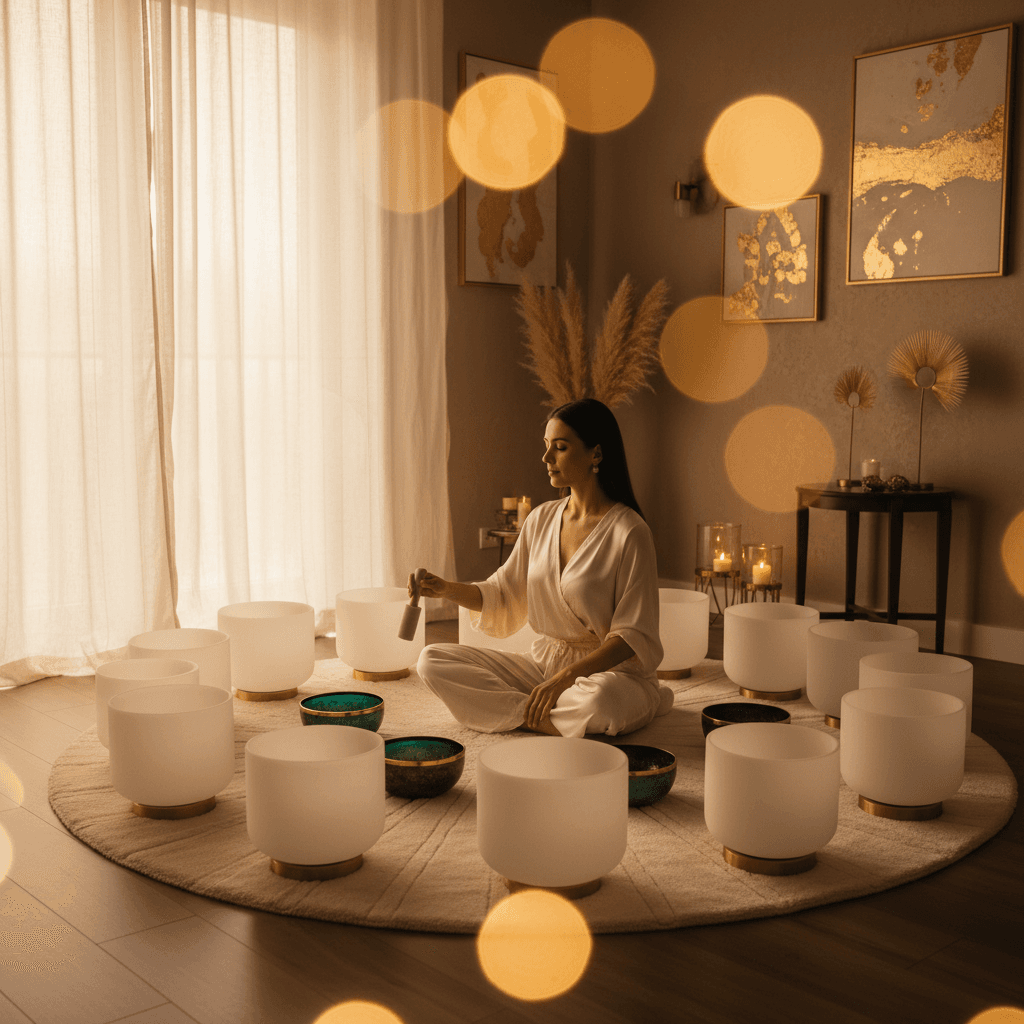
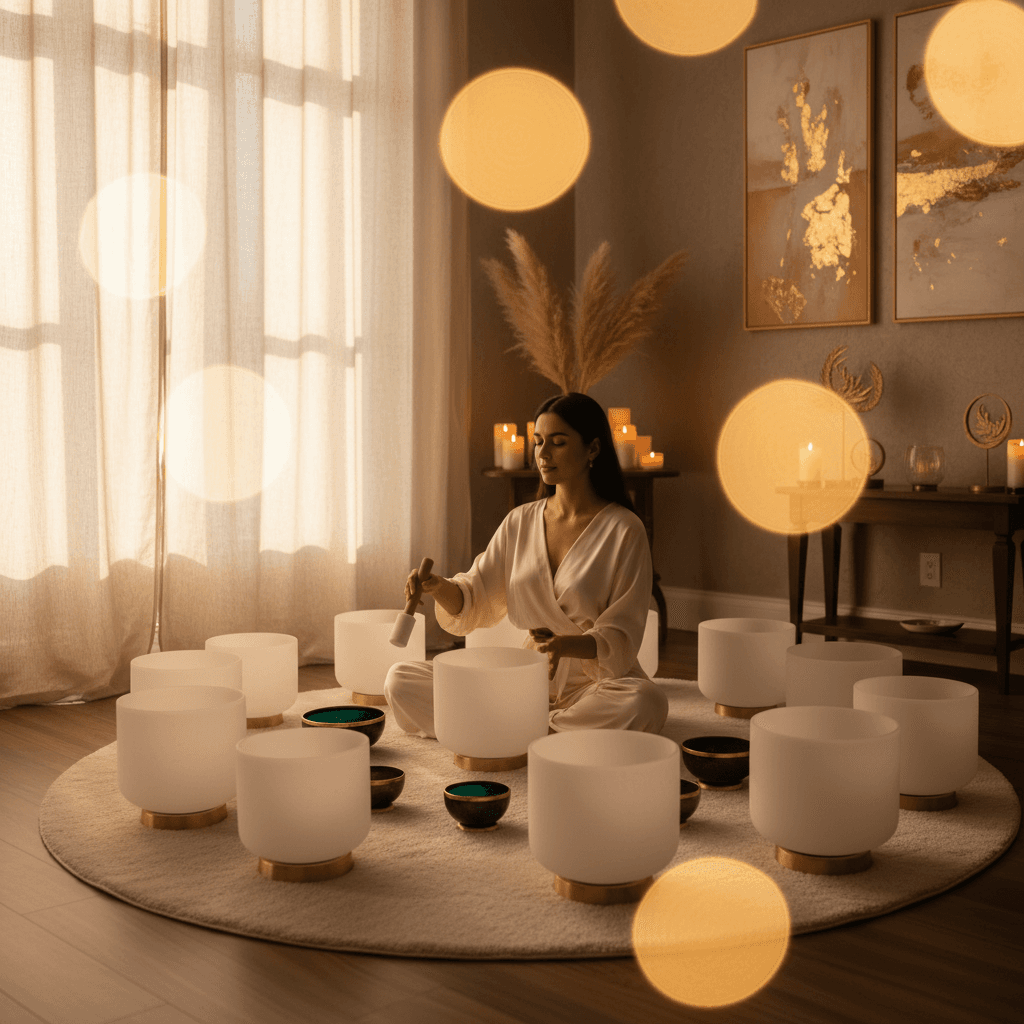
Larissa Steinbach’s expertise lies in her ability to intuitively select and play a diverse array of instruments, each chosen for its specific vibrational qualities and therapeutic potential. These include large planetary gongs, resonating crystal singing bowls, delicate chimes, and precision-tuned tuning forks. Each instrument contributes to a rich tapestry of sound that is both deeply immersive and profoundly harmonizing.
The unique characteristic of the Soul Art approach is its personalized nature. Rather than a one-size-fits-all session, Larissa guides each experience with a gentle intention to create a safe container for emotional processing. The soundscapes are carefully curated to induce specific brainwave states that facilitate deep relaxation and introspection, allowing for a healthy engagement with memories and emotions. This mindful attunement helps to soothe the nervous system and create space for the transformative power of continuing bonds.
Our sessions emphasize the cultivation of internalized bonds, encouraging clients to find comfort and strength within. Through the resonant frequencies, individuals may find themselves connecting with the values, wisdom, and loving essence of their departed loved ones, integrating these aspects into their personal growth journey. This holistic approach, pioneered by Larissa Steinbach, is designed to empower individuals to transform their grief into an ongoing source of connection and meaning.
Your Next Steps
Embracing the concept of continuing bonds and integrating sound wellness into your life can be a gentle yet powerful step towards holistic wellbeing after loss. It’s about creating space for your grief to transform, not to disappear. Here are a few actionable steps you can take today to foster these enduring connections:
- Mindful Listening: Pay attention to sounds that evoke positive memories of your loved one. This could be a specific piece of music, the rustle of leaves they enjoyed, or even the sound of their favorite activities. Allow these sounds to gently bring their presence into your awareness.
- Create a Ritual of Remembrance: Design a simple, personal ritual that incorporates sound. This could be lighting a candle and listening to a piece of calming music that reminds you of them, or even gently ringing a chime with the intention of connection. These rituals can provide comfort and structure.
- Journaling with Sound: Before or after a period of mindful listening, take time to journal. Write down any memories, feelings, or insights that arose during the sound experience. This helps to solidify and integrate your internalized bonds.
- Practice Intentional Breathing: Combine deep, intentional breathing with a focus on your loved one's presence. As you inhale, imagine breathing in their enduring love and wisdom. As you exhale, release any tension or sorrow, making space for connection.
- Explore Sound Wellness: Consider experiencing a professional sound wellness session. At Soul Art, we offer guided experiences that can provide a deeply supportive environment for exploring continuing bonds and fostering profound emotional healing.
Allowing yourself to maintain a healthy, ongoing connection with those you’ve lost is a testament to the enduring power of love. It’s a journey of transforming sorrow into strength, and Soul Art is here to support you every step of the way.
In Summary
The theory of Continuing Bonds has revolutionized our understanding of grief, moving beyond outdated notions of "letting go" to embrace the natural human need for ongoing connection. It affirms that love and relationships evolve, rather than end, with physical death. This shift acknowledges that integrating the essence of our loved ones into our lives is a healthy, adaptive path forward, offering comfort and fostering personal growth.
Sound wellness, as practiced at Soul Art by Larissa Steinbach, provides a unique and powerful complementary approach to navigating this transformative journey. Through carefully curated soundscapes, our sessions gently guide individuals into states of deep relaxation, facilitating access to cherished memories and fostering a profound sense of presence and enduring connection. Soul Art offers a serene sanctuary where you can explore and nurture these continuing bonds, transforming grief into a source of ongoing strength and peace. We invite you to experience the profound benefits of sound for your holistic wellbeing.
Bookings Coming Soon
Soul Art is still in preparation. Session details and booking will be published here after launch.
Coming Soon
Wellness Disclaimer: This article is for educational and informational purposes only. It does not constitute medical advice, diagnosis, or treatment. Soul Art Dubai provides non-medical wellness experiences focused on relaxation, stress management, and general wellbeing. Sound wellness is a complementary practice and should not replace professional medical care.