Navigating Parental Loss: Sound Wellness for Adult Children
Key Insights
Explore how sound wellness offers profound support for adult children grieving parental death, fostering emotional balance and deep healing.
Navigating Parental Loss: Sound Wellness for Adult Children
The passing of a parent, regardless of our age, is an intrinsically transformative experience, often described as one of life’s most profound transitions. Have you ever considered the ripple effects this loss can have, not just emotionally, but physically and even on your long-term relationships? Research consistently shows that parental death impacts adult children in multifaceted ways, far beyond the initial period of grief.
At Soul Art, founded by Larissa Steinbach, we understand that navigating such a deep-seated loss requires a holistic approach, one that acknowledges both the visible and invisible scars it leaves. This article delves into the scientific underpinnings of parental loss in adulthood and explores how the therapeutic frequencies of sound wellness may support profound healing and resilience. Discover how engaging with resonant sound can offer a pathway to processing grief, fostering emotional equilibrium, and cultivating renewed wellbeing in the wake of such a significant life event.
The Science Explained: Unpacking the Impact of Parental Loss
The death of a parent is a universal human experience, yet its impact on adult children is often underestimated and complex. For decades, studies have illuminated the physical and psychological toll this loss can take, often lingering for years after the bereavement. It's not merely an emotional event but a systemic disruption that can affect various aspects of an adult's life.
The Far-Reaching Psychological and Physical Ramifications
Research by Moss & Moss (1983) and Umberson & Chen (1994) indicates a clear association between parental death and the psychological and physical well-being of surviving adult children. These effects can manifest one to five years following the loss, as noted by Scharlach & Fredriksen (1993). Such profound experiences often lead to elevated risks for symptoms of depression, anxiety, and general psychological imbalance.
The emotional landscape of grief is vast, encompassing a wide spectrum of powerful feelings, cognitive distortions, and psychosocial difficulties. Studies suggest that losing a parent, particularly during childhood, significantly increases the likelihood of experiencing symptoms like low self-efficacy and persistent distress in adulthood. This early loss can profoundly impact a child’s development, attachment patterns, worldview, and overall wellbeing (Scott, 2007).
Specific emotional responses can also vary based on the parent lost. While complicated bereavement can arise regardless of which parent passes, many report a greater sense of loss when a mother dies, often attributed to the nurturing nature of that relationship. Conversely, the loss of a father is sometimes linked to a perceived loss of personal mastery, purpose, and self-knowledge, according to clinical psychologists.
Relationship Dynamics and the Timing of Loss
The quality of the parent-child relationship prior to death significantly influences the adult child’s reaction to the loss. It’s more nuanced than simply closeness; for instance, female adult children who had ambivalent, conflictual, or emotionally distant relationships with their mothers showed an increased likelihood of delayed grief reactions (Popek and Scharlach, 1991). This suggests unresolved relational dynamics can complicate the mourning process.
Parental death can also reverberate through an adult child’s other intimate relationships, including their marriage and their relationship with their own children. Douglas’ (1990) study found a substantial percentage of adults reporting marital upheaval following a parent's death, with some viewing their marriage as a continuation or replacement of the past parent-child bond. Interestingly, research indicates that while the quality of relationships with one’s own children may not immediately improve after the first parent’s death, it often does after the second, perhaps signifying a "generational ladder" shift and a redirection of focus (Kim & Fingerman, 2019).
The timing and anticipation of a parent's death also play a critical role in the grieving process. Coping tends to be less stressful when adult children have time to anticipate the loss, allowing for goodbyes and preparation. Unexpected or early parental death, especially for young adults, is often associated with more intense feelings of depression and anger, highlighting the added burden of unforeseen loss. This can lead to a more complex grief response, particularly when coupled with difficult circumstances, such as suicide, which can introduce profound guilt, anger, and feelings of abandonment.
The Nervous System and Grief
Grief is not just an emotion; it is a profound physiological experience. The constant stress, sadness, and emotional turmoil associated with parental loss can activate the body’s fight-or-flight response, leading to chronic stress. This can manifest as increased heart rate, digestive issues, sleep disturbances, and a weakened immune system. The autonomic nervous system, responsible for regulating involuntary bodily functions, can become dysregulated.
Prolonged activation of the stress response can deplete the body's resources and hinder its natural healing mechanisms. This state of hyperarousal can make it incredibly challenging for adult children to process their emotions, find peace, or engage in daily life effectively. Sound wellness practices aim to gently guide the nervous system out of this sympathetic (fight-or-flight) state and into a parasympathetic (rest-and-digest) state, supporting the body’s innate capacity for self-regulation and healing.
How It Works in Practice: Sound as a Pathway to Healing
The application of sound for emotional and physical well-being is an ancient practice, now gaining contemporary recognition backed by scientific understanding. For adult children navigating the profound journey of parental loss, sound wellness offers a gentle yet powerful modality to process grief, soothe the nervous system, and restore inner balance. It creates a supportive environment where deep emotional work can unfold naturally.
Connecting Theory to Embodied Experience
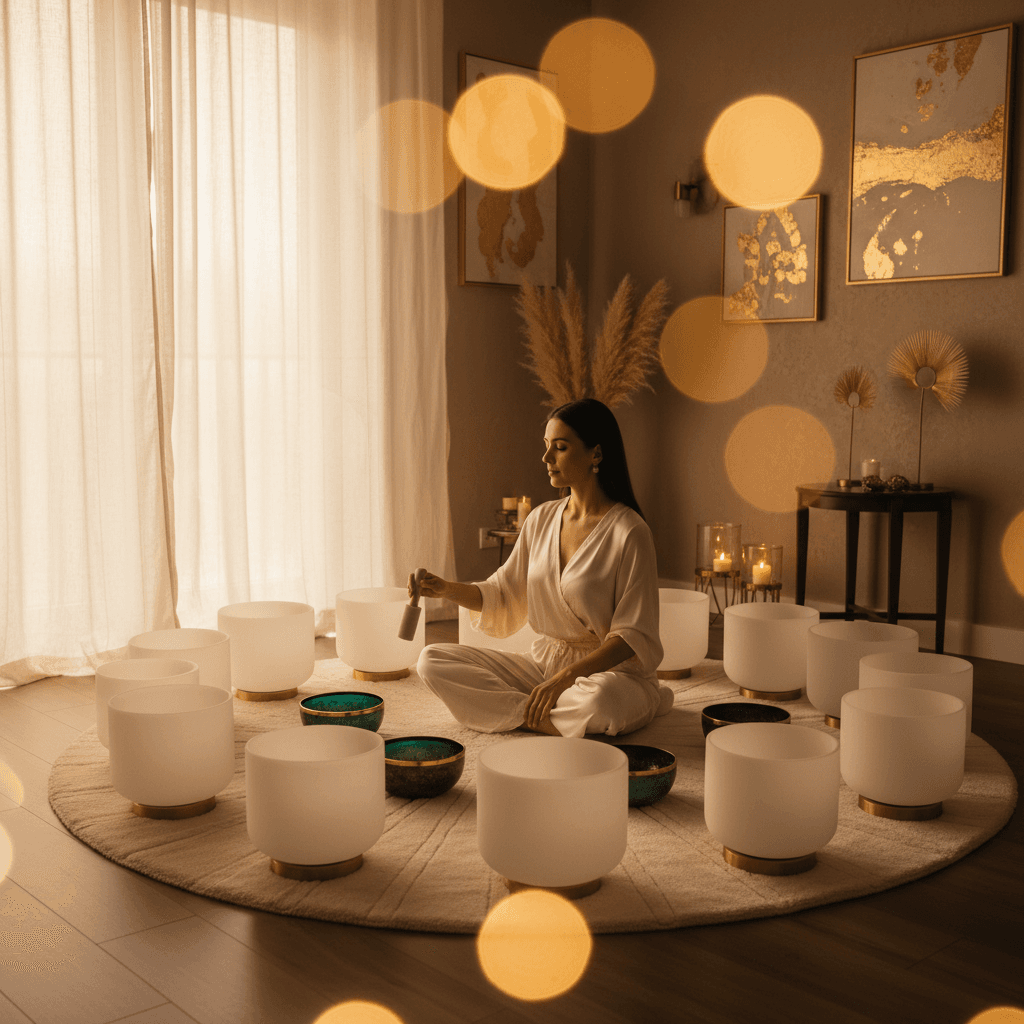
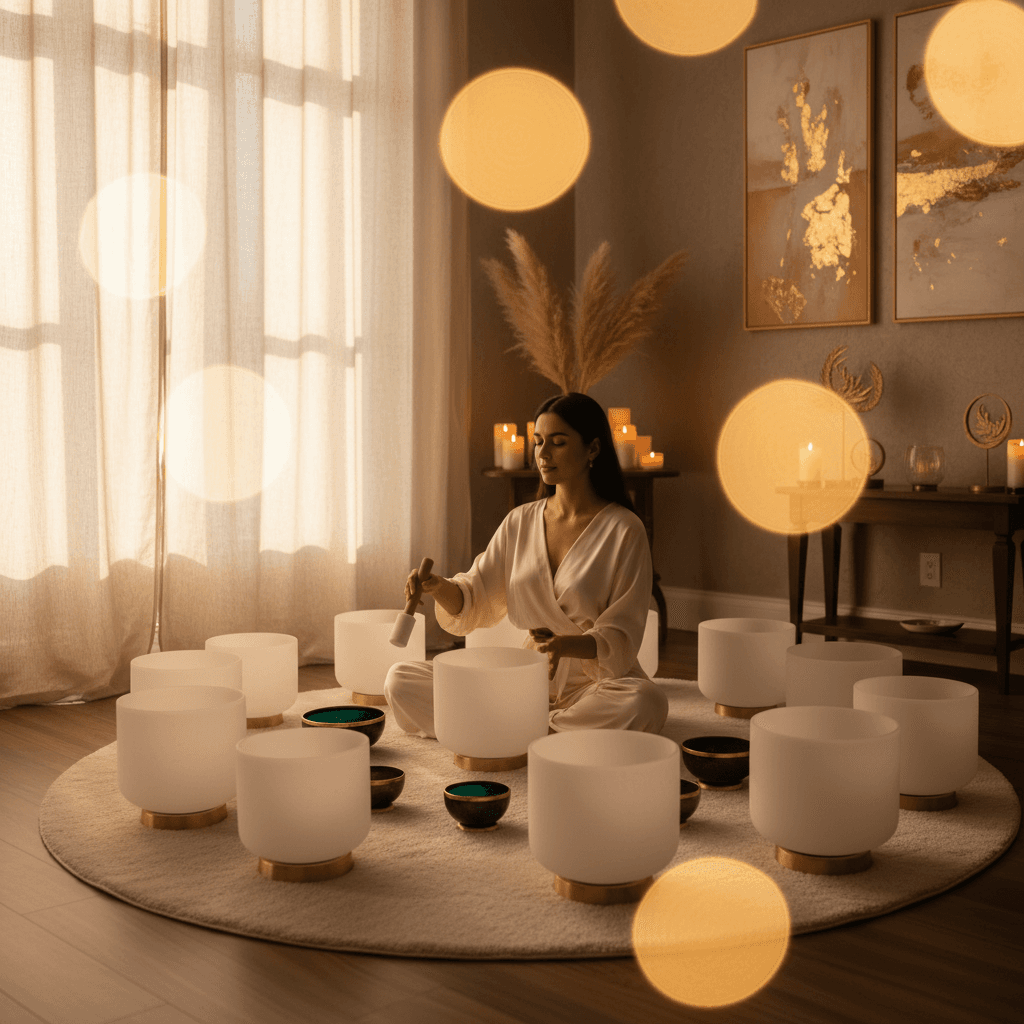
In a sound wellness session, the theories of nervous system regulation and emotional processing translate into a tangible, deeply felt experience. Clients recline comfortably, enveloped in a carefully curated soundscape designed to promote profound relaxation and introspection. The sounds are not merely background noise; they are active agents in guiding the body and mind towards a state of coherence.
The consistent, rhythmic vibrations produced by instruments like Himalayan singing bowls, gongs, and tuning forks interact with the body's natural energetic frequencies. These gentle yet pervasive vibrations are believed to help shift brainwave states from the alert beta waves often associated with anxiety and stress, towards more relaxed alpha and theta states. In these deeper states of consciousness, the mind becomes more receptive to processing emotions and releasing tension.
Many people report a feeling of being 'held' by the sound, allowing them to safely explore their grief without being overwhelmed. The non-linear nature of sound means it bypasses the analytical mind, which often gets stuck in repetitive thought patterns during bereavement. Instead, it invites a direct, somatic experience, where emotions can be felt, acknowledged, and gently released from the body.
A Sensory Journey Towards Serenity
During a session, clients experience a rich tapestry of sensory details. The resonant hum of the bowls, the deep reverberations of gongs, and the subtle oscillations of chimes create a multi-layered auditory experience. These sounds are not just heard with the ears but are felt through the entire body, from the subtle vibrations in the bones to the deeper sensations in the organs and tissues.
This immersive sensory input serves several key functions:
- Deep Relaxation: The sustained tones and harmonic intervals promote a profound state of relaxation, effectively down-regulating an overactive nervous system. This can alleviate physical symptoms of stress, such as tense muscles and shallow breathing.
- Emotional Release: Within this deeply relaxed state, suppressed emotions or unprocessed grief may naturally surface. The non-judgmental space created by the sound allows for tears, memories, or sensations to arise and be acknowledged, rather than pushed away.
- Mental Clarity: As the mind settles, the constant internal chatter often associated with anxiety and rumination about loss may diminish. This can lead to moments of unexpected clarity, insight, or a renewed sense of calm.
- Energetic Rebalancing: The vibrational frequencies are thought to help harmonize the body’s energetic centers, promoting a sense of integration and wholeness. Many individuals report feeling a subtle shift in their internal energy, moving from stagnation to a more fluid state.
"Grief is love with no place to go. Sound wellness provides a gentle vessel, not to erase the love, but to help navigate its complex flow."
The intention is not to erase the pain of loss, but to provide a supportive environment for the adult child to process it in a way that feels gentle, natural, and deeply personal. It's about finding moments of peace amidst sorrow and strengthening one's inner resources to adapt and integrate the experience of loss.
The Soul Art Approach: Larissa Steinbach's Unique Vision
At Soul Art, Larissa Steinbach has meticulously crafted a sound wellness experience that transcends simple relaxation, offering a profound journey into self-discovery and emotional integration. Her approach is rooted in both scientific understanding and a deep, intuitive appreciation for the subtle power of sound, making it particularly effective for those navigating the complexities of parental loss. Larissa recognizes that grief is a unique, non-linear path, and her sessions are designed to honor that individuality.
Harmonizing Science with Intuitive Wisdom
Larissa's method at Soul Art is distinguished by its bespoke nature and an unwavering commitment to creating a safe, nurturing space. She integrates her extensive knowledge of therapeutic sound frequencies with a compassionate understanding of the human experience of loss. This means each session is not merely a standardized sound bath but a carefully orchestrated experience tailored to the individual's current emotional and physiological state.
The Soul Art method acknowledges that grief, especially stemming from parental loss, can manifest differently for everyone. Whether it's the raw initial pain, the long-term impact on relationships, or the quiet ache of a legacy left behind, Larissa employs a range of techniques to meet clients where they are. Her sessions aim to help clients process grief, manage stress, and explore avenues for channeling their parent’s legacy in a positive way, as suggested by researchers like Kim (APA, 2024).
Instruments of Transformation
The cornerstone of the Soul Art experience lies in the exquisite selection and masterful application of specific instruments. Larissa Steinbach utilizes a diverse array of resonant tools, each chosen for its unique vibrational qualities and capacity to induce deep states of relaxation and healing. These instruments become extensions of her intention to guide individuals toward inner harmony:
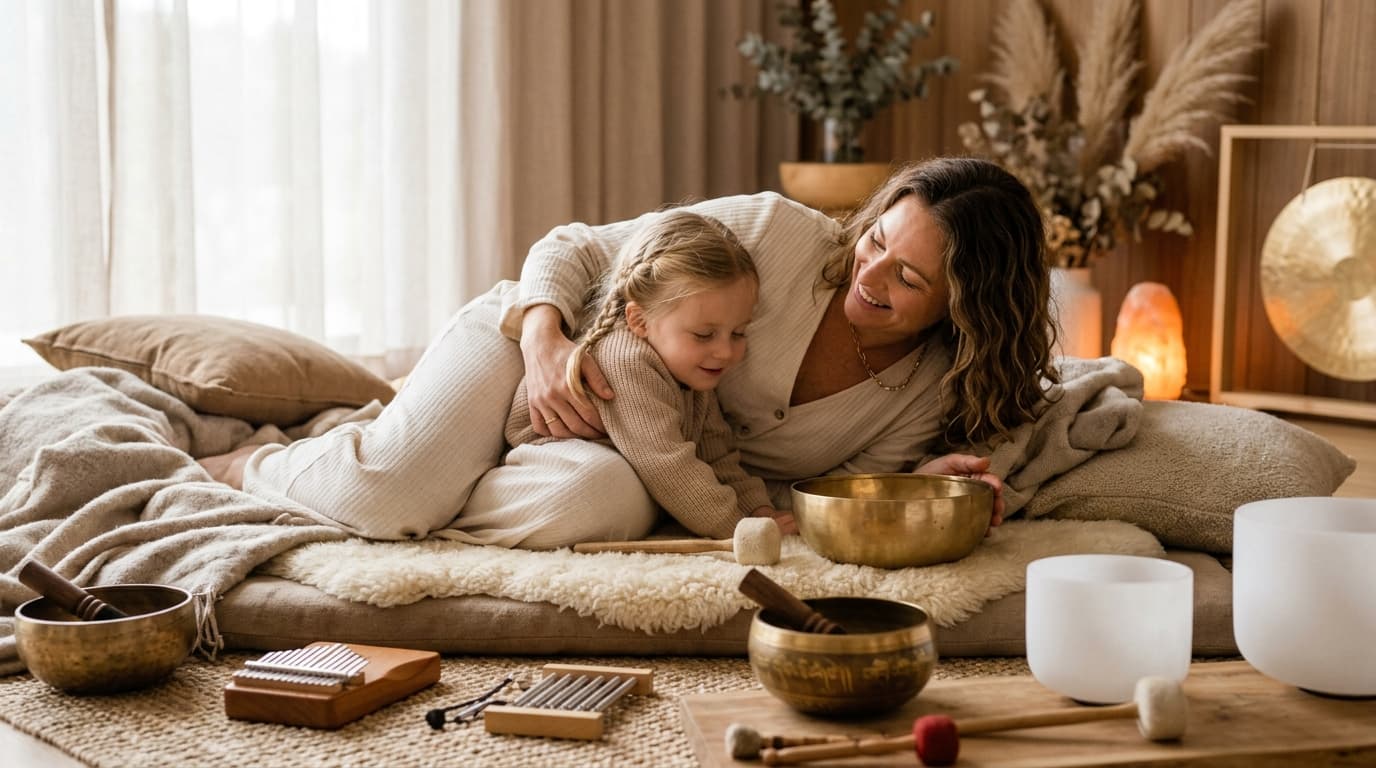
- Himalayan Singing Bowls: Hand-beaten and rich in overtones, these bowls produce sustained, resonant frequencies that are felt deep within the body, promoting cellular relaxation and emotional release.
- Gongs: With their expansive, immersive soundscapes, gongs facilitate shifts in brainwave states, inviting profound meditative experiences and often leading to significant emotional catharsis.
- Crystal Singing Bowls: Tuned to specific chakra frequencies, these bowls offer pure, clear tones that resonate with subtle energy centers, supporting energetic balance and clarity.
- Tuning Forks: Applied directly to the body or around the auric field, tuning forks deliver precise vibrational frequencies that may help to relieve tension and harmonize specific areas.
- Chimes and Other Percussion: These add layers of texture and nuance, creating a sonic tapestry that can gently break through mental resistance and invite a sense of peace.
Larissa's expertise lies not only in playing these instruments but in understanding how their combined frequencies interact with the human energy field and nervous system. She orchestrates sound journeys that are both deeply grounding and expansively uplifting, providing a sanctuary where adult children can find solace and strength amidst their grief. The experience at Soul Art is designed to be a gentle yet powerful catalyst for transformation, supporting individuals in integrating their loss and moving forward with renewed resilience.
Your Next Steps: Cultivating Wellness Amidst Grief
Navigating the loss of a parent is a journey that requires compassion, patience, and intentional self-care. While sound wellness offers a powerful complementary approach, there are actionable steps you can integrate into your daily life to further support your emotional and physical well-being during this challenging time. Remember, allowing yourself to grieve fully is an act of courage and self-love.
Here are some practical takeaways you can implement today:
- Prioritize Gentle Movement: Engage in activities like gentle yoga, walking in nature, or mindful stretching. Physical activity, even light, can help to release pent-up emotions and reduce stress hormones, supporting nervous system regulation.
- Cultivate Mindful Presence: Dedicate a few minutes each day to simply being present. This could involve focusing on your breath, observing nature, or savoring a warm beverage. Mindfulness can help anchor you in the moment, reducing rumination about the past or anxiety about the future.
- Lean on Your Support System: Reach out to trusted friends, family members, or a grief support group. Social support has been shown to be crucial in processing loss and can prevent long-term mental health challenges (Bergman et al., 2017). Talking about your feelings can be incredibly therapeutic.
- Honour Your Parent's Legacy: Find meaningful ways to remember and celebrate your parent's life. This could involve creating a memory box, participating in an activity they loved, or contributing to a cause they supported. Positively channeling their legacy can be a powerful part of the healing process.
- Explore Complementary Wellness Practices: Consider incorporating practices like sound wellness, meditation, or aromatherapy into your routine. These modalities may support relaxation, stress reduction, and emotional balance, providing a much-needed sanctuary for your mind and body.
The journey through parental grief is unique for everyone, but you don't have to walk it alone. These steps, combined with the profound support offered by practices like sound wellness, can help you find moments of peace and build resilience. If you feel ready to explore a deeper path to healing and solace, consider experiencing the transformative power of sound at Soul Art.
In Summary: Finding Solace in Sound
The death of a parent marks an irreversible shift in an adult's life, carrying significant psychological, physical, and relational impacts that can persist for years. Research consistently highlights the profound challenges adult children face, from navigating complex grief responses to experiencing shifts in their own family dynamics. Understanding these effects underscores the critical need for compassionate and effective support during this profound life transition.
Soul Art, under the guidance of Larissa Steinbach, offers a unique and scientifically informed approach to navigating this grief through sound wellness. By utilizing resonant frequencies from instruments like singing bowls and gongs, sessions aim to gently guide the nervous system into a state of deep relaxation, facilitating emotional processing and inner peace. This complementary practice provides a nurturing space to acknowledge, release, and integrate the experience of loss. Embrace the potential for deep healing and resilience that sound wellness may offer, providing a pathway to renewed well-being and emotional equilibrium after the loss of a parent.
Bookings Coming Soon
Soul Art is still in preparation. Session details and booking will be published here after launch.
Coming Soon
Wellness Disclaimer: This article is for educational and informational purposes only. It does not constitute medical advice, diagnosis, or treatment. Soul Art Dubai provides non-medical wellness experiences focused on relaxation, stress management, and general wellbeing. Sound wellness is a complementary practice and should not replace professional medical care.