Harmonic Passage: Sound Wellness for Active Dying
Key Insights
Explore how sound wellness offers profound comfort, peace, and support during the active dying process, fostering tranquility for individuals and families at Soul Art Dubai.
Have you ever considered the profound role sound might play at life's most tender threshold? As the scientific field of thanatology, the study of death and dying, continues to evolve, we are increasingly looking for ways to enhance comfort, dignity, and peace during active dying. While traditional medical care addresses physical needs, the emotional and spiritual landscape of this transition often calls for deeper, non-invasive support.
At Soul Art, founded by Larissa Steinbach, we understand that the final chapters of life are not just about medical management but about fostering a serene environment for both the individual and their loved ones. This article delves into the scientifically-backed benefits of sound wellness as a transitional vigil, offering gentle companionship and profound tranquility during the active dying process. We will explore how specific frequencies and vibrations may support the body and mind, creating a space for peace when it is needed most.
The Science Explained: How Sound Supports End-of-Life Wellness
The use of sound for healing and comfort is not new; it boasts a rich history spanning over 40,000 years across nearly every culture, from Aboriginal didgeridoo players to ancient Tibetan monks. Modern science is now catching up with this ancient wisdom, using advanced research to understand the physiological and psychological mechanisms behind sound's therapeutic potential. Contemporary sound wellness practices utilize a diverse array of instruments, including gongs, singing bowls, tuning forks, and drums, along with gentle vocalizations, to create specific vibrational environments.
Preliminary studies and clinical observations suggest that these intentional soundscapes may offer significant benefits in various aspects of wellness, including stress reduction, mood enhancement, and even pain perception. For individuals navigating the delicate phase of active dying, these effects can be particularly meaningful, fostering a sense of calm and gentle presence. The power of sound lies in its ability to influence our most fundamental biological systems, often without requiring conscious engagement from the recipient.
Brainwave Entrainment for Deep Rest and Peace
One of the most fascinating mechanisms of sound wellness is brainwave entrainment. This process involves the brain's electrical activity naturally synchronizing with external rhythmic stimuli, such as specific sound frequencies. Research published in Frontiers in Human Neuroscience indicates that rhythmic auditory stimulation can guide brainwaves into targeted states associated with relaxation and healing.
For instance, frequencies associated with Delta waves (between 0.5 and 3 Hz) are linked to deep, restorative sleep and profound healing. Theta waves (between 4 and 7 Hz) are often associated with states of deep relaxation, meditation, and emotional processing, which can be invaluable during a period of introspection and release. By gently guiding brain activity into these slower frequencies, sound wellness may help facilitate a profound sense of inner calm and rest, easing agitation and promoting a peaceful state.
Autonomic Nervous System Regulation and Stress Reduction
The autonomic nervous system (ANS) plays a critical role in our body's response to stress and relaxation. It comprises two main branches: the sympathetic "fight-or-flight" system and the parasympathetic "rest-and-digest" system. During times of stress, the sympathetic system dominates, leading to increased heart rate and cortisol levels. Sound wellness practices are strongly associated with activating the parasympathetic nervous system.
A key study conducted at the University of California in 2016 demonstrated that participants experienced significantly lower cortisol levels and heart rates after just 20 minutes of singing bowl meditation. This reduction in physiological markers of stress indicates a shift towards a state of relaxation. Instruments like gongs and singing bowls, through their sustained vibrations and harmonic overtones, may stimulate the vagus nerve, a major component of the parasympathetic system, and encourage deeper, diaphragmatic breathing patterns. This regulation of the ANS can be profoundly comforting, helping to reduce anxiety and promote a sense of security during a vulnerable time.
Neurochemical and Hormonal Balance for Emotional Comfort
Beyond direct nervous system regulation, sound frequencies may also influence the brain's production of vital neurochemicals and hormones. Listening to harmonic sounds is associated with an increase in serotonin and dopamine, often referred to as the brain's natural feel-good chemicals. These neurotransmitters play a crucial role in mood regulation, motivation, and the experience of pleasure.
This boost in feel-good chemicals can explain why many people report feeling peaceful, content, or even a sense of gentle euphoria after a sound session. For individuals nearing the end of life, maintaining emotional balance and minimizing distress is paramount. Research published in Frontiers in Human Neuroscience has shown that sound therapy helped patients with chronic anxiety reduce symptoms over a four-week period, suggesting its potential for soothing emotional turmoil. By potentially supporting this internal neurochemical balance, sound wellness offers a gentle, non-pharmacological way to support emotional comfort and mental tranquility.
Cellular Vibrations and Pain Perception Modulation
The physical vibrations produced by sound instruments are not merely superficial; they may penetrate deep within the body, influencing tissues and cellular activity. Sound frequencies are thought to have the ability to relax tense muscles, improve circulation at a micro-level, and potentially stimulate healing processes at a cellular level. While further rigorous study is needed to fully understand these cellular mechanisms, the anecdotal and preliminary evidence is compelling.
Crucially, sound frequencies can also influence how the brain perceives pain. Pain is a complex experience, involving both physical sensations and emotional processing. By promoting deep relaxation and shifting brainwave states, sound wellness may help to modulate the brain's interpretation of pain signals, potentially leading to a reduced perception of discomfort. A 2015 study published in Pain Research and Management found that music and sound therapy significantly reduced chronic pain in elderly patients. This suggests that sound may offer a complementary approach to pain management, enhancing comfort and reducing suffering during active dying.
How It Works in Practice: A Journey of Gentle Presence
Bringing the science of sound into the sacred space of active dying involves a compassionate and thoughtful approach, focusing on creating an environment of ultimate comfort and dignity. The experience is designed to be entirely non-invasive, requiring no effort or active participation from the individual, making it particularly suitable for those in a fragile state. The practitioner, guided by empathy and expertise, curates a unique soundscape tailored to the individual's needs and the atmosphere desired by their loved ones.
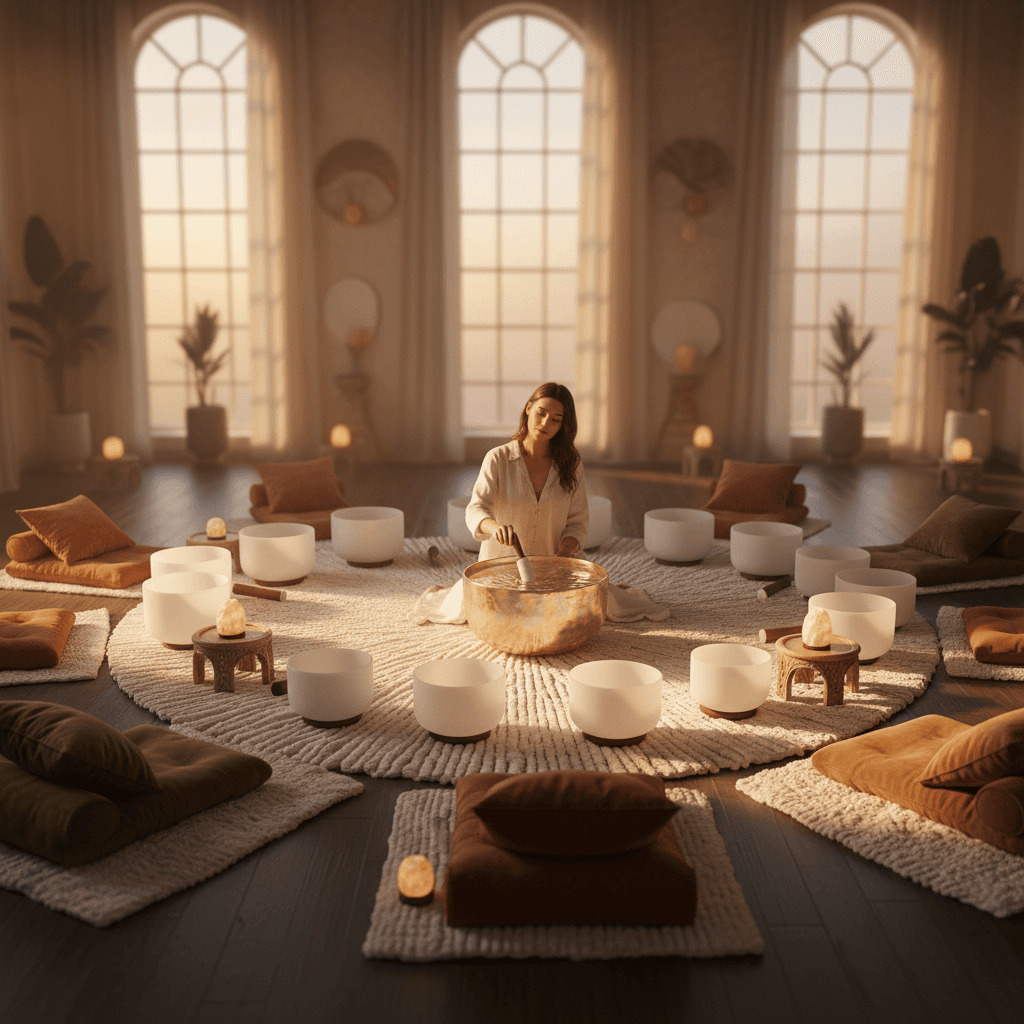
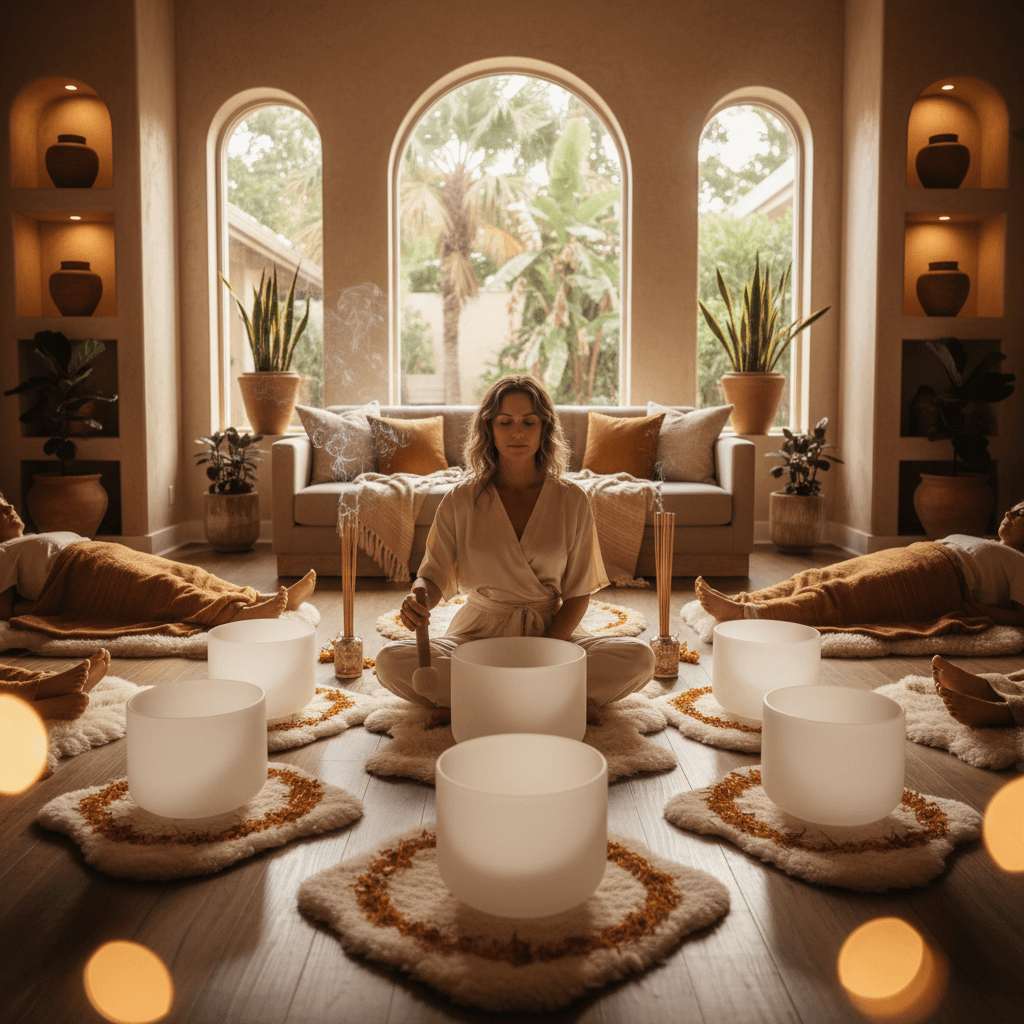
Clients often describe the sensation as a profound bathing in gentle vibrations and harmonious tones. The sounds from instruments like crystal singing bowls and gongs permeate the air, creating a rich tapestry of resonant frequencies. These vibrations are often felt subtly throughout the body, inducing a sense of deep relaxation and releasing physical tension. It is a sensory experience that bypasses the need for verbal communication, offering solace when words may no longer suffice or be understood.
The non-verbal nature of sound is one of its greatest strengths in this context. It allows for a form of connection and comfort that transcends cognitive barriers, reaching directly into the emotional and physiological core. For the individual, this may manifest as a release of fear, a reduction in agitation, or a drift into a peaceful state of rest. For family members and caregivers present, the sound bath offers a shared experience of tranquility, helping to alleviate their own stress and grief, and creating a tender space for collective presence.
"In the delicate dance between presence and release, sound offers a universal language of comfort, a gentle guide for the soul's quiet journey."
The practice aims to transform what can be a challenging environment into one filled with serenity and grace. It provides an anchor of calm amidst potential distress, helping to soothe the nervous system of everyone in the room. This approach is not about extending life but about enriching its final moments, ensuring they are imbued with peace, dignity, and gentle love. It cultivates an atmosphere where acceptance and tranquility can flourish, supporting a natural and tender transition.
The Soul Art Approach: Larissa Steinbach's Vision for Transitional Vigil
At Soul Art, Larissa Steinbach has meticulously developed a compassionate and unique approach to sound wellness, specifically designed to support individuals and their families during the profound experience of active dying. Larissa's philosophy centers on recognizing the inherent dignity of every life and providing a gentle, non-medical intervention that honors this sacred passage. Her work extends beyond mere relaxation, aiming to create a deeply supportive energetic and emotional container for transition.
The Soul Art method for a "Transitional Vigil" is characterized by its empathy, personalization, and a sophisticated understanding of how specific sound frequencies interact with the human system. Larissa Steinbach and her team utilize a curated selection of instruments, chosen for their purity of tone and vibrational qualities. These often include large symphonic gongs, which create deep, encompassing sound waves; crystal and Himalayan singing bowls, known for their pure, resonant frequencies; and various tuning forks, which can be applied to specific areas to induce subtle, localized vibrations. Gentle vocal toning and ambient nature sounds may also be integrated to enhance the immersive experience.
What makes the Soul Art approach truly unique is Larissa's intuitive ability to attune to the needs of the individual and their surrounding environment. Sessions are often held in the comfort of a private setting, such as a home or hospice room, ensuring an intimate and undisturbed experience. The soundscapes are never overpowering but rather gentle and fluid, designed to lull the nervous system into a state of deep peace without causing any discomfort or overstimulation. Larissa focuses on creating a harmonious frequency field that may support emotional release, reduce physical tension, and foster a profound sense of inner quietude.
This dedicated practice is not about "healing" in a medical sense but about providing holistic comfort, aiding in emotional regulation, and fostering a sense of peace. Larissa Steinbach's work at Soul Art is a testament to the power of compassionate presence and the ancient-yet-modern wisdom of sound, offering a gentle hand during life's most sacred transition. It embodies the essence of quiet luxury: sophisticated care delivered with profound empathy and grace.
Your Next Steps: Embracing Sound for End-of-Life Wellness
Considering sound wellness as a complementary approach during active dying is a deeply personal choice, one that often brings profound comfort to individuals and their families. While this article outlines the scientific underpinnings and practical applications, the true value lies in experiencing its gentle power firsthand. Here are a few actionable steps you might consider:
- Open the Conversation Early: If you or a loved one are facing end-of-life decisions, discuss the potential for sound wellness with your care team and family. Integrating such practices as part of a comprehensive care plan can be beneficial.
- Explore Introductory Sessions: For those able to participate, experiencing a general sound wellness session can provide a valuable introduction to its calming effects. This allows you to understand how your body and mind respond to specific frequencies.
- Support for Caregivers: Remember that caregivers also experience immense stress and grief. Sound wellness can offer a vital respite for those supporting a loved one, helping them to maintain their own well-being during challenging times.
- Research and Educate: Continue to learn about thanatology and complementary wellness practices. Understanding the scientific basis can empower you to make informed choices that align with your values for end-of-life care.
- Connect with Soul Art: Reach out to Soul Art Dubai to learn more about our specialized "Transitional Vigil" offerings. Our team, led by Larissa Steinbach, is here to compassionately guide you through the options and answer any questions you may have, ensuring a dignified and peaceful experience.
In Summary: A Harmonic Path to Peace
The journey of active dying is one of profound significance, and providing comfort, dignity, and peace during this time is a compassionate endeavor. Sound wellness, rooted in ancient traditions and increasingly supported by modern scientific inquiry, offers a unique and gentle approach to this delicate phase. By influencing brainwaves, regulating the nervous system, balancing neurochemicals, and potentially modulating pain perception, the harmonic vibrations of sound may create an environment of deep tranquility and emotional solace.
At Soul Art, Larissa Steinbach and her dedicated team are committed to offering this profound support, crafting personalized soundscapes that honor the individual's transition and provide comfort for their loved ones. Through the gentle power of sound, we aim to transform the final moments into a truly peaceful and dignified passage. We invite you to explore how this deeply empathetic practice can support well-being when it matters most.
Bookings Coming Soon
Soul Art is still in preparation. Session details and booking will be published here after launch.
Coming Soon
Wellness Disclaimer: This article is for educational and informational purposes only. It does not constitute medical advice, diagnosis, or treatment. Soul Art Dubai provides non-medical wellness experiences focused on relaxation, stress management, and general wellbeing. Sound wellness is a complementary practice and should not replace professional medical care.
Related Articles
The Role of Sound in Cultural Death Practices
Death Doulas & Sound: Enhancing Peace in End-of-Life Journeys
Sound's Gentle Embrace: Supporting Late Alzheimer's with Sonic Wellness