Evidence-Based Sound Therapy for Tinnitus Wellness Journeys

Key Insights
Explore evidence-based sound therapy protocols for tinnitus wellness at Soul Art Dubai. Discover how Larissa Steinbach's approach supports relaxation and reduces tinnitus distress.
Unlocking Serenity: Navigating Tinnitus with Evidence-Based Sound Wellness
Imagine a constant, phantom sound, a persistent ringing or buzzing that infiltrates every quiet moment, affecting concentration, sleep, and overall peace of mind. For millions globally, this is the reality of tinnitus, a complex auditory phenomenon that can significantly impact daily life and emotional wellbeing. While the search for a definitive cure continues, sound wellness practices offer a promising, evidence-based avenue for managing its perception and associated distress.
At Soul Art Dubai, under the expert guidance of founder Larissa Steinbach, we champion a holistic, scientifically-informed approach to supporting individuals experiencing tinnitus. This article delves into the latest research on sound therapy protocols, explaining the mechanisms behind their effectiveness and how they can be integrated into a restorative wellness journey. Discover how understanding these protocols can empower you to find greater calm and control.
The Science Explained: Understanding Sound Therapy for Tinnitus
Tinnitus, often described as a sound heard in the ears or head without an external source, is more than just a nuisance; it is a complex neurological condition. It is believed to arise from changes in the brain's auditory pathways, which can lead to heightened sensitivity and the perception of internal sounds. While individual experiences vary greatly, the common thread is its potential to significantly disrupt quality of life.
The Auditory Cortex and Neuroplasticity
The brain's auditory cortex plays a crucial role in processing sounds, and in individuals with tinnitus, this region can exhibit altered activity. Sound therapy aims to introduce external auditory stimuli that can help retrain these neural pathways, promoting a process known as neuroplasticity. This inherent ability of the brain to reorganize itself is fundamental to how sound therapy may support the brain in reinterpreting or desensitizing to the tinnitus signal.
Research highlights that patients may need to continue sound wellness practices even after the self-perception of tinnitus has diminished, as perceptual changes often precede deeper neurophysiological shifts by several weeks. This sustained engagement is vital for encouraging lasting changes in the brain's response patterns. Furthermore, studies on approaches like bimodal neuromodulation, which combine sound with mild electrical pulses to other body parts, underscore the brain's capacity for retraining auditory and somatosensory pathways to reduce tinnitus perception (ATA, n.d.).
Mechanisms of Action: Masking, Habituation, and Desensitization
Sound therapy for tinnitus operates through several interconnected mechanisms:
- Masking: This involves introducing an external sound that partially or completely covers the tinnitus, making it less noticeable or even imperceptible. While simple masking provides immediate relief, it is often not the sole goal of long-term therapy.
- Habituation: The brain has a remarkable ability to filter out constant, non-threatening stimuli. Sound therapy aims to facilitate this process, helping the brain perceive the tinnitus as a neutral, non-important signal, thereby reducing its emotional impact and awareness. Tinnitus Retraining Therapy (TRT), a well-established protocol, specifically emphasizes counseling alongside sound therapy to help patients experience tinnitus as a neutral stimulus (Wang et al., 2020; Grewal et al., 2020).
- Desensitization: Through consistent exposure to carefully selected sounds, the brain can gradually become less reactive to the tinnitus signal. This process helps to decrease the emotional and psychological distress often associated with chronic tinnitus, promoting a sense of calm and control. The Levo System, for instance, an FDA-cleared sound-based therapy, utilizes customized, barely audible "notched" sounds worn overnight to promote brain neuroplasticity and desensitization by subtly stimulating the auditory system while a person sleeps (ATA, n.d.).
Individual Factors Influencing Effectiveness
It is widely acknowledged that the effectiveness of sound therapy can vary significantly among individuals. This highlights the importance of personalized approaches. Factors that may influence outcomes include:
- Tinnitus Type: Some studies suggest that individuals with noise-like tinnitus may experience significantly better treatment effects compared to those with tonal tinnitus, especially directly after stimulation termination (Wang et al., 2020).
- Sound Characteristics: The type of modulated sound can profoundly affect efficacy. Clinical trials indicate that low-rate amplitude-modulated tones with a high carrier frequency in the tinnitus pitch range are often most effective at reducing perceived loudness (Reavis et al., as cited in Wang et al., 2020). Additionally, unpredictable stimulating sounds, such as fractal tones, which sound like wind chimes, have been preferred by some responders due to their pleasant and relaxing yet semi-random nature (Durai et al., as cited in Wang et al., 2020; Lelic et al., 2024).
- Daily Therapy Hours: Multiple studies, including one by Jin et al. (2022) and Lelic et al. (2024), have observed a clear correlation between the duration of daily sound therapy use and the degree of reported benefit. Participants who engaged with sound therapy for more hours per day often experienced greater relief from tinnitus-related distress. This underscores the value of consistent, dedicated practice.
"While individual responses to sound therapy for tinnitus can vary, the consistent theme in research points towards the brain's remarkable capacity for adaptation. By providing the right auditory environment and sustained engagement, we can guide the nervous system towards a state of reduced reactivity and greater peace."
How It Works in Practice: Applying Sound Wellness Protocols
Translating scientific principles into practical, supportive experiences is at the heart of effective sound wellness for tinnitus. It involves a thoughtful integration of various sound types and counseling elements, tailored to individual needs. The goal is not just to mask the sound, but to empower the individual to change their relationship with it.
Types of Sound Therapy in Practice
Modern sound therapy protocols encompass a diverse range of auditory stimuli, moving beyond simple broadband noise to more sophisticated approaches:
- Broadband Noise: Generates a wide spectrum of frequencies, often used for general masking or background sound.
- Audiogram-Shaped Noise: Customized to match an individual's hearing profile, specifically addressing any hearing loss that might contribute to tinnitus perception (Henry et al., 2015).
- Narrowband Signals: Focus on specific frequencies, often aligning with the perceived pitch of the tinnitus (Hoare et al., 2014b).
- Notch Noise Therapy: Targets a very narrow frequency band around the tinnitus pitch and removes it from a broader sound spectrum, aiming to reduce neural activity in that specific frequency range (Jin et al., 2021; ATA, n.d.).
- Nature Sounds: Offer pleasant, non-intrusive auditory backdrops that can be calming and aid in distraction, helping to shift focus away from the tinnitus (Barozzi et al., 2016; Sereda et al., 2017).
- Music and Fractal Tones: Specially composed music or fractal tones (semi-random, harmonic sequences resembling wind chimes) are often used for their relaxing and unpredictable qualities, which can make them less prone to habituation while still providing a soothing auditory experience (Krick et al., 2015; Tyler et al., 2017; Lelic et al., 2024).
These diverse sound options allow for a flexible and adaptable approach, ensuring that the selected sounds resonate with the individual's preferences and specific tinnitus characteristics.
Essential Elements of a Sound Wellness Protocol
Effective sound wellness for tinnitus is more than just listening to sounds; it’s about a structured and personalized approach. While there is no universally established treatment protocol for tinnitus, evidence-based practices emphasize certain key elements:
- Initial Assessment: A thorough understanding of an individual's tinnitus—its duration, loudness, distress levels, and any associated hearing profiles—is paramount. Tools like the Tinnitus Handicap Inventory (THI) and Tinnitus Functional Index (TFI) are validated instruments used to quantify the impact of tinnitus on daily life and track progress (A. Boedts et al., 2024; Jin, Choi, & Ku, 2021).
- Personalized Sound Selection: Based on the assessment, appropriate sounds are chosen. This may involve custom soundscapes, specific frequencies, or tailored noise types to best suit the individual's auditory profile and preferences. Unpredictable sounds can be particularly beneficial for maintaining engagement (Wang et al., 2020).
- Consistent Engagement: As highlighted by research, the duration of daily engagement with sound therapy significantly correlates with reported benefits (Jin et al., 2022; Lelic et al., 2024). This often involves several hours of exposure throughout the day, integrated seamlessly into daily routines.
- Supportive Environment: Creating a calming and low-stress environment enhances the efficacy of sound wellness practices. This includes mindfulness, stress reduction techniques, and an understanding of the psychological elements intertwined with tinnitus perception.
- Educational Counseling: Many successful protocols, such as Tinnitus Retraining Therapy (TRT), integrate educational counseling. This component helps individuals understand tinnitus, demystify its mechanisms, and adjust their psychological state to alleviate negative emotions associated with it (Wang et al., 2020; Grewal et al., 2020). This conscious and subconscious connection is vital for long-term benefit.
By integrating these practical elements, sound wellness sessions move beyond simple auditory stimulation to become a comprehensive strategy for managing and reducing tinnitus-related distress.
The Soul Art Approach: Larissa Steinbach's Unique Vision
At Soul Art Dubai, Larissa Steinbach brings a deeply empathetic and scientifically informed perspective to sound wellness, particularly for those navigating the challenges of tinnitus. Our approach integrates the best available scientific information with clinical insights and individual needs, creating a tranquil sanctuary where healing frequencies can unfold.
Larissa Steinbach's method is founded on the principles of evidence-based wellness, ensuring that while we do not provide medical treatment, our practices are informed by robust research on auditory processing, neuroplasticity, and stress reduction. We understand that tinnitus is not just an auditory event, but an experience deeply intertwined with the nervous system and emotional state. Therefore, our protocols focus on nervous system regulation and stress management as primary avenues for supporting tinnitus wellness.
What makes the Soul Art method unique is its dedication to a personalized, immersive sound experience. We utilize a curated selection of instruments known for their therapeutic frequencies and rich harmonics:
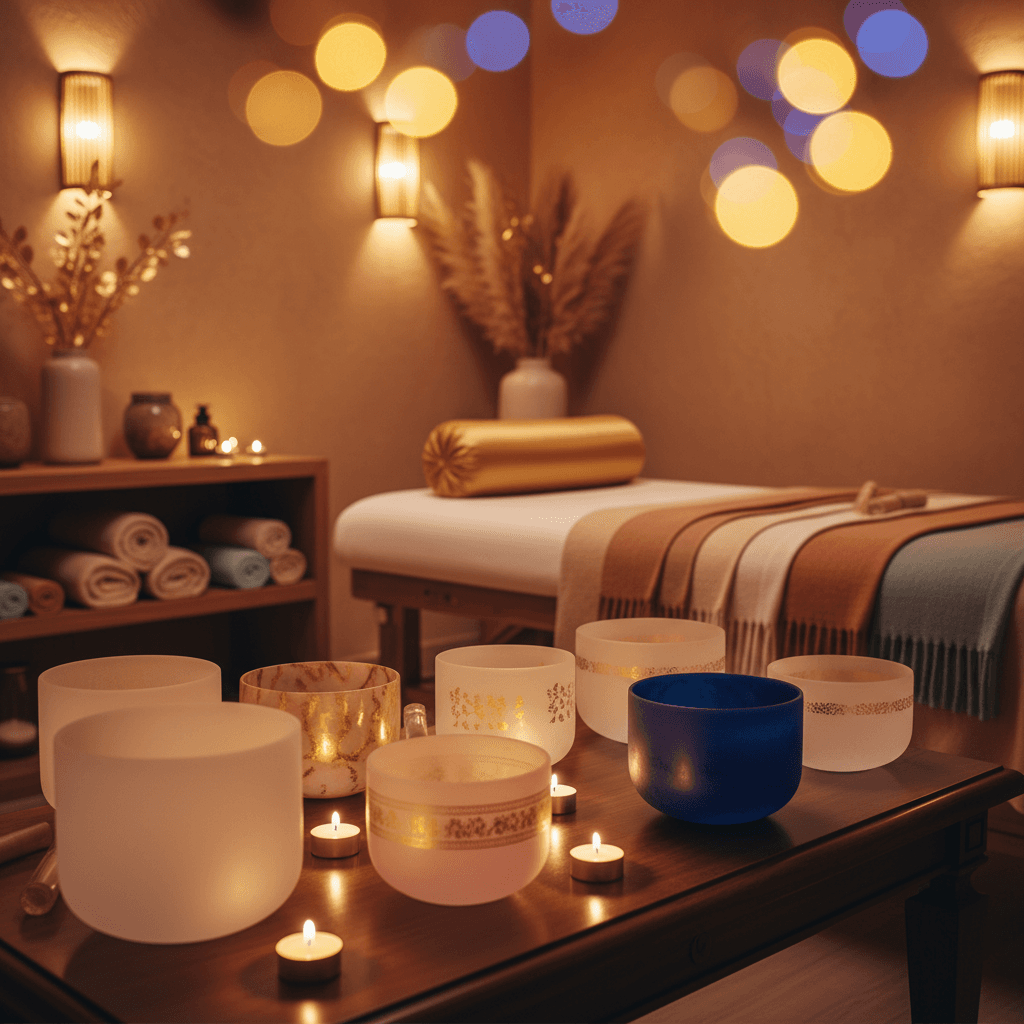
- Alchemy Crystal Singing Bowls: These bowls produce pure, resonant tones that can deeply penetrate the body, promoting relaxation and facilitating brainwave entrainment to alpha and theta states, which are conducive to deep rest and mental calm.
- Gongs: The powerful, complex vibrations of gongs create an enveloping sound field that can help to shift perception, offering a profound sense of release and allowing the mind to quieten its focus on internal sounds.
- Monochords: These instruments produce rich overtones with a soothing, drone-like quality, ideal for sustained auditory stimulation that can aid in habituation and desensitization.
- Other Sacred Instruments: A range of chimes, tuning forks, and other vibrational tools are carefully selected to create bespoke soundscapes that are both unpredictable and harmonically rich, aligning with research suggesting the efficacy of varied, pleasant sounds (Tyler et al., 2017; Lelic et al., 2024).
Each session with Larissa Steinbach at Soul Art is meticulously designed, taking into account an individual's unique auditory profile and reported experience with tinnitus. While the goal is not to "cure" tinnitus, it is to provide a complementary pathway for reducing its perceived loudness, its associated distress, and improving overall quality of life through profound relaxation and nervous system balance. We focus on enhancing awareness, emotional regulation, and fostering a sense of inner peace.
Your Next Steps: Embracing a Wellness Journey
Navigating tinnitus can feel overwhelming, but embracing proactive wellness practices offers a pathway to greater comfort and control. Sound wellness, informed by evidence-based protocols, provides a complementary approach that may significantly improve your relationship with tinnitus. It is about empowering you with tools to find relief and restore balance.
Here are some actionable steps you can consider today:
- Consult a Professional: Always begin by consulting an audiologist or ENT specialist to understand the nature of your tinnitus and rule out any underlying medical conditions. This ensures you receive appropriate medical guidance.
- Explore Sound Environments: Experiment with different background sounds that you find pleasant and relaxing. This could be nature sounds, gentle instrumental music, or specialized tinnitus apps offering broadband or notched noise. Pay attention to what brings you a sense of ease.
- Integrate Consistent Sound Exposure: Based on research, consistent, prolonged exposure to therapeutic sounds can be beneficial. Try integrating sound wellness into your daily routine, perhaps during work, relaxation, or sleep. Remember, more hours of use have been associated with greater benefit (Lelic et al., 2024).
- Practice Mindfulness and Stress Reduction: Tinnitus perception is often exacerbated by stress and anxiety. Incorporate mindfulness meditation, deep breathing exercises, or gentle movement practices into your day to calm the nervous system.
- Seek Personalized Wellness Support: Consider exploring structured sound wellness sessions led by experienced practitioners like Larissa Steinbach at Soul Art. A personalized approach can help you discover specific frequencies and protocols that resonate most effectively with your unique needs.
Remember, the journey with tinnitus is personal. By embracing these holistic wellness strategies and seeking supportive guidance, you can cultivate a greater sense of peace and regain control over your auditory experience.
In Summary: Finding Calm Through Sound
Tinnitus, a challenging auditory phenomenon, profoundly affects millions, yet evidence-based sound wellness protocols offer significant promise for managing its impact. Research underscores the brain's neuroplasticity and its capacity to habituate and desensitize to the tinnitus signal through consistent, tailored sound exposure. Practices ranging from customized noise to fractal tones, combined with educational counseling, aim to reduce distress and promote nervous system regulation.
At Soul Art Dubai, Larissa Steinbach meticulously crafts immersive sound experiences using instruments like alchemy crystal singing bowls and gongs. Our unique approach focuses on holistic wellness, supporting individuals in changing their relationship with tinnitus and fostering deep relaxation. By integrating these scientifically-informed wellness strategies, you can embark on a journey toward greater serenity and a calmer auditory landscape.
Bookings Coming Soon
Soul Art is still in preparation. Session details and booking will be published here after launch.
Coming Soon
Wellness Disclaimer: This article is for educational and informational purposes only. It does not constitute medical advice, diagnosis, or treatment. Soul Art Dubai provides non-medical wellness experiences focused on relaxation, stress management, and general wellbeing. Sound wellness is a complementary practice and should not replace professional medical care.
Related Articles
Vibration Therapy for Plantar Fasciitis: A Holistic Path to Foot Wellness
Frozen Shoulder: Sound Support for Enhanced Mobility & Ease

Harmonizing Breath: How Sound Wellness May Support Sleep Apnea Management