Harmonizing Breath: How Sound Wellness May Support Sleep Apnea Management

Key Insights
Explore how sound breathing support at Soul Art, founded by Larissa Steinbach, offers a complementary path for those navigating sleep apnea, fostering deeper relaxation and improved breathing patterns.
Imagine a silent struggle unfolding each night, just as you drift into the peace of sleep. This is the reality for millions worldwide who experience sleep apnea, a condition where breathing repeatedly stops and starts. It's a profound disruption, not just to sleep, but to overall health, impacting everything from energy levels to cardiovascular well-being.
The statistics are sobering: a typical US study indicates that 24% of middle-aged men and 9% of middle-aged women are affected by sleep-disordered breathing. While conventional treatments like CPAP machines or oral appliances are vital, many individuals seek complementary approaches to enhance their journey toward better sleep. This is where the profound power of sound wellness, particularly focused on breath, emerges as a promising area of exploration.
At Soul Art, founded by the visionary Larissa Steinbach, we delve into the intricate relationship between sound, breath, and the body's natural healing capabilities. This article will explore the surprising science behind how breathing sounds reveal respiratory health and how intentional sound-supported breathwork may offer a unique, holistic pathway to supporting those navigating sleep apnea. We invite you to discover how harmonizing your breath can unlock a deeper sense of calm and potentially contribute to a more restful night's sleep.
The Science Explained
The very act of breathing generates a symphony of sounds, a subtle acoustic fingerprint that offers profound insights into our respiratory health. Far from being mere background noise, these sounds are now recognized by science as powerful diagnostic indicators, and increasingly, as a gateway to wellness interventions. Understanding this intricate relationship forms the cornerstone of how sound wellness may support healthy breathing.
The Language of Breath: Detecting Apnea Through Sound
Groundbreaking research has illuminated the diagnostic potential of breathing sounds. A study presented at SLEEP 2011, for instance, suggested that simple analysis of breathing sounds while awake could predict the presence or absence of Obstructive Sleep Apnea (OSA) with remarkable accuracy, over 84%. This non-invasive method also showed potential for stratifying the severity of OSA, highlighting the unique acoustic signatures of compromised airways.
Further studies underscore that the nature of breathing sounds changes significantly during sleep-disordered breathing events. During an apnea event, there is a cessation of breath sound, followed by a loud "reopening" sound as the airway clears. In cases of hypopnea, where the airway is narrowed but not fully closed, breathing sounds may become smaller and irregular, distinct from typical snoring. These scientific observations reinforce the idea that breath sounds are a direct reflection of airway patency and respiratory effort.
This research, using advanced techniques like spectral and waveform fractal dimension analysis, demonstrates that our breath carries a wealth of information about our physiological state. If scientists can detect respiratory events through sound, it naturally follows that consciously influencing breathing patterns through auditory feedback and focused practices could play a role in supporting respiratory function. This scientific understanding underpins the logic of integrating sound-based breath support into wellness routines.
The Breath-Brain Connection: Retraining for Resilience
The ability of breathing exercises to improve sleep apnea symptoms is increasingly recognized in scientific literature. A comprehensive review highlighted that various breathing retraining approaches, such as the Buteyko method and diaphragmatic breathing, have been reported to improve sleep apnea. The mechanisms behind these improvements are multi-faceted and deeply connected to neurological and physiological adaptations.
These benefits are thought to be related to several key areas. Firstly, improved muscle tone of the upper airway, which is crucial for preventing airway collapse during sleep. Secondly, enhanced respiratory muscle strength, leading to more efficient and sustained breathing. Thirdly, neuroplasticity of breathing control, suggesting that the brain can be retrained to maintain more stable breathing patterns. Moreover, these practices have been associated with improved oxygen levels and a reduction in hyperventilation or dysfunctional breathing patterns.
Crucially, breathing retraining also influences the autonomic nervous system (ANS), shifting it towards a more parasympathetic (rest and digest) state. This shift can reduce overall body tension, promote deeper relaxation, and create a more conducive environment for restorative sleep. The NHLBI also supports research into the various causes and links of sleep apnea to other serious health conditions, underscoring the interconnectedness of respiratory health with overall wellness. For individuals with minimal anatomical deficits and daytime breathing dysfunction, these practices can be particularly helpful, offering a powerful self-care practice.
Nasal vs. Mouth Breathing: The Foundational Difference
The way we breathe—through our nose or mouth—has a profound impact on respiratory health, especially during sleep. Snoring, often considered a prodromal phase of Obstructive Sleep Apnea, is frequently associated with mouth breathing. Research indicates that mouth-breathing individuals are more likely to snore and exhibit higher apnea-hypopnea indexes (AHI) compared to those who breathe nasally.
Nasal breathing offers significant physiological advantages over mouth breathing. The nasal passages filter, humidify, and warm incoming air, preparing it for the lungs. More importantly, nasal breathing promotes the release of nitric oxide, a vasodilator that enhances oxygen absorption in the lungs and throughout the body. Furthermore, studies suggest that normal entry of air into the nostrils synchronizes slow respiration, which can lead to the entrainment of delta and theta brain rhythms.
This synchronization of cellular networks, including those in the limbic system, has the potential to modify the rate and depth of breathing. When breathing is regulated through the nose, it often results in a lower, more controlled respiratory rate compared to mouth breathing. By encouraging nasal breathing, sound wellness practices aim to leverage these innate physiological benefits, promoting more stable and efficient respiratory patterns that may support better sleep quality.
How It Works in Practice
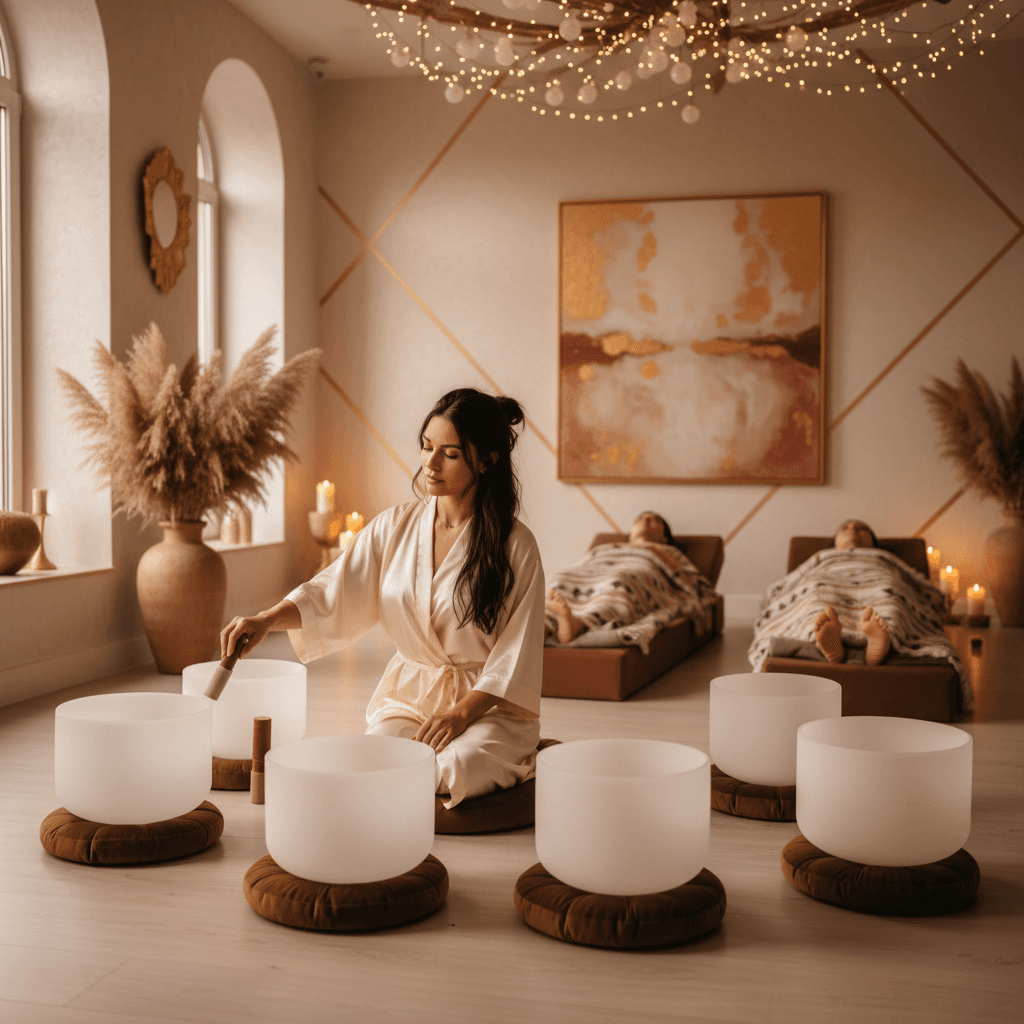
Translating complex scientific principles into tangible wellness experiences is the essence of Soul Art. When you step into a sound wellness session, particularly one designed to support breathing, the experience is deeply immersive and multi-sensory. It’s an invitation to connect with your body's natural rhythms in a profound way.
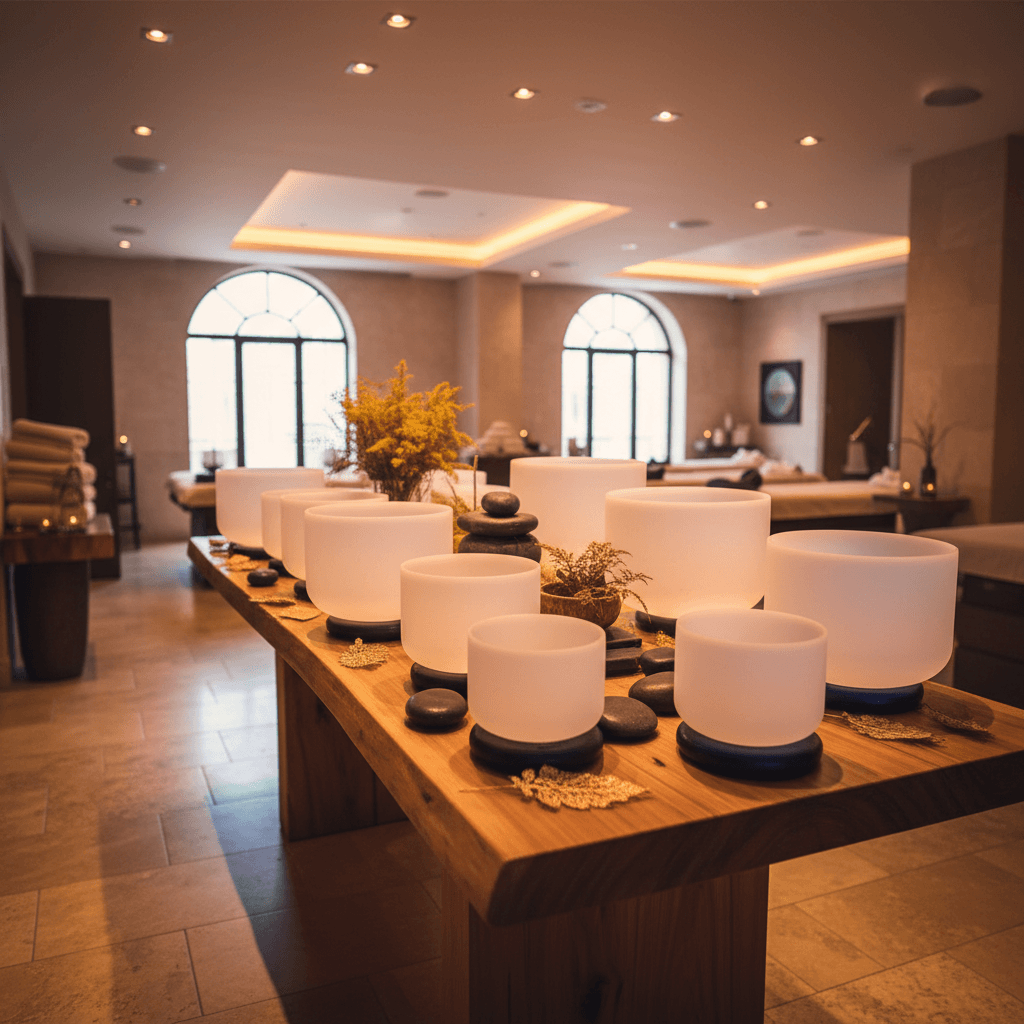
The journey often begins with you settling into a comfortable position, ready to receive. As the session unfolds, a curated soundscape of resonant frequencies fills the space. These are not merely sounds; they are vibrations that permeate your being, felt not just by your ears but by your entire body. The deep, sustained tones of singing bowls, the expansive waves of gongs, and the delicate tinkling of chimes create an auditory tapestry designed to quiet the mind and calm the nervous system.
This gentle sonic environment naturally encourages a shift towards deeper, more conscious breathing. The resonant frequencies act as a subtle guide, inviting your breath to lengthen and deepen, often initiating diaphragmatic breathing without conscious effort. Many people report feeling a wave of relaxation wash over them, an undeniable signal that the autonomic nervous system is shifting from its "fight or flight" (sympathetic) state to its "rest and digest" (parasympathetic) mode. This physiological shift is crucial, as a relaxed state is far more conducive to stable breathing patterns and restorative sleep.
The focused attention on breath, often accompanied by intentional vocal toning or humming during the session, can also gently engage and strengthen the muscles of the upper airway. The vibrations produced by one's own voice, combined with external sound, may help to create a greater awareness of the respiratory system. It's a holistic approach that connects the auditory experience with internal physiological processes, fostering a renewed relationship with one's breath.
"The true symphony of healing begins when we listen to the quiet wisdom of our own breath, guided by the resonant embrace of sound."
This practice becomes a form of mindful breathing, enhanced by the power of sound. It's about cultivating an awareness of each inhalation and exhalation, learning to regulate breath rate and depth. This regular engagement with sound-supported breathwork can potentially contribute to improved respiratory muscle strength and coordination, which preliminary studies indicate can positively impact conditions like sleep apnea. The experience is both deeply relaxing and subtly empowering, offering a unique avenue for self-care and holistic support.
The Soul Art Approach
At Soul Art, Larissa Steinbach’s vision for sound wellness extends beyond simple relaxation; it’s an integrative practice designed to support the body’s innate capacity for balance and self-regulation. Recognizing the nuanced challenges presented by conditions like sleep apnea, Larissa has meticulously crafted an approach that leverages the therapeutic power of sound to complement respiratory health.
Larissa's method is built on the understanding that while medical interventions are essential for sleep apnea, holistic practices can significantly enhance overall well-being and potentially support better breathing patterns. Her sessions are not a replacement for medical advice or treatment but a carefully curated complementary experience. The Soul Art approach is unique in its personalized guidance and the intentional selection of instruments and techniques to address specific areas related to breath and sleep.
During a Soul Art session focused on breathing support, Larissa may utilize a diverse array of instruments known for their profound vibrational qualities. This includes Himalayan singing bowls, crystal singing bowls, gongs, chimes, and various resonant percussive instruments. These instruments are chosen not just for their beauty but for their ability to generate frequencies that encourage deep relaxation and stimulate the body's natural healing responses. The resonant tones are carefully layered to create a soothing soundscape that subtly guides participants into a state of profound calm, facilitating a deeper connection with their breath.
A key element of the Soul Art approach involves gentle instruction on mindful breathing and, where appropriate, guided vocal toning. By encouraging participants to consciously engage with their own voice – humming, chanting, or simply extending their exhalations – Larissa helps to activate the vagus nerve, which plays a critical role in regulating the autonomic nervous system. This practice can contribute to strengthening respiratory muscles and promoting nasal breathing, reinforcing the physiological benefits discussed earlier.
Larissa Steinbach’s expertise ensures that each Soul Art session is a safe and nurturing space where individuals can explore the profound connection between sound, breath, and inner harmony. Her method aims to empower individuals to cultivate a greater awareness of their breathing patterns, foster a sense of deep relaxation, and integrate these practices into their daily lives as a powerful self-care tool. This holistic approach offers a sanctuary for those seeking to enhance their respiratory wellness journey.
Your Next Steps
Embracing sound breathing support as a complementary practice can be a transformative step on your wellness journey. While sound wellness is not a medical treatment for sleep apnea, incorporating these practices into your routine may significantly enhance your overall well-being and potentially contribute to improved breathing patterns and better sleep quality. Here are some actionable steps you can take today:
- Practice Mindful Breathing: Dedicate a few minutes each day to simply observing your breath. Focus on slow, deep inhalations and exhalations, ideally through your nose. This simple practice can help regulate your nervous system and increase awareness of your respiratory rhythms.
- Incorporate Gentle Sound into Your Routine: Listen to calming music, nature sounds, or ambient frequencies. Even short periods of exposure to soothing sounds can help reduce stress and prepare your body for rest. Many free resources are available to help you start.
- Focus on Nasal Breathing Throughout the Day: Consciously choose to breathe through your nose, even during light activities. This habit can help strengthen nasal passages, improve oxygen uptake, and promote a more balanced respiratory rate.
- Consult Your Medical Professional: Remember, sound wellness is a complementary practice. Continue to follow the advice and treatment plan provided by your doctor or sleep specialist for sleep apnea. Discuss any new wellness practices you incorporate to ensure they align with your overall health strategy.
- Explore Soul Art Sessions: Consider experiencing a sound wellness session designed by Larissa Steinbach at Soul Art Dubai. These guided experiences offer a unique opportunity to immerse yourself in therapeutic sound and learn techniques that may support deeper relaxation and enhanced breathing.
Taking these steps can empower you to actively participate in your holistic well-being. By integrating these practices, you can cultivate a calmer mind and a more regulated body, creating an optimal environment for restorative sleep.
In Summary
The intricate connection between our breathing sounds and overall respiratory health is a fascinating and evolving area of scientific inquiry. While breathing sounds serve as crucial diagnostic indicators for conditions like sleep apnea, the intentional application of therapeutic sound and breathwork offers a powerful complementary pathway to wellness. This holistic approach focuses on strengthening respiratory muscles, promoting nasal breathing, and calming the autonomic nervous system, all of which are associated with improved breathing patterns and sleep quality.
At Soul Art, Larissa Steinbach harnesses these principles, guiding individuals through immersive sound experiences designed to foster deep relaxation and enhance breath awareness. Her unique method emphasizes the profound synergy of sound and breath, empowering clients to cultivate resilience and pursue a more balanced state of being. By exploring sound breathing support, you are not only nurturing your body but also enriching your journey toward optimal health and restful sleep.
Bookings Coming Soon
Soul Art is still in preparation. Session details and booking will be published here after launch.
Coming Soon
Related Articles
Vibration Therapy for Plantar Fasciitis: A Holistic Path to Foot Wellness
Frozen Shoulder: Sound Support for Enhanced Mobility & Ease

Harmonic Relief: Clearing Sinus Issues with Sound Vibration at Soul Art