Harmonic Relief: Clearing Sinus Issues with Sound Vibration at Soul Art
Key Insights
Explore how sound vibration, a gentle wellness practice, may support nasal comfort and clear breathing. Discover the science at Soul Art Dubai.
Could the gentle hum of sound be the key to unlocking clearer breathing and easing the discomfort of sinus issues? For centuries, cultures worldwide have intuitively understood the power of sound for well-being. Modern science is now beginning to shed light on how specific sound vibrations and acoustic resonance may offer a unique, non-invasive approach to supporting nasal comfort.
At Soul Art, Dubai's premier sound wellness studio founded by Larissa Steinbach, we explore these innovative frontiers. We blend ancient wisdom with contemporary scientific understanding to offer experiences that may help alleviate common concerns like nasal congestion and pressure. This article delves into the fascinating world of how sound vibration interacts with our sinonasal cavities, potentially offering a path to enhanced respiratory wellness. Prepare to discover the harmonious connection between sound, your sinuses, and your overall sense of vitality.
The Science Explained: How Sound Vibration Impacts Sinus Health
The intricate network of our sinonasal cavities plays a crucial role in filtering, warming, and humidifying the air we breathe. When these passages become congested, inflamed, or blocked, it can lead to discomfort, pressure, and difficulty breathing. Emerging research suggests that targeted sound vibrations may offer a unique avenue for supporting the natural function of these vital pathways. This involves several interconnected physiological mechanisms.
Acoustic Resonance and Nitric Oxide Production
One of the most compelling scientific insights into how sound vibration may benefit sinus health involves nitric oxide (NO). Research indicates that human humming, a form of self-generated sound vibration, has been associated with significant increases in nitric oxide production within the sinonasal cavities. Nitric oxide is a potent smooth muscle relaxant, which means it may help to dilate blood vessels and open up constricted airways.
Furthermore, NO possesses anti-inflammatory, antimicrobial, and antifungal properties, all of which are highly beneficial for maintaining a healthy sinonasal environment. Devices that utilize acoustic vibration, often inspired by the principles of humming and yogic breathing, aim to replicate and enhance this natural physiological response. This targeted vibrational energy is believed to resonate with the delicate structures of the sinuses, potentially promoting greater NO release and subsequent decongestant effects.
Enhanced Mucociliary Clearance
The lining of our nasal passages and sinuses is covered with tiny, hair-like structures called cilia, which work tirelessly to move mucus and trapped particles out of the airways. This process, known as mucociliary clearance, is vital for preventing infections and maintaining clear breathing. When ciliary function is impaired, mucus can stagnate, leading to congestion and creating a breeding ground for pathogens.
Studies suggest that low-frequency vibrations and oscillating pressure, sometimes combined with acoustic energy, may stimulate ciliary motility. By gently encouraging these cilia to move more effectively, sound vibration may help to thin and mobilize thick mucus. This improved clearance can contribute to a reduction in congestion and a greater feeling of openness within the nasal passages, supporting the body's natural defense mechanisms.
Modulation of Autonomic Pathways and Pain Perception
Beyond physical clearance, sound vibration also has a profound impact on our nervous system. The autonomic nervous system, particularly pathways involving the sphenopalatine ganglion (SPG), plays a significant role in regulating nasal mucosal blood flow and secretion, directly influencing congestion and pain perception. Acoustic and vibratory therapies have shown potential in modulating these autonomic inputs.
For instance, multimodal vibration techniques, including ultrasound and acoustic resonance, have been associated with significant reductions in facial pain related to chronic rhinosinusitis (CRS). This neurogenic modulation of pain perception is thought to occur through the alteration of neuromodulators, such as neurokinin 1 receptor and substance P, which are involved in pain signaling. By influencing these pathways, sound vibration may offer a complementary approach to managing sinonasal discomfort and promoting a sense of ease.
Biofilm Disruption and Anti-inflammatory Effects
In some cases of persistent sinonasal disease, bacterial biofilms can form – resilient communities of microorganisms that are notoriously difficult to eradicate. Preliminary in vitro studies have indicated that low-frequency ultrasound may help to disrupt these biofilms from the surface of epithelial layers. While more research is needed, this suggests a potential mechanism by which vibrational energy could support a healthier microbial balance within the sinuses.
Additionally, therapeutic ultrasound has been observed to decrease the upregulation of inflammatory neuromodulators like tumor necrosis factor α and interleukin 6 in animal models. This anti-inflammatory effect, coupled with the potential for biofilm disruption and increased nitric oxide, paints a holistic picture of how sound vibration may contribute to a less inflamed, clearer sinus environment.
"The subtle yet profound power of vibration speaks a universal language to our cells, inviting them back into a state of natural resonance and ease."
Clinical Evidence: Promising Findings
Recent trials have provided increasing clinical evidence for the utility of acoustic and vibratory therapy in supporting nasal comfort. For instance, a New Zealand study involving 21 adults with chronic nasal congestion reported a significant acute improvement in nasal airflow after a single 20-minute session with a nasal airflow oscillation device. Peak Nasal Inspiratory Flow (PNIF) increased by approximately 17%, accompanied by a reported decrease in congestion severity. Patients also noted immediate relief of sinonasal pressure and drainage.
Further research explored devices combining acoustic vibration with oscillating expiratory pressure. A study involving 40 participants demonstrated a substantial 31% increase in PNIF and significant reductions in Total Nasal Symptom Score (TNSS) and the 22-item Sino-Nasal Outcome Test (SNOT-22) scores over a 5-week period. These scores, widely used to assess sinonasal symptoms and quality of life, showed marked improvement, with 80% of patients expressing willingness to use the device again.
A notable randomized, double-blinded, sham-controlled study evaluated Acoustic Resonance Therapy (ART) using a vibrational headband (Sonu device) on 52 adult patients with moderate to severe nasal congestion due to rhinitis. After two weeks of twice-daily use, the active treatment group showed a statistically significant greater reduction in nasal congestion compared to the sham group, with an 80.8% responder rate. These findings suggest that ART may be a safe and effective non-pharmacologic option for supporting nasal patency.
Another randomized clinical trial comparing transcutaneous ultrasound therapy to amoxicillin for acute bacterial sinusitis showed that at day four, the ultrasound group experienced a 1.5-point greater reduction in pain. While long-term symptom differences were not significant, the immediate pain relief observed is encouraging. The Soniflow vibrational headband, which generates individualized resonant frequencies, also demonstrated that 90% of patients experienced improvement in TNSS after two 10-minute treatments, with significant reductions in nasal congestion and facial pain. These collective findings underscore the promising role of sound vibration in holistic sinonasal wellness.
How It Works in Practice: Experiencing Vibrational Wellness
Connecting the scientific understanding to the real-world experience of sound vibration for sinus support involves understanding how these frequencies are delivered and perceived. It's a journey from theoretical mechanisms to tangible sensations of relief and openness. The practical application often focuses on creating an environment where the body's natural healing processes are encouraged and enhanced.
When you engage with sound vibration for sinus support, the experience is typically gentle and non-invasive. Devices or practices often involve applying resonant frequencies to the facial area, particularly around the sinuses. This can manifest as a subtle buzzing, a deep hum, or a palpable wave of energy that permeates the tissues. The goal is not just to feel the vibration externally, but for these frequencies to resonate internally within the air-filled cavities of the skull.
Clients often describe a feeling of warmth, a loosening of tension, and a gradual sense of decongestion as the session progresses. The vibrations may help to stimulate local circulation, potentially promoting the drainage of stagnant mucus and reducing inflammation. This sensation can be incredibly soothing, transforming what might have been a feeling of pressure or blockage into one of lightness and clarity. The act of breathing often becomes noticeably easier and deeper, as if the airways are gently being coaxed open.
The beauty of this approach lies in its simplicity and the body's inherent responsiveness to sound. Whether through external devices that deliver targeted acoustic energy, or through internal vocalizations like mindful humming practices, the principle remains the same: introducing frequencies that encourage optimal physiological function. This connection between sound and physical sensation is a cornerstone of holistic well-being, inviting the body to find its natural rhythm and balance. Many people report an immediate sense of relief, while consistent practice may contribute to more sustained improvements in overall nasal comfort and respiratory wellness.
The Soul Art Approach: Harmonizing Your Breath with Larissa Steinbach
At Soul Art, Dubai, Larissa Steinbach, our esteemed founder, curates an unparalleled sound wellness journey that deeply integrates the principles of sound vibration for holistic well-being, including potential support for sinus comfort. Larissa's approach is rooted in a profound understanding of how resonant frequencies interact with the human body and mind, creating a symphony of therapeutic effects.
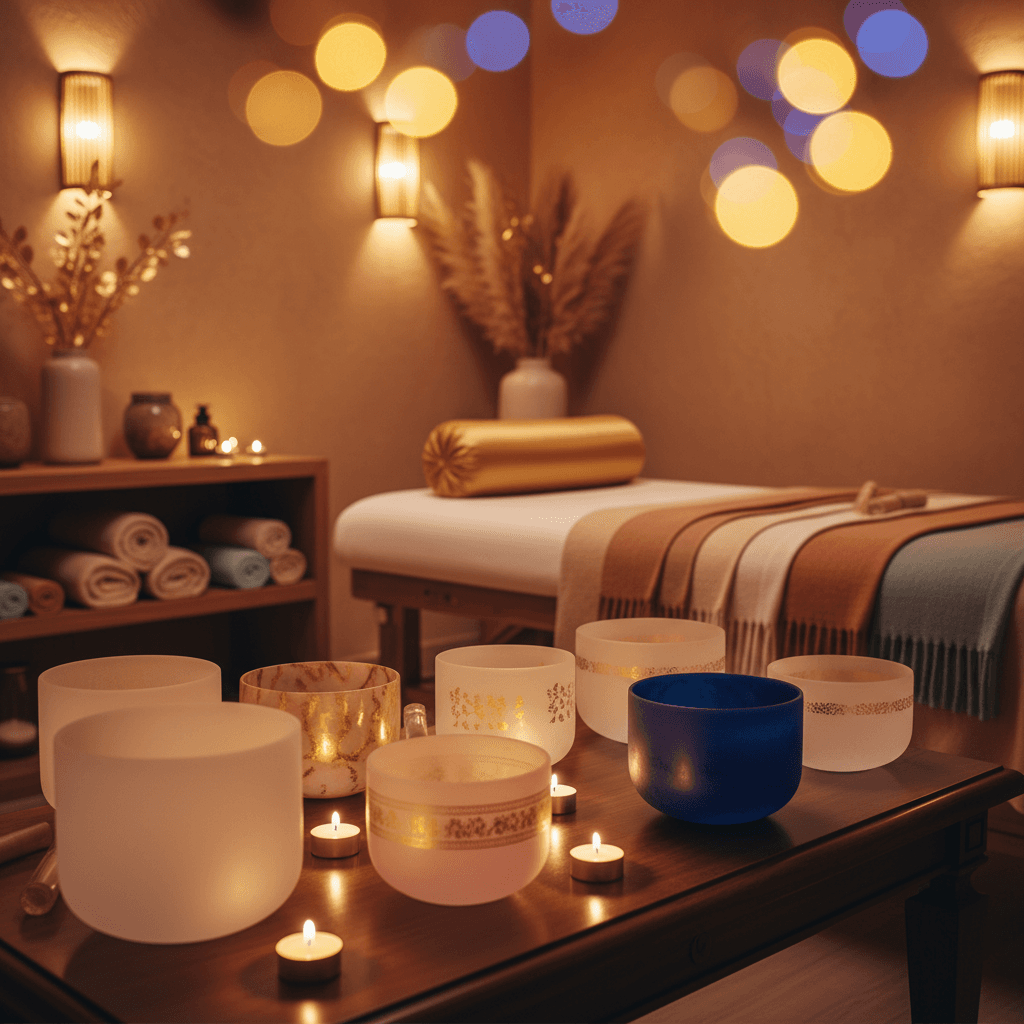
Larissa Steinbach meticulously selects a range of instruments, each chosen for its unique vibrational signature and ability to induce specific states of relaxation and physical release. Clients at Soul Art experience the deep, resonant tones of Himalayan singing bowls, which are often placed near the body, allowing their vibrations to permeate deeply. The powerful, enveloping waves of gongs create an immersive sonic landscape that can gently vibrate the entire physical structure, including the facial and cranial cavities.
Additionally, tuning forks, with their precise frequencies, are sometimes used directly on or around specific areas, including those corresponding to sinus points, to deliver targeted vibrational input. Larissa also guides clients through mindful vocalization techniques, such as humming, which organically generates internal vibrations. This practice, aligning with research on nitric oxide production and ciliary stimulation, empowers individuals to engage actively in their own wellness.
What makes the Soul Art method truly unique under Larissa Steinbach's guidance is the integration of these diverse sound modalities into a cohesive, deeply personalized experience. It is not merely about listening to sound, but about feeling it — allowing the vibrations to gently encourage the body's natural processes of relaxation, release, and restoration. The intention is to create an environment where the nervous system can find balance, leading to a cascade of positive effects that may include improved circulation, reduced tension, and a greater sense of openness within the respiratory system. Larissa's intuitive understanding and expert facilitation ensure that each session is a harmonious journey toward equilibrium and enhanced well-being.
Your Next Steps: Embracing Clearer Breathing
Integrating sound vibration into your wellness routine for sinus comfort is an accessible and enriching practice. While sound wellness is a complementary approach and not a substitute for medical advice, there are several practical steps you can take to explore its potential benefits for your respiratory health and overall well-being.
- Mindful Humming Practice: Begin incorporating short periods of conscious humming into your daily routine. This simple self-generated vibration, as suggested by research, may stimulate nitric oxide production and promote clearer breathing. Start with 1-2 minutes, several times a day, focusing on the resonant sensation in your facial cavities.
- Stay Hydrated: Adequate hydration is crucial for maintaining thin, mobile mucus, which facilitates easier clearance. Pair your vibrational practices with consistent water intake to support overall sinus health.
- Explore Sound Wellness: Consider attending a sound bath or a personalized sound wellness session. Studios like Soul Art offer a professionally guided experience where instruments and techniques are chosen to optimize your relaxation and well-being. This allows you to experience the full spectrum of vibrational therapy.
- Breathwork Integration: Complement sound practices with conscious breathwork exercises. Techniques that emphasize slow, deep breathing can further enhance nasal airflow and promote a sense of calm, supporting the overall effects of sound vibration.
- Listen to Your Body: Pay attention to how different sounds and vibrations make you feel. Wellness is a personal journey, and discovering what resonates best with your body is key to developing a sustainable self-care practice.
Soul Art is still in preparation. Session details and booking will be published here after launch. Explore the potential of sound vibration for yourself.
In Summary: A Harmonic Path to Wellness
Sinus issues can significantly impact daily comfort and overall well-being, but emerging research highlights the promising role of sound vibration as a gentle, complementary wellness practice. Studies suggest that acoustic resonance may support nasal comfort by increasing nitric oxide production, enhancing mucociliary clearance, modulating pain pathways, and potentially disrupting biofilms. These mechanisms collectively contribute to a greater sense of openness and easier breathing.
At Soul Art, Larissa Steinbach expertly guides clients through deeply restorative sound journeys, utilizing instruments like singing bowls, gongs, and tuning forks, alongside mindful vocalization. The Soul Art method offers a sophisticated yet accessible path to holistic wellness, inviting your body to resonate with frequencies that encourage balance and vitality. Embracing sound vibration may offer a unique avenue for those seeking natural, non-pharmacological ways to support their respiratory health and find profound relaxation.
Bookings Coming Soon
Soul Art is still in preparation. Session details and booking will be published here after launch.
Coming Soon
Wellness Disclaimer: This article is for educational and informational purposes only. It does not constitute medical advice, diagnosis, or treatment. Soul Art Dubai provides non-medical wellness experiences focused on relaxation, stress management, and general wellbeing. Sound wellness is a complementary practice and should not replace professional medical care.
Related Articles
Vibration Therapy for Plantar Fasciitis: A Holistic Path to Foot Wellness
Frozen Shoulder: Sound Support for Enhanced Mobility & Ease

Harmonizing Breath: How Sound Wellness May Support Sleep Apnea Management