Harmonizing Hope: Tinnitus Retraining Therapy & Sound Wellness
Key Insights
Explore Tinnitus Retraining Therapy (TRT) and sound wellness approaches at Soul Art Dubai, founded by Larissa Steinbach, for profound relief from tinnitus distress.
The world often feels full of noise, but imagine a sound that only you can hear—a persistent ringing, buzzing, or hissing that never truly fades. This is the reality for millions experiencing subjective tinnitus, a perception of sound without an external source. For a significant minority, this internal sound can become severely debilitating, impacting sleep, concentration, and overall quality of life.
While a definitive cure for tinnitus remains elusive, the focus of modern wellness practices has shifted towards effective management strategies. These strategies aim to reduce the profound impact of tinnitus on an individual's wellbeing. Tinnitus Retraining Therapy (TRT), a scientifically grounded approach, stands out in this endeavor.
TRT utilizes a carefully structured combination of educational counseling and sound therapy. Its core aim is to help individuals achieve habituation, lessening their negative reactions to and awareness of the tinnitus. This article delves into the science behind TRT and explores how innovative sound wellness studios, like Soul Art in Dubai, founded by Larissa Steinbach, are offering transformative approaches to living more peacefully with tinnitus.
The Science Explained
Understanding Tinnitus: Beyond the Sound
Subjective tinnitus is the perception of sound in the absence of a corresponding external sound. For most individuals, the exact medical etiology remains unknown, making its management a complex yet crucial field of study. For a minority, tinnitus isn't just an annoyance; it significantly impacts their ability to lead a normal lifestyle, often becoming severely debilitating.
Since there is no known medical cure, current therapeutic approaches concentrate on mitigating the effect of tinnitus on a person’s quality of life. This involves understanding the condition not merely as an auditory phenomenon, but as a neurological response that can be influenced and retrained. The brain's interpretation and reaction to the perceived sound are key targets for intervention.
The Core Principles of Tinnitus Retraining Therapy (TRT)
Tinnitus Retraining Therapy (TRT) is a well-established, non-psychiatric approach designed to address the distress associated with tinnitus. It integrates tinnitus-specific educational counseling with sound therapy, following a habituation-based protocol. The primary objective is to reduce the negative reactions and awareness triggered by tinnitus.
Ultimately, TRT aims to significantly lessen the overall impact of tinnitus on an individual's quality of life. This approach has been in use for over 25 years, with its fundamental principles remaining consistent, focusing on the brain's ability to adapt. The therapy works by extinguishing functional connections between the auditory system and the brain's limbic and autonomic nervous systems.
This neurological retraining helps to reclassify the tinnitus signal as a neutral stimulus. When the brain no longer perceives the sound as a threat or an important signal, its emotional and physical reactions to it diminish. Over time, this leads to habituation, where the brain effectively learns to ignore the tinnitus.
The Role of Sound Therapy in TRT
Sound therapy is an integral component of TRT, designed to facilitate habituation of both the perception and awareness of the tinnitus signal. It achieves this by decreasing the contrast between the internal tinnitus sound and background environmental sounds. This subtle blending helps the brain perceive the tinnitus as less prominent.
The underlying mechanism is believed to involve a reduction in the "gain" within the auditory pathways. By reducing this neural amplification, sound therapy further facilitates the brain's habituation to the tinnitus signal itself. The goal is not to mask the tinnitus entirely, but to provide a gentle, consistent backdrop that allows the brain to "filter it out."
Sound therapy for TRT can be implemented in various forms that achieve an enriched sound environment. For individuals with little or no hearing loss, the most direct strategy often involves low-level, relatively broad-band, neutral sounds. These are typically produced by open-canal bilateral ear-level sound generators.
"The true art of sound wellness lies not in silencing the noise, but in transforming our relationship with it, guiding the brain toward a harmonious new perception."
Recent research is also exploring novel forms of sound modulation therapy, aiming to directly reduce the perceived loudness of tinnitus. A study from Newcastle University, for example, tested a new sound modulation delivered online, tailored to disrupt synchronized neural activity believed to underpin tinnitus perception. This research showed a significant, persisting reduction in self-rated tinnitus loudness after active sound stimulation, highlighting the evolving potential of sound therapy beyond traditional habituation. Such accessible, at-home treatments could eventually benefit millions, making effective support more widely available.
Efficacy and Evolution of TRT
Studies have supported the efficacy of TRT in reducing the annoyance and impact of tinnitus over time. One trial found TRT to be more effective than general counseling in reducing tinnitus impact over 18 months, with a greater effect size. Another review highlighted that TRT was more effective than a tinnitus masking approach in one included trial.
While the core neurophysiological model of tinnitus and TRT principles have remained consistent for over 25 years, the implementation of TRT has evolved. These changes have included a deeper recognition of conditioned reflexes and the dominant role of subconscious pathways. Furthermore, specific protocols have been introduced for treating misophonia—negative reactions to specific sound patterns—which often co-occurs with tinnitus.
Modern TRT implementation also places greater emphasis on the concurrent treatment of tinnitus with hyperacusis, misophonia, and hearing loss. These refinements in counseling and sound therapy have reportedly increased the effectiveness of TRT significantly. Notably, the average time to see clear improvement has shortened from approximately one year to as little as one month in some cases, reflecting these advanced modifications.
How It Works in Practice
The Journey Towards Auditory Peace: TRT in Practice
Implementing Tinnitus Retraining Therapy involves a structured yet deeply personal journey, combining education with consistent auditory input. It’s about transforming one’s relationship with tinnitus, moving from a place of distress to one of greater neutrality and peace. The process is collaborative, with individuals actively participating in their own habituation.
This journey is not about eliminating the tinnitus sound itself, but about reducing its prominence and emotional weight. It empowers individuals to regain control over their internal sound environment and, consequently, their quality of life. The method requires patience and consistent engagement, but the reported benefits can be profound.
The Foundation: Directive Counseling
Directive counseling forms the bedrock of TRT. This educational component is crucial for demystifying tinnitus and the brain's role in its perception. Individuals learn about the neurophysiological model of tinnitus, understanding how the auditory system interacts with the limbic (emotional) and autonomic (stress response) nervous systems.
This knowledge helps to de-catastrophize the tinnitus, reclassifying it from a threat to a neutral stimulus. By gaining a scientific understanding, individuals can begin to detach from the anxiety and fear often associated with their tinnitus. Counseling empowers clients with tools to manage their reactions and fosters a sense of agency over their condition. It is through this directive guidance that the first steps towards habituation are consciously taken.
The Immersion: Sound Therapy Engagement
Sound therapy complements counseling by creating an enriched sound environment designed to facilitate habituation. This is not about 'masking' the tinnitus, but rather providing a gentle, consistent sound backdrop that helps the brain blend the internal sound with external noise. The aim is to reduce the perceived contrast of the tinnitus, allowing it to fade into the background.
Clients typically engage with low-level, broadband neutral sounds, often through specialized sound generators or carefully curated ambient soundscapes. These sounds work to subtly decrease the "gain" in the brain's auditory pathways. Over time, the brain learns to process the tinnitus as less significant, reducing its automatic awareness and emotional impact.
The experience is often described as subtle and non-intrusive. The sounds are meant to be a constant, low-level presence, enriching the environment without drawing attention to themselves. This steady auditory input helps to retrain the brain's filtering mechanisms, moving the tinnitus from foreground to background perception.
Habituation: A Gradual Transformation
Habituation is the ultimate goal of TRT, representing a profound shift in how an individual experiences tinnitus. It is not about silencing the tinnitus entirely, as that may not be possible for everyone. Instead, it is about reducing the brain's negative reaction to, and awareness of, the tinnitus sound.
Through consistent application of both counseling and sound therapy, the brain gradually learns to filter out the tinnitus. The sound becomes less bothersome, less noticeable, and loses its emotional charge. This process is a testament to the brain's remarkable neuroplasticity and its capacity for adaptation.
Many individuals report that while the sound may still be present, it no longer dictates their mood or disrupts their daily activities. The distress diminishes, allowing for greater peace and improved quality of life. This gradual transformation underscores TRT as a powerful self-care practice focused on brain retraining.
The Soul Art Difference: Holistic Sound Wellness for Tinnitus Retraining
At Soul Art, Dubai's premier sound wellness studio, Larissa Steinbach integrates the scientifically proven principles of Tinnitus Retraining Therapy with a deeply personalized and holistic sound wellness experience. Her approach goes beyond conventional methods, offering a unique path to managing the impact of tinnitus. Soul Art understands that while the science is crucial, the individual experience of sound and well-being is paramount.
Larissa Steinbach's philosophy centres on creating an exquisitely tailored auditory environment that supports the brain's natural ability to habituate. This refined approach distinguishes Soul Art, transforming the clinical application of TRT into an immersive, restorative practice. The studio provides a sanctuary where healing frequencies can gently guide the nervous system towards calm.
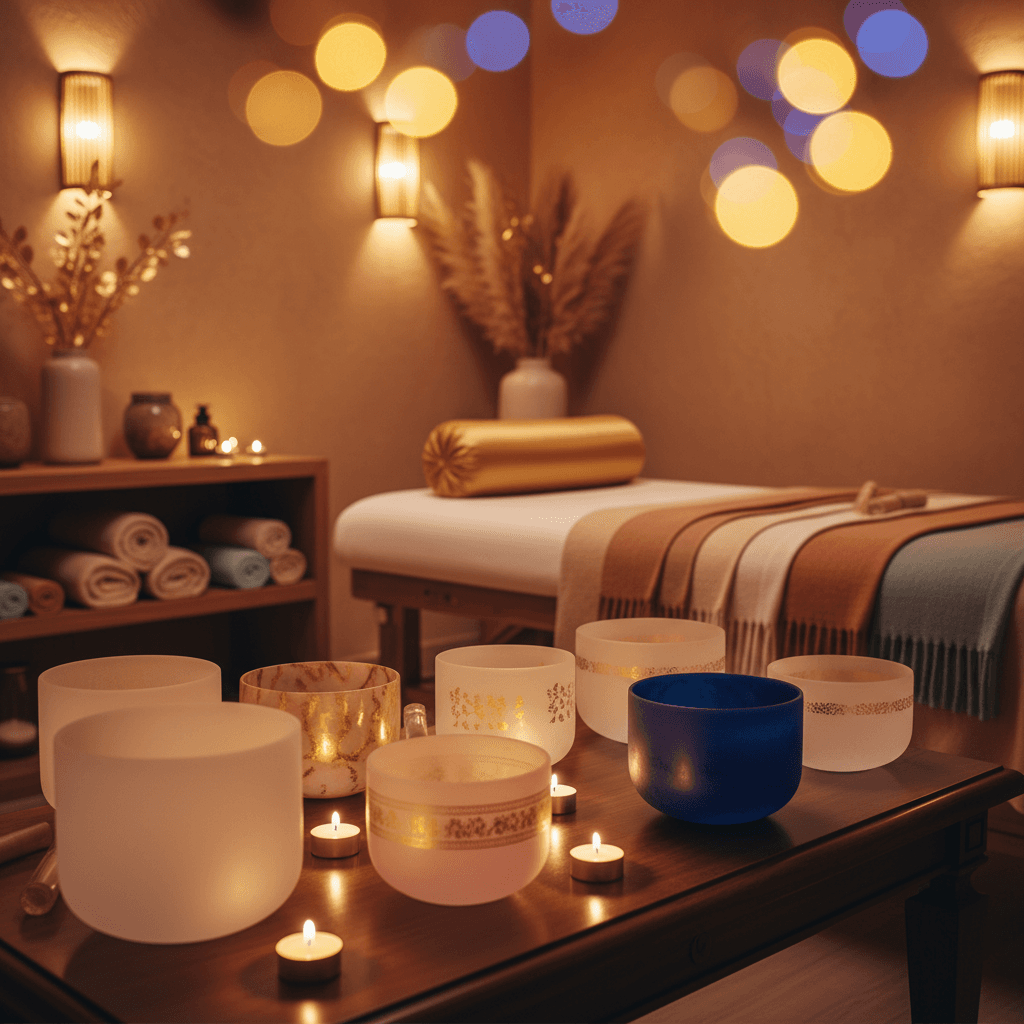
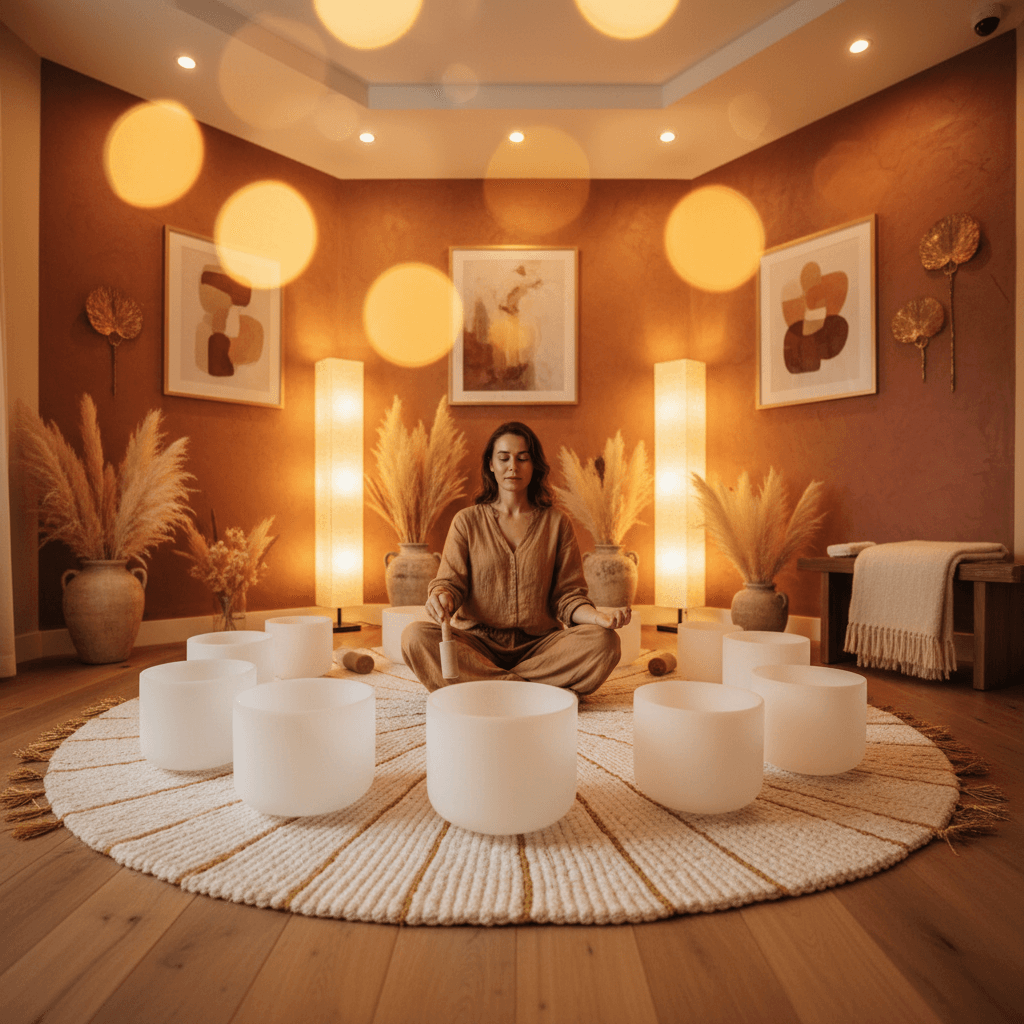
Instead of solely relying on traditional sound generators, Soul Art harnesses the power of curated soundscapes and specialized acoustic instruments. These include resonant crystal singing bowls, deeply vibrating gongs, and precisely tuned therapeutic tuning forks. These instruments are employed to produce subtle, neutral sound backdrops that effectively create an enriched sound environment, akin to the TRT protocol.
A key aspect of the Soul Art method is its emphasis on deep relaxation and nervous system regulation. Tinnitus often exacerbates stress and anxiety, creating a feedback loop that intensifies the perception of the sound. Larissa Steinbach expertly guides clients through sound experiences designed to reduce autonomic nervous system arousal, fostering a state of profound calm. This relaxation may support the brain in reclassifying tinnitus as a less threatening stimulus.
The Soul Art approach is not about one-size-fits-all solutions. Larissa Steinbach develops personalized sound profiles based on an individual's specific tinnitus characteristics and wellness needs. This bespoke attention, combined with the serene and supportive environment of Soul Art in Dubai, offers a complementary approach to traditional tinnitus management. It provides a unique opportunity for individuals to engage in a self-care practice that may contribute to greater auditory peace and overall well-being.
Empowering Your Auditory Journey: Practical Steps
Embarking on a journey to manage tinnitus involves both understanding its mechanisms and implementing practical strategies. While Soul Art offers a specialized approach, there are actionable steps you can consider to support your auditory well-being. These steps focus on complementary practices that may help reduce the impact of tinnitus on your daily life.
-
Consult a Specialist: If you experience persistent tinnitus, it is always recommended to consult a qualified audiologist or ENT specialist. They can help rule out underlying medical conditions and provide an accurate diagnosis, guiding you towards appropriate medical or wellness pathways. This is a crucial first step in any tinnitus management strategy.
-
Create an Enriched Sound Environment: Gently introduce background sounds into quiet spaces to reduce the contrast of your tinnitus. This could involve soft music, nature sounds, or a low-volume fan. The goal is not to mask, but to provide a consistent, soothing auditory presence that may help your brain habituate.
-
Practice Mindful Listening and Relaxation: Incorporate mindfulness exercises that encourage awareness without judgment. Focusing on external sounds or your breath can redirect attention away from tinnitus. Deep breathing and meditation are excellent stress management tools that may reduce tinnitus-related distress.
-
Manage Stress Effectively: Stress is a known factor that can intensify tinnitus perception. Engage in regular self-care practices such as gentle exercise, adequate sleep, and spending time in nature. Reducing overall stress levels has been associated with a decrease in tinnitus bothersomeness for many people.
-
Explore Holistic Sound Wellness: Consider complementary approaches like those offered by Soul Art. Guided sound experiences can provide a unique environment for relaxation and nervous system regulation. This holistic wellness practice may support your journey towards habituation and a more peaceful auditory landscape.
Bookings Coming Soon
Soul Art is still in preparation. Session details and booking will be published here after launch.
Coming Soon
Cultivating Serenity: A Concluding Thought
Living with tinnitus can be a challenging experience, but Tinnitus Retraining Therapy offers a scientifically supported path toward greater peace. By combining directive counseling with carefully applied sound therapy, TRT empowers individuals to reduce their negative reactions to and awareness of internal sounds. The ultimate goal is not a cure, but a significant improvement in quality of life through habituation.
Wellness studios like Soul Art, under the guidance of Larissa Steinbach, are evolving this approach by integrating holistic sound practices into the TRT framework. They provide a nurturing environment where personalized soundscapes and therapeutic frequencies may support deep relaxation and nervous system regulation. This complementary method offers a refined way to engage with the principles of tinnitus retraining.
If you are seeking a path to cultivate serenity amidst the challenge of tinnitus, exploring these sound approaches may offer profound relief. Soul Art invites you to discover how a harmonious blend of science and sound wellness can guide you towards a more peaceful auditory future.
Wellness Disclaimer: This article is for educational and informational purposes only. It does not constitute medical advice, diagnosis, or treatment. Soul Art Dubai provides non-medical wellness experiences focused on relaxation, stress management, and general wellbeing. Sound wellness is a complementary practice and should not replace professional medical care.
Related Articles
Vibration Therapy for Plantar Fasciitis: A Holistic Path to Foot Wellness
Frozen Shoulder: Sound Support for Enhanced Mobility & Ease

Harmonizing Breath: How Sound Wellness May Support Sleep Apnea Management