Terminal Diagnosis: Sound for Processing & Serenity at Life's End

Key Insights
Explore how sound wellness offers profound comfort, emotional processing, and peaceful transitions for individuals facing a terminal diagnosis. Discover Soul Art's unique approach.
Imagine a profound truth: even as other senses may fade, the capacity for hearing often remains remarkably intact until the very end of life. This surprising scientific finding, highlighted by electrophysiological evidence of preserved hearing even at life's final moments (Source: PMC7316981), unveils a powerful avenue for comfort, connection, and emotional processing during a terminal diagnosis. It challenges us to reconsider how we can support individuals through this most tender transition.
At Soul Art, Dubai's premier sound wellness studio founded by Larissa Steinbach, we understand that facing a terminal diagnosis brings a cascade of complex emotions, physical discomforts, and existential questions. Our approach to sound wellness is designed not to cure, but to offer a profound, complementary layer of support. We aim to help individuals and their loved ones navigate these challenging times with greater peace, dignity, and a sense of calm.
This article delves into the scientifically grounded principles behind how sound can facilitate emotional processing, reduce discomfort, and cultivate serenity. We will explore the physiological responses to sound, connect theory to practice, and illuminate the unique methods employed by Larissa Steinbach and Soul Art to provide unparalleled solace during life's most delicate chapter. Understanding this powerful, yet gentle, modality can empower you to seek holistic support that truly resonates with the deepest human need for comfort and peace.
The Science Explained: How Sound Resonates with Our Being
The intricate relationship between sound and human physiology is a rapidly expanding field of study, revealing how vibrations can influence our state of mind and body. While medical science focuses on physical treatment, wellness practices like sound embrace a holistic perspective, acknowledging the profound impact of our environment and sensory experiences on overall wellbeing. Sound wellness acts as a gentle, yet powerful, conduit for relaxation and internal rebalancing.
The Auditory System: A Direct Link to Our Inner State
Our ears are not merely passive receivers of sound; they are sophisticated organs that translate vibrations into electrical signals, which are then processed by the brain. The auditory pathways connect deeply with areas of the brain responsible for emotion, memory, and autonomic nervous system regulation. This direct connection means that the sounds we experience can almost instantaneously influence our mood, stress levels, and even physical sensations.
Gentle, harmonious sounds, unlike jarring noises, can signal safety and calm to our nervous system. This can help to shift us out of a heightened "fight or flight" response, which is often prevalent during times of stress, illness, or anxiety, into a more restful "rest and digest" state. This physiological shift is crucial for fostering a sense of inner peace when facing immense challenges.
The Power of Vibrational Resonance: Cymatics and Cellular Influence
Beyond just hearing, our entire body is responsive to vibration. Swiss scientist Dr. Hans Jenny’s groundbreaking work on cymatics visually demonstrated how sound frequencies organize particles into distinct geometric patterns in various mediums, including water. Considering that the human body is comprised of over 70% water, this research offers a compelling insight into how sound vibrations may directly influence our tissues and cells at a fundamental level (Source: nadyoga.org).
This suggests a deep link between frequency and form, indicating that the harmonious frequencies used in sound wellness may encourage a sense of order and balance within the body. While cellular "healing" in a medical sense is not claimed, the idea of influencing internal organization and promoting a state of harmonious resonance is a powerful concept within complementary wellness. It speaks to the possibility of fostering an environment conducive to comfort and ease within the body's own systems.
Brainwave Entrainment and Autonomic Balance
One of the most scientifically recognized mechanisms of sound wellness is brainwave entrainment. This phenomenon occurs when brainwave frequencies naturally synchronize with the frequency of external rhythmic stimuli, such as sound. By carefully selected frequencies, sound practitioners aim to guide the brain from states of high alert (beta waves) into more relaxed states (alpha and theta waves), which are associated with deep relaxation, meditation, and restorative sleep.
This shift in brainwave activity has a direct impact on the autonomic nervous system, specifically enhancing the activity of the parasympathetic nervous system – our body’s natural relaxation response. Research, including a recent study on high-resolution natural sound with inaudible high-frequency components (HNIH) in terminally ill cancer patients, suggests that such sounds can positively impact autonomic nerve function, alongside improving symptoms and sleep satisfaction (Shimotsuura et al., 2025, Source: PMC11947647). This points to a measurable physiological benefit beyond subjective feelings of calm.
Pain Relief and Discomfort Reduction: Early Insights
Preliminary research in palliative care has begun to explore the role of sound and music in managing pain and discomfort associated with terminal illness. A study by Curtis (1998) examined the effects of music on pain relief and relaxation in terminally ill patients, comparing it to no intervention and background hospital sounds. While controlled studies with large sample sizes are still needed for broader generalization, initial findings suggest a potential for music to support relaxation and pain management (Source: PMC1142188).
Furthermore, a study on vocal improvisation by Batzner (2009) documented a decrease in discomfort behaviors among in-patient hospice clients receiving music therapy (Source: PMC1142188). These initial findings, while requiring more extensive controlled research, provide promising indications that sound, as a complementary approach, may support individuals in managing symptoms and enhancing their overall comfort during a terminal diagnosis. The science is beginning to confirm what ancient traditions have long intuitively understood about the power of sound.
How It Works in Practice: A Journey of Gentle Immersion
Connecting the scientific understanding of sound's effects to its practical application reveals a deeply empathetic and supportive wellness experience. For individuals facing a terminal diagnosis, a sound wellness session is not merely about listening; it is about immersing oneself in a vibrational field designed to soothe, ground, and gently guide the mind and body towards a state of profound peace. This allows for a unique form of processing – of emotions, memories, fears, and hopes – within a safe and non-judgmental space.
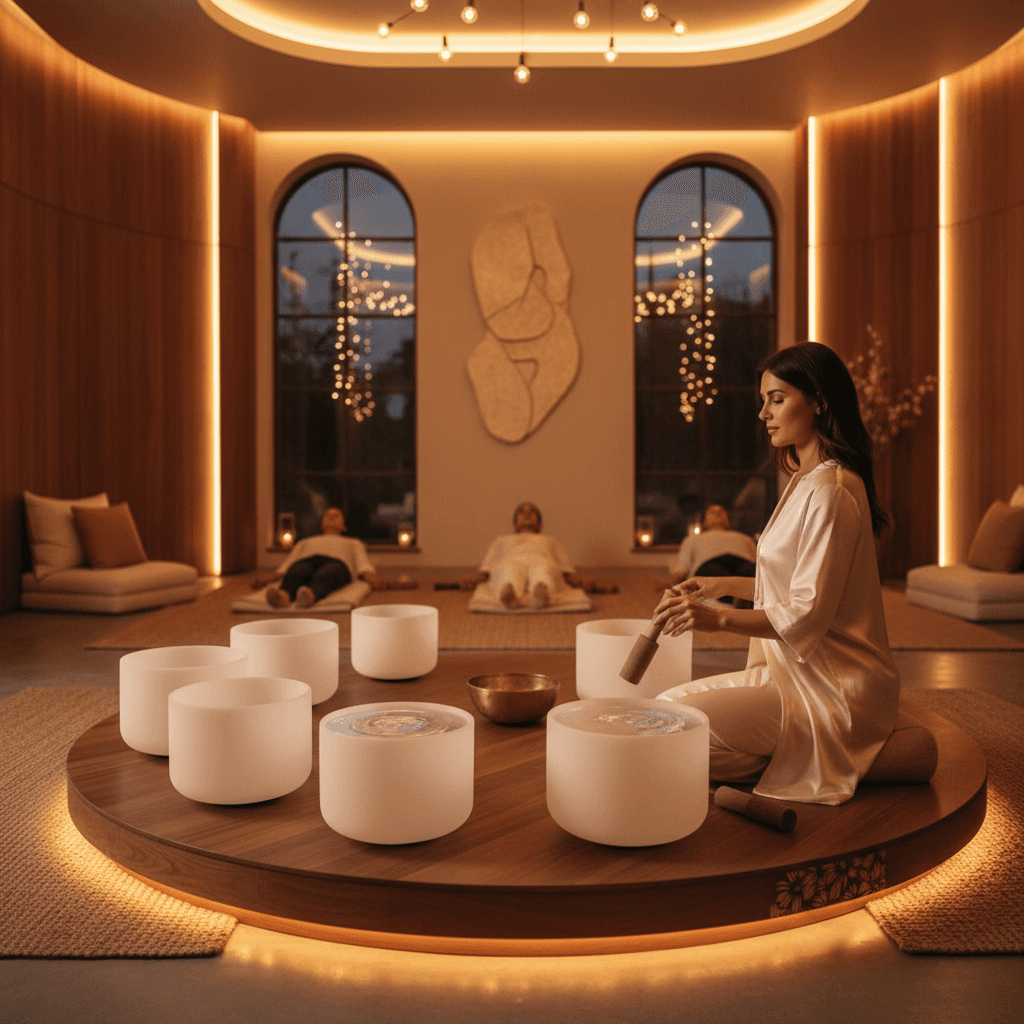
During a typical session at Soul Art, clients are invited to recline comfortably, often wrapped in soft blankets, allowing their bodies to fully relax. The environment is carefully curated to be serene, often with dim lighting, gentle aromas, and a warm, inviting atmosphere. This deliberate creation of a sacred space is fundamental to the experience, signaling safety and encouraging the nervous system to let go of tension.
The practitioner, such as Larissa Steinbach herself, then gently introduces a tapestry of sound. This is not passive background music, but a carefully orchestrated sequence of tones and vibrations from various instruments. Clients often report a visceral experience, feeling the vibrations not just with their ears, but throughout their entire body. This whole-body sensation can be incredibly grounding, drawing awareness away from discomfort or anxious thoughts and into the present moment.
Many people report a significant shift in their internal state during and after a session. This may include a reduction in perceived pain or discomfort, a profound sense of relaxation, and an easing of anxiety. For those navigating a terminal diagnosis, this respite can be invaluable. It offers a period where the mind is quieted, allowing for mental clarity or simply a much-needed break from the intensity of their situation.
The practice supports what we refer to as "processing." This processing is not forced or analytical; rather, it is an organic unfolding that occurs within a state of deep relaxation. Emotions that may have been suppressed can gently surface, not to overwhelm, but to be acknowledged and released. Memories, both comforting and challenging, may arise, allowing for a quiet reflection. This type of emotional processing can be incredibly therapeutic, helping individuals to integrate their experiences and find a sense of acceptance or peace.
"In the delicate tapestry of life's final chapters, sound offers a gentle thread of connection, weaving moments of calm and allowing the spirit to find its own quiet rhythm amidst change."
The immersive nature of sound provides a gentle distraction from physical symptoms, allowing the body to settle. The consistent, harmonious frequencies can help to quiet the mental chatter that often accompanies fear and uncertainty. This combination of physical relaxation, mental stillness, and emotional release creates a holistic environment where individuals can simply be, without the pressure of having to do anything. It’s an opportunity to lean into comfort, even when circumstances are challenging.
The Soul Art Approach: Larissa Steinbach's Vision
At Soul Art, Larissa Steinbach has cultivated a distinctive approach to sound wellness, particularly for those navigating the profound journey of a terminal diagnosis. Her methodology is rooted in a deep understanding of both ancient sound traditions and contemporary scientific insights, fused with an unwavering commitment to empathy and individualized care. Larissa’s vision is to create a sanctuary where individuals can find solace, release, and a renewed sense of connection through the power of resonant frequencies.
Larissa's expertise lies not only in her profound knowledge of sound instruments and their effects but also in her intuitive ability to attune to the unique needs of each client. This is particularly vital in the context of end-of-life care, where sensitivity, compassion, and flexibility are paramount. She understands that every individual's journey is distinct, and therefore, each session is meticulously tailored to support their specific emotional, physical, and spiritual landscape.
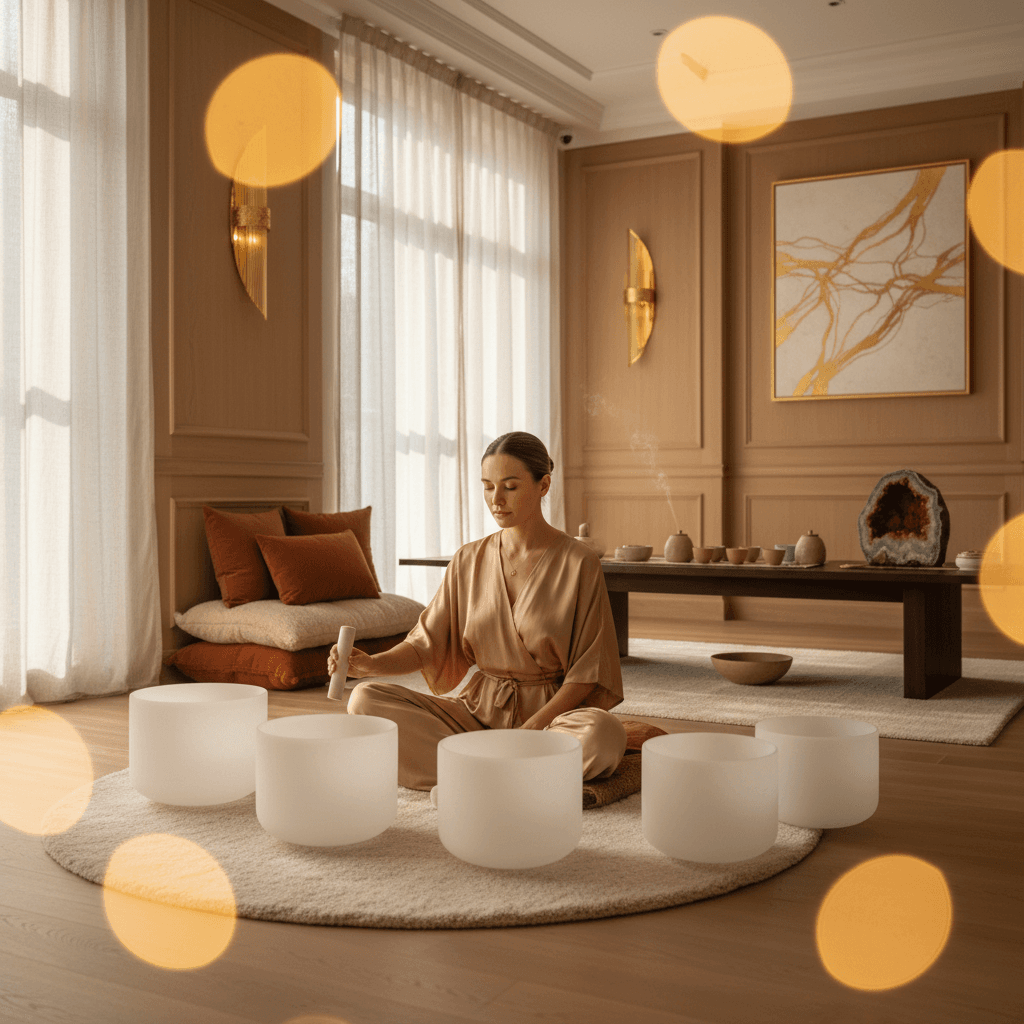
The Soul Art method integrates a diverse array of instruments, each chosen for its unique vibrational quality and potential to evoke specific responses. These include the ethereal tones of crystal singing bowls, known for their pure, resonant frequencies that resonate deeply with the body's water content. Gongs are utilized for their expansive soundscapes, which can encourage deep relaxation and a sense of energetic release. Gentle chimes and tuning forks add delicate layers, providing grounding and subtle energetic adjustments. Often, Larissa also incorporates the human voice, used therapeutically to create a sense of direct connection and warmth, which can be particularly comforting.
What truly sets the Soul Art approach apart is the emphasis on creating a bespoke, sacred space, both physically and energetically. Larissa Steinbach believes that the environment itself is an integral part of the sound experience. This involves thoughtful arrangement, the use of natural elements, and an intention of profound respect and care for the individual. The aim is to facilitate an experience where clients feel utterly safe, held, and supported, allowing them to fully surrender to the healing potential of the sound.
For individuals with a terminal diagnosis, sessions often focus on gentle emotional processing, fostering a sense of peaceful acceptance, and alleviating anxiety or restlessness. The intention is to cultivate comfort, reduce perceived discomfort, and support a tranquil mental state, enabling individuals to connect with their inner resilience and find moments of serene contemplation. Larissa's work at Soul Art is not merely a service; it is a heartfelt offering, designed to bring dignity and grace to life's final passages.
Your Next Steps: Embracing Sound for Comfort
Integrating sound into your life, especially when navigating significant challenges like a terminal diagnosis, can be a profoundly supportive self-care practice. While professional sound wellness sessions offer a deeply immersive experience, there are also accessible ways to incorporate the benefits of sound into your daily routine. These practices can help cultivate a sense of calm, reduce stress, and provide moments of gentle introspection.
Here are some practical steps you can take today to embrace the power of sound for comfort and processing:
- Mindful Listening: Dedicate a few minutes each day to simply listen to calming sounds. This could be natural sounds like birdsong, ocean waves, or gentle rain. Focus on the nuances of the sounds, allowing them to anchor you in the present moment. Many online platforms offer high-quality nature soundscapes designed for relaxation.
- Curate a Calming Sound Environment: Identify sounds that bring you peace and actively incorporate them into your living space. This might involve playing soft, instrumental music, ambient soundscapes, or even using a white noise machine to mask jarring external sounds. Creating a sonic sanctuary can significantly enhance your sense of wellbeing.
- Journaling with Sound: After a period of listening to calming sounds, take a few moments to journal. Note any thoughts, feelings, or sensations that arose during or after the sound experience. This practice can facilitate gentle emotional processing, helping you to acknowledge and release what needs to be expressed without judgment.
- Explore Guided Sound Meditations: Many apps and online resources offer guided meditations that incorporate sound elements. These can be a gentle introduction to focusing your attention through sound, often leading to deeper states of relaxation and mental clarity. Look for meditations specifically designed for stress relief or emotional balance.
- Consider Professional Guidance: For a tailored and deeply immersive experience, explore a session with a qualified sound wellness practitioner. Individuals like Larissa Steinbach at Soul Art specialize in creating supportive environments and custom soundscapes that cater to specific needs, offering a unique opportunity for profound comfort and personal processing.
These steps are designed to complement existing care plans and provide additional avenues for relaxation and self-support. Remember, sound wellness is a holistic practice, focusing on enhancing your overall quality of life and bringing a sense of peace to your journey.
Bookings Coming Soon
Soul Art is still in preparation. Session details and booking will be published here after launch.
Coming Soon
In Summary: A Harmonic Path to Peace
The journey through a terminal diagnosis is undeniably challenging, encompassing a spectrum of physical, emotional, and spiritual considerations. As we have explored, the enduring capacity for hearing, even in life's final stages, opens a profound gateway for complementary support through sound. Scientific inquiries into brainwave entrainment, autonomic nerve function, and cellular responses to vibration continually affirm the potential of sound wellness to foster inner peace and reduce discomfort.
Sound wellness, as practiced by Larissa Steinbach and her team at Soul Art, offers a compassionate, non-invasive approach to emotional processing, stress reduction, and deep relaxation. It creates a serene space where individuals can find moments of respite, clarity, and comfort, complementing traditional medical care. While not a cure, this ancient yet scientifically resonant practice serves as a gentle guide, helping individuals and their loved ones navigate life’s tender transitions with greater tranquility and dignity. Embrace the profound, comforting embrace of sound and allow it to resonate peace within your journey.
Wellness Disclaimer: This article is for educational and informational purposes only. It does not constitute medical advice, diagnosis, or treatment. Soul Art Dubai provides non-medical wellness experiences focused on relaxation, stress management, and general wellbeing. Sound wellness is a complementary practice and should not replace professional medical care.
Related Articles
The Role of Sound in Cultural Death Practices
Death Doulas & Sound: Enhancing Peace in End-of-Life Journeys

Sound's Gentle Embrace: Supporting Late Alzheimer's with Sonic Wellness