Teen Grief & Sound: A Journey to Healing Through Resonance
Key Insights
Explore how sound wellness, offered by Larissa Steinbach at Soul Art Dubai, supports adolescents navigating grief, fostering emotional resilience and peace.
The Resonant Path: Supporting Adolescents Through Grief with Sound Wellness
Adolescence is a crucible of identity formation, social development, and academic pressures, even without the profound weight of loss. When grief enters this complex stage, its impact can be uniquely challenging, often manifesting in ways that perplex both teens and their caregivers. Did you know that teens may revisit grief during significant life transitions, experiencing "grief bursts" that are a normal part of their healing, not a sign of regression?
At Soul Art Dubai, we understand that supporting grieving adolescents requires a nuanced, compassionate approach that acknowledges their developmental stage and individual coping mechanisms. This article delves into the science behind adolescent grief, explores its diverse manifestations, and illuminates how the powerful, non-invasive practice of sound wellness, guided by our founder Larissa Steinbach, may offer a gentle yet profound pathway to processing loss, fostering resilience, and promoting overall well-being. Join us as we explore how harmonic frequencies can become a sanctuary for healing hearts.
The Nuance of Adolescent Grief: A Scientific Lens
Grief is a universal human experience, yet its journey through adolescence is distinct and multifaceted, shaped by the rapidly evolving brain and personal world of a young person. Understanding these unique dynamics is the first step toward providing effective support.
Understanding the Teen Brain and Grief Response
Adolescents process grief differently than both children and adults, largely due to ongoing developmental factors. Their brains are still maturing, particularly the prefrontal cortex responsible for executive functions like planning and emotional regulation, while the limbic system, associated with emotions, is highly active. This combination can lead to intense emotional responses and varying coping strategies.
According to research published in the Journal of Adolescent Health, teens may revisit grief during significant life transitions such as graduations, birthdays, or anniversaries. These "grief bursts" are a normal part of their healing process, indicating a natural re-engagement with their feelings rather than a failure to heal. The National Institute of Mental Health notes that grief responses vary widely among teens; some may appear outwardly fine initially but struggle months later, while others show immediate distress. This variability reflects differences in personality, coping styles, and the specific nature of the loss.
Developmental factors profoundly influence how teens experience grief. Younger adolescents (typically 13-15 years old) may struggle with the abstract concepts surrounding death and loss, often understanding it as permanent but finding it difficult to grasp its full implications. Older adolescents (16-19 years old) might grapple with more existential questions, pondering the meaning of life and death, and the profound impact of the loss on their future plans and identity formation. During this critical period of self-discovery, grief can complicate their sense of who they are and who they are becoming.
When first facing loss, teens often experience shock or denial, which acts as a natural protective mechanism. This allows them to process difficult information gradually and can manifest as continuing routines as if nothing has changed, avoiding conversations about the loss, or even using jokes to deflect the topic. These responses are not signs of indifference but rather the brain's way of managing overwhelming pain.
The Physiological Impact of Grief on Adolescents
The impact of grief extends far beyond emotional distress; it significantly affects an adolescent's physiological and behavioral well-being. Bereaved youth may experience a range of symptoms that disrupt their daily lives and potentially impact their long-term health.
Sleep disturbances are particularly common, with many teens experiencing changes in sleep patterns – either sleeping excessively or struggling with insomnia. This disruption can further exacerbate mood swings and make it harder for them to cope. Emotionally, grieving teens often exhibit frequent mood changes, which are a normal part of processing loss, but can be confusing and distressing for them and their families.
Grief can also lead to withdrawal, with teens secluding themselves from others and avoiding social activities they once enjoyed. Over 70% of teenagers report not knowing how to express their feelings or share their experiences during grief, leading to isolation. Coupled with a loss of interest in hobbies and activities, this can impact their social development and overall sense of purpose.
Academically, grief can have a noticeable effect. Survey research suggests high school students who lost a parent or sibling may have lower achievement scores than their non-bereaved peers. Teachers often report that grieving students have difficulty concentrating, which can lead to a drop in grades or attendance. This academic struggle further compounds the challenges of adolescence, potentially impacting their educational expectations and career goals, as noted in a longitudinal study by Brent et al. (2012).
Perhaps most concerning are the potential behavioral changes, including anger, irritability, and in some cases, risky behaviors. Acting out or engaging in activities like drug use, excessive alcohol consumption, or reckless driving can be an expression of pain and confusion. Studies have shown an increased risk of alcohol and substance abuse in teens who have lost a parent. Long-term, profound early loss has been associated with increased vulnerability to subsequent depressive disorders, underscoring the critical need for early and sustained support.
However, it's important to recognize that adolescents equipped with more adaptive coping skills and an ability to appraise threatening events as less stressful are less likely to develop significant mental health problems. Conversely, those with a greater external locus of control – feeling less agency over negative events – may be more susceptible to mental health challenges. This highlights the importance of interventions that foster internal resilience and self-regulation.
The Potential of Sound Frequencies for Nervous System Regulation
The human body is a symphony of frequencies, and sound, in its purest form, has a profound capacity to influence our physiological and psychological states. This is particularly relevant for adolescents grappling with grief, as sound can offer a direct pathway to nervous system regulation, bypassing cognitive resistance that often accompanies intense emotional pain.
When we experience stress, trauma, or grief, our sympathetic nervous system (fight or flight) often becomes overactive, leading to heightened anxiety, tension, and hypervigilance. Sound wellness, through specific frequencies and vibrations, has been shown to encourage the activation of the parasympathetic nervous system (rest and digest). This shift is crucial for healing, as it allows the body and mind to move out of survival mode and into a state conducive to calm and repair.
Certain sound frequencies, often referred to as binaural beats or specific Hz tones, may influence brainwave states. For instance, alpha waves (8-12 Hz) are associated with a relaxed, wakeful state, while theta waves (4-7 Hz) are linked to deep relaxation, meditation, and a state where emotional processing and inner exploration can occur more readily. Delta waves (less than 4 Hz) are prominent during deep, restorative sleep. By gently guiding the brain into these states, sound can help quiet the incessant thoughts and anxieties that often plague grieving teens, fostering a sense of peace.
The vagus nerve, a crucial component of the parasympathetic nervous system, plays a significant role in regulating heart rate, digestion, and emotional responses. Certain low-frequency vibrations and vocal toning may stimulate the vagus nerve, potentially improving vagal tone. A higher vagal tone is associated with better emotional regulation, resilience to stress, and an improved ability to recover from trauma. This physiological response can be incredibly beneficial for adolescents whose nervous systems are often on high alert due to grief.
Moreover, sound can act as a non-verbal language, providing an avenue for expression and release when words fail. For teens who struggle to articulate their feelings, the immersive experience of sound can offer a safe container for unspoken emotions to surface and dissipate. This unique characteristic makes sound wellness a powerful complementary approach for emotional processing and stress management, offering solace without the pressure of verbalization.
The Embodied Experience: Sound Wellness in Action
Translating the science of sound into a tangible, supportive experience for grieving adolescents is at the heart of sound wellness. It's about creating an environment where the body's innate capacity for self-regulation can be gently activated, offering a much-needed respite from the intensity of grief.
Creating a Sanctuary for Processing Emotions
A sound wellness session provides a unique sanctuary – a safe, non-judgmental space free from external pressures and expectations. This environment is crucial for teens, who often feel immense pressure to "be strong" or "move on" by well-meaning adults or peers. Here, they are simply invited to be with their experience.
For many adolescents, verbalizing their grief can be incredibly difficult; as noted, over 70% report not knowing how to express their feelings. Sound wellness offers a non-verbal outlet for these complex emotions, allowing them to surface and be acknowledged without the need for articulation. The gentle, pervasive nature of sound can penetrate layers of emotional guarding, offering a sense of permission to feel whatever arises.
This non-intrusive approach can be less intimidating than traditional talk therapy for some teens, making it an accessible entry point for support. The focus shifts from cognitive analysis to an embodied experience, where the vibrations and frequencies themselves become a conduit for release and relaxation. It's an opportunity to simply exist in the present moment, free from the weight of past loss or future anxieties.
The Journey Through Resonance: What to Expect
During a typical sound wellness session, clients lie comfortably, often with eyes closed, allowing themselves to be fully immersed in the soundscape. The focus is guided towards breath and internal sensations, gently anchoring them in the present moment. The experience is deeply personal and unique to each individual, yet common threads of relaxation and emotional release often emerge.
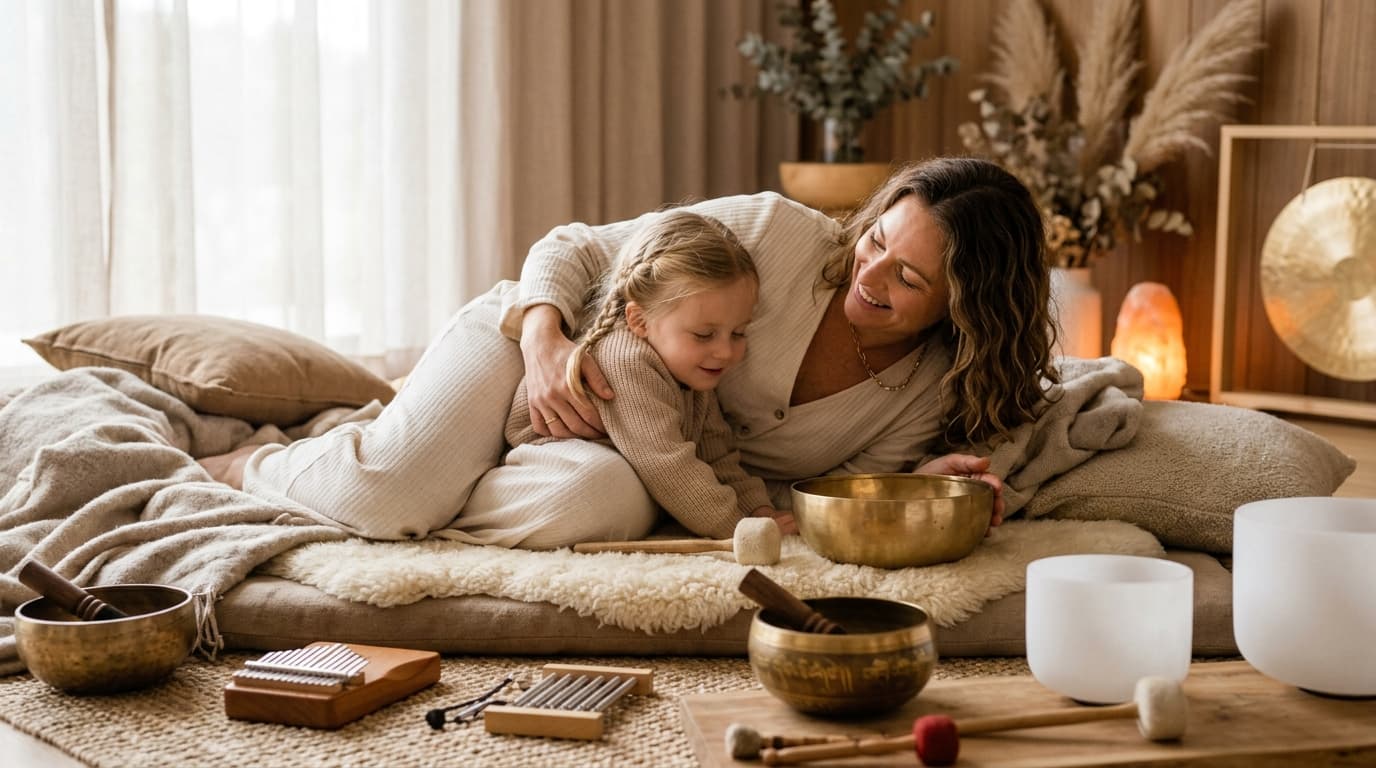
As the session unfolds, a practitioner introduces various instruments, such as singing bowls, gongs, or chimes, creating rich layers of sound and vibration. These sounds are not merely heard but often felt throughout the body, creating a subtle yet profound cellular massage. This sensory input can help to gently release physical tension held within the body, which is a common manifestation of emotional stress and grief. Many people report feeling a sense of clarity or emotional release as the sounds wash over them.
The journey through resonance is not about "fixing" grief or making it disappear; rather, it is about creating the conditions for the body and mind to naturally process the experience. The sounds act as a guide, inviting a deeper state of relaxation where the nervous system can reset. Clients may experience a deepening of their breath, a slowing of their heart rate, and a pervasive sense of calm. This state may allow for memories or emotions to arise gently, which can then be observed and acknowledged without being overwhelmed. It’s a supportive process for navigating the often turbulent waters of adolescent grief.
Fostering Resilience and Adaptive Coping
Beyond immediate relaxation, consistent engagement with sound wellness may play a role in fostering long-term resilience and developing adaptive coping skills in adolescents. The practice of deep listening and embodied awareness cultivated during sound sessions can translate into improved self-regulation in daily life.
By regularly shifting into a parasympathetic state, teens may learn to recognize and manage their stress responses more effectively. This enhanced interoceptive awareness – the ability to perceive internal bodily states – can be a powerful tool for navigating emotional challenges. Instead of being overwhelmed by intense feelings, they may develop a greater capacity to observe and respond to their internal landscape with more calm and clarity.
Sound wellness can also serve as a complementary approach to other forms of support, such as therapy, by enhancing a teen's internal resources. It may help them to build their "adaptive coping skills" and cultivate a greater sense of internal locus of control, as identified in research as protective factors against mental health problems following loss. By providing a self-care practice that supports their nervous system, sound wellness helps teens develop a stronger foundation for emotional well-being, empowering them to navigate future stressors with greater strength.
The integration of sound into a holistic wellness strategy can offer a tangible way for adolescents to actively participate in their healing journey, providing them with tools to manage the ebb and flow of grief.
"Grief for adolescents is not a linear path, but a spiral. Sound wellness offers a compassionate anchor, providing a steady frequency amidst the turning tides of their emotions."
Soul Art Dubai: Larissa Steinbach's Bespoke Sound Wellness for Adolescents
At Soul Art Dubai, we recognize the unique sensitivities and requirements of adolescents navigating grief. Our founder, Larissa Steinbach, brings a profound understanding and empathetic approach to creating tailored sound wellness experiences that honor each teen's individual journey. We believe in providing a space where young hearts can find solace, release, and renewed inner strength.
Larissa Steinbach's method at Soul Art is rooted in the principle that sound is a powerful conduit for healing and self-discovery. She understands that grief is never one-size-fits-all, especially for teens grappling with identity formation alongside their loss. Therefore, each session is thoughtfully curated, taking into account the adolescent's emotional state, specific challenges, and personal preferences, ensuring a deeply resonant and supportive experience.
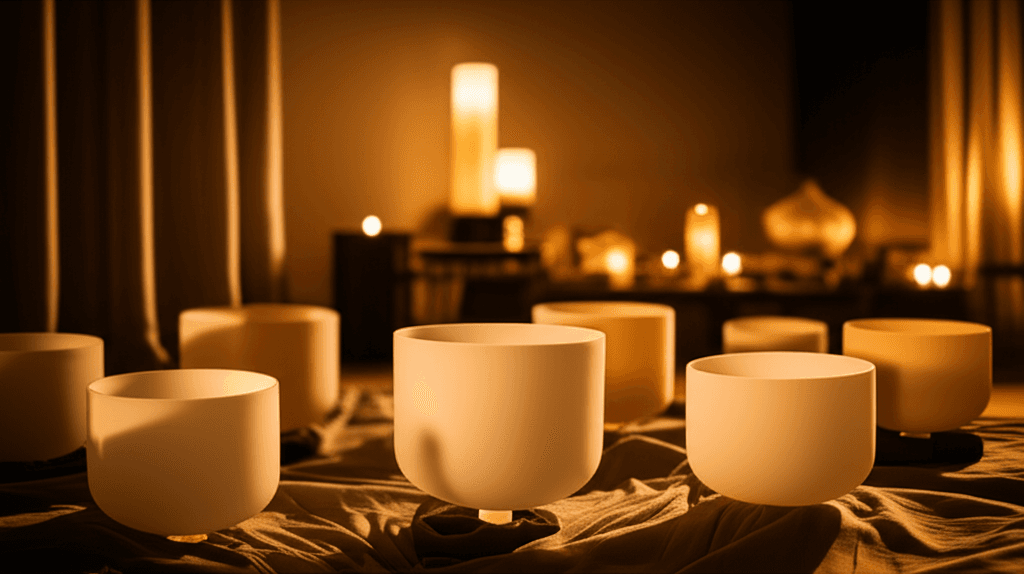
Our studio is equipped with a diverse collection of high-quality instruments, each chosen for its unique vibrational qualities and capacity to induce specific states of relaxation and emotional release. Larissa Steinbach frequently utilizes a symphony of Himalayan singing bowls, known for their grounding frequencies, and crystal singing bowls, which offer pure, resonant tones that may help to balance energy centers. The majestic gongs create immersive soundscapes that encourage deep meditative states, while delicate chimes and precise tuning forks are used for their gentle, targeted therapeutic effects on the nervous system.
The intent behind these chosen instruments is to create a deeply immersive experience that gently guides the nervous system towards a state of calm and coherence. For example, lower frequencies may support grounding and a sense of safety, while higher, ethereal tones might facilitate emotional release or inspire a sense of lightness. Larissa Steinbach’s gentle guidance ensures a safe and nurturing environment, allowing teens to fully surrender to the healing power of sound. This holistic approach at Soul Art supports adolescents in navigating their grief while simultaneously fostering personal growth, helping them feel more tolerant of themselves and others, and cultivating deeper empathy, much like the personal growth described in studies of bereaved siblings.
Nurturing Your Teen's Journey: Practical Support and Sound Wellness
Supporting a grieving adolescent can feel overwhelming, but combining practical daily strategies with complementary wellness practices can make a significant difference. Your presence and understanding are paramount in their healing journey.
Here are some actionable steps to support your teen, alongside considering the benefits of sound wellness:
- Open Communication, Without Pressure: Create a safe space for your teen to talk about their feelings if they choose, but don't force it. Sometimes, just being present and listening without judgment is enough. Acknowledge that they may struggle to articulate their pain, which is completely normal.
- Maintain Routines, Allow Flexibility: Encourage them to maintain a sense of routine, as this can provide stability during a turbulent time. However, also be prepared for "grief bursts" and be flexible, allowing them space and time to process when overwhelming emotions arise. This balance helps them feel supported without feeling rigid.
- Encourage Healthy Outlets: Help your teen find or re-engage with activities they enjoy, or explore new self-care practices. This could be anything from creative arts, sports, spending time in nature, or journaling. These outlets can provide a healthy means of expression and distraction.
- Seek Professional Mental Health Support: Sound wellness is a powerful complementary practice, but it is not a replacement for professional mental health care. Consider evidence-based therapies for teens, such as Cognitive Behavioral Therapy (CBT) or Dialectical Behavior Therapy (DBT), which have been shown to be effective in promoting positive outcomes for adolescents struggling with emotional challenges and grief. Music therapy, too, has shown promising results in supporting grieving children and adolescents.
- Explore Sound Wellness as a Complementary Practice: Introduce your teen to the gentle, non-invasive support of sound wellness. Sessions at Soul Art Dubai, guided by Larissa Steinbach, offer a unique pathway for nervous system regulation, emotional release, and fostering inner peace, particularly beneficial for those who find verbal expression challenging. It’s a self-care practice that can help them build resilience and navigate their grief journey with greater calm.
If you believe sound wellness could be a beneficial addition to your teen's support system, we invite you to connect with us.
Bookings Coming Soon
Soul Art is still in preparation. Session details and booking will be published here after launch.
Coming Soon
In Summary: Resonant Paths to Adolescent Well-being
Adolescent grief is a profoundly complex and individual journey, impacting teens on emotional, physiological, and behavioral levels. It uniquely intertwines with their developmental stage, often manifesting in varied ways from withdrawal and academic struggles to mood swings and risky behaviors. Understanding these nuances is crucial for providing effective, compassionate support.
Sound wellness emerges as a powerful, non-invasive, and complementary practice that may support grieving adolescents. By gently guiding the nervous system towards states of relaxation and activating the parasympathetic response, sound can foster emotional release, enhance coping skills, and cultivate a much-needed sense of calm. This holistic approach offers a sanctuary for self-discovery and resilience-building during a time of immense challenge.
Larissa Steinbach and Soul Art Dubai are dedicated to providing bespoke sound wellness experiences, using a range of instruments to create a supportive environment where teens can process their grief with grace. We invite you to explore this resonant path to well-being, offering your teen a unique tool to navigate loss, find inner peace, and build lasting emotional strength.
Wellness Disclaimer: This article is for educational and informational purposes only. It does not constitute medical advice, diagnosis, or treatment. Soul Art Dubai provides non-medical wellness experiences focused on relaxation, stress management, and general wellbeing. Sound wellness is a complementary practice and should not replace professional medical care.