Finding Resonance: Sound Wellness for Suicide Loss Survivors
Key Insights
Explore how sound wellness offers profound support for those navigating the complex grief of suicide loss, fostering healing and resilience. Discover Soul Art's approach.
A Different Kind of Grief: Supporting Suicide Loss Survivors
Imagine a grief so profound, it not only shatters your world but often leaves you feeling isolated, misunderstood, and even stigmatized. This is the reality for many individuals touched by suicide loss, a unique and often agonizing journey far removed from other forms of bereavement. The echoes of such a loss can resonate through families and communities for years, impacting mental, emotional, and even physical well-being.
At Soul Art, Dubai's premier sound wellness studio, founded by Larissa Steinbach, we understand the immense complexities faced by those grieving a suicide. We believe in providing compassionate, scientifically-informed complementary practices that may offer solace and support during this arduous process. This article delves into the unique challenges of suicide bereavement and explores how the gentle yet powerful vibrations of sound wellness may support survivors on their path toward finding resonance and peace.
Join us as we explore the neuroscience behind sound's therapeutic potential, understand the lived experiences of survivors, and discover how a holistic approach, like that offered at Soul Art, can be a beacon of hope for navigating this profound loss. Our aim is to shed light on methods that may help foster resilience and even pave the way for post-traumatic growth.
The Science Explained: Navigating the Labyrinth of Suicide Loss
Suicide bereavement is not merely a loss; it is a traumatic event imbued with unique stressors that differentiate it significantly from other forms of grief. Research consistently highlights that families who lose a member to suicide often contend with a complex web of psychosocial stressors even before the loss occurs. These can include higher rates of divorce, marital separation, psychological problems, substance abuse, and financial difficulties within the family system, as noted by studies like Cerel et al. (2000).
The Profound Impact on Survivors
The unanticipated and often violent nature of suicide leaves survivors susceptible to a range of severe psychological and health problems. Studies reveal that suicide-loss survivors report elevated levels of depression, heightened suicidal ideation, and an increased risk of suicidal behavior compared to individuals grieving other types of loss or the general population (Levi-Belz & Birnbaum, 2023). This acute phase of grief, particularly within the first six months, is identified as a dynamic period where coping patterns can set the course for the entire grieving process, as illuminated by Dr. Noam Schneck's work at Columbia University.
Moreover, a significant proportion of those bereaved by suicide may experience symptoms of prolonged grief disorder (PGD) and post-traumatic stress disorder (PTSD), which can persist for many years following the tragedy (Grafiadeli et al., 2023). The trauma extends beyond individual psychological distress, often leading to strained family dynamics and social relationships, with close bonds decreasing in depth or becoming fractured (Hoffmann et al., 2010).
The Stigma of Silence
Perhaps one of the most insidious aspects of suicide loss is the pervasive stigma and social isolation experienced by survivors. For decades, this grief was a quiet crisis, with families often carrying their losses privately and in silence (Prosper Together, 2023). Survivors frequently report feeling abandoned by support systems and may even be excluded from communal mourning rituals (Ramamurthy et al., 2025).
This societal discomfort can lead to survivors feeling that they cannot openly discuss their loss, sometimes avoiding revealing suicide as the cause of death. Such concealment can severely complicate the grieving process, fostering feelings of shame and isolation (Jordan, 2001). However, research also suggests that constructive disclosure, leading to compassionate and supportive social reactions, can be crucial for healthy grieving, potentially reducing depressive symptoms and fostering personal growth (Oexle & Sheehan, 2020).
The Potential for Post-Traumatic Growth
Despite the devastating impact, it would be a mistake to assume only negative outcomes can follow suicide loss. A burgeoning field of inquiry focuses on Post-Traumatic Growth (PTG), which describes positive psychological changes experienced after a traumatic event (Tedeschi & Calhoun, 2008). Some survivors of suicide loss show evidence of PTG, manifesting as a changed outlook on life, greater resilience, and increased prosocial feelings like compassion and hope (Moore et al., 2015; Genest et al., 2017).
While PTG is a long, slow adaptational process and not a "quick fix," understanding its potential offers hope for mitigating the injurious effects of such a devastating loss. It underscores the importance of finding supportive practices that can gently guide individuals towards a more compassionate and resilient existence.
Sound's Impact on the Nervous System
How can sound wellness complement this complex healing journey? Our bodies are constantly responding to sound, often unconsciously. Scientific investigations into sound interventions are beginning to elucidate the mechanisms underlying their positive effects on mental stress responses (Research Protocols, 2024). Sound travels as vibrations, which our auditory system processes, but also directly affects our physical body, influencing our cells, tissues, and even our brainwave states.
When exposed to specific frequencies and resonant vibrations, the body's autonomic nervous system can shift from a state of "fight or flight" (sympathetic dominance) to "rest and digest" (parasympathetic dominance). This shift is crucial for stress reduction and enabling the body's innate healing processes. The vagus nerve, a key player in the parasympathetic system, can be stimulated by certain sound frequencies, promoting relaxation and reducing inflammation.
Moreover, sound can influence brain activity. Studies have shown that areas of the brain traditionally associated with language, such as the Broca area, are also involved in processing musical syntax (Maess et al., 2001). This suggests a deep neurological connection between how we process various forms of sound, from music to spoken word or even poetry, and how these can elicit therapeutic effects. Specific sound frequencies can encourage the brain to produce alpha and theta brainwaves, associated with deep relaxation, meditation, and improved emotional regulation. This physiological down-regulation provides a safe space for processing emotions that may be overwhelming in daily life.
How It Works in Practice: The Somatic Experience of Sound Wellness
For survivors grappling with the acute and prolonged grief of suicide loss, the experience of sound wellness offers a unique pathway to find a sense of regulation and calm. Unlike talk-based therapies that require direct verbal processing, sound wellness engages the body and mind in a different way, making it particularly accessible for those who might feel overwhelmed or unable to articulate their pain.
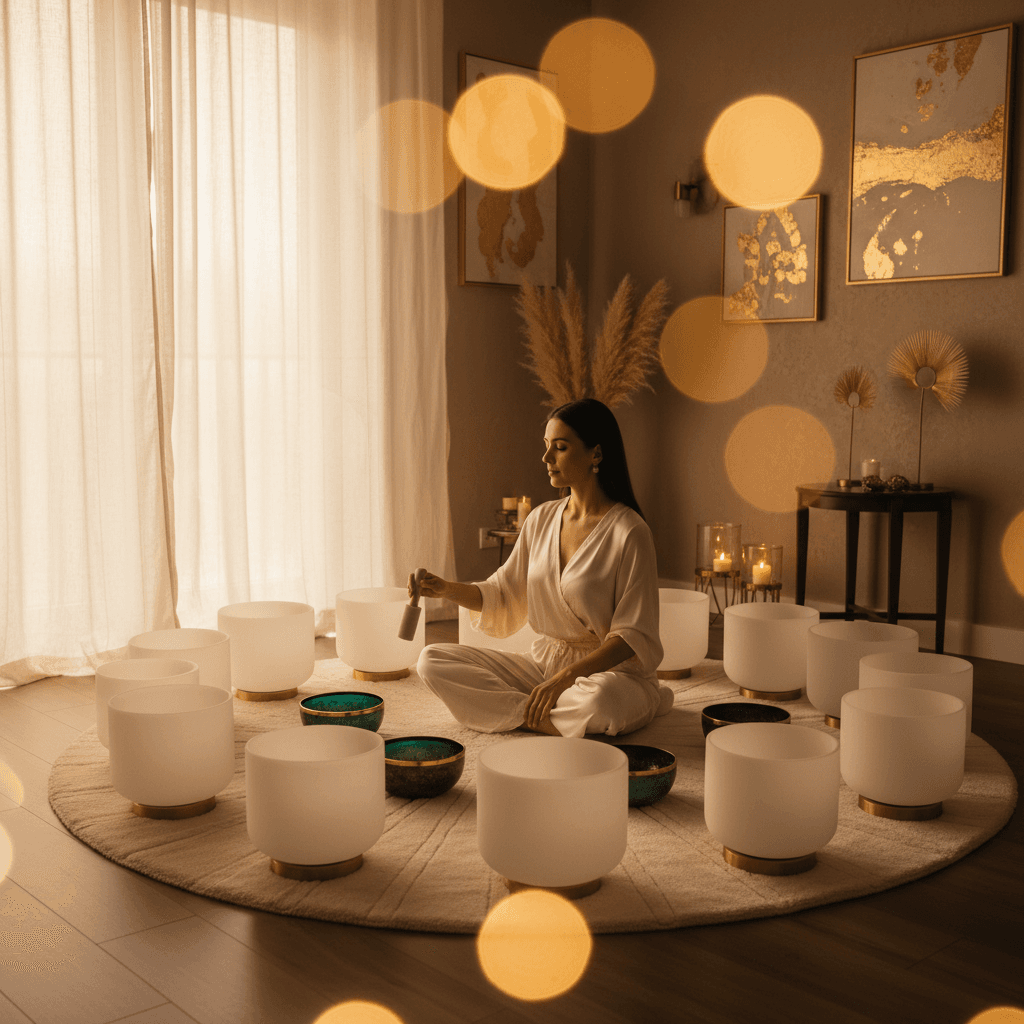
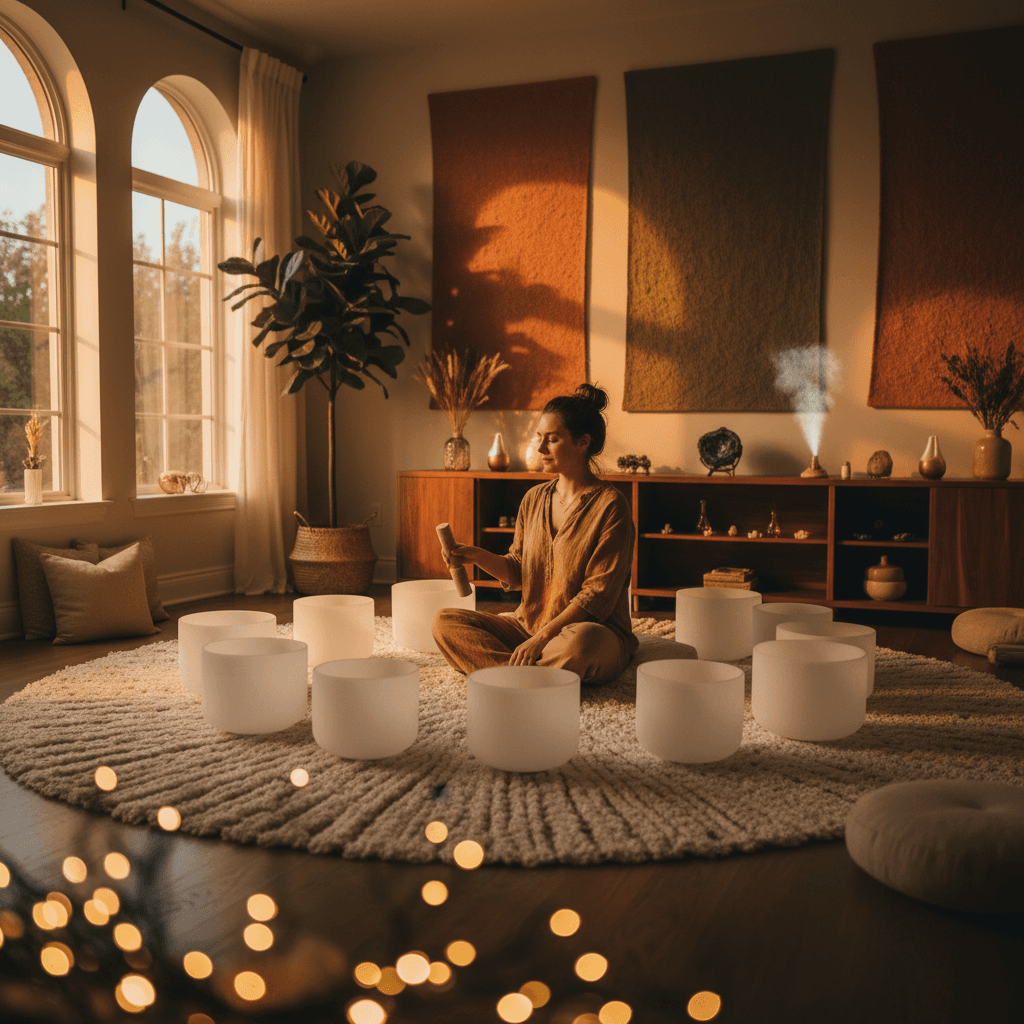
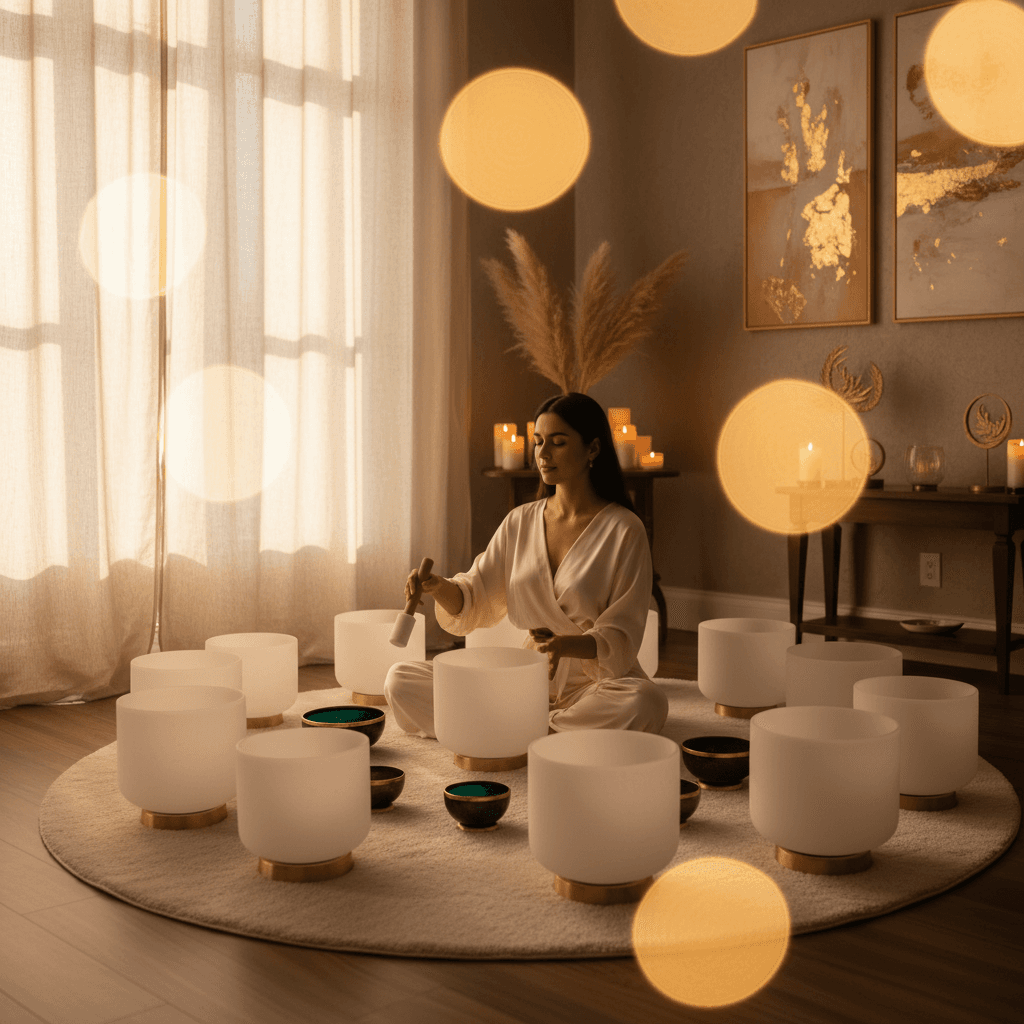
When clients step into a sound wellness session, they are invited into a meticulously curated environment designed for profound relaxation and safety. The room itself often feels like a sanctuary, a quiet haven away from the external world's noise and judgment. The practitioner, like Larissa Steinbach at Soul Art, creates an atmosphere where vulnerability is held with the utmost respect and care.
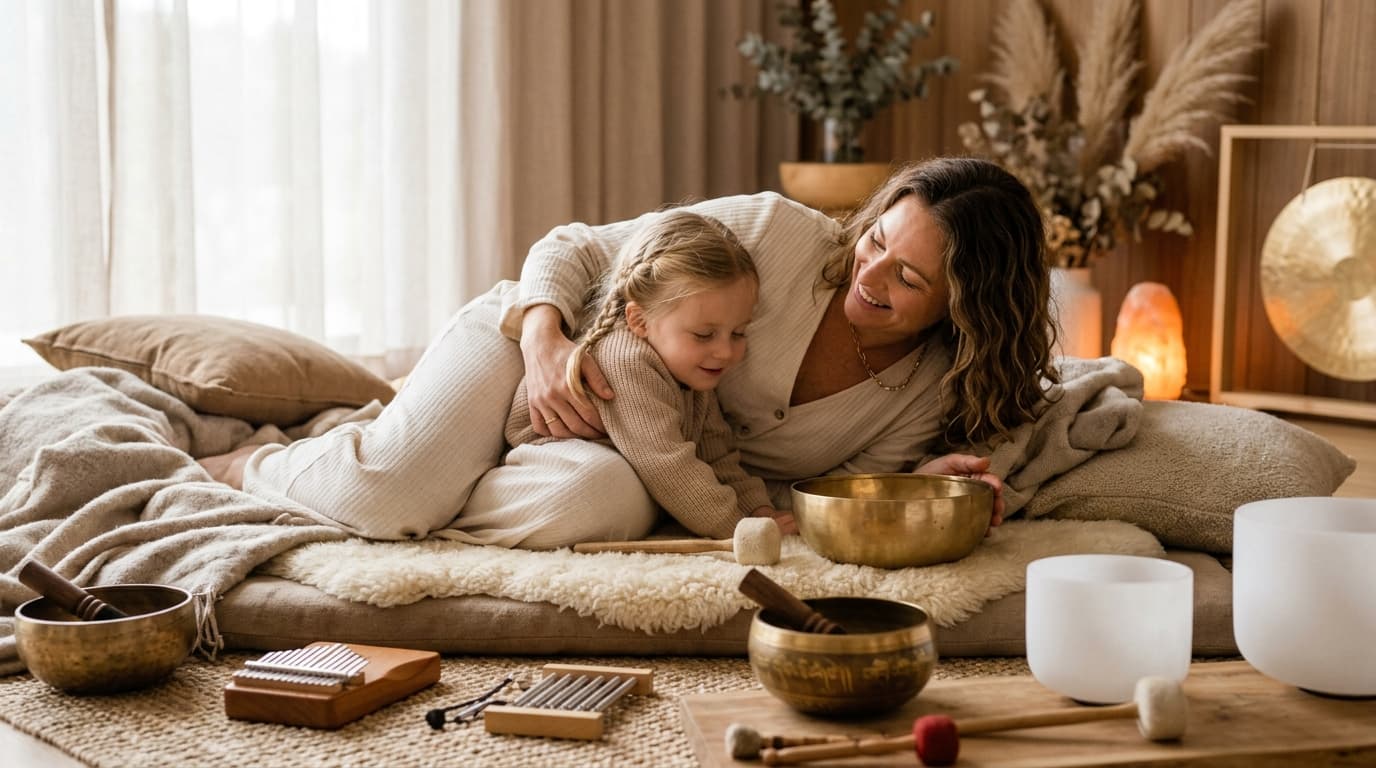
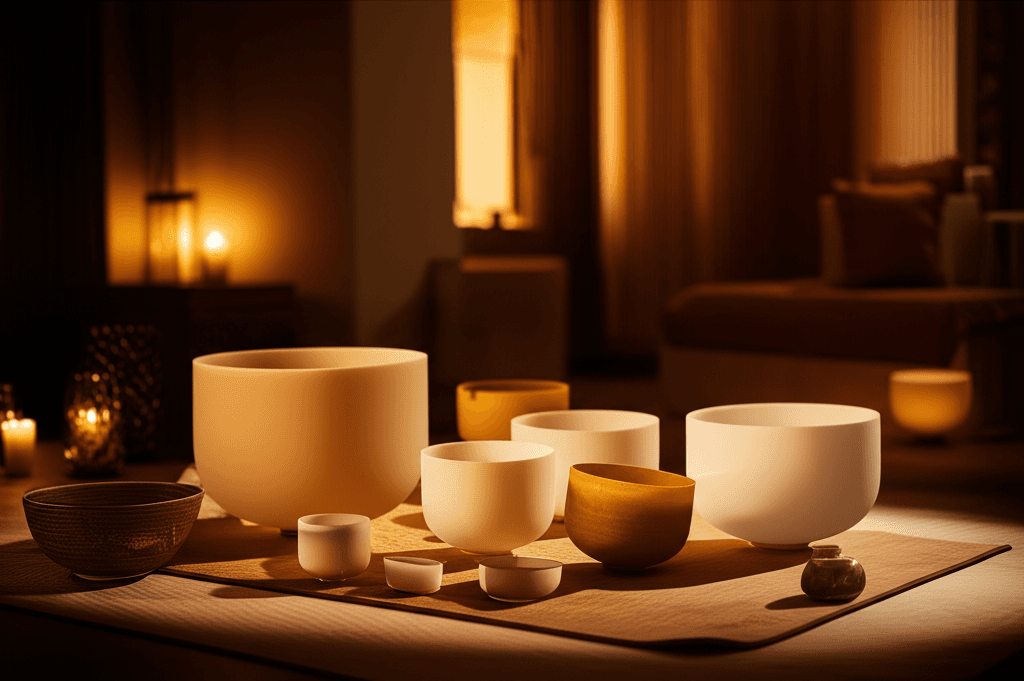
The session typically involves clients lying down comfortably, enveloped by the harmonious vibrations of various instruments. These can include crystal singing bowls, Himalayan singing bowls, gongs, chimes, and other resonant tools, each producing distinct frequencies and overtones. As these sounds wash over and through the body, they are not merely heard but deeply felt. The physical sensations of these vibrations can be profound, often described as a gentle massage at a cellular level.
One of the key mechanisms at play is the entrainment of brainwaves. The rhythmic and coherent frequencies emitted by the instruments can gently guide the brain from a stressed, active beta state to more relaxed alpha or even deep meditative theta states. In these states, the nervous system down-regulates, muscle tension releases, and the mind becomes quieter. This deep relaxation may help to alleviate the chronic stress, anxiety, and insomnia often experienced by suicide loss survivors.
The experience is deeply personal, yet universally impactful. Many people report a sense of profound peace, a temporary respite from the incessant rumination and emotional turmoil. For some, the vibrations may help to unlock suppressed emotions or facilitate a gentle release of grief without the pressure of verbal articulation. This somatic processing can be incredibly empowering, allowing the body to process trauma and grief in a non-linear, intuitive way. The feeling of being "held" by the sound, in a space free from judgment, can be incredibly validating for individuals who often feel isolated or blamed. The gentle support offered through sound wellness may also serve as a buffer against depressive symptoms, fostering a nascent sense of belonging and connection, even if initially just with oneself.
The Soul Art Approach: Larissa Steinbach's Philosophy of Compassionate Resonance
At Soul Art, Larissa Steinbach approaches the sensitive journey of suicide loss survivors with a philosophy rooted in deep empathy, scientific understanding, and the transformative power of sound. Her method is not about "fixing" grief but about creating a safe, nurturing space where healing can organically unfold. Larissa understands that survivors often carry not just sorrow, but also complex layers of guilt, anger, shame, and societal stigma.
Larissa's unique approach begins with cultivating an environment of unconditional acceptance and non-judgment. She recognizes that each survivor's path is intensely personal and requires a bespoke touch. Rather than a one-size-fits-all model, Larissa tailors her sound wellness sessions, carefully selecting instruments and techniques that resonate most effectively with the individual's needs and emotional state. This meticulous attention ensures that the experience is both gentle and deeply impactful.
Central to the Soul Art method is the thoughtful integration of specific instruments known for their therapeutic frequencies. Larissa frequently utilizes high-quality quartz crystal singing bowls, precisely tuned to resonate with the body's energy centers, promoting balance and harmony. Himalayan singing bowls, with their rich, complex overtones, are often placed directly on or around the body to allow the vibrations to penetrate deeply, facilitating physical and emotional release. Gongs are also powerful tools, capable of generating immersive soundscapes that encourage profound states of relaxation and altered consciousness, helping to quiet the analytical mind.
Larissa's expertise extends beyond just playing instruments; she understands the subtle nuances of creating a therapeutic sound journey. She incorporates guided meditation and breathwork into her sessions, which further enhance the grounding and calming effects of the sound. This combination helps to anchor individuals in the present moment, offering a respite from intrusive thoughts and memories.
"In the sacred space of sound, we offer not an escape from grief, but a gentle companion through its landscape. It's about finding the courage to feel, to release, and eventually, to rediscover the quiet strength that lies within." — Larissa Steinbach
The Soul Art approach is a complementary wellness practice focused on restoring nervous system regulation, fostering emotional release, and supporting the development of resilience. Larissa Steinbach emphasizes that while sound wellness may support an altered outlook on life and greater inner strength, it is a part of a broader holistic self-care strategy, acknowledging the long and slow adaptational process of grief. By creating a sanctuary of sound, Larissa helps survivors gently navigate their profound loss, supporting them in finding their own unique rhythm towards healing.
Your Next Steps: Embracing Support and Self-Care
Navigating the aftermath of suicide loss is an immensely challenging journey, one that no one should endure alone. While the path may feel endless, there are proactive steps you can take to foster healing, build resilience, and gently move towards a more integrated sense of well-being. Remember, this is a long and deeply personal process, and patience with yourself is paramount.
Here are some actionable steps to consider as you honor your grief and seek supportive practices:
- Prioritize Professional Support: If you are a suicide loss survivor, seeking professional psychological or grief counseling is a vital step. Sound wellness may serve as a complementary approach, but it should not replace the guidance of mental health professionals who specialize in trauma and bereavement. They can offer strategies for coping with complex emotions and prolonged grief.
- Seek Understanding Communities: The stigma surrounding suicide loss can be isolating. Look for support groups specifically for suicide loss survivors. Sharing experiences with others who truly understand can provide a profound sense of belonging and validation, which research suggests can act as a buffer against depression. Online forums or local organizations can be valuable resources.
- Embrace Self-Compassion: Acknowledge that your grief is unique and valid. Avoid self-blame or the pressure to "move on" quickly. Treat yourself with the same kindness and understanding you would offer a dear friend. Gentle self-care practices, like mindful movement or reflective journaling, can be incredibly supportive.
- Explore Complementary Wellness Practices: Sound wellness, as offered by Larissa Steinbach at Soul Art, can be a powerful tool for nervous system regulation and emotional release. Engaging in practices that encourage deep relaxation may support your body and mind in processing stress and trauma. Many people report feeling a reduction in anxiety and an increased sense of calm after sound sessions.
- Create Spaces for Quiet Reflection: In the midst of turmoil, finding moments of stillness can be profoundly beneficial. Whether it's through meditation, spending time in nature, or simply listening to calming music, carve out time each day to connect with yourself. These moments can help anchor you and provide a gentle sense of peace.
Remember, healing is not about forgetting or erasing the pain, but about learning to carry it with more grace and finding new ways to live fully. At Soul Art, we are here to support you in finding those moments of resonance and calm.
In Summary: Finding Solace in Sound
Suicide loss survivors face a uniquely profound and often isolating journey, marked by complex stressors, heightened psychological risks, and societal stigma. It is a long process that demands immense inner strength and compassionate support. While challenging, the potential for post-traumatic growth exists, encouraging a search for practices that foster resilience and a renewed sense of purpose.
Sound wellness, through its ability to gently guide the nervous system into states of deep relaxation and facilitate emotional release, may offer a powerful complementary pathway for healing. The carefully curated experiences at Soul Art, guided by Larissa Steinbach, provide a safe, non-judgmental sanctuary where the transformative power of resonant frequencies can help quiet the mind, soothe the body, and support survivors in navigating their intricate grief. We invite you to explore how the gentle embrace of sound may bring a renewed sense of peace and strength to your life.
Bookings Coming Soon
Soul Art is still in preparation. Session details and booking will be published here after launch.
Coming Soon
Wellness Disclaimer: This article is for educational and informational purposes only. It does not constitute medical advice, diagnosis, or treatment. Soul Art Dubai provides non-medical wellness experiences focused on relaxation, stress management, and general wellbeing. Sound wellness is a complementary practice and should not replace professional medical care.