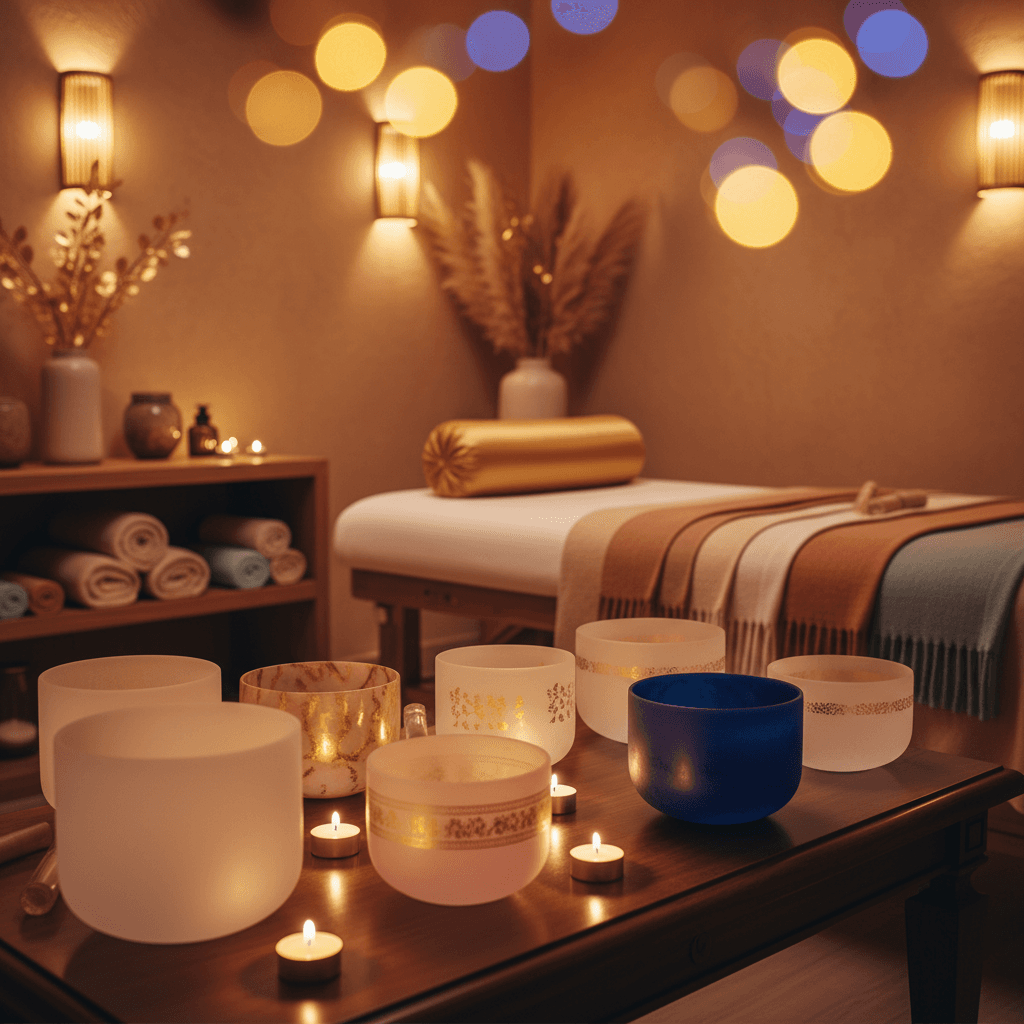
Harmonize Your Heart: How Sound Wellness Eases Stress & Boosts Cardiac Health
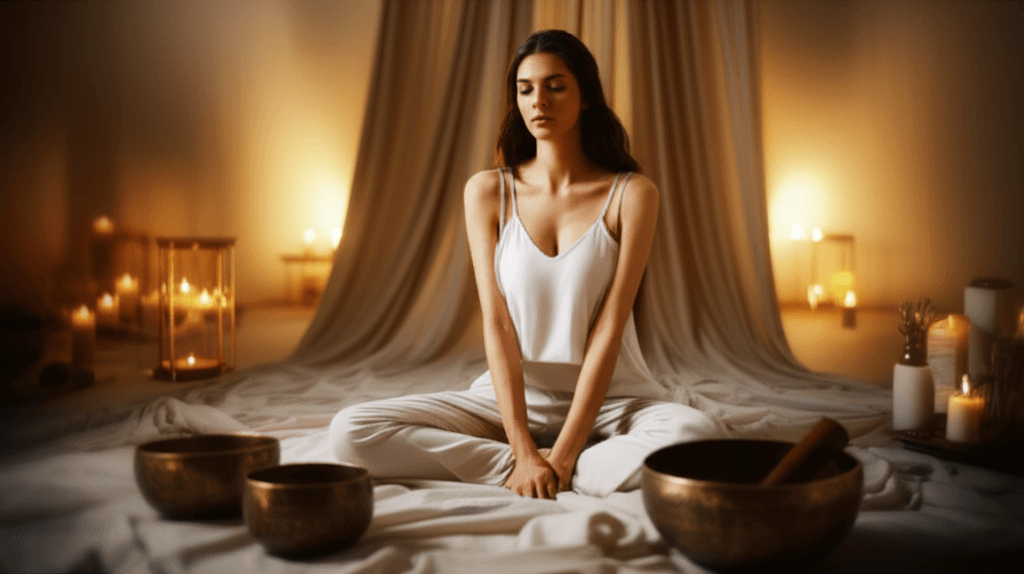
Key Insights
Discover the profound connection between chronic stress, heart health, and the therapeutic power of sound. Soul Art Dubai, led by Larissa Steinbach, offers science-backed approaches to enhance well-being.
Is your daily rhythm constantly battling an undercurrent of stress? In our fast-paced world, the demands on our mental and emotional landscape often translate directly into physiological responses, particularly impacting our cardiovascular system. Many of us are unknowingly living with elevated stress levels, which can quietly, yet significantly, compromise our heart health over time.
What if the key to a calmer mind and a healthier heart wasn't found in another pill or strenuous workout, but in the subtle, powerful vibrations of sound? This article delves into the fascinating, scientifically-backed connection between stress, heart health, and the transformative potential of sound wellness practices. We'll explore how deliberate sound experiences, like those offered by Soul Art Dubai under the guidance of Larissa Steinbach, may offer a unique pathway to profound relaxation and robust cardiac well-being. Prepare to discover how tuning into the right frequencies could be exactly what your heart needs.
The Physiological Symphony of Stress and Your Heart
Our bodies are intricate instruments, constantly responding to the environment around us. When confronted with stress, this finely tuned system orchestrates a complex physiological response, preparing us for "fight or flight." While this acute response is vital for survival, chronic stress – the persistent pressure of modern life – can lead to a sustained state of physiological arousal that negatively impacts nearly every system, with profound implications for the heart.
The Body's Stress Response
At the core of our reaction to stress lies the autonomic nervous system, which governs involuntary bodily functions. When stress hits, the sympathetic nervous system kicks into high gear, releasing hormones like adrenaline and cortisol. This surge causes an immediate increase in heart rate and blood pressure, diverting blood flow to essential muscles.
Research consistently shows that individuals under stress exhibit a higher pulse and elevated blood pressure compared to those in a relaxed state. A study focusing on how the human body reacts to stress, for instance, confirmed that systolic blood pressure, in particular, demonstrates a clear responsiveness to increased or decreased stress levels, acting as a direct indicator of our internal state. This constant state of heightened alert, when prolonged, places significant strain on the cardiovascular system.
The Cardiovascular Impact
The American Heart Association (AHA) explicitly acknowledges the clear associations between psychological health and cardiovascular disease risk. Depression, anxiety, and chronic stress are well-established factors that increase the likelihood of developing poor heart health. New studies continue to add to this growing body of data, underscoring how negative psychological states can elevate the risk of both heart and brain diseases.
Elevated stress hormones, persistent high blood pressure, and increased heart rate contribute to endothelial dysfunction – damage to the inner lining of blood vessels. This damage can pave the way for inflammation and the build-up of plaque, leading to conditions like atherosclerosis, a precursor to heart attacks and strokes. A multidimensional analysis of perceived stress, for instance, has explored the relationship between cumulative stress scores and various cardiovascular risk factors, attempting to deepen our understanding of this intricate connection.
The Unseen Threat: Noise Pollution
Beyond our internal stressors, the external auditory environment plays a significant, often overlooked, role in our heart health. Noise pollution, especially prevalent in urban centers like Dubai, is not merely an annoyance; it's a silent stressor with tangible physiological consequences. A landmark study published in Cardiovascular Research highlighted that a single night of typical city road traffic noise can induce immediate stress on the heart and blood vessels.
This randomized, double-blind crossover study involving healthy adults revealed that even low-level nighttime road traffic noise impaired blood vessel function, raised heart rate, and disrupted crucial sleep patterns. Participants exposed to nighttime noise also showed blood protein changes linked to inflammation and stress. The findings offer a compelling explanation for why individuals subjected to long-term traffic noise experience higher rates of high blood pressure and heart disease, with some studies even associating increased levels of road, railway, and aircraft noise with an elevated risk of heart failure, hypertensive heart disease, and stroke.
The Calming Counterpoint: How Sound Intervenes
Fortunately, just as certain sounds can harm, others can heal. Sound-based interventions offer a powerful counter-narrative to the relentless din of modern life. They provide a pathway to downregulate the sympathetic nervous system and activate the parasympathetic nervous system, initiating the body's "rest and digest" response. This shift is critical for cardiac health.
Research consistently demonstrates that carefully selected relaxing sounds and music can significantly reduce physiological markers of stress. Studies have shown that listening to specific sound materials, such as the sound of waves or relaxing music, can lead to a lower pulse and blood pressure. One experiment even indicated that the sound of waves promoted relaxation more effectively than the chosen relaxing music, providing measurable drops in physiological arousal.
Furthermore, studies utilizing electroencephalography (EEG) have observed that relaxing music can intensify alpha-wave levels in the brain, correlating with a more soothing and meditative state. This is often more effective than listening to one's favorite genre of music for stress reduction. The reduction in blood pressure and pulse, especially when listening to tracks incorporating synchronous rumbling, further confirms the profound relaxing properties of specific sound frequencies.
"The subtle art of listening, when directed towards therapeutic sound, becomes a profound act of self-care, a balm for the nervous system, and a gentle recalibration for the heart."
Many studies, including those reviewed in JMIR Mental Health, have examined the effects of classical music, self-selected relaxing music, and even live music interventions on heart rate variability, blood pressure recovery, and reduction of anxiety and physiological arousal after stressful tasks. These interventions may support improved blood pressure recovery after stress and may influence endothelial function, potentially supporting vascular health. Sound therapy is now recognized for its integrative impact on psycho-emotional and physiological outcomes, proving helpful for various stress-related conditions.
How It Works in Practice
Translating the science of sound into a tangible wellness experience involves more than just playing calming music. It's about intentional frequency, resonant vibrations, and a carefully curated environment that encourages the body and mind to surrender to deep relaxation. This approach taps into our innate responsiveness to sound, facilitating a return to physiological balance.
When you immerse yourself in a sound wellness session, the experience is multi-sensory. It begins with the gentle anticipation of frequencies, not just heard, but felt. The therapeutic sounds, often generated by instruments rich in overtones, create a sonic field that permeates the physical body, impacting cellular structures and energy pathways. This deep vibrational massage helps to release muscular tension, a common physical manifestation of stress.
As the sound waves wash over you, your brain activity begins to shift. The calming frequencies, often characterized by consistent rhythms and harmonious tones, encourage the brain to move from a state of beta-wave activity (associated with alertness and analytical thought) towards alpha and even theta-wave states (linked to deep relaxation, meditation, and restorative sleep). This shift is critical for downregulating the stress response.
Physiologically, clients often report an immediate sense of calm. The sympathetic nervous system, previously on high alert, begins to quieten. This allows the parasympathetic nervous system to take over, leading to a noticeable decrease in heart rate, a lowering of blood pressure, and a more relaxed breathing pattern. The body's internal environment starts to stabilize, reducing the inflammatory markers associated with chronic stress.
The consistent exposure to these relaxing sonic environments, particularly the focused listening to specific tones or the rhythmic nature of sounds like ocean waves or synchronous rumbling, reinforces positive neural pathways. This practice may support improved heart rate variability, a key indicator of cardiovascular health and resilience. It's not just about momentary relief; it's about training the body to enter and sustain a state of tranquility more readily, even amidst daily stressors.
Many people report leaving a sound wellness session feeling profoundly rested, with a renewed sense of clarity and emotional balance. The experience allows the body's natural healing mechanisms to activate, providing a complementary approach to managing stress and supporting holistic cardiac well-being. It is a unique form of self-care that nurtures both the mind and the body.
The Soul Art Approach
At Soul Art, Dubai's premier sound wellness studio, Larissa Steinbach has meticulously crafted an experience that transcends mere relaxation, transforming it into a journey of profound self-discovery and physiological restoration. Larissa's approach is deeply rooted in both ancient wisdom and contemporary scientific understanding, creating a unique methodology that optimizes the "sound connection" for enhanced well-being.
Larissa Steinbach understands that true healing begins with a connection to one's inner self, facilitated by an environment of absolute tranquility. Her method emphasizes personalized engagement, whether in group sessions or private immersions, ensuring each individual can fully embrace the therapeutic frequencies. This bespoke focus distinguishes the Soul Art experience, making it more than just a session, but a profound personal retreat.
What makes the Soul Art method truly unique is Larissa's expert curation of instruments and her intuitive guidance. She harnesses the power of a diverse array of resonant tools, including hand-beaten Himalayan singing bowls, majestic gongs, crystalline chimes, and various percussion instruments. Each instrument is chosen for its unique vibrational quality and its ability to generate specific sound frequencies that encourage deep relaxation and physiological harmony.
Larissa meticulously orchestrates these sounds to create a symphonic journey that gently guides participants into deeper states of consciousness. The rich, enveloping vibrations of the gongs, for instance, are known to resonate deeply within the body, potentially releasing tension and promoting cellular renewal. The pure tones of the singing bowls are often utilized to balance energy centers and encourage a meditative state, further supporting the down-regulation of the stress response.
Through this mindful application of sound, Larissa Steinbach helps clients at Soul Art to recalibrate their nervous systems, reduce the physiological markers of stress, and cultivate a deeper sense of inner peace. It is a complementary approach that aims to support the body's natural capacity for healing and resilience, offering a sanctuary where the mind can quieten, and the heart can find its rhythm. The Soul Art experience is an invitation to listen, feel, and reconnect with your innate capacity for well-being.
Your Next Steps
Integrating sound wellness into your life may support your journey towards better heart health and overall well-being. It's an accessible, gentle, and deeply restorative practice that offers a welcome respite from the demands of modern living. Here are some actionable steps you can take today to begin your sound connection journey:
- Mindful Listening: Start by dedicating a few minutes each day to listen intentionally to calming sounds. This could be nature sounds like ocean waves or gentle rain, or instrumental music designed for relaxation. Focus on the sensations in your body and breath.
- Create a Soothing Environment: Consciously reduce exposure to harsh, jarring noises in your home or workspace. Consider using noise-canceling headphones in loud environments or incorporating ambient soundscapes (like white noise or nature sounds) to create a calmer auditory backdrop.
- Deep Breathing with Sound: Combine deep, diaphragmatic breathing with short bursts of calming sound. Inhale deeply, and as you exhale, hum gently or listen to a resonant tone. This practice can quickly activate the parasympathetic nervous system.
- Explore Guided Meditations: Many apps and online resources offer guided sound meditations that blend spoken guidance with therapeutic sounds. These can be an excellent way to introduce yourself to structured sound experiences and cultivate a habit of relaxation.
- Experience Professional Sound Wellness: For a truly immersive and transformative experience, consider visiting a dedicated studio like Soul Art. Under the expert guidance of Larissa Steinbach, you can explore the profound benefits of a professionally curated sound journey, specifically designed to foster deep relaxation and stress reduction.
These simple yet powerful practices may support your stress management efforts, offering a holistic pathway to nurturing your cardiovascular health.
In Summary
The intricate link between chronic stress and heart health is undeniable, with persistent psychological pressure manifesting in physiological responses that can compromise our cardiovascular system. From elevated blood pressure and heart rate to the damaging effects of noise pollution, the heart bears the brunt of our modern, high-stress lives. However, the emerging field of sound wellness offers a powerful, scientifically-backed counterpoint.
Through intentional exposure to calming frequencies, such as those found in relaxing music, nature sounds, or resonant instruments, we can actively downregulate the stress response. This practice may support a reduction in physiological arousal, promote alpha-wave brain states, and contribute to healthier cardiac indicators. Soul Art, founded by Larissa Steinbach, stands at the forefront of this movement in Dubai, offering meticulously crafted sound experiences designed to guide you towards profound relaxation and holistic well-being. Embrace the quiet luxury of sound to harmonize your heart and restore your inner balance.
Bookings Coming Soon
Soul Art is still in preparation. Session details and booking will be published here after launch.
Coming Soon
Wellness Disclaimer: This article is for educational and informational purposes only. It does not constitute medical advice, diagnosis, or treatment. Soul Art Dubai provides non-medical wellness experiences focused on relaxation, stress management, and general wellbeing. Sound wellness is a complementary practice and should not replace professional medical care.
Related Articles
Vibration Therapy for Plantar Fasciitis: A Holistic Path to Foot Wellness
Frozen Shoulder: Sound Support for Enhanced Mobility & Ease

Harmonizing Breath: How Sound Wellness May Support Sleep Apnea Management