Stillbirth: Gentle Sound for Profound Loss and Healing
Key Insights
Explore how sound wellness offers solace and support for parents navigating the profound grief of stillbirth at Soul Art Dubai with Larissa Steinbach.
Stillbirth: Gentle Sound for Profound Loss and Healing
The experience of stillbirth, the loss of a baby before or during birth, represents a unique and profoundly devastating form of grief. It is a sorrow that often remains unspoken, unseen, yet indelibly etched into the hearts of parents and their families. This profound loss leaves an enduring impact, characterized by an intricate tapestry of emotions including grief, guilt, pain, and sometimes even stigma.
At Soul Art, Dubai's premier sound wellness studio, we understand the delicate and immense nature of this journey. We recognize that while stillbirth is a medical event, its aftermath extends deeply into the realms of mental, emotional, and spiritual well-being. Our mission is to offer a sanctuary for parents navigating this complex terrain, providing a complementary path to process grief and find moments of solace through the therapeutic power of sound.
This article delves into the scientifically recognized impacts of stillbirth and explores how carefully curated sound wellness experiences, under the guidance of our founder, Larissa Steinbach, may support individuals in finding moments of peace and fostering gentle healing. We invite you to explore how sound, a universal language, can offer profound comfort when words fall short.
The Science Explained: Navigating the Depths of Grief
Stillbirth is not merely a physical event; it creates a cascade of psychological and physiological responses that can be overwhelming. The human impact is profound and enduring, touching every facet of a bereaved parent's life. Research consistently highlights the intensity and longevity of this grief.
The Enduring Impact of Stillbirth
Studies, such as those published in PMC, reveal that stillbirth has a deep and lasting effect on bereaved parents. They recall the details of their experiences with vivid clarity, particularly the critical time between diagnosis of a life-limiting anomaly or stillbirth and delivery. This period is crucial for parents as they begin to find meaning in their loss. The psychosocial impact of stillbirth is well-documented, leading to significantly higher risks of mental health challenges.
Parents often grapple with a complex range of emotions, including intense grief, guilt, and pain. These feelings are not isolated; they can manifest as depression, anxiety, and post-traumatic stress disorder (PTSD), as noted in StatPearls. The heightened risk for psychiatric morbidity is alarming, with bereaved mothers being nearly 2.5 times more likely to seek emergency care for mental health-related issues within a year of the loss compared to those with live births. The impact extends beyond the immediate parents; grandparents often feel a profound need to protect their own child, and existing children may struggle to conceptualize death, influencing their grief responses and potentially affecting child-parent relationships, as per RCOG research.
The Physiological Toll of Grief
Unresolved grief and chronic stress can have tangible effects on the body. Prolonged periods of emotional distress are associated with dysregulation of the nervous system. The sympathetic nervous system, responsible for our "fight or flight" response, can become overactive, leading to increased heart rate, elevated blood pressure, and muscle tension. Conversely, the parasympathetic nervous system, which promotes "rest and digest," may struggle to activate effectively.
This imbalance can contribute to physical symptoms such as fatigue, digestive issues, and weakened immune function. The mind-body connection is undeniable; as research on mindfulness-based interventions suggests, the brain and body interact bidirectionally through autonomic and neuroendocrine pathways. Supporting this connection is vital for both mental and physical health.
How Sound Influences the Nervous System
Sound wellness practices operate on the principle that specific frequencies and vibrations can influence our physiological and psychological states. This is not about 'treating' grief, but rather offering a tool to support the body's natural capacity for self-regulation and relaxation.
- Brainwave Entrainment: Sound frequencies, particularly those found in instruments like gongs and singing bowls, are thought to encourage brainwave states associated with deep relaxation and meditative states. Alpha waves (8-12 Hz) are linked to a relaxed, calm alertness, while Theta waves (4-7 Hz) are associated with deep relaxation, dreaming, and a heightened state of receptivity. This shift in brain activity may help quiet the overactive mind often accompanying intense grief.
- Vagus Nerve Activation: The vagus nerve is a critical component of the parasympathetic nervous system. It plays a significant role in regulating heart rate, digestion, and emotional responses. Certain low-frequency sounds and gentle vibrations may stimulate the vagus nerve, promoting a state of calm and potentially reducing physiological markers of stress. This gentle activation can help shift the body from a state of hyperarousal to one of quietude.
- Cellular Resonance: While scientific understanding is still evolving, some theories suggest that sound vibrations can resonate with the water content in our cells. This cellular massage, as it's sometimes described, may help release physical tension and promote a sense of energetic flow and openness. It is believed to contribute to a feeling of deep relaxation and integration within the body.
The goal of sound wellness is to gently guide the body and mind towards a state where they can better process emotions, reduce stress, and find moments of respite. It is a complementary approach that acknowledges the profound need for individuals to find meaningful care and support during an exceptionally challenging period.
How It Works in Practice: A Journey of Gentle Resonance
Translating the science of sound into a tangible, supportive experience involves creating an environment where deep relaxation and emotional processing can gently unfold. At Soul Art, we focus on crafting a sensory journey designed to honor the delicate nature of profound loss.
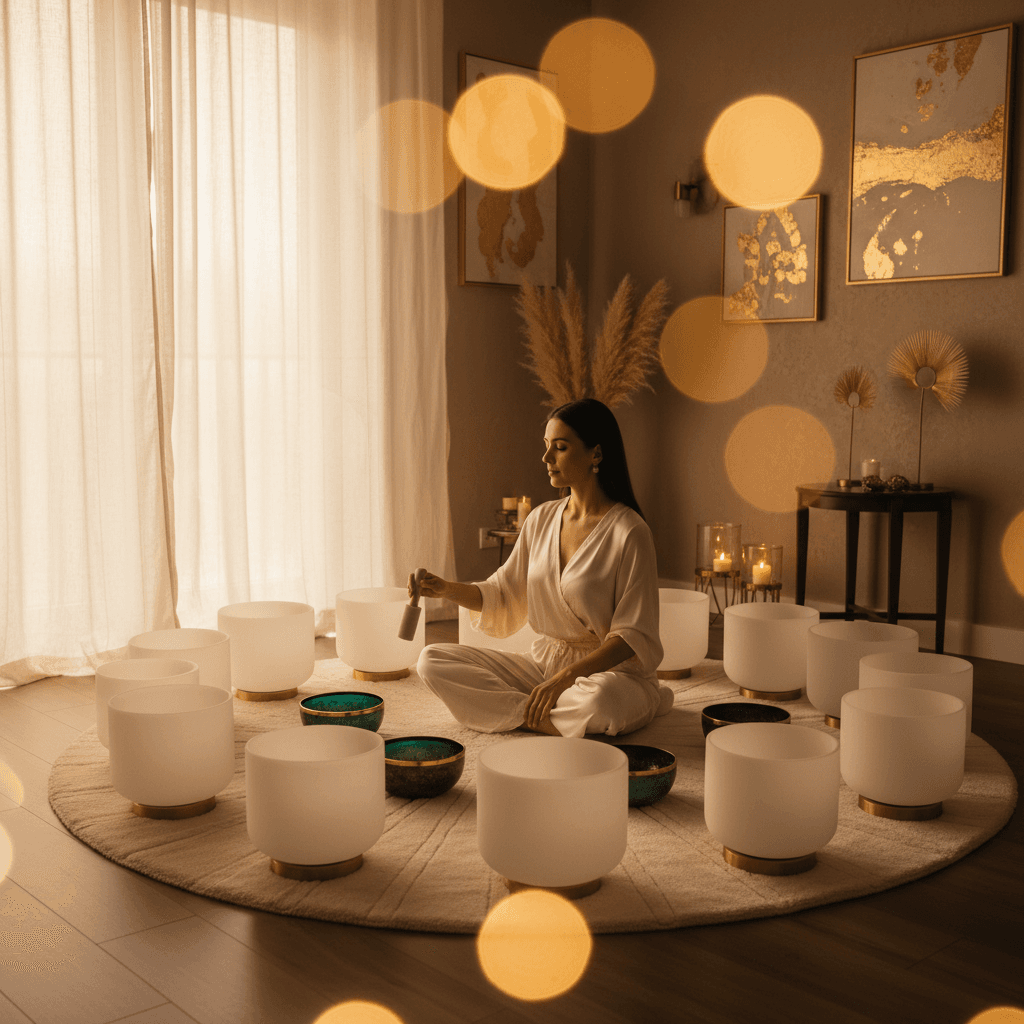
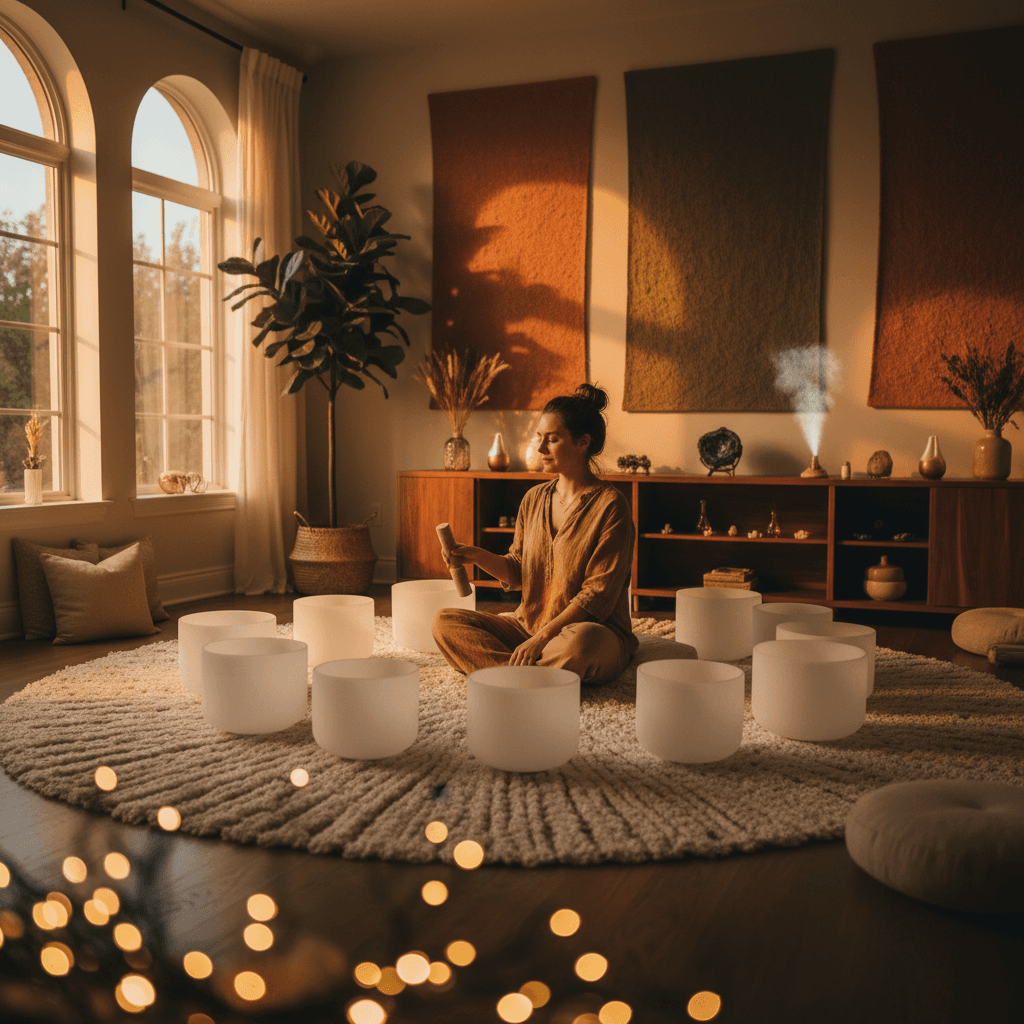
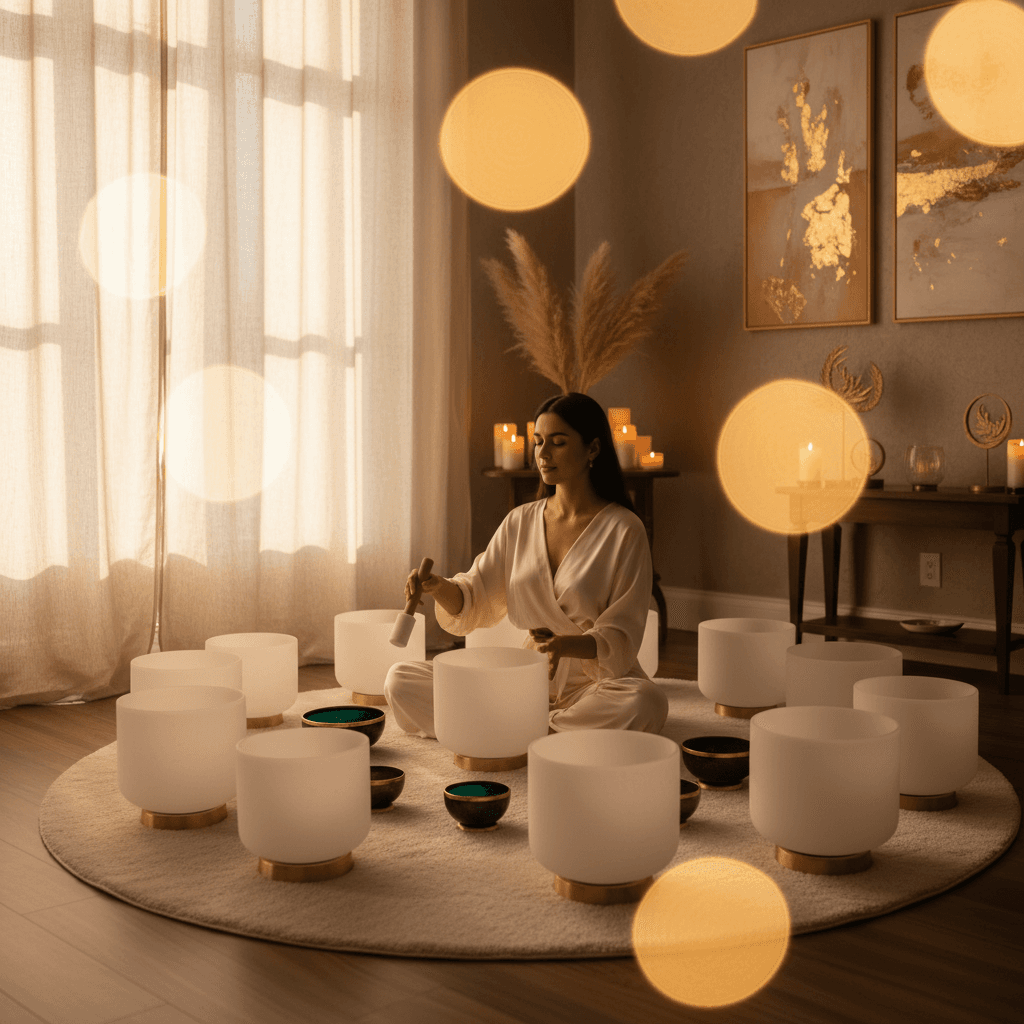
When clients step into our studio, they are enveloped in an atmosphere of quiet luxury and profound tranquility. The space itself is designed to be a refuge, a sanctuary from the bustling world outside. Soft lighting, comforting textures, and a hushed ambiance prepare the senses for what is to come.
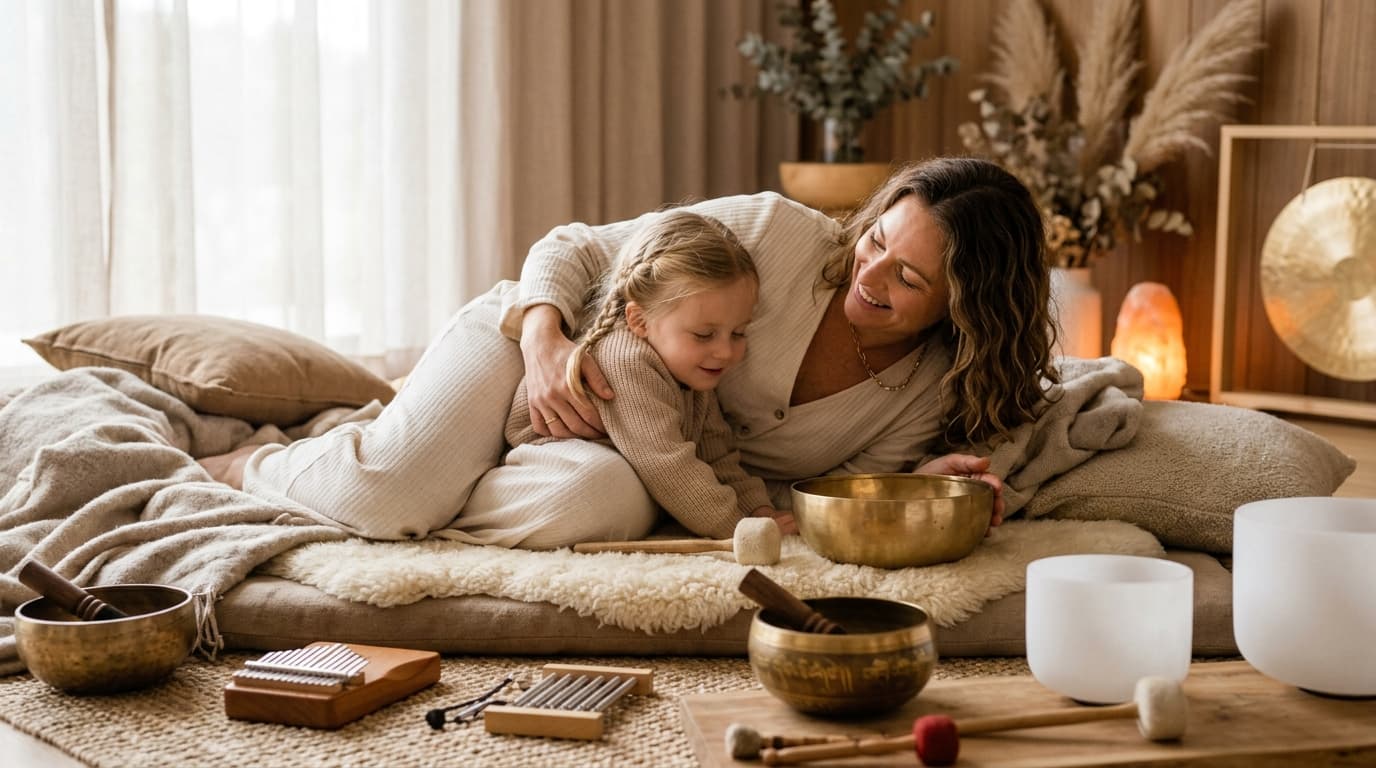
The experience begins as clients recline comfortably, often on soft mats, surrounded by the resonant instruments. There is no expectation, no pressure – only an invitation to simply be. As the session commences, the air begins to vibrate with intentional, carefully chosen sounds. The deep, rich hum of gongs, the ethereal tones of crystal singing bowls, and the delicate shimmer of chimes fill the space, creating a dense soundscape. These are not merely sounds to listen to; they are felt throughout the body.
Clients often describe feeling the low frequencies as a gentle wave passing through their physical being, subtly loosening areas of tension they may not have consciously realized they were holding. The vibrations are a form of non-invasive, gentle massage, working on a cellular level to encourage release. The mind, often preoccupied with repetitive thoughts and anxieties related to grief, finds itself drawn into the intricate patterns of the sound. This sensory focus can provide a temporary respite from mental rumination, offering a spaciousness where thoughts can soften and emotions may surface with greater ease.
Many people report a gradual slowing of their internal pace. The constant "doing" gives way to "being," allowing the nervous system to downshift. This shift may be accompanied by a profound sense of peace, a feeling of being held and supported without the need for words. Tears may fall gently, or a deep sense of stillness may descend. Each experience is deeply personal and unique, mirroring the individual's own journey of grief. The absence of verbal instruction or analysis allows for an intuitive, unforced release, honoring the body's innate wisdom in processing deep emotions.
The goal is not to eradicate grief, which is a natural and necessary response to loss. Instead, it is to create a nurturing space where grief can be acknowledged, felt, and gently integrated without being overwhelming. It's about finding moments of profound calm amidst the storm, offering a complementary path to emotional regulation and stress reduction.
The Soul Art Approach: Larissa Steinbach's Gentle Sanctuary
At Soul Art, Larissa Steinbach, our esteemed founder, brings a deeply empathetic and scientifically informed approach to sound wellness. Her methodology is rooted in creating a sacred, safe space where individuals can explore their inner landscapes with gentleness and profound support, especially when navigating such intense experiences as stillbirth. Larissa’s unique blend of expertise and compassion ensures that each session is not just an auditory experience, but a holistic journey of comfort and release.
Larissa's philosophy emphasizes the non-invasive, yet deeply impactful nature of sound. She believes that while the grief of stillbirth is complex and individual, the universal language of vibration can offer a gentle anchor. Her method is carefully designed to create an environment where the nervous system can move from a state of high alert to one of deep relaxation, fostering an opportunity for emotional regulation and integration. This is particularly important for parents experiencing the prolonged stress and anxiety often associated with perinatal loss.
The Soul Art method is distinguished by its bespoke nature. Larissa understands that no two journeys of grief are identical, and therefore, no two sound experiences should be. She intuitively selects and combines a range of ancient and contemporary instruments, each chosen for its unique vibrational quality and therapeutic potential.
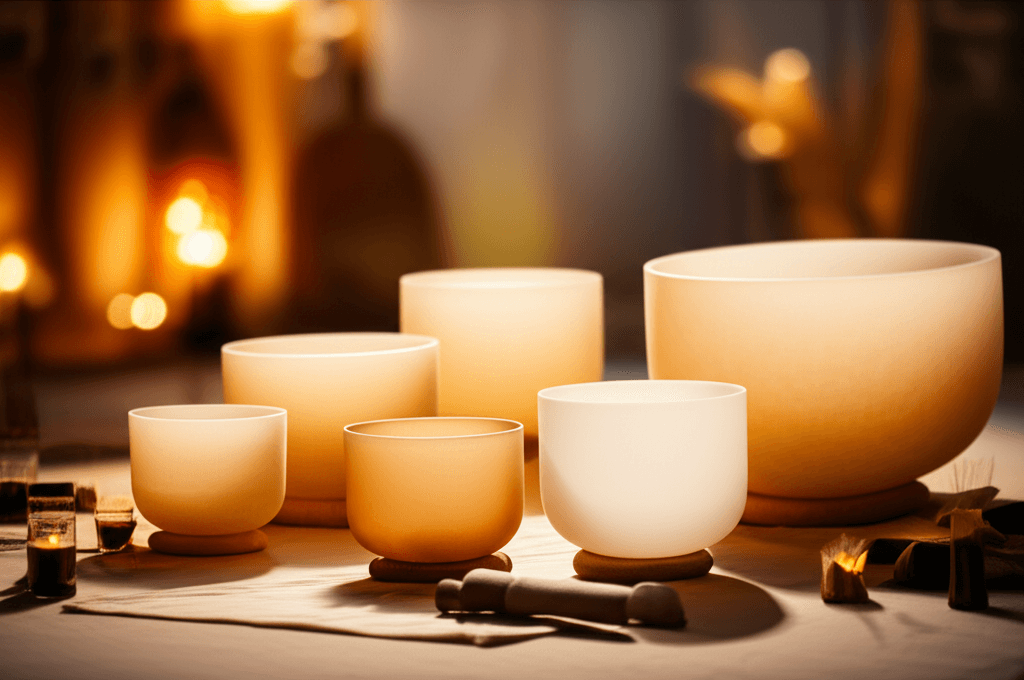
- Himalayan and Crystal Singing Bowls: These bowls produce rich, sustained tones and palpable vibrations that are believed to resonate deeply within the body. Their frequencies may support the activation of alpha and theta brainwave states, encouraging profound relaxation and inner quietude.
- Gongs: The powerful, complex overtones of gongs create an immersive sound bath that can be deeply transformative. Their resonant frequencies are often described as helping to clear mental clutter and facilitating emotional release, offering a sense of cleansing and renewal.
- Chimes and Other Percussion: Delicate chimes, rain sticks, and other soft percussion instruments add intricate layers to the soundscape, providing gentle auditory focal points that can aid in mindfulness and grounding. These sounds can evoke a sense of lightness and peace, counterbalancing the heavier emotions of grief.
Larissa Steinbach’s sessions are not about providing answers or directing the emotional process. Instead, they are about holding space. She carefully observes and responds to the subtle energy of the room, adjusting the intensity and composition of the sound to create an optimal environment for each individual's needs. This compassionate presence, combined with the power of sound, makes Soul Art a truly unique haven for those seeking solace and a path towards gentle integration of profound loss.
"In the face of unutterable sorrow, sound offers a gentle whisper of hope, not to erase the pain, but to cradle it with compassion and allow space for the profound journey of healing to unfold." - Larissa Steinbach
Your Next Steps: Embracing Self-Compassion and Support
Navigating the grief of stillbirth is a deeply personal and often isolating journey. It demands immense courage and, crucially, a profound commitment to self-compassion. While there is no single path to healing, embracing supportive practices can make a meaningful difference in fostering resilience and emotional well-being. Remember, sound wellness is a complementary practice that may support your journey; it is not a substitute for professional medical or psychological care.
Here are a few actionable steps you might consider implementing today:
- Prioritize Gentle Self-Care: Engage in practices that nourish your body and mind without demanding too much energy. This could be a warm bath, a gentle walk in nature, or simply quiet moments of rest. Listen to your body's signals and honor its need for recuperation.
- Connect with Your Support Network: While it can be difficult, reaching out to trusted friends, family, or support groups can provide invaluable comfort and understanding. Sharing your experience, or simply being in the presence of those who care, may alleviate feelings of isolation.
- Practice Mindful Breathing: Even a few minutes of focused, deep breathing can help regulate your nervous system. Inhale slowly through your nose, feeling your abdomen rise, and exhale gently through your mouth. This simple practice may help to calm anxiety and bring you into the present moment.
- Explore Gentle Movement: Gentle forms of movement like restorative yoga, stretching, or tai chi can help release physical tension held in the body due to stress and grief. These practices encourage a mind-body connection without being overly strenuous.
- Consider Complementary Wellness Practices: Explore avenues like sound wellness, meditation, or gentle massage. These practices are designed to support relaxation, reduce stress, and create a nurturing space for emotional processing. Many people report that these approaches offer a sense of calm and clarity.
At Soul Art, we believe that providing a safe, resonant space for individuals to process grief is essential. If you are seeking a supportive, non-verbal pathway to relaxation and emotional integration, we invite you to explore the gentle power of sound wellness.
In Summary: A Resonant Path to Peace
Stillbirth represents a loss of profound magnitude, impacting parents and families with an enduring sorrow that necessitates compassionate and holistic support. The psychosocial implications, including heightened risks of depression, anxiety, and PTSD, underscore the urgent need for meaningful care that extends beyond conventional medical approaches. Sound wellness, as offered by Soul Art, provides a complementary and deeply empathetic avenue for navigating this complex grief.
Through carefully curated soundscapes and vibrational experiences, our sessions aim to gently guide the nervous system into states of deep relaxation, fostering emotional release and promoting a vital sense of peace. Larissa Steinbach's unique approach creates a sanctuary where the mind and body can reconnect, supporting the natural capacity for healing and self-regulation. We invite you to discover how the resonant frequencies of sound can offer a profound sense of solace, helping you to find moments of quiet strength amidst the echoes of loss, and gently guiding you toward inner harmony.
Bookings Coming Soon
Soul Art is still in preparation. Session details and booking will be published here after launch.
Coming Soon
Wellness Disclaimer: This article is for educational and informational purposes only. It does not constitute medical advice, diagnosis, or treatment. Soul Art Dubai provides non-medical wellness experiences focused on relaxation, stress management, and general wellbeing. Sound wellness is a complementary practice and should not replace professional medical care.