Sound for Spousal Loss: Nurturing Healing After Partner Bereavement
Key Insights
Explore how sound wellness, offered by Larissa Steinbach at Soul Art Dubai, may support healing from the profound impact of losing a life partner.
The profound silence that follows the loss of a life partner can be one of life's most challenging and disorienting experiences. It is a transition that often leaves individuals, particularly in later life, grappling with an overwhelming array of emotions and complex physiological responses. When the person who has been a constant presence, a confidant, and a shared future is gone, the void extends beyond the emotional realm, impacting every facet of being.
Have you ever considered the invisible yet potent power of sound to help navigate such profound grief? The scientifically documented "widowhood effect" illustrates the severe physical and mental tolls of spousal bereavement, extending far beyond conventional emotional pain. At Soul Art, we understand that supporting those through such a delicate time requires a compassionate, holistic, and evidence-informed approach.
This article delves into the intricate science behind spousal loss and explores how the carefully curated sound wellness practices at Soul Art, pioneered by Larissa Steinbach, may offer a unique pathway to find solace, restore balance, and gently re-engage with life. We will uncover the psychobiological impacts of bereavement and illuminate how specific frequencies and vibrations may support the nervous system, promote relaxation, and nurture emotional healing during this incredibly sensitive period. Understanding these dynamics is crucial for anyone seeking comprehensive wellbeing support during profound personal loss.
The Science Explained: The Profound Impact of Spousal Loss
Losing a life partner is not merely an emotional ordeal; it is recognized as one of the most stressful life events a person can experience, with far-reaching psychobiological consequences. The intensity of this stress can manifest in significant physical and mental health challenges, collectively contributing to what researchers term the "widowhood effect." This phenomenon underscores the critical need for holistic support during bereavement.
The Widowhood Effect and Physiological Strain
The widowhood effect is a well-documented increase in mortality risk for individuals after the death of their spouse compared to those whose partners are still living. A 2023 analysis of nearly a million Danish citizens aged 65 and older found that the younger an individual was when their spouse died, the higher their likelihood of dying within a year. Men, in particular, faced a 70% higher risk, while women faced a 27% higher risk. An earlier study further revealed a 66% increased mortality risk within the first 90 days of spousal loss.
This dramatic effect is not just statistical; it is rooted in profound physiological changes. The emotional trauma can translate into actual physical harm. Takotsubo cardiomyopathy, often referred to as "broken heart syndrome," is one such manifestation. This condition involves a temporary weakening of the heart muscle, typically triggered by extreme emotional stress, such as sudden, traumatic loss. Research indicates it is more likely to impact women.
Beyond the heart, systemic inflammation is another concerning factor. Spousally bereaved individuals have exhibited higher levels of circulating inflammatory markers compared to non-bereaved individuals. A study identified a specific genetic variation (SNP in the IL-6-174 region) that may moderate an individual's vulnerability to increased systemic inflammation following such a loss.
Immune System Compromise and Stress Response
Bereavement, particularly in older adults, has been consistently associated with reduced immune function. Studies on individuals with a mean age of 75 years showed a weaker antibody response to vaccination in the year following spousal loss. Furthermore, older bereaved individuals (average age 72 years old) exhibit impaired neutrophil function, lower neutrophil reactive oxygen species (ROS) production, and a higher cortisol-to-dehydroepiandrosterone sulfate (DHEAS) ratio compared to younger adults.
This shift in the cortisol-to-DHEAS ratio is particularly telling. Cortisol, the primary stress hormone, is elevated, while DHEAS, an anti-aging hormone, is reduced, indicating a sustained state of chronic stress. This biological response is explained by the Social Signal Transduction Theory of Depression, which posits that social stressors, like spousal loss, profoundly affect psychobiological processes, impacting overall health and vulnerability to morbidity and mortality.
Mental Health and Cognitive Decline Risks
The psychobiological burden extends significantly to mental health. Spousal death increases the risk for depression, anxiety, and a variety of somatic diseases. Individuals with less time since loss, those who had daily contact with the deceased (or no contact at all) prior to death, and those who experienced a sudden, unnatural death are at the highest risk of meeting criteria for these disorders.
Moreover, recent research indicates that bereavement may be a significant risk factor for cognitive decline in older populations. Loneliness and social isolation, which are often prevalent after spousal loss, contribute significantly to these adverse mental and physical health impacts. While intense social support can offer some mitigation, studies suggest it only marginally improves mental and physical health symptoms, and these impacts can become more exaggerated over time.
Recognizing these profound and multifaceted impacts, it becomes clear that a comprehensive approach to support is not just beneficial but essential for those navigating the immense challenge of losing a life partner. Complementary wellness practices, such as sound, may offer a gentle yet powerful tool to support the body and mind during this incredibly vulnerable period.
How It Works in Practice: The Vibrational Path to Comfort
Understanding the profound physiological and psychological impacts of spousal loss highlights the critical need for practices that can gently guide the body and mind back towards a state of equilibrium. This is where sound wellness, as a complementary approach, may offer a unique path to comfort and healing. Sound engages the nervous system in a non-invasive, profound manner, potentially addressing the deep-seated stress responses associated with grief.
Restoring Nervous System Balance
When we experience intense grief, our nervous system often shifts into a prolonged state of fight-or-flight, characterized by elevated cortisol levels, increased inflammation, and an overwhelmed mind. Sound, through specific frequencies and rhythmic vibrations, may help to downregulate this hyperactive state. Research suggests that certain sound frequencies can encourage the brain to shift from beta waves (associated with alertness and stress) to alpha and theta waves (associated with relaxation and meditation).
This brainwave entrainment can facilitate a profound sense of calm, allowing the nervous system to move into a parasympathetic (rest and digest) state. During a sound session, the body's natural relaxation response is activated, potentially mitigating the physical symptoms of stress. This includes a possible reduction in heart rate variability, blood pressure, and muscle tension, which are often heightened during bereavement.
Facilitating Emotional Processing
Grief is a complex emotional process, often characterized by a tumultuous mix of sorrow, anger, confusion, and numbness. Sound wellness practices may create a safe, non-verbal space for these emotions to be acknowledged and processed without the pressure of articulation. The immersive nature of sound, particularly resonant frequencies, can bypass the analytical mind, reaching deeper parts of the psyche where emotional blockages may reside.
Many people report that the vibrations from instruments like singing bowls and gongs feel like a gentle internal massage, releasing tension held within the body. This somatic release can be incredibly beneficial for those who find it difficult to express their grief verbally or who feel overwhelmed by its intensity. It provides an opportunity for emotional release without words, fostering a sense of catharsis and gentle acceptance.
"The subtle yet powerful embrace of sound offers a sanctuary, a vibrational cocoon where the heart can begin to mend and the nervous system can finally find respite amidst the storm of grief."
Supporting Sleep and Mental Clarity
One of the most common challenges for those grieving is disturbed sleep and a pervasive mental fog. The continuous loop of intrusive thoughts, anxiety, and sorrow can make restful sleep elusive, further exacerbating physical and emotional exhaustion. Sound baths and relaxation techniques often lead to deeper states of relaxation that may improve sleep quality.
By promoting alpha and theta brainwave states, sound can help quiet the incessant mental chatter and reduce rumination, which are hallmarks of grief-related anxiety and depression. Improved sleep, even in small increments, can significantly enhance one's capacity to cope with daily life and foster greater mental clarity. This renewed capacity can be crucial for navigating the practicalities and emotional demands that arise after the loss of a life partner.
Fostering a Sense of Connection and Presence
In some cultures, up to 90% of bereaved spouses experience the presence of the deceased, whether through sensory or quasi-sensory experiences. While further research is needed on their psychological impact, these After-Death Communications (ADCs) are generally received positively, often providing comfort and a sense of continued connection. Sound wellness may indirectly support an individual's capacity to be present, to acknowledge such experiences without judgment, and to foster a deeper sense of self-awareness.
The communal aspect of group sound sessions, or the focused attention in individual sessions, may also counter feelings of isolation. While intense social support has shown marginal benefits in research, the non-verbal, shared experience of a sound session can provide a subtle yet powerful sense of belonging and understanding, an often-overlooked aspect of healing from profound loneliness.
The Soul Art Approach: Larissa Steinbach's Unique Method
At Soul Art, Dubai's premier sound wellness studio, we approach the delicate process of supporting individuals through spousal loss with profound empathy, scientific grounding, and a deep understanding of vibrational energy. Larissa Steinbach, our esteemed founder, has meticulously crafted a methodology that combines ancient wisdom with modern physiological insights, offering a sanctuary for healing and restoration. Her approach is rooted in the belief that targeted sound frequencies can help the body and mind recalibrate, particularly during times of intense emotional and physical stress.
Personalised and Compassionate Care
Larissa Steinbach's method begins with a deeply personalized consultation, recognizing that each individual's grief journey is unique. She takes the time to understand the nuances of their experience, their specific challenges, and their comfort levels. This empathetic initial connection ensures that every session is tailored to the individual's current state, allowing for a gentle and responsive approach to their wellbeing needs.
This bespoke attention is crucial, especially when dealing with the raw vulnerability that accompanies spousal bereavement. The goal is not to "fix" grief, but to create an environment where the individual may find moments of peace, release, and gentle re-engagement with their inner self.
A Symphony of Healing Instruments
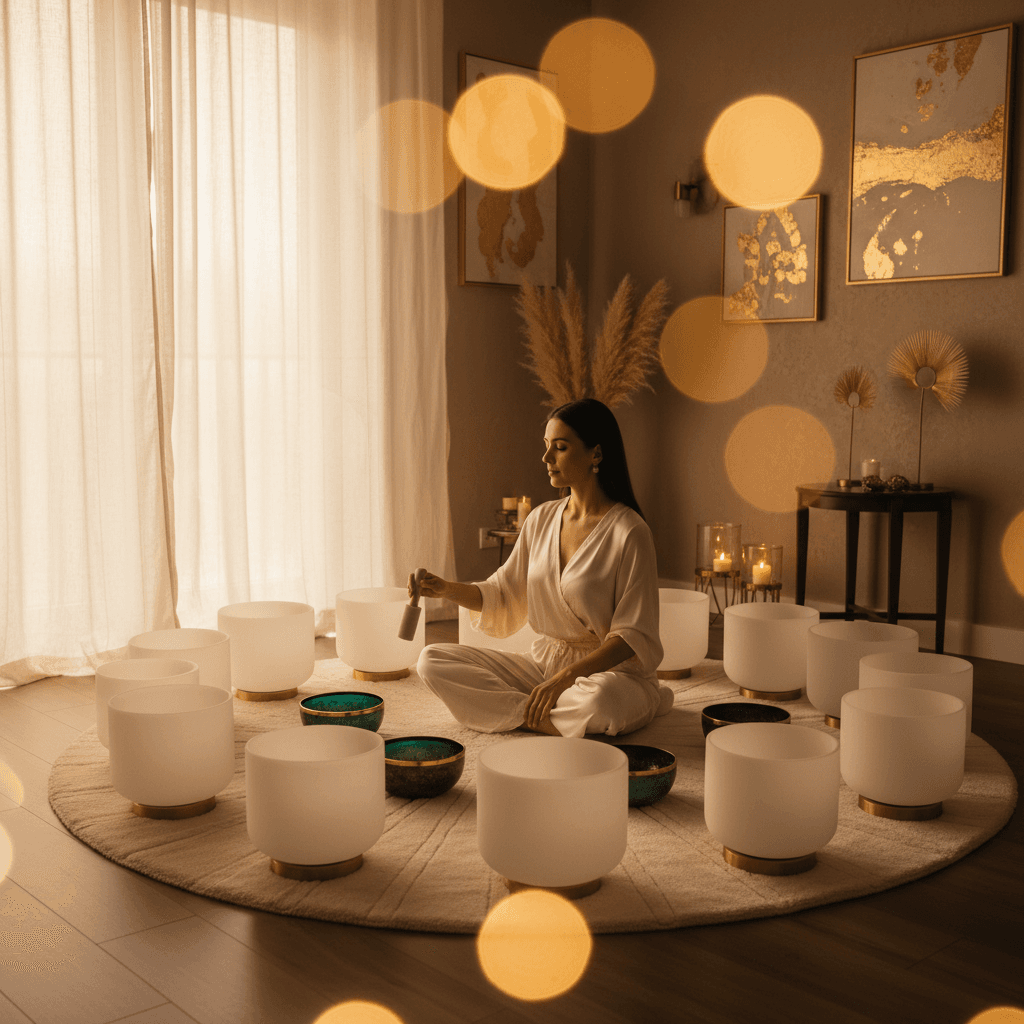
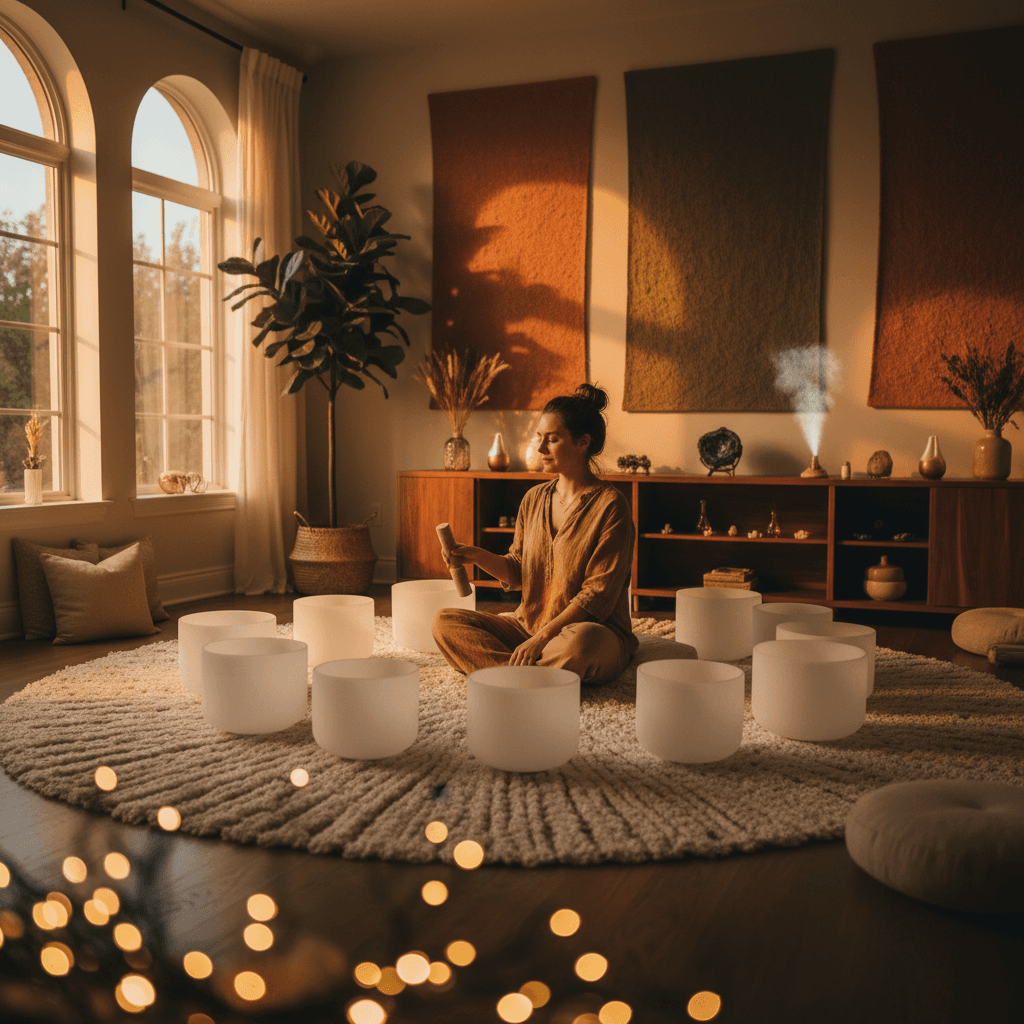
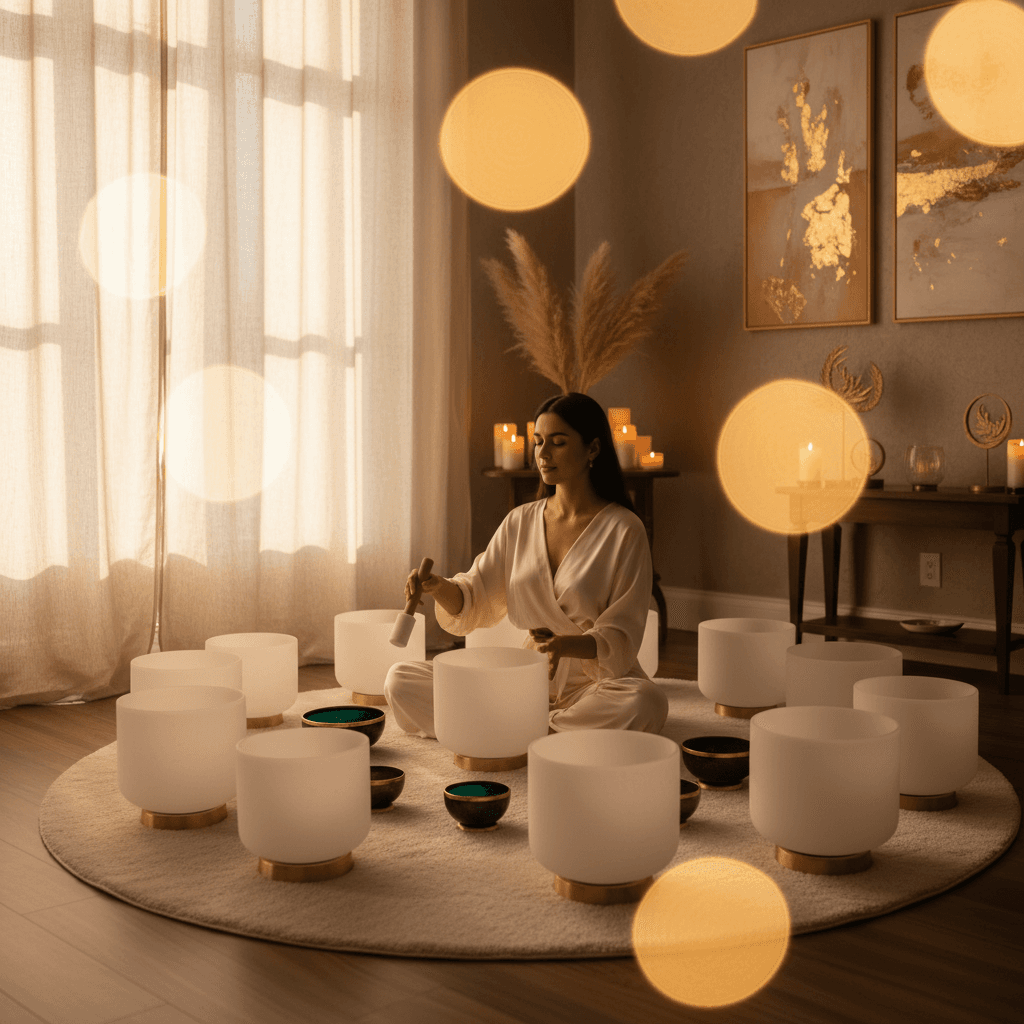
The Soul Art studio is home to a meticulously curated collection of instruments, each chosen for its unique vibrational qualities and capacity to induce deep states of relaxation. Under Larissa's expert guidance, these instruments are played to create an immersive soundscape that bathes the body in therapeutic frequencies.
These include:
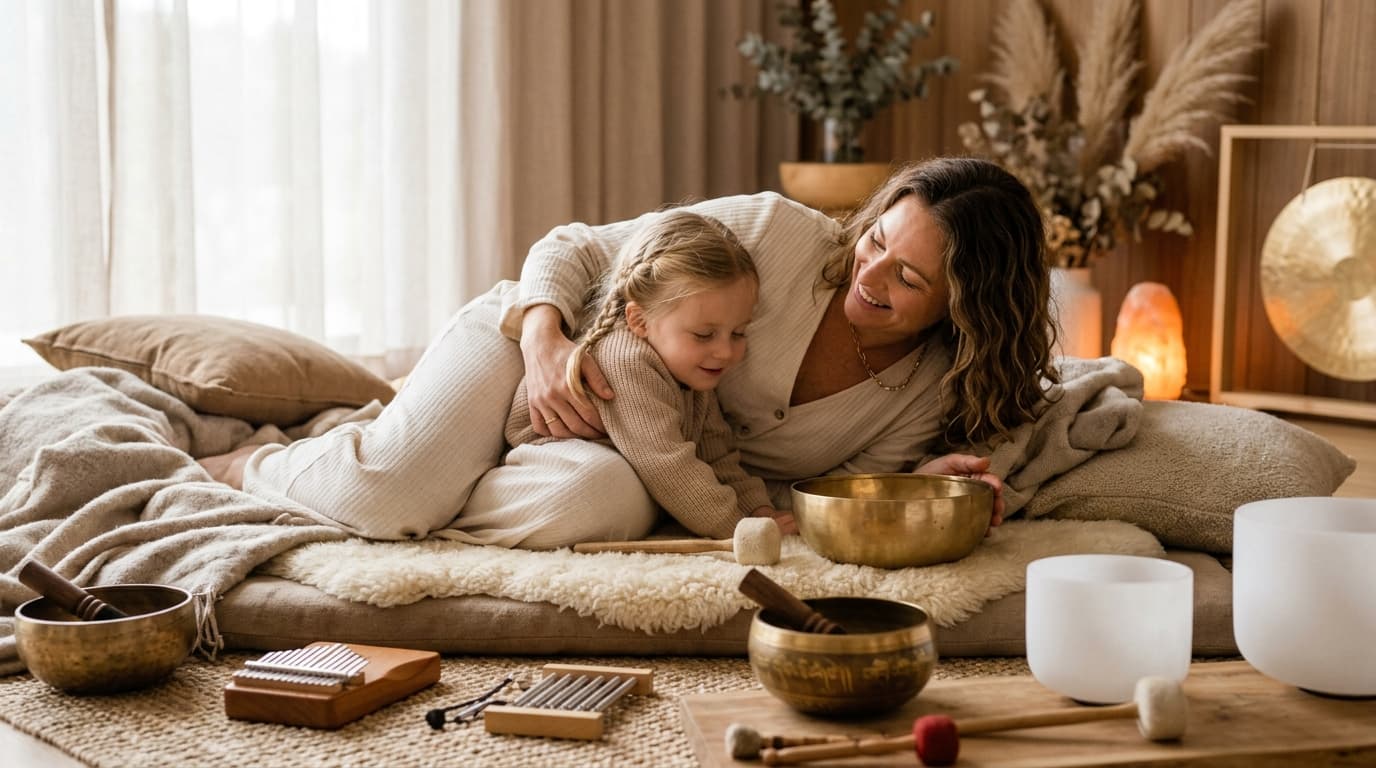
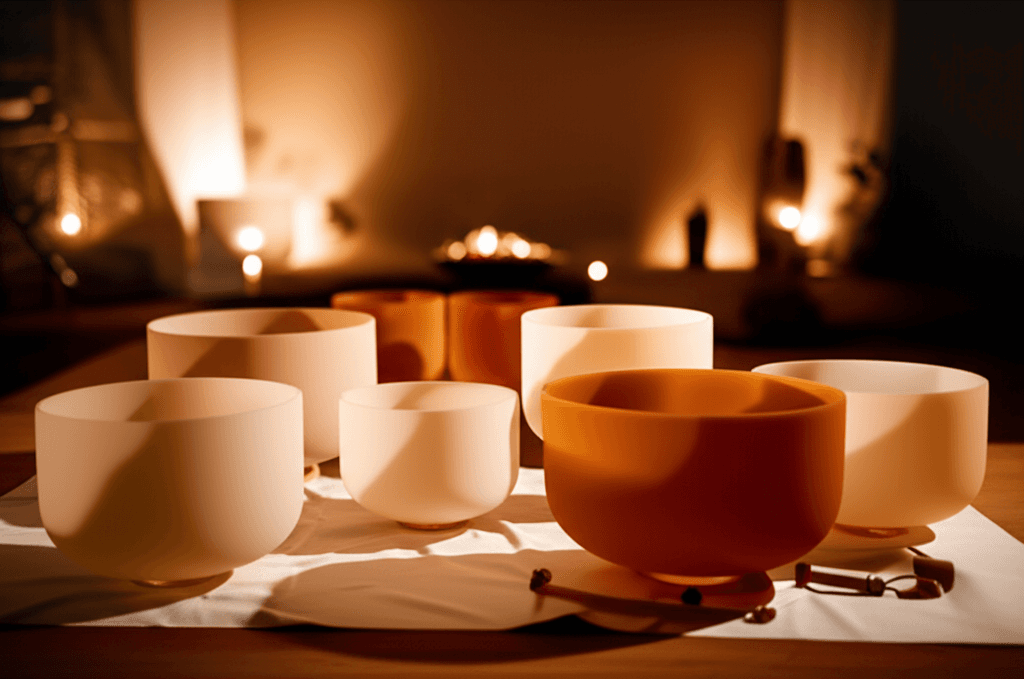
- Himalayan Singing Bowls: Known for their rich, complex overtones and sustained vibrations, these bowls are often placed directly on or around the body, allowing their resonance to penetrate deeply, potentially releasing physical and emotional blockages.
- Gongs: The powerful, expansive sounds of gongs create a "gong bath" experience, leading to profound states of meditative relaxation. Their broad frequency spectrum may help to clear mental fog and reduce systemic tension.
- Tuning Forks: Calibrated to specific frequencies (such as those associated with different organ systems or brainwave states), tuning forks are often used for targeted application, delivering precise vibrations to specific points on the body or within the energy field.
- Elemental Chimes: The gentle, ethereal sounds of chimes evoke natural elements, adding a layer of calming ambiance and subtle energetic cleansing.
- Larissa's Voice and Chanting: Larissa Steinbach often incorporates her own voice, using intuitive chanting and toning to further enhance the vibrational field. The human voice carries immense power, offering a deeply personal and soothing element to the sound journey.
Creating a Sanctuary for Solace
Beyond the instruments, the entire environment at Soul Art is designed to be a haven of "quiet luxury." From the ambient lighting and comfortable settings to the gentle aromas, every detail contributes to a sense of safety, serenity, and unconditional support. This carefully crafted atmosphere is essential for someone navigating the vulnerability of grief, providing a secure space to let go and receive.
The Soul Art method, under Larissa's compassionate leadership, focuses on stress reduction, nervous system regulation, and emotional processing, all within a nurturing framework. It offers a complementary pathway for individuals to explore the profound impact of sound as a self-care practice, potentially alleviating the acute symptoms of grief and fostering resilience during one of life's most challenging transitions. It's a journey not of forgetting, but of finding new rhythms for living.
Your Next Steps: Embracing Sound for Self-Care
Navigating the grief of losing a life partner is a deeply personal and challenging journey. While time may indeed heal, the process can be incredibly arduous, impacting both mental and physical health. Embracing self-care practices that support your nervous system and emotional wellbeing is not a luxury, but a necessity. Sound wellness, with its gentle yet profound effects, may be a powerful tool to consider.
Here are some practical steps you can take to integrate sound into your self-care routine:
- Explore Guided Sound Meditations: Many online resources offer free or subscription-based guided sound meditations. These can be a gentle introduction to the practice, providing a sense of calm and helping to quiet a restless mind. Look for meditations specifically designed for grief or deep relaxation.
- Create a Soothing Sound Environment: Curate a playlist of calming music, nature sounds (like ocean waves or gentle rain), or instrumental pieces that resonate with you. Play these softly in your home to create a peaceful atmosphere, especially during times of heightened anxiety or difficulty sleeping.
- Attend a Sound Bath Session: Experiencing a group sound bath can be incredibly therapeutic. The immersive soundscape allows you to relax deeply, often without needing to engage verbally. It offers a gentle way to connect with a community in a non-demanding setting, potentially mitigating feelings of isolation.
- Consider One-on-One Sound Wellness: For a more personalized and focused experience, individual sound wellness sessions can be highly beneficial. A practitioner like Larissa Steinbach at Soul Art can tailor the frequencies and instruments to your specific needs, offering a private space for deep relaxation and emotional support. This customized approach may address the unique manifestations of your grief.
- Integrate Daily Sound Practices: Even a few minutes of focused listening can make a difference. Try using a small singing bowl for a brief meditation, focusing on its sustained tone as a point of anchor for your awareness. This simple practice can help ground you and bring you back to the present moment.
Remember, these are complementary approaches to support your overall wellbeing. They are not intended to replace professional medical advice or therapy but can significantly enhance your self-care during this difficult time. Allowing yourself the grace and space to heal is paramount.
In Summary: Finding Resonance in Loss
The loss of a life partner creates a profound void, triggering a cascade of psychobiological changes that can severely impact an individual's health and wellbeing. From the increased mortality risk of the "widowhood effect" to compromised immune function, heightened inflammation, and the risk of stress-induced cardiac conditions, the scientific evidence underscores the immense physical toll of grief. It is a period demanding not just emotional understanding but also comprehensive, compassionate support for the body and mind.
Sound wellness, as offered by Larissa Steinbach at Soul Art, presents a holistic and gentle approach to navigating this challenging landscape. By leveraging specific frequencies and vibrations, sound practices may support the nervous system in recalibrating from a state of chronic stress, promoting deep relaxation, and facilitating emotional release. This complementary self-care practice may offer a sanctuary for those experiencing profound loss, helping to alleviate symptoms of anxiety, improve sleep, and foster a gentle return to inner balance. Embrace the potential of sound to nurture your healing journey during this tender time.
Bookings Coming Soon
Soul Art is still in preparation. Session details and booking will be published here after launch.
Coming Soon
Wellness Disclaimer: This article is for educational and informational purposes only. It does not constitute medical advice, diagnosis, or treatment. Soul Art Dubai provides non-medical wellness experiences focused on relaxation, stress management, and general wellbeing. Sound wellness is a complementary practice and should not replace professional medical care.