Sound Support: Accelerating Sports Injury Rehabilitation
Key Insights
Discover how sound wellness, including rhythmic auditory stimulation, supports sports injury rehabilitation, enhancing recovery and mental resilience.
Have you ever considered that the gentle resonance of a sound bath or the focused beat of a metronome could be a powerful ally in recovering from a sports injury? While traditional physical therapy is paramount, the journey back to full strength often involves more than just physical repair. It demands a holistic approach, encompassing mental resilience, pain management, and the intricate re-education of movement patterns.
At Soul Art, Dubai’s premier sound wellness studio, we explore the profound connection between sound and well-being. This article delves into the scientifically-backed ways that sound, particularly rhythmic auditory stimulation and specific frequencies, can complement your sports injury rehabilitation. We will uncover how these practices may support accelerated healing, enhance motor learning, and foster a serene mental state crucial for recovery, guided by the expertise of Larissa Steinbach and the unique Soul Art methodology.
The Science Explained: How Sound Shapes Recovery
The human body is an intricate symphony of systems, and injury can disrupt its harmony. Emerging research highlights the powerful role of auditory information in influencing our physiology, psychology, and even our ability to relearn movement. This understanding forms the bedrock of how sound wellness practices can act as a sophisticated support system for sports injury rehabilitation.
Neuroplasticity and Motor Relearning
Our brain possesses remarkable neuroplasticity, the ability to reorganize itself by forming new neural connections throughout life. This is crucial for relearning movement patterns after an injury. Music and rhythmic auditory information engage several brain regions simultaneously—those responsible for movement, emotion, cognition, and sensory processing. This unique, multidimensional activation helps promote neuroplasticity, which is an essential element for re-learning and refining motor skills.
Studies have demonstrated the positive effects of auditory information on motor learning and relearning in sports and rehabilitation contexts. Real-time auditory feedback, for instance, has been shown to facilitate learning and improve the retention of new motor skills. Researchers have found that movement sonification, where movements are translated into sound, may increase upper-limb functions after stroke and improve gait in patients with conditions like Parkinson's Disease. These findings suggest a direct pathway through which sound can guide and enhance physical rehabilitation processes.
Rhythmic Auditory Stimulation (RAS)
One of the most promising applications of sound in rehabilitation is Rhythmic Auditory Stimulation (RAS). This technique utilizes rhythmic patterns of sound, such as those provided by a metronome or beat-enhanced music, to facilitate the rehabilitation of intrinsically rhythmical movements. This robust body of research evidence indicates that RAS may have immediate effects on gait velocity, step cadence, and stride length, particularly for individuals recovering from lower limb injuries or surgeries.
RAS has also been observed to reduce gait variability and improve walking stability. By providing a consistent external rhythm, RAS acts as an anchor for the nervous system, helping to re-establish synchronized and efficient movement patterns. This rhythmic cueing can be invaluable for athletes striving to regain fluid and confident movement after an injury, helping to restore balance and coordination.
Pain Management and Autonomic Nervous System Regulation
The experience of pain during injury recovery is often multifaceted, involving both physiological and psychological components. Music’s ability to activate the brain’s reward systems may encourage natural analgesic effects, potentially reducing reported pain levels during post-operative recovery or physical therapy sessions. This occurs without the adverse side effects associated with pharmacological interventions.
Furthermore, auditory stimulation has been associated with helping individuals retrain their autonomic nervous system (ANS) to return to a healthier baseline. When an athlete experiences an injury, the brain processes sensory information in the thalamus, and the amygdala determines its emotional importance. This often triggers stress hormone production by the hypothalamus and ANS, generating a survival response (fight, flight, freeze) that can manifest as muscle guarding and labored breathing. Certain types of auditory stimulation can help reduce these sympathetic and dorsal vagal system responses, promoting a shift towards a more relaxed, parasympathetic state. This neurological connection between ANS regulation and acoustic information processing highlights how specific sounds can support a calmer internal environment, essential for healing.
Psychological Well-being and Social Support
Sports injuries don't just affect the body; they profoundly impact mental and emotional states. Injured athletes frequently grapple with anxiety, depression, and a loss of self-efficacy. A considerable body of research indicates that psychological factors significantly influence sport injury rehabilitation outcomes. The emotional distress and frustration stemming from an injury can impede adherence to rehabilitation protocols and delay recovery.
Music therapy interventions, alongside sound wellness practices, may offer a powerful psychosomatic approach to mitigate these psychological challenges. By engaging emotions and cognition, sound helps foster a sense of calm and presence. This can complement the crucial role of social support—from athletic trainers, coaches, and peers—which has been shown to reduce anxiety and depression during rehabilitation. Sound provides a non-judgmental, immersive experience that may support individuals in processing emotions, reducing stress, and cultivating the mental resilience needed for a focused and effective recovery journey.
"The symphony of recovery isn't just about mending bone and muscle; it's about realigning the mind and spirit, finding rhythm in resilience, and allowing sound to be a guiding note on the path back to strength."
How It Works in Practice: Experiencing Sound Support
Translating scientific principles into a tangible wellness experience is at the heart of effective sound support for injury rehabilitation. At Soul Art, we bridge this gap, offering clients an immersive journey that connects theory to real-world application, providing deeply supportive experiences.
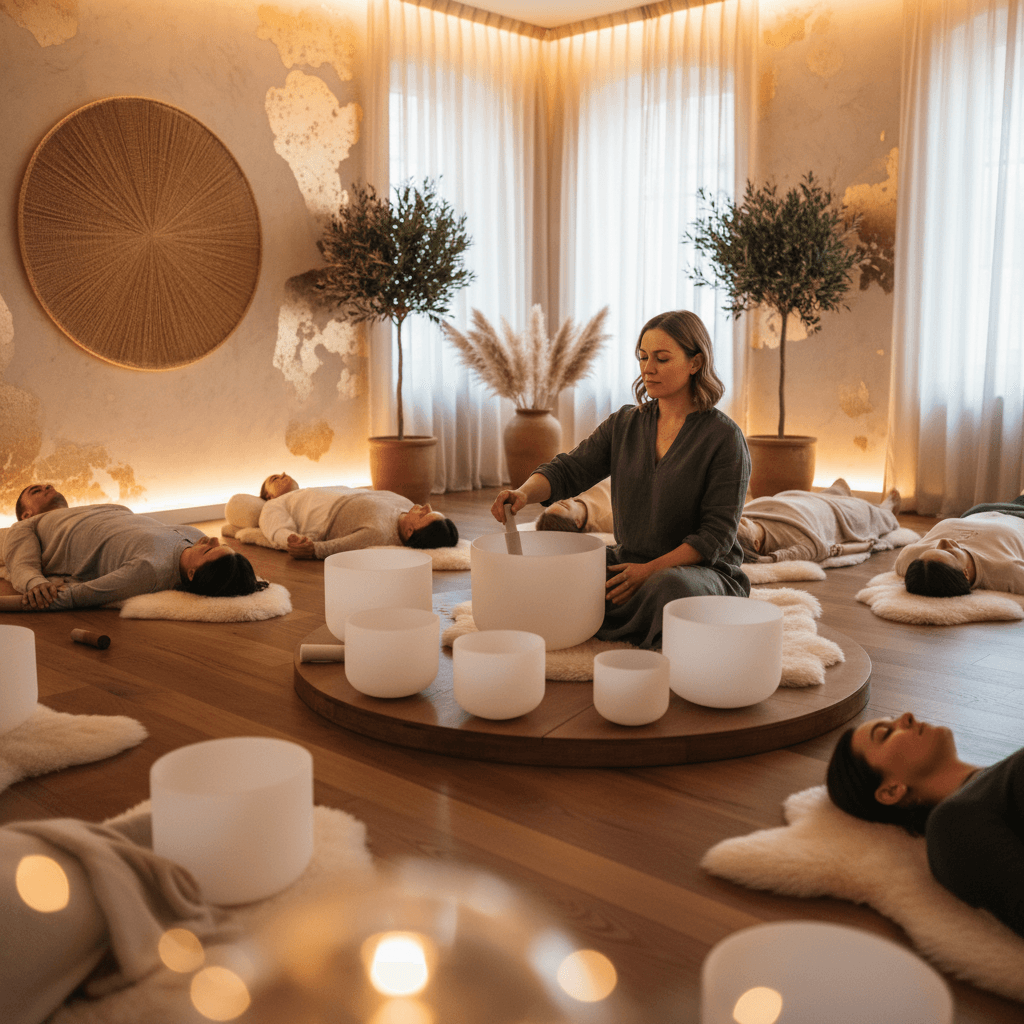
When you step into a sound wellness session, you enter a sanctuary designed for profound relaxation and restoration. Clients typically lie comfortably on a mat, often with blankets and bolsters, allowing their bodies to fully surrender. The session commences with guided breathwork, gently bringing awareness to the present moment and preparing the nervous system for the incoming frequencies. This initial focus on breath is vital for grounding and enhancing the receptivity of the body and mind.
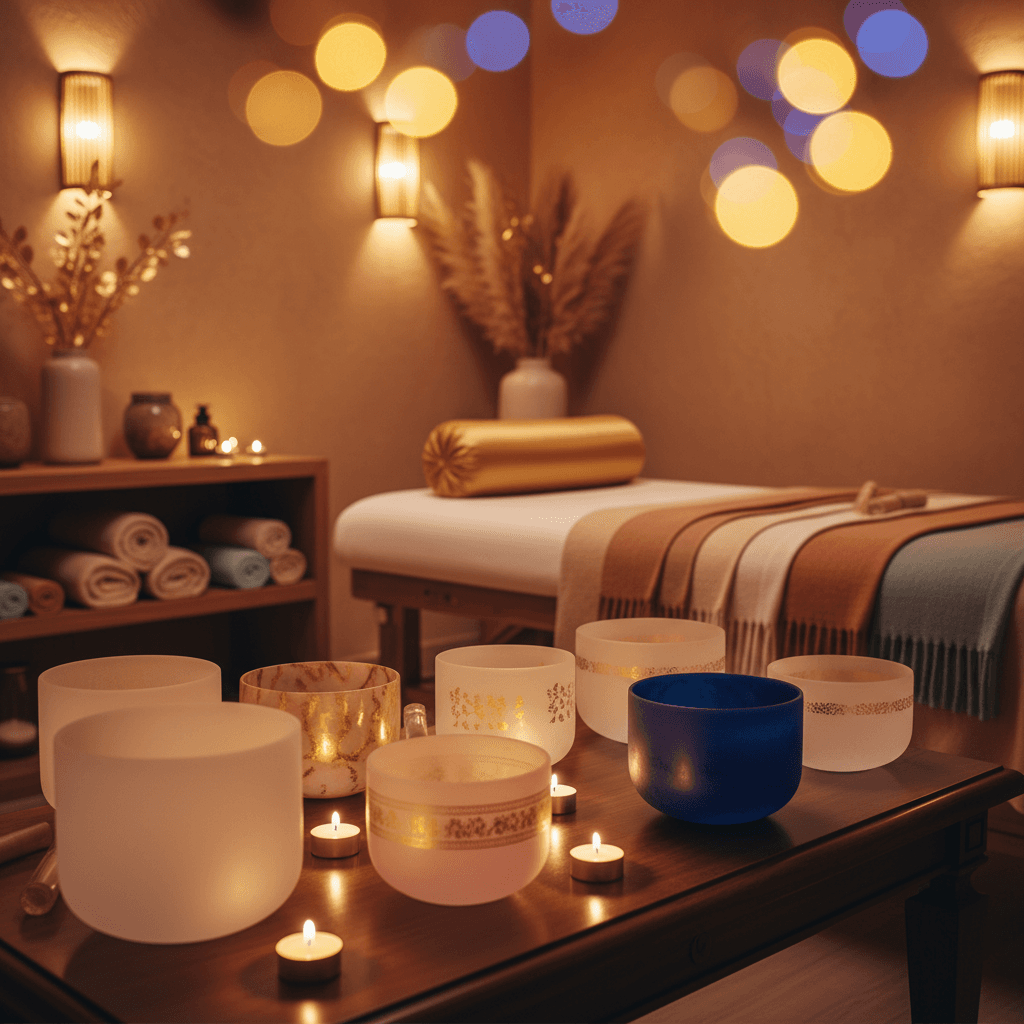
The practitioner then introduces a carefully curated array of instruments, each selected for its unique sonic signature and vibrational properties. You might hear the resonant thrum of a large gong, its deep vibrations washing over you, penetrating tissues, and promoting a sense of release. Himalayan and crystal singing bowls produce rich, sustained tones, creating an enveloping soundscape that encourages brainwave entrainment towards slower, more restorative states like alpha and theta. Chimes, rainsticks, and other percussive instruments add intricate layers, creating a diverse and dynamic auditory experience.
The sensory details are pivotal. It's not just about hearing the sounds; it's about feeling the vibrations permeate your being. Many people report a sensation of gentle internal massage as the sound waves interact with their body's water content, promoting circulation and relaxation at a cellular level. This immersive, full-body experience helps to distract the mind from discomfort, shifting focus away from pain signals and towards a sensation of deep calm and expansion.
During these sessions, the mind is encouraged to drift into a meditative state, reducing mental chatter and fostering a heightened sense of body awareness. This enhanced awareness can be incredibly beneficial during rehabilitation, allowing individuals to connect more deeply with their healing body and visualize their recovery journey. The sustained parasympathetic activation supported by these relaxing soundscapes encourages muscle relaxation, reduces tension, and creates an optimal internal environment for the body's natural restorative processes to unfold.
This practice is a complementary approach, working in harmony with any prescribed medical and physical therapies. It provides a unique avenue for holistic well-being, addressing the often-overlooked psychological and energetic dimensions of injury recovery. By cultivating a state of profound relaxation, sound wellness may help to optimize the body's capacity for self-repair, making the rehabilitation process feel more manageable and even enjoyable.
The Soul Art Approach: Larissa Steinbach's Vision
Larissa Steinbach, the visionary founder of Soul Art, believes in an integrative and holistic path to well-being, especially when navigating the challenges of sports injury rehabilitation. Her approach is rooted in the understanding that true healing extends beyond the physical, embracing the mental, emotional, and energetic aspects of an individual. At Soul Art, this philosophy translates into uniquely tailored sound wellness experiences.
What makes the Soul Art method unique is its dedication to personalized soundscapes. Larissa and her team recognize that each individual's journey with injury is distinct, and therefore, their sound support should be too. Sessions are meticulously crafted, often incorporating specific frequencies and instrument combinations chosen to address a client’s particular needs—whether it's managing discomfort, reducing anxiety, or enhancing focus for motor relearning. For athletes, this might involve integrating rhythmic elements to gently guide body awareness or utilizing specific tones to promote deeper muscle relaxation.
The studio employs a diverse array of instruments, ranging from deeply resonant gongs and crystalline singing bowls to precisely tuned tuning forks and elemental percussions. Each instrument is intentionally used to create a rich tapestry of sound that resonates with different energetic centers and physical systems within the body. Larissa Steinbach's expertise lies in intuitively selecting and playing these instruments to create an environment conducive to deep restorative states, where the body's natural healing mechanisms are encouraged.
Soul Art sessions are also distinguished by an emphasis on intention-setting. Clients are guided to set a personal intention for their recovery, whether it’s enhancing mobility, releasing pain, or cultivating patience. This mindful engagement amplifies the benefits of the sound experience, aligning the conscious mind with the body’s innate capacity for repair. This synergistic blend of precise sound delivery and mindful intention fosters a powerful healing environment, offering a unique layer of support for athletes on their path to recovery.
Larissa Steinbach’s vision for Soul Art is to provide a sanctuary where sound becomes a medium for transformation, especially during vulnerable times like injury recovery. It's about empowering individuals to tap into their inner reserves of strength and calm, cultivating a sense of holistic well-being that complements traditional rehabilitation protocols. This unique blend of ancient wisdom and modern scientific understanding positions Soul Art at the forefront of sound wellness for sports injury support in Dubai.
Your Next Steps: Integrating Sound into Your Recovery
Integrating sound wellness into your sports injury rehabilitation doesn't require an immediate overhaul of your routine. Small, consistent steps can make a significant difference in enhancing your journey to recovery. Here are some actionable ways you can begin to harness the power of sound today:
- Curate a Calming Playlist: Create a playlist of instrumental music, nature sounds, or ambient frequencies that you find deeply relaxing. Listen to this during rest periods, before physical therapy, or as you wind down for sleep. This may help to soothe your nervous system and reduce stress.
- Practice Rhythmic Breathing: Pair your breath with a gentle, consistent rhythm, perhaps using a metronome app or a piece of music with a steady beat. Focus on slow, deep inhalations and exhalations. This simple practice can help regulate your autonomic nervous system and bring a sense of calm.
- Explore Guided Sound Meditations: Many apps and online platforms offer guided meditations that incorporate sound baths or specific frequencies. These can be particularly helpful for managing pain perception, improving sleep, and cultivating mental clarity during challenging recovery periods.
- Mindful Movement with Sound: If your rehabilitation involves gentle movement, try performing exercises to music with a steady, encouraging tempo. This may help improve coordination, consistency, and focus, similar to the principles of Rhythmic Auditory Stimulation (RAS).
- Consider Professional Sound Wellness: For a deeply immersive and personalized experience, explore sessions at a dedicated sound wellness studio like Soul Art. Expert practitioners, such as Larissa Steinbach, can guide you through tailored sound journeys designed to support your unique rehabilitation needs.
These practical steps are not meant to replace medical advice or physical therapy but rather to serve as valuable complementary tools. By actively engaging with sound, you may support your body's natural healing processes, cultivate mental resilience, and enhance your overall well-being during your recovery journey.
In Summary: The Harmonious Path to Recovery
Sports injury rehabilitation is a multifaceted journey that demands attention to both physical and psychological well-being. As we've explored, sound wellness offers a powerful, scientifically-grounded complement to traditional recovery protocols. From enhancing neuroplasticity and motor relearning through rhythmic auditory stimulation to effectively managing pain and regulating the nervous system, sound provides profound support. It also plays a crucial role in cultivating mental resilience and emotional balance, which are vital components of a successful return to activity.
By embracing practices that integrate specific frequencies and intentional soundscapes, athletes may optimize their recovery trajectory. Larissa Steinbach and the team at Soul Art stand ready to guide you through this transformative process. We invite you to experience the deep restorative power of sound, allowing it to become a harmonious partner on your path to holistic healing and renewed strength. Discover how Soul Art can help you find your rhythm in recovery.
Bookings Coming Soon
Soul Art is still in preparation. Session details and booking will be published here after launch.
Coming Soon
Related Articles
Vibration Therapy for Plantar Fasciitis: A Holistic Path to Foot Wellness
Frozen Shoulder: Sound Support for Enhanced Mobility & Ease

Harmonizing Breath: How Sound Wellness May Support Sleep Apnea Management