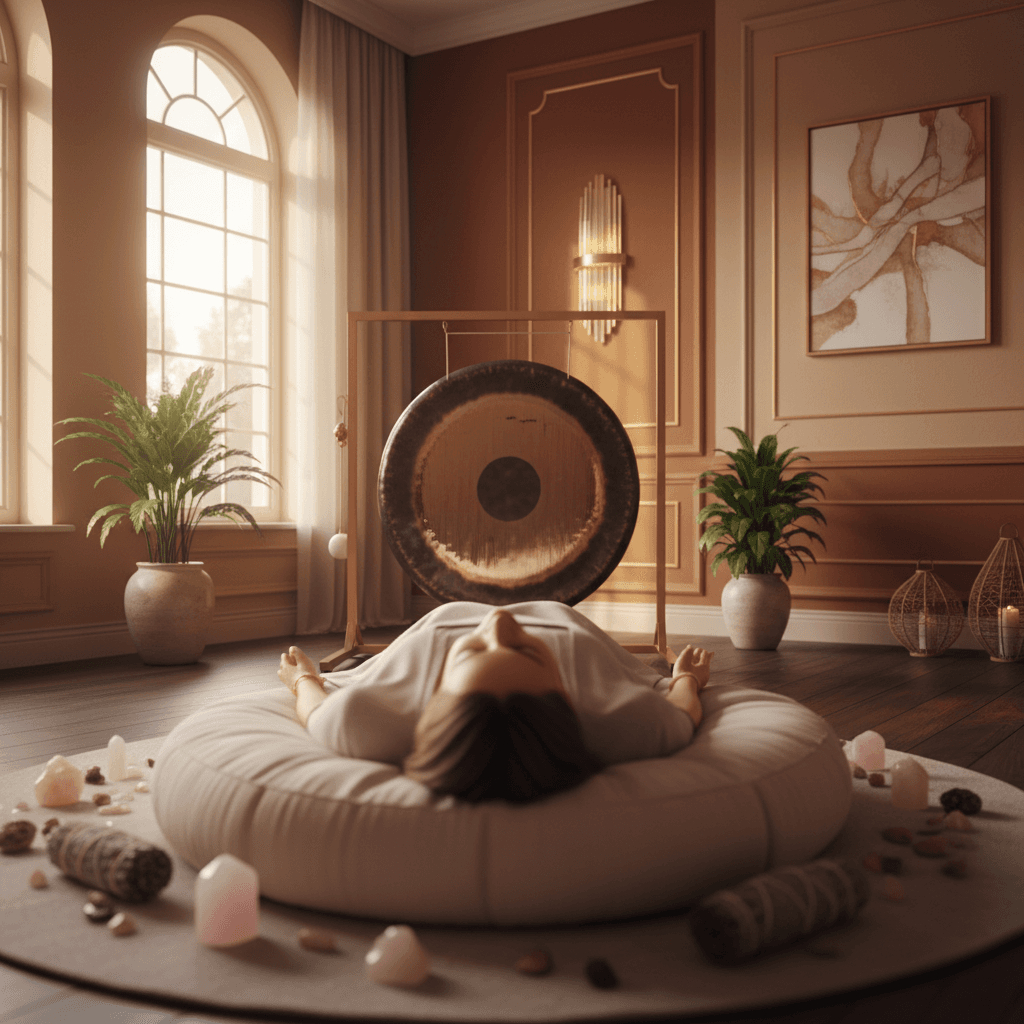
Sound Bath Design for Migraine-Prone Clients
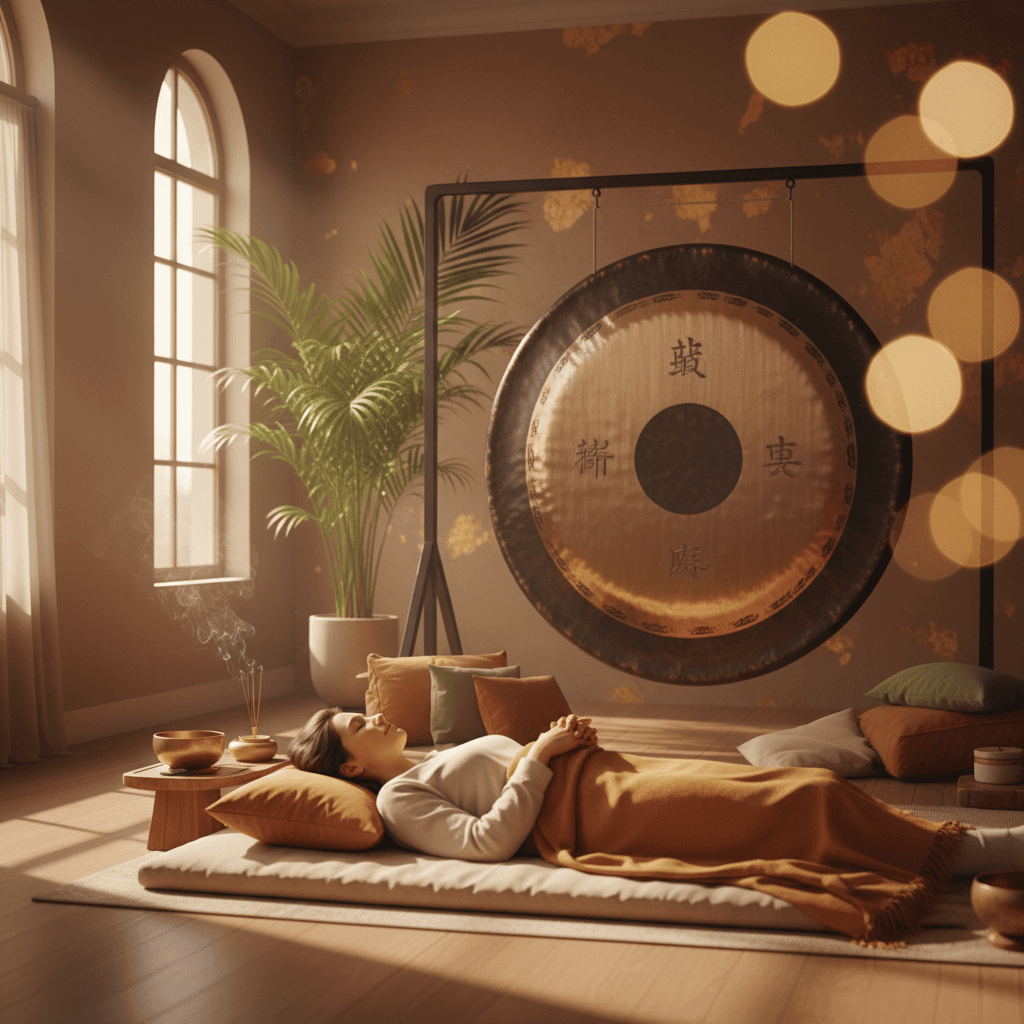
Key Insights
Discover the science of sound baths for migraine-prone individuals. Learn how Soul Art's tailored approach may support nervous system regulation and deep relaxation.
What if the very thing some people fear during a migraine—sound—could, when thoughtfully applied, become a key to profound relaxation and nervous system support? For the millions who navigate the complex neurological landscape of migraine, the world can often feel like an onslaught of overwhelming sensory input. Yet, emerging research and holistic practices suggest that a specifically designed auditory environment might not just be tolerable, but deeply beneficial.
This journal article explores the delicate art and emerging science of crafting sound bath experiences for individuals with sensory sensitivities, particularly those prone to migraine. We will delve into the neurophysiology of how sound interacts with our brain, contrast a standard sound bath with a migraine-conscious session, and reveal how meticulous design can transform sound from a potential trigger into a tool for well-being. This is a journey into creating a sanctuary of sound, where every frequency is a gentle invitation to rest and restore.
The Science Explained
To understand how a sound bath can be adapted for migraine support, we must first appreciate the intricate relationship between our nervous system, brainwave activity, and the experience of migraine. It’s a delicate dance of neurology and vibration.
### Migraine and the Hypersensitive Nervous System
Migraine is more than a headache; it's a complex neurological condition often characterized by a state of nervous system hypersensitivity. During the periods before, during, and after an attack, the brain can become exceptionally reactive to sensory stimuli like light, smell, and, crucially, sound (a condition known as phonophobia).
This heightened state is linked to the central nervous system being in a state of high alert, often dominated by the sympathetic "fight-or-flight" response. The goal of any supportive wellness practice, therefore, is to gently encourage a shift towards the parasympathetic "rest-and-digest" state, where the body can begin to relax and self-regulate.
### Sound as a Neurological Conductor
Sound is not just something we hear; it is a physical vibration that our entire body perceives. When carefully selected, these vibrations can have a profound influence on our physiological state.
-
Vagus Nerve Stimulation: The vagus nerve, a primary component of the parasympathetic nervous system, has pathways extending to the ear. Gentle, low-frequency sounds and vibrations are thought to softly stimulate this nerve, which can send signals to the brain to promote calmness, potentially helping to lower heart rate and blood pressure, as noted in several preliminary studies.
-
Brainwave Entrainment: Our brains operate on different electrical frequencies, or "brainwaves," associated with various states of consciousness. A stressed or anxious brain often exhibits high-frequency beta waves. The principle of brainwave entrainment suggests that the brain has a tendency to synchronize its dominant frequency to the rhythm of external stimuli. A well-designed sound bath uses consistent, resonant frequencies to gently guide the brain from a stressed beta state towards:
- Alpha waves: Associated with calm, wakeful relaxation.
- Theta waves: Linked to deep meditation, light sleep, and enhanced creativity.
This process is a form of passive meditation, allowing the mind to quiet down without conscious effort, which can be particularly helpful when cognitive focus is challenging during a migraine phase. Research into related fields like neurofeedback has shown that learning to alter brain activity towards calmer states can lead to significant reductions in stress and anxiety for individuals with migraine.
### Shifting the Relationship with Pain
Beyond the physiological mechanics, sound wellness practices can foster a new sense of agency. Qualitative studies on mindfulness-based interventions for migraine reveal the importance for participants of learning to disengage from and view their pain differently. A controlled, safe sound experience allows an individual to observe their sensory experience from a place of rest, rather than reaction. This fosters interoception—the awareness of one's own internal bodily states—and can empower individuals to feel more in control of their well-being.
A thoughtfully designed sound experience doesn't seek to silence the external world, but to create an internal one so coherent and peaceful that the nervous system feels safe enough to stand down.
How It Works in Practice
Translating the science into a real-world experience requires precision, empathy, and a deep understanding of sensory sensitivities. A sound bath designed for a migraine-prone client is fundamentally different from a general group session. The focus shifts from a powerful "immersion" to a gentle, predictable, and controlled "invitation" into sound.
The journey begins before the first sound is even made. A detailed consultation is essential to understand an individual's specific triggers, sensitivities, and current state. This allows the practitioner to curate a bespoke experience, eliminating potential stressors. The environment itself is paramount: lights are kept extremely low, any use of essential oils is discussed beforehand or avoided entirely, and the room is a sanctuary of quiet and calm.
Instead of a dynamic and varied performance of many instruments, the session is built on a foundation of predictability and resonance. It often starts with several minutes of complete silence, allowing the nervous system to settle. The first sounds introduced are typically very low-frequency, emanating from a single, grounding instrument like a large crystal singing bowl or a specific low-octave tuning fork. The sound is introduced softly, from a distance, giving the client’s system time to acclimate.
The experience is less about a concert and more about a consistent, vibrational hum. The practitioner avoids sudden changes in volume or frequency. High-pitched instruments like tingshas or small, sharp-sounding bells are generally omitted. The session is characterized by long, sustained tones that create a stable sonic landscape, making it feel safe and holding for a hyper-vigilant nervous system. The client is always in control, with a clear, non-verbal signal established beforehand should they need to pause or stop the session.
The Soul Art Approach
At Soul Art, we recognize that for a migraine-prone individual, safety and trust are the cornerstones of relaxation. Founded by Larissa Steinbach, our studio specializes in creating these highly customized sonic environments, moving beyond the one-size-fits-all model to offer truly client-centered care.
Larissa’s methodology is rooted in the principle of "less is more." Her sessions prioritize depth over complexity, using a meticulously selected set of instruments known for their pure, resonant, and grounding qualities. These often include:
- Large Quartz Crystal Bowls: Chosen for their deep, resonant frequencies and powerful, yet gentle, vibrations that can be felt in the body, promoting physical release.
- Specific Solfeggio Tuning Forks: Applied near the body or on specific energy centers to provide targeted, stable frequencies without overwhelming the auditory system.
- Carefully Modulated Gongs: Played with specific mallets and techniques to produce a soft, swelling hum rather than a loud, crashing sound, creating a feeling of expansion and release without the jarring impact.
The Soul Art approach is a collaborative process. Larissa Steinbach works with each client to build a sensory profile, ensuring every element of the session—from the volume to the choice of instrument—is tailored to their unique needs. This dedication to personalization and sensory safety is what allows the profound, restorative potential of sound to unfold, even for the most sensitive of individuals.
Your Next Steps
If you are prone to migraine and curious about exploring sound as a wellness tool, it’s important to approach it with intention and care. Here are a few practical steps you can take to begin your journey:
- Start with Self-Exploration: Use high-quality headphones to listen to simple, low-frequency sounds at home. Search for "theta wave music" or "432 Hz resonance" and notice how your body responds. Start with just five minutes at a low volume.
- Communicate Clearly: If you decide to attend a session, choose a private one first. Have a thorough conversation with the practitioner about your specific sound sensitivities, triggers, and what helps you feel safe and comfortable.
- Prioritize Grounding Frequencies: Ask the practitioner to focus on deep, resonant instruments like crystal bowls or low-octave instruments. Request that they avoid high-pitched chimes, cymbals, or abrupt changes in volume.
- Listen to Your Body: During any sound experience, give yourself permission to adjust. If a sound feels uncomfortable, it is. A good practitioner will have established a signal for you to communicate this non-verbally. Your comfort is the highest priority.
In Summary
For those navigating the complexities of migraine, a specialized sound bath offers a unique pathway to relaxation. It is not a treatment, but a sophisticated wellness practice designed to support a hypersensitive nervous system. By leveraging principles of brainwave entrainment and vagal nerve stimulation, a carefully curated session can help guide the body towards a state of deep parasympathetic rest.
The key lies in meticulous design: prioritizing low, resonant frequencies, ensuring environmental control, and fostering a deep sense of safety and predictability. At Soul Art, we are committed to this personalized approach, creating a sanctuary where sound becomes a gentle yet powerful ally in your journey toward greater well-being.
Bookings Coming Soon
Soul Art is still in preparation. Session details and booking will be published here after launch.
Coming Soon
Related Articles

Empowered Choices: The Art of Clarity Without Overexplaining
Unveiling the Power: Photosensitivity & Visuals in Sound Sessions
The Subtle Art of Slow Transitions: Guiding Your Brain to Calm