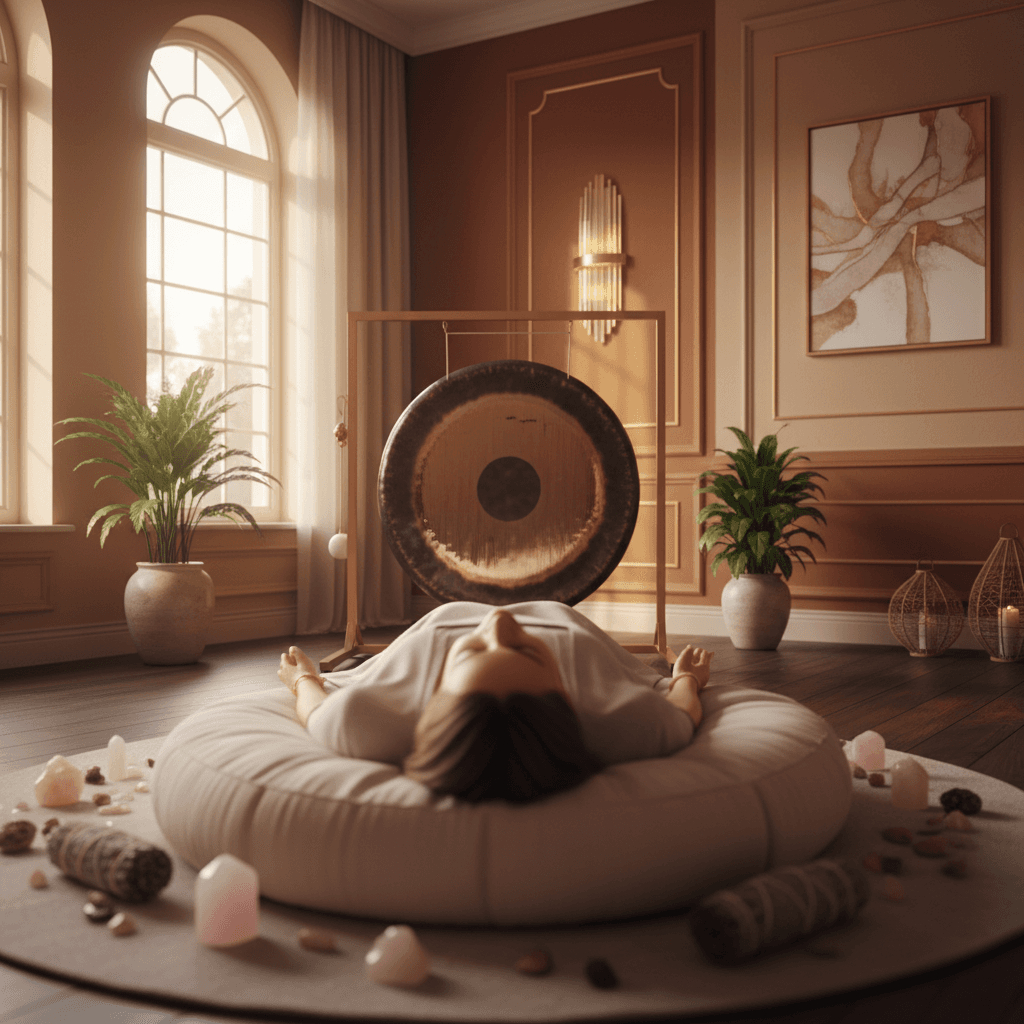
Embracing Silence: Integrating Senses for Inner Harmony at Soul Art
Key Insights
Discover how intentional silence supports sensory integration, reduces overload, and enhances wellbeing through Soul Art's unique approach with Larissa Steinbach.
The Unspoken Power: Embracing Silence for Sensory Integration
In our perpetually noisy world, the concept of silence often feels like a luxury, or perhaps even an absence. Yet, what if silence isn't merely the void between sounds, but an active, potent force capable of profoundly enhancing our well-being by helping our brains make sense of the world? This is the transformative insight that forms a cornerstone of the Soul Art philosophy, championed by our founder, Larissa Steinbach.
Join us as we delve into the scientifically intriguing role of silence in sensory integration—the crucial process by which our nervous system receives, processes, and organizes sensory input from our environment and our own bodies. Understanding this interplay can unlock new pathways to reducing overwhelm, fostering clarity, and cultivating a deeper sense of inner peace, especially in the vibrant, bustling heart of Dubai. We will explore how intentional stillness, far from being passive, can be a dynamic tool for enhancing our sensory experience and promoting holistic wellness.
The Science Explained: Decoding Silence and Our Senses
The human brain is a magnificent orchestrator, constantly integrating a symphony of sensory information to help us navigate our daily lives. From the subtle brush of fabric on skin to the complex cacophony of city sounds, our senses are always at work. The efficiency with which our brain handles this data directly impacts our emotional regulation, motor skills, and overall comfort within our own skin.
What is Sensory Integration?
Sensory integration is the neurological process that organizes sensation from one's own body and from the environment, making it possible to use the body effectively within the environment. This encompasses not only our five traditional senses (sight, sound, touch, taste, smell) but also proprioception (awareness of body position), vestibular sense (balance and movement), and interoception (internal bodily sensations like hunger or pain). When this process functions smoothly, we can respond adaptively to sensory input.
However, for some individuals, particularly those with conditions like autism spectrum disorder (ASD), sensory integration can be challenging, leading to over- or under-reactivity to stimuli. While current scientific evidence offers mixed results regarding specific therapies for these challenges, with some studies pointing to improvements in motor skills, social interaction, and adaptive behaviors, many practitioners and caregivers observe positive changes with individualized sensory experiences. This ongoing research attempts to establish long-term efficacy and cost-effectiveness, yet the importance of sensory processing for daily functioning remains widely recognized.
The Surprising Power of Silence on the Brain
Silence, far from being a mere absence, actively engages the brain. Functional imaging studies indicate that trying to hear in silence can activate the auditory cortex, suggesting that the brain isn't just "off" in quiet moments, but rather processing the absence of sound. This "sound of silence" allows the brain a unique opportunity to recalibrate.
In a world saturated with auditory input, constant noise can lead to sensory overload, making it difficult for the nervous system to organize other incoming information. Intentional periods of silence may support the brain in reducing this cognitive load. By quieting the external auditory stream, the brain may be able to dedicate more resources to integrating other sensory inputs, leading to a more coherent and organized sensory experience. This process has been associated with enhanced focus, deeper relaxation, and a renewed sense of clarity.
"True silence is the rest of the mind, and is to the spirit what sleep is to the body, nourishment and refreshment." – William Penn
Preliminary studies and anecdotal evidence suggest that integrating moments of quiet into one's daily routine may contribute to a more balanced sensory system. This allows for what researchers call multisensory integration, where information from different sensory modalities combines in the nervous system more effectively. When the auditory channel is less cluttered, the brain may be better equipped to integrate visual, tactile, and proprioceptive inputs, fostering a more integrated perception of self and environment. This can be particularly beneficial for managing stress and promoting a sense of calm.
How It Works in Practice: Cultivating Inner Harmony with Stillness
Connecting the scientific understanding of silence to our lived experience reveals powerful practical applications. Embracing stillness isn't about avoiding the world; it's about creating internal space to process it more effectively.
The Sensory Experience of Stillness
When we consciously step into a quiet environment, something profound begins to shift within. Without the constant barrage of external sounds, our attention naturally turns inward. We may start to notice the subtle rhythms of our own body – our breath, our heartbeat, the gentle hum of our internal systems. This internal focus is a critical component of interoceptive awareness, a sense often overshadowed by external stimuli.
Many people report that periods of silence help to "settle" their nervous system, reducing feelings of agitation or overwhelm. For individuals who experience sensory processing difficulties, intentional quiet can be a sanctuary, a moment for the brain to "catch up" and organize itself without being constantly reactive. This may lead to a reduction in over- or under-reactivity to subsequent sensory stimuli, allowing for more adaptive and comfortable responses in daily life. The absence of auditory distraction may also allow for a deeper appreciation of other senses, making visual inputs clearer or tactile sensations more distinct and grounding.
Practical Applications for Sensory Support
Integrating silence into daily life is a powerful, complementary approach to holistic wellness. It’s a self-care practice that can be tailored to individual needs, with many individuals reporting significant benefits. Creating designated quiet spaces in homes or workplaces may help to reset and re-center throughout the day.
Here are some ways silence works in practice:
- Reduced Overwhelm: For those prone to sensory overload, intentional quiet time can serve as a crucial reset button, helping to clear the mental clutter and calm the nervous system.
- Enhanced Focus: When external noise is minimized, the brain may be able to concentrate more effectively on specific tasks or internal reflections, improving cognitive function.
- Improved Emotional Regulation: A calmer sensory system has been associated with better emotional responses, as individuals feel less reactive and more in control.
- Deeper Self-Awareness: Silence provides an invitation to connect with one's inner landscape, fostering a stronger sense of self and presence. This introspection may support the integration of interoceptive sensations, leading to a more holistic body awareness.
These practical applications highlight that silence is not just passive quietude, but an active ingredient in managing our sensory world and supporting overall mental and emotional well-being.
The Soul Art Approach: Harmonizing with Intentional Silence
At Soul Art, Dubai's premier sound wellness studio, we understand that true harmony arises from a delicate balance – the exquisite interplay of sound and its equally powerful counterpart: silence. Our unique approach, meticulously crafted by Larissa Steinbach, integrates both elements to create a profound journey of sensory integration and deep relaxation.
Larissa Steinbach's Philosophy of Sound and Stillness
Larissa Steinbach envisions Soul Art as a sanctuary where individuals can reconnect with their inner selves through curated sensory experiences. Her philosophy goes beyond merely delivering beautiful sounds; it embraces the strategic, intentional use of silence as a vital component of the healing process. For Larissa, silence is not merely a pause between sonic expressions but an active space for the body and mind to absorb, process, and integrate the frequencies experienced.
This distinctive method ensures that the nervous system receives gentle yet profound stimulation, followed by crucial moments of quiet reflection. These periods of stillness are designed to allow the brain to efficiently organize the newly experienced sensory input, reducing sensory overwhelm and fostering a state of deep, integrated calm. It is in these quiet moments that the resonant vibrations of the gongs and singing bowls truly settle within, facilitating a deeper sense of equilibrium.
Curating a Sanctuary of Sensory Wellness
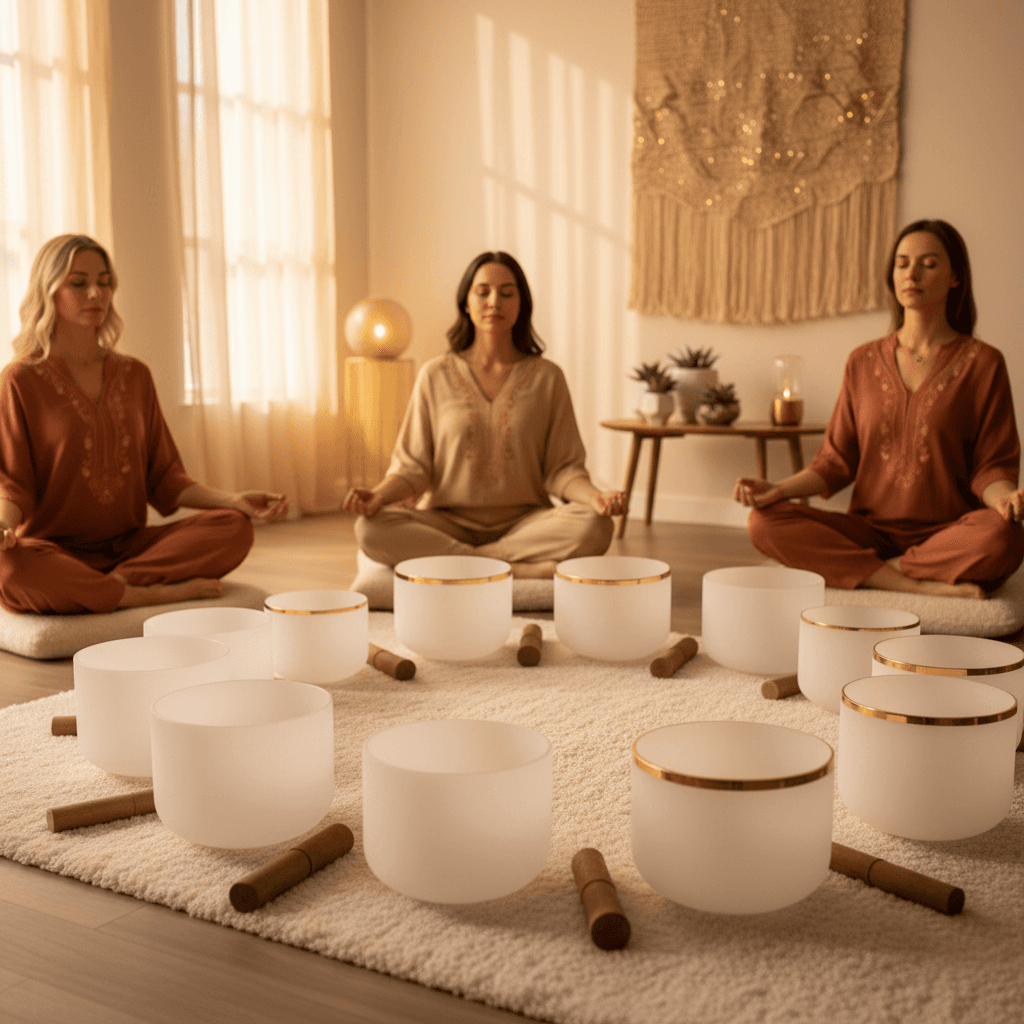
The Soul Art studio is more than just a space; it is a carefully designed environment engineered for optimal sensory wellness. From the moment you step in, the ambiance is curated to support your journey towards inner peace. The sound baths, led by Larissa Steinbach herself, utilize a range of exquisite instruments, including planetary gongs, crystal singing bowls, and chimes. These instruments produce rich, resonant frequencies that gently envelop the participant.
Crucially, the sound journeys at Soul Art are intentionally structured to include distinct periods of profound quiet. During these moments, after a cascade of harmonious vibrations, participants are invited to simply be. This intentional absence of sound may allow the nervous system to recalibrate, to integrate the subtle energetic shifts, and to find its natural rhythm. Clients often report experiencing a heightened sense of clarity, a reduction in mental chatter, and a deeply restorative feeling of integration. The interplay of expertly guided sound and deliberate silence at Soul Art aims to foster self-regulation, enhance bodily awareness, and cultivate a harmonious connection between mind, body, and spirit. It is a testament to the idea that sometimes, the most powerful sounds are those that are left unsaid.
Embracing Silence for Enhanced Well-being: Your Next Steps
Integrating silence into your life is a powerful, accessible wellness practice that can profoundly impact your sensory integration and overall well-being. It's not about escaping the world, but about equipping yourself to engage with it more mindfully and with greater resilience.
Here are practical steps you can take today to harness the power of silence:
- Schedule "Quiet Moments": Begin with just 5-10 minutes daily. Find a quiet spot, put away devices, and simply sit. Notice the sounds around you, and then let your awareness settle into the absence of prominent noise.
- Practice Mindful Breathing in Stillness: Combine silence with breathwork. Focus solely on the sensation of your breath in and out, allowing the quiet environment to amplify your internal awareness. This may support interoceptive integration.
- Create a "Sensory Quiet Corner": Designate a small space in your home that is free from visual clutter and loud noises. Use it for reading, contemplation, or simply resting your senses. This can be a valuable tool for managing sensory input throughout the day.
- Embrace Digital Detox: Regularly disconnect from screens and digital notifications. This reduces a significant source of auditory and visual stimulation, potentially allowing your nervous system to rest and reorganize.
- Explore Guided Sound and Silence: Consider experiencing a professionally guided sound wellness session, especially those that intentionally incorporate periods of silence, like those offered at Soul Art. This provides a structured environment for deep sensory integration.
Ready to restore your nervous system and discover a profound sense of calm through the synergistic power of sound and silence? Soul Art offers a unique pathway to integrated well-being.
In Summary: The Symphony of Stillness
Silence is far from empty; it is a rich landscape where our senses can find harmony and our nervous system can recalibrate. The scientific understanding of sensory integration underscores the vital role of processing all sensory input, and intentional stillness may significantly support this complex neurological function, reducing overwhelm and fostering clarity. By consciously integrating moments of quiet into our lives, we offer our brains the invaluable opportunity to organize, reset, and truly integrate the world around us.
At Soul Art, Larissa Steinbach has masterfully woven this understanding into a unique wellness experience, demonstrating that the profound interplay between expertly guided sound and deliberate silence can lead to a deeper sense of self, enhanced regulation, and enduring inner peace. Discover how embracing silence can transform your sensory experience and elevate your well-being.
Bookings Coming Soon
Soul Art is still in preparation. Session details and booking will be published here after launch.
Coming Soon
Wellness Disclaimer: This article is for educational and informational purposes only. It does not constitute medical advice, diagnosis, or treatment. Soul Art Dubai provides non-medical wellness experiences focused on relaxation, stress management, and general wellbeing. Sound wellness is a complementary practice and should not replace professional medical care.
Related Articles

Empowered Choices: The Art of Clarity Without Overexplaining
Unveiling the Power: Photosensitivity & Visuals in Sound Sessions
The Subtle Art of Slow Transitions: Guiding Your Brain to Calm