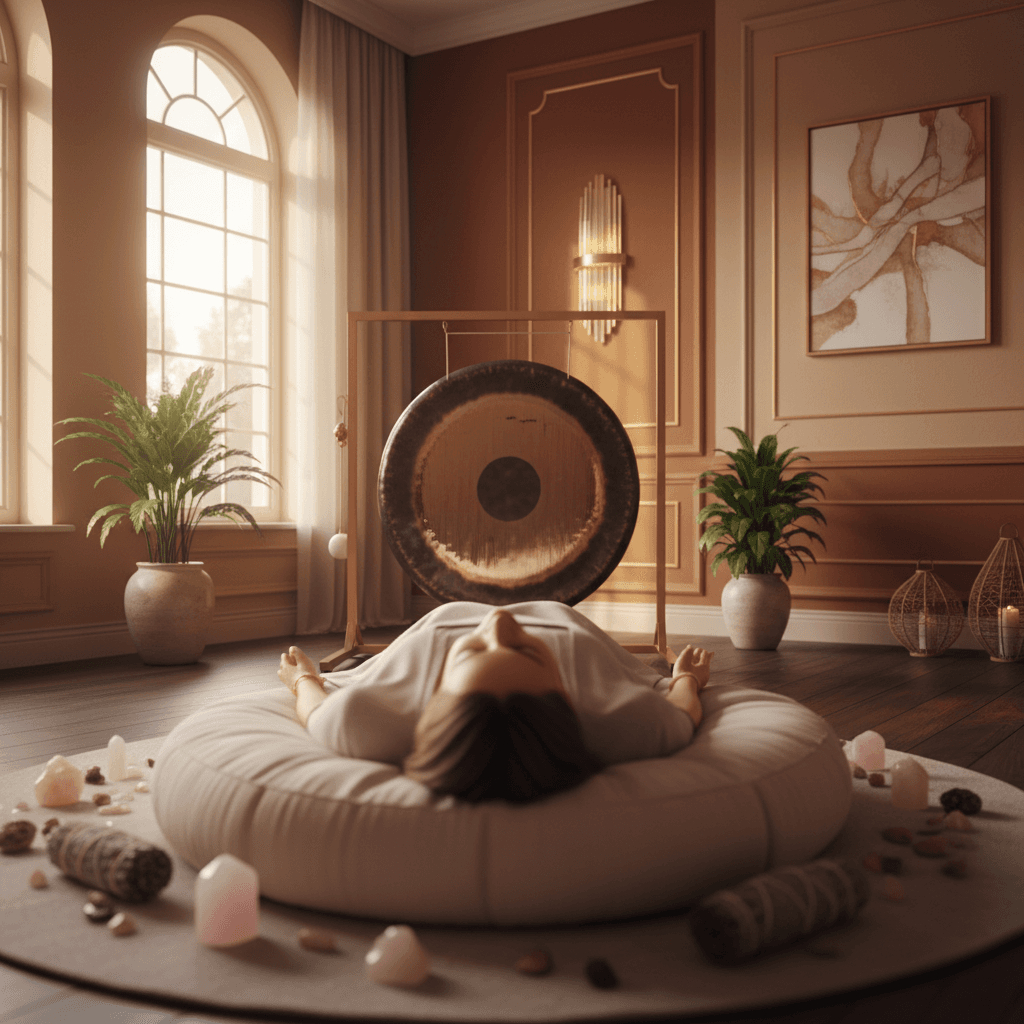
Embracing Your Control: Autonomy in Sensory Wellness
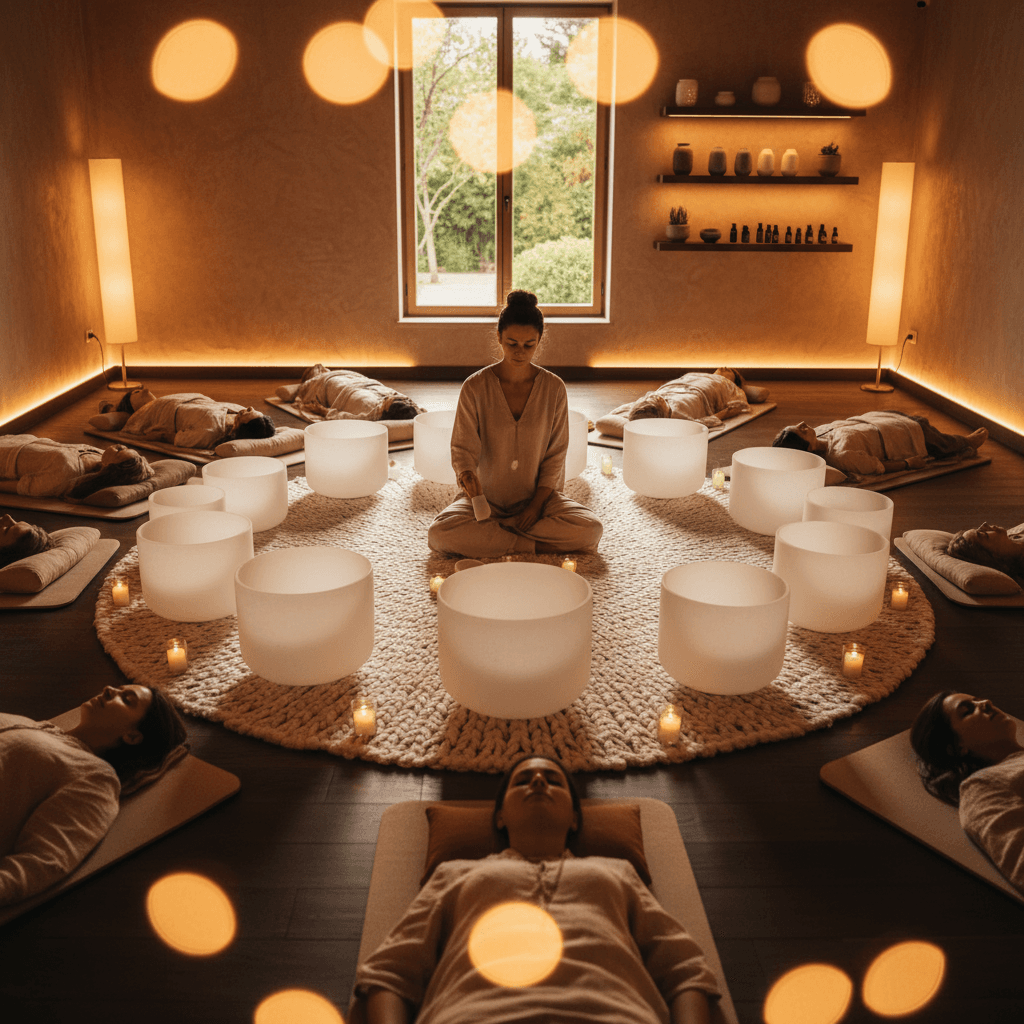
Key Insights
Discover how client autonomy in sensory wellness spaces, championed by Soul Art's Larissa Steinbach, is a biological imperative for deep relaxation and well-being.
Have you ever walked into a space designed for relaxation, yet felt inexplicably on edge? Perhaps the lighting was too bright, the music not to your taste, or the seating just didn't feel right. This common experience points to a profound truth often overlooked in wellness design: the innate human need for personal autonomy.
At Soul Art, Dubai's premier sound wellness studio, founded by the visionary Larissa Steinbach, we understand that true well-being is not a passive reception but an active co-creation. This article delves into the critical role of client autonomy in sensory wellness spaces, exploring the deep scientific foundations that underscore its importance for our nervous system and overall health. We will uncover why the ability to exert control over one’s environment is not merely a preference, but a biological imperative for profound relaxation and restoration.
The Science Explained: Autonomy as a Biological Imperative
The concept of personal autonomy in wellness design is far more than a luxury; it is a fundamental biological necessity for well-being, deeply rooted in neuroscience and psychology. Research overwhelmingly demonstrates that our ability to control our environment is crucial for regulating emotional and physiological responses to stress. This perception of control is an innate, evolutionarily adaptive trait, not simply a learned preference.
Self-Determination Theory and Neurobiological Foundations
At the heart of this understanding lies Self-Determination Theory (SDT), which posits that autonomy, competence, and relatedness are innate psychological needs essential for human flourishing. When these fundamental needs are supported, individuals tend to experience greater motivation, engagement, and psychological well-being. Conversely, when the need for autonomy is thwarted, particularly in environments designed for calm, the impact can be detrimental.
Neuroscientific research validates SDT, revealing a profound connection between perceived control and our internal physiological states. The absence of control is, in itself, a significant stressor. Studies involving both animals and humans reveal that when an organism is subjected to an uncontrollable stressor, it exhibits heightened autonomic arousal, increased release of stress hormones like cortisol, and even immune system suppression. This cascade of negative physiological and psychological consequences contributes to what is known as allostatic load—the "wear and tear" on the body that accumulates when individuals are exposed to chronic stress.
The Power of Perception and Reduced Allostatic Load
Conversely, the mere perception of control over the same stressor can dramatically inhibit these maladaptive responses. This highlights the incredible power of our brain to influence our body's stress response. When individuals feel they have a say in their sensory environment, their nervous system can move towards a state of greater regulation and peace. This is particularly vital for neurodivergent individuals, whose baseline sensory processing may already operate at a higher metabolic cost. For them, environments that lack choice or flexibility can quickly lead to sensory overload and significantly elevated allostatic load.
Therefore, designing for autonomy is a proactive, evidence-based public health strategy aimed at mitigating the chronic stress and high allostatic load experienced by many individuals in environments that are misaligned with their neurological makeup. It's about providing the necessary inputs for a healthy, well-regulated nervous system, ensuring that wellness spaces truly serve their purpose.
How It Works in Practice: Crafting Autonomy-Enhancing Spaces
Translating the scientific imperative of autonomy into practical wellness environments requires thoughtful design and a deep understanding of individual sensory needs. This is where the concept of Autonomy-Enhancing Imperatives comes into play, creating spaces rich with choice and opportunities for personal control. It's about empowering individuals to tune their environment to their unique neurological requirements, rather than conforming to a rigid, one-size-fits-all model.
Diverse Sensory Needs and Customization
New research, particularly from the University of South Australia, underscores the incredible diversity of sensory needs, especially within communities like autistic adults. What calms one person may overstimulate or distress another. Lead author Connor McCabe emphasizes that "calming spaces must move beyond child-focused models and prioritise autonomy." This means offering flexibility in key sensory factors such as lighting, sound, and touch. Adjustable lighting, varied seating options, and diverse soundscapes are not just preferences; they are critical elements for fostering a sense of safety and relaxation.
Many conventional sensory room features, like vibration-based devices or wall projections, were not widely valued by participants in McCabe’s study. Instead, respondents frequently called for more natural elements—greenery, calming water features, and importantly, the ability to control aspects like temperature, sound levels, and even who is permitted entry. Privacy, too, emerged as a crucial component, allowing individuals to engage with their chosen sensory inputs without external distraction or social pressure.
The Role of "Travel Control Autonomy" and "Energy Autonomy Manifestation"
In practical application, Travel Control Autonomy manifests as the freedom to move within a space, to choose a specific nook or corner, or to adjust one's position to optimize comfort. This contrasts sharply with restrictive, windowless enclosures that, despite good intentions, can often exacerbate anxiety by taking away a sense of autonomy and connection to the outside world. Views to green spaces, for example, have been associated with a calming effect.
Energy Autonomy Manifestation describes how personal control actively reduces the metabolic energy expenditure associated with filtering overwhelming or misaligned sensory inputs. When the environment is customizable, the nervous system expends less energy on vigilance and more on restoration. Features like curtains for adjustable privacy, soft seating, muted color palettes, and low-glare lighting are all tangible elements that contribute to creating a human-centered space where individuals can truly relax and self-regulate. By providing these choices, wellness spaces become proactive tools for mitigating chronic stress and supporting a healthy nervous system, rather than inadvertently adding to allostatic load.
The Soul Art Approach: Larissa Steinbach's Vision for Personalized Wellness
At Soul Art, Larissa Steinbach has meticulously designed a sanctuary where the principle of client autonomy is not just acknowledged but deeply embedded into every aspect of the experience. Her approach moves beyond the conventional, recognizing that true sonic wellness is a deeply personal journey. This philosophy positions Soul Art as a leader in creating truly human-centered, sustainable wellness environments in Dubai.
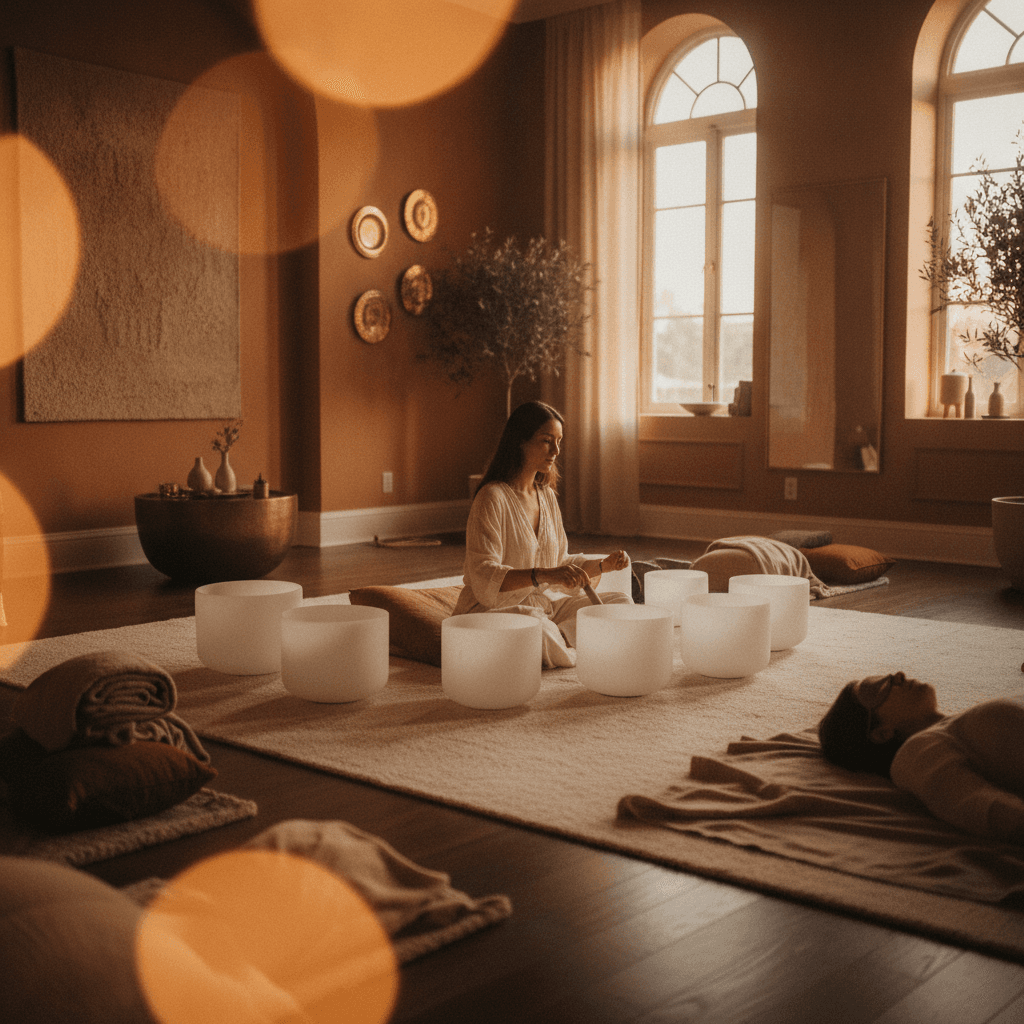
Larissa Steinbach's vision manifests in spaces that are inherently flexible and responsive to individual needs. Upon entering, clients are not funnelled into a prescribed experience, but rather invited to co-create their journey. This begins with subtle yet powerful choices: from selecting their preferred resting position on comfortable, varied seating options to adjusting ambient lighting levels or choosing the specific focus of their sound journey.
Tailoring Your Sonic Landscape
The Soul Art method leverages the profound power of sound to facilitate deep relaxation and nervous system regulation. However, unlike fixed sound baths, Soul Art sessions, often guided by Larissa herself, offer elements of Energy Autonomy Manifestation through personalized soundscapes. While core instruments like Himalayan singing bowls, gongs, and crystal bowls are foundational, the intensity, duration, and even the combination of sounds may be intuitively adjusted by the practitioner based on real-time client feedback and energetic resonance.
"Wellness is not a 'one-size-fits-all' prescription. It's about empowering each individual to find their unique frequency of balance and calm," says Larissa Steinbach.
This bespoke approach extends to the surrounding sensory environment. Clients may choose from different blankets, pillows, and even request specific essential oil diffused subtly, all contributing to their holistic comfort. Privacy is also paramount, with thoughtfully arranged spaces that allow for undisturbed contemplation, aligning with the research highlighting the importance of personal space and quiet introspection for many individuals, including neurodivergent learners and introverts.
Beyond Sound: A Holistic Sensory Experience
Larissa Steinbach understands that sound is one part of a multi-sensory experience. The studio's commitment to Autonomy-Enhancing Imperatives means integrating adjustable features across all sensory modalities. The curated aesthetic of Soul Art, with its muted color palette, natural textures, and subtle biophilic design elements (such as natural light and subtle greenery), further creates an environment that supports calm without imposing rigid structures. These design choices are not merely decorative; they are intentional, evidence-based elements that promote emotional regulation and a profound sense of safety.
The Soul Art experience is an embodiment of Self-Determination Theory, nurturing an environment where individuals feel competent in choosing their path to wellness and connected to their inner peace. By prioritizing choice and control, Larissa Steinbach ensures that Soul Art provides not just a service, but a truly empowering journey towards a well-regulated nervous system and sustainable well-being.
Your Next Steps: Cultivating Autonomy in Your Wellness Journey
Embracing personal autonomy in sensory wellness is a powerful step towards a more regulated nervous system and sustained well-being. Here are some actionable steps you can take today to integrate these principles into your life:
- Become Your Own Sensory Advocate: Pay close attention to your body's responses to different sensory inputs. What lighting, sounds, textures, or temperatures genuinely make you feel relaxed versus tense? Recognize that your needs are unique and valid.
- Seek Adjustable Environments: Whenever possible, choose spaces that offer control over sensory elements. This could be as simple as adjusting your laptop screen brightness, choosing a quiet corner in a cafe, or finding a wellness studio that prioritizes personalized experiences.
- Practice Mindful Self-Regulation: Before or during a potentially overwhelming sensory experience, pause and check in with yourself. Can you make a small adjustment (e.g., put on headphones, move to a quieter spot, wear comfortable clothing)? Empowering yourself with these small choices can significantly reduce perceived stress.
- Explore Complementary Wellness Practices: Consider incorporating practices like breathwork, meditation, or sound wellness into your routine. These modalities often offer a profound sense of internal control and self-regulation, helping you manage stress responses from within.
- Experience Personalized Sound Wellness: If you're seeking an environment specifically designed to honor your sensory autonomy, consider a visit to Soul Art. Discover how Larissa Steinbach and her team create bespoke sound journeys that empower you to tailor your path to deep relaxation and nervous system restoration.
In Summary: The Unifying Power of Choice at Soul Art
The journey towards profound well-being is intrinsically linked to our innate need for autonomy. As scientific research consistently reveals, the ability to exert control over our sensory environment is not a mere preference, but a biological imperative for regulating our nervous system and mitigating chronic stress. By honoring this fundamental need, wellness spaces can transform from passive experiences into dynamic catalysts for deep relaxation and self-restoration.
Larissa Steinbach and Soul Art stand at the forefront of this evolution, meticulously crafting a sanctuary where every individual is empowered to personalize their path to sonic and sensory harmony. Through thoughtful design, flexible experiences, and a deep respect for diverse needs, Soul Art offers more than just sound wellness; it offers the freedom to reclaim your calm. We invite you to experience the profound benefits of a truly autonomous wellness journey.
Bookings Coming Soon
Soul Art is still in preparation. Session details and booking will be published here after launch.
Coming Soon
Wellness Disclaimer: This article is for educational and informational purposes only. It does not constitute medical advice, diagnosis, or treatment. Soul Art Dubai provides non-medical wellness experiences focused on relaxation, stress management, and general wellbeing. Sound wellness is a complementary practice and should not replace professional medical care.
Related Articles
Empowered Choices: The Art of Clarity Without Overexplaining
Unveiling the Power: Photosensitivity & Visuals in Sound Sessions
The Subtle Art of Slow Transitions: Guiding Your Brain to Calm