Sound for Rest: Comforting Sleep in Hospice Care with Soul Art

Key Insights
Explore how sound wellness offers profound comfort and supports rest for hospice patients and caregivers, drawing on scientific insights and Soul Art's compassionate approach.
Sound for Rest: Comforting Sleep in Hospice Care with Soul Art
Imagine a space where the profound final moments of life are met not with silence or distress, but with a gentle, supportive embrace of sound. New research indicates that the sense of hearing often persists until the very end of life, even when individuals are unresponsive. This astonishing discovery opens a powerful avenue for providing comfort and facilitating a deeper sense of peace during critical times.
For both patients in palliative care and their dedicated family caregivers, the journey can be fraught with significant challenges, particularly concerning rest and emotional well-being. Sleep disturbances are remarkably prevalent, contributing to heightened anxiety and a reduced quality of life. At Soul Art, Dubai's premier sound wellness studio, founded by Larissa Steinbach, we explore how the carefully curated world of sound can become a vital complementary approach to support deep rest and emotional solace.
This article delves into the science behind persistent hearing, the pervasive struggles with sleep in hospice environments, and how sound wellness, delivered with compassionate expertise, may offer a unique form of comfort. We will uncover practical applications and the distinctive Soul Art methodology, offering insights into fostering tranquility in the most sensitive of settings. Discover how intentional soundscapes can transform end-of-life care, bringing moments of profound calm to those who need it most.
The Enduring Sense: Hearing at Life's Horizon
The human journey culminates in a period often marked by introspection and reflection, yet our understanding of sensory perception during these final hours has historically been limited. Recent scientific advancements are now shedding light on the remarkable resilience of one of our most fundamental senses: hearing. This research provides a compelling foundation for integrating sound as a source of comfort and connection.
The Persistence of Hearing: A Scientific Revelation
Groundbreaking research from the University of British Columbia (UBC Psychology), led by Dr. Elizabeth Blundon and Professor Dr. Lawrence Ward, has offered profound insights into the dying brain's capacity to process sound. Using electroencephalography (EEG), a technique that measures electrical activity in the brain, researchers compared brain responses in healthy individuals, conscious hospice patients, and the same hospice patients when they had become unresponsive. The study was conducted at St. John Hospice in Vancouver, focusing on individuals receiving palliative care.
The findings were remarkable: the data showed that a dying brain can respond to sound, even in an unconscious state, up to the very last hours of life. This persistence suggests that the auditory pathway remains active, capable of processing acoustic stimuli. While the researchers note they cannot confirm whether individuals are consciously aware of what they are hearing, the brain activity itself indicates a continued engagement with the auditory environment.
Dr. Ward emphasized the careful analysis required to identify specific cognitive processes, ensuring that the brain responses observed in unresponsive patients were similar to those in neuro-typical participants. This continuity of hearing underscores the profound meaning in being present, whether in person or by phone, and expressing love, as "the sounds of loved ones helped comfort people when they were dying," according to hospice staff observations. This scientific validation gives credence to the deeply intuitive practice of speaking to or playing calming sounds for individuals nearing the end of their lives, providing a comforting presence during their transition.
The Profound Impact of Sleep Disturbances in Palliative Care
The emotional and physical demands of palliative care create a challenging environment for both patients and their families, with sleep disturbances emerging as a prevalent and debilitating issue. The consequences of poor sleep extend far beyond simple fatigue, deeply affecting overall well-being. Understanding this pervasive problem is crucial for developing supportive strategies.
A significant study by the University of Pennsylvania (LDI UPenn) revealed that a staggering 73% of family caregivers for home hospice patients experienced profound sleep problems. This was particularly true for primary, live-in caregivers, with almost 4 in 10 reporting trouble falling or staying asleep at least half of the days in a two-week period. These sleep disturbances were directly linked to more severe anxiety, depression, and a diminished quality of life for caregivers. Importantly, some caregivers continued to struggle with sleep even after their loved one had passed, highlighting the long-lasting impact of this intense period.
For patients themselves, sleep issues are equally, if not more, prevalent. Studies published in Palliative and Supportive Care journals indicate that more than 60% of palliative care patients struggle with sleep disorders. These issues manifest as difficulty falling asleep, early morning awakenings, prolonged night awakenings, and non-restful sleep, leading to daytime sleepiness. Poor sleep quality in these patients is strongly associated with increased pain, inflammation, the development or worsening of anxiety and depression, and an increased potential for falls. Such disorders are not just a discomfort but a significant burden that severely impacts their quality of life.
Another aspect that profoundly affects the environment, particularly for listeners, is the "death rattle"—a noisy sound produced by retained secretions in the pharynx as a patient becomes weaker or unresponsive. While new research by Campbell suggests that this sound is not indicative of patient distress, it can be extremely distressing for family members and professional caregivers to hear. This distinction highlights the need for interventions that address the listener's emotional well-being, complementing medical care and creating a more peaceful environment for all present.
Sound and the Brain: A Path to Rest
The therapeutic potential of sound and music has been recognized across cultures for millennia, and modern science is continually validating its physiological and psychological benefits, particularly in the realm of rest and anxiety reduction. Sound wellness practices leverage specific frequencies and tones to gently guide the brain and body into states conducive to relaxation and sleep.
Research consistently demonstrates music's capacity to improve sleep quality. Studies have shown that listening to calming music can significantly enhance the quality of sleep in various populations, from students to individuals experiencing anxiety. For instance, controlled studies have indicated improvements in sleep architecture and overall restfulness. Beyond general sleep, music therapy has been specifically found to alleviate anxiety levels and improve sleep patterns in vulnerable populations, such as women in shelters.
In the context of palliative care, the benefits of sound are particularly salient. A study examining the effect of music and progressive muscle relaxation found positive outcomes in reducing anxiety, fatigue, and improving the quality of life for family caregivers of hospice patients. This highlights sound's potential to support the entire caregiving ecosystem, not just the patient. For patients, music-based interventions have been associated with reductions in anxiety, a common symptom in end-of-life care. A pilot EEG study also demonstrated that monochord sounds combined with progressive muscle relaxation could reduce anxiety and improve relaxation during chemotherapy.
Moreover, sound interventions have shown an association with positive physiological changes. Research has observed reductions in vital parameters such as heart rate, respiratory rate, and both systolic and diastolic blood pressure following music therapy sessions. While the impact on oxygen saturation levels has varied across studies, some have noted improvements. These findings suggest that sound is a safe, simple, and non-invasive complementary approach that may significantly relieve anxiety and support overall well-being for terminally ill patients, enhancing their quality of life in their final days. The gentle, pervasive nature of sound allows it to bypass cognitive resistance, offering solace even when other forms of engagement may be challenging.
"In the quietude of sound, we find not an escape from reality, but a deeper connection to our innate capacity for peace and healing, especially when other senses begin to recede."
Harmonizing the Environment: Sound Wellness in Hospice
Connecting the scientific understanding of persistent hearing and the pervasive need for peace and rest, sound wellness offers a practical, compassionate application within hospice and palliative care settings. It transforms the environment, fostering tranquility for patients and those around them. This approach is rooted in the principle that our auditory landscape profoundly influences our inner state.
At its core, sound wellness in hospice is about creating a "sanctuary of sound." This involves curating an auditory experience that is gentle, non-intrusive, and deeply calming. Unlike conventional noise, which can be jarring and disruptive, therapeutic soundscapes are designed to soothe the nervous system, encouraging a state of deep relaxation. This can be especially beneficial in environments where medical equipment or other ambient sounds might otherwise create a sense of unease.
The experience for patients, even those who are unresponsive, is one of subtle immersion. Specific frequencies and rhythmic patterns can help the brain enter states conducive to rest and healing, such as alpha and theta brainwave states. This process, often referred to as 'brainwave entrainment,' gently guides the listener's brain activity towards calmer patterns. The goal is not to "treat" a condition, but to support the body's natural inclination towards equilibrium and peace.
Sensory details are crucial in this application. Patients may experience the subtle vibrations of instruments, not just through their ears but through their entire body, creating a profound sense of grounding. The ambient tones and deep resonance can help mask environmental disruptions, replacing them with a continuous, harmonious presence. This consistent, calming backdrop may reduce agitation and support moments of rest.
Beyond the patient, sound wellness profoundly benefits caregivers and family members present. Hearing the persistent "death rattle," though not distressing for the patient, can be deeply unsettling for loved ones. A carefully crafted soundscape can help to shift the auditory focus, providing a gentle blanket of sound that helps to alleviate listener distress. It offers a shared moment of tranquility, a gentle connection through sound, even when verbal communication has ceased. The collective experience of a peaceful auditory environment can foster a sense of shared calm, allowing families to be more present and connected during these precious hours.
The Soul Art Signature: Compassionate Soundscapes for End-of-Life
At Soul Art, Larissa Steinbach and her team approach sound wellness with a deep understanding of its therapeutic potential, particularly in sensitive environments like hospice care. The Soul Art method is distinctive, blending scientific insight with intuitive artistry to create profoundly impactful experiences. This unique approach ensures that every soundscape is not just heard, but deeply felt, offering solace at life's most tender moments.
Larissa Steinbach's philosophy centers on empathetic, personalized care. Recognizing that each individual's journey is unique, Soul Art crafts sound experiences that are tailored to the specific needs of the patient and their surrounding family and caregivers. This bespoke approach considers the emotional landscape, the physical environment, and the specific intentions for the session, whether it's to foster deep relaxation, reduce anxiety, or simply create a peaceful presence. The intention is always to complement existing care, enhancing comfort and well-being.
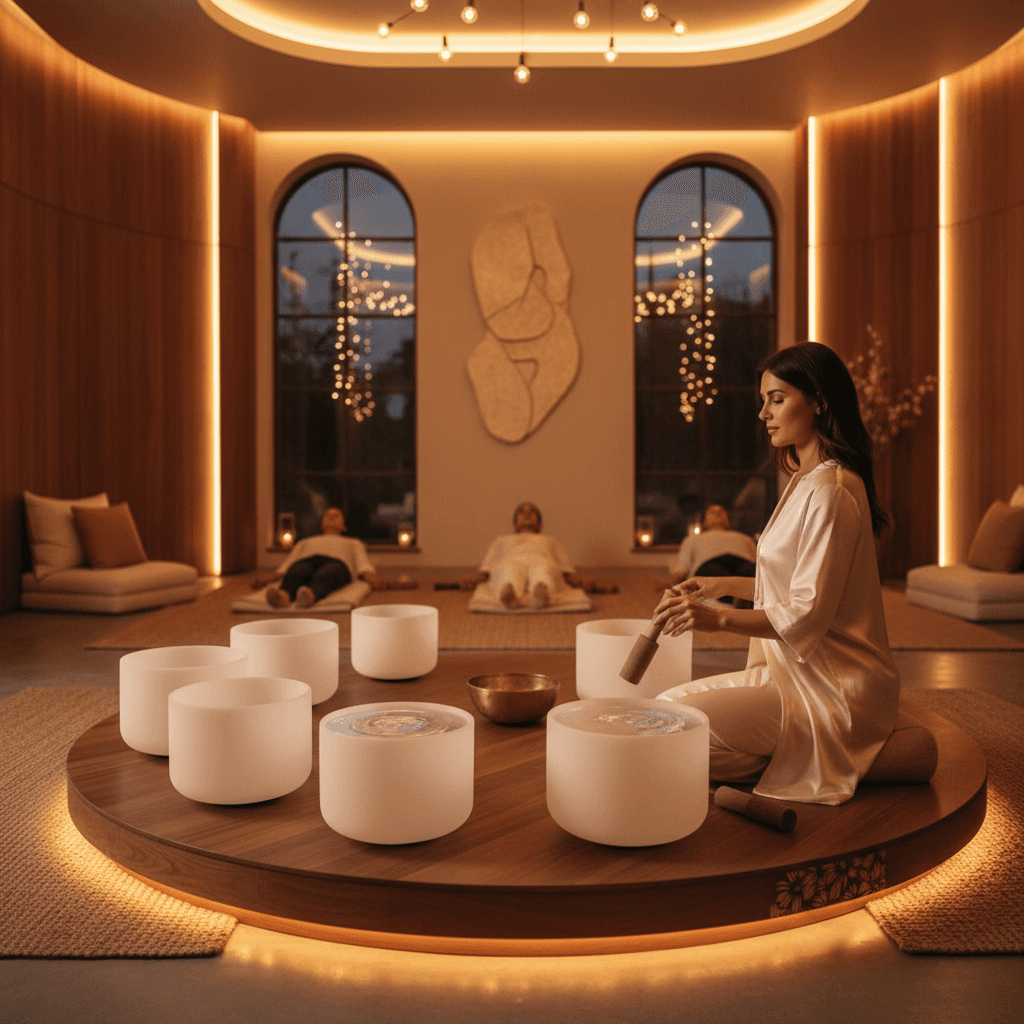
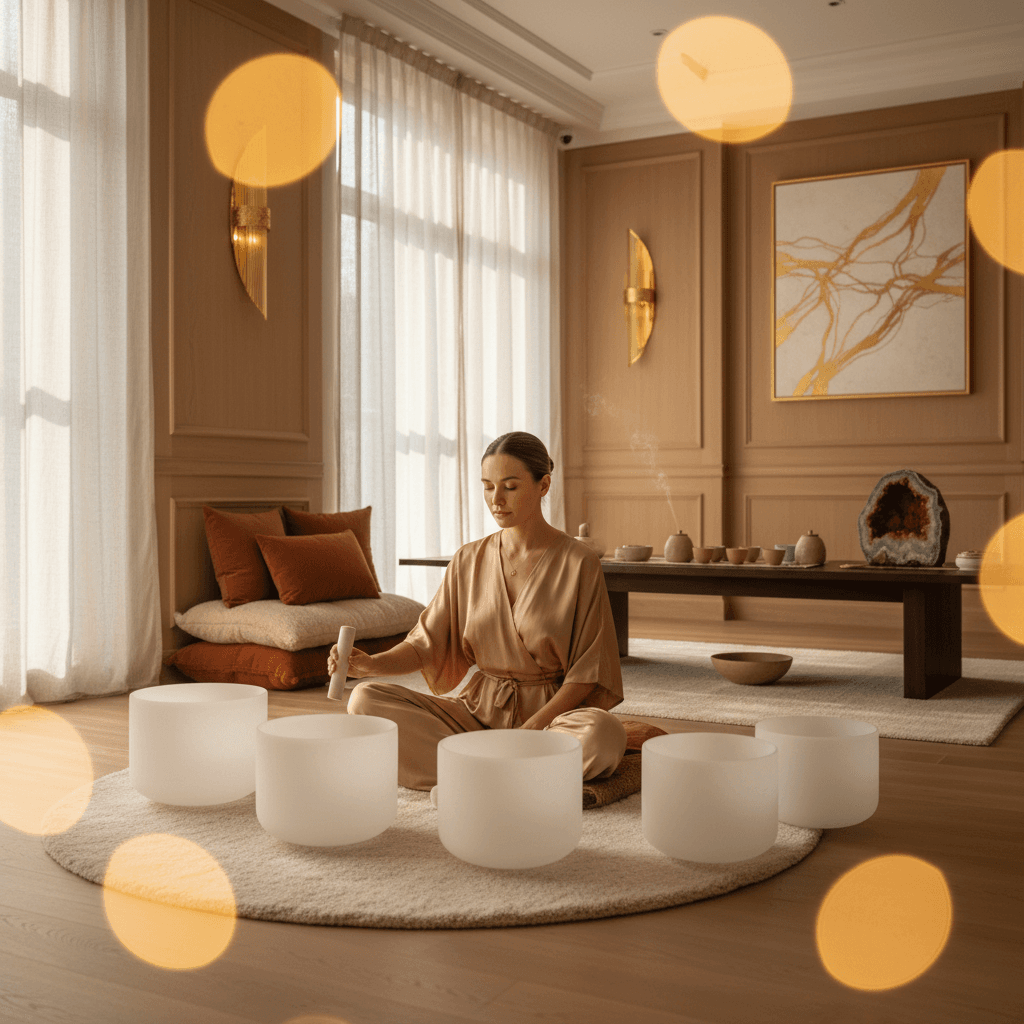
The Soul Art method leverages a carefully selected array of instruments known for their resonant and harmonizing qualities. This includes the rich, sustained tones of singing bowls, the deep, enveloping vibrations of gongs, the delicate shimmer of chimes, and the earthy rhythms of gentle percussion. Larissa also incorporates soothing nature sounds and intuitive vocal toning, recognizing the primal comfort these elements can evoke. These instruments are played with intention, creating a sound bath that washes over the space, rather than a performance.
What truly distinguishes Soul Art is the profound expertise in holding space with sound. Larissa Steinbach understands that in end-of-life care, the practitioner’s presence and intention are as vital as the sounds themselves. The sessions are designed to create an atmosphere of profound safety and acceptance, allowing patients and their loved ones to relax into the moment. The vibrations and frequencies are chosen to gently encourage the brain and body into states of deep rest, supporting the natural relaxation response.
Soul Art's approach extends its compassionate embrace beyond the patient. Recognizing the immense strain on caregivers and family members, the soundscapes are also designed to offer them respite. By creating an environment of shared tranquility, the practice helps to mitigate their stress and anxiety, fostering a sense of calm that allows them to be more fully present with their loved one. It is a holistic wellness experience that acknowledges and supports the entire caregiving circle, making Soul Art a beacon of peace in challenging times.
Cultivating Peace: Simple Sound Practices for Well-being
Integrating sound as a tool for relaxation and comfort doesn't require complex setups. You can begin to harness its power today, regardless of your current circumstances. These practical steps offer pathways to cultivating a more peaceful state, whether for personal stress management or to create a more serene environment for others.
Here are some actionable steps you can implement:
- Mindful Listening to Calming Music: Curate a playlist of instrumental music, ambient soundscapes, or nature sounds that you find deeply soothing. Dedicate a specific time each day to listen without distraction, allowing the sounds to wash over you and guide your focus away from daily stressors.
- Create a Quiet, Dedicated Space: Designate a corner in your home or office as your "peace zone." Ensure it's free from clutter and loud noises. Even a few minutes spent here, perhaps with soft lighting and a calming sound playing, can reset your nervous system.
- Integrate Breathing with Sound Focus: Practice deep, diaphragmatic breathing while focusing on a single, sustained tone, like a low hum or the gentle ring of a chime. Inhaling deeply and exhaling slowly to the rhythm of a calming sound can amplify relaxation and help anchor you in the present moment.
- Explore Binaural Beats or Isochronic Tones: These specialized audio tracks use specific frequencies to guide your brainwaves towards states of relaxation, meditation, or sleep. Many free or paid apps offer these, which can be particularly effective when listened to with headphones.
- Prioritize Sensory Self-Care: Recognize that sound is a powerful tool for self-care. Just as you might choose nourishing food or comfortable clothing, choose sounds that nourish your soul. This might include gentle chimes, the rustle of leaves, or the distant call of an owl.
For those seeking a more profound and expertly guided experience, exploring a professional sound wellness session can be transformative. Larissa Steinbach and the team at Soul Art offer bespoke sound experiences designed to restore your nervous system and guide you into states of deep relaxation and inner harmony.
Bookings Coming Soon
Soul Art is still in preparation. Session details and booking will be published here after launch.
Coming Soon
In Summary: Embracing Sound for Deeper Rest and Connection
The journey through end-of-life care presents unique challenges, particularly concerning sleep, comfort, and emotional well-being for both patients and their devoted caregivers. As scientific research continues to reveal the remarkable persistence of hearing until life's final moments, the profound potential of sound wellness as a complementary support becomes increasingly clear. Intentional soundscapes offer a gentle yet powerful pathway to deep rest, reduce anxiety, and foster a comforting presence.
Soul Art, under the compassionate guidance of Larissa Steinbach, stands at the forefront of this innovative approach in Dubai. We blend scientific understanding with personalized care, curating unique sound experiences that honor the delicate needs of individuals in hospice. Our methodology provides not just auditory comfort, but a holistic embrace of peace for patients and their entire support network. By integrating sound for rest, we empower individuals to navigate these sacred moments with greater tranquility and connection.
Wellness Disclaimer: This article is for educational and informational purposes only. It does not constitute medical advice, diagnosis, or treatment. Soul Art Dubai provides non-medical wellness experiences focused on relaxation, stress management, and general wellbeing. Sound wellness is a complementary practice and should not replace professional medical care.
Related Articles
The Role of Sound in Cultural Death Practices
Death Doulas & Sound: Enhancing Peace in End-of-Life Journeys

Sound's Gentle Embrace: Supporting Late Alzheimer's with Sonic Wellness