Sound for Endurance: Optimizing Athlete Recovery in Dubai

Key Insights
Discover how sound wellness at Soul Art in Dubai, founded by Larissa Steinbach, may enhance endurance athlete recovery, backed by science.
Have you ever pushed your body to its absolute limits during endurance training, only to find that traditional recovery methods leave you feeling just short of fully restored? As endurance training continues to evolve on a scientifically sound foundation, the pursuit of optimal recovery becomes not just beneficial, but essential for peak performance and sustained well-being. For athletes in Dubai and beyond, the quest for that elusive edge often leads to innovative, holistic practices.
This article delves into the fascinating intersection of endurance training and sound wellness, exploring how the strategic application of sound may support enhanced recovery. We'll unpack the science behind sound's physiological effects, discuss its practical application in a wellness context, and reveal how Larissa Steinbach and Soul Art in Dubai are pioneering a unique approach to recovery optimization. Prepare to learn why incorporating sound into your post-training routine could be the missing piece in your performance puzzle.
The Physiology of Endurance and the Challenge of Recovery
Endurance training is a powerful catalyst for adaptation, pushing the body to improve cardiovascular efficiency, muscular stamina, and metabolic capacity. Whether you're a marathon runner, a triathlete, or a dedicated long-distance cyclist, the goal is to consistently challenge your physiological limits, fostering growth and resilience. This continuous process of stress and adaptation, however, places significant demands on the body, making robust recovery paramount.
Following intense physical exertion, the body enters a critical phase of repair and regeneration. Muscles need to mend microscopic tears, energy stores (glycogen) must be replenished, and the nervous system, often operating in a state of heightened arousal, requires rebalancing. Neglecting this vital recovery phase can lead to increased fatigue, reduced performance, heightened injury risk, and even burnout.
The Current Landscape of Recovery Strategies
For years, athletes and coaches have relied on a range of recovery strategies, from passive methods like rest and sleep to active approaches such as light exercise and stretching. Nutritional intake, hydration, and cryotherapy also play significant roles in the post-exertion protocol. While these methods are foundational, scientific research indicates a persistent need for more comprehensive, evidence-based guidelines, particularly concerning recovery from training rather than competition.
An umbrella review on recovery strategies highlighted that despite advancements, a cohesive overview on ways to enhance training recovery in endurance athletes is still lacking. The review noted limitations in existing research, including a low number of training recovery studies and challenges in comparing diverse outcome measures. Crucially, it found that very few studies have investigated proactive recovery strategies for endurance athletes, suggesting a significant gap in current approaches. This presents a unique opportunity for complementary wellness practices to step in.
The Neurological Impact of Sound on Recovery
This is where the science of sound wellness offers a compelling avenue for exploration. Sound is not merely an auditory experience; it is a vibratory phenomenon that interacts directly with our physiology. Specific frequencies and harmonic patterns, delivered through instruments like Tibetan singing bowls, gongs, and chimes, have been associated with influencing brainwave states. For instance, lower frequencies (e.g., in the alpha and theta ranges) may promote states of deep relaxation, similar to those experienced during meditation or light sleep.
The brain's response to these auditory stimuli can trigger a shift from the sympathetic nervous system (our "fight-or-flight" response) to the parasympathetic nervous system (our "rest-and-digest" state). This transition is vital for recovery. When the parasympathetic system is active, the body prioritizes processes like muscle repair, digestion, and detoxification. The vagus nerve, a key component of the parasympathetic system, can be stimulated by certain sound frequencies, potentially leading to a deeper sense of calm and accelerated physiological recovery. Many people report that engaging in sound wellness practices may support a reduction in stress hormones like cortisol, a key inhibitor of recovery.
How It Works in Practice
Bringing the theoretical understanding of sound's effects into a practical recovery context reveals a deeply transformative experience. A sound wellness session, unlike typical passive recovery, actively engages the body's subtle systems to promote relaxation and regeneration. It moves beyond merely resting the body to proactively guiding it towards a state conducive to healing.
During a session, clients typically lie comfortably as a skilled practitioner, like those at Soul Art, introduces a carefully curated soundscape. The sounds are not just heard; they are felt as vibrations resonating through the body's tissues and cells. These sensory details – the deep hum of a gong, the shimmering sustain of a crystal bowl, the gentle chime of a tuning fork – create an immersive environment. This immersive experience helps to quiet the overactive mind, a common challenge for high-performing athletes whose thoughts often race with training plans, performance metrics, and daily stressors.
The practical application of sound wellness focuses on alleviating mental and physical fatigue, enhancing sleep quality, and fostering emotional balance. By potentially shifting brainwave patterns and activating the parasympathetic nervous system, sound may support the body in releasing accumulated tension and stress. This can translate into reduced perceived muscle soreness, improved mood, and a greater sense of mental clarity. While artificial intelligence models are increasingly used to predict recovery needs by processing data from wearables like heart rate monitors and accelerometers, sound wellness offers a complementary, proactive strategy that directly influences the physiological indicators (like heart rate variability, or HRV) that these models track. By fostering a deeper state of rest, sound may indirectly improve the very data points crucial for optimizing an athlete's personalized recovery plan, integrating diverse strategies for a cohesive optimization plan.
"True recovery isn't just about resting the body; it's about restoring the nervous system, rebalancing the mind, and allowing the spirit to recalibrate for the challenges ahead."
The Soul Art Approach
At Soul Art, Dubai's premier sound wellness studio, Larissa Steinbach and her team have meticulously crafted an approach that integrates scientific understanding with profound intuitive practice. Recognizing the unique demands placed on endurance athletes, Soul Art's sessions are designed to provide a deep, restorative experience that goes beyond surface-level relaxation. Larissa Steinbach’s vision is to offer a proactive recovery solution that complements rigorous training regimes.
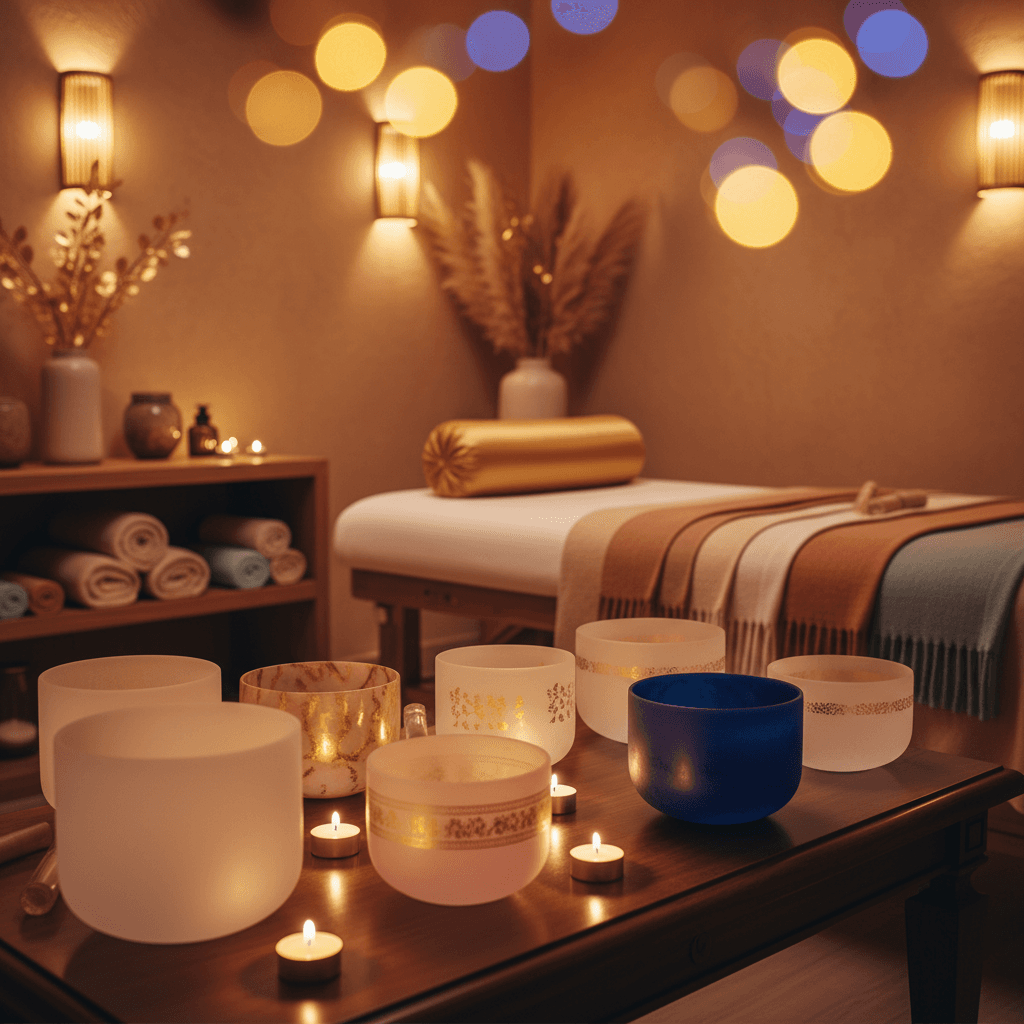
What makes the Soul Art method unique is its commitment to creating personalized sound journeys. While many sound baths follow a general structure, Soul Art focuses on individual needs, creating an environment where the athlete can truly surrender to the healing frequencies. They utilize a diverse array of instruments, including large planetary gongs, precision-tuned crystal singing bowls, and ancient Himalayan (Tibetan) singing bowls, each selected for its specific tonal qualities and vibratory potential. These instruments are not merely played; they are expertly wielded to create resonant soundscapes that envelop the body, potentially easing tension and promoting cellular harmony.
The serene and thoughtfully designed studio environment at Soul Art further amplifies the experience, providing a sanctuary away from the bustling pace of Dubai. Through expert facilitation, clients are guided into states of profound relaxation, allowing the body's innate healing mechanisms to activate. This specialized focus on deep nervous system restoration positions Soul Art as a leader in offering evidence-informed complementary wellness practices that support the demands of high-performance athletics, moving beyond generalized advice to offer a tailored and effective recovery modality.
Your Next Steps
Incorporating sound wellness into your routine may be a powerful step towards optimizing your recovery and enhancing your overall well-being as an endurance athlete. Here are some actionable steps you can implement today to support your journey:
- Prioritize Quality Sleep: Aim for 7-9 hours of uninterrupted sleep each night. Consider establishing a consistent bedtime routine and creating a dark, cool, and quiet sleep environment.
- Hydrate and Nourish: Ensure consistent hydration throughout the day, especially during and after training. Fuel your body with nutrient-dense foods that support muscle repair and energy replenishment.
- Practice Mindfulness: Incorporate short periods of mindfulness or meditation into your daily routine. Even 5-10 minutes can help calm the nervous system and improve mental clarity.
- Explore Complementary Practices: Research and consider holistic wellness practices like sound baths, gentle yoga, or stretching that can further support relaxation and flexibility.
- Listen to Your Body: Pay close attention to signals of fatigue, soreness, and stress. Adjust your training and recovery protocols accordingly, understanding that rest is a crucial part of progress.
If you're seeking to unlock a deeper level of recovery and elevate your performance, we invite you to experience the transformative power of sound wellness. Discover how Larissa Steinbach and Soul Art can help you find your unique rhythm of restoration.
In Summary
Endurance training, while incredibly rewarding, demands an equally robust and scientifically informed approach to recovery. Traditional methods are foundational, but emerging research highlights a need for more proactive and comprehensive strategies. Sound wellness offers a compelling, complementary approach, working through neurological pathways to potentially promote deep relaxation, reduce stress, and activate the body's natural restorative processes.
At Soul Art in Dubai, Larissa Steinbach’s unique methodology provides a sanctuary for athletes to optimize their recovery through expertly curated sound journeys. By integrating specific frequencies and vibrations, Soul Art aims to rebalance the nervous system, enhance sleep, and foster a profound sense of well-being. This innovative practice may not only support faster physical recovery but also cultivate the mental resilience essential for sustained athletic excellence. Embrace the power of sound and elevate your recovery journey with Soul Art.
Bookings Coming Soon
Soul Art is still in preparation. Session details and booking will be published here after launch.
Coming Soon
Related Articles
Vibration Therapy for Plantar Fasciitis: A Holistic Path to Foot Wellness
Frozen Shoulder: Sound Support for Enhanced Mobility & Ease

Harmonizing Breath: How Sound Wellness May Support Sleep Apnea Management