Sibling Loss & Grief: How Sound Wellness Supports Healing
Key Insights
Explore the profound impact of sibling loss and discover how sound wellness, a gentle and complementary practice at Soul Art Dubai, may support healing for brothers and sisters.
Imagine a bond so fundamental, so deeply woven into the fabric of your identity, that its sudden absence leaves an irreplaceable void. For many, this describes the unique and often underestimated grief following the loss of a brother or sister. Sibling loss, though remarkably common, remains one of the most under-researched and frequently overlooked forms of bereavement.
This comprehensive article delves into the profound impact of losing a sibling, examining the scientific evidence behind its far-reaching consequences. We will explore how this particular form of grief manifests emotionally, psychologically, and even physically, for both children and adults. Furthermore, we will illuminate how sound wellness, through the compassionate and expert guidance of Larissa Steinbach at Soul Art Dubai, offers a gentle yet powerful complementary pathway to support healing and integration for bereaved siblings.
Understanding this journey is crucial for anyone touched by such a loss, and for those seeking holistic wellness practices to navigate its complexities. By shedding light on this silent sorrow, we aim to provide validation, insight, and tangible tools for finding solace and rebuilding a life infused with peace.
Understanding the Profound Impact of Sibling Loss
The death of a brother or sister is a deeply transformative event, yet its significance is often underestimated in societal discourse surrounding grief. While parental or spousal loss frequently receives more immediate recognition, the unique dynamics of sibling relationships mean that their absence leaves a distinct and enduring impact. Emerging research highlights just how common and consequential this experience truly is, with ripple effects extending across a lifetime.
The Underestimated Grief: A Common Yet Overlooked Experience
Despite its profound nature, research on the effects of sibling death has historically been limited, often focusing on specific diseases or short timeframes. However, recent analyses reveal its widespread prevalence. For instance, one 2013 analysis indicated that nearly 8 percent of Americans under the age of 25 have experienced the loss of a sibling. This translates to a staggering number, with nearly 60,000 children under the age of 20 dying each year in the United States and Canada, leaving an estimated 480,000 grieving siblings over a decade.
Moreover, racial disparities exist, with Black children reportedly 20 percent more likely than white children to have lost a sibling by age 10. These statistics underscore that sibling loss is not an anomaly but a significant life event affecting a substantial portion of the population, often going unacknowledged or misunderstood. This lack of societal recognition can leave surviving siblings feeling isolated, struggling to find a name for their altered identity.
Cascade of Consequences: Mental, Emotional, and Physical Echoes
The impact of sibling loss can be wide-ranging and enduring, affecting multiple facets of a surviving individual's life. Studies have linked sibling bereavement to a significant increase in various health and social risks. For example, a 2017 study conducted in Sweden and Denmark found that bereaved siblings faced a 71 percent higher mortality risk for decades after the death, highlighting the severe long-term stress the body endures.
Beyond mortality, the emotional and psychological toll is substantial. Research consistently associates sibling loss with a cascade of mental health challenges. These may include elevated levels of depression, aggressive behavior, social withdrawal, eating disorders, and general behavior problems. Such difficulties can persist into adulthood, affecting overall quality of life and interpersonal relationships.
Educational outcomes also show a concerning correlation. Bereaved siblings, particularly those experiencing loss in childhood, may face higher high-school dropout rates, lower college attendance, and diminished test scores. These academic struggles can create significant barriers to future opportunities, further compounding the challenges of grief. The physiological response to intense grief often involves sustained activation of the sympathetic nervous system, leading to chronic stress that can impair cognitive function, emotional regulation, and even physical health.
Gendered Grief: Different Paths to Healing
Intriguingly, research suggests that the experience of sibling loss may differ significantly based on gender. Several studies indicate that sisters who lose siblings tend to face worse outcomes than brothers. This disparity is theorized to stem from several factors, including the tendency for sisters to form stronger emotional bonds with siblings and to bear an unequal family burden. This burden often involves caring for the emotional needs of surviving parents, adding another layer of responsibility and stress to their own grief process.
Specific manifestations of grief can also vary. In a study of bereaved children aged 6 to 18, girls often exhibited different types of reactions compared to boys. Girls demonstrated greater anxiety, depression, withdrawn behavior, thought problems, and attention-seeking behaviors, often internalizing their depressive feelings. Conversely, boys might present with externalizing behaviors such as hyperactivity and difficulty concentrating, or they may be perceived by peers and teachers as sad and victimized. While some studies suggest no gender differences in parental reports, the nuances of expression highlight the need for individualized support.
The Unspoken Burden: Why Support is Crucial
The complexities of sibling grief are further compounded by its often-unacknowledged nature. Many studies on childhood loss have historically focused from the parent's viewpoint, leaving a significant gap in first-hand knowledge of what it is like to be a child who has lost a sibling. This can lead to misdiagnosis of grieving children, whose behaviors might be misinterpreted as other issues rather than expressions of profound sorrow and trauma.
Adult sibling loss, while gaining more recognition, also presents unique challenges. For adults, the relationship with a sibling can span decades, shaping identity and life choices. The loss of an adult sibling has been associated with an increased use of health services and a higher risk of developing mental health disorders. For women, the peak in psychological service use occurred 4–6 months after the death, while for men, it was in the first 3 months. This underscores the need for accessible support systems for bereaved siblings across all age groups.
"The loss of a sibling is a unique grief, a lifelong journey that reshapes identity and purpose. It is a sorrow that demands acknowledgment, a space for healing, and the gentle hand of understanding."
The long-term effects of sibling loss, as highlighted by authors like E. DeVita-Raeburn and P.G. White, can take years to process. Their work, based on extensive interviews with sibling survivors, reveals the profound difficulty and duration required to come to terms with this grief. Soul Art understands that creating a supportive environment for this protracted healing journey is paramount.
Sound Wellness as a Complementary Pathway to Healing
In the face of such profound and complex grief, finding complementary tools that offer solace and support for the nervous system is essential. Sound wellness, a practice rooted in ancient traditions and supported by modern understanding of neurophysiology, provides a non-invasive and deeply immersive approach to navigate the emotional landscape of sibling loss. It offers a unique way to address the physiological and psychological impacts, encouraging the body and mind to find equilibrium amidst sorrow.
Regulating the Nervous System: From Fight-or-Flight to Rest-and-Digest
Grief, particularly traumatic grief, often keeps the body in a prolonged state of stress, commonly known as "fight-or-flight." This chronic activation of the sympathetic nervous system leads to heightened anxiety, poor sleep, digestive issues, and emotional dysregulation. Sound wellness works by introducing specific frequencies and vibrations that gently guide the brain into more relaxed states, shifting from high-frequency beta waves associated with alertness and stress to lower-frequency alpha and theta waves linked to deep relaxation, meditation, and restorative sleep.
The resonant frequencies produced by instruments like crystal singing bowls and gongs create a "vibrational massage" at a cellular level. This deep physiological effect can activate the vagus nerve, a crucial component of the parasympathetic nervous system responsible for the "rest-and-digest" response. By stimulating the vagus nerve, sound sessions may support a reduction in heart rate, blood pressure, and muscle tension, fostering a profound sense of calm. This physiological shift provides a much-needed respite for a nervous system overwhelmed by grief, helping to restore balance and resilience.
Emotional Release and Processing: Finding a Voice for Unspoken Grief
For many grieving siblings, expressing the full spectrum of their emotions can be incredibly challenging. Societal expectations, the need to support parents, or simply a lack of appropriate language can lead to suppressed grief, which can manifest as physical ailments or chronic mental health issues. Sound wellness offers a non-verbal avenue for emotional release, allowing feelings to surface in a safe and contained environment.
The immersive nature of sound baths creates a space where individuals can connect with their inner experiences without the pressure of verbal articulation. The vibrations can help unlock energetic blockages often associated with unprocessed trauma and grief. Many people report experiencing a cathartic release during or after a session, which may include crying, sighing, or simply a sense of lightness. This gentle facilitation of emotional flow is a powerful component of healing, enabling a more natural and less overwhelming processing of complex emotions related to sibling loss.
Creating a Sanctuary: A Space for Deep Relaxation and Self-Compassion
Navigating grief requires immense energy, and the constant mental and emotional burden can lead to exhaustion. Sound wellness sessions at Soul Art provide a dedicated sanctuary—a safe, nurturing space away from the demands of daily life. In this serene environment, individuals are invited to simply lie down, listen, and allow the sounds to wash over them. This act of conscious rest and surrender is crucial for self-compassion, particularly for those carrying the often-unseen weight of sibling grief.
The sensory richness of sound sessions encourages deep introspection and mindfulness. Participants can experience moments of profound peace, allowing their minds to quiet and their bodies to relax. This intentional pause fosters a sense of being held and supported, which is vital when navigating the often-lonely journey of loss. It is within this sacred space that individuals can begin to cultivate self-compassion, recognizing their need for healing and granting themselves the grace to simply be, without judgment or expectation.
Soul Art's Nurturing Embrace: A Unique Path with Larissa Steinbach
At Soul Art Dubai, the journey through grief, particularly sibling loss, is approached with profound empathy and scientific understanding. Under the visionary leadership of its founder, Larissa Steinbach, Soul Art has cultivated a unique methodology that integrates ancient wisdom with contemporary wellness practices. Larissa's approach is not merely about playing instruments; it's about creating a deeply personalized and intentional experience designed to foster healing and self-discovery.
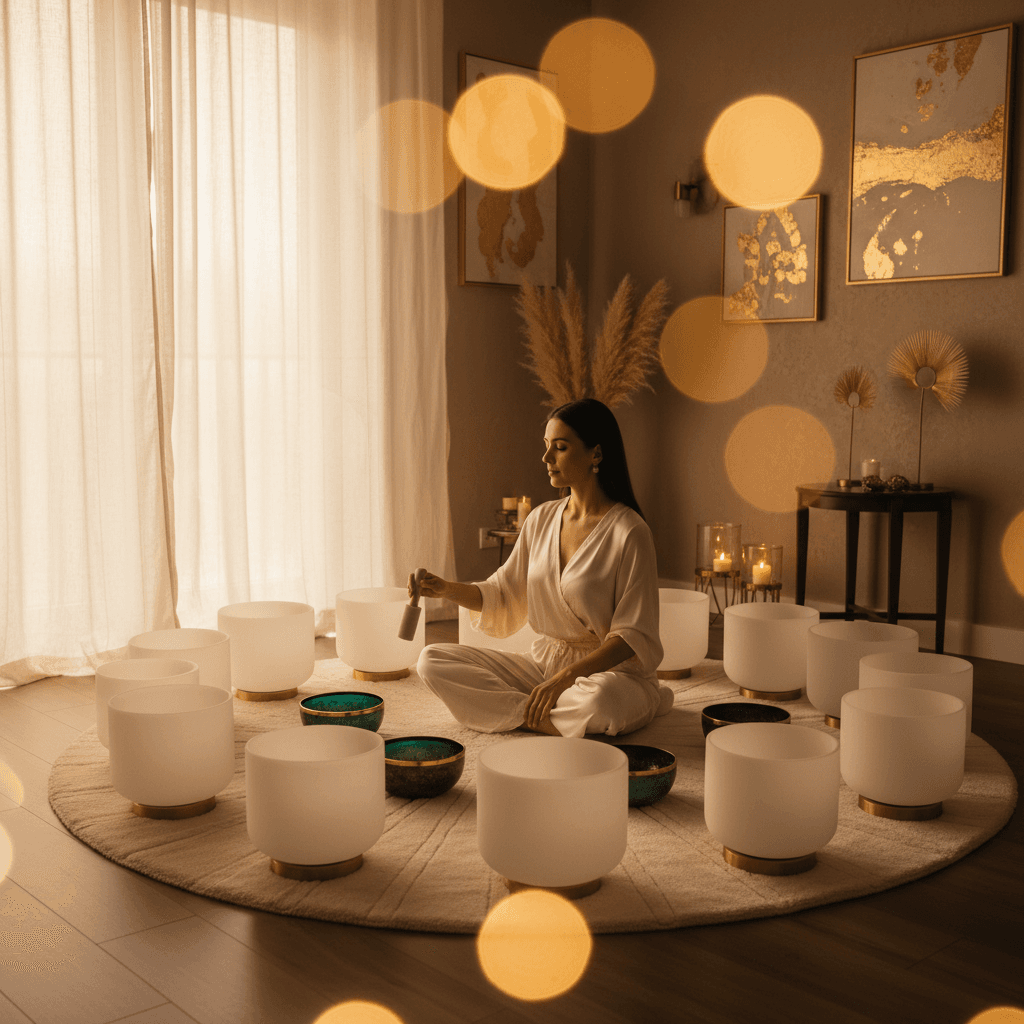
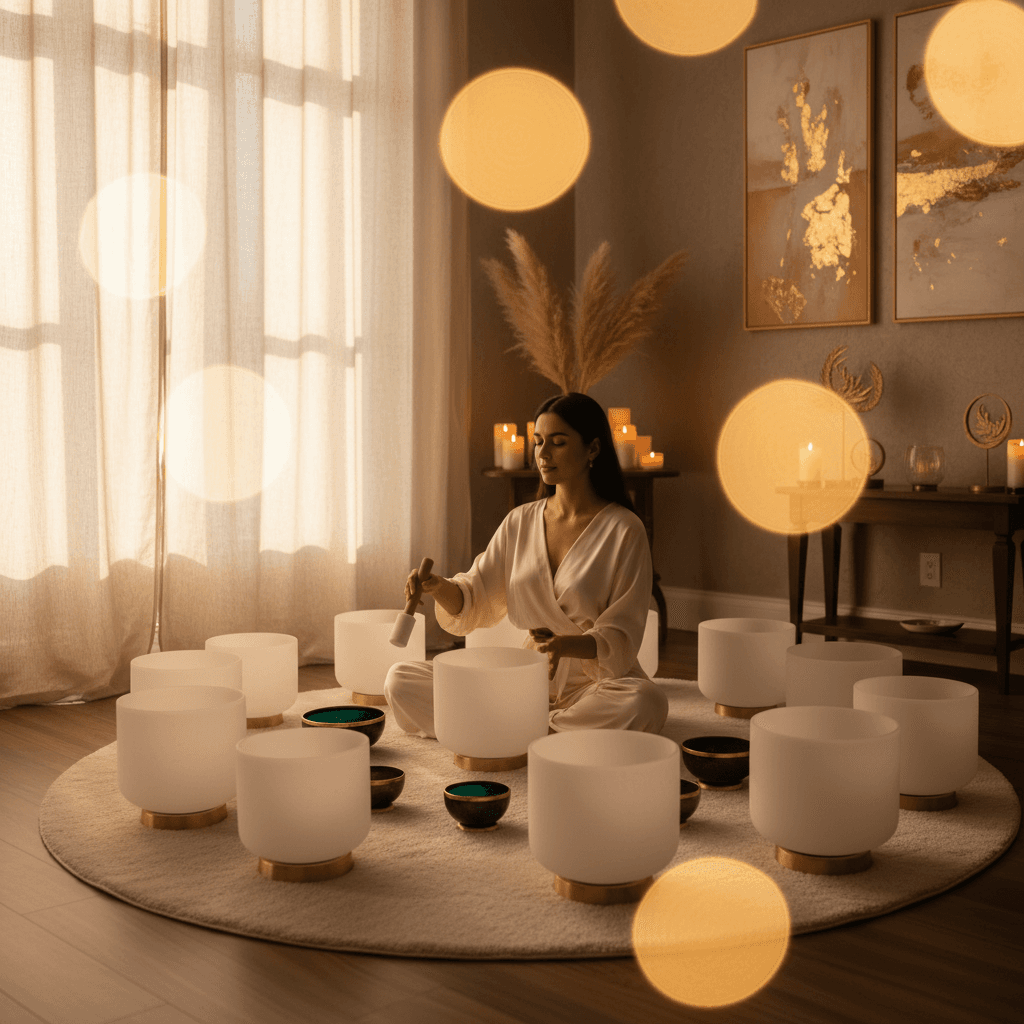
Larissa Steinbach understands that each individual's grief journey is unique. She meticulously crafts each sound session to resonate with the specific needs of her clients, providing a space where vulnerability is honored and emotional release is gently encouraged. The Soul Art method is distinguished by its blend of powerful instruments and intuitive guidance. Larissa skillfully utilizes a diverse array of therapeutic sound tools, including the rich, earthy vibrations of large gongs, the pure, crystalline tones of quartz crystal singing bowls, and the precise frequencies of tuning forks.
These instruments are not randomly chosen; their specific frequencies and overtone harmonics are known to interact with the body's energy centers and nervous system. The soundscape created by Larissa Steinbach is designed to induce profound states of relaxation, where the mind can quiet and the body can release stored tension and emotional blockages. This focused application of sound, combined with her calming presence, creates an environment conducive to deep introspection and inner peace.
What truly sets Soul Art apart is Larissa's dedication to creating a sanctuary for healing. The studio itself is designed to evoke a sense of tranquility and safety, allowing clients to fully immerse themselves in the experience without external distractions. Her sessions may include guided meditation and breathwork, further enhancing the therapeutic effects of the sound vibrations. This holistic approach, tailored to support individuals navigating the complexities of sibling loss, exemplifies Soul Art's commitment to empowering wellbeing through sound.
Embracing Your Journey: Practical Support for Sibling Loss
Navigating sibling loss is a profoundly personal journey, but you do not have to walk it alone. Integrating supportive practices into your daily life can make a significant difference in managing grief and fostering long-term well-being. Here are some actionable steps you can consider to support your healing process:
- Acknowledge Your Grief: Give yourself permission to feel the full spectrum of emotions without judgment. Recognize that your grief is valid, regardless of how others perceive sibling loss. Allow space for sorrow, anger, confusion, and even moments of peace.
- Seek Supportive Communities: Connect with others who understand. Online forums, local grief support groups, or even simply sharing your experiences with trusted friends or family can provide immense comfort and validation. Resources like The Sibling Connection (created by P.G. White) offer extensive information and community support for bereaved siblings.
- Prioritize Self-Care: Engage in practices that nourish your body and mind. This might include gentle movement like walking or yoga, mindfulness exercises, spending time in nature, or creative expression. These activities can help manage stress and promote emotional balance.
- Consider Professional Guidance: If your grief feels overwhelming or is significantly impacting your daily life, seeking support from a qualified grief counselor or therapist can be incredibly beneficial. Sound wellness is a complementary practice that can work alongside professional therapy, providing additional avenues for emotional processing and nervous system regulation.
- Explore Complementary Wellness Practices: Investigate practices like sound wellness as a gentle method for stress management and emotional support. The resonant vibrations of sound instruments may support the regulation of your nervous system, offering deep relaxation and a pathway for emotional release.
Embarking on a healing journey is a testament to your resilience. Soul Art invites you to explore how sound wellness can become a cornerstone of your self-care practice, providing a nurturing space for healing and restoration.
Finding Resonance: A Path Forward with Soul Art
The journey through sibling loss is undeniably one of life's most profound and challenging experiences, often leaving individuals feeling isolated and misunderstood. Research underscores its widespread prevalence and significant, long-lasting impact on mental, emotional, and physical well-being. Yet, finding supportive and compassionate ways to navigate this complex grief is not only possible but essential for healing.
Sound wellness, as offered by Larissa Steinbach at Soul Art Dubai, provides a scientifically informed and deeply empathetic pathway. By gently guiding the nervous system towards relaxation, facilitating emotional release, and creating a sanctuary for self-compassion, sound sessions may support the body's innate capacity for healing. Soul Art stands as a beacon of hope, offering a unique, holistic approach to help brothers and sisters find solace and restore balance. You deserve a space to process your loss and move towards a future defined by peace and resilience.
Bookings Coming Soon
Soul Art is still in preparation. Session details and booking will be published here after launch.
Coming Soon
Wellness Disclaimer: This article is for educational and informational purposes only. It does not constitute medical advice, diagnosis, or treatment. Soul Art Dubai provides non-medical wellness experiences focused on relaxation, stress management, and general wellbeing. Sound wellness is a complementary practice and should not replace professional medical care.