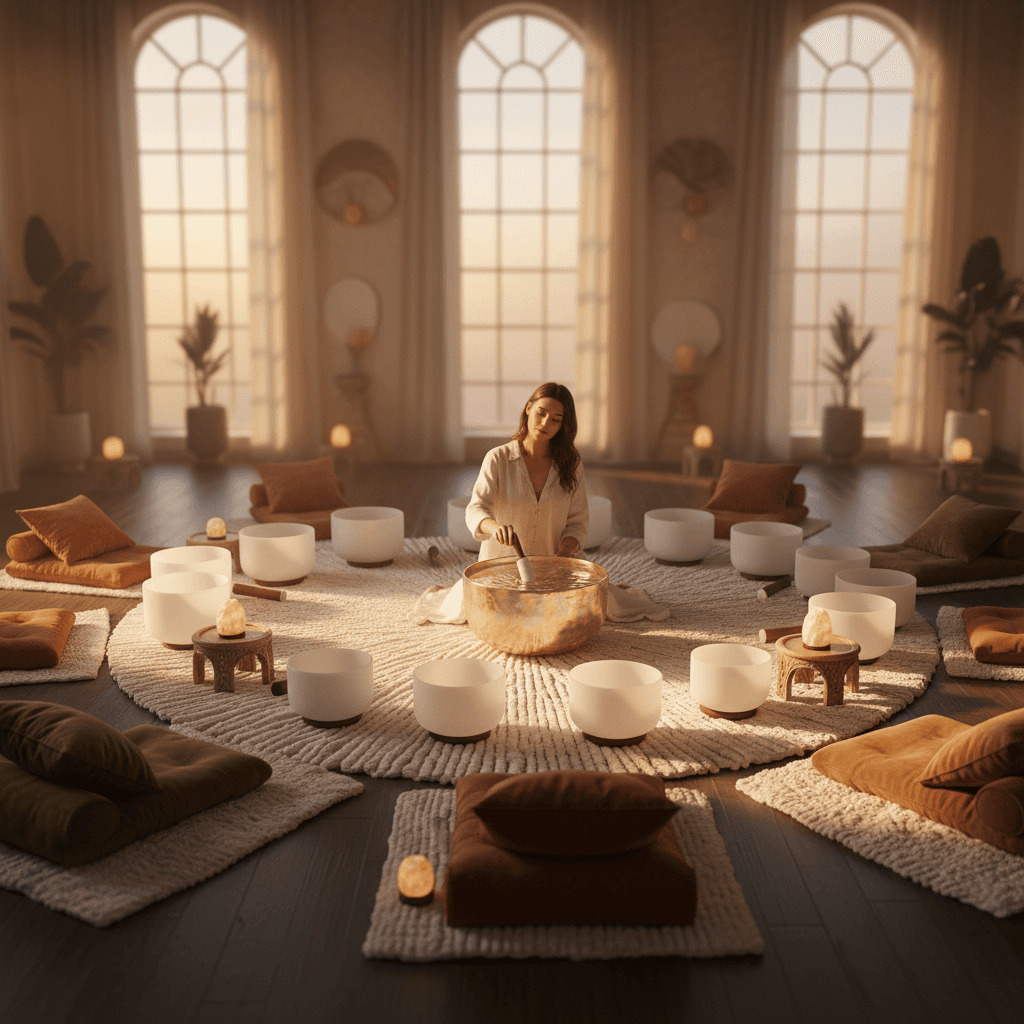
Secular Comfort: Unlocking Well-being Through Sound Wellness
Key Insights
Discover how sound wellness offers deep, non-religious comfort and stress relief at Soul Art Dubai, founded by Larissa Steinbach.
Compelling Introduction
Have you ever wondered if profound comfort and a deep sense of peace are exclusively found within religious frameworks? In an increasingly diverse world, a significant and growing demographic of individuals identifies as "nones"—atheists, agnostics, and those spiritual but not religious—who actively seek meaning and solace outside traditional doctrines. This search for secular comfort is a universal human need, driven by the desire to manage stress, find clarity, and cultivate well-being in a way that resonates with their personal worldview.
This article delves into the scientifically-backed power of sound wellness as a powerful, non-religious pathway to inner peace and stress reduction. We will explore the neurological mechanisms that make sound a profound source of comfort, regardless of one's belief system. Join us as we uncover how practices like those offered at Soul Art, founded by Larissa Steinbach, provide a secular sanctuary for holistic well-being. By the end, you will understand how to access deep comfort and relaxation through intentional sound, enhancing your daily life and offering a unique approach to self-care.
The Science Explained
The human experience of comfort, calm, and meaning is deeply intertwined with our physiological and neurological responses. Sound, in particular, possesses an extraordinary capacity to influence these responses, offering a potent avenue for well-being that transcends cultural or religious interpretations. Modern research continues to illuminate the profound impact of auditory stimuli on our mental and physical states.
The Neuroscience of Sound and Well-being
Our brains are exquisitely wired to process sound, and specific frequencies and rhythms can profoundly alter our brainwave states, shifting us from states of high alert to deep relaxation. When we engage with intentional sound, it may stimulate the vagus nerve, a crucial component of the parasympathetic nervous system responsible for the body’s "rest and digest" functions. This activation helps to calm the nervous system, reducing physiological markers of stress.
Ample evidence documented in studies published in journals like JMIR Research Protocols and JMIR Mental Health supports sound therapy's integrative impact on psycho-emotional and physiological outcomes. These studies suggest that sound interventions can be helpful for managing stress-related conditions, supporting relaxation, and promoting overall mental health. Different types of sound stimulation—from music to natural noises, chanting, and even speech like poetry—have been observed to exert therapeutic effects. For instance, listening to classical music or self-selected relaxing music has been shown to reduce anxiety, anger, and physiological arousal after stress, compared to heavy metal music or silence.
The brain's processing of sound is complex, with areas traditionally associated with language, such as the Broca area, also showing involvement in processing musical syntax. This overlap highlights the deep integration of sound processing in our neurological architecture. The precise components of sound that hold therapeutic potential are still being elucidated, yet the observed effects on stress reduction and relaxation are consistently reported. These effects are not dependent on religious belief, but rather on the brain's inherent response to specific auditory patterns and vibrations.
The Rise of the "Nones" and the Need for Secular Comfort
Globally, there's a significant trend of individuals identifying as "Nones"—those who are atheists, agnostics, self-identified nonreligious, or spiritual but not religious (SBNR). Research, including studies from Pitzer College and published in Varieties of Nonreligious Experience, indicates that nonreligious people are just as likely to find positive meaning and comfort in their worldviews as are religious people. This dispels the assumption that comfort and meaning are exclusive to religious belief.
A study by the Pew Research Center further reveals that many religiously unaffiliated adults still hold beliefs commonly associated with spirituality, such as belief in life after death or a spiritual realm. This suggests that disaffiliation is often driven by institutional distrust or disillusionment rather than a complete rejection of spiritual or meaningful experiences. Even for those who reject spiritual beliefs entirely, secular worldviews provide robust frameworks for solace. These frameworks often center around rational, this-worldly values, emphasizing the pursuit of truth, rational problem-solving, and acting responsibly for humanity and the planet.
"Understanding the process of loss and moving on via understanding psychology helps."
This quote from The Conversation highlights how secular individuals find comfort through cognitive understanding and practical frameworks, rather than divine intervention. Secular parents, for instance, often emphasize "questioning everything" and the importance of not harming others, fostering a sense of ethical responsibility and critical thinking in their children. This cultivation of values and meaning provides a strong foundation for well-being that is entirely separate from religious dogma.
Beyond Dogma: Finding Meaning in the Natural World
When facing life's inevitable challenges, non-religious worldviews offer distinct coping strategies and sources of comfort. Research indicates that secular individuals often find solace through an understanding of difficult situations, believing in science, and trusting modern medicine. The conviction that "depression is a condition that responds to time and care" exemplifies a rational approach to suffering that provides comfort and a path forward.
Worldviews based on science, detachment, and acceptance are frequently cited as helpful. These include beliefs in the naturalness of death, the randomness of life, humanism, free will, and taking personal responsibility. For example, knowing "that family members live on in their descendants, through personality traits and memories" can provide comfort during bereavement. For many, accepting that enduring an illness "was just randomness. Stuff like that happens" can be a powerful coping mechanism.
The meaningfulness of a belief, rather than its religious content, is paramount. Non-believers, when reminded of their mortality or experiencing stress, often show an increased belief in science, underscoring its role as a source of comfort and certainty. Studies comparing religious and nonreligious people suggest that it is the strength of conviction, whether religious or secular, that enables effective coping and provides a source of meaning. Facing death, for example, is not necessarily more challenging without religion; secularists find meaning through their firmly held, this-worldly values and a sense of connectedness to humanity and the natural world.
How It Works in Practice
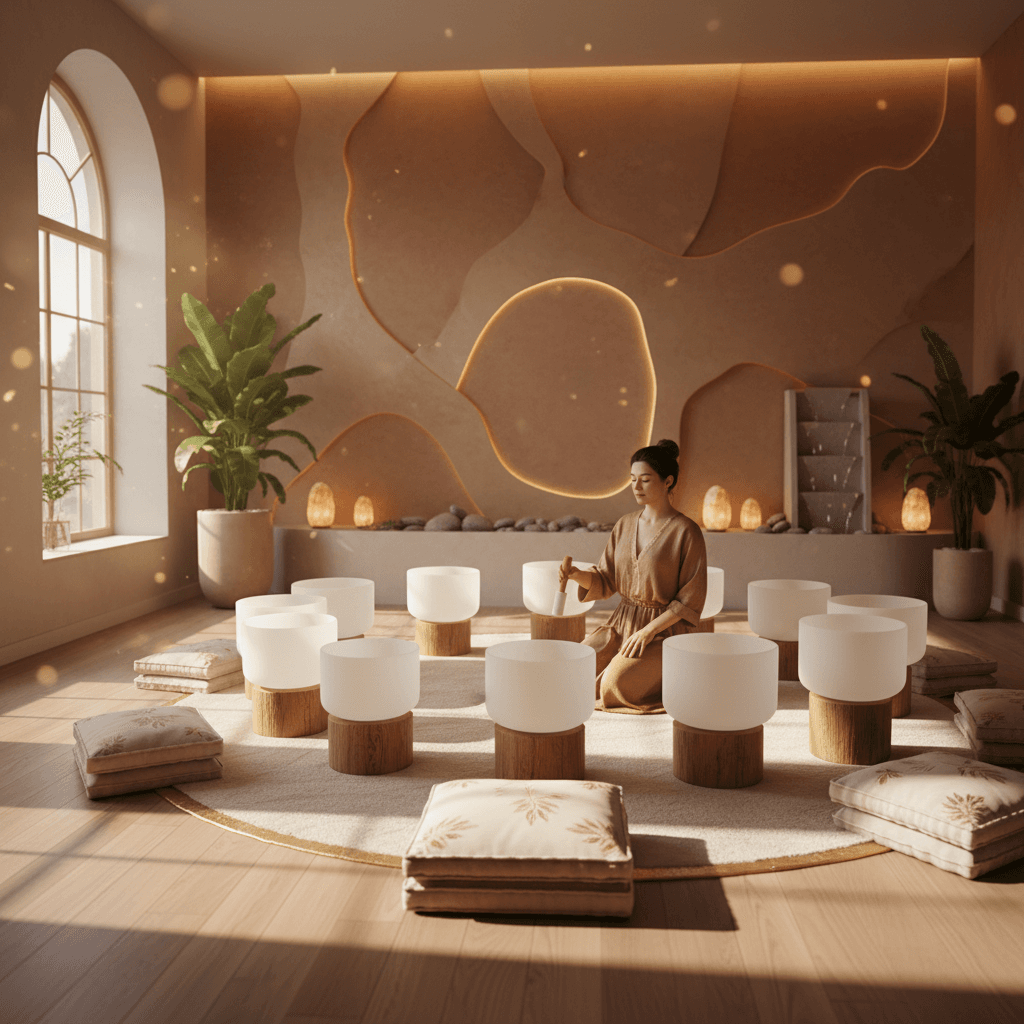
At Soul Art, the scientific principles of sound's impact on the human body are meticulously translated into a profound and accessible wellness experience. A sound wellness session offers a unique journey into deep relaxation and self-discovery, creating a secular sanctuary for your mind and body. This practice is about experiencing comfort and restoration through the pure, unadulterated power of sound, free from any religious or spiritual dogma.
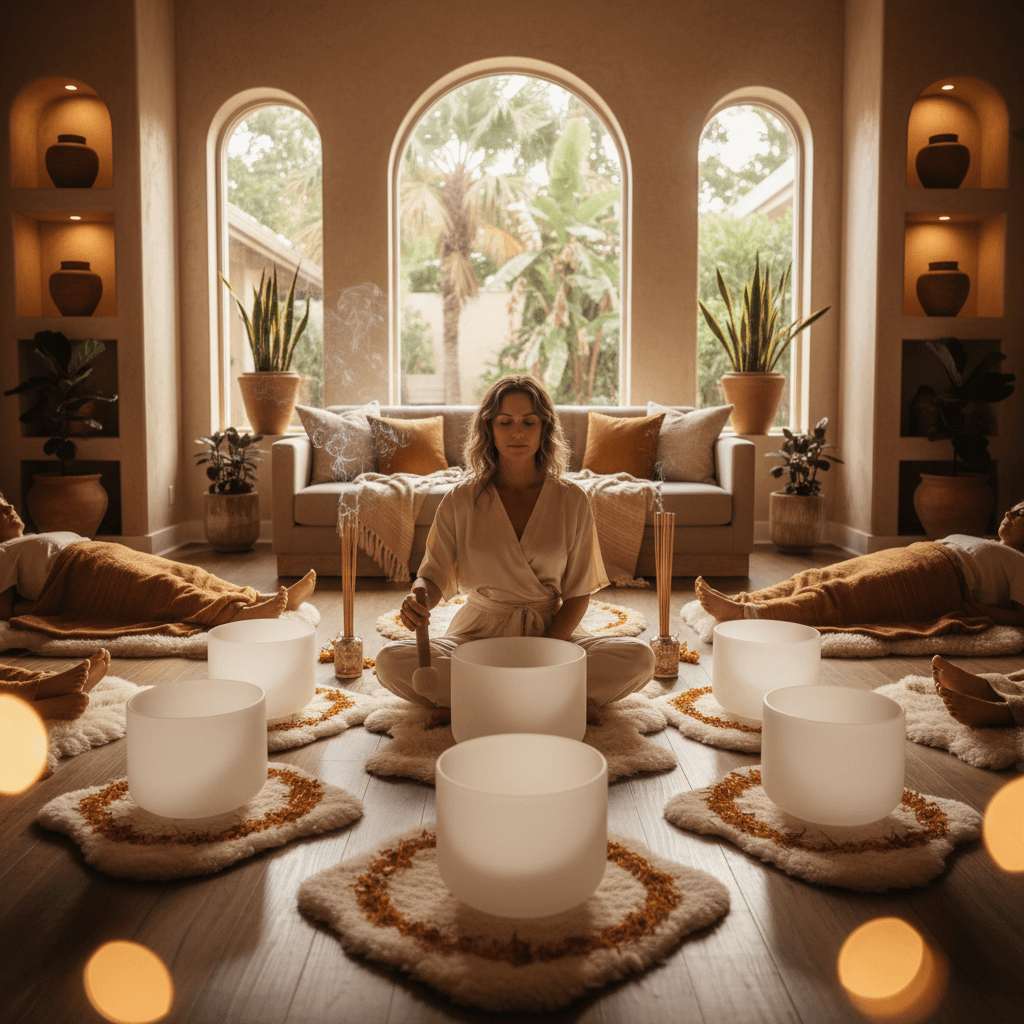
Clients typically recline comfortably, enveloped in a carefully curated soundscape. The session begins with gentle tones, guiding the body and mind into a state of receptivity. As various instruments are played, including resonant Himalayan singing bowls, deep gongs, delicate chimes, and precise tuning forks, their vibrations are felt both audibly and physically. These sensory inputs bypass the analytical mind, allowing the body to naturally ease into profound relaxation.
The intentional use of sound frequencies can help to entrain brainwaves, guiding them from a busy beta state to more relaxed alpha and theta states, akin to those experienced during meditation or deep sleep. This process may support the activation of the parasympathetic nervous system, leading to a reduction in heart rate, blood pressure, and muscle tension. Many people report a sensation of their nervous system "resetting," finding an immediate sense of calm and clarity.
This deeply immersive experience provides a space for profound personal processing. Without the need for specific beliefs or rituals, individuals can simply be with the sounds and vibrations, allowing their minds to quiet and their bodies to release accumulated tension. Clients often describe feeling unburdened, experiencing emotional release, and gaining fresh perspectives. It's a practice in conscious presence and self-care, fostering an innate sense of well-being that is entirely self-contained and universally accessible.
The Soul Art Approach
Larissa Steinbach, the visionary founder of Soul Art, recognized the universal human need for comfort and profound relaxation, independent of religious affiliation. Her studio in Dubai is meticulously designed to offer a unique sound wellness experience rooted in scientific understanding and a deep respect for individual worldviews. Soul Art champions a secular approach, ensuring that every session provides a safe and inclusive space for all.
What makes the Soul Art method unique is its commitment to creating bespoke sound journeys that are both scientifically informed and intuitively guided. Larissa Steinbach combines her extensive knowledge of sound frequencies and their physiological effects with an empathetic understanding of each client's needs. The sessions are carefully curated to foster deep relaxation, reduce stress, and promote mental clarity without any spiritual or religious prerequisites.
At Soul Art, a rich array of instruments is employed to create a truly immersive experience. These include ancient Himalayan singing bowls, each with its unique resonant frequency, powerful gongs that create oceanic waves of sound, and delicate chimes that introduce shimmering overtones. Precision tuning forks are also used, targeting specific energetic points in the body to encourage balance and harmony. These instruments, along with other elements like carefully selected ambient sounds, are played with intention to guide participants into profound states of calm and introspection.
Larissa's expertise lies in orchestrating these diverse sonic elements into a cohesive and transformative experience. The focus is on allowing the body's innate wisdom to respond to the healing vibrations, facilitating a gentle release of tension and an activation of the body’s natural relaxation responses. Soul Art provides a sophisticated and accessible pathway to inner peace, emphasizing well-being that is grounded in the present moment and the power of sound itself.
Your Next Steps
Embracing secular comfort and holistic well-being is an empowering journey that can significantly enhance your quality of life. Incorporating intentional practices into your daily routine can help you manage stress, find clarity, and cultivate a deeper sense of peace. Here are some actionable steps you can take today:
- Explore Secular Mindfulness: Engage in mindfulness practices that focus on present moment awareness, without any religious or spiritual attachment. Apps and guided meditations often offer secular options that can help quiet the mind and reduce stress.
- Integrate Intentional Sound: Introduce calming sounds into your daily life. This could be listening to instrumental music specifically designed for relaxation, immersing yourself in nature sounds, or even exploring binaural beats with headphones to support focus or rest.
- Prioritize Self-Care: Recognize that self-care is a fundamental component of well-being. This includes adequate sleep, nutritious food, regular movement, and making time for activities that genuinely bring you joy and a sense of calm. Consider joining non-religious communities or groups that share common interests and provide social support, as studies suggest these can significantly contribute to well-being.
- Embrace Rational Coping Strategies: When facing challenges, lean into understanding, problem-solving, and acceptance, as highlighted by research on non-religious coping. Focus on what you can control and seek knowledge to navigate difficult situations.
- Experience Professional Sound Wellness: For a truly immersive and deeply restorative experience, consider booking a sound wellness session. The carefully crafted soundscapes and vibrations can offer a unique path to profound relaxation and nervous system restoration.
Soul Art is still in preparation. Session details and booking will be published here after launch. Explore the transformative power of sound wellness at Soul Art Dubai.
In Summary
The quest for comfort and meaning is a universal human experience, extending far beyond traditional religious frameworks. As the number of individuals identifying as non-religious continues to grow, so too does the need for accessible, secular paths to well-being. Scientific research clearly demonstrates that sound wellness provides a powerful, evidence-based approach to reducing stress, fostering relaxation, and cultivating a profound sense of inner peace.
At Soul Art, Larissa Steinbach has meticulously crafted a sanctuary where intentional sound journeys offer secular comfort and holistic rejuvenation. Through carefully selected instruments and expert guidance, participants can tap into their body's innate capacity for self-regulation and find solace in the present moment. This practice offers a unique, inclusive pathway to enhanced mental and physical well-being, proving that deep comfort and meaningful self-care are truly accessible to everyone, without exception.
Bookings Coming Soon
Soul Art is still in preparation. Session details and booking will be published here after launch.
Coming Soon
Wellness Disclaimer: This article is for educational and informational purposes only. It does not constitute medical advice, diagnosis, or treatment. Soul Art Dubai provides non-medical wellness experiences focused on relaxation, stress management, and general wellbeing. Sound wellness is a complementary practice and should not replace professional medical care.
Related Articles
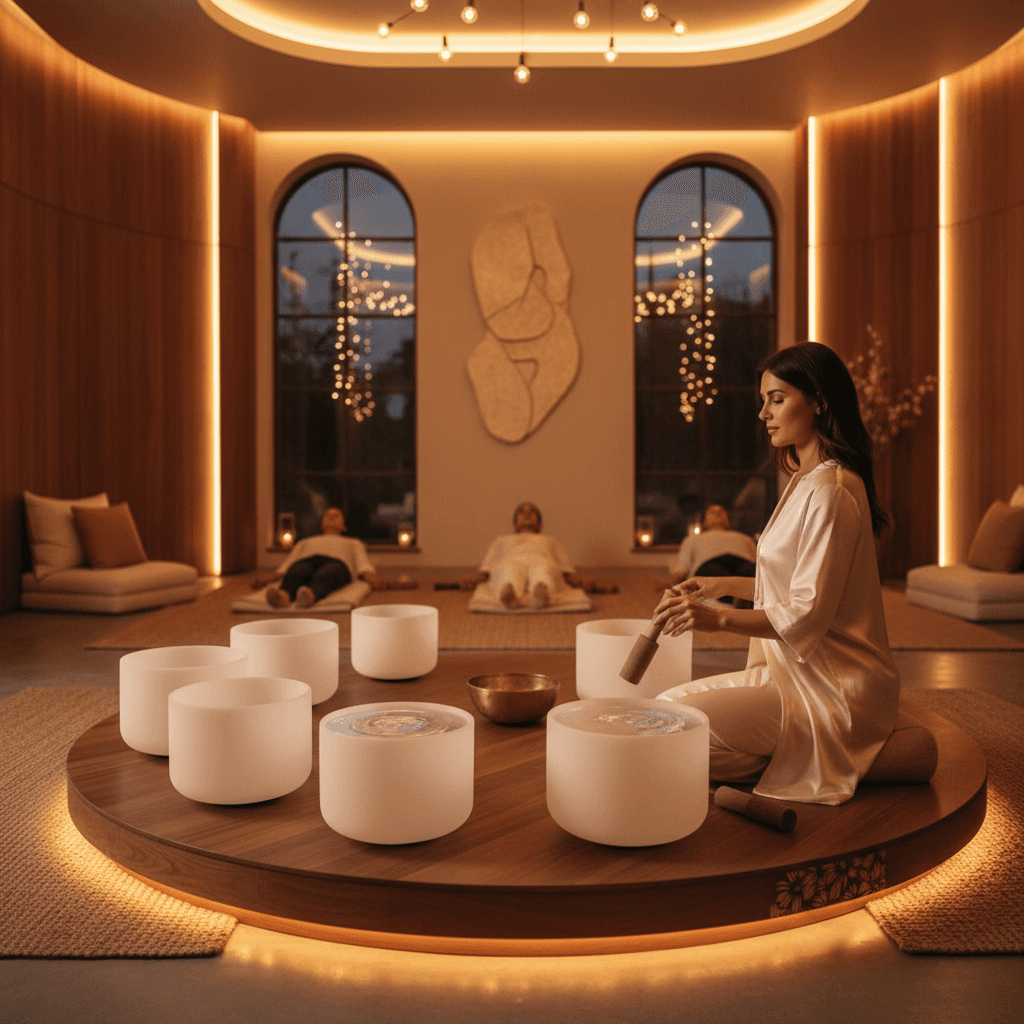
The Role of Sound in Cultural Death Practices
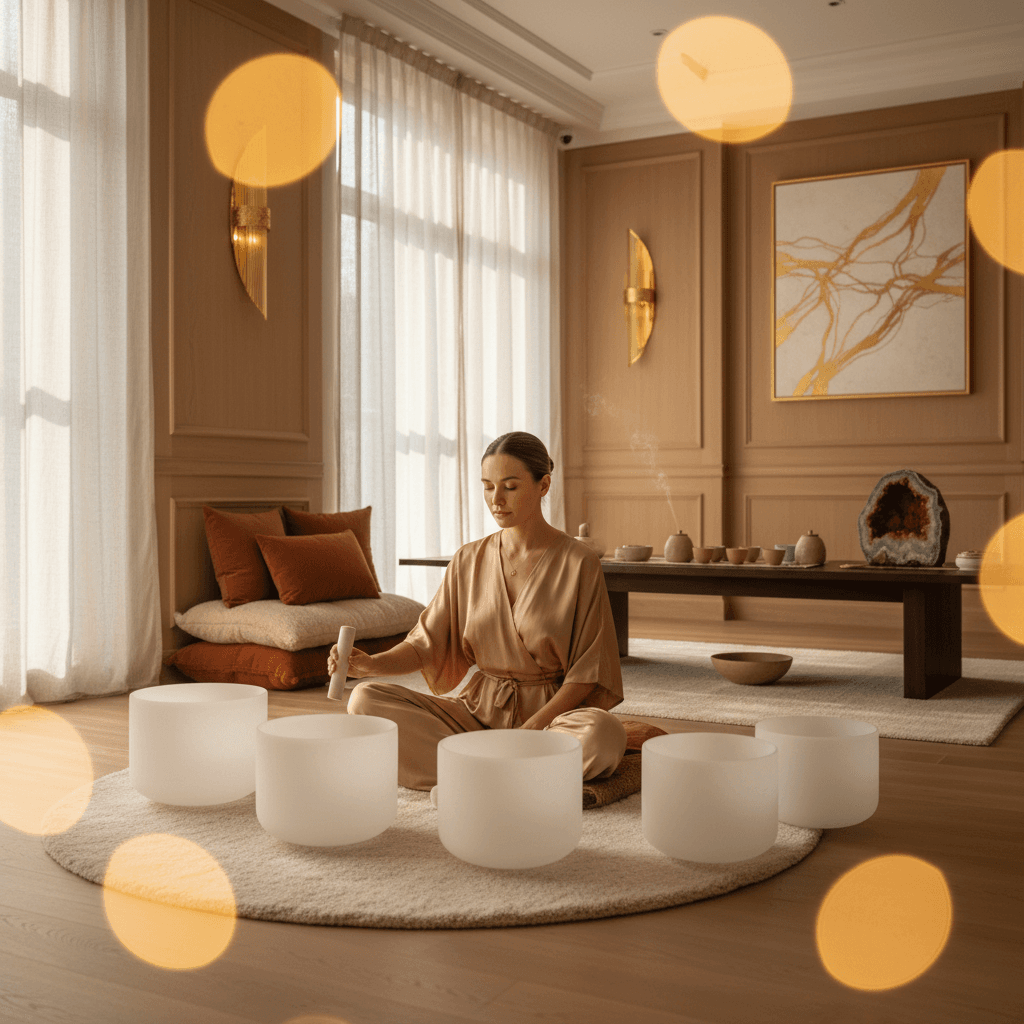
Death Doulas & Sound: Enhancing Peace in End-of-Life Journeys
Sound's Gentle Embrace: Supporting Late Alzheimer's with Sonic Wellness