The Art of Distance: Safe Space in Sound Wellness
Key Insights
Discover the science behind safe distances from gongs and large bowls in sound wellness. Learn how Soul Art creates a restorative space by honouring your nervous system.
Have you ever felt a sound wave resonate not just in your ears, but through your entire body? A powerful gong strike can feel like a gentle internal massage, a sensation that seems to bypass hearing and communicate directly with your cells. This profound experience lies at the heart of sound wellness, but it also raises an important question: can there be too much of a good thing?
The answer is deeply personal, rooted in the intersection of physics, physiology, and individual sensitivity. Understanding the importance of safe distance from powerful instruments like gongs and large singing bowls is not about diminishing their impact, but about refining it. It is about transforming a potentially overwhelming experience into one that is perfectly attuned to your nervous system.
This journal entry will explore the science behind sound intensity and its effect on the body. We will discuss why your position in the room matters, how to honour your unique sensitivities, and how we, at Soul Art, meticulously design our sessions to ensure a safe, supportive, and deeply restorative journey for every guest.
The Science Explained
To appreciate the importance of distance, we must first understand how these resonant instruments interact with our biology. The experience is far more complex than simple hearing; it's a full-body dialogue between frequency and physiology.
### The Physics of Sound: More Than Just Hearing
Sound travels in mechanical waves, which are essentially vibrations propagating through a medium—in a sound bath, that medium is the air and, subsequently, your body. Because the human body is composed of approximately 60% water, it is an excellent conductor of vibration.
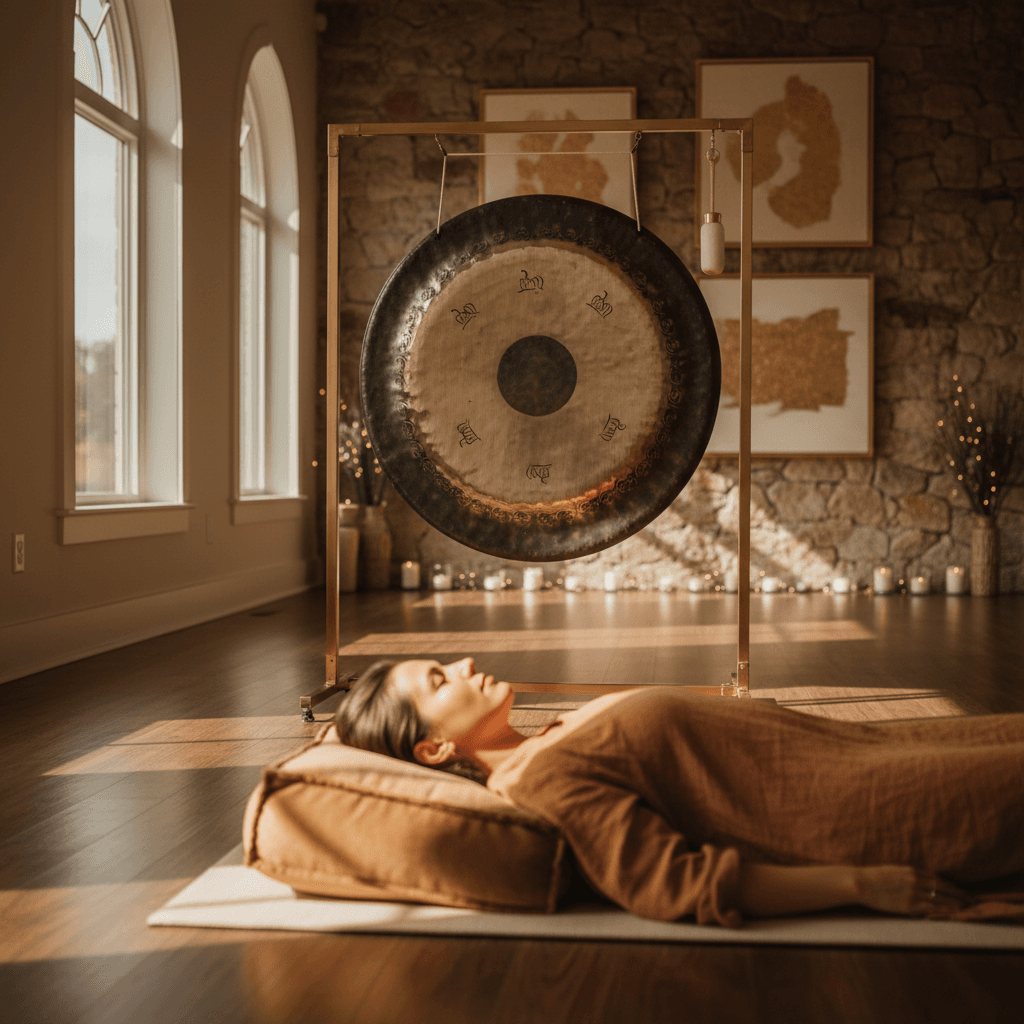
When a large gong is struck, it creates low-frequency, high-intensity sound waves. These waves don't just stop at your eardrums. They penetrate the body, causing sympathetic vibration in your tissues, organs, and bones. This phenomenon, known as somatic resonance, is what creates that "full-body" feeling. While this can be deeply relaxing for many, for some, an overly intense vibration can feel jarring or overstimulating.
### Decibels, Distance, and Your Auditory Health
The intensity of sound is measured in decibels (dB). According to the World Health Organization (WHO), prolonged exposure to sounds above 85 decibels can pose a risk to your hearing health. While a well-facilitated sound bath is designed for wellness, a large instrument played forcefully at close range can certainly approach or exceed this threshold.
This is where distance becomes your greatest ally. Sound intensity dissipates with distance according to the inverse square law. In simple terms, doubling your distance from a sound source reduces its intensity by 75%. Moving your mat just a few feet further away from a large gong can dramatically change your experience from intense and potentially uncomfortable to immersive and blissful, all while protecting your auditory health.
### Brainwave Entrainment and Nervous System Response
One of the most profound effects of sound wellness is its potential to influence brainwave activity. Research suggests that the consistent, harmonic frequencies of singing bowls and gongs can encourage the brain to shift from an active, thinking state (Beta waves) to more relaxed, meditative states (Alpha and Theta waves).
However, every nervous system has a unique threshold. For individuals with:
- Severe anxiety or panic disorders
- Post-Traumatic Stress Disorder (PTSD)
- Neurological conditions like epilepsy
- High sensitivity to sound (hyperacusis) or tinnitus
An intense, sudden, or prolonged sound can trigger a startle response or overstimulation, pushing the nervous system into a state of alert rather than relaxation. Creating adequate space allows the sound waves to soften, making the experience more accessible and beneficial for sensitive individuals.
"Safety in a sound bath isn't just about physical contraindications; it's about creating a space where every nervous system feels seen, respected, and allowed to gently unwind at its own pace."
### The Cautionary Note: Vibrations and Implants
Beyond auditory and neurological considerations, the physical vibrations themselves are a key factor for certain individuals. The powerful vibrations from gongs and bowls placed on or very near the body could theoretically interfere with the function of electronic medical devices.
Therefore, individuals with pacemakers, implantable cardioverter-defibrillators (ICDs), or certain metal implants should exercise significant caution. It is always recommended to consult with a cardiologist or physician before attending a session and to always maintain a safe distance from the most powerful instruments.
How It Works in Practice
Understanding the science is the first step; applying it is how we co-create a truly transformative experience. The theory of sound waves and decibels comes to life in the subtle art of positioning, communication, and energetic awareness within the studio.
### Finding Your Personal Resonance
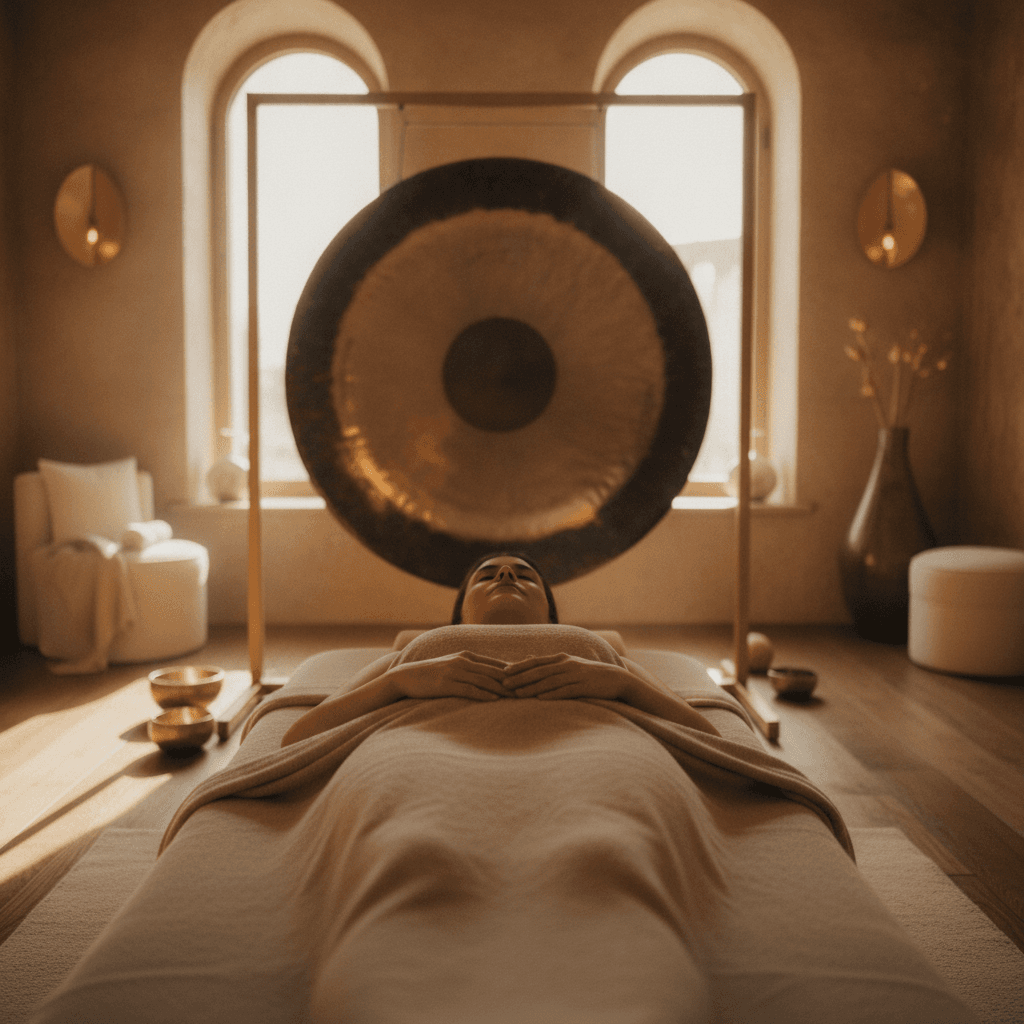
Imagine the difference between standing directly in front of a large speaker at a concert versus finding a spot further back where the music envelops you without being abrasive. The same principle applies in a sound bath. Up close, a gong's vibration can feel focused and intense, a pinpoint of powerful energy. From a distance, that same energy unfurls into a soft, immersive blanket of sound.
There is no "right" or "wrong" distance; there is only your distance. The goal is to find the place where the sound feels therapeutic, not therapeutic-in-training. This sweet spot allows your body to relax its guard and become receptive to the sound, rather than bracing against it. It’s the difference between a forceful conversation and a gentle whisper.
### The Facilitator's Role in Curating the Soundscape
A skilled facilitator is an artist of acoustics and a guardian of the space. Their role is not simply to play instruments, but to conduct the energy of the room. This involves:
- Instrument Placement: Strategically arranging gongs, large crystal bowls, and other powerful instruments to create a balanced sound field, rather than a single, overwhelming focal point.
- Dynamic Control: Expertly managing the volume and intensity throughout the session, creating a journey of sound with peaks and valleys, rather than a constant, high-volume drone.
- Observational Awareness: Paying close attention to the energy of the participants, noticing signs of discomfort, and adjusting the sound accordingly.
At Soul Art, founder Larissa Steinbach believes that a facilitator’s most important instrument is their empathy. By understanding the science and being attuned to the people in the room, the soundscape can be tailored for collective harmony.
The Soul Art Approach
Our philosophy at Soul Art is built upon a foundation of safety, respect, and scientific understanding. We recognize that deep relaxation is only possible when the mind and body feel fundamentally secure. The principle of safe distance is not an afterthought; it is woven into the very fabric of our studio's design and practice.
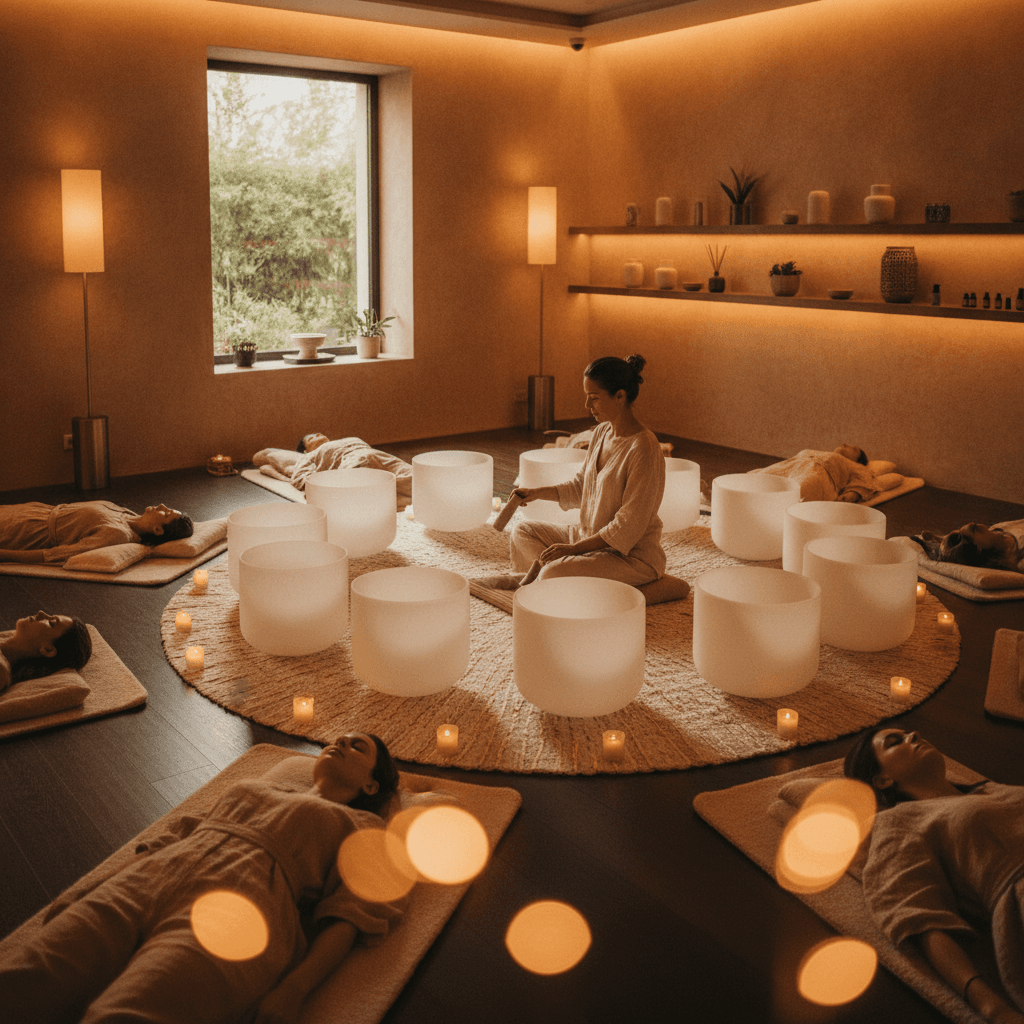
Larissa Steinbach has meticulously curated the Soul Art experience to honour individual needs. Our sessions are characterized by spaciousness. We intentionally limit the number of participants to ensure that everyone has ample room to position themselves comfortably, far from the largest instruments if they so choose. This isn't just a luxury; it is a clinical consideration for creating a truly inclusive wellness environment.
Our approach involves a gradual immersion. We begin with gentler, higher-frequency instruments like Koshi chimes and small Tibetan bowls to gently soothe the nervous system before introducing the deep, resonant tones of our planetary gongs. This layering of sound prevents sensory shock and invites the body into a state of deep listening. We foster an environment of open communication, encouraging guests to speak with us beforehand about any sensitivities or concerns.
Your Next Steps
Empowering yourself to have the best possible sound wellness experience begins before you even lie down on the mat. Here are a few practical steps you can take to honour your body and mind.
- Communicate Proactively. Before any session, inform your facilitator about any conditions you may have, such as tinnitus, PTSD, anxiety, or if you have a pacemaker. A professional will welcome this information and help you find the best spot.
- Choose Your Position Wisely. When you enter the room, take a moment to notice where the largest instruments are. If you are new, sensitive, or simply unsure, choose a mat that is further away. You can always move closer in a future session if you feel comfortable.
- Listen to Your Body. Your body is your ultimate guide. If a particular sound feels too intense, it is perfectly acceptable to use your hands to gently cover your ears or to bring earplugs. True wellness is about honouring your needs in the moment.
- Start with "Gentle" Sessions. If you're exploring sound baths for the first time, consider seeking out sessions specifically advertised as "restorative" or "gentle." These often use a softer array of instruments and focus on more delicate soundscapes.
In Summary
The powerful resonance of gongs and large singing bowls is a cornerstone of deep sound wellness, but its efficacy is inseparable from the principles of safety and personal comfort. The science of sound waves, decibels, and nervous system response clearly shows that distance is a key tool for modulating intensity and tailoring the experience to your unique needs.
By understanding these dynamics, you are empowered to advocate for your own wellbeing. A safe distance ensures that the profound vibrations serve to soothe, not startle, allowing you to unlock a deeper state of relaxation and restoration. We invite you to experience this mindful, spacious, and scientifically-informed approach to sound wellness at Soul Art, where your peace of mind is our highest priority.
Bookings Coming Soon
Soul Art is still in preparation. Session details and booking will be published here after launch.
Coming Soon
Related Articles
Navigating Sound Wellness: Evidence-Based Questions for Practitioners
Soul Art: Integrating Science, Ritual, and Safety for Well-being
Sound Baths: Accessible Comfort for Older Adults at Soul Art