Sound Healing vs. Music Therapy: Evidence & Unique Approaches
Key Insights
Explore the scientific evidence behind music therapy and understand the distinct, yet complementary, philosophy of sound healing. Discover the Soul Art difference.
The Resonant Divide: Understanding Sound Healing and Music Therapy
Imagine a world where sound, in its myriad forms, offers profound pathways to well-being. From the gentle lullaby to the vibrant energy of a gong bath, sonic experiences permeate our lives, often with unnoticed depth. But have you ever considered the precise mechanisms through which these sounds influence our inner landscape?
This deep dive into "Music Therapy Evidence and Why Sound Healing Is Different" aims to demystify two distinct, yet equally powerful, approaches to harnessing sound for wellness. We will explore their scientific foundations, practical applications, and the unique philosophy that sets each apart. Understanding these differences is crucial for anyone seeking an informed path to enhanced relaxation, stress reduction, and holistic well-being in our fast-paced world. At Soul Art, we believe in providing clarity and empowering you with knowledge to embark on your personal journey towards harmony, guided by the vision of our founder, Larissa Steinbach.
The Science of Sonic Wellness: Brain, Body, and Beyond
The human body is an intricate symphony, constantly responding to the vibrations and frequencies around it. Our ears process auditory information, but sound's influence extends far beyond mere hearing, impacting our nervous system, brain chemistry, and even our cellular structures. Understanding these physiological and neurological responses is key to appreciating both music therapy and sound healing.
Understanding Music Therapy: A Clinical Discipline
Music therapy stands as a well-established clinical health profession, utilizing music interventions to achieve individualized goals within a therapeutic relationship. The American Music Therapy Association (AMTA) emphasizes that the agent of change in music therapy is not just the music itself, but the therapeutic experience facilitated by a credentialed music therapist. This involves a client-therapist relationship, where specific musical interactions are designed to address a patient's physical, emotional, cognitive, and social needs.
Research supporting music therapy's efficacy is substantial and growing. Controlled clinical trials have shown its positive impact in various medical and psychiatric settings. For instance, music therapy has been associated with reduced anxiety and a decreased need for sedatives in individuals undergoing invasive procedures like colonoscopies and knee surgery. Patients listening to music in the operating room often report less discomfort, and those in recovery rooms may experience lowered use of opioid painkillers.
Furthermore, music therapy demonstrates significant benefits for chronic pain management, decreasing pain perception and helping to relieve depression. For individuals with dementia, music therapy can be profoundly impactful, helping to recall memories, reduce agitation, and improve communication and physical coordination, as the ability to engage with music often remains intact late into the disease process. A systematic review and meta-analysis highlighted a significant medium-to-strong effect of music therapy on stress-related outcomes in both mental healthcare and medical settings, emphasizing its role as a powerful complementary approach.
Exploring Sound Healing: Direct Energetic Impact
In contrast to music therapy, sound healing is an umbrella term encompassing a vast group of approaches where the sound itself is considered the direct agent of change. The fundamental philosophy here posits that sounds and sound elements act directly on our energy systems, body structures, and brain chemistry, promoting healing and balance. This perspective often views sound as a direct healing agent, bypassing the need for a complex therapeutic relationship in the same way clinical music therapy does.
Sound healing approaches are often characterized by their focus on specific tones, frequencies, and vibrations rather than structured musical interventions with clinical goals. While not as formally organized as music therapy, many people report profound relaxation and stress relief from practices like sound baths, which utilize instruments such as gongs, crystal bowls, and chimes. These experiences are designed to induce states of calm, quiet the mind, and lower heart rate and blood pressure by engaging the brain in a task of focused listening.
"In sound healing, the music is the direct agent of change whereas in music therapy, the agent of change is the therapeutic experience of music. This experience is what is facilitated within a client-therapist relationship. I think it is so important to have a clear concise way of distinguishing the two." - Lindsay Hirata, on the AMTA Blog.
The Neuroscience of Resonance and Entrainment
Both music therapy and sound healing engage our neurological systems through phenomena like resonance and entrainment. When a sound wave interacts with our body, it can cause our own cells and tissues to vibrate in sympathy, a process known as resonance. This physical sensation of vibration is a key aspect of sound healing, particularly with practices like vibroacoustic therapy, where low-frequency sound vibrations may affect the body through physical and neurological pathways.
Brainwave entrainment is another fascinating aspect, particularly explored in some sound healing practices like those using binaural beats. The Monroe Institute, for example, developed audio programs embedding different frequencies in each ear, creating a "beat frequency" that aims to synchronize brain waves between hemispheres. This can promote altered states of consciousness, relaxation, or improved focus. While research conclusions on binaural beats are mixed – with some studies showing effects and others finding none – the concept highlights sound's potential to influence brain states. However, it's crucial to note that stronger, more standardized research is still needed to fully substantiate claims about reliable brainwave entrainment and broad healing effects from specific "scientific" tones or "healing frequencies."
It's important to differentiate these practices from claims of specific frequencies that "balance chakras" or "cure" conditions. While many find sound healing practices a soothing part of their overall wellness routines, scientific evidence for such sweeping claims remains limited. The general consensus from experts is that sound therapy may help some people feel calmer, sleep better, or create moments of intentional rest, particularly when integrated into a broader wellness regimen. The observed benefits often stem from the spiritual, emotional, and mental peace it can foster, similar to meditation.
Experiencing Sound: From Clinical Sessions to Holistic Journeys
The practical application of sound, whether in a therapeutic or a holistic wellness context, varies significantly in its approach and client experience. Understanding these differences helps individuals choose the most suitable path for their personal needs.
The Music Therapy Experience: Collaborative and Goal-Oriented
In a music therapy session, the experience is highly individualized and collaborative. A credentialed music therapist uses a range of interventions, which might include:
- Receptive listening: Playing live or recorded music for the patient, carefully selected to evoke specific emotional responses or memories.
- Recreative music-making: Engaging patients in singing along or playing instruments (such as drums, ukuleles, or even an iPad with music apps) to foster expression and connection. This has shown to be particularly effective in pain intensity reduction.
- Music-assisted relaxation and imagery: Guiding patients through visualization or relaxation techniques accompanied by music. This, too, has demonstrated significant benefits for pain management.
- Compositional/creative music-making: Encouraging songwriting, creating musical pieces, or improvising, allowing patients to process emotions and develop coping strategies.
The music therapist carefully observes the client's responses and adjusts the intervention to meet their clinical goals, whether it's reducing anxiety before surgery, improving motor skills in rehabilitation, or enhancing communication in dementia care. The focus is on the process within the therapeutic relationship, where music acts as a catalyst for growth and change. The specific music chosen is often tailored to individual preferences, acknowledging the highly personal nature of our relationship with sound, yet some research also explores if specific sounds can universally affect physiological markers regardless of preference.
The Sound Healing Journey: Immersive and Introspective
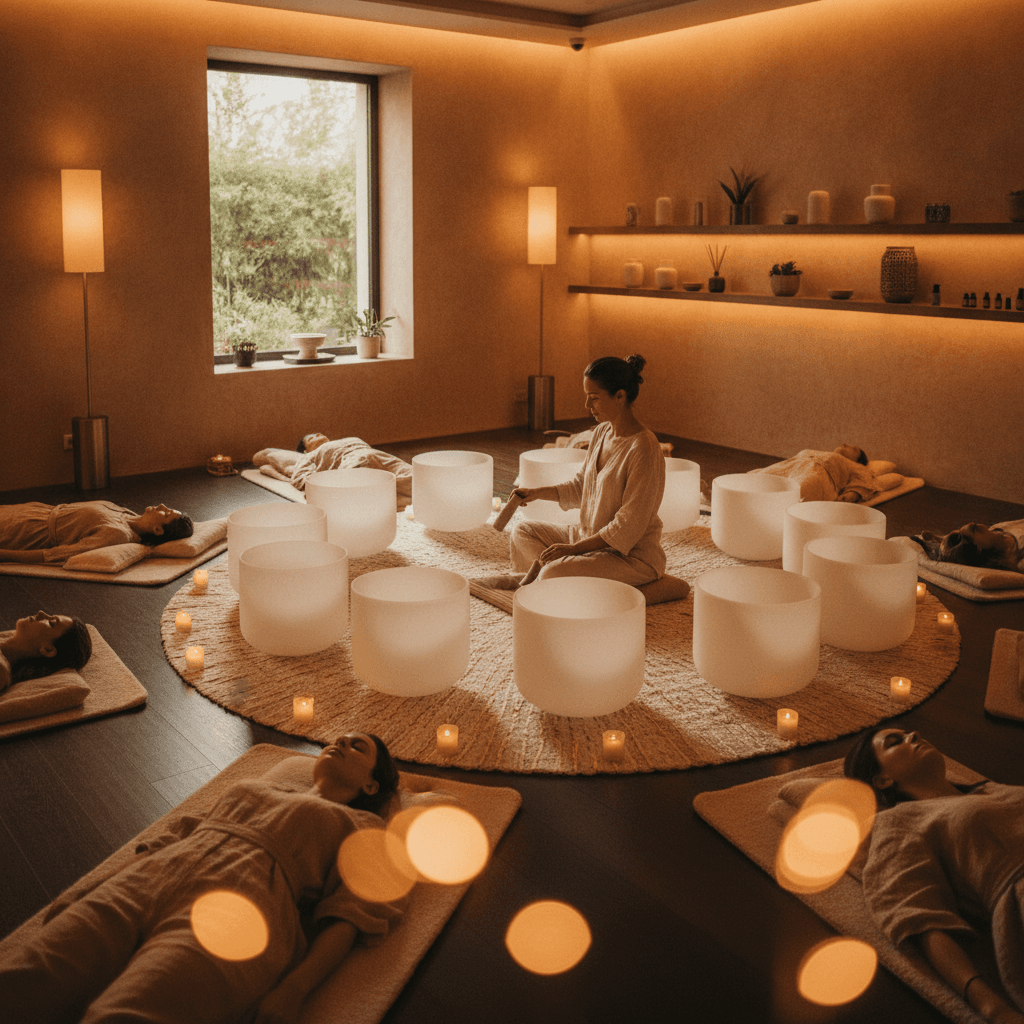
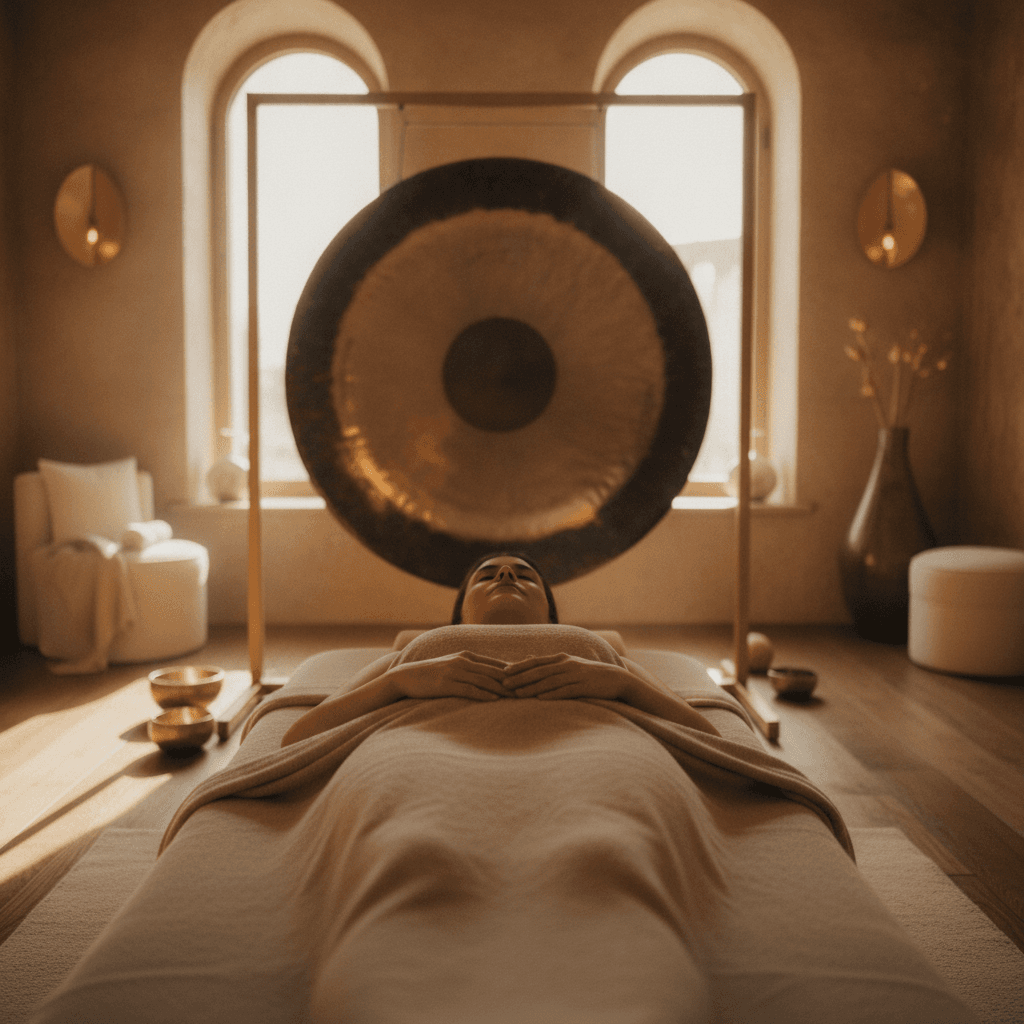
A sound healing session, often referred to as a "sound bath," offers a distinctly different experience. While facilitated by a practitioner, the primary interaction is often between the individual and the sounds themselves. Clients typically lie down comfortably, allowing the sound waves to wash over them. The instruments used are central to the experience and can include:
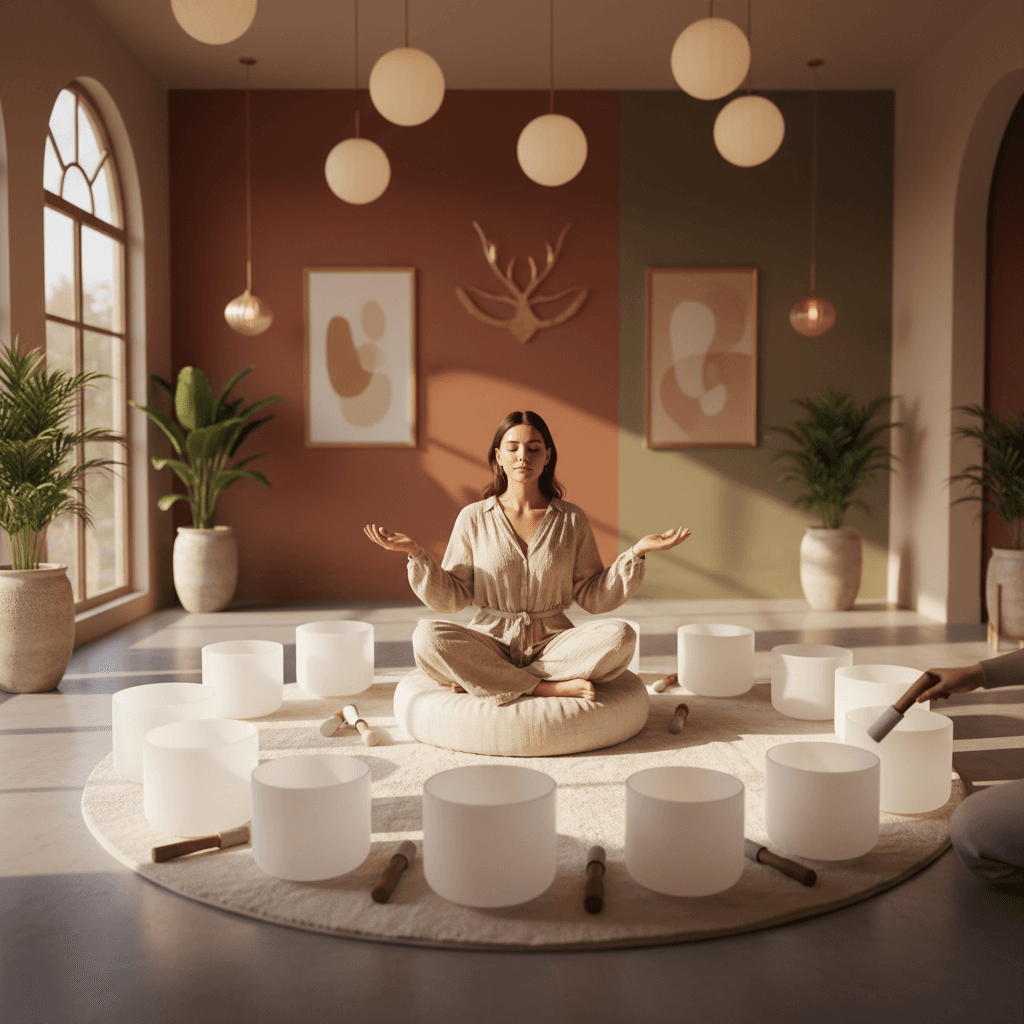
- Crystal and Tibetan singing bowls: These produce rich, sustained tones and vibrations believed to resonate with the body's energy centers.
- Gongs: Known for their deep, resonant vibrations and complex overtones, gongs can induce profound states of relaxation and altered consciousness.
- Chimes and other percussion instruments: Used to add texture, specific frequencies, and a sense of journey to the soundscape.
The practitioner creates an immersive auditory environment, often without lyrics, allowing the participant to surrender to the sounds. The intention is to guide the individual into a state of deep relaxation, where the body's natural healing mechanisms can be supported. The sensory details are paramount: the feeling of vibrations permeating the body, the rich tapestry of sounds enveloping the space, and the quiet internal journey it encourages. Many people report feeling a sense of calm, mental clarity, and emotional release during and after these sessions.
While sound healing is less about achieving specific clinical goals within a therapist-client relationship, it is highly valued as a complementary wellness practice. It offers a unique opportunity for self-care, stress management, and emotional regulation, providing a sanctuary for the nervous system in our often overstimulated world. The benefit is rooted in fostering spiritual, emotional, and mental peace, allowing individuals to find calm and absorb fresh perspectives.
The Soul Art Difference: Larissa Steinbach's Vision for Deep Well-being
At Soul Art, Dubai's premier sound wellness studio, we embrace the transformative power of sound with a philosophy rooted in the direct impact of sonic vibrations on our being. Our founder, Larissa Steinbach, has meticulously curated an experience that harmonizes scientific understanding with ancient wisdom, offering a distinctive approach to well-being.
Larissa Steinbach's vision for Soul Art centers on the belief that sounds and sound elements are direct healing agents. This aligns with the core principle of sound healing, where the carefully selected frequencies and vibrations act upon the body's energy systems, cellular structures, and brain chemistry. We understand that in our modern lives, chronic stress and mental overwhelm are prevalent, and our sessions are designed to provide a profound antidote.
What makes the Soul Art method unique is its commitment to creating an environment of "quiet luxury" – a space where every detail is considered to enhance the immersive sound experience. From the carefully chosen instruments to the serene ambiance, our studio is designed to be a sanctuary. Larissa Steinbach personally guides many of our sessions, employing an exquisite collection of instruments including:
- High-quality crystal singing bowls: Tuned to specific frequencies, these bowls produce pure tones that resonate deeply, fostering relaxation and energetic alignment.
- Therapeutic gongs: The powerful, complex overtones of our gongs create a "sound ocean" that can induce meditative states, release tension, and facilitate emotional processing.
- Chimes and other resonant percussion: Used to add delicate textures and subtle frequency layers, guiding participants into deeper states of calm.
At Soul Art, we focus on facilitating a deeply personal, introspective journey for each individual. Our sessions are not about diagnosing or treating medical conditions, but about supporting the body's innate capacity for self-regulation and restoration. We empower our clients to release accumulated stress, clear mental chatter, and reconnect with their inner peace. This holistic approach to wellness may support enhanced mood, improved sleep quality, and a greater sense of overall balance. Larissa Steinbach’s expertise ensures that each session is a carefully crafted tapestry of sound, guiding you toward profound relaxation and a renewed sense of vitality.
Cultivating Sonic Well-being: Your Path Forward
Integrating sound into your daily life and seeking specialized sound experiences can be a powerful step towards enhanced well-being. Understanding the distinction between music therapy and sound healing empowers you to make informed choices that align with your personal wellness goals. Whether you seek clinically-backed interventions or deeply immersive relaxation, sound offers a pathway.
Here are some actionable steps you can take today to cultivate sonic well-being:
- Practice Mindful Listening: Dedicate time each day to truly listen to sounds around you – nature sounds, a favorite piece of calming music, or even the hum of your environment. Notice how these sounds affect your mood and body.
- Explore High-Quality Soundscapes: Utilize carefully curated soundscapes or binaural beat tracks (from reputable sources) for focused relaxation or meditation. Remember to use these as complementary tools for intentional rest.
- Incorporate Vibration into Relaxation: Consider the benefits of gentle vibrations. This could be as simple as listening to music through good quality headphones, or experiencing a sound bath where vibrations are palpable.
- Prioritize Regular Self-Care Rituals: Integrate sound experiences into a broader wellness routine. Much like meditation, the consistent practice of engaging with sound for peace can yield cumulative benefits.
- Seek Expert Guidance for Deep Immersion: For a truly transformative experience, consider visiting a dedicated sound wellness studio like Soul Art. Our expert facilitators, led by Larissa Steinbach, provide a safe and luxurious environment designed for deep relaxation and self-discovery.
Remember, sound wellness is a complementary approach that supports your overall health journey. It is not intended to replace medical advice or treatment. Embracing the power of sound, however, can unlock new dimensions of calm, clarity, and inner harmony in your life.
In Summary: Harmonizing Science and Soul at Soul Art
We've explored the fascinating landscape of sound's influence on well-being, drawing a clear distinction between the clinical, relationship-based practice of music therapy and the direct, immersive approach of sound healing. Music therapy leverages the therapeutic experience with music to achieve specific medical and psychological goals, backed by extensive research in areas like pain reduction, anxiety relief, and cognitive support. Sound healing, while less formally structured, offers profound benefits through the direct impact of sound frequencies and vibrations on our energetic and physical being, fostering deep relaxation, stress release, and mental clarity.
At Soul Art, founded by Larissa Steinbach, we champion the transformative power of sound healing as a sophisticated wellness practice. We offer a "quiet luxury" experience where meticulously chosen instruments and expert guidance create an unparalleled journey into inner peace. Our sessions are designed to help you de-stress, rebalance, and reconnect with your authentic self. Discover the unique blend of scientific grounding and soulful intention that defines the Soul Art experience, inviting you to explore new depths of personal harmony.
Bookings Coming Soon
Soul Art is still in preparation. Session details and booking will be published here after launch.
Coming Soon
Wellness Disclaimer: This article is for educational and informational purposes only. It does not constitute medical advice, diagnosis, or treatment. Soul Art Dubai provides non-medical wellness experiences focused on relaxation, stress management, and general wellbeing. Sound wellness is a complementary practice and should not replace professional medical care.
Related Articles
Navigating Sound Wellness: Evidence-Based Questions for Practitioners
Soul Art: Integrating Science, Ritual, and Safety for Well-being
Sound Baths: Accessible Comfort for Older Adults at Soul Art