Building a Safe Sound Bath Room: Science, Design & Serenity
Key Insights
Craft a safe, scientifically-optimized sound bath room for deep relaxation. Soul Art Dubai, led by Larissa Steinbach, shares insights on acoustic design, comfort, and client safety.
The subtle hum of a singing bowl, the resonant thrum of a gong – sound has a profound ability to transport us to states of deep relaxation and inner calm. As the practice of sound bathing grows, so does the responsibility to create spaces that not only facilitate this journey but prioritize safety and well-being above all else. At Soul Art, Dubai's premier sound wellness studio, we understand that a truly transformative experience begins with a meticulously designed environment.
How can one construct a group sound bath room that is both acoustically optimal and inherently safe? This article delves into the scientific principles, design considerations, and practitioner insights crucial for building such a sanctuary. We will explore the neuroscience behind sound's impact, the practicalities of acoustic engineering, and the vital human elements that ensure every participant can embrace the experience with peace of mind, guided by the expertise of Larissa Steinbach and the Soul Art philosophy.
The Science Behind Sonic Sanctuary Design
The profound effects of sound baths are rooted in intricate physiological and neurological responses. Understanding this science is paramount to designing a space that amplifies therapeutic benefits while maintaining a secure environment. The human body is largely composed of water and responsive tissues, making it highly susceptible to the influence of vibrations and rhythmic sounds.
Brainwave Entrainment and Neural Relaxation
Our brains operate through rhythmic electrical patterns known as brainwaves, each linked to different states of consciousness. Sound frequencies possess the remarkable ability to entrain these brainwaves, syncing their rhythms with external sounds and making it easier to access restorative states. For instance, lower-frequency sounds, such as alpha and theta waves, can stimulate brainwave production associated with relaxation and dreamlike meditative states.
Exposure to frequencies between 4-8 Hz (Theta) is often linked to creativity and emotional processing, while 8-12 Hz (Alpha) promotes relaxed alertness and reduced stress. By intentionally curating the sound environment, a practitioner can guide participants into these beneficial brainwave states, encouraging the neural relaxation response. This process can help individuals fall asleep faster and experience more restorative sleep cycles, by activating the parasympathetic nervous system.
The Vagus Nerve and Autonomic Balance
Beyond the ears, sound vibrations have a broader impact on the entire body. Research indicates that low-frequency vibrations, particularly those between 40-150 Hz, are especially effective at stimulating the Vagus Nerve. This crucial nerve is a key regulator of stress, digestion, and emotional balance, influencing involuntary bodily functions like heart rate and digestion.
Increasing vagal tone, a marker of resilience and emotional regulation, is a significant benefit of sound exposure. Higher vagal tone is associated with better digestion, lower inflammation, and an increased capacity for calm. The calming effects of specific sound frequencies help shift the nervous system toward a more balanced and restorative state, allowing participants to emerge not just relaxed, but often lighter, clearer, and more balanced.
Resonance and Cellular Impact
The principle of resonance dictates that just as one tuning fork can cause another to vibrate, sound can help the body reset into harmony. Every organ and system in the body vibrates at its own unique frequency. When exposed to the deep hum of a gong or the shimmering tones of a crystal bowl, the body "absorbs" these external frequencies and begins to mirror them.
This phenomenon suggests that sound doesn’t just enter our ears; it influences physical and neurological processes, potentially rewiring our nervous system. This deep vibrational influence prepares the mind and body for deeper therapeutic work, promoting emotional regulation and helping individuals release stress to reconnect with a sense of inner calm.
Emotional Regulation and Stress Reduction
Scientific interest in sound therapy has grown as researchers study its influence on stress, mood, and the body’s relaxation response. Studies on sound therapy and group sound meditation have found improvements in mood and reductions in anxiety after sessions. The combination of calming sound, a supportive relaxation environment, and mindful listening can significantly contribute to emotional balance.
Preliminary studies, such as research on teacher self-reported stress levels, indicate that sound bath interventions may reduce perceived stress. This practice facilitates a release of stress and emotional distress, allowing individuals to tap into their natural instinct for repair, calm the mind, and balance emotions. As Monique Mead highlights, "Sound healing gets us out of our thinking mind and into deeply relaxed states where the body’s natural instinct can begin to repair tissue, calm the mind, and balance the emotions."
Designing for Deep Immersion: Practical Room Construction
Creating a safe and effective group sound bath room requires careful attention to its physical design. From acoustics to comfort, every element plays a role in enhancing the experience and ensuring participant well-being. The goal is to build a serene environment where the healing frequencies can be fully appreciated without distraction or discomfort.
Acoustic Engineering for Pure Sound
The foundation of any sound bath room is its acoustic integrity. Effective soundproofing is crucial to minimize external noise intrusion, ensuring that the subtle nuances of the instruments are heard clearly without distractions. This involves using specialized materials in the walls, ceiling, and floor to absorb or block sound waves. Furthermore, preventing sound leakage from the room is important to maintain privacy and respect for neighboring spaces.
Beyond soundproofing, internal acoustic treatments are essential for optimal resonance and clarity. Diffusers help to scatter sound waves, preventing echoes and creating a richer, more enveloping sound field. Absorbers reduce reverberation, ensuring that the sound is clear and crisp, rather than muddy or overwhelming. The acoustic properties of the room significantly influence the purity and impact of the sound frequencies, a factor that can distinguish live sound experiences from digitally recorded ones.
The Sanctuary Layout and Comfort
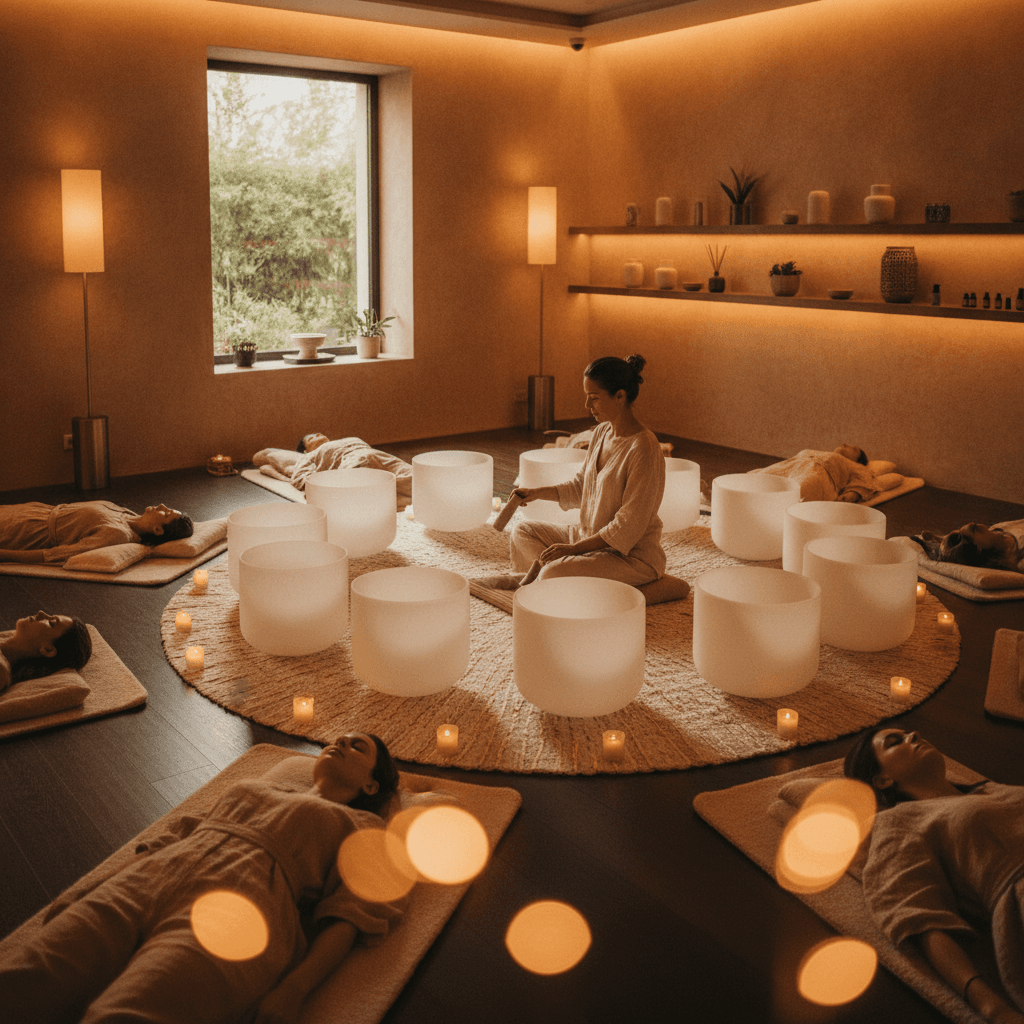
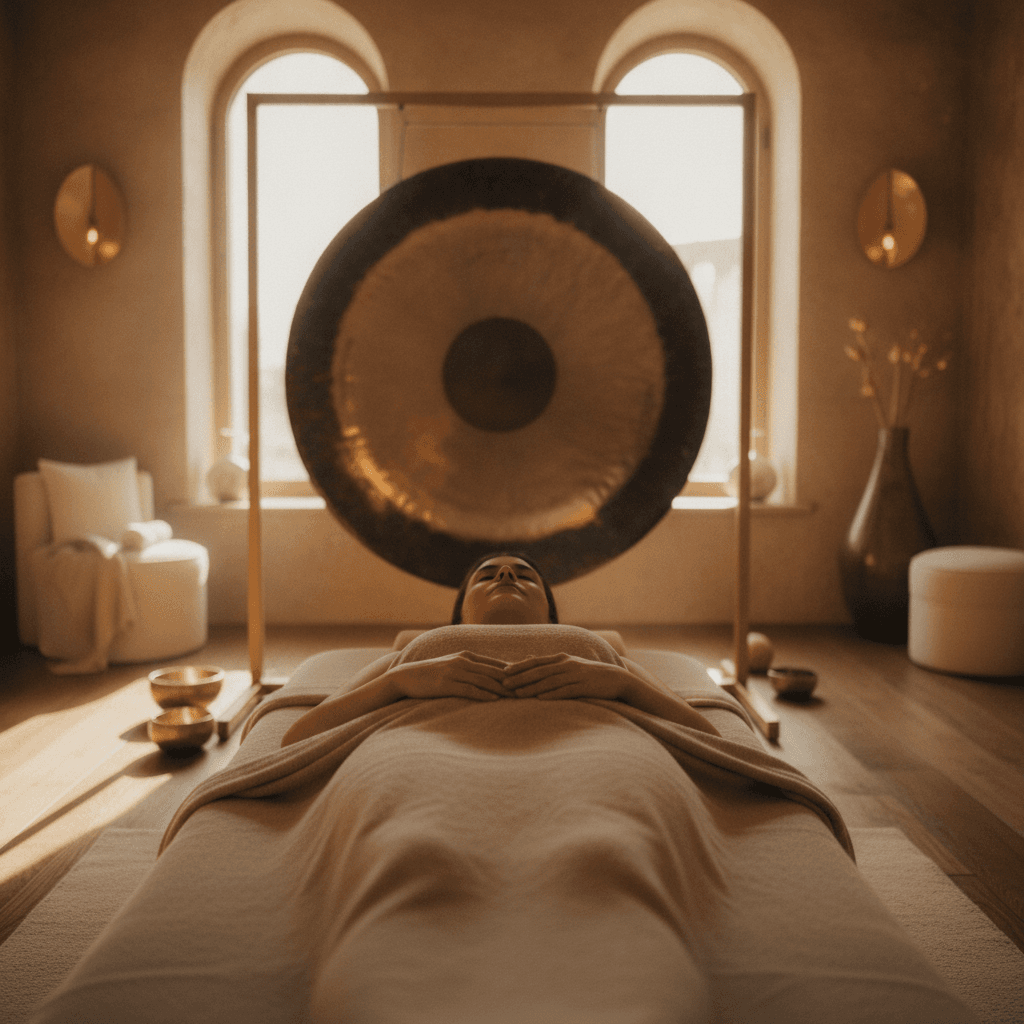
The layout of the room must prioritize participant comfort and the practitioner's ability to effectively deliver the sound bath. Ample space for each individual is essential, allowing them to lie down comfortably on yoga mats, blankets, or cushions without feeling crowded. Participants may also benefit from an eye mask to enhance sensory immersion.
The practitioner's position within the room is also critical. They should have enough space to move freely around the participants and position instruments strategically to ensure an even distribution of sound and vibration. This thoughtful arrangement allows every participant to receive the full benefits of the sound experience, making them feel seen and catered to.
Environmental Harmony: Lighting, Ventilation, and Temperature
The ambiance of a sound bath room extends beyond sound to include visual and atmospheric elements. Lighting should be soft, subtle, and adjustable, allowing for dimmed settings that promote relaxation. Natural light, if available, should be controllable to prevent glare or over-stimulation. The aim is to create a visually calming environment that supports the journey inward.
Efficient and quiet ventilation systems are vital to ensure a constant supply of fresh air without introducing distracting background noise. A comfortable room temperature is also non-negotiable; participants should feel neither too hot nor too cold, allowing them to fully relax without physical discomfort. These subtle environmental controls contribute significantly to the overall sense of safety and deep relaxation.
The Human Element: Practitioner Expertise and Client Safety
While the physical room provides the stage, the true safety and efficacy of a group sound bath lie in the hands of a skilled practitioner and clear communication protocols. Ensuring a nurturing and secure environment involves more than just architectural design; it encompasses expertise, empathy, and a deep understanding of individual needs.
The Role of the Skilled Practitioner
A highly skilled sound bath practitioner is the anchor of a safe and transformative session. Their expertise extends beyond simply playing instruments; it involves a deep understanding of sound frequencies, their potential effects on the body, and the ability to intuitively guide the session. They create a "calm and supportive environment" by selecting appropriate instruments, employing precise playing techniques, and holding space for participants' experiences.
This mastery allows them to adapt the session to the energy of the group, ensuring that the sound levels and frequencies are always appropriate and never overwhelming. Larissa Steinbach, at Soul Art, embodies this expertise, dedicating herself to curating sessions that are both scientifically informed and deeply intuitive, providing a sense of security and trust to all attendees.
Pre-Session Communication and Informed Consent
Before any sound bath begins, clear and open communication between the practitioner and participants is paramount. It is essential for participants to communicate any health conditions, concerns, or sensitivities they might have. This includes existing medical conditions, sound sensitivities, or if they are pregnant. The practitioner, in turn, should clearly outline what to expect during the session, including potential emotional release, light-headedness, or mild drowsiness.
This dialogue allows the practitioner to tailor the experience if needed or advise if a sound bath might not be suitable at that particular time. This proactive approach ensures that every participant feels heard and understands the nature of the experience, fostering an environment of informed consent and mutual respect.
Prioritizing Individual Well-being
A core tenet of a safe sound bath practice is empowering participants to "listen to their body" throughout the session. While sound baths are generally considered safe for most people, individual experiences can vary. If at any point a participant feels uncomfortable, it is absolutely okay to sit up, adjust their position, or even step out of the session. A respectful practitioner will always encourage this self-awareness and provide space for such adjustments.
For individuals with specific health conditions or concerns, such as tinnitus, it is always advisable to consult with healthcare professionals before participating. While research suggests sound therapy can help shift attention away from internal ringing and reduce associated emotional stress for some with tinnitus, individual responses can differ. Soul Art always prioritizes health, ensuring that sound wellness is a beneficial and supportive practice, never a substitute for medical advice.
The Soul Art Signature: Larissa Steinbach's Vision for Safety and Serenity
At Soul Art, Dubai's premier sound wellness studio, Larissa Steinbach has meticulously crafted an environment where scientific understanding meets profound human care. Her vision is to offer experiences that are not only deeply relaxing and transformative but also anchored in the highest standards of safety and comfort. This commitment permeates every aspect of the Soul Art experience, from studio design to practitioner training.
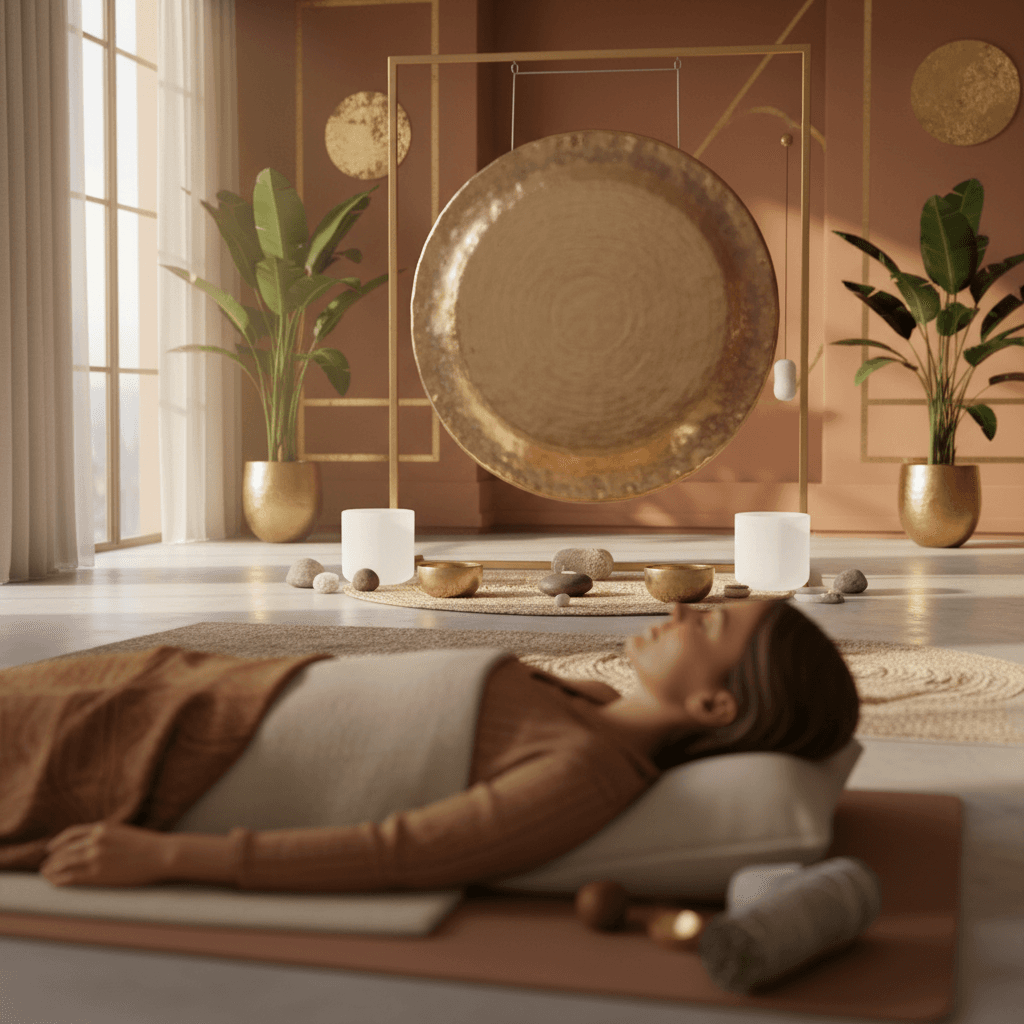
Larissa's approach integrates a deep knowledge of the neuroscience of sound with an intuitive understanding of energetic well-being. She carefully curates a collection of instruments, from resonant gongs to ethereal crystal bowls, each chosen for its specific frequency and vibrational quality. The Soul Art studio rooms are designed with state-of-the-art acoustic engineering, ensuring that every session is delivered in an environment optimized for pure sound and minimal distraction.
This dedication to excellence creates a unique signature that defines Soul Art. Larissa Steinbach and her team prioritize individual journeys, offering personalized guidance and fostering a community where participants feel safe, supported, and deeply understood. The commitment to pre-session communication, empowering self-awareness during sessions, and rigorous practitioner training ensures that every visit to Soul Art is a step towards holistic well-being, enveloped in an atmosphere of quiet luxury and profound serenity.
Cultivating Your Own Haven: Next Steps for Sonic Well-being
Whether you are considering building your own dedicated sound space or simply exploring sound wellness, understanding these foundational principles is key. Creating a safe and effective environment for sound baths is an investment in well-being, both for yourself and for those you wish to share the experience with.
Here are your next steps:
- Prioritize Professional Guidance: Seek advice from acoustic experts for room design and consult certified sound bath practitioners for insights into effective instrument use and session flow. Their expertise is invaluable for optimizing your space and practice.
- Focus on Acoustic Quality: Invest in proper soundproofing and acoustic treatments. A room designed to contain and shape sound will profoundly enhance the immersive experience, allowing the subtle vibrations to truly resonate.
- Invest in Comfort and Ambiance: Beyond sound, consider the visual and tactile elements. Comfortable mats, soft lighting, and a pleasant room temperature significantly contribute to the relaxation response, making the space a true sanctuary.
- Educate Yourself and Communicate: Learn about the science of sound baths and their general effects. Always engage in open dialogue with practitioners about your health concerns, and remember to listen to your own body during any wellness practice.
- Embrace the Journey: Recognize that sound wellness is a journey of self-discovery and relaxation. With a safe and thoughtfully designed environment, you can fully embrace the transformative potential of sound.
Bookings Coming Soon
Soul Art is still in preparation. Session details and booking will be published here after launch.
Coming Soon
In Summary: The Art of Safe Sonic Sanctuary
Building a safe and effective group sound bath room is a harmonious blend of scientific understanding, meticulous design, and empathetic practice. From the intricate ways sound influences our brainwaves and nervous system to the tangible elements of acoustic engineering and environmental control, every detail contributes to a profound wellness experience. Larissa Steinbach and Soul Art exemplify this dedication, creating environments in Dubai where deep relaxation and self-discovery flourish in utmost safety. By prioritizing professional guidance, acoustic integrity, and mindful communication, we can unlock the full, transformative potential of sound, fostering spaces that truly heal and rejuvenate.
Wellness Disclaimer: This article is for educational and informational purposes only. It does not constitute medical advice, diagnosis, or treatment. Soul Art Dubai provides non-medical wellness experiences focused on relaxation, stress management, and general wellbeing. Sound wellness is a complementary practice and should not replace professional medical care.
Related Articles
Navigating Sound Wellness: Evidence-Based Questions for Practitioners
Soul Art: Integrating Science, Ritual, and Safety for Well-being
Sound Baths: Accessible Comfort for Older Adults at Soul Art